Best Time to Visit Los Cabos: Weather, Whales, and Prices (2026)
Los Cabos sits at the southern tip of the Baja California Peninsula where the Pacific Ocean meets the Sea of Cortez, encompassing the twin cities of Cabo San Lucas and San José del Cabo connected by a 33-kilometer resort corridor. With 350+ days of sunshine per year, virtually zero sargassum, and year-round activities from whale watching to sportfishing, timing your visit comes down to weather preferences, budget, and which wildlife you want to see.
I’ve visited Los Cabos across every season — January whale watching trips with my family, a sweltering August weekend that taught me what “desert heat” really means, spring break weeks where I couldn’t find a chair on Medano Beach, and quiet October days where entire resort pools were mine alone. The desert-meets-ocean landscape here is unlike anywhere else in Mexico. No jungle humidity, no Caribbean seaweed, no colonial cobblestones — just raw granite cliffs, cactus-covered hills, and water so blue it looks artificial.
Here’s the key insight after all those trips: Los Cabos is a year-round destination, but WHEN you go dramatically affects how much you pay, how crowded the beaches are, and which activities are available. A February visit and an August visit feel like two completely different vacations at two completely different price points.
This guide breaks down every month so you can pick the right time for your trip.
Best Time to Visit Los Cabos: Quick Answer
If you want the short version, the best time to visit Los Cabos for most travelers is January through April. That window gives you the most reliable beach weather, humpback whale season, comfortable evenings, and the easiest conditions for boat tours, snorkeling, and day trips.
That said, the best month for you depends on your goal:
- Best overall: February and early March for dry weather, whales, and slightly less holiday pricing than late December
- Best for lower prices without miserable weather: May and November
- Best for whale watching: January through March
- Best for whale shark trips via La Paz: February through April
- Best for sportfishing: June through November, especially late summer into fall
- Best for avoiding spring breakers: Late April, May, November, and early December
- Best for families: January, February, early March, and November
- Best to avoid unless the price is excellent: September and early October because of storm risk and heavy heat
If this is your first Los Cabos trip, I would choose February. You get warm days, cool nights, excellent water visibility, active whale season, and fewer holiday crowds than Christmas or New Year’s week.
Los Cabos at a Glance: 12-Month Overview
Before getting into the details, here’s the full-year snapshot for Los Cabos. Scan this table to find your ideal window, then read the deeper sections below.
| Month | Weather | Crowds | Hotel Prices | Whale Watching | Whale Sharks (La Paz) | Sargassum |
|---|---|---|---|---|---|---|
| January | 72°F / 22°C | High | Peak ($$$) | Yes (humpback + gray) | Yes | None |
| February | 73°F / 23°C | High | Peak ($$$) | Yes (peak) | Yes | None |
| March | 75°F / 24°C | Very High (spring break) | Peak + surge ($$$$) | Yes | Yes | None |
| April | 78°F / 26°C | High | Peak ($$$) | Ending | Yes | None |
| May | 82°F / 28°C | Moderate | Shoulder ($$) | No | Ending | None |
| June | 86°F / 30°C | Low | Low ($) | No | No | None |
| July | 90°F / 32°C | Low | Low ($) | No | No | None |
| August | 91°F / 33°C | Low | Low ($) | No | No | None |
| September | 90°F / 32°C | Very Low | Lowest ($) | No | No | None |
| October | 85°F / 29°C | Low | Low ($) | No | No | None |
| November | 79°F / 26°C | Moderate | Shoulder ($$) | Starting (humpback) | Starting | None |
| December | 74°F / 23°C | Very High | Peak ($$$) | Yes | Yes | None |
Important note about the Sargassum column: Every month reads “None” because Los Cabos faces the Pacific Ocean and the Sea of Cortez — sargassum seaweed only affects Caribbean-facing coastlines like Cancun, Tulum, and Playa del Carmen. This is a major advantage of choosing Cabo over Caribbean Mexico, and it holds true 365 days a year.
The Sargassum Advantage: Why Cabo Beats the Caribbean
If you’ve been following Mexico travel news over the past few years, you’ve probably seen photos of brown seaweed piled meters deep on Caribbean beaches. That’s sargassum — a floating algae that washes ashore in massive quantities along the Caribbean coast, particularly from April through October. It smells bad, looks worse, and can ruin a beach vacation.
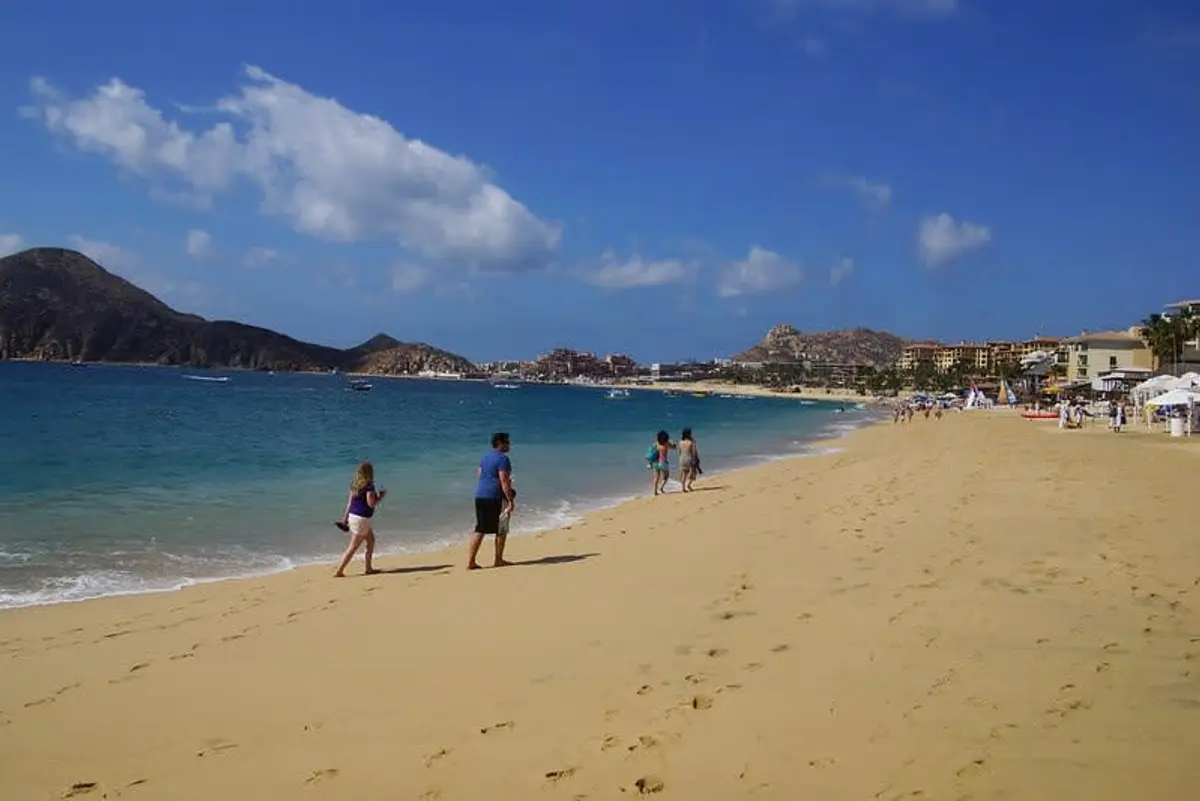
Los Cabos is completely immune to sargassum. Here’s why: the seaweed arrives on Atlantic/Caribbean currents from the Sargasso Sea. Cabo faces west toward the open Pacific and east toward the Sea of Cortez. The sargassum current physically cannot reach it. I’ve been to Medano Beach in August — the same month Tulum beaches were covered in brown sludge — and the sand was perfectly clean.
If beach cleanliness is your top priority, Los Cabos wins over Cancun and the Riviera Maya every single time, regardless of season. It’s one of the strongest arguments for choosing the Pacific side of Mexico for a beach vacation. You can read more about Mexico’s best beaches to compare your options.
Weather: Two Distinct Seasons
Los Cabos has a desert climate modified by ocean proximity. That means hot and dry is the default, with two seasons that affect what your trip will feel like.
Dry Season (October through April)
This is why most people come to Cabo. Expect warm, sunny days with almost no rain — the kind of weather where you can plan outdoor activities with near-certainty they won’t be cancelled. December through February nights cool down to the low 60s°F (16-17°C), which feels refreshing after a day in the sun. You’ll want a light jacket for evening dinners on patios.
Water temperatures during dry season range from 73-78°F (23-26°C) — comfortable for swimming, snorkeling, and diving without a wetsuit for most people. Visibility underwater is excellent, especially November through May when the Sea of Cortez calms down.
Hot and Humid Season (May through September)
This is when Los Cabos earns its desert reputation. Temperatures regularly exceed 90°F (32°C) and can push past 100°F (38°C) in July and August. Humidity climbs compared to dry season, though Cabo is never as humid as Puerto Vallarta or the Caribbean coast.
Occasional tropical storms move through, mostly in September and October. Water temperatures climb to 80-86°F (27-30°C) — warm enough that the Sea of Cortez feels like a bath. Most outdoor excursions still operate, but the heat makes activities like desert ATV tours and long hikes genuinely uncomfortable.
Hurricane Season: An Honest Assessment
I won’t sugarcoat this, but I also won’t exaggerate it. Hurricane season officially runs from June 1 through November 30. The real risk window for Los Cabos is September and October — this is when Pacific tropical cyclones are most active and most likely to track near the southern tip of Baja.
The 2023 Hurricane Hilary context: This was a tropical storm/Category 1 hurricane that caused significant flooding in Los Cabos and across Baja. It was a real event, but also a relatively rare one. Most years, Pacific storms either pass well south of Baja or weaken to tropical storms before reaching the peninsula. Cabo is not in the Caribbean hurricane alley — the risk is real but lower than places like Cancun.
What to do if you’re visiting during hurricane season:
- Book fully refundable hotel reservations and flexible airline tickets
- Monitor NOAA forecasts starting two weeks before your trip
- Know that major resorts have established evacuation procedures
- Have a backup plan (can you shift dates by a few days if a storm is approaching?)
The trade-off is significant: visiting during hurricane season means 30-50% lower hotel prices, dramatically fewer crowds, and warm water temperatures perfect for snorkeling. For flexible travelers who can adjust plans on short notice, the savings can be substantial. If you’re planning a wedding or event with a fixed date, stick to December through April.
For broader context on Mexico’s safety and travel conditions, including natural weather events, check our dedicated safety guide.
Peak Season Deep Dive: December through April
Why Everyone Comes in Winter
There’s a simple reason Los Cabos fills up from December through April: millions of Americans and Canadians want to escape cold weather, and Cabo offers guaranteed sunshine less than three hours from most US West Coast cities. SJD Airport receives direct flights from Los Angeles, San Francisco, Phoenix, Denver, Dallas, Houston, Seattle, and dozens more cities. When it’s 20°F in Chicago, it’s 75°F in Cabo with not a cloud in the sky.
But winter isn’t just about escaping cold. It’s also whale watching season, and that alone is worth timing your trip around.
Whale Watching Details
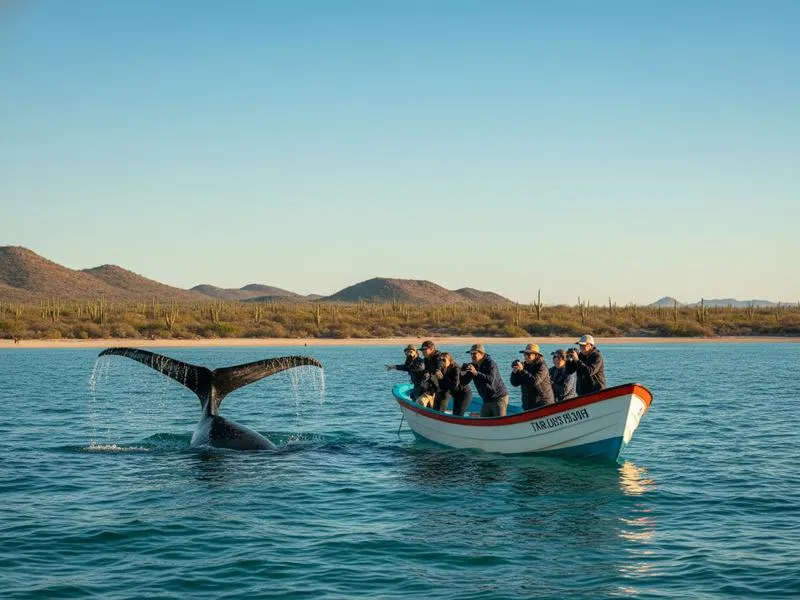
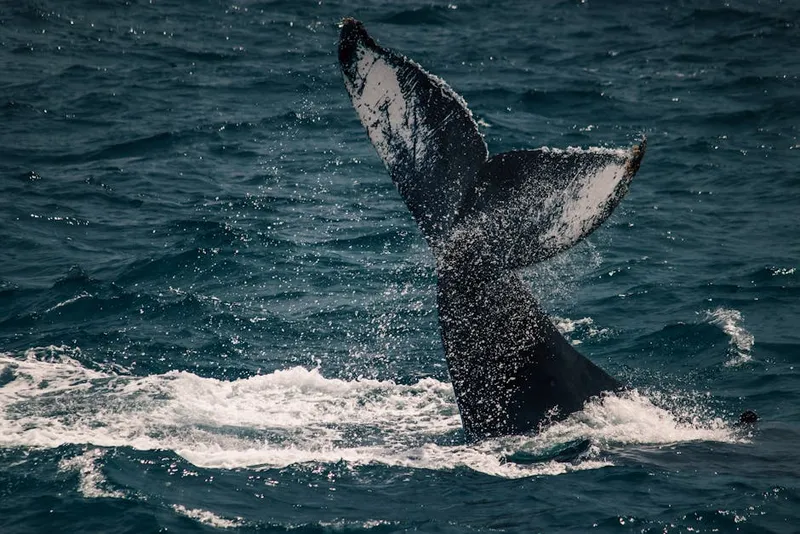
Every winter, over 600 humpback whales migrate from Alaska to the warm waters off the East Cape and Cabo San Lucas to breed and calve. The season runs from December through April, with the highest concentration of sightings from January through March. You can often see spouts and breaches from shore, but a boat tour gets you within safe viewing distance.
Whale watching tour prices: $80-150 USD ($1,500-2,800 MXN) for a 2-3 hour boat excursion from Cabo San Lucas marina. Most tours guarantee sightings during peak months (January through March) or offer a free rebooking.
Gray whales at Magdalena Bay: This is a separate and equally spectacular experience. Gray whales visit the sheltered lagoons of Magdalena Bay (Bahia Magdalena), approximately 250 km north of Cabo San Lucas, from January through March. Day trips from Los Cabos are available but long — expect 5-6 hours of driving round trip. Overnight trips are more comfortable. Magdalena Bay is one of the few places on Earth where gray whales approach boats voluntarily and allow humans to touch them.
For the complete breakdown of whale watching across Mexico, including Magdalena Bay logistics, see our dedicated guide.
Whale Shark Snorkeling via La Paz
From November through May, whale sharks — the world’s largest fish, reaching 40+ feet long — congregate in the bay near La Paz, about a 2.5-hour drive north of Cabo San Lucas. These gentle filter-feeders are completely harmless, and snorkeling alongside them is one of the most unforgettable wildlife experiences in North America.
Tour prices from Los Cabos: $150-200 USD ($2,800-3,700 MXN) for a full-day excursion including transportation from your Cabo hotel, snorkel equipment, guide, lunch, and typically 2-3 swims with the whale sharks. If you’re driving yourself to La Paz, the tour alone costs $100-130 USD ($1,900-2,400 MXN).
Peak whale shark season in La Paz is February through April, when the bay is calm and visibility is best. Check our guide on the best time to visit La Paz for more details, and consider combining whale shark snorkeling with other La Paz day trips like Espiritu Santo Island or the Pichilingue waterfront.
Spring Break: The Cabo San Lucas Party Season
Let me be direct about this: if you’re a family, a couple seeking romance, or anyone who doesn’t want to be surrounded by college students doing shots at 11am, you need to plan around spring break.
Spring break in Cabo runs from mid-March through mid-April, and it transforms Cabo San Lucas — specifically — into one of Mexico’s biggest party destinations. Medano Beach becomes wall-to-wall bodies, the clubs along the marina (Cabo Wabo, El Squid Roe, Mango Deck, Nowhere Bar) run at maximum capacity, and hotel prices surge 40-60% above already-high winter rates.
If you WANT the spring break experience: Book 3-4 months in advance. Stay on or near Medano Beach. Budget $250-400 USD ($4,600-7,400 MXN) per night for a decent hotel. Expect long waits at restaurants and packed boat tours.
If you want to AVOID spring break: You have several options. Stay in San Jose del Cabo, which remains remarkably calm even during peak spring break weeks. Visit in early March (before most US universities go on break) or late April (after the wave passes). Or stay at a resort along the Corridor between the two towns, which tends to attract families and couples rather than the spring break demographic.
For more on what to do regardless of when you visit, check our complete Los Cabos activities guide.
Summer: The Budget Traveler’s Advantage
June through September is when Los Cabos becomes genuinely affordable. The crowds vanish, prices drop, and you get a very different — but still enjoyable — version of Cabo.
The savings are real: Hotels that charge $400/night in February drop to $180-250/night. All-inclusive resorts that run $700-800/night during peak season offer packages at $300-400/night. Flights from US cities drop to $150-300 round trip compared to $300-500+ in winter. On a week-long trip, you can save $1,500-3,000 USD ($28,000-56,000 MXN) compared to high season.
What still works in summer:
- Sportfishing — Yellowfin tuna fishing actually peaks from June through August, and marlin season runs strong from September through November. Summer is prime time for serious anglers.
- Pool and resort time — Every major resort has pools, swim-up bars, and AC. You’ll spend more time at the pool and less on the beach, but that’s not a bad vacation.
- Dining and nightlife — Restaurants and bars operate year-round. You’ll get reservations at places that have month-long waitlists in winter.
- Snorkeling — Water is warmer (80-86°F / 27-30°C) and still clear on calm days, especially at Chileno Bay and Santa Maria Bay.
What’s limited or unavailable:
- Whale watching is completely gone (whales are in Alaska from May through November)
- Some outdoor excursions close or reduce schedules due to heat
- Golf becomes an early-morning-only activity (courses are scorching by 10am)
- Desert ATV/UTV tours are uncomfortable in 90°F+ heat
Summer is good for: Budget-conscious travelers, sportfishing enthusiasts, couples who are happy with pool days and evening dining, and anyone who genuinely doesn’t mind heat.
Month-by-Month Picks for Common Trip Goals
Sometimes you do not need a full climate lecture, you just need to know when Los Cabos is best for your trip style. Here is the simplest way I would make the call.
| If your priority is… | Go in… | Why |
|---|---|---|
| Perfect first trip weather | February or March | Sunny, dry, breezy evenings, strong whale activity |
| Best balance of weather and price | May or November | Shoulder season rates with mostly excellent conditions |
| Seeing whales from shore and on tours | January to March | Peak humpback season near Cabo |
| Warmest water for swimming | August to October | Sea of Cortez is warmest, though weather risk rises |
| Quietest resort experience | September and October | Lowest crowds, easiest restaurant reservations |
| Family trip with kids | February, early March, or November | Gentle weather, manageable crowds, easy beach days |
| Luxury honeymoon feel | Late November to February | Best sunset-dinner weather and polished resort atmosphere |
| Fishing-focused trip | July to November | Tuna, dorado, and marlin seasons improve |
One nuance many travelers miss: Los Cabos is not just a winter destination. Winter is best for weather and whales, but May and November are the smart-value months if you want a more relaxed version of Cabo without the worst summer heat or peak-season prices.
Activities by Season
Different months unlock different experiences. Here’s what’s available and when, so you can match your interests to your travel dates.
| Activity | Best Months | Notes |
|---|---|---|
| Sportfishing | Year-round (yellowfin peak Jun-Aug, marlin Sep-Nov) | World-class fishing every month of the year |
| Whale Watching | Dec-Apr | Humpbacks off Cabo, gray whales at Magdalena Bay |
| Whale Shark Snorkeling | Nov-May (via La Paz) | 2.5hr drive north, day trip tours available |
| Scuba Diving | Year-round (best Nov-May) | Cabo Pulmo reef best Nov-May, visibility 60-100ft |
| Snorkeling | Year-round | Chileno Bay, Santa Maria Bay best spots |
| Golf | Oct-May | 15+ courses in the Corridor; too hot Jun-Sep for most |
| Beach Swimming | Year-round (safe beaches only!) | Medano Beach and Chileno Bay safe year-round |
| Surfing | May-Oct (Pacific side) | Costa Azul, Zippers — summer swells bring the best waves |
| Desert ATV Tours | Oct-May | Too hot Jun-Sep for comfortable riding |
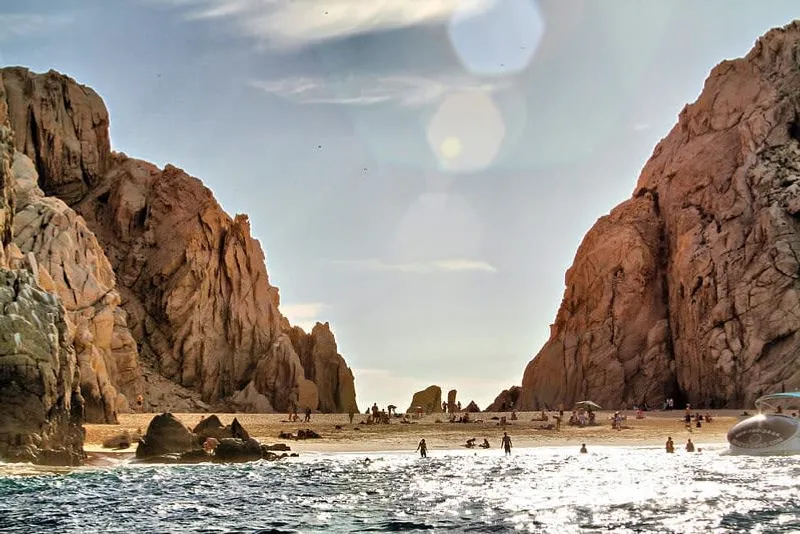
Swimming safety note: Medano Beach and Chileno Bay are safe for swimming year-round. Lover’s Beach, Divorce Beach, and most Pacific-side beaches have DANGEROUS currents that drown multiple tourists every year. Always check conditions and swim only at designated safe beaches. Our guide to day trips from Los Cabos covers the best snorkeling and swimming spots in detail.
Prices by Season: What to Budget
Understanding the pricing cycle helps you decide when to visit. Here’s what to expect across the four distinct pricing seasons in Los Cabos.
| Season | Months | Avg Hotel/Night | All-Inclusive/Night | Flight (US) | Resort Fee |
|---|---|---|---|---|---|
| High Season | Dec-Apr | $250-500 | $400-800 | $300-500 | $30-50 |
| Spring Break Surge | Mid-Mar to Mid-Apr | $350-700 | $500-1,000+ | $400-600 | $30-50 |
| Shoulder Season | May, Nov | $150-300 | $250-500 | $200-350 | $30-50 |
| Low Season | Jun-Oct | $100-250 | $180-400 | $150-300 | $30-50 |
All prices are in USD. In MXN, multiply by approximately 18.5 for current conversions. Resort fees are charged per room per night on top of your room rate at most Los Cabos hotels — always confirm at booking whether the fee is included.
For the best deals on all-inclusive resorts in Mexico, booking during shoulder season (May or November) gives you the best balance of reasonable prices and good weather.
Best Time by Traveler Type
Not every traveler has the same priorities. Here’s my recommendation based on who you’re traveling with and what matters most to you.
| Traveler Type | Best Months | Why |
|---|---|---|
| Families | Dec-Apr (avoid spring break Mar-Apr) | Best weather, whale watching, pools safe for kids |
| Honeymooners | Nov-Feb | Romantic weather, whale watching, fewer party crowds |
| Budget Travelers | Jun-Sep | 30-50% savings on everything, heat manageable with pool/AC |
| Spring Breakers | Mid-Mar to Mid-Apr | Peak party scene at Cabo San Lucas |
| Scuba Divers | Nov-May | Best underwater visibility, Cabo Pulmo peak, whale sharks via La Paz |
| Anglers | Jun-Nov | Yellowfin tuna, marlin, dorado at peak activity |
| Whale Watchers | Jan-Mar | Humpbacks + gray whales at Magdalena Bay simultaneously |
Cabo San Lucas vs San Jose del Cabo by Season
Los Cabos isn’t one place — it’s two distinct towns connected by a 33-kilometer resort corridor. Knowing the difference helps you choose where to stay regardless of when you visit.
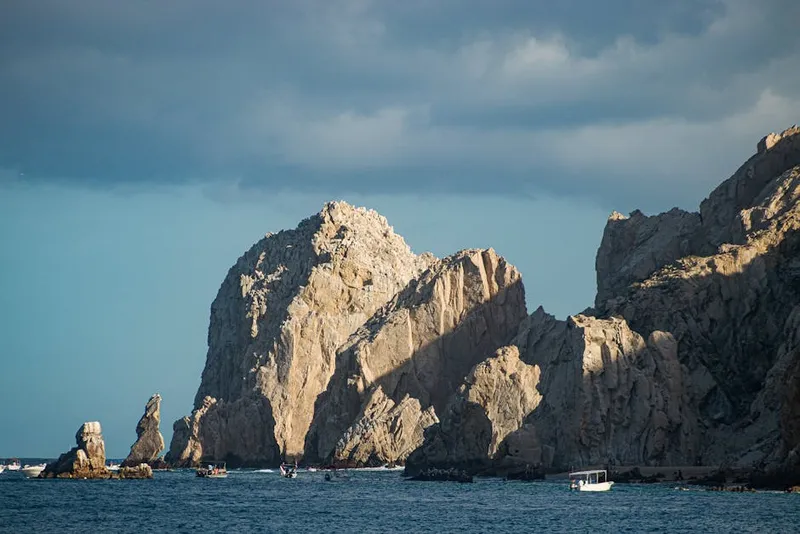
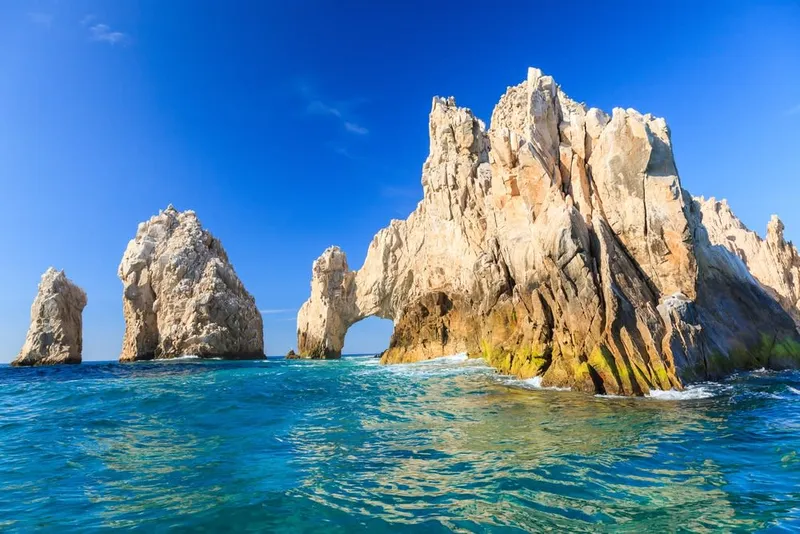
Cabo San Lucas is the party town. This is where you’ll find Medano Beach, El Arco, the marina, the cruise ship terminal, and the nightlife strip. Spring break happens here. Booze cruises launch from here. It’s loud, fun, and tourist-focused.
San Jose del Cabo is the quieter, more cultured alternative. Art galleries line the central district, farm-to-table restaurants have replaced chain eateries, and the central plaza anchored by the historic Mission church feels like a real Mexican town rather than a resort zone.
How the seasons affect each town differently:
- Spring break (mid-Mar to mid-Apr): Cabo San Lucas is packed and chaotic. San Jose del Cabo stays calm and relaxed — it’s barely affected.
- Winter (Dec-Feb): Both towns are busy, but San Jose del Cabo feels more like a grown-up vacation with art walks and fine dining. Cabo San Lucas has higher energy with whale watching boats and sunset cruises.
- Summer (Jun-Sep): Both towns are quiet. San Jose del Cabo feels more authentic during this period — locals outnumber tourists, and the Thursday Art Walk continues without the winter crowds.
- For families: San Jose del Cabo year-round. Quieter beaches, walkable town center, no spring break chaos.
- For nightlife: Cabo San Lucas always, any season.
Read the complete breakdown in our Los Cabos travel guide, which covers accommodation choices, neighborhoods, and how to split your time between both towns.
Los Cabos vs Puerto Vallarta: When to Choose Each
If you’re debating between Mexico’s two biggest Pacific coast resort destinations, season matters. Both are excellent choices, but they perform differently at different times of year.
| Factor | Los Cabos | Puerto Vallarta |
|---|---|---|
| Sargassum | None (Pacific/Sea of Cortez) | None (Pacific-facing — both beat the Caribbean) |
| Winter weather | Dry, 75°F / 24°C | Dry, 80°F / 27°C — both excellent |
| Summer weather | Very hot + dry desert | Hot + humid + tropical rain |
| Hurricane risk | Low (rare direct hits) | Moderate (Pacific storms more common) |
| Whale watching | Excellent (Dec-Apr, humpbacks + gray whales) | Good (Dec-Mar, humpbacks in Banderas Bay) |
| Spring break | Major party scene (Cabo San Lucas) | Moderate — less spring break focused |
| Budget | More expensive overall | Better value for similar quality |
| Best for | Luxury, desert landscapes, sportfishing | Culture, food scene, jungle, LGBTQ+ welcoming |
Both cities completely avoid sargassum — a major win over Caribbean destinations. The biggest seasonal difference: Puerto Vallarta gets genuine tropical rain in summer (think daily downpours from June through October), while Los Cabos stays dry even in its “wet” season, getting only occasional storm-driven rain.
For a deeper comparison, read our Cancun vs Puerto Vallarta guide, which also covers how Pacific destinations compare to Caribbean ones.
Weather by Month: Detailed Breakdown
For precise trip planning, here’s the full weather data for Los Cabos. All temperatures are averages — individual days can swing 5-10 degrees in either direction.
| Month | Avg High °F (°C) | Avg Low °F (°C) | Rain Days | Water Temp °F (°C) | Humidity % |
|---|---|---|---|---|---|
| January | 77°F (25°C) | 56°F (13°C) | 1 | 73°F (23°C) | 62% |
| February | 78°F (26°C) | 56°F (13°C) | 1 | 72°F (22°C) | 61% |
| March | 81°F (27°C) | 58°F (14°C) | 0 | 73°F (23°C) | 59% |
| April | 85°F (29°C) | 61°F (16°C) | 0 | 74°F (23°C) | 58% |
| May | 89°F (32°C) | 65°F (18°C) | 0 | 76°F (24°C) | 59% |
| June | 93°F (34°C) | 71°F (22°C) | 1 | 79°F (26°C) | 63% |
| July | 95°F (35°C) | 75°F (24°C) | 2 | 82°F (28°C) | 68% |
| August | 95°F (35°C) | 76°F (24°C) | 3 | 84°F (29°C) | 72% |
| September | 93°F (34°C) | 75°F (24°C) | 4 | 85°F (29°C) | 74% |
| October | 90°F (32°C) | 70°F (21°C) | 3 | 82°F (28°C) | 69% |
| November | 84°F (29°C) | 62°F (17°C) | 1 | 78°F (26°C) | 64% |
| December | 79°F (26°C) | 57°F (14°C) | 1 | 74°F (23°C) | 63% |
Key takeaways from this data: March through May is bone-dry with zero average rain days. July through October brings the most rain, but even the “wettest” month (September) averages only 4 rain days — compare that to Puerto Vallarta’s 15+ rain days in September. Cabo is a desert, and that shows in the numbers.
What to Skip: When NOT to Visit Los Cabos
Not every month is ideal. Here are the times I’d recommend avoiding unless you have a specific reason to go:
September and October — Highest hurricane risk, intense heat (93°F+ with rising humidity), some tour operators close for the season, and the landscape looks tired after months of sun. This is the lowest tourist period for good reason. If you do go, you’ll find rock-bottom prices and empty resorts, but you’re accepting meaningful weather risk.
Spring break (mid-March through mid-April) if you want a quiet trip — Cabo San Lucas specifically becomes a college party zone. If you’re visiting with family or seeking romance, avoid CSL during these weeks entirely. San Jose del Cabo is a reasonable alternative, but you’ll still encounter spring break energy at shared attractions like El Arco.
August — Peak heat combines with the start of serious storm season. Even the pool feels warm. Unless you’re coming specifically for sportfishing or have a compelling price reason, August is a hard month to enjoy Cabo fully.
Christmas and New Year’s week — Not because it’s bad (the weather is perfect), but because it’s the most expensive week of the year by a wide margin. Hotels charge premium rates, restaurants are booked solid, and availability disappears months in advance. If you haven’t booked by August for a Christmas trip, your options will be limited and expensive. Visit the first two weeks of January instead — similar weather, 20-30% lower prices.
Getting There and Getting Around
San Jose del Cabo International Airport (SJD) is the gateway to Los Cabos and one of Mexico’s busiest airports. It receives direct flights from most major US cities including Los Angeles (2.5 hrs), Dallas (3 hrs), Houston (3 hrs), Denver (3.5 hrs), Phoenix (2 hrs), Chicago (4 hrs), and New York (5.5 hrs).
Airport to your hotel:
- Airport to San Jose del Cabo hotels: approximately 15 minutes
- Airport to Corridor resorts: approximately 25-35 minutes
- Airport to Cabo San Lucas: approximately 45 minutes
For detailed transportation options including shared shuttles, private transfers, and car rentals, read our Los Cabos airport transportation guide.
Should you rent a car? If you’re staying at an all-inclusive and don’t plan to explore much, skip it. If you want to visit San Jose del Cabo’s town center, drive to La Paz for whale sharks, or explore the East Cape, a rental car gives you freedom. Rates start around $25-40 USD ($460-740 MXN) per day for a compact car. I recommend booking through RentCars.com to compare prices across agencies at SJD Airport.
Los Cabos is also considered one of the safest areas in Mexico for tourists, with the resort corridor and both town centers well-patrolled and tourist-friendly year-round.
Final Thoughts: When Should YOU Go?
After visiting Los Cabos across every season, here’s my honest summary:
For most first-time visitors: December through April. You get the full Cabo experience — perfect weather, whale watching, clean beaches, comfortable temperatures for every activity. Yes, it costs more. It’s worth it for a first trip.
For budget-conscious travelers: June through September. Accept the heat, book a resort with a good pool, and enjoy paying 30-50% less for essentially the same hotel room. Bring sunscreen and stay hydrated.
For wildlife enthusiasts: January through March. This is the window where humpback whales, gray whales, and whale sharks all overlap. You can see all three species in a single week if you combine a Cabo whale watching tour with a day trip to La Paz for whale sharks and a Magdalena Bay excursion for gray whales.
For anglers: June through November. Yellowfin tuna peak in summer, marlin arrive in fall, and the fishing grounds off Cabo San Lucas are considered among the best in the world year-round.
Whatever month you choose, Los Cabos delivers something worth the trip. The desert-meets-ocean landscape, the zero-sargassum beaches, the world-class marine life — it all works together to make this one of Mexico’s best destinations regardless of the calendar.
Start planning your trip with our complete Los Cabos travel guide and things to do in Los Cabos for everything from restaurant recommendations to excursion bookings.