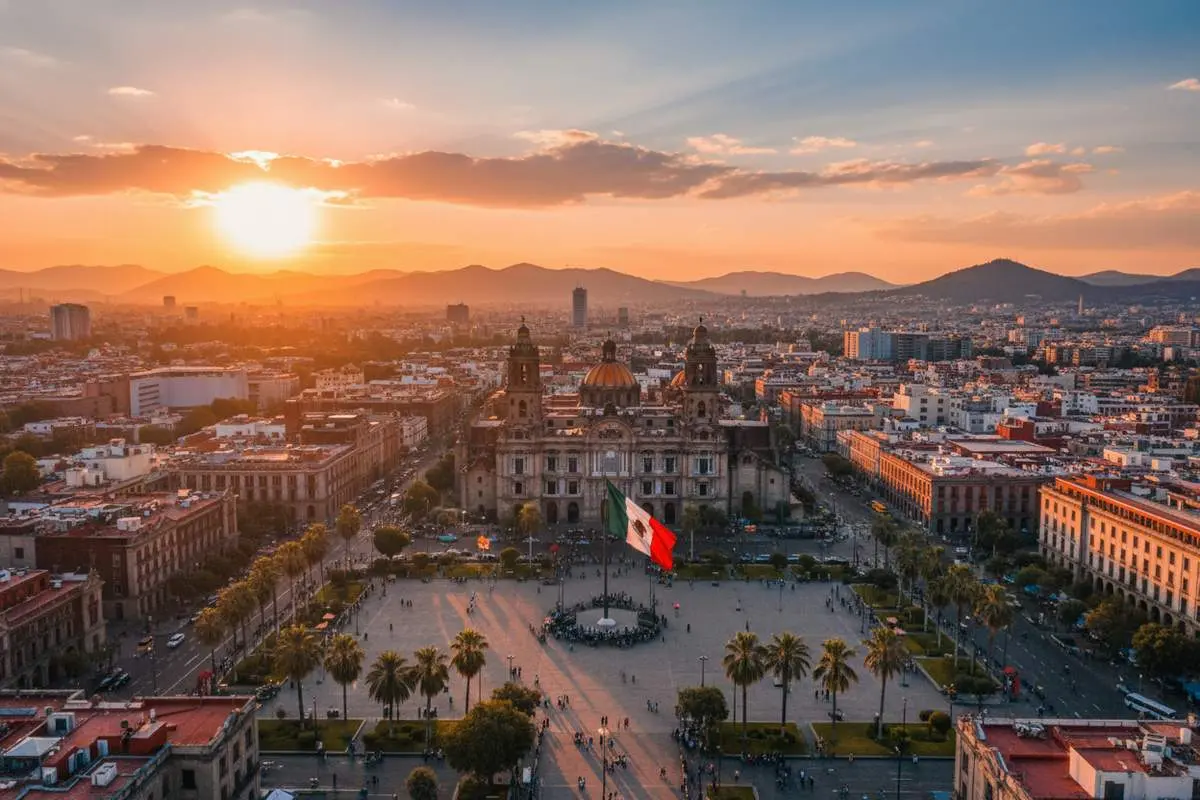
Best Time to Visit Mexico City in 2026: Best Month, Weather, and Cheapest Time
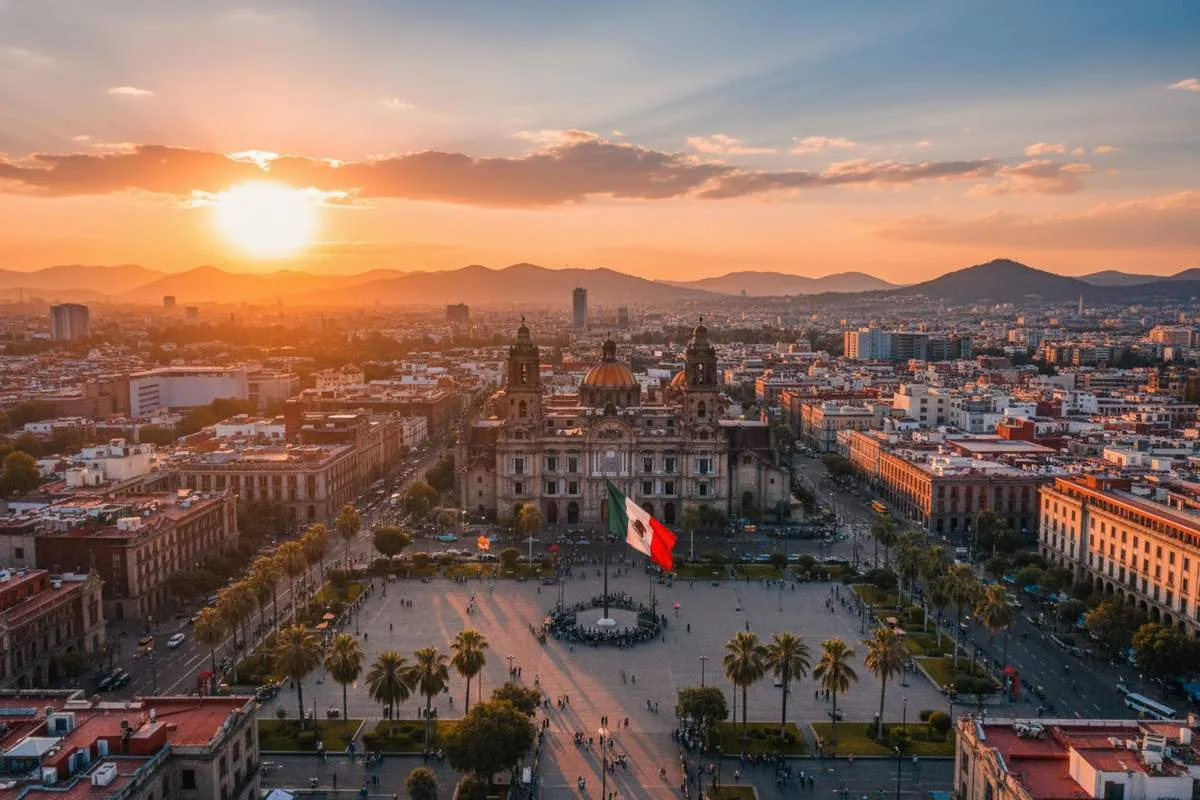
The best month to visit Mexico City is March if you want jacarandas, dry weather, and easy sightseeing, while February is the best-value month if you want lower hotel prices without giving up clear skies. If your trip is built around big cultural events, target late October to early November for Day of the Dead and the city’s strongest fall calendar.
Mexico City sits at 2,240 meters (7,350 feet) above sea level, which gives it mild temperatures year-round. Unlike the coast, CDMX is not about hurricane season or beach weather. The real timing questions are simpler: Which month has the best weather, which month is cheapest, and when do crowds or air-quality issues start to matter?
This guide answers those fast, then breaks down each month in detail, including jacaranda season, rainy-season reality, altitude, air quality, and the best timing for neighborhoods, museums, food, and day trips from Mexico City.
Best Month to Visit Mexico City in 30 Seconds
| Trip Goal | Best Month | Why |
|---|---|---|
| Best overall | March | Dry weather, jacarandas, long walking days, easy day trips |
| Cheapest month | February | Clear skies, cooler nights, and some of the year’s best hotel value |
| Best for Day of the Dead | Late October to early November | Ofrendas, fall events, and drier weather returning |
| Best for first-timers | February to April | Easiest weather for staying in Roma Norte, Condesa, or Centro Histórico |
| Best budget rainy-season month | July | Lower hotel prices, cooler temperatures, and rain usually later in the day |
| Worst timing for most travelers | Christmas to New Year | Higher hotel prices, heavier traffic, and more closures |
Quick Answer: Best Time to Visit Mexico City
Best overall: March-April (dry weather, jacarandas, easy sightseeing) Cheapest sweet spot: February (clear skies, lower hotel prices, fewer crowds) Best for festivals: Late October-November (Day of the Dead, Formula 1, Corona Capital) Best for first-timers: February-April (best weather with fewer disruptions) Avoid if possible: Christmas-New Year week, major long weekends, and spring air-quality contingency days
Best Time to Visit Mexico City by Trip Goal
- For first-time visitors: February to April gives you the easiest weather, clear mornings, and strong day-trip conditions for Teotihuacan, Xochimilco, and long walking days in Roma, Condesa, and Centro.
- For the lowest prices: Late January, February, and July usually offer the best hotel value, especially if you avoid holiday weekends.
- For jacarandas: Late February through April, usually peaking in March to early April depending on the year.
- For museums and food trips: June to August is underrated. Rain usually hits late, which leaves mornings free for markets, museums, and long lunches.
- For major events: Late October through November is the strongest cultural window, but it is also one of the priciest.
Mexico City Month-by-Month Guide
| Month | Weather | Crowds | Budget | Highlights |
|---|---|---|---|---|
| January | Dry, cool (8–21°C) | Low | 💚 Cheapest | New Year calm, clear mountain views |
| February | Dry, mild (9–23°C) | Low | 💚 Cheapest | Best combo of good weather + low prices |
| March | Dry, warm (11–26°C) | Medium | 🟡 Mid | Jacaranda early bloom, Vive Latino festival |
| April | Dry, warm (12–26°C) | High | 🔴 Peak | Full jacaranda bloom, Festival Centro Histórico |
| May | Warm, first rains (14–27°C) | Medium | 🟡 Mid | Hottest month, rainy season starts late May |
| June | Rainy season starts (14–23°C) | Low | 💚 Budget | Daily afternoon rain, lush and green |
| July | Peak rainy (14–22°C) | Low | 💚 Budget | Best budget month, Formula 1 prep events |
| August | Easing rains (14–23°C) | Low | 💚 Budget | Rain lessening, clear mornings |
| September | Late rainy (13–23°C) | Low | 💚 Budget | Independence Day (Sep 15–16) |
| October | Dry returns (11–24°C) | High | 🔴 Peak | Day of the Dead, F1 Grand Prix |
| November | Dry, mild (9–23°C) | Medium | 🟡 Mid | Day of the Dead end, Corona Capital festival |
| December | Dry, cool (7–21°C) | High | 🔴 Peak | Christmas markets, Posadas, holiday events |
Dry Season (November–May): When Most Tourists Visit
Mexico City’s dry season runs approximately 7 months, and for good reason: the sun shows up consistently, temperatures are comfortable, and Popocatépetl and Iztaccíhuatl volcanoes appear on the horizon in a way that makes you stop mid-sentence.
November–February: Dry Season’s Hidden Sweet Spot
November and December are excellent months. The rains have stopped, skies are clear, and the city still hums with post-Day-of-the-Dead energy heading into the holiday season. December brings posadas (traditional neighborhood celebrations), piñatas, and Christmas markets around the Zócalo—but also higher hotel prices and more traffic.
January and February are the best-kept secret in Mexico City timing. Prices drop sharply after New Year’s—hotels that were 40% more expensive in December return to their lowest rates. Weather is dry and mild, with cool mornings (8–10°C) that warm to a comfortable 20–23°C by afternoon. You won’t see many other tourists. Locals are back at work and the city operates at its natural rhythm.
The one caveat: evenings can get genuinely cold (below 10°C), especially in elevated neighborhoods like Pedregal or Ajusco. Bring a real jacket, not just a light layer.
March–April: Jacaranda Season (The Best Time to Visit)
From late February, thousands of jacaranda trees across Mexico City begin to bloom, reaching peak purple saturation in March and early April. This is not a minor attraction, it is a citywide transformation.
Where to see jacarandas:
- Viveros de Coyoacán — The best concentration in the city. A nursery-turned-park with over 100 jacaranda trees. Free entry, not on most tourist lists.
- Paseo de la Reforma — The wide boulevard turns lavender from Chapultepec to the Angel de la Independencia
- Roma and Condesa — Street-level canopy throughout both neighborhoods
- UNAM campus — The Jardín Central and faculty buildings are surrounded by mature trees
- Polanco in April — Often lined with floral displays during the Festival de Flores y Jardines window
Weather in March-April: daytime highs of 24-27°C, almost no rain, cool evenings around 12°C. Outdoor activities like Teotihuacan, Xochimilco, Chapultepec, and long walks through Roma are all at their best.
The downside: hotel prices are at their highest, and popular attractions can be crowded on weekends. Book accommodations 3-4 weeks ahead for April, and longer if your trip overlaps with Semana Santa or a big concert weekend. You can explore Mexico City tours on Viator.
May: The Transition Month
May is the warmest month in Mexico City—temperatures regularly hit 27–28°C—and the least comfortable in the dry season. By late May, the first rains start, usually as afternoon storms that clear within 2–3 hours. The jacarandas are done; the city turns green.
May is also when air quality can worsen (more on this below). If you’re visiting in May, aim for early May before the heat peaks.
The Air Quality Factor Nobody Mentions
Here’s something none of the major travel sites tell you: Mexico City issues environmental alerts called contingencias ambientales (atmospheric emergencies) when pollution levels spike. These happen most commonly in March through May, when thermal inversions trap pollutants over the valley.
During a contingencia, some vehicles are prohibited from driving (beyond the normal Hoy No Circula restrictions), outdoor exercise is discouraged, and people with respiratory conditions should stay indoors. In March 2025, CDMX declared a 3-day contingency that made international news.
What this means for visitors:
- For healthy adults, a contingencia is an inconvenience, not a health emergency
- Check the SEDEMA air quality site or download the AIRE CDMX app before visiting
- Schedule outdoor activities (Teotihuacan, Xochimilco, rooftop bars) for morning hours when air quality is consistently better
- The contingencia season roughly overlaps with jacaranda season—this is the tradeoff
Most years, you’ll visit in March or April and have no issues. But if you or someone in your group has asthma or respiratory conditions, plan around this risk.
Rainy Season (June–September): Underrated for Budget Travelers
Rainy season in Mexico City gets a bad reputation it doesn’t entirely deserve.
The reality: rain typically arrives in the late afternoon (3–7 PM) and lasts 1–3 hours. Mornings are usually clear and sunny. You can plan outdoor activities before noon and be back at your hotel or a restaurant when the rain hits. You can book Mexico City tours on Viator.
June and early July have the most consistent afternoon rain. August and September start to ease up. By October, it’s done.
Why rainy season is worth considering:
- Hotel prices drop 20–35% across all categories
- Restaurants and museums are less crowded — you’ll actually get a table at popular spots without a wait
- The city is lush and green — parks in Mexico City look their best in rainy season
- Cooler temperatures than spring — highs around 22–23°C instead of 27°C
- Indoor museums — CDMX has world-class museums. Rain is irrelevant inside the Anthropology Museum or the Soumaya. See our guide to the best museums in Mexico City for what’s worth your time.
What to pack for rainy season: A compact umbrella or light rain jacket is enough. Avoid flooding-prone areas (Centro Histórico underpasses, parts of Iztapalapa) during heavy storms.
The Altitude Factor: What Visitors Don’t Prepare For
At 2,240 meters (7,350 feet), Mexico City is higher than most ski resorts in the United States. Many visitors arrive expecting tropical Mexico and are surprised to find themselves winded walking up stairs on day one.
Typical altitude symptoms: Mild headache, fatigue, shortness of breath, poor sleep the first night
Acclimatization advice:
- Drink at least 2–3 liters of water on your first day
- Skip alcohol for the first 24 hours
- Don’t schedule strenuous activities (Teotihuacan climbing, Xochimilco kayaking) on day one
- If you’re flying in from sea level, build in a half-day rest before doing anything demanding
- The strong sun at altitude burns faster than you expect — use SPF 50
Most healthy visitors adapt within 24–48 hours and don’t notice the altitude after that.
Festival and Events Calendar
Mexico City runs one of the most active cultural calendars in Latin America. Timing your trip around a major event can transform a good visit into a great one.
| Month | Festival/Event | Notes |
|---|---|---|
| February 2 | Día de la Candelaria | Massive pilgrimage to Basilica de Guadalupe |
| March | Vive Latino | Latin rock + music festival, 2-day event, Foro Sol |
| March–April | Festival Centro Histórico | 2-week cultural festival, hundreds of free events |
| April | Tianguis Cultural del Chopo | Alternative culture market, every Saturday |
| April | Feria Internacional del Libro del Palacio de Minería | Book fair, historic Palacio de Minería |
| May 5 | Cinco de Mayo | Battle of Puebla anniversary; bigger in Puebla, but CDMX marks it |
| July | Festival Internacional de Jazz de la Ciudad de México | Jazz festival across multiple venues |
| September 15–16 | Grito de Independencia | Independence Day — Zócalo fills with 100,000+ people |
| October | Gran Premio de México Formula 1 | F1 Mexican Grand Prix, Autódromo Hermanos Rodríguez |
| November 1–2 | Día de los Muertos | Ofrendas at Panteón de Dolores, Coyoacán, Xochimilco |
| November | Corona Capital | International music festival, 3 days, Autódromo |
| November 20 | Día de la Revolución | National holiday, military parade |
| December | Posadas | Neighborhood celebrations Dec 16–24, piñatas, ponche |
Booking note: Day of the Dead, the Formula 1 Grand Prix, and major fall concerts often stack into the same late-October to mid-November window, which makes this the most competitive stretch for accommodations. Book 2-3 months ahead if you want Roma, Condesa, Polanco, or Coyoacán.
If Corona Capital is the reason for your November trip, use this three-day Corona Capital itinerary to decide when to arrive, where the festival fits, and what to do before and after each show day.
Day Trip Timing Guide
Mexico City is an ideal base for day trips from CDMX. The timing matters more than most guides acknowledge.
| Day Trip | Best Season | Why |
|---|---|---|
| Teotihuacan pyramids | October–April (dry season) | Clear skies for views and photos; morning avoids afternoon haze in spring |
| Xochimilco trajineras | March–May | Canals are full, wildflowers blooming, jacarandas overhead |
| Tepoztlán | Year-round | Mountains and market good in all seasons; avoid heavy rain in July |
| Taxco | October–May | Cobblestone streets navigate better in dry season |
| Cholula + Puebla | Year-round | Ciudad Colonial destination, manageable in any weather |
| Valle de Bravo | October–March | Dry season for sailing and hiking; rainy season limits lake activities |
| Tula Ruins (Hidalgo) | October–April | Less touristed, best light in dry season mornings |
Teotihuacan note: The pyramids are best visited at opening (8 AM) before tour groups arrive. This is true year-round, but in dry season you’ll have clear views of both pyramids simultaneously. In rainy season, morning clouds sometimes linger until 10–11 AM.
Mexico City by Budget Season
Hotel prices in CDMX follow a predictable pattern. Here’s what to expect across categories:
| Season | Budget Hotel (per night) | Mid-Range | Upscale |
|---|---|---|---|
| Peak (Apr, Oct, Dec) | $50–80 USD | $100–180 | $250+ |
| Mid (Mar, May, Nov) | $40–65 USD | $80–140 | $180–250 |
| Low (Jan–Feb, Jun–Aug) | $30–50 USD | $60–100 | $140–200 |
Best value window: Late January through February. Dry and sunny weather, lowest prices of the year, and none of the jacaranda-season crowds. If you’re flexible on dates and want the best combination of conditions and price, February is the answer. See our Mexico travel cost guide for full daily budget breakdowns.
Worst value window: The week between Christmas and New Year. Prices spike across the board and the city is at its most congested as Mexicans travel home to the capital. Worth avoiding unless you specifically want holiday celebrations.
Best Time to Visit Mexico City by Travel Style
First-time visitor: February, March, or April. February is the easiest value month, while March and April give you the best weather and jacarandas. Pair this with our guides to where to stay in Mexico City, Mexico City neighborhoods, and getting around Mexico City.
Budget traveler: January, February, or July. January and February offer dry conditions at low-season prices. July means afternoon rain but some of the best hotel rates of the year.
Culture and festivals: Late October to early November. Day of the Dead in CDMX is more urban and neighborhood-led than Oaxaca. Coyoacán, the city parade window, and Panteón de Dolores are the biggest draws. Add the F1 Grand Prix if motorsport is your thing.
Food-focused trip: Any time of year. CDMX’s restaurant scene does not really have an off-season. See our Mexico City food guide and best Mexico City museums if you want a rain-proof city-break plan.
Nature and day trips: October through January. Clear air, no rain, Popocatépetl visible from the city, and stronger conditions for Teotihuacan, Xochimilco, and other day trips from Mexico City.
Returning visitor: September-October. By this point you’ve seen the big sites; the city in rainy-season-to-dry-season transition is a different pace, parks are green, and the late-September light is excellent.
When to Avoid Mexico City
Mexico City doesn’t have a genuinely unsafe season — safety is more about neighborhoods and situational awareness than time of year. See our is Mexico safe guide for the full picture. The timing concerns below are practical, not safety-related.
Christmas to New Year’s (December 23–January 2): Hotel prices are high, traffic is brutal on the days before and after Christmas as millions of chilangos return home, and many smaller restaurants close between holidays. Worth it only if you specifically want the holiday atmosphere.
Major long weekends (puentes): Mexico has many 3-day holiday weekends when locals flood popular spots. Teotihuacan, Xochimilco, and Coyoacán become extremely crowded. Check the Mexican holiday calendar before planning weekend day trips.
Active air quality contingencia: If SEDEMA has declared a Phase 1 contingencia during your visit, rearrange outdoor activities to early morning or head indoors to museums. These typically last 1–3 days.
What to Pack for Mexico City
Dry season (November–May):
- Layers — mornings are cool (8–12°C), afternoons are warm (22–27°C)
- Light jacket for evenings — a fleece or mid-layer, not a heavy coat
- SPF 50 sunscreen — altitude means stronger UV than you expect
- Comfortable walking shoes — the centro has cobblestones
Rainy season (June–September):
- Compact umbrella or packable rain jacket
- Quick-dry clothes — cotton stays damp after rain; synthetic or merino dries faster
- Layers still apply — temperature range is similar, just add rain prep
Year-round:
- Altitude prep: ibuprofen for headaches (altitude adjustment) and water bottle
Mexico City vs. Other Mexico Destinations: Timing Comparison
If you’re planning to combine CDMX with other parts of Mexico, here’s how the timing aligns:
- CDMX + Oaxaca: March–April for CDMX, then head south for pre-rainy-season Oaxaca. Or reverse it: October for Día de los Muertos in Oaxaca then CDMX. See our best time to visit Oaxaca guide for full Oaxaca timing.
- CDMX + Yucatán: October–April for both. Yucatán gets hot and humid in summer; CDMX is comfortable but rainy. Check our best time to visit Cancun guide for coastal timing.
- CDMX + Pacific Coast: November–April. Puerto Vallarta and Huatulco are in dry season when CDMX is too.
- CDMX + Chiapas: November–April. Chiapas rainy season (May–October) overlaps with CDMX’s rainy season.
See our full Mexico itinerary guides for specific route suggestions by season.
Practical Information
Getting to Mexico City: Mexico City Benito Juárez Airport (MEX) is one of the busiest in Latin America with direct flights from most US and Canadian cities. Flight prices are lowest January–February and June–August.
Getting around: Mexico City’s metro system runs year-round and is the best way to navigate during rush hour regardless of season. Uber is reliable and affordable, especially during rainy-season afternoons when cross-city traffic slows down.
Where to stay: Colonia Roma and Polanco are the top neighborhoods for international visitors. For neighborhood comparisons, see our Mexico City neighborhoods guide, where to stay guide, and Mexico City travel guide.
For a complete guide to planning your CDMX trip, see our Mexico City Travel Guide 2026. For broader Mexico trip planning, see the best time to visit Mexico overview.