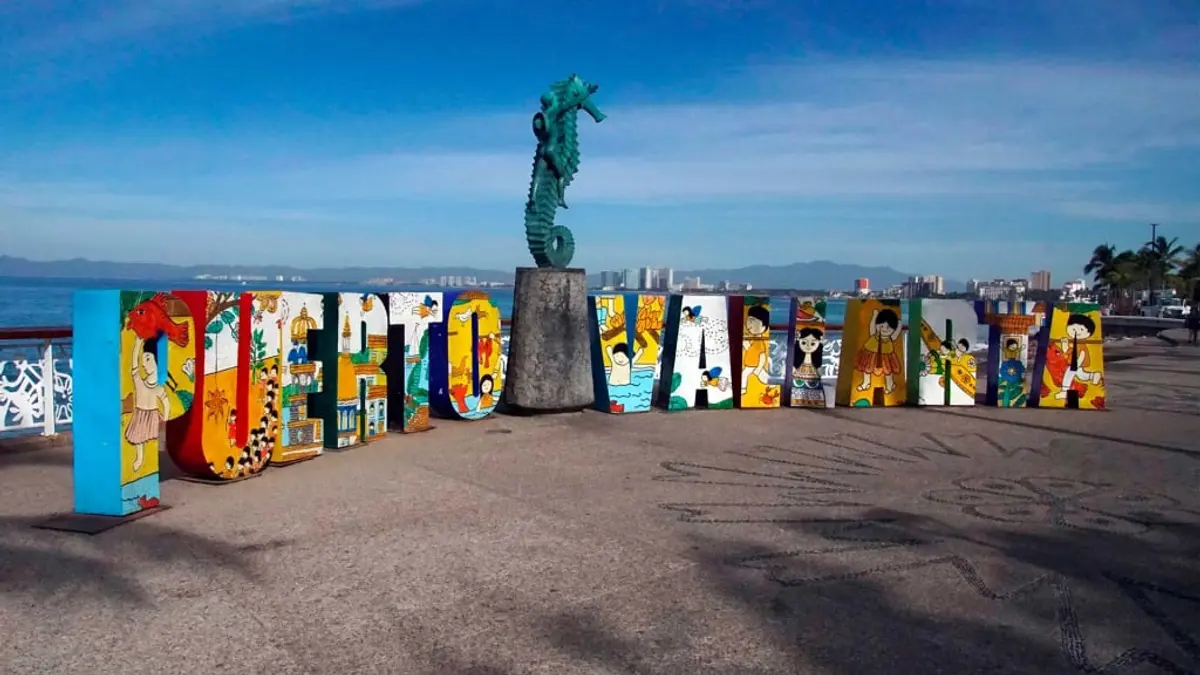
Best Time to Visit Puerto Vallarta 2026: Best Month for Weather, Whales, and Low Prices
Puerto Vallarta sits on the Pacific coast of Jalisco, Mexico, at the southern edge of Banderas Bay. That gives it three huge timing advantages: dry sunny winters, humpback whale season from December to March, and no sargassum at any time of year.
The short answer: February is the best month to visit Puerto Vallarta for most travelers because you still get dry weather and peak whale watching without Christmas or Semana Santa prices. November is the best value month, while June through October is cheapest if you can handle humidity and afternoon rain.
Best Puerto Vallarta Month by Trip Goal
| If you care most about… | Best month | Why |
|---|---|---|
| Best overall weather | February | Dry, warm, lower holiday pressure, and peak whales |
| Best value | November | Dry season starts, prices stay below December, first whales appear |
| Whale watching | January or February | Peak humpback activity in Banderas Bay |
| Lowest prices | September | Cheapest month, but also the riskiest for storms and heavy rain |
| Lowest prices without peak storm risk | June or October | Better value than winter without September’s downside |
| Pride and nightlife energy | May | Vallarta Pride plus lower crowds than spring break |
| Avoiding crowds | October or early November | Shoulder-season feel, better weather, easier bookings |
Puerto Vallarta by Month in 30 Seconds
| Month | Weather | Crowds | Prices | Best For |
|---|---|---|---|---|
| January | ☀️ Warm & dry | Low–Medium | Medium | Value + whales |
| February | ☀️ Warm & dry | Medium | Medium | Whales + beaches |
| March | ☀️ Hot & dry | Very High | High | Spring break, whales |
| April | ☀️ Hot | Very High | Highest | Semana Santa (book early) |
| May | ⛅ Getting humid | Low | Medium–Low | LGBT Pride, quiet beaches |
| June | 🌧️ Rainy season starts | Low | Lowest | Budget travelers |
| July | 🌧️ Rainy afternoons | Low | Lowest | Sea turtles, waterfalls |
| August | 🌧️ Rainiest month | Low | Low | Waterfalls, bioluminescence |
| September | 🌧️ Hurricane risk | Very Low | Lowest | Avoid if possible |
| October | ⛅ Transitional | Low | Low–Medium | Sea turtles + value |
| November | ☀️ Dry season opens | Low–Medium | Medium | Best overall value |
| December | ☀️ Perfect | High | High | Whales, Christmas, NYE |
Why PV Is Different from Cancún (Important)
Before diving in: Puerto Vallarta is Pacific coast, not Caribbean. This changes everything:
- No sargassum. Ever. The seaweed crisis that plagues Cancún, Tulum, and Playa del Carmen from April–October doesn’t touch PV. Banderas Bay’s orientation and Pacific currents keep it clean year-round.
- Different wildlife calendar. Humpback whales Dec–Mar. Whale sharks at nearby La Cruz de Huanacaxtle Oct–May. Sea turtles Jul–Nov.
- Afternoon rain pattern. Rainy season rains typically fall 4–6 PM then clear. Mornings are usually sunny even in August.
- No Caribbean hurricanes. PV can get tropical storms Jun–Oct but the frequency and intensity are lower than the Gulf/Caribbean side.
Dry Season: November – April (Best Overall)
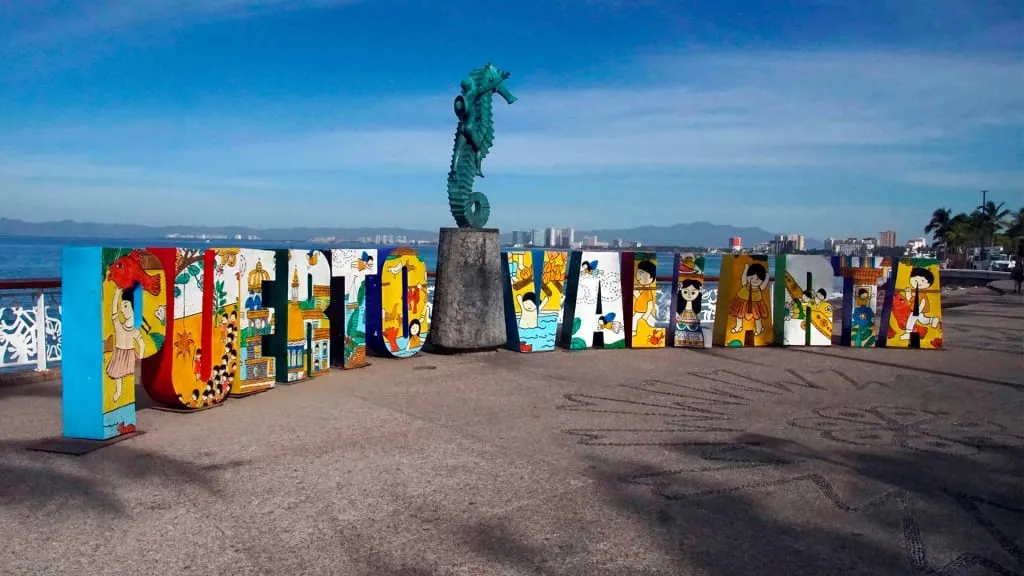
This is when Puerto Vallarta is at its most reliably beautiful. Highs of 27–31°C (80–88°F), virtually no rain, calm Banderas Bay, and humpback whales just offshore.
November is the sweet spot for value-seekers: schools are back in session, prices drop 20–30% from October’s tail-end of low season, and the first whale sightings start appearing by mid-month. The ArtWalk in Zona Romántica resumes (every Wednesday night, October–May) and the Farmers Market returns on Saturdays. Weather is warm but not sweltering — ideal for hiking the jungle behind town or exploring the cobblestone streets of El Centro.
December is peak whale season (humpbacks arrive in force by early December) and peak everything else. Christmas week and New Year’s fill the hotels — book 3–4 months ahead for good rates. The plus side: this is genuinely one of the best months weatherwise in all of Mexico. Daily highs around 27°C (80°F) with cool evenings.
January and February continue peak whale season with slightly lower prices than December’s holiday surge. By late January, prices settle to shoulder-season rates while whales are still everywhere in Banderas Bay. February adds a Valentine’s angle — PV is naturally romantic, and the whale watching excursions make an unusual date.
March and April bring the crowds. Spring break (March), followed immediately by Semana Santa/Easter (2026: March 29–April 5), makes this the busiest two-month stretch of the year. Prices are at their annual maximum, and Playa Los Muertos fills up. On the positive side: weather is still perfect, and whale watching continues through March.
Tip: If you want the easiest recommendation, book February for the best all-around trip or November for the best value.
Humpback Whale Season: December – March
This is Puerto Vallarta’s signature wildlife event — and it’s exceptional.
600+ individually identified humpback whales return to Banderas Bay each winter. The bay sits at the mouth of the Sierra Madre mountains, which funnel nutrient-rich runoff into the sea, creating ideal conditions for these whales to mate, calve, and nurse. The El Edén submarine canyon just offshore reaches 1,000+ meters depth, giving them room to maneuver.
| Month | Whale Activity | What You’ll See |
|---|---|---|
| November | First arrivals (mid-month) | Smaller groups, fewer tourists |
| December | Season in full swing | Breaching, singing, escorts |
| January | Peak abundance | Mothers with calves, competitive pods |
| February | Peak + most active | Calves getting bolder, best breaching |
| March | Still excellent | Beginning to thin out by month’s end |
| April | Last whales departing | Occasional sightings through mid-April |
Booking tip: 3-hour whale watching tours run from the Marina. Prices around 1,200–1,500 MXN per person ($60–$75 USD). The Banderas Bay sits calm in the mornings — book morning departures. Providers like Whale Watching Vallarta and Ecotours Vallarta are reputable.
Rainy Season: June – October (Budget Travelers Only)
The rainy season gets an unfairly bad reputation. Here’s the reality:
The rain pattern: Storms typically build in the afternoon (around 3–5 PM) and deliver 1–3 hours of heavy tropical rain, then clear. Most mornings from June–September are sunny. Humidity is high but manageable near the coast.
What you gain:
- 30–50% lower hotel rates across the board
- Green, jungle-covered mountains (PV is stunning in the rainy season)
- Sea turtle nesting on local beaches (July–November, Playa Mismaloya)
- Waterfalls at peak flow — Cascada El Jorullo, Cascada de Quimixto, and others are only accessible after June rains
- Manta ray sightings increase in the bay (July–October)
- LGBT Pride (late May/June) — PV hosts Mexico’s second-largest Pride celebration
What you lose: Consistent sunny beach days. Whale watching is over. Some tour operators reduce schedules.
September is the exception. It’s the most likely month for a tropical storm or hurricane. If avoiding all weather risk is your priority, skip September entirely.
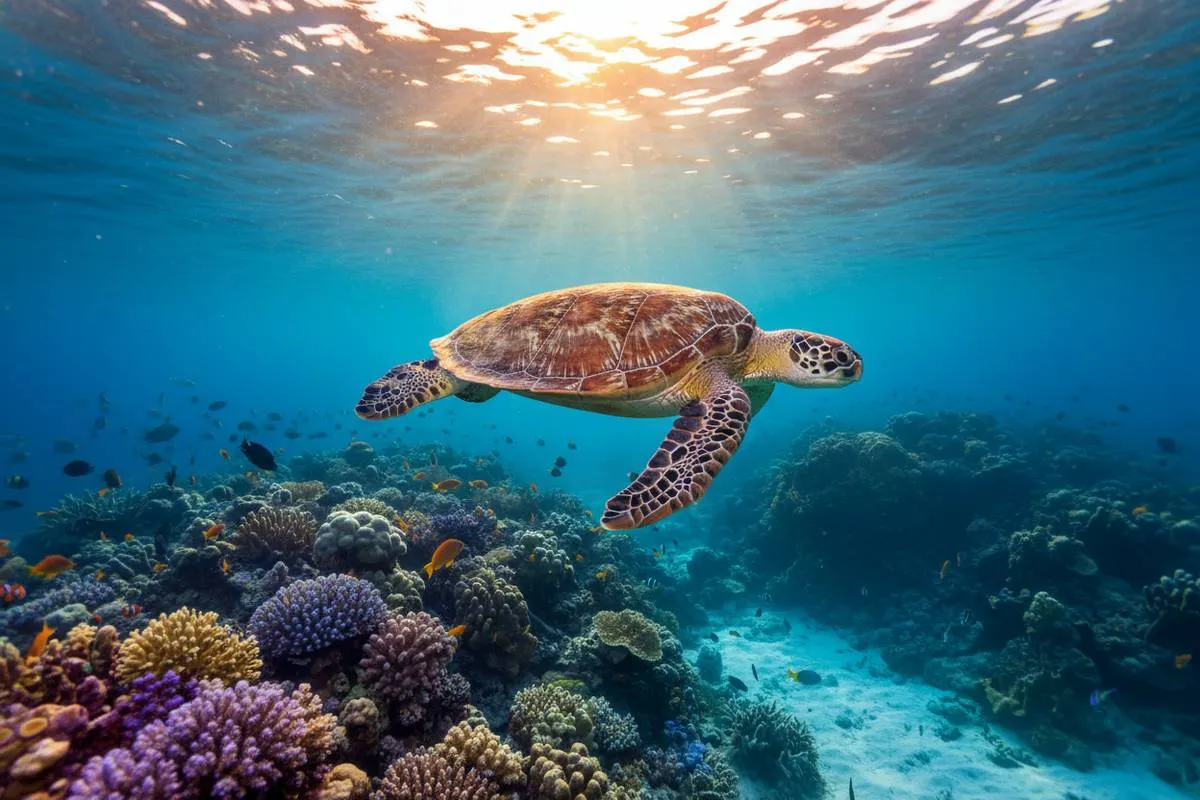
Wildlife Calendar
| Wildlife | Season | Where |
|---|---|---|
| Humpback whales | Dec–Mar | Banderas Bay |
| Whale sharks | Oct–May | La Cruz de Huanacaxtle (30 min north) |
| Sea turtles (nesting) | Jul–Nov | Playa Mismaloya, Yelapa, Punta Mita |
| Manta rays | Jul–Oct | Banderas Bay, Los Arcos |
| Spinner dolphins | Year-round (best Dec–Mar) | Marietas Islands, bay |
| Blue-footed boobies | Year-round | Marietas Islands |
| Humpback calves | Jan–Mar | Banderas Bay |
| Olive ridley turtles (nesting) | Jul–Nov | Playa El Naranjo (Nayarit) |
La Cruz de Huanacaxtle whale sharks are a lesser-known PV highlight. This small marina town 30 minutes north of PV sees whale sharks in Banderas Bay from approximately October through May — a completely different season from the Holbox/Isla Mujeres June–September season. Snorkel tours from La Cruz are far less crowded than the Holbox operations.
Marietas Islands: When to Go
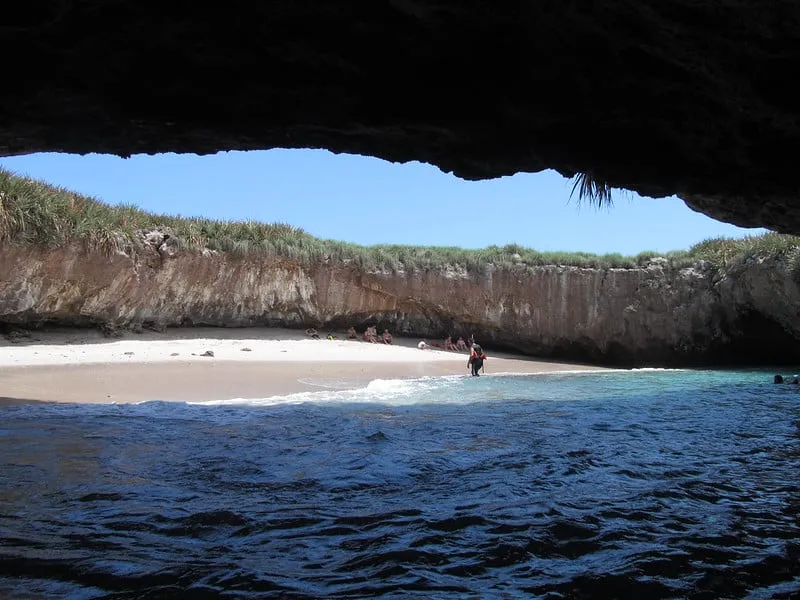
The Marietas Islands UNESCO Biosphere Reserve — home of the famous Hidden Beach — operates under strict quotas: 200 visitors per day maximum to the Hidden Beach interior.
- Permits book out 2–5 days in advance in high season (December–April)
- In low season (June–October), same-day tours are often possible
- Blue-footed boobies nest here year-round — bring binoculars
- Snorkeling is excellent in the turquoise shallows regardless of season
- The islands are reachable only by organized tour from PV or Punta Mita — this keeps them protected
Booking tip: Book Marietas Islands tours through Viator or directly with an operator at least 3 days ahead if visiting December–March. Last-minute permits during spring break are nearly impossible.
Festival & Events Calendar
| Date | Event | Notes |
|---|---|---|
| Nov 1–2 | Día de Muertos | El Centro altars, cemetery visits |
| Nov–Apr | ArtWalk (every Wednesday) | Zona Romántica galleries open late, free |
| Nov–Apr | Farmers Market (Saturdays) | Organic produce, artisan goods near RZC |
| Dec 1–Mar 31 | Whale watching season | Tours from the Marina |
| Dec 12 | Virgen de Guadalupe | Candlelight processions through El Centro |
| Dec 16–24 | Las Posadas | Neighborhood parties nightly (join in) |
| Jan (3rd week) | Festival Internacional del Cine | Outdoor screenings on the Malecón |
| Feb 14 | Valentine’s Day | Book restaurants 2–3 weeks ahead |
| Mar | Spring Break | Peak US tourist month — busiest beaches |
| Mar 29–Apr 5 | Semana Santa 2026 | Absolute peak, book months ahead |
| May | LGBT Pride | Mexico’s second-largest after CDMX |
| May–Oct | Waterfall season | El Jorullo, Quimixto at full flow |
| Jul–Nov | Sea turtle releases | Night tours with Vallarta Adventures |
| Oct (every Wed) | ArtWalk resumes | After summer hiatus |
Month-by-Month Breakdown
January
Dry season in full swing. Weather: 27°C highs, 19°C nights (bring a light jacket for evenings). Whale watching at peak abundance — January is arguably the best month for seeing humpback calves with their mothers. Prices: 10–20% below December holiday peak after January 7th. The post-holiday quiet means easier restaurant bookings and less crowded tours.
February
Still perfect weather, still peak whales. Valentine’s Day weekend fills PV’s romantic restaurants — book early. By late February, some local Mexicans note it’s the month when the bay is most alive with whale activity. Prices start rising toward the end as spring break approaches. Shoulder pricing in early February makes it excellent value.
March
Spring break descends — US, Canadian, and European tourists pack Playa Los Muertos and the Hotel Zone. The weather is warm (29–31°C) and dry, and the energy is high if you like a party atmosphere. Whale watching is still active early in the month. Book everything 6–8 weeks in advance. Semana Santa 2026 falls March 29–April 5.
April
Semana Santa (Holy Week) is the most expensive week of the year. Schools across Mexico close April 2026, and domestic tourism surges. After Easter, prices drop sharply — late April is often underrated as a travel window (dry, warm, crowds gone, prices normalizing). Last whale sightings trail off mid-April.
May
Transitional month. Humidity builds, afternoon clouds appear, but rain is still minimal. LGBT Pride celebrations (late May/June) draw a festive crowd to the Zona Romántica. Prices drop. Great for independent travelers who want good weather without the spring break atmosphere. Whale sharks at La Cruz (30 min north) still active into May.
June
Rainy season officially starts. Reality: mornings sunny, rains arrive 4–6 PM, typically clear by evening. Sea turtle nesting begins. Prices hit their annual low. The jungle surrounding PV turns vivid green. Waterfalls are starting to flow. Least crowded month along with September–October.
July
Rainy season peak, but the morning-sun/afternoon-rain pattern holds. Sea turtle nesting active. Manta rays increasingly visible in the bay. Waterfalls like El Jorullo and Quimixto are spectacular. Prices remain low. If you can tolerate some afternoon rain, July is excellent value.
August
Wettest month. Rain extends beyond afternoons occasionally. Highest humidity. But: excellent waterfall conditions, lowest prices, beautiful green landscapes, and very few tourists at the beaches. Bioluminescence visible in the bay on some nights (kayak tours operate July–October). Not recommended as a first visit, but budget travelers love it.
September
Highest hurricane risk (tropical storms, occasional direct hits). Most tour operators reduce schedules. Lowest prices of the year. Skip this month unless you’re a budget traveler who’s checked the forecasts and has flexible plans. Historic hurricane tracks make September the one month we actively recommend avoiding.
October
Hurricane risk rapidly decreasing after mid-month. Weather improving. ArtWalk and Farmers Market resume (Oct–Apr). Sea turtles still nesting. Whale shark season beginning at La Cruz. Prices still low. October is underrated — by the last two weeks, PV is beautiful with almost no tourists.
November
Best value month overall. Dry season kicks in fully. First humpback whale sightings by mid-month. ArtWalk running. Farmers Market running. Hotels at 20–30% below December peak. Excellent visibility for snorkeling at Los Arcos. The Marietas Islands permit situation is relaxed enough for flexible booking. Día de Muertos (Nov 1–2) adds a cultural layer.
December
Christmas in Puerto Vallarta is genuinely spectacular — Las Posadas neighborhood processions nightly Dec 16–24, the Malecón fills with families, whale watching season in full swing, and the Virgen de Guadalupe processions (Dec 12) pass through El Centro in candlelight. Book December travel 3–4 months ahead. New Year’s Eve beach parties are epic.
Puerto Vallarta vs Cancún: When to Choose Each
| If you’re visiting in… | Choose PV Because… | Choose Cancún Because… |
|---|---|---|
| Dec–Mar | Whale watching, no sargassum | More beach resort options |
| April | Semana Santa less chaotic | More theme park options |
| Jun–Sep | Pacific rain pattern predictable | Less hurricane risk |
| Year-round | Zero sargassum guarantee | More direct flight routes |
| Wildlife focus | Humpbacks (Dec–Mar), whale sharks Oct–May | Whale sharks Jul–Sep (Holbox) |
| Budget travel | Lower overall costs | More budget hotel options |
One consistent rule: if sargassum-free beaches are a priority, Puerto Vallarta wins every month of the year.
Weather by Month
| Month | High (°C/°F) | Low (°C/°F) | Rainfall | Humidity | Sea Temp |
|---|---|---|---|---|---|
| January | 27°C / 80°F | 19°C / 66°F | Minimal | Low | 25°C |
| February | 27°C / 81°F | 19°C / 67°F | Minimal | Low | 25°C |
| March | 29°C / 84°F | 21°C / 70°F | Minimal | Moderate | 25°C |
| April | 31°C / 87°F | 22°C / 72°F | Trace | Moderate | 26°C |
| May | 32°C / 89°F | 24°C / 75°F | Light | Moderate | 27°C |
| June | 33°C / 91°F | 25°C / 77°F | Heavy PM | High | 28°C |
| July | 33°C / 91°F | 25°C / 77°F | Heavy PM | High | 29°C |
| August | 33°C / 91°F | 25°C / 77°F | Heaviest | High | 30°C |
| September | 33°C / 91°F | 25°C / 77°F | Heavy | High | 30°C |
| October | 31°C / 88°F | 24°C / 75°F | Moderate | Moderate | 29°C |
| November | 29°C / 85°F | 21°C / 70°F | Minimal | Low | 27°C |
| December | 27°C / 81°F | 19°C / 67°F | Minimal | Low | 26°C |
Best Time by Activity
| Activity | Best Months | Notes |
|---|---|---|
| Whale watching | Dec–Mar | Peak in Jan–Feb |
| Whale shark snorkel | Oct–May | La Cruz de Huanacaxtle |
| Sea turtle releases | Jul–Nov | Night tours, Vallarta Adventures |
| Marietas Islands | Nov–Apr | Fewer permit waits |
| Waterfall hiking | Jul–Oct | Full flow, gorgeous scenery |
| Beach days | Nov–May | No rain interruptions |
| Snorkeling (Los Arcos) | Nov–Apr | Best visibility |
| LGBT Pride | Late May / June | Zona Romántica focus |
| Bioluminescence kayak | Jul–Oct | Bay at night |
| Budget travel | Jun–Oct (avoid Sep) | 30–50% off peak rates |
| Avoiding crowds | Jun–Oct, Nov | Spring break = March/April |
| Christmas/NYE | December | Book 3–4 months ahead |
What to Pack by Season
November–April (Dry Season):
- Light clothing (shorts, t-shirts)
- Light layer for evenings (18–22°C nights)
- Reef-safe sunscreen (required by law at many cenotes — good practice everywhere)
- Good walking shoes for cobblestones in Zona Romántica
- Snorkel gear (or rent locally at Los Arcos)
June–October (Rainy Season):
- Quick-dry clothing
- Rain jacket or compact umbrella (for daily afternoon showers)
- Insect repellent (humidity = mosquitoes)
- Extra humidity-resistant sunscreen
- Waterproof sandals
Getting There and Local Transport
Puerto Vallarta International Airport (PVR) receives direct flights from major US cities (LAX, DFW, ORD, IAH, JFK, SFO) and Canada (YYZ, YVR) year-round. Frequency increases November–March during high season.
From the airport: Authorized taxi kiosks inside the airport charge fixed rates by zone (~350–500 MXN / $18–$25 USD to Hotel Zone). Uber is available and typically 30–40% cheaper.
Getting around: Uber is fully operational in Puerto Vallarta — unlike Tulum or San Cristóbal de las Casas, you’re never stuck without it. Local buses (8 MXN) run the length of the Hotel Zone and into Centro. Water taxis from Los Muertos Pier reach Yelapa, Quimixto, and Boca de Tomatán.
FAQs: Best Time to Visit Puerto Vallarta
Does Puerto Vallarta get sargassum? No. Puerto Vallarta is on Mexico’s Pacific coast, not the Caribbean. The sargassum crisis that affects Cancún, Tulum, and Playa del Carmen (particularly April–October) does not reach Puerto Vallarta. Banderas Bay’s Pacific orientation and currents keep the water clean year-round — this is one of PV’s biggest advantages over Caribbean resorts.
When is whale watching season in Puerto Vallarta? Humpback whale season runs December through March, with January and February being the peak months. Over 600 individual humpbacks have been documented in Banderas Bay. Tours depart daily from the Marina (3 hours, approximately 1,200–1,500 MXN / $60–75 USD per person). Whale sharks are also present at La Cruz de Huanacaxtle, 30 minutes north of PV, from October through May.
Is Puerto Vallarta good in July? Yes, with caveats. July is rainy season, with heavy afternoon showers (typically 3–6 PM). Mornings are usually sunny. Prices are 40–50% cheaper than December. Sea turtle nesting tours operate at night. Waterfalls are spectacular. The beaches are uncrowded. If predictable afternoon rain doesn’t bother you, July is excellent value — just book flexible accommodation and plan beach days in the morning.
What is Semana Santa like in Puerto Vallarta? Semana Santa (Holy Week) 2026 falls March 29–April 5. It’s the most expensive and crowded week of the year as Mexican families from Guadalajara and CDMX fill the city. Hotels and restaurants charge peak rates. That said, it’s also festive — candlelit processions, beach celebrations, and a genuine Mexican holiday atmosphere. Book 3–4 months ahead if you plan to be there.
Is November a good time to visit Puerto Vallarta? November is arguably the best-value month in Puerto Vallarta. Dry season begins, first whale sightings appear mid-month, the ArtWalk and Farmers Market resume, and hotel prices are 20–30% below December’s holiday peak. Schools are back in session globally so beaches are quieter. The weather is warm (27–29°C) with very little rain. It’s our top pick for travelers who want excellent weather, whale watching, and reasonable prices.
Planning your PV trip? See our Puerto Vallarta Travel Guide for neighborhoods, beaches, and what to do, or check our things to do in Puerto Vallarta for 25 ranked activities. For nearby escapes, day trips from Puerto Vallarta covers the Marietas Islands, Yelapa, Sayulita, and more.