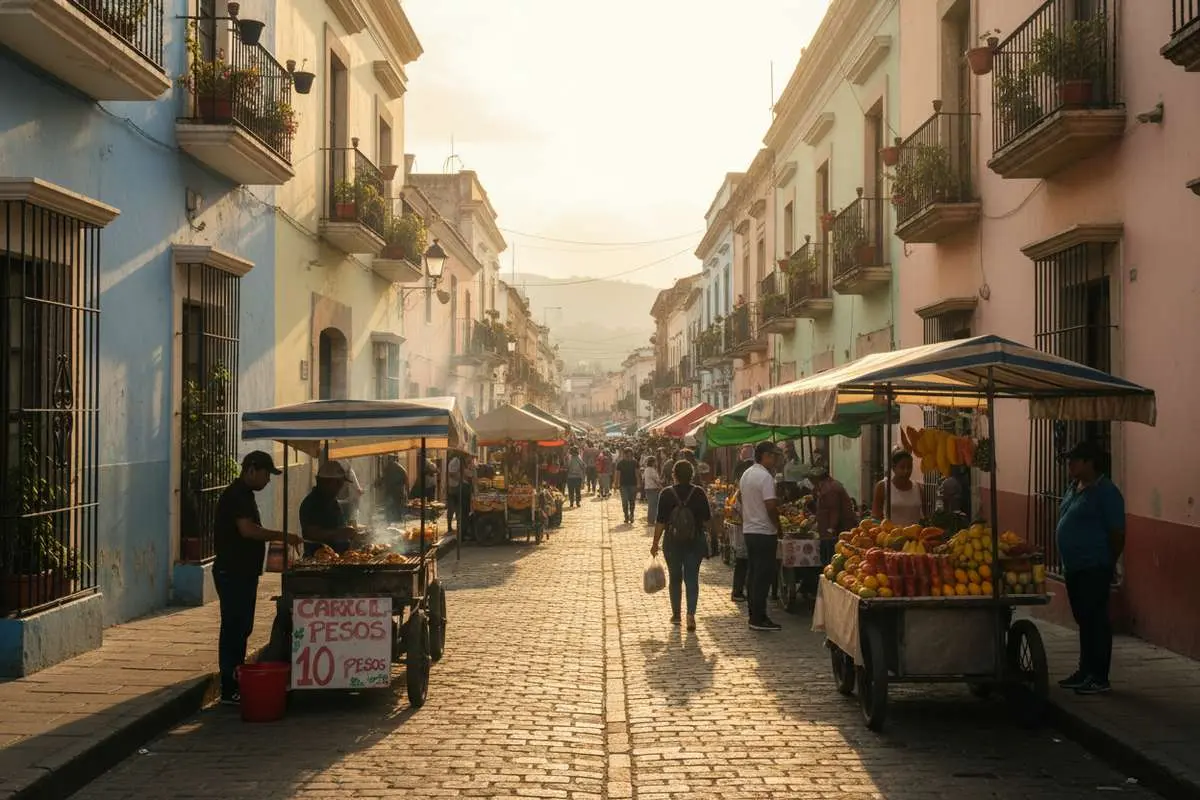
15 Cheapest Destinations in Mexico for Budget Travelers (2026)
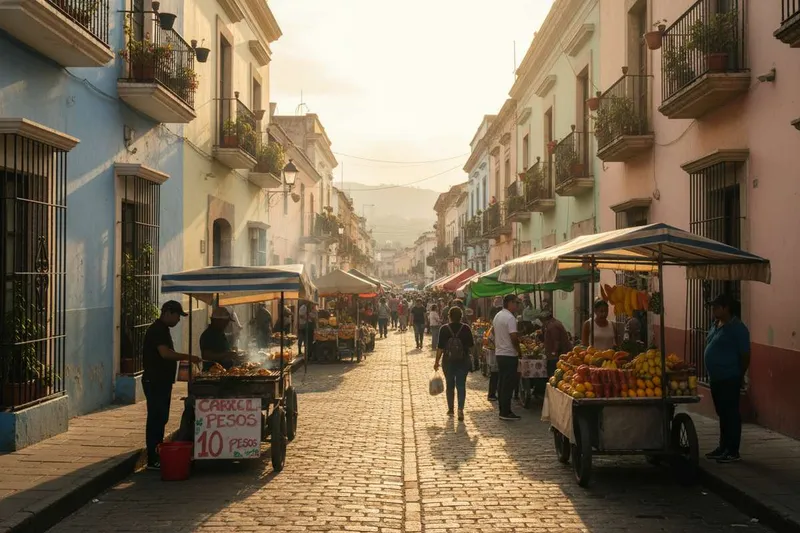
I grew up in Mexico hearing tourists say two things: “Mexico is so cheap!” (usually in Cancún, paying $18 for a margarita) and “Mexico is getting expensive!” (usually in Tulum, paying $25 for avocado toast). Both are wrong — or at least incomplete.
The truth is that Mexico has destinations where $30 stretches further than $100 in Cancún, and where the experiences are infinitely more authentic. The trick is knowing where to go.
After living across this country and watching my own family budget their vacations for decades, I’ve mapped out the 15 cheapest destinations that deliver extraordinary value — not just low prices, but genuine experiences that happen to cost almost nothing.
Cheapest Destinations in Mexico in 30 Seconds
For 2026 budget planning, the cheapest destinations in Mexico are inland cultural cities first, then lower-cost beach towns if you can accept a higher daily spend. Start with San Cristóbal, Guanajuato, Puebla, Oaxaca, or Campeche for the lowest real trip costs; save Mazatlán, Huatulco, Bacalar, and Puerto Vallarta for beach trips where $35-$65 per day is still realistic.
| Rank | Destination | Daily Budget (USD) | Daily Budget (MXN) | Best For |
|---|---|---|---|---|
| 1 | San Cristóbal de las Casas | $20–$35 | $400–$700 | Backpackers, culture |
| 2 | Guanajuato City | $25–$40 | $500–$800 | Culture, students |
| 3 | Puebla | $25–$40 | $500–$800 | Food lovers |
| 4 | Oaxaca City | $25–$45 | $500–$900 | Food, art, culture |
| 5 | Campeche | $25–$40 | $500–$800 | History, beaches |
| 6 | Mérida | $30–$50 | $600–$1,000 | Safety, culture |
| 7 | Morelia | $25–$40 | $500–$800 | Architecture, food |
| 8 | Valladolid | $30–$45 | $600–$900 | Cenotes, charm |
| 9 | Mazatlán | $35–$55 | $700–$1,100 | Budget beach |
| 10 | Zacatecas | $25–$40 | $500–$800 | Mining history |
| 11 | Palenque | $30–$45 | $600–$900 | Ruins, jungle |
| 12 | Huatulco | $35–$55 | $700–$1,100 | Quiet beaches |
| 13 | Sayulita | $40–$60 | $800–$1,200 | Surf, vibes |
| 14 | Bacalar | $35–$50 | $700–$1,000 | Lagoon paradise |
| 15 | Puerto Vallarta | $40–$65 | $800–$1,300 | Beach + culture |
All budgets assume mid-range budget travel: private room or hostel dorm, eating at local restaurants and markets, using public transport, and 1-2 paid activities per day. Prices current as of early 2026.
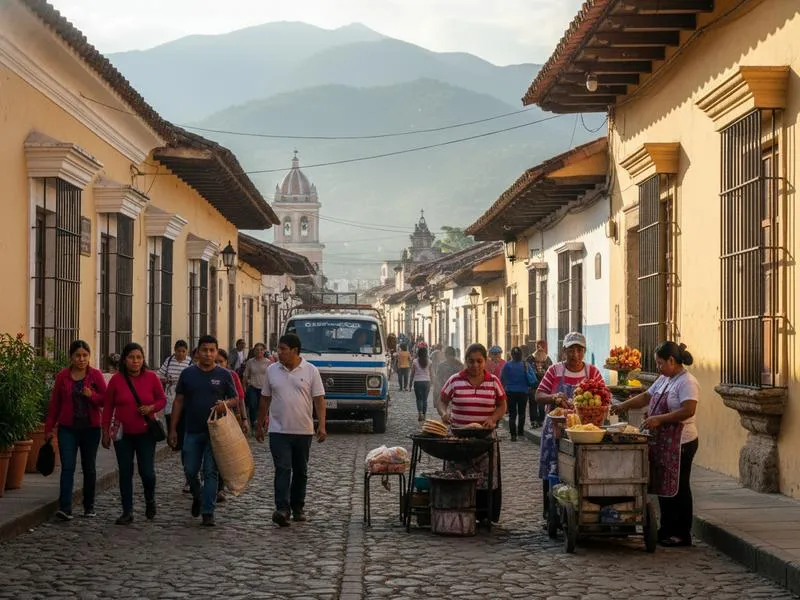
1. San Cristóbal de las Casas — The Backpacker Capital
Daily Budget: $20–$35 USD ($400–$700 MXN)
San Cristóbal isn’t just the cheapest destination on this list — it might be the cheapest worthwhile city in all of the Americas. Sitting at 2,200 meters in the Chiapas highlands, this colonial town draws backpackers, digital nomads, and soul-searchers from around the world.
Why it’s so cheap:
- Chiapas is Mexico’s poorest state, so the local economy runs on lower prices
- No beach = no resort markup
- Strong backpacker infrastructure keeps competition fierce among hostels and restaurants
- Indigenous markets sell produce, textiles, and street food at local prices
What things actually cost:
| Item | Price (USD) | Price (MXN) |
|---|---|---|
| Hostel dorm bed | $5–$8 | $100–$160 |
| Private room (budget hotel) | $12–$20 | $240–$400 |
| Comida corriente (set lunch) | $2–$3 | $40–$60 |
| Street tacos (5 pcs) | $1.50–$2.50 | $30–$50 |
| Coffee at a local café | $1–$2 | $20–$40 |
| Mezcal at a bar | $2–$4 | $40–$80 |
| Colectivo to San Juan Chamula | $1 | $20 |
| Guided day trip to Sumidero Canyon | $15–$25 | $300–$500 |
Don’t miss for free: Walking the cobblestone streets, browsing the amber market, visiting the Santo Domingo church and its textile vendors, watching sunset from the Cerro de Guadalupe viewpoint.
Insider tip: Eat at the Mercado de Comida near Santo Domingo — full plates of Chiapas food for $2-$3 USD. The Chiapas food scene is wildly underrated.
Getting there: ADO bus from Palenque (~5 hours, $15-$20 USD) or Tuxtla Gutiérrez airport + colectivo (~1.5 hours, $5 USD). Day trips from San Cristóbal include indigenous villages, waterfalls, and jungle hikes.
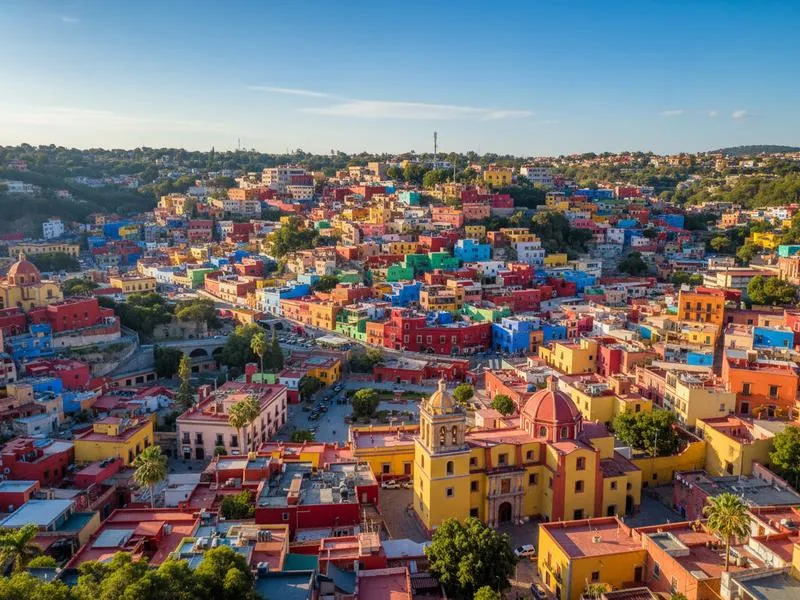
2. Guanajuato City — Colors Without the Cost
Daily Budget: $25–$40 USD ($500–$800 MXN)
Guanajuato City is the proof that a destination can be jaw-droppingly gorgeous and shockingly affordable at the same time. The multicolored houses cascading down hillsides, underground tunnels where cars drive through old mine shafts, and a university town energy that keeps prices honest — it’s everything Positano wishes it could be, at a tenth of the price.
Why it’s so cheap:
- University of Guanajuato keeps the city young and price-competitive
- No international airport means fewer tourist-trap markups
- Mining-town roots = working-class food culture with incredible value
- Compact walkable center means zero transport costs
What things actually cost:
| Item | Price (USD) | Price (MXN) |
|---|---|---|
| Hostel dorm bed | $7–$10 | $140–$200 |
| Budget hotel (private room) | $15–$25 | $300–$500 |
| Comida corriente | $2.50–$4 | $50–$80 |
| Enchiladas mineras (the local dish) | $3–$5 | $60–$100 |
| Guanajuato mummy museum entry | $3 | $60 |
| Funicular ride | $2 | $40 |
| Callejoneada (alley serenade tour) | $5–$8 | $100–$160 |
| Beer at a student bar | $1.50–$2.50 | $30–$50 |
Don’t miss for free: The Callejón del Beso (Kiss Alley), Jardín de la Unión plaza, exploring the underground road tunnels, sunset from the Pípila monument, and the street performers on weekends.
Insider tip: Walk to the Pípila monument at sunset instead of taking the funicular — you save $2 and the uphill walk through residential neighborhoods is more interesting than the ride. The Guanajuato mummy museum is weird, wonderful, and worth the $3 entry.
Getting there: Fly into León/Bajío airport (BJX), then bus or taxi to Guanajuato (~30 min). Direct buses from Mexico City (~5 hours, $20-$30 USD). Nearby, Dolores Hidalgo and San Miguel de Allende make excellent day trips.
3. Puebla — Eat Like Royalty for Pocket Change
Daily Budget: $25–$40 USD ($500–$800 MXN)
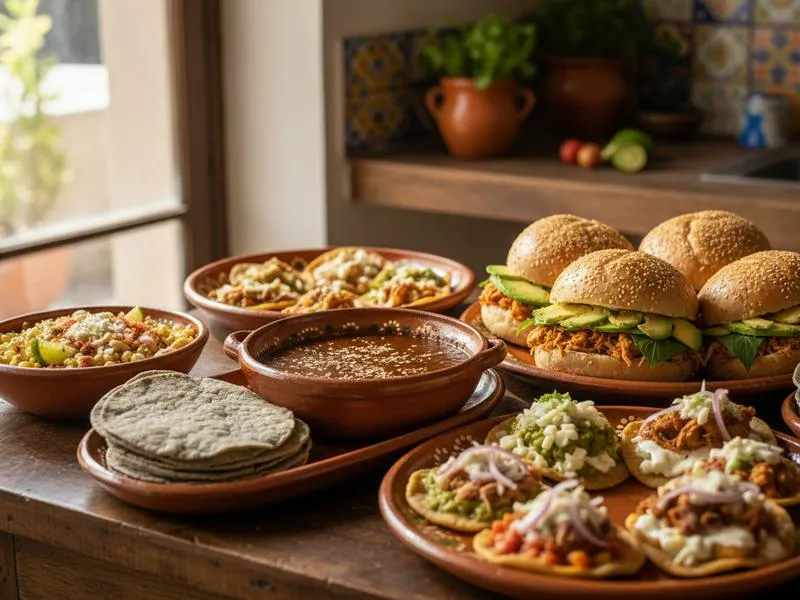
If you’re traveling Mexico for the food — and you should be — Puebla is where your dollar stretches furthest without sacrificing a single bite of quality. This is the city that invented mole poblano, chiles en nogada, and cemitas. The UNESCO-listed historic center has 365 churches (one for every day) and tile-covered buildings that photograph better than anything in a resort.
Why it’s so cheap:
- Just 2 hours from Mexico City but with significantly lower prices
- Massive student population (BUAP, UDLAP, Ibero) keeps food prices competitive
- Local food culture so strong that restaurants compete on quality, not tourist markups
- No beach premium — it’s a highland city at 2,100m
What things actually cost:
| Item | Price (USD) | Price (MXN) |
|---|---|---|
| Hostel dorm bed | $6–$9 | $120–$180 |
| Budget hotel (private room) | $15–$25 | $300–$500 |
| Cemita (Puebla’s iconic sandwich) | $2–$3 | $40–$60 |
| Mole poblano plate | $3–$5 | $60–$100 |
| Chiles en nogada (seasonal, Aug-Sep) | $6–$10 | $120–$200 |
| Cholula pyramid entry | $4 | $85 |
| Uber to Cholula | $3–$5 | $60–$100 |
| Dulces típicos (traditional candy box) | $3–$5 | $60–$100 |
Don’t miss for free: The Zócalo and cathedral, Barrio del Artista (artists’ quarter), Calle de los Dulces (candy street window shopping), and the murals inside the Palacio Municipal.
Insider tip: Take a $3 Uber to Cholula and climb the Great Pyramid — the largest pyramid by volume in the world, with a church on top and Popocatépetl volcano smoking in the background. It’s one of Mexico’s most photogenic moments for $4 entry. Nearby Cuetzalan and Atlixco are gorgeous day trips.
4. Oaxaca City — The Best Value in Mexico
Daily Budget: $25–$45 USD ($500–$900 MXN)
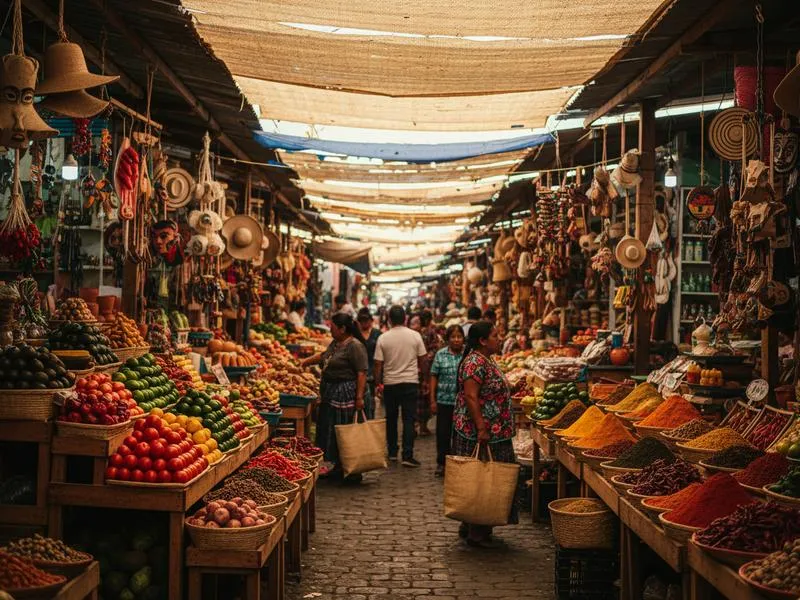
Oaxaca City is slightly more expensive than the first three on this list, but I’d argue it offers the best overall value in Mexico. The food scene rivals Mexico City at half the price. The mezcal culture is unmatched. The indigenous markets, colonial architecture, and surrounding villages create a depth of experience that Cancún couldn’t dream of.
Why it’s still affordable:
- No beach = no resort economy inflating local prices
- Strong indigenous market culture keeps food cheap and authentic
- Mezcal is produced locally, so you’re drinking at source prices
- Hostels and boutique hotels compete aggressively
What things actually cost:
| Item | Price (USD) | Price (MXN) |
|---|---|---|
| Hostel dorm bed | $7–$12 | $140–$240 |
| Boutique hotel (private room) | $25–$45 | $500–$900 |
| Tlayuda (Oaxacan pizza) | $3–$5 | $60–$100 |
| Mezcal tasting (5 samples) | $5–$10 | $100–$200 |
| Comida corriente at a market | $2.50–$4 | $50–$80 |
| Cooking class (half-day) | $30–$50 | $600–$1,000 |
| Monte Albán entry + transport | $8–$12 | $160–$240 |
| Colectivo to surrounding villages | $1–$2 | $20–$40 |
Don’t miss for free: Mercado 20 de Noviembre (just browse and sample), the Santo Domingo church and its courtyard, the textile museum, street art in Jalatlaco neighborhood, and the mezcal aroma wafting from every other doorway.
Insider tip: The Oaxacan food scene is legendary — eat at Mercado 20 de Noviembre for tlayudas, tasajo, and memelas cooked over charcoal. Take a $1 colectivo to Monte Albán instead of a $15 tour. Extend your trip to the Pueblos Mancomunados for world-class hiking from $25/day.
5. Campeche — UNESCO Beauty at Backpacker Prices
Daily Budget: $25–$40 USD ($500–$800 MXN)
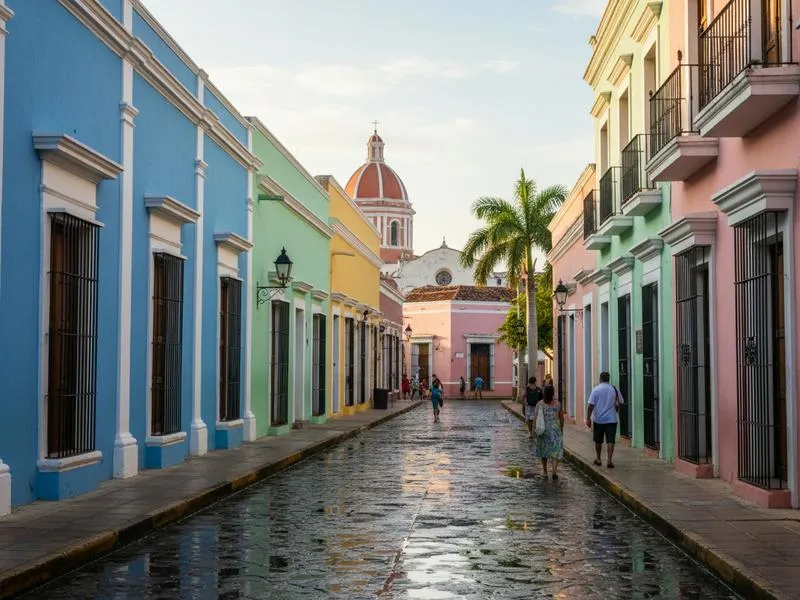
Campeche is Mexico’s best-kept budget secret. A walled colonial city with pastel buildings, zero crowds, Gulf coast seafood, and prices that make you double-check the menu. It’s a Level 1 advisory state — the safest category — and barely sees international tourists despite being a UNESCO World Heritage Site.
Why it’s so cheap:
- Almost zero international tourism = no gringo pricing
- Level 1 safety advisory (safest in Mexico alongside Yucatán)
- Gulf coast seafood is incredibly affordable (local fishing fleet)
- Small city with walkable center = no transport needed
What things actually cost:
| Item | Price (USD) | Price (MXN) |
|---|---|---|
| Budget hotel (private room) | $15–$25 | $300–$500 |
| Boutique hotel | $30–$50 | $600–$1,000 |
| Pan de cazón (local specialty) | $3–$5 | $60–$100 |
| Fresh ceviche at the malecón | $3–$5 | $60–$100 |
| Cocktail at a rooftop bar | $3–$5 | $60–$100 |
| Walking tour of the old city | Free–$10 | Free–$200 |
| Edzná ruins entry + transport | $6–$10 | $120–$200 |
| Boat to Isla Jaina | $15–$25 | $300–$500 |
Don’t miss for free: Walking the walled city at sunset when the pastel buildings glow, the malecón at dusk, the sound and light show at the Puerta de Tierra (check schedules), and the Campeche food scene at the central market.
Insider tip: Campeche is a perfect base for day trips — the Edzná ruins are less crowded and nearly as impressive as Chichén Itzá at a fraction of the cost. Isla Aguada and the beaches of Campeche are practically deserted.
6. Mérida — Safe, Beautiful, and Surprisingly Affordable
Daily Budget: $30–$50 USD ($600–$1,000 MXN)
Mérida is the safest city in Mexico and one of the most culturally rich. The colonial mansions of Paseo de Montejo, the food markets selling cochinita pibil for $2, and the free nightly cultural events make it an incredible value proposition. It’s slightly pricier than the first five because it’s caught international attention, but it’s still a fraction of Riviera Maya prices.
Why it’s affordable:
- Yucatecan food culture runs on markets and street stalls
- Free cultural programming nearly every night (vaquería dancing, concerts, film screenings)
- Cenotes near Mérida are cheap to visit ($5-$10 entry)
- Flat, walkable city reduces transport costs
What things actually cost:
| Item | Price (USD) | Price (MXN) |
|---|---|---|
| Hostel dorm bed | $8–$12 | $160–$240 |
| Boutique hotel (private room) | $30–$55 | $600–$1,100 |
| Cochinita pibil torta | $1.50–$2.50 | $30–$50 |
| Sopa de lima at a market | $2–$3 | $40–$60 |
| Fine dining (best restaurants) | $15–$30 | $300–$600 |
| Cenote entry | $5–$10 | $100–$200 |
| Colectivo to Celestún | $3–$5 | $60–$100 |
| Uber across the city | $2–$4 | $40–$80 |
Don’t miss for free: Paseo de Montejo on Sunday when the boulevard closes to cars, the nightly cultural events in Plaza Grande, the cathedral (Mexico’s oldest on the American mainland), and day trips from Mérida to Yucatecan towns.
Insider tip: Where to stay in Mérida matters — the centro histórico has the best walking access and cheapest food. Rent a bike for a few dollars a day and you’ll never need a taxi.
7. Morelia — Michoacán’s Colonial Crown Jewel
Daily Budget: $25–$40 USD ($500–$800 MXN)
Morelia scares tourists because it’s in Michoacán — a state with a Level 4 “Do Not Travel” advisory. But the city itself is as safe as any colonial capital in Mexico, with a gorgeous pink-stone historic center, incredible food (carnitas, uchepos, corundas), and prices that reflect its under-the-radar status.
Why it’s so cheap:
- The state-level travel advisory keeps most international tourists away
- Local university (UMSNH) economy keeps prices grounded
- Michoacán’s agricultural wealth means incredible produce and food at low prices
- No gentrification pressure from remote workers or expats (unlike Oaxaca or San Miguel)
What things actually cost:
| Item | Price (USD) | Price (MXN) |
|---|---|---|
| Budget hotel (private room) | $12–$20 | $240–$400 |
| Mid-range hotel | $25–$40 | $500–$800 |
| Carnitas plate (Michoacán’s pride) | $3–$5 | $60–$100 |
| Uchepos and corundas (local tamales) | $1.50–$3 | $30–$60 |
| Gazpacho moreliano (fruit cup) | $1.50–$2.50 | $30–$50 |
| Cathedral entry | Free | Free |
| Morelia aqueduct walk | Free | Free |
| Day trip to Pátzcuaro | $3–$5 bus | $60–$100 |
Don’t miss for free: The pink cantera stone cathedral (stunning at night when lit up), walking the aqueduct’s 253 arches, the candy market (Mercado de Dulces), and Calle Real people-watching.
Insider tip: Morelia is the gateway to Pátzcuaro and the monarch butterfly reserves. Visit in November for Day of the Dead on Janitzio Island — the most authentic celebration in Mexico, and the city fills with marigolds and meaning. Read our safety guide and travel advisory for honest context on Michoacán travel.
8. Valladolid — Cenotes and Colonial Charm
Daily Budget: $30–$45 USD ($600–$900 MXN)
Valladolid is the Yucatán’s chill alternative to overpriced Tulum. A small colonial city with pastel streets, cenotes within walking or biking distance, and a food scene that represents authentic Yucatecan cooking without the tourist markup. It’s perfectly positioned between Chichén Itzá and the coast.
Why it’s affordable:
- Small-town economy with local pricing
- Cenotes are cheaper here than near Tulum ($5-$8 vs $20-$30)
- No nightclub or party scene inflating prices
- Walking/biking city — no transport costs
What things actually cost:
| Item | Price (USD) | Price (MXN) |
|---|---|---|
| Budget hotel | $15–$25 | $300–$500 |
| Charming boutique hotel | $30–$50 | $600–$1,000 |
| Lomitos de Valladolid (local dish) | $3–$5 | $60–$100 |
| Cenote entry | $5–$8 | $100–$160 |
| Bike rental (full day) | $5–$8 | $100–$160 |
| Salbutes and panuchos | $1–$2 | $20–$40 |
| Chichén Itzá day trip (colectivo) | $5 roundtrip | $100 |
| Calzada de los Frailes walk | Free | Free |
Don’t miss for free: The Calzada de los Frailes (the prettiest street in the Yucatán), the Convent of San Bernardino at sunset, the main plaza and Cathedral of San Gervasio, and swimming in Cenote Zací (technically in town, $2 entry).
Insider tip: Rent a bike and ride to Cenote Suytun and Cenote X’kekén — both are within 7km and charge a fraction of what cenotes near Tulum demand. Valladolid is the cheapest base for visiting Chichén Itzá (colectivos run regularly for $2.50 each way).
9. Mazatlán — The Budget Beach Champion
Daily Budget: $35–$55 USD ($700–$1,100 MXN)
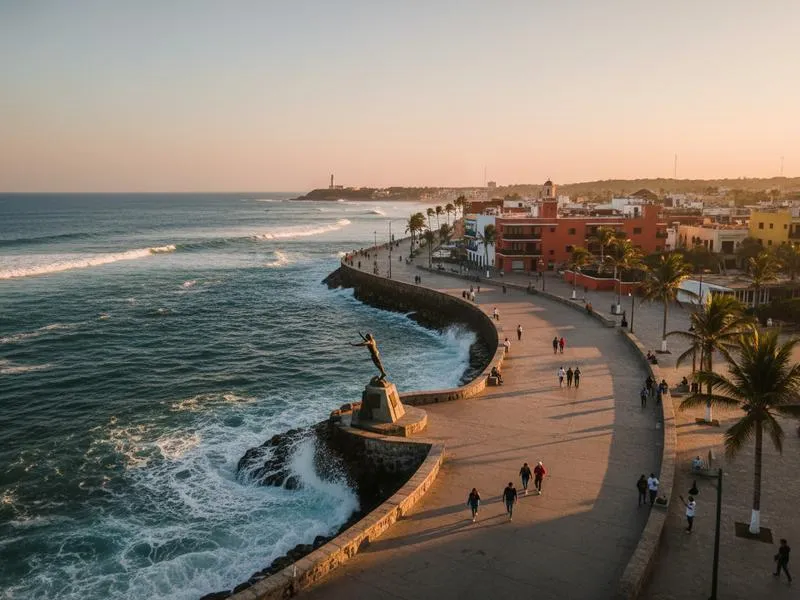
Mazatlán is Mexico’s most underpriced beach city. While Los Cabos charges $400/night for a mediocre resort, Mazatlán delivers a walkable malecón, excellent surfing, world-class seafood, and renovated colonial architecture in Centro Histórico — all at prices that make every other Pacific coast destination look greedy.
Why it’s affordable:
- Mexican tourists outnumber foreigners = local pricing prevails
- Massive fishing fleet keeps seafood absurdly cheap
- Centro Histórico renaissance created boutique hotels without resort pricing
- Sinaloa state advisory keeps some tourists away (the city itself is safe)
What things actually cost:
| Item | Price (USD) | Price (MXN) |
|---|---|---|
| Budget hotel (Centro Histórico) | $15–$30 | $300–$600 |
| Beachfront hotel (Zona Dorada) | $40–$70 | $800–$1,400 |
| Ceviche tostada on the malecón | $2–$3 | $40–$60 |
| Seafood at the beaches | $5–$10 per dish | $100–$200 |
| Pulmonía ride (open-air taxi) | $2–$5 | $40–$100 |
| Surf lesson | $20–$35 | $400–$700 |
| Brewery tour (Pacífico is from here) | $5–$10 | $100–$200 |
| Isla de la Piedra boat ride | $1 | $20 |
Don’t miss for free: Walking the entire 21km malecón (the longest in Mexico), cliff divers at El Clavadista, sunsets from Olas Altas, and the Angela Peralta Theatre exterior and plaza.
Insider tip: Skip Zona Dorada (the hotel zone) and stay in Centro Histórico — better restaurants, more character, and half the price. Take the $1 boat to Isla de la Piedra for empty beaches with $3 ceviche. Mazatlán has direct budget flights from many US cities.
10. Zacatecas — Silver City on a Shoestring
Daily Budget: $25–$40 USD ($500–$800 MXN)
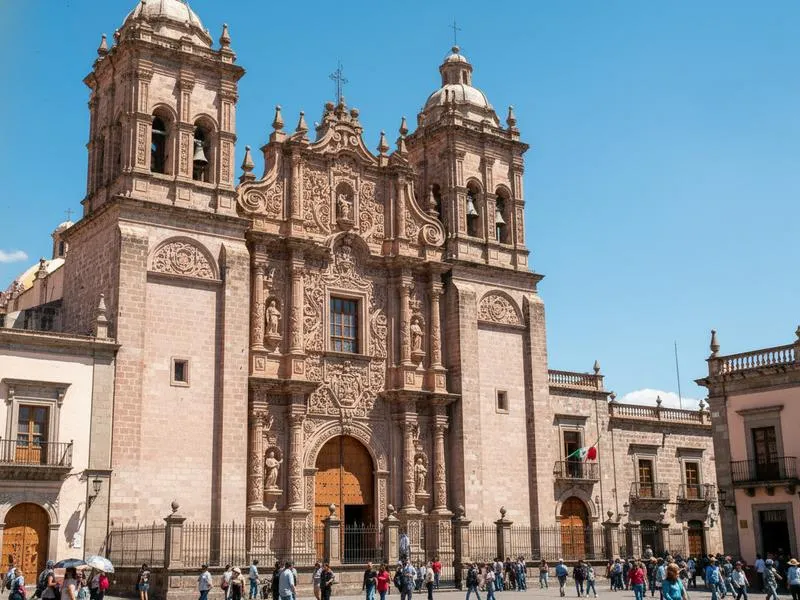
Zacatecas is a pink-stone colonial city built on silver mining wealth, tucked between mountains at 2,500 meters. Despite having a UNESCO-listed historic center, a teleférico crossing a gorge, and underground mine tours, it receives almost no international tourists. Prices reflect this beautifully.
Why it’s so cheap:
- Virtually unknown to international tourists
- No beach, no resort infrastructure = no markups
- Central Mexico highland city with domestic tourism pricing
- University town keeps food and nightlife affordable
What things actually cost:
| Item | Price (USD) | Price (MXN) |
|---|---|---|
| Budget hotel | $12–$20 | $240–$400 |
| Boutique hotel in centro | $25–$40 | $500–$800 |
| Local food | $2.50–$5 | $50–$100 |
| Teleférico cable car | $4 | $80 |
| Mina El Edén tour | $6 | $120 |
| Tamborazo band show | Free (plaza) | Free |
| Museum of Rafael Coronel | $3 | $60 |
| Mezcal tasting | $3–$5 | $60–$100 |
Don’t miss for free: The cathedral at sunset (the pink stone glows), wandering the narrow alleys between colonial buildings, the Cerro de la Bufa viewpoint (walk up for free or take a taxi for $2), and the nightly callejoneadas (tamborazo bands parading through streets).
Insider tip: Zacatecas is a mezcal-producing state — taste the local varieties at bars around the centro for $2-$3 per shot, a fraction of what you’d pay in Oaxaca’s tourist bars. The El Edén mine nightclub (inside an actual mine) is one of Mexico’s most unique nightlife experiences.
11. Palenque — Jungle Ruins Without the Riviera Price
Daily Budget: $30–$45 USD ($600–$900 MXN)
Palenque exists for one reason: the Maya ruins emerging from the jungle canopy. But the town itself — scruffy, humid, and authentic — offers budget travelers a base for exploring Chiapas’ most spectacular archaeology at prices that make the Riviera Maya look criminal.
Why it’s affordable:
- Small town economy with very local pricing
- Chiapas affordability extends here
- Most visitors are backpackers, keeping accommodation competitive
- Food is cheap Chiapas fare — tacos, tamales, and market stalls
What things actually cost:
| Item | Price (USD) | Price (MXN) |
|---|---|---|
| Hostel dorm | $6–$10 | $120–$200 |
| Cabañas near ruins | $20–$35 | $400–$700 |
| Palenque ruins entry | $4.50 | $90 |
| Colectivo to ruins | $1 | $20 |
| Misol-Ha waterfall entry | $1.50 | $30 |
| Agua Azul entrance | $2.50 | $50 |
| Full day jungle tour | $20–$35 | $400–$700 |
| Comida corriente in town | $2.50–$4 | $50–$80 |
Don’t miss for free: The town market in the morning, watching howler monkeys in the trees near the ruins parking lot, and the evening paseo when locals gather in the main plaza.
Insider tip: Stay at the jungle cabañas on the road to the ruins (El Panchán area) instead of in town — you’ll wake up to howler monkeys and walk to the ruins through the forest. Combine with San Cristóbal for a 5-7 day Chiapas circuit that costs less than 3 nights in Cancún.
12. Huatulco — Quiet Beaches, Honest Prices
Daily Budget: $35–$55 USD ($700–$1,100 MXN)
Huatulco is what the Riviera Maya would look like if developers hadn’t gone crazy. Nine bays, dozens of beaches, excellent snorkeling, and a small town called La Crucecita where you eat, sleep, and live at Oaxacan prices. The Fonatur-planned development kept things controlled, so there’s no Tulum-style price explosion.
Why it’s affordable:
- Oaxacan state pricing (one of Mexico’s cheapest states)
- Small airport limits mass tourism
- Mexican families are the main tourist base = local pricing
- No all-inclusive monopoly — independent restaurants and hotels dominate
What things actually cost:
| Item | Price (USD) | Price (MXN) |
|---|---|---|
| Budget hotel (La Crucecita) | $20–$35 | $400–$700 |
| Beachfront hotel | $50–$80 | $1,000–$1,600 |
| Fish tacos at the market | $2–$3 | $40–$60 |
| Boat tour of bays (shared) | $15–$25 | $300–$500 |
| Snorkeling gear rental | $5–$10 | $100–$200 |
| Uber to beach | $2–$4 | $40–$80 |
| Cocktail at a beach club | $3–$5 | $60–$100 |
| Oaxacan tlayuda | $3–$5 | $60–$100 |
Don’t miss for free: Playa La Entrega (walk-in beach with free entry and great snorkeling), La Crucecita’s main plaza and its gorgeous painted church ceiling, and sunset at Chahué beach.
Insider tip: Huatulco is the only beach destination in Mexico with a certified sustainable tourism designation. The bays are clean, the coral is alive, and the fish are abundant. It’s what Tulum was 15 years ago — but with better infrastructure and a fraction of the attitude.
13. Sayulita — Surf Town on a Budget
Daily Budget: $40–$60 USD ($800–$1,200 MXN)
Sayulita is the Pacific coast’s most charismatic surf town — a tiny village north of Puerto Vallarta with a laid-back vibe, excellent tacos, and rideable waves for beginners and intermediates. It’s pricier than inland destinations but still a fraction of Los Cabos or Punta Mita next door.
Why it’s still affordable (despite gentrification):
- Street food and taco stands keep food costs low
- Beach is free (all Mexican beaches are public by law)
- Surfing requires minimal equipment rental
- Sayulita is walkable — no car or taxi needed
- Budget hostels still exist alongside boutique hotels
What things actually cost:
| Item | Price (USD) | Price (MXN) |
|---|---|---|
| Hostel dorm | $10–$15 | $200–$300 |
| Budget hotel | $25–$40 | $500–$800 |
| Fish tacos at a stand | $1.50–$2.50 | $30–$50 |
| Restaurants in Sayulita | $8–$15 per dish | $160–$300 |
| Surfboard rental (full day) | $10–$15 | $200–$300 |
| Surf lesson (2 hours) | $25–$40 | $500–$800 |
| Beer at a beach bar | $2–$3 | $40–$60 |
| Day trip to Islas Marietas | $40–$60 | $800–$1,200 |
Don’t miss for free: Surfing (if you have a board), watching the sunset from the beach, the Friday art walk, swimming at the main beach and Playa de los Muertos (a short walk north), and the town’s colorful streets and murals.
Insider tip: Sayulita is only 45 minutes from Puerto Vallarta airport. Eat at the street taco stands on the main road — better than most restaurants and a quarter of the price. Visit on weekdays to avoid the Puerto Vallarta day-tripper crowds.
14. Bacalar — The Lagoon That Costs Less Than You Think
Daily Budget: $35–$50 USD ($700–$1,000 MXN)
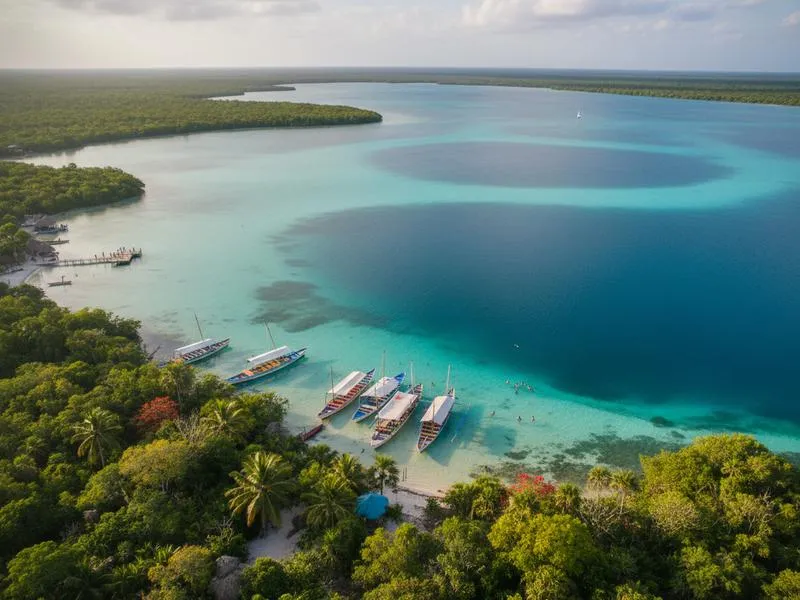
Bacalar has the “Lagoon of Seven Colors” — a freshwater lake so beautiful that photos look fake. It’s been called “the next Tulum” for a decade, yet prices have stayed remarkably grounded compared to its Caribbean coast neighbors. The town is tiny, the pace is slow, and the colors are surreal.
Why it’s affordable:
- No international airport = fewer tourists
- Small-town economy with limited nightlife
- Freshwater lagoon (not beach) = no resort development pressure
- Most visitors are Mexican or Central American backpackers
What things actually cost:
| Item | Price (USD) | Price (MXN) |
|---|---|---|
| Hostel dorm | $8–$12 | $160–$240 |
| Hotels with lagoon access | $30–$60 | $600–$1,200 |
| Boat tour of lagoon | $15–$25 pp | $300–$500 |
| Kayak rental | $5–$8/hr | $100–$160 |
| Tacos at a street stand | $1.50–$2.50 | $30–$50 |
| Seafood at the lagoon | $5–$8 | $100–$160 |
| Cenote Azul entry | $5 | $100 |
| Colectivo to Chetumal | $3 | $60 |
Don’t miss for free: Swimming in the lagoon from public access points (Balneario Ejidal is $2), sunrise over the lagoon (the colors shift constantly), walking the malecón, and the pirate fort and museum in the town center.
Insider tip: Choose accommodation with direct lagoon access — it’s the difference between a good trip and a life-changing one. Wake up, walk 10 steps, and swim in water that shifts from turquoise to indigo to emerald. Bacalar is the cheapest “paradise” experience in Mexico.
15. Puerto Vallarta — Beach City That Doesn’t Have to Break the Bank
Daily Budget: $40–$65 USD ($800–$1,300 MXN)
Puerto Vallarta is the most expensive destination on this list, but I’m including it because travelers assume it’s unaffordable — and that’s simply not true if you know where to look. The Zona Romántica has world-class restaurants where $15 buys a memorable meal. The malecón is free. The local buses cost $0.60. And the surrounding beaches and mountains are packed with budget-friendly adventures.
Why it makes this list despite being a resort town:
- Zona Romántica has independent restaurants competing on quality, not resort pricing
- Local bus system is excellent and dirt cheap ($0.60 USD anywhere in town)
- Surrounding villages and beaches are significantly cheaper
- High competition in accommodation keeps prices reasonable off-peak
What things actually cost:
| Item | Price (USD) | Price (MXN) |
|---|---|---|
| Hostel dorm (Zona Romántica) | $10–$15 | $200–$300 |
| Budget hotel | $30–$50 | $600–$1,000 |
| Street tacos (5 pcs) | $2–$3 | $40–$60 |
| Mid-range dinner | $10–$18 | $200–$360 |
| Local bus to anywhere | $0.60 | $12 |
| Uber across town | $2–$5 | $40–$100 |
| Whale watching tour (Dec-Mar) | $40–$60 | $800–$1,200 |
| Isla Marietas boat trip | $45–$65 | $900–$1,300 |
Don’t miss for free: The entire malecón sculpture walk, Playa de los Muertos beach, the Church of Our Lady of Guadalupe, sunset from the pier, and people-watching at the Zona Romántica cafés.
Insider tip: Take the $0.60 city bus south to Boca de Tomatlán, then a $3 water taxi to Playa Las Ánimas or Quimixto — hidden beaches with $5 fish plates and zero resort guests. That’s how Mexicans do Puerto Vallarta.
How to Maximize Your Budget Anywhere in Mexico
These tips work in any of the 15 destinations above:
Eat Where Mexicans Eat
The #1 budget rule. Market fondas (stalls with plastic chairs) serve the same recipes as sit-down restaurants at one-third the price. A comida corriente (daily set meal with soup, main, drink, and dessert) costs $2-$4 USD everywhere on this list. Our guide to Mexican cuisine covers what to order.
Travel by Bus
ADO first-class buses are safe, comfortable, air-conditioned, with Wi-Fi and movies. They cost a fraction of flying — Mexico City to Oaxaca is $20-$30 versus $80-$120 for a flight. Second-class buses and colectivos are even cheaper. See our driving and transport guide for all options.
Stay in the Centro Histórico
In every colonial city on this list, the historic center has the cheapest and best food, the most character, and everything walkable. Avoid “tourist zones” that exist specifically to charge more for the same experience.
Book Direct
Hotels in Mexico often offer 10-20% discounts when you book via WhatsApp, phone, or their website rather than Booking.com or Expedia. Just ask: “¿Tienen algún descuento por reserva directa?”
Visit in Shoulder Season
May-June and September-October offer the lowest prices everywhere. Read our best time to visit Mexico guide for month-by-month detail on pricing, weather, and crowds.
Use Uber and DiDi
Both apps work in most Mexican cities and are cheaper than taxis (plus no negotiating). Between cities, check BlablaCar for rideshares that cut transport costs in half.
The Destinations to Avoid on a Budget
For completeness, here’s where NOT to go if you’re watching your wallet:
| Destination | Why It’s Expensive | Daily Budget |
|---|---|---|
| Los Cabos | Resort monopoly, imported everything | $150–$400+ |
| Tulum | Instagrammification, $25 cenotes, $20 smoothies | $80–$200+ |
| Cancún Hotel Zone | All-inclusive pricing, tourist-trap restaurants | $100–$300+ |
| Punta Mita | Luxury enclave (Four Seasons/St. Regis territory) | $200–$600+ |
| San José del Cabo | Art galleries and boutique hotels at California prices | $120–$350+ |
| Riviera Maya resorts | All-inclusive traps with limited authentic experience | $150–$400+ |
These places have their merits, but budget-friendly they are not. For the price of one night in Los Cabos, you could spend four to five days in San Cristóbal de las Casas with money left over.
For a complete cost breakdown of every expense category, read our Mexico travel cost guide.
Building Multi-City Budget Itineraries
The beauty of Mexico’s cheap destinations is that many cluster together geographically, making multi-city trips both affordable and logical:
Chiapas Circuit (10 days, $25-$40/day): San Cristóbal → Palenque → back to San Cristóbal Total: $250-$400
Yucatán Loop (10 days, $30-$45/day): Mérida → Campeche → Bacalar → Valladolid → Mérida Total: $300-$450
Colonial Highlands (10 days, $25-$40/day): Guanajuato → Zacatecas → Morelia → Puebla Total: $250-$400
Pacific Beach + Culture (10 days, $35-$55/day): Puerto Vallarta → Sayulita → Mazatlán Total: $350-$550
Oaxaca Deep Dive (10 days, $25-$45/day): Oaxaca City → Pueblos Mancomunados → Huatulco coast Total: $250-$450
For fully planned routes with day-by-day budgets, our spring break budget guide has three complete sample itineraries. And if safety is a concern, our guide to the safest cities in Mexico ranks all the options.
The Bottom Line
The cheapest way to experience Mexico? Pick one of the first five cities on this list, eat at markets, take buses, and stay in the centro. You’ll spend less than $35 a day and have richer experiences than someone paying ten times that at an all-inclusive.
That’s not budget travel. That’s just the real Mexico.