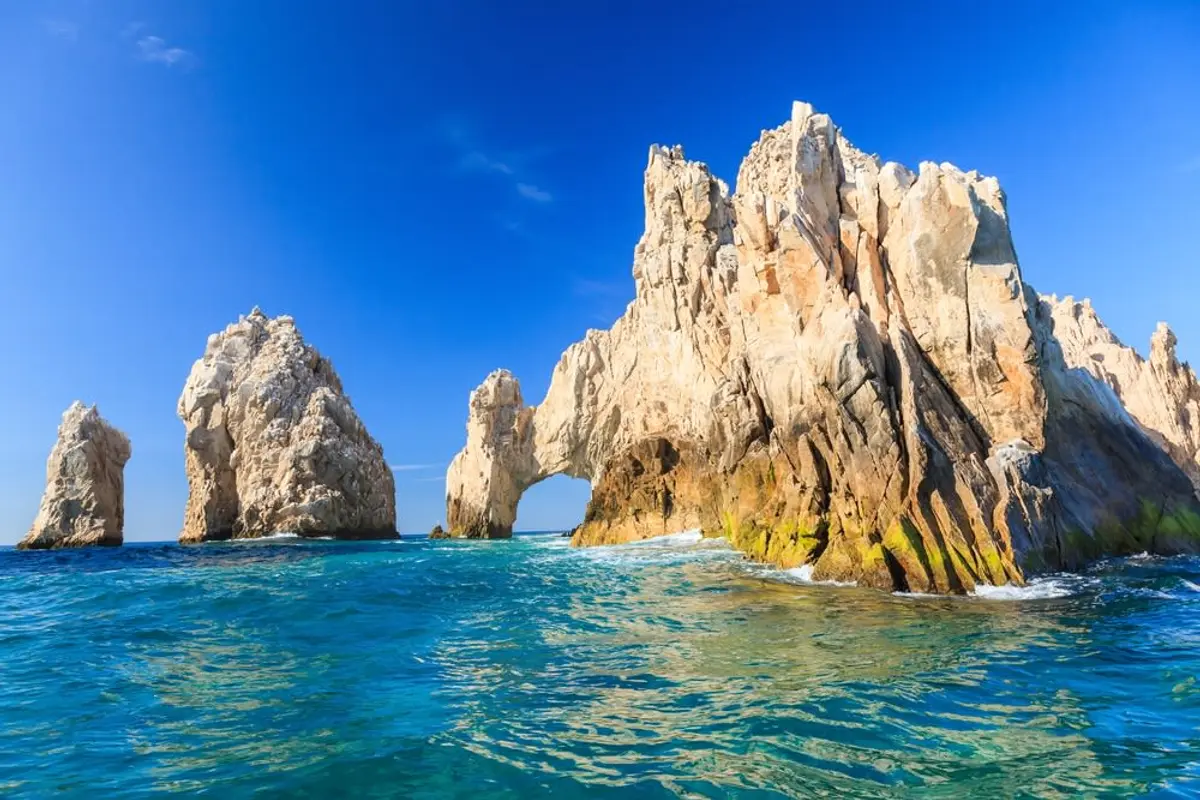
Day Trips from Los Cabos 2026: 10 Best Excursions Ranked
Los Cabos sits at the southern tip of the Baja California Peninsula, where two worlds collide: the Pacific Ocean on the west, the Sea of Cortez on the east, and one of the planet’s most dramatic desert coastlines in between. Beyond the marina, the all-inclusive resorts, and El Arco, Baja California Sur has some of Mexico’s most extraordinary landscapes — and most of them are within a 2.5-hour drive.
This guide ranks the 10 best day trips from Los Cabos and Cabo San Lucas, tells you exactly how to reach each, and gives you honest assessments of what each one delivers — and whether a tour or a rental car serves you better.
At a Glance: 10 Day Trips from Los Cabos
| Destination | Distance from CSL | Drive Time | Best For | Entry Cost |
|---|---|---|---|---|
| San José del Cabo | 35km | 30 min | Art, culture, estuary | Free |
| The Corridor Beaches | 20–45km | 20–40 min | Snorkeling, swimming | Free |
| El Pescadero & Cerritos | 72km | 55 min | Surf, Pacific beaches | Free |
| Todos Santos | 80km | 1 hr | Art town, Hotel California, food | Free |
| Sierra de la Laguna | 100km + hike | 1.5 hrs + 3–5 hrs hiking | Mountain hiking, waterfalls | 50–100 MXN/guide |
| Cabo Pulmo | 95km | 1.5–2 hrs | UNESCO reef, diving, snorkeling | ~600 MXN tour |
| Los Barriles & East Cape | 100km | 1.5 hrs | Kitesurfing, remote beaches, fishing | Free |
| La Paz | 190km | 2.5 hrs | Whale sharks, sea lions, Balandra Beach | 2,000–3,500 MXN whale shark tour |
| Espíritu Santo Island | Via La Paz | 3 hrs + boat | UNESCO island, camping, snorkeling | 1,500–2,500 MXN tour |
| Whale Shark Snorkel (local) | Corridor / Cabo Bay | 30–45 min boat | Seasonal snorkel (Nov–May) | 900–1,800 MXN |
*CSL = Cabo San Lucas marina as starting point. SJC = San José del Cabo for airport rental cars.
Getting There: Rental Car vs Tour vs Bus
A rental car is the single most liberating thing you can do in Baja. Most of these destinations have limited or zero bus service, and the distances between them — across spectacular desert scenery — are best experienced by driving yourself.
| Transport | Cost | Best For | Limitations |
|---|---|---|---|
| Rental car | $30–60 USD/day | All destinations | Requires confidence on some dirt roads |
| Aguila bus | 100–300 MXN | Todos Santos, La Paz only | No service to Cabo Pulmo, East Cape |
| Organized tour | 800–2,500 MXN | Cabo Pulmo, La Paz whale sharks | Fixed schedule, group pace |
| Uber from CSL | 600–1,200 MXN | Short trips (San José del Cabo, Corridor) | Drivers refuse long trips |
| Private transfer | 2,000–5,000 MXN round trip | La Paz if avoiding driving | Expensive but flexible |
Tip: Rent at SJD airport (San José del Cabo) rather than downtown Cabo San Lucas — airport rates are typically 20–30% lower, and SJD is the better base for east-direction day trips (Cabo Pulmo, Los Barriles).
1. San José del Cabo — The Cultured Side of Los Cabos
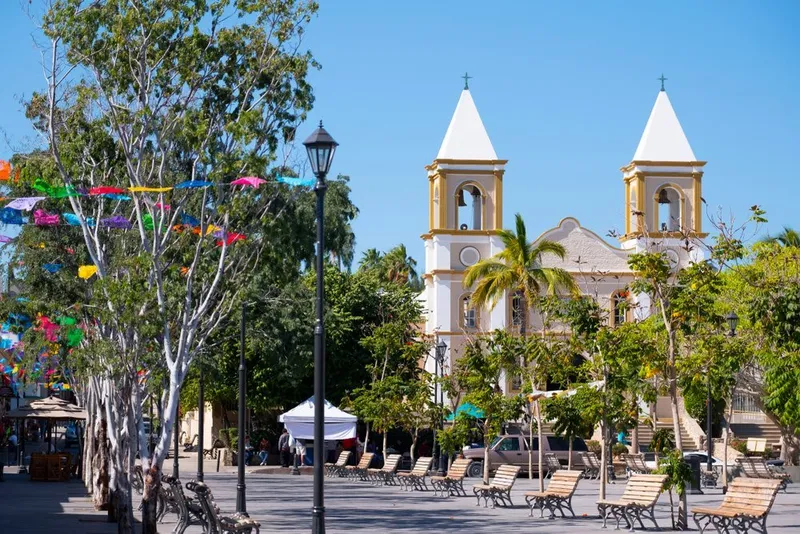
Distance from Cabo San Lucas: 35km | Drive time: 30 min | Entry: Free
San José del Cabo is the quieter, more interesting half of Los Cabos — and most visitors staying in Cabo San Lucas never see it. While Cabo San Lucas is all marina, nightclubs, and spring break energy, San José del Cabo is colonial architecture, cobblestone streets, working art galleries, and a remarkable birding estuary that doesn’t appear on most tourist maps.
What to do:
-
The Art District: San José del Cabo has over 120 art galleries concentrated in a 6-block radius around Boulevard Antonio Mijares. The Thursday Art Walk (November–June, 5–9 PM) opens galleries simultaneously with wine, music, and live demos — the best free cultural event in all of Los Cabos. Individual galleries are also open daily.
-
Estero San José: The Estero (estuary) at the edge of town where the river meets the sea hosts over 200 bird species including frigatebirds, herons, egrets, and seasonal migratory species. A boardwalk runs along the estuary’s edge. Entry is free and it’s walkable from the town center in 15 minutes.
-
Mission San José del Cabo: The original Jesuit mission church on the main plaza dates to 1730. The plaza itself is lined with palm trees and local restaurants — far more atmospheric than anything in Cabo San Lucas.
-
Mercado Orgánico: San José del Cabo has a genuine local organic food market (Saturday mornings) that draws chefs and local growers. Better breakfast than anything in the Hotel Zone.
Getting there: 35km north of Cabo San Lucas on Highway 1 — 30 minutes by car. Uber runs regularly between the two towns (150–250 MXN). The Art Walk is the reason to come specifically on Thursday evenings.
2. The Corridor Beaches — Best Snorkeling Near Cabo
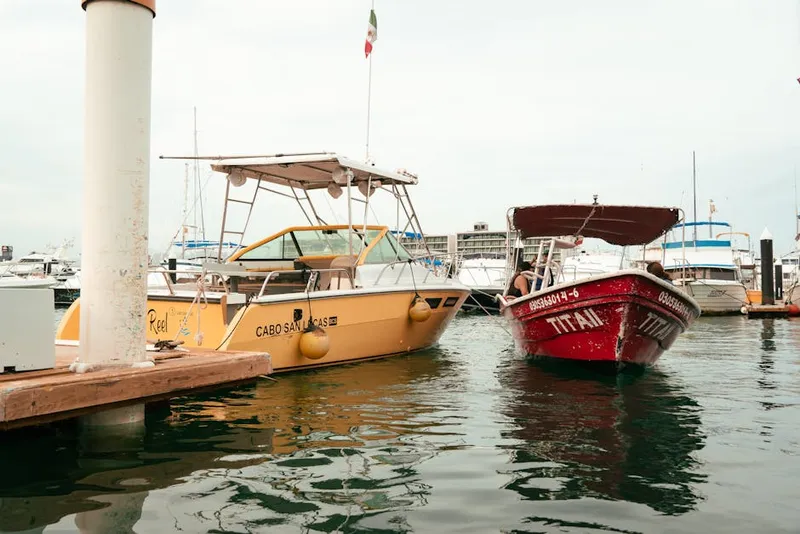
Distance from Cabo San Lucas: 20–45km | Drive time: 20–40 min | Entry: Free
Between Cabo San Lucas and San José del Cabo runs a 30km corridor of coast along the Sea of Cortez that holds the best accessible snorkeling in the Los Cabos area. These beaches are significantly calmer than anything on the Pacific side and are completely free — a major contrast to the all-inclusive pools.
Best Corridor beaches:
-
Chileno Bay (Bahía Chileno): About 14km east of Cabo San Lucas. Designated a marine reserve in 2012. Protected bay with calm water, reef formations with parrotfish, angelfish, and sea turtles. Showers, bathrooms, and snorkel equipment rental (150–200 MXN). No admission fee. One of the best free snorkeling spots in Baja.
-
Santa María Bay (Bahía Santa María): About 20km east of Cabo San Lucas. Smaller and quieter than Chileno, with a horseshoe shape that creates particularly calm water. Excellent snorkeling with moray eels, rays, and schools of tropical fish. No facilities — bring your own gear and water.
-
Playa Palmilla: Near the Palmilla resort (4-star property). The beach itself is public by Mexican law. Calmer water for swimming, visible rays and sea turtles in the shallows.
Getting there: Drive east from Cabo San Lucas on Highway 1 toward San José del Cabo. Both bays are signposted and have roadside parking. Chileno is easier to find; Santa María requires a short walk down to the beach. A taxi from Cabo San Lucas to Chileno Bay costs 200–300 MXN each way.
3. El Pescadero & Playa Los Cerritos — Pacific Surf Town
Distance from Cabo San Lucas: 72km | Drive time: 55 min | Entry: Free
El Pescadero is a small agricultural and surf community on the Pacific Coast about 55km north of Cabo San Lucas. It’s quieter, cheaper, and more authentically Mexican than Cabo — and its main beach, Playa Los Cerritos, is the most accessible good surf beach in the region.
Why come here:
-
Playa Los Cerritos: Unlike virtually every other Pacific beach in Los Cabos, Cerritos has a protected cove that creates waves suitable for beginning and intermediate surfers while still having sections where stronger swimmers can enjoy the water. Surf schools rent boards and lessons (300–500 MXN/hr).
-
El Pescadero town: Small, unhurried, and lined with organic farms, low-key restaurants, and surf shops. The local taco stands are a significant upgrade from what you’ll find in Cabo San Lucas at the same price point.
-
Punta Lobos: A rugged point 3km south of El Pescadero where local fishermen launch pangas (small fishing boats) into heavy Pacific surf in dramatic fashion every morning. The beach is not for swimming but the spectacle is worth stopping for.
Getting there: Drive north on Highway 19 from Cabo San Lucas toward Todos Santos. El Pescadero is clearly signposted 72km north. The road is paved and in excellent condition. No bus service to El Pescadero itself — a rental car or Uber from Cabo is required (Uber one-way: 500–800 MXN).
4. Todos Santos — The Art Town on the Pacific

Distance from Cabo San Lucas: 80km | Drive time: 1 hr | Entry: Free
Todos Santos is a designated Pueblo Mágico (Magical Town) on the Pacific Coast, 80km north of Cabo San Lucas, where organic farms meet an active art scene and some of Baja’s best Pacific surf. The town has an established population of international artists, chefs, and surfers alongside its traditional Mexican community — an unusual combination that gives it a character unlike anywhere else in Baja.
What to do:
-
Gallery circuit: The town’s art galleries are concentrated within a few walkable blocks. Unlike San José del Cabo’s more formal Art Walk, Todos Santos galleries are open daily in an informal, browsable format. Many artists live and work above their shops.
-
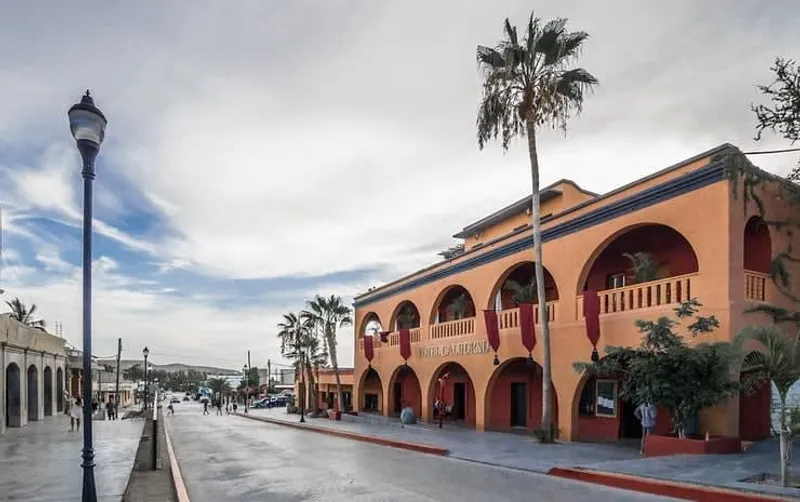
Hotel California: The Hotel California in Todos Santos inspired decades of rumor that the Eagles song was written here. It wasn’t — the song was inspired by a Beverly Hills property, and the hotel’s own founder has confirmed the connection is entirely marketing. That said, the hotel is a beautifully restored 1947 hacienda with a rooftop bar and excellent cocktails worth stopping for. The myth is part of the charm.
-
Mission Nuestra Señora del Pilar (1733): The original mission church that gave birth to the town. The building has been modified over the centuries but retains its colonial character. Free entry.
-
Local food scene: Todos Santos has restaurants that significantly overperform for a town of its size. Try La Casita for Baja-style tacos, Jazamango (owner: renowned Baja chef Javier Plascencia) for farm-to-table, or the market stalls around the plaza for cheap and excellent.
-
Playa Los Cerritos (15 min north): If combining with the beach, drive north 15 minutes from Todos Santos center to Cerritos Beach — better surf and swimming than the beaches immediately adjacent to town.
Getting there: Highway 19 north from Cabo San Lucas, 80km (1 hour by car). Aguila buses run from Cabo San Lucas bus terminal (~100–150 MXN, 1 hour). Uber from Cabo San Lucas is possible but expensive (600–900 MXN one way) and drivers sometimes refuse.
5. Cabo Pulmo National Marine Park — The Baja Reef
Distance from Cabo San Lucas: 95km via Hwy 1 + dirt road | Drive time: 1.5–2 hrs | Entry: ~600 MXN with snorkel tour
Cabo Pulmo is the best day trip from Los Cabos that most visitors never take — and it’s not close. The drive is 1.5–2 hours, the last section is on a dirt road, and you need to pre-arrange a snorkeling or diving tour in the park. But Cabo Pulmo is a UNESCO World Heritage Site containing one of only three living coral reefs in the Sea of Cortez — a 20,000-year-old ecosystem that nearly died from overfishing in the 1980s and was revived through total community-driven conservation.
What makes Cabo Pulmo special:
In the 1990s, the fishing families of Cabo Pulmo voluntarily stopped all fishing activity in the area and convinced the Mexican government to declare it a national marine park. Within 10 years, fish biomass in the park increased by 463% — one of the fastest marine recovery events in documented history. Today the park hosts aggregations of hundreds of bull sharks (November–May), massive schools of jacks and bigeye trevally, sea turtles, rays, and whale sharks. These are not the individual encounters you get at Chileno Bay — these are vast aggregations of marine life that feel prehistoric.
Practical guide:
- Best months: November–May. Bull sharks form enormous schools (sometimes 200+ individuals) around the main reef in this period. June–October is still good but with fewer large aggregations.
- Tours: Book with local operators in Cabo Pulmo village (not from Cabo San Lucas tour desks, who mark up significantly). Snorkeling: 600–900 MXN per person. Diving with equipment: 1,200–1,800 MXN per person. PADI certification courses also available.
- The drive: Highway 1 east to La Ribera, then a 15km dirt road (signposted). Passable in a regular car in dry conditions; a compact SUV is more comfortable. No gas stations or ATMs past San José del Cabo — fill up and bring cash.
- Facilities: Small eco-lodges, a few restaurants, one dive shop. Rustic. Bring snacks, water, sunscreen.
Getting there: No organized transport from Cabo San Lucas. Rental car only, or a dedicated day-trip tour operator (search “Cabo Pulmo day trip” for current operators, prices run 1,500–2,500 MXN including transport from Cabo).
6. Los Barriles & East Cape — Remote Baja
Distance from Cabo San Lucas: 100km | Drive time: 1.5 hrs | Entry: Free
Beyond Cabo Pulmo, the East Cape road continues through a string of small fishing villages and beach communities that most Los Cabos tourists never reach. Los Barriles is the main settlement — a small, low-key town that becomes the world capital of kitesurfing from November to April when strong norte winds funnel down the mountains.
Why come:
-
Kitesurfing: Los Barriles and neighboring El Sargento draw kiters and windsurfers from Europe and North America each winter. The conditions are world-class — consistent 20–35 knot winds in a protected bay. You can take a lesson (1,500–2,500 MXN for a half-day intro) or watch from the beach. Season: November–April.
-
Remote beaches: The East Cape coastline has beaches without a hotel or tourist in sight. Playa los Muertos (near La Ribera), Playa El Rincon, and the beaches north of Los Barriles offer calm Sea of Cortez water, excellent fishing, and total solitude.
-
Sportfishing: East Cape is legendary among offshore anglers — striped marlin, roosterfish, dorado, and yellowfin tuna in waters that are less pressured than the main Cabo San Lucas fleet. Small panga operations in Los Barriles charge significantly less than Cabo marina prices.
Getting there: Highway 1 east from San José del Cabo. Los Barriles is 100km (1.5 hours). Mostly excellent highway with some rough sections past San José del Cabo. No bus service.
7. La Paz — Whale Sharks, Sea Lions & Balandra Beach
Distance from Cabo San Lucas: 190km | Drive time: 2.5 hrs | Entry: Whale shark tour 2,000–3,500 MXN
La Paz is the capital of Baja California Sur — a city of 250,000 on a protected bay in the Sea of Cortez, with a genuinely excellent malecón (seafront promenade), the best whale shark snorkeling in Baja, and Balandra Beach, which routinely appears on lists of Mexico’s most beautiful beaches.
The drive from Los Cabos is 2.5 hours. Doable as a day trip if you leave by 7 AM — but it’s worth staying overnight if you want to do more than one activity.
What to do in La Paz:
-
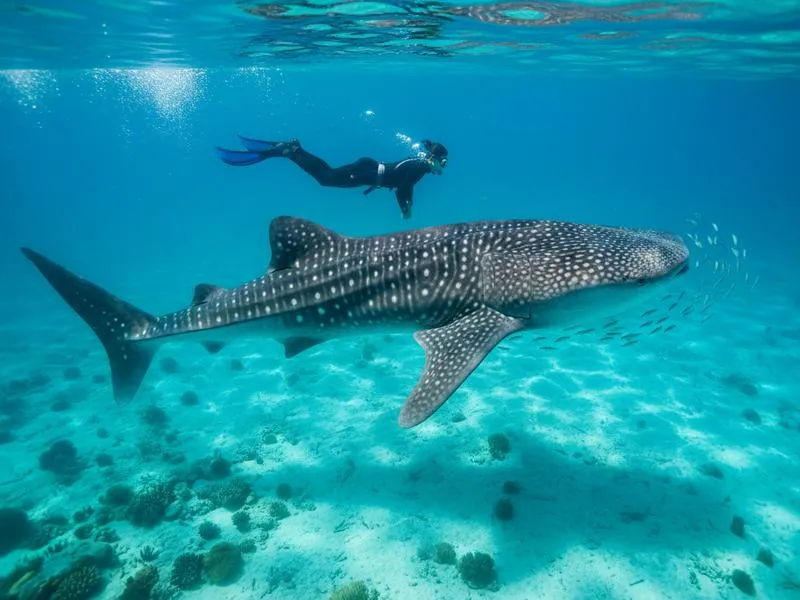
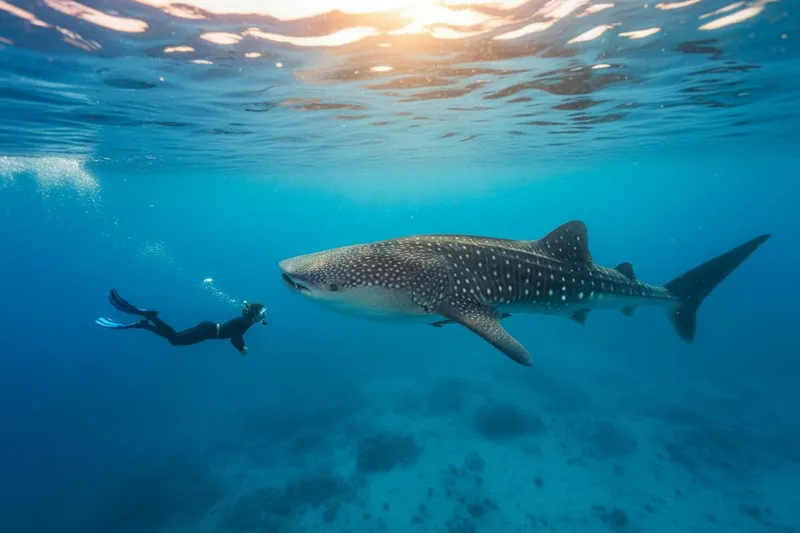
Whale shark snorkeling (October–May): The whale sharks that feed in the nutrient-rich waters of La Paz Bay are the reason most people visit. La Paz has the highest concentration of whale sharks in Mexico during peak season (January–April). Tours depart from the La Paz marina at 7–8 AM (2,000–3,500 MXN including equipment, guide, and conservation permit). Mexican law requires snorkeling only (no diving) and limits contact with sharks. Book your tour before arriving — reputable operators fill up.
-
Sea lions at Los Islotes: A colony of 400–500 California sea lions lives year-round on Los Islotes rock formation, 45 minutes by boat from La Paz. Snorkeling with sea lions (playful, fearless juveniles) is one of Baja’s most memorable experiences. Most La Paz tour operators combine Los Islotes with a whale shark tour or an Espíritu Santo trip.
-
Balandra Beach:
Free to enter, 25km north of La Paz center. The bay is so shallow you can walk 200 meters into the water and still only be waist-deep. The water is turquoise over white sand and warm year-round. The iconic mushroom rock formation is visible from the beach. Get there early (before 11 AM) — it fills up on weekends and holidays.
- La Paz Malecón: The seafront promenade lined with sculptures, cafes, and restaurants. Evening strolls when the sun drops over the mountains across the bay. Chocolate clams (almejas chocolate) at the malecón seafood stands are a La Paz specialty — sweet, large clams eaten with lime and hot sauce.
Getting there: Rental car via Highway 1 north (2.5 hrs). Aguila bus from Cabo San Lucas terminal (~200–300 MXN, about 3 hours). No direct Uber. If arriving by rental car, street parking is plentiful in La Paz — no parking fees.
8. Sierra de la Laguna Biosphere Reserve — The Hidden Mountain
Distance from Cabo San Lucas: 90km to trailhead | Drive time: 1.5 hrs | Entry: Guide recommended (50–100 MXN tip)
Almost no one visiting Los Cabos knows that Baja California Sur has an oak and pine forest in the mountains behind the resort corridor — a UNESCO Biosphere Reserve where temperature drops 10–15°C and the landscape shifts from desert to oak woodland in a 30-minute climb. Sierra de la Laguna is one of the few places in Baja where you can hike in genuine shade.
Why it’s special:
The Sierra de la Laguna range forms an island of temperate forest in the middle of the Baja desert — an ecological phenomenon created by cloud-catching peaks (highest: 2,090m). The forest is home to deer, wild boar, mountain lion (rare), and hundreds of endemic plant species. In summer the peaks catch Pacific moisture that the lowlands never see.
Best hike:
- El Aguaje waterfall (3–4 hours round trip from the La Burrera trailhead, near Miraflores): A moderate hike through desert scrub and into oak forest that reaches a seasonal waterfall. Crowded in winter (January–February); nearly empty otherwise.
- La Laguna lake (full day — 8–10 hrs round trip): The summit hike to the glacial lake at 1,500m. Strenuous but spectacular. Hire a local guide in Todos Santos or Miraflores (200–400 MXN).
Getting there: Highway 1 north toward Todos Santos, then east on the mountain road toward Miraflores (for La Burrera trailhead). Best reached with a rental car. No public transport to the trailheads.
9. Espíritu Santo Island — UNESCO Day in the Sea of Cortez
Distance from Cabo San Lucas: Via La Paz (190km) | Drive time + boat: 3+ hrs total | Entry: Tours 1,500–2,500 MXN
Jacques Cousteau called the Sea of Cortez “the world’s aquarium.” Espíritu Santo Island — a UNESCO World Heritage Site 25km north of La Paz — is the best single location to understand why. The island’s volcanic terrain, crystal bays, and resident wildlife (sea lions, blue-footed boobies, whale sharks, manta rays, hammerhead sharks in summer) make it one of Mexico’s extraordinary natural destinations.
Day trip logistics from Los Cabos: Espíritu Santo is only accessible via La Paz — add 2.5 hours driving each way to the boat trip. To do it properly as a day trip, leave Los Cabos by 6 AM, take a 7 AM boat from La Paz marina (most tours run 8 AM departure for 7 hrs on the island), and return to Los Cabos by 9–10 PM. Grueling, but possible. Better: combine with a La Paz overnight.
What to expect: Tours include snorkeling at multiple bays, sea lion interaction at Los Islotes, lunch on the beach, and kayaking in protected coves. Camping permits are available for multi-night stays. The island has no permanent human residents — only conservation rangers.
10. Whale Shark Snorkel — From Los Cabos Waters
Departure from: Cabo San Lucas or Cabo corridor marinas | Season: November–May | Cost: 900–1,800 MXN
For November–May visitors who can’t make the La Paz run, whale sharks also feed in waters accessible from Los Cabos itself. Local operators run snorkel tours to areas off the Corridor and deeper into the Sea of Cortez where juvenile whale sharks concentrate around bait fish.
The La Paz experience has significantly higher shark density and more predictable encounters — but the Los Cabos option eliminates the 2.5-hour drive. Multiple operators in Cabo San Lucas marina offer guaranteed sightings (refund or second trip) during peak season (January–March).
Cost: 900–1,800 MXN per person including gear and guide. Book through your hotel activity desk or marina-based operators directly.
Combination Itineraries
Best 1-day combination (history + beach): Todos Santos (morning, 2.5 hrs) → El Pescadero and Cerritos Beach (lunch and swim, 1.5 hrs) → drive back via Pacific Highway 19. Total drive: ~3 hrs round trip. Leave 8 AM, back by 5 PM.
Best 1-day combination (nature): San José del Cabo Estuary (morning birds, 1 hr) → Chileno Bay snorkeling (midday, 2 hrs) → Santa María Bay snorkeling (afternoon, 1.5 hrs) → San José del Cabo Art Walk if Thursday (evening). Total drive: 60km round trip. Easy day.
Best full-day Baja adventure: Cabo Pulmo (depart 6:30 AM, arrive 8:30 AM — snorkel tour 9–12 PM) → lunch in Cabo Pulmo village → Los Barriles (1 hr north, arrive 2 PM) → back to Cabo San Lucas (2 hrs, arrive 6 PM). Requires early start and a rental car with good clearance.
La Paz day trip: Depart 6:30 AM → arrive La Paz 9 AM → whale shark tour (9 AM–12 PM) → Balandra Beach (1–3 PM) → malecón and chocolate clams (4–5 PM) → drive back, arrive 7:30–8 PM. Manageable but tiring — worth staying overnight if possible.
Seasonal Calendar
| Month | Best Day Trips |
|---|---|
| October | La Paz (whale sharks arrive), Cabo Pulmo |
| November–March | La Paz whale sharks (peak), Cabo Pulmo bull sharks, Todos Santos (cool weather), Sierra de la Laguna |
| December–April | Whale watching in Los Cabos bay, all Corridor beaches |
| April–May | La Paz whale shark tail end, Todos Santos (wildflowers) |
| June–September | Corridor beaches (warm water), Todos Santos, San José del Cabo |
| November–April | Los Barriles kitesurfing season (strongest winds) |
Budget Guide
| Day Trip | Budget Option | Mid-Range | Splurge |
|---|---|---|---|
| Todos Santos | Bus (~150 MXN) + street tacos ($5) | Rental car + Jazamango lunch ($50) | Private driver + chef’s tasting ($150+) |
| Cabo Pulmo | Self-drive + park snorkel ($40) | Organized tour with transport ($80–100) | Liveaboard dive day ($200) |
| La Paz | Bus + city walk (~$30) | Rental car + whale shark tour ($100–120) | Private boat + sea lions + Espíritu Santo ($200+) |
| Corridor beaches | Self-drive, free entry ($15 gas) | Snorkel gear rental + lunch ($30) | Private boat charter ($200+) |
Getting a Rental Car
A rental car opens every destination on this list. The best value is to rent at SJD airport (San José del Cabo) — both major international companies (Hertz, Avis, National, Europcar) and local companies operate here at lower prices than downtown Cabo San Lucas offices.
Compare rental car rates for Los Cabos — we recommend comparing at least 3 providers since prices vary significantly by availability date.
Road note: Highway 1 between Los Cabos and La Paz is well-paved and in good condition. Highway 19 (Pacific side to Todos Santos) is also excellent. The dirt road to Cabo Pulmo requires confidence — not 4WD, but slow driving and tire-checking before departure. Gas up before long drives; stations are sparse east of San José del Cabo.
Travel Insurance
If you’re renting a car and exploring remote Baja, travel insurance that covers emergency evacuation is worth having. travel insurance should include emergency medical treatment, evacuation, and trip interruption — and is accepted at Mexican private hospitals.
Related Guides
- Los Cabos Airport Transportation 2026 — SJD taxis, private transfers, BCS Tourism Tax
- Best Time to Visit Los Cabos 2026
- Los Cabos Travel Guide 2026
- Things to Do in Los Cabos 2026
- La Paz Travel Guide 2026
- Things to Do in La Paz
- Todos Santos Travel Guide
- Best Beaches in Mexico 2026
- Mexico Packing List 2026