Is Oaxaca Safe for Tourists in 2026? Oaxaca City, Coast, and Blockade Risks
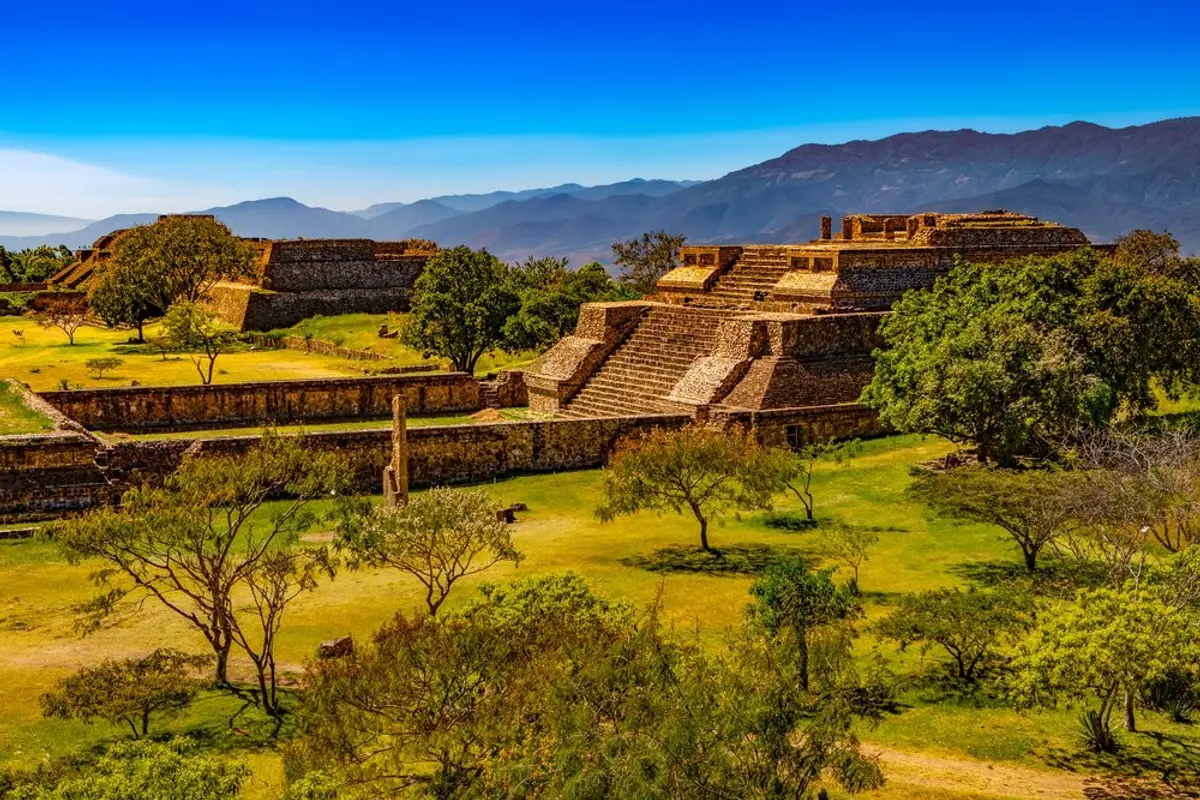
Oaxaca City is the capital of Oaxaca state in southern Mexico, a UNESCO World Heritage Site celebrated for its indigenous cultures, cuisine, and archaeological sites like Monte Alban. The US State Department rates Oaxaca as Level 2 (“Exercise Increased Caution”) — the same advisory level as France, Germany, and the UK.
Short answer: yes, Oaxaca is safe for tourists in 2026, especially in Oaxaca City, Santo Domingo, Jalatlaco, Reforma, and the main coastal zones around Huatulco and central Puerto Escondido. The main risks are petty theft, protest-related road blockades, and dangerous mountain driving, not tourist-targeted violent crime.
I’ve been to Oaxaca more times than I can count. As a Mexican, it’s one of those cities I keep returning to because the food alone justifies the trip, and I say that as someone who grew up eating well in Mexico. Oaxaca is widely considered the food capital of the country, and that reputation is earned every single day across its markets, street stalls, and family-run restaurants. But when I talk about Oaxaca with friends from the US or Europe, the conversation always drifts toward safety. And honestly, the concern frustrates me. Oaxaca’s safety reputation gets unfairly dragged down by cartel headlines from states like Sinaloa or Tamaulipas, places that are geographically and culturally a world away. The Oaxaca I know is a city where families walk the Zócalo at midnight, where grandmothers sell chapulines on the same corner they’ve worked for 30 years, and where the biggest danger is eating so much mole negro that you need a nap. It is one of the safest cities in Mexico for travelers who stay in the usual tourist areas, and this guide explains exactly why, plus the practical risks you should actually plan around.
Oaxaca Safety Snapshot for 2026
If you only remember four things, make it these:
- Oaxaca City is one of the safer major tourist destinations in Mexico and most visitors stay around Centro Histórico, Santo Domingo, Jalatlaco, and Reforma without issues.
- The biggest Oaxaca-specific trip risk is bloqueos, which can delay drives and buses but are usually political protests, not violence aimed at travelers.
- The Oaxaca coast is generally safe, with Huatulco calmer and more resort-oriented, and Puerto Escondido safe but more exposed to petty theft because of its surf-town, beach-bar vibe.
- Do not drive the mountain highways at night, especially toward Puerto Escondido or Huatulco, because road conditions are a more realistic danger than crime.
If you’re still deciding where to base yourself, start with our full Oaxaca travel guide, compare neighborhoods in the best hotels in Oaxaca guide, and map out easy excursions with these day trips from Oaxaca City.
The Level 2 Advisory: What It Actually Means for Oaxaca
The US State Department rates countries and, in Mexico’s case, individual states on a 1-to-4 advisory scale. Oaxaca sits at Level 2: “Exercise Increased Caution.” To put that in perspective, Level 2 is the same rating the State Department gives France, Germany, the United Kingdom, Spain, and Italy. Nobody cancels their trip to Paris over a Level 2 advisory — and you shouldn’t cancel Oaxaca over one either.
For a detailed breakdown of what each level means, read our Mexico Travel Advisory 2026: State-by-State Breakdown.
The crime that pushes Oaxaca state to Level 2 is concentrated in specific rural areas and the Isthmus of Tehuantepec region — hundreds of kilometers from where tourists spend their time. Oaxaca City itself has a lower violent crime rate than cities like Houston, Chicago, or New Orleans. The homicide rate in Oaxaca’s capital city is roughly 4 per 100,000 residents, compared to a US national average of about 6.3.
What does this mean for you as a traveler? It means Oaxaca City is not just safe “for Mexico” — it’s safe by any international standard. The Centro Historico, Jalatlaco, Santo Domingo, and surrounding neighborhoods are filled with families, students, artists, and travelers around the clock. For the full context on how Mexico’s safety picture works, see our guide: Is Mexico Safe? The Complete 2026 Guide.
The Bloqueo Reality: Oaxaca’s Unique Risk
If there’s one thing that makes Oaxaca different from other safe Mexican destinations, it’s the bloqueo situation. This is the safety topic that actually matters for trip planning, and most travel articles either ignore it or explain it poorly.
What Are Bloqueos?
Bloqueos are highway blockades organized primarily by the CNTE — the Coordinadora Nacional de Trabajadores de la Educacion, Mexico’s dissident teachers’ union. The CNTE has deep roots in Oaxaca, and road blockades have been their primary protest tool for decades. These are organized political actions, not random violence. Teachers and community members park vehicles across highways, set up camps, and refuse to move until their demands — typically related to education funding, salaries, or policy — receive attention from the government.
The primary targets are:
- Highway 190 — the main road toward Juchitan and Tehuantepec in the east, and toward Puebla/Mexico City in the north
- Highway 175 — the mountain road to the coast (Puerto Escondido)
- Streets around the Zócalo — periodic marches and sit-ins in the city center
Here’s the critical thing to understand: bloqueos are NOT violent toward tourists. You are irrelevant to the CNTE’s political cause. If you encounter a blockade on the highway, the protocol is simple: stay calm, wait it out (usually a few hours, rarely more than a day), keep water and snacks in the car, and call your hotel for updates. These are labor protests carried out by schoolteachers — not armed confrontations.
When Do Bloqueos Happen?
The protest season runs roughly from May through September, with the peak during June through August when teachers’ contract negotiations are most intense. End-of-year budget negotiations can also trigger activity. Outside this window, bloqueos still happen but are less frequent.
How to avoid bloqueos entirely: Fly into Oaxaca. The Xoxocotlan International Airport (OAX) receives direct flights from Mexico City, Tijuana, and several US cities. Flying bypasses all road blockade risk. If you’re heading to the coast, fly directly to Puerto Escondido (PXM) or Huatulco (HUX) rather than driving the mountain highways.
Check local news sources like Noticias Oaxaca or Quadratin before any long drive, and always ask your hotel staff — they track the bloqueo situation daily.
7 Real Risks in Oaxaca, Ranked by Likelihood
Every destination has risks. The difference between an informed traveler and a scared one is knowing which risks are real and which are overblown. Here’s my honest ranking of what can actually affect your Oaxaca trip.
1. Bloqueos (Highway Blockades)
Already covered in detail above. This is the number one practical concern for Oaxaca travel. It won’t put you in danger, but it can seriously disrupt your plans if you’re driving between cities. Build flexibility into your itinerary — especially if you’re planning day trips from Oaxaca City or traveling overland to the coast.
2. CJNG Presence (State Level — NOT Tourist Areas)
Let me be direct about this. Yes, the CJNG (Jalisco New Generation Cartel) has a presence in parts of Oaxaca state — primarily in the Isthmus of Tehuantepec region and certain rural corridors used for drug transit. This is real, and I won’t pretend otherwise.
But here’s the context that matters: this activity occurs in areas that are geographically distant from Oaxaca City, the Central Valleys, Monte Alban, Hierve el Agua, and the popular coastal towns. There is zero tourist-targeting activity from organized crime in Oaxaca City. The conflict is territorial, between organizations, and involves routes and resources that have nothing to do with tourism. Oaxaca City consistently ranks among Mexico’s safest cities for exactly this reason — the organized crime that exists in the state stays far from the tourist economy.
3. Petty Theft
This is the most common crime tourists actually experience in Oaxaca, and it’s the same type of petty crime you’d deal with in Barcelona, Rome, or any popular tourist city.
- Zócalo area: Phone snatching and pickpocketing, especially when you’re distracted taking photos or eating
- Markets (Benito Juarez, 20 de Noviembre): Crowded aisles where bags can be opened or pockets picked
- Bus terminal area: Bags left unattended or on the floor get grabbed
Prevention is straightforward: use front pockets or a crossbody bag, keep your phone in your hand or zipped away (not in a back pocket), don’t flash expensive jewelry or electronics, and stay aware in crowded spaces. This isn’t unique to Oaxaca — it’s standard advice for any city with significant tourist traffic.
4. Mezcal Overindulgence + Altitude
This one catches more tourists off guard than they’d like to admit. Oaxaca City sits at 1,550 meters (5,085 feet) above sea level. That’s high enough to affect how your body processes alcohol — and Oaxaca is the mezcal capital of the world. The combination can be rough.
During your first 24 to 48 hours, you may experience mild dehydration, headaches, and faster intoxication than you’re used to. Mezcal typically runs 40-55% ABV, stronger than most spirits. At altitude, even two or three drinks can hit like five at sea level.
Pace yourself. Drink water between mezcal tastings. Eat well — Oaxaca makes that easy. And avoid counterfeit mezcal from unlicensed street vendors, which can contain methanol and is genuinely dangerous. Stick to licensed mezcalerias like In Situ, Mezcaloteca, or Archivo Maguey. For recommendations on mezcal experiences and food tours, check our guide to things to do in Oaxaca.

5. Road Safety
The mountain roads connecting Oaxaca City to the coast are genuinely dangerous — not because of crime, but because of the roads themselves. Highway 175 to Puerto Escondido features sharp switchback curves, dense fog that rolls in without warning, sections with no guardrails, and zero lighting at night. Highway 131 via Sola de Vega is even worse in terms of road conditions.
Never drive these roads at night. This is not a suggestion — it’s the single most important safety rule for Oaxaca travel. If you must drive, depart before 10 AM to clear the mountain sections in full daylight. Better yet, fly to Puerto Escondido or Huatulco, or take an ADO/OCC bus with professional drivers who know every curve. For coastal options, check our guide to the best beaches in Mexico. The bus option costs around $15-25 USD (280-460 MXN) and is worth every peso.
6. Tourist Scams
Oaxaca has a smaller scam scene than Mexico City or Cancun, but it exists:
- Fake mezcal: Street vendors selling unlabeled bottles that may contain methanol or simply cheap alcohol — not real mezcal. Buy from established shops and bars only.
- Tour upcharging: Especially at Monte Alban and Hierve el Agua, unofficial “guides” may approach you offering special access or mandatory tours that are neither special nor mandatory. The entrance fee to Monte Alban is about $4.50 USD (85 MXN) — pay at the official ticket window.
- Airport taxi overcharging: Use the official taxi counter inside the terminal. The fixed rate to Centro Historico is about $13 USD (250 MXN). Drivers outside the terminal may quote $40-50 USD.
Book tours through your hotel or reputable agencies, and read up on day trips from Oaxaca City to know fair prices before you go.
7. Protest Disruptions
Beyond highway bloqueos, the CNTE and other groups hold periodic marches through Oaxaca City center. These can close streets around the Zócalo for hours, sometimes a full day. The marches are peaceful — loud, colorful, and disruptive to traffic, but not dangerous. If you’re caught in one, duck into a cafe, order a coffee, and watch. It’s part of Oaxaca’s political culture.
A flexible itinerary helps. If you have a strict schedule, consider building buffer days into your plans. Both our Oaxaca 5-day itinerary and Oaxaca 7-day itinerary are designed with enough flexibility to absorb a day of protest disruptions.
Safe Zones in Oaxaca City
Not all neighborhoods carry the same risk profile. Here’s a straightforward breakdown of where you’ll spend your time and how safe each area is:
| Neighborhood | Safety Level | Notes |
|---|---|---|
| Centro Historico | Very Safe | UNESCO area, police patrols, tourist infrastructure everywhere |
| Jalatlaco | Very Safe | Trendy neighborhood with cafes, art galleries, and a creative community |
| Santo Domingo area | Very Safe | Cultural center, museums, pedestrian streets, families day and night |
| Llano Park area | Safe | Local families, green space, good restaurants within walking distance |
| Reforma corridor | Safe | Upscale restaurants, hotels, walkable day and night |
| Market area (daytime) | Safe | Crowded — keep valuables close, but thousands of people shop here daily |
| Bus terminal area (night) | Use Caution | More isolated after dark, take a taxi or Uber to/from here |
| Peripheral neighborhoods (night) | Use Caution | Less tourism infrastructure, stick to taxis for transit |
The important takeaway: everywhere tourists typically spend time in Oaxaca City is safe. The areas requiring caution are ones you’d rarely visit anyway unless you’re catching a bus out of town. For a full neighborhood-by-neighborhood breakdown, see our Oaxaca travel guide.
Safety by Traveler Type
Your risk profile in Oaxaca depends partly on how you travel. Here’s a realistic breakdown:
| Traveler Type | Risk Level | Key Notes |
|---|---|---|
| Solo Female Traveler | Low-Moderate | Centro Historico very safe, Jalatlaco popular with solo travelers, use Uber after midnight |
| Couple | Low | Romantic city, safe to walk central neighborhoods, mezcaleria hopping is fine |
| Family with Kids | Low | Family-friendly culture, safe plazas, kid-friendly food at every market |
| Backpacker | Low-Moderate | Hostels safe, watch bags at bus terminal, avoid unlabeled mezcal |
| Mezcal Tourist | Low-Moderate | Stick to licensed mezcalerias, pace yourself at altitude, hydrate |
| Cultural Traveler | Low | Museums, ruins, markets all safe during operating hours |
Solo female travelers in particular will find Oaxaca welcoming — it compares favorably to San Cristobal and other popular southern Mexico destinations. The city draws a large international community of artists, writers, and students, both Mexican and foreign. The hostel scene is active, the cafe culture encourages lingering, and the central neighborhoods feel safe walking alone well into the evening. Standard precautions apply: share your itinerary with someone, use Uber or trusted taxis after midnight, and avoid walking alone in unfamiliar outskirts at night. If you are choosing where to stay based on walkability and late-night comfort, our best hotels in Oaxaca guide is a useful companion to this safety breakdown.
Oaxaca vs San Cristobal vs Mexico City: Safety Comparison
If you’re planning a multi-destination trip through southern Mexico, it helps to compare the safety profiles of the cities you’re likely to visit. Here’s how Oaxaca stacks up against two other popular stops:
| Factor | Oaxaca City | San Cristobal de las Casas | Mexico City |
|---|---|---|---|
| Advisory Level | Level 2 | Level 2 | Level 2 |
| Uber Available | Yes | No | Yes |
| Altitude | 1,550m (5,085 ft) | 2,200m (7,218 ft) | 2,240m (7,349 ft) |
| Bloqueo Risk | High | High | Low |
| Petty Theft Risk | Moderate | Moderate | Moderate-High |
| Night Safety (center) | Safe | Safe | Safe |
| Drug Scene | Low (tourist areas) | Low (tourist areas) | Low (tourist areas) |
| Overall Tourist Safety | High | High | High |
All three cities share the same Level 2 advisory, and all three are safe for informed travelers. The key differences: San Cristobal lacks Uber (use official taxis or walk), Mexico City has slightly higher petty theft rates due to its size, and both Oaxaca and San Cristobal face bloqueo disruptions that Mexico City largely avoids. For route planning between these destinations, see our guides to the Oaxaca to San Cristobal route and the Oaxaca to Mexico City connection. You can also read our dedicated San Cristobal safety guide and San Cristobal travel guide.
Rick’s Perspective: CNTE Protests Are Political, Not Anti-Tourist
I want to spend a moment on this because I think it’s important for understanding Oaxaca.
I’ve been in the Zócalo when a CNTE march came through. Thousands of teachers with banners, drums, chanting about education funding and government accountability. It’s loud. It takes over the streets. And it is completely, utterly uninterested in tourists.
The CNTE is fighting for teachers’ salaries, school infrastructure, and education policy reform. These are legitimate labor grievances in a state where rural schools sometimes lack basic resources. The protests are organized — they announce routes, they have marshals, and they have been doing this for decades. This is not chaos. It is organized political expression.
As a tourist, you are irrelevant to this fight. If a march passes your restaurant, you’ll hear drums and see banners. If a bloqueo delays your bus, you’ll wait a few hours. At no point are you a target, a concern, or even particularly interesting to the protesters. I’ve stood and watched CNTE marches with a camera, talked to teachers about their demands, and been met with nothing but friendly explanations and occasional invitations to join in solidarity.
The political energy of Oaxaca is part of what makes it culturally significant. This is a state with deep indigenous traditions of community governance, collective action, and political engagement. Understanding and respecting that — even when it inconveniences your itinerary — is part of traveling responsibly.

Sierra Norte Hiking Safety
The Sierra Norte mountains north of Oaxaca City offer some of Mexico’s best community-based ecotourism through the Pueblos Mancomunados — a network of Zapotec villages that have built trails, cabins, and guided hiking programs managed entirely by indigenous communities.
This is safe hiking, but it requires preparation:
- Always book through Expediciones Sierra Norte, the official community tourism organization, or arrange through your hotel in Oaxaca City. Prices run about $25-50 USD (460-920 MXN) per day including guides, meals, and cabin stays.
- Don’t hike alone. The trails are well-marked but isolated, with limited cell coverage and altitudes ranging from 2,000 to 3,000 meters (6,500-9,800 feet).
- Prepare for altitude. If you’ve just arrived in Oaxaca City at 1,550 meters, jumping to 3,000 meters in the Sierra Norte will hit your body hard. Spend at least two days acclimatizing in the city first.
- Bring layers. Temperatures in the Sierra Norte can drop to near freezing at night, even when Oaxaca City is warm.
The Sierra Norte is one of Oaxaca’s most rewarding experiences — cloud forests, mountain villages, and absolute silence. For more options outside the city, see our guide to day trips from Oaxaca City.
The Coast: Puerto Escondido and Huatulco
The Oaxacan coast has a completely different character from the highland capital, and a different safety profile to match.
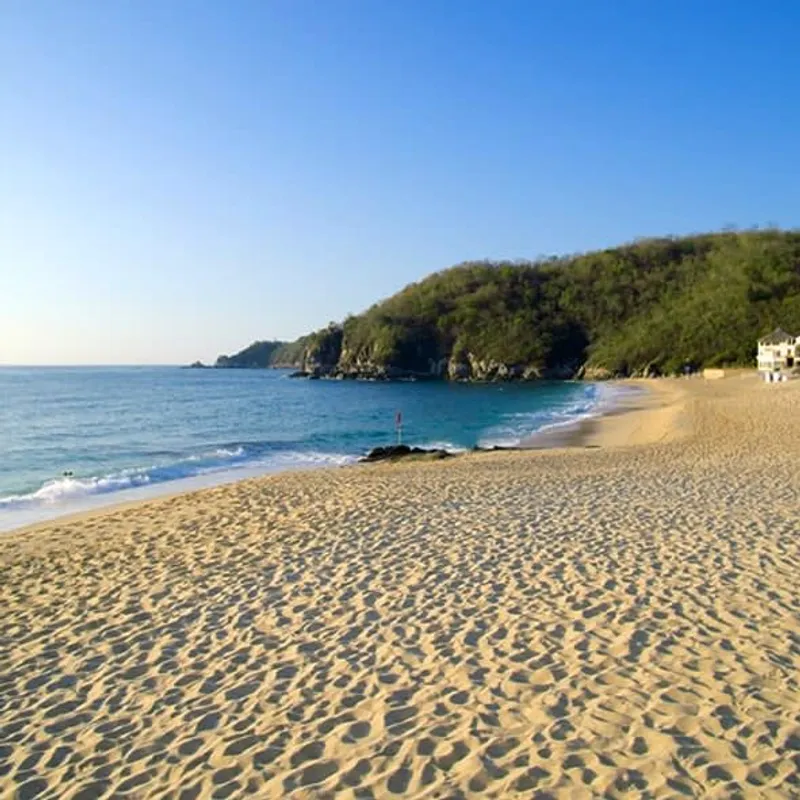
Huatulco is a planned resort community developed by FONATUR (Mexico’s tourism development fund) in the 1980s. With nine bays, low-density development, and a strong police presence, it is among the safest beach destinations in all of Mexico. Crime rates are very low, the tourist infrastructure is well-maintained, and the vibe is relaxed and family-friendly. Hotels run from $60-200 USD (1,100-3,700 MXN) per night for mid-range options.
Puerto Escondido is more of a surf town with a backpacker soul. Zicatela beach draws surfers from around the world for its powerful pipeline waves, while La Punta offers a mellower beach scene. Puerto Escondido is generally safe, but it has more petty theft than Huatulco, largely because the open-air, beach-bar culture creates more opportunities for opportunistic crime. Lock up valuables in your hotel safe, don’t leave bags unattended on the beach, and be aware of your surroundings at night in less-lit areas away from the main strip. For a deeper area-by-area breakdown, read our Puerto Escondido travel guide and things to do in Puerto Escondido.
Getting to the coast: Flying is the safest and most practical option. Both Puerto Escondido (PXM) and Huatulco (HUX) have airports with regular flights from Mexico City and Oaxaca. If you take the bus, go during daylight hours only, because the mountain roads are dangerous after dark regardless of any other safety considerations. If overland travel is part of your plan, our guides on Oaxaca to Puerto Escondido and best time to visit Puerto Escondido help set expectations.
Emergency Contacts
Keep these numbers saved on your phone before arriving in Oaxaca:
| Service | Number |
|---|---|
| Emergency (police, ambulance, fire) | 911 |
| Tourist Police Oaxaca | 951-516-0123 |
| Cruz Roja (Red Cross) | 065 |
| Fire Department | 068 |
| US Consular Agency Oaxaca | 951-514-3054 |
| Canadian Embassy CDMX | +52 55 5724-7900 |
For more details on Mexico’s safety infrastructure, see our main safety guide. The 911 system works throughout Oaxaca City and the coast. Response times in the Centro Historico are generally fast. In rural areas and on mountain highways, cell coverage can be spotty — another reason to drive those roads only during daylight when other vehicles are around.
Travel Insurance for Oaxaca
I recommend travel insurance for any international trip, but for Oaxaca specifically, it’s worth considering because of two factors: the altitude (which can cause unexpected health issues) and the mountain activities (hiking in the Sierra Norte, surfing in Puerto Escondido) that carry inherent physical risk.
Final Verdict: Should You Visit Oaxaca?
Absolutely. Without hesitation.
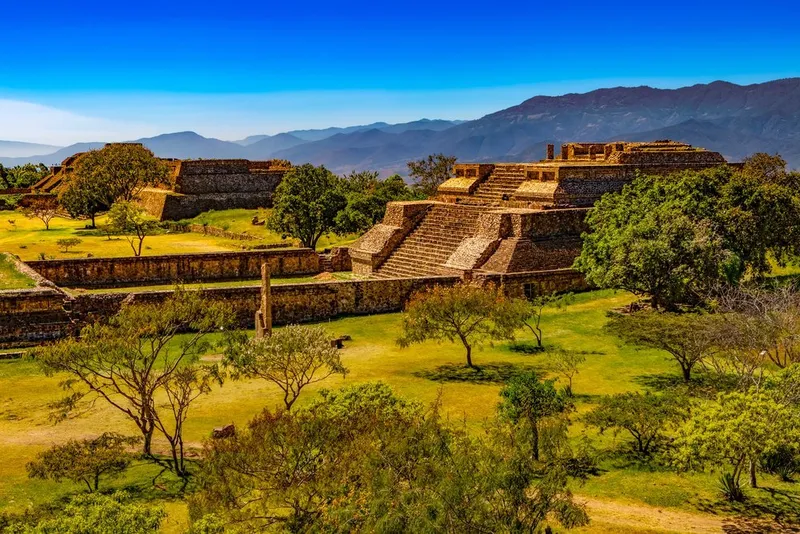
Oaxaca is one of the most rewarding destinations in all of Mexico — and that’s a country with no shortage of incredible places. The food is the best in the nation by wide consensus. The indigenous cultures of the Zapotec and Mixtec peoples are alive and thriving, not museum exhibits. Monte Alban is one of the great archaeological sites of the Americas. The mezcal scene has no equivalent anywhere on Earth. And the city itself — the colonial architecture, the colorful streets, the markets that hit all five senses — delivers an experience that stays with you long after you leave.
Know about bloqueos and build flexibility into your plans. Don’t drive mountain roads at night. Pace yourself with mezcal at altitude. Use common sense with your valuables in crowded markets. These are practical considerations, not reasons to skip the trip.
The best time to visit Mexico for Oaxaca specifically is October through April — dry season, fewer protests, and comfortable temperatures. But honestly, Oaxaca rewards visitors year-round. Even during the rainy season (June-September), mornings are clear and the afternoon storms are brief.
Start planning with our complete Oaxaca travel guide, or dive straight into building your days with our 5-day Oaxaca itinerary or 7-day Oaxaca itinerary. For things to do in Oaxaca, the list is long and every item on it is worth your time.
Go. Eat the tlayuda. Drink the espadin. Walk the Zócalo at 11 PM with the families and the vendors and the musicians. Oaxaca is as good as everyone says it is — and it’s safe enough to enjoy every minute of it.