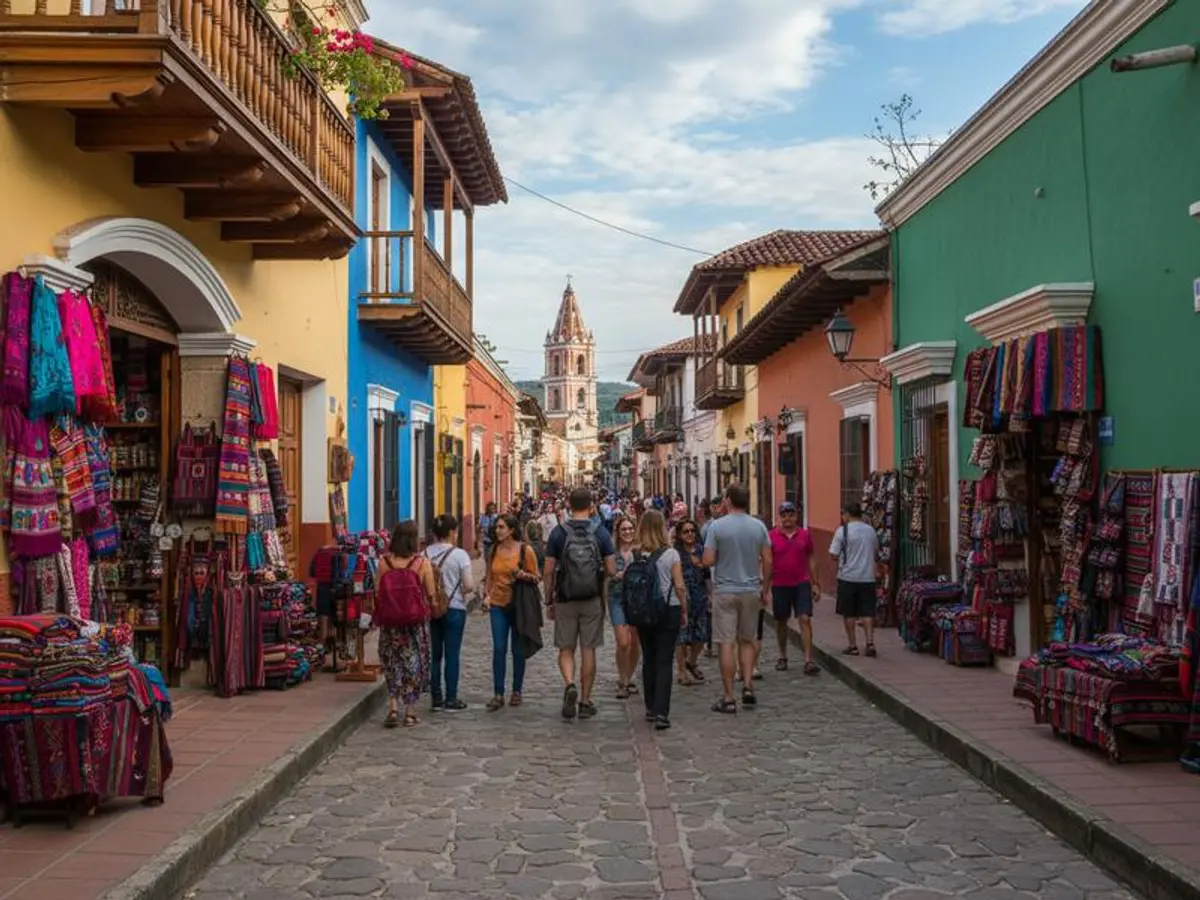
Is San Cristóbal Safe in 2026? Areas + Risks
Yes, San Cristóbal de las Casas is generally safe for tourists in 2026, especially if you stay near the historic center, use registered taxis after dark, and keep road trips flexible. The real visitor risks are more practical than scary: road blockades, taxi choices after dark, altitude sickness, petty theft in crowded markets, small tourist scams, and breaking local rules in places like Chamula, not routine violence against tourists in the center.
Quick Answer: Is San Cristóbal Safe Right Now?
If you want the short version, here it is:
- Yes, San Cristóbal is generally safe right now for tourists who stay near the centro.
- The safest and easiest areas are around the zócalo, Real de Guadalupe, Santo Domingo, and the Andador Eclesiástico.
- The main problems are delays and bad decisions, not random violence: road blockades, altitude, petty theft in crowded markets, and walking too far outside the center late at night.
- What tourists should avoid most is late-night wandering outside the center, ignoring altitude on day one, and taking photos where they are not allowed.
- If you want the easiest trip, stay central, use hotel-called taxis after dark, and keep overland plans flexible.
San Cristóbal Safety in 30 Seconds
| If you’re asking… | Short answer |
|---|---|
| Is San Cristóbal safe for tourists? | Yes, generally yes if you stay in the historic center and use normal precautions. |
| What is the biggest real risk? | Road blockades and travel delays, not routine violent crime in the center. |
| What area is best to stay in? | Zócalo, Real de Guadalupe, Santo Domingo, and nearby central streets. |
| What should first-timers avoid? | Late-night wandering outside the center, ignoring altitude, and taking photos where they’re not allowed. |
| Is it okay for solo travelers? | Yes, usually yes, especially if you stay central and use registered taxis after dark. |
| Should you cancel a trip over Chiapas headlines? | Usually no. Stay flexible with transport and check local conditions before road trips. |
Best San Cristóbal Base by Traveler Type
| If you are… | Best area to stay | Why it works |
|---|---|---|
| First-time visitor | Zócalo / Plaza 31 de Marzo | Easiest walkable base for cafés, taxis, day tours, and late-night activity. |
| Want restaurants and bars nearby | Real de Guadalupe | Best stretch for dinner, nightlife, and staying on busy lit streets. |
| Want a quieter central stay | Santo Domingo or Na Bolom side streets | Still close to the center, but calmer at night than the busiest pedestrian strips. |
| Solo traveler who wants the easiest setup | Real de Guadalupe or the zócalo | You stay on the busiest lit streets and can get back without wandering. |
| Arriving late or leaving early | Historic center hotel with taxi arranged | Reduces late-night wandering and makes airport or Tuxtla transfers simpler. |
If you’re still deciding where to base yourself, pair this guide with my San Cristóbal travel guide, best hotels in San Cristóbal de las Casas, and best day trips from San Cristóbal.
San Cristóbal Safety at a Glance
- Overall traveler verdict: Generally safe for tourists who use normal city precautions
- State context: Chiapas has mixed advisory zones, but San Cristóbal itself is in the better-known tourist corridor
- Biggest practical disruption: Highway bloqueos on routes to Palenque, Oaxaca, and Tuxtla connections
- Most overlooked issue: Altitude at 2,200 meters can hit harder than crime concerns
- Best area to stay: The historic center around the zócalo, Real de Guadalupe, and Santo Domingo
- Main behavior rule: Respect photography and community rules in Chamula and nearby indigenous towns
- Best companion reads: solo female travel in Mexico, Mexico with kids, and is Chiapas safe?
San Cristóbal can feel calm and straightforward once you’re in the center, but the city rewards context. It sits high in the Chiapas mountains, pulls in a steady mix of Mexican and international travelers, and works best when you treat it as a compact walkable base instead of a place to improvise late-night logistics. What usually goes wrong here is not a violent encounter. It is a blocked highway, a rough first night at altitude, a careless walk beyond the center after midnight, or a disrespectful mistake in a nearby indigenous community.
That is why this page matters. If you stay central, build flexibility into overland transport, and understand the local etiquette around Chamula and Zinacantán, San Cristóbal is one of the more manageable and rewarding highland bases in Mexico. For the broader state context, also read is Chiapas safe? before locking in a longer route through the region.
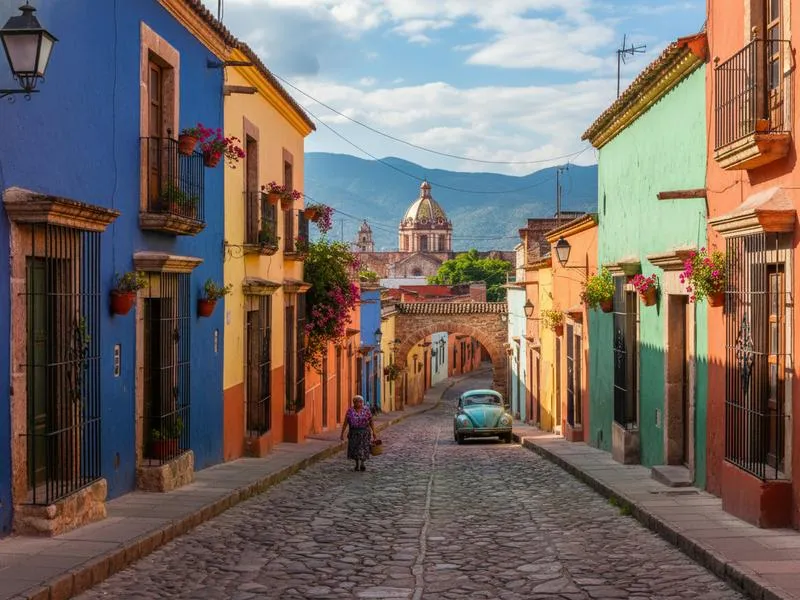
The Important Clarification: Chiapas State vs San Cristóbal City
This distinction matters and most safety articles get it wrong.
The US State Department’s Mexico travel advisory assigns ratings to entire states, not individual cities. Chiapas as a state carries a Level 2 advisory overall, with some border and jungle areas elevated to Level 3. These higher-risk zones are near the Guatemalan border and in remote jungle territory — nowhere near the tourist corridor.
San Cristóbal de las Casas sits firmly in the Level 2 zone and has for years. The city has well-established tourism infrastructure: dozens of hotels, hundreds of restaurants, tour agencies on every block, and a consistent flow of international visitors. According to Mexican tourism data, the Chiapas region receives over 5 million visitors annually, with San Cristóbal as the primary hub.
Think of it this way: visiting San Cristóbal and worrying about Chiapas border violence is like visiting Colorado Springs and worrying about mountain lion attacks in remote wilderness areas. The context is completely different. The city is a top-ranked safe destination in Mexico for a reason — low violent crime rates, strong police presence in the center, and a community that depends on tourism and treats visitors well.
That said, San Cristóbal has its own set of risks that are genuinely worth knowing about. They’re just not what most people expect.
What Has Actually Changed in 2025 and 2026?
This is where a lot of search results stay vague, so let me be direct.
The main shift is not that San Cristóbal suddenly became unsafe for tourists. It is that security headlines out of Chiapas have made travelers lump the whole state together, even though tourist experiences in San Cristóbal still look very different from conflict-prone areas near the Guatemalan border or in remote rural corridors.
What travelers should take seriously in 2026:
- Road conditions and blockades can change fast, especially on routes connecting San Cristóbal with Palenque, Ocosingo, and Tuxtla.
- Political or social tensions in Chiapas are real, but they do not usually translate into direct danger for visitors staying in central San Cristóbal.
- Transport planning matters more than fear-based headlines. If your itinerary depends on long overland travel, build in buffer time.
- Hotel staff and local tour operators are your best real-time source for whether a route is fine that day.
If you’re deciding whether to cancel a trip entirely, I wouldn’t. If you’re deciding whether to stay flexible with transport, I would.
6 Real Risks in San Cristóbal, Ranked by Likelihood
Here are the things most likely to actually affect your trip, starting with the most common. For a broader look at safety across Mexico, I’ve written a full country guide — but this section is San Cristóbal-specific.
1. Bloqueos (Highway Blockades)
This is the single most likely disruption you’ll face, and it’s the same issue that affects Oaxaca. The CNTE (Coordinadora Nacional de Trabajadores de la Educación), Mexico’s radical teachers union, regularly organizes highway blockades as political protests. Community groups and other organizations do the same.
The highways most affected are Highway 190 (the main road between Oaxaca and San Cristóbal) and Highway 199 (the route toward Palenque). A bloqueo can last a few hours or, in rare cases, a full day. Your bus or colectivo simply stops, everyone waits, and eventually the road reopens.
What to do:
- Keep snacks and water with you on any long road trip
- Ask your hotel about current highway conditions before heading out
- Stay patient — these are political protests, not violent confrontations
- If you’re driving from Oaxaca to San Cristóbal, factor in potential delays
Best mitigation: Fly into Tuxtla Gutiérrez airport (airport code TGZ), which is about 45 minutes from San Cristóbal by car. This avoids the long highway routes entirely.
2. EZLN/Indigenous Community Tensions
The EZLN (Ejército Zapatista de Liberación Nacional) launched their uprising in San Cristóbal on January 1, 1994. Over 30 years later, Zapatista communities still exist in the highlands surrounding the city. Their Caracoles (autonomous governing centers) are located in rural areas, not inside San Cristóbal itself.
Here’s what matters for tourists: the EZLN is a political movement, and they have been peaceful for decades. Zapatista communities are not dangerous to travelers. However, some Zapatista-controlled territories restrict outside access. Don’t try to enter communities without an invitation, and don’t photograph Zapatista murals or checkpoints without asking.
The broader political tensions in Chiapas — between the Mexican government, indigenous groups, and paramilitary organizations — are real but do not typically affect tourists in San Cristóbal. These conflicts play out in rural areas far from the tourist corridor. The city itself is politically active (you’ll see protest marches in the zócalo regularly) but these are peaceful demonstrations.
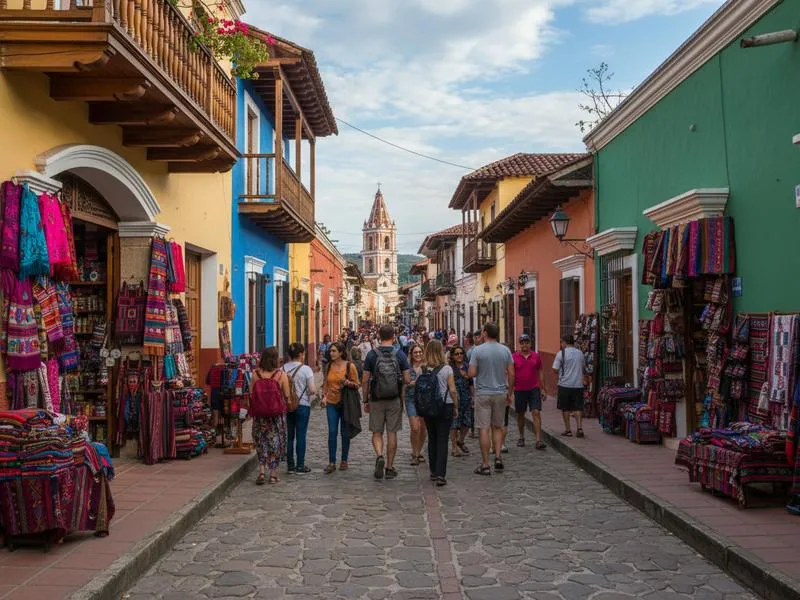
3. Petty Theft
Like any tourist city, petty theft exists. The areas to be most aware of:
- Market areas — Mercado de Artesanías and Mercado José Castillo Tielemans get crowded, and pickpockets work the crowds
- Real de Guadalupe at night — this is the main bar and restaurant street, and after midnight the crowds thin enough for opportunistic theft
- Santo Domingo church area — during the daily craft markets, the concentration of tourists and goods creates opportunities for theft
None of this is violent. We’re talking about someone slipping a hand into your bag while you’re distracted by textiles. The fix is simple: use a crossbody bag, keep your phone in a front pocket, don’t wear flashy jewelry, and stay aware in crowded areas. For detailed tips on what to see and do safely, check my activity guide.
4. Altitude Sickness
This one catches people off guard. San Cristóbal sits at 2,200 meters (7,200 feet) — higher than Denver, Colorado (1,609 meters). If you’re arriving from sea level, especially from somewhere tropical like Cancún, the Riviera Maya, or the Pacific coast, the change is dramatic.
Common symptoms in the first 24-48 hours include:
- Headaches (the most common)
- Shortness of breath during walking or climbing stairs
- Fatigue and general sluggishness
- Nausea and reduced appetite
- Difficulty sleeping
How to manage it:
- Hydrate aggressively — drink at least 3 liters of water on your first day
- Avoid alcohol during your first 24 hours (I know, the mezcal bars are tempting)
- Eat light meals — heavy food makes symptoms worse
- Take it slow — don’t plan a 10-kilometer hike for day one
- If symptoms are severe, descend to Tuxtla Gutiérrez (600 meters above sea level), which is less than an hour away
This is a real health concern, not a minor inconvenience. If you have heart or respiratory conditions, consult your doctor before visiting. The best time to visit Chiapas is during the dry season (November through April), when clear skies and mild temperatures make the altitude adjustment easier.
5. No Uber (Taxi Safety)
San Cristóbal has no Uber, no DiDi, no ride-hailing apps. This is standard for smaller Mexican highland cities but worth knowing if you’re used to the convenience and safety of app-based rides.
How to get around safely:
- Use taxis from official sitios (taxi stands) — there are several around the zócalo and major hotels
- Ask your hotel to call a trusted driver, especially at night or for airport transfers
- Colectivos (shared vans) run set routes between San Cristóbal and surrounding towns during daylight hours — they’re safe, cheap, and how locals travel
- The city center is compact and walkable — you won’t need taxis often
Typical fares:
- Around town: 30-50 MXN ($1.50-$2.50 USD)
- To Tuxtla Gutiérrez airport: 300-400 MXN ($15-$20 USD)
- To San Juan Chamula: 100-150 MXN ($5-$7.50 USD) per person in a colectivo
Always confirm the fare before getting in. There are no meters — negotiate or ask your hotel what the standard rate should be.
6. Night Safety Beyond the Center
The central tourist zone — the zócalo, Real de Guadalupe, the Andador Eclesiástico (the pedestrian walkway from the cathedral to Santo Domingo church) — is safe at night. There are people, lights, restaurants, and bars open until midnight or later.
Beyond the center, things change. The peripheral neighborhoods have less street lighting, fewer people walking, and a higher risk of opportunistic crime after dark. The roads to surrounding communities like Chamula and Zinacantán are strictly day-trip routes — there’s no reason to be on those roads after dark, and no safe infrastructure for it.
Is San Cristóbal Safe at Night?
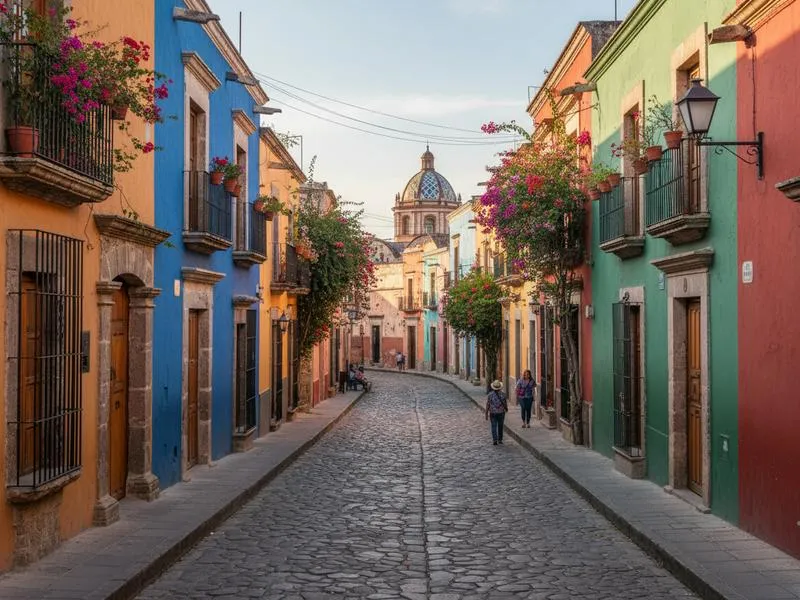
Yes, San Cristóbal is generally safe at night in the historic center. Real de Guadalupe, the zócalo, and the Andador Eclesiástico usually stay active with diners, travelers, and local families well into the evening.
Night becomes less straightforward once you leave the core tourist area.
Safe at night for most travelers:
- Real de Guadalupe
- Zócalo / Plaza 31 de Marzo
- Andador Eclesiástico
- The streets immediately around Santo Domingo
Use more caution at night:
- Dim residential side streets beyond the center
- The Periférico area
- Outskirts with limited foot traffic
- Roads to nearby villages after dark
If you’re out late, the simple rule is this: walk where other people are, keep to lit central streets, and take a registered taxi back instead of wandering into outer neighborhoods.
Safe Areas in San Cristóbal
Here’s a zone-by-zone breakdown so you know where you stand:
| Area | Safety Rating | Notes |
|---|---|---|
| Real de Guadalupe | Safe | Main tourist street — restaurants, bars, shops. Active day and night |
| Zócalo / Plaza 31 de Marzo | Very Safe | Central square, always full of people, food vendors, and street performers |
| Barrio de Mexicanos | Safe | Quiet residential neighborhood, walkable, a few good cafés |
| Andador Eclesiástico | Very Safe | Pedestrian-only walkway between the cathedral and Santo Domingo church |
| Santo Domingo area | Safe | Craft market, museums, textile vendors — busy during daylight |
| Na Bolom area | Safe | Cultural center, quieter residential neighborhood with character |
| Periférico (ring road) | Use Caution at Night | Less foot traffic, dimmer street lighting |
| Areas beyond city center (night) | Use Caution | Poorly lit, fewer people, limited services |
If you stick to the center — which is where everything worth doing is anyway — you’ll have a safe, straightforward experience. For more on where to stay in Chiapas, my accommodation guide covers the safest neighborhoods in detail.
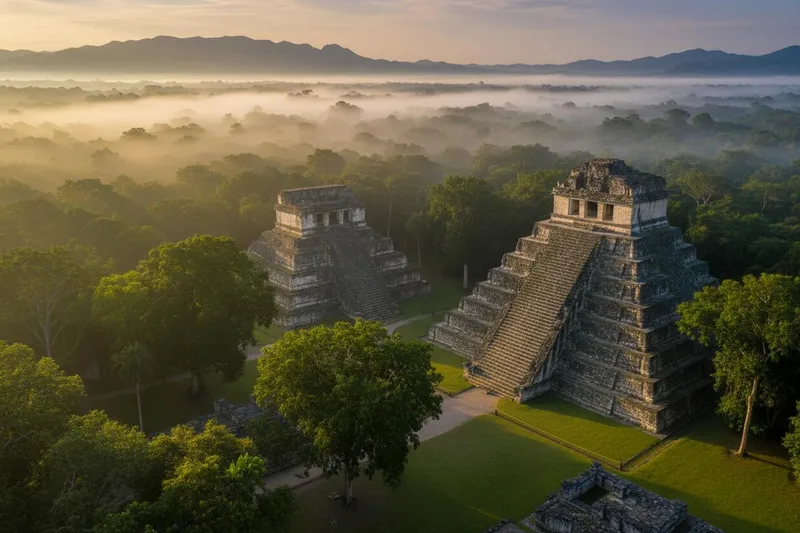
Chamula and Zinacantán: Visiting Rules
These two Tzotzil Maya communities are among the most popular day trips from San Cristóbal, and they deserve their own safety section — not because they’re dangerous, but because the rules are different from anywhere else you’ve been in Mexico.
These are autonomous indigenous communities, not theme parks. They govern themselves according to their own customs and laws (known as usos y costumbres), and those laws apply to you as a visitor.
San Juan Chamula
The church of San Juan Chamula is one of the most extraordinary religious spaces in the Americas. There are no pews. The floor is covered in pine needles. Thousands of candles burn on the ground. Families perform healing rituals involving eggs, live chickens, Coca-Cola, and posh (a local sugarcane liquor). The santos (saints) lining the walls wear mirrors around their necks.
Photography inside the church is STRICTLY PROHIBITED. This is not a suggestion. This is not a tourist-trap money grab. This is a deeply held religious and cultural law enforced by community police.
If you are caught taking photos inside the church:
- Your camera or phone can be confiscated
- You can be fined
- You can be detained by community authorities
- In extreme cases, visitors have been physically escorted out of town
Photography of individuals in the town itself: Ask permission first. Many people in Chamula do not want to be photographed — this relates to Tzotzil spiritual beliefs about images and the soul. If someone says no, accept it immediately.
The entry fee to visit the church is 25 MXN ($1.25 USD). I strongly recommend visiting with a local guide who understands the protocols and can explain the rituals in context. Most tour agencies in San Cristóbal offer combined Chamula-Zinacantán trips for around 300-500 MXN ($15-$25 USD) per person, including transport and a bilingual guide.
Zinacantán
Zinacantán is generally more relaxed about photography than Chamula, but the same baseline respect applies. Always ask before photographing people, especially women wearing traditional embroidered clothing. Their textiles represent months of skilled handwork and deep cultural identity.
The textile cooperative demonstrations actively welcome photographs — the weavers want you to see and share their craft. This is different from photographing people on the street without consent.
Photography Rules Across the Region
I want to emphasize this: the photography restrictions are not a scam. Every year I hear tourists complain that these rules exist just to extract money from foreigners. That perspective is ignorant and wrong. The Tzotzil Maya have specific spiritual traditions related to images, representation, and the soul that predate tourism by centuries. When in doubt, put the camera down and experience the moment with your eyes. You’ll remember it better anyway.
Safety for Solo Female Travelers
San Cristóbal has a strong reputation among solo female travelers, and for good reason. The city has one of the largest concentrations of independent travelers in Mexico — it draws a community of digital nomads, artists, language students, and long-term backpackers who create a natural safety net.
During the day: Walking alone anywhere in the city center is completely fine. The streets are active, shops are open, and you’ll see other solo travelers constantly. The markets, the restaurants, the coffee shops — all perfectly safe for women on their own.
At night: Stick to main streets, especially Real de Guadalupe and the streets immediately around the zócalo. These areas have enough foot traffic and open businesses to feel safe even late in the evening. If heading back to your accommodation after midnight, have your hotel call a taxi rather than hailing one on the street.
Meeting other travelers: Hostels along Real de Guadalupe have active social scenes. Coffee shops and co-working spaces (there are several good ones) make it easy to connect with people. The vibe is international and welcoming — you won’t feel isolated unless you want to be.
The general Chiapas food scene is also worth exploring as a solo traveler — sit at a market stall, order tamales de chipilín, and you’ll end up in conversation with locals before the plate is empty.
San Cristóbal vs Palenque: Safety Comparison
If you’re planning a Chiapas itinerary that includes both cities — and you should — here’s how their safety profiles compare:
| Factor | San Cristóbal de las Casas | Palenque |
|---|---|---|
| Setting | Highland colonial city | Tropical jungle town |
| Altitude | 2,200m (7,200 ft) | 60m (200 ft) |
| Night safety | Good in the center | More limited — smaller town, fewer nightlife options |
| Transportation | Taxi-dependent, no Uber | Taxi-dependent, no Uber |
| Bloqueo risk | Moderate (Hwy 190, 199) | Moderate (Hwy 199) |
| Wildlife hazards | None | Mosquitoes (dengue risk), occasional snakes on jungle trails |
| Tourist infrastructure | Extensive — hundreds of hotels, restaurants, agencies | More basic — sufficient but fewer options |
| Overall | Safe for informed travelers | Safe for informed travelers, different risk profile |
Both cities are safe for tourists who plan ahead. San Cristóbal has better infrastructure and more nightlife; Palenque has mosquito-borne illness risk but no altitude concerns. For the full combined route, my guide covers the safest ways to travel between them.
If you have extra days, the area around Comitán and the waterfalls of Chiapas — including the incredible Las Nubes — are also considered safe tourist destinations, though more remote and best visited with organized transport.
Practical Safety Tips for First-Time Visitors
Before you go, keep these habits in mind:
- Book a hotel in the historic center. This removes most of the night-safety and transport friction.
- Ask about current blockades the day before every intercity trip. Especially if you’re heading to Palenque, Tuxtla, or Oaxaca.
- Carry layers and hydrate from the moment you arrive. Altitude affects more people than they expect.
- Use cash carefully in markets. Keep small bills accessible and the rest zipped away.
- Take community rules seriously in Chamula and Zinacantán. If unsure, ask first and follow the guide.
- Do not over-plan your first day. San Cristóbal rewards slow travel, especially when your body is adjusting.
Emergency Contacts
Save these numbers before you arrive. Cell service in San Cristóbal is reliable in the center but can be spotty in surrounding communities.
| Service | Number |
|---|---|
| Emergency (all services) | 911 |
| Tourist Police San Cristóbal | 967-678-0665 |
| Cruz Roja (Red Cross) | 065 |
| Fire Department | 068 |
| Hospital de la Mujer | 967-678-0770 |
| US Embassy (Mexico City) | +52 55 5080-2000 |
| Canadian Embassy (Mexico City) | +52 55 5724-7900 |
The nearest US and Canadian consulates are in Mexico City — there are no consular offices in Chiapas. In a true emergency, the embassies have 24-hour hotlines. The tourist police in San Cristóbal are helpful and accustomed to working with foreign visitors.
Get Travel Insurance (Seriously)
San Cristóbal’s altitude makes travel insurance more relevant here than in most Mexican destinations. Altitude sickness severe enough to require medical attention is uncommon but real. Add in the hiking opportunities around the highland communities, the winding mountain roads, and the limited hospital infrastructure compared to larger cities, and insurance becomes a smart investment.
For a city at 2,200 meters where the nearest major hospital is 45 minutes away in Tuxtla, having evacuation coverage is worth every peso.
Final Verdict: Should You Visit San Cristóbal?
Absolutely. Without hesitation.
San Cristóbal de las Casas is one of Mexico’s most culturally significant cities — a place where indigenous traditions, colonial history, political activism, and modern travel culture coexist in a compact, walkable highland valley. The cold morning air, the amber-colored light, the sound of Tzotzil in the markets, the food — nothing in Mexico compares to this experience.
The risks are manageable and predictable:
- Altitude: Hydrate, rest your first day, avoid alcohol initially
- Bloqueos: Check road conditions before traveling, consider flying into Tuxtla
- Indigenous communities: Respect the rules, hire a guide, put the camera away when asked
- Petty theft: Crossbody bag, front pocket phone, basic awareness
- Night safety: Stick to the center after dark
That’s it. Those are the real safety considerations. Not cartel violence, not kidnappings, not the dramatic scenarios that keep people home. San Cristóbal’s challenges are practical, not existential.
The best time to visit Mexico varies by region, but for San Cristóbal the sweet spot is November through March — cool, dry, and clear. Start planning with my complete San Cristóbal travel guide, build out your days with the things to do guide, and if you have a week, follow the full Chiapas 7-day itinerary that covers both San Cristóbal and Palenque.
This city changed how I think about Mexico when I first visited years ago. It’s not a resort. It’s not a party town. It’s something deeper and more honest than that. Go with respect, go with awareness, and you’ll come back with stories that matter.