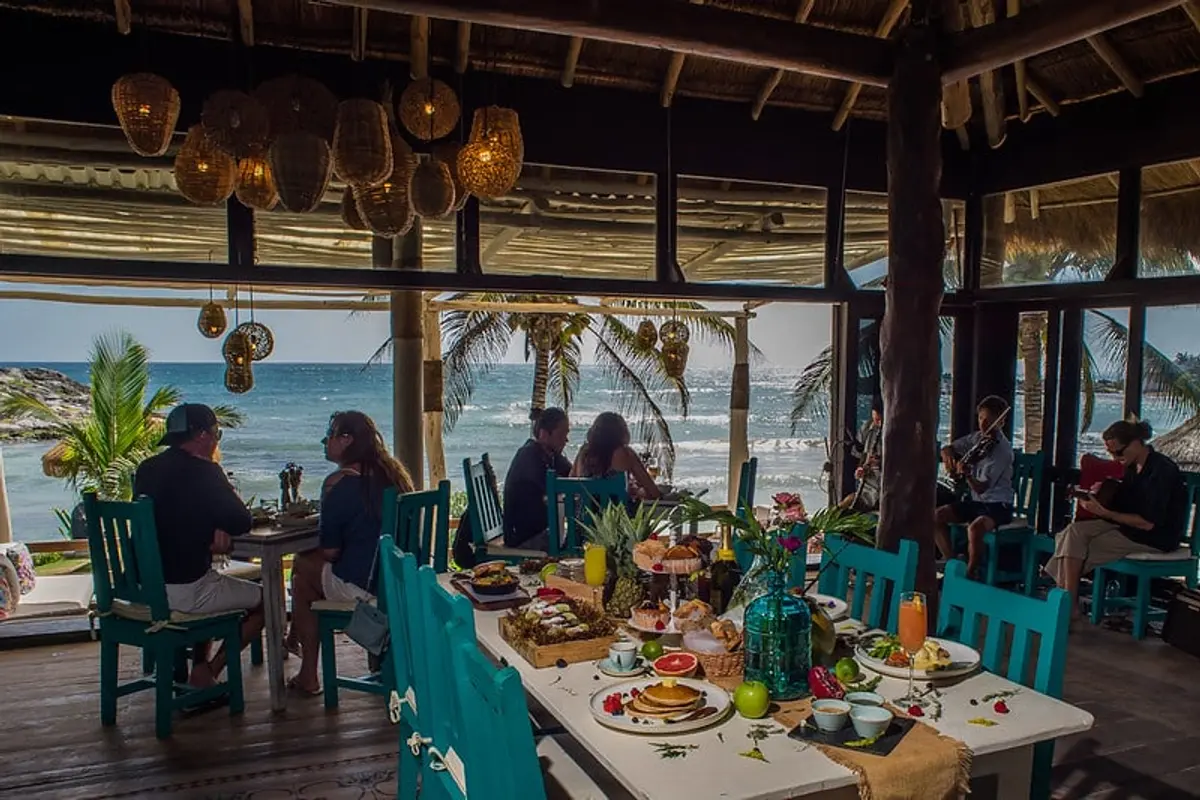
Is Tulum Safe in 2026? What Tourists Need to Know
Tulum is a coastal town on Mexico’s Caribbean coast in Quintana Roo state, known for its clifftop Mayan ruins, beach clubs, and cenotes. The US State Department rates Quintana Roo as Level 2 (“Exercise Increased Caution”) — the same advisory level given to France, Germany, and the UK.
I grew up in Mexico and I have been visiting Tulum since the early 2000s, back when it was a sandy backpacker stop with a handful of cabanas and no electricity after 10 PM. Today, it is one of the most-visited destinations in the Americas — one of the top spots along the entire Riviera Maya — and with that growth came questions about safety that did not exist twenty years ago.
Here is what I will tell you straight: Tulum is safe for the majority of tourists. But it is a different kind of safe than Cancun’s Hotel Zone, and the risks that exist are specific and preventable. I have watched this town transform from a quiet fishing village into an international destination, and the safety picture has changed along with it. This guide covers what is actually dangerous, what is just inconvenient, and what you do not need to worry about at all. No sugar-coating, no fear-mongering — just the reality of visiting Tulum in 2026, from someone who knows this coast well.
For the full country-level picture, start with our Is Mexico Safe in 2026? guide.
Understanding Tulum’s Two Zones
The first thing every visitor needs to understand is that “Tulum” is really two separate places with very different safety profiles. Getting this wrong is the most common mistake tourists make.
The Beach Zone (Zona Hotelera)
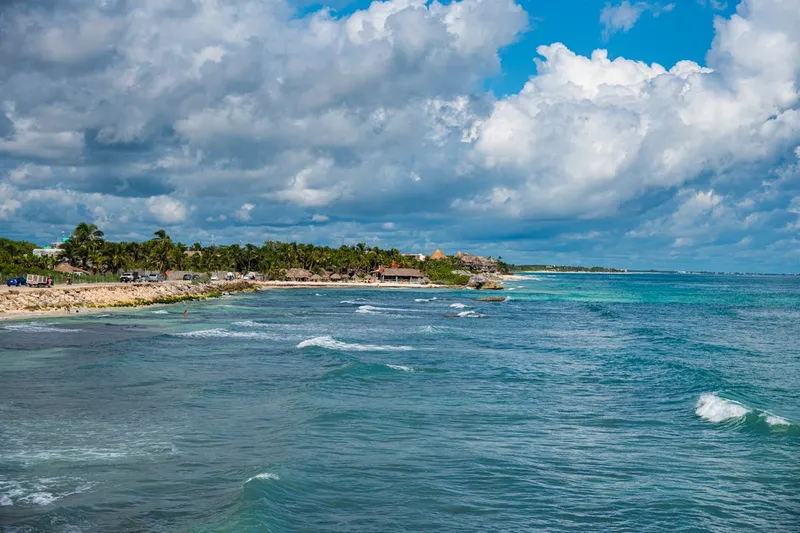
The beach zone is the long strip of boutique hotels, beach clubs, yoga studios, and restaurants that runs about 4 km along the coast south of the Tulum ruins. This is where the majority of tourists spend their time, and it is the safest part of Tulum. The area is well-patrolled, filled with other visitors, and the hotels maintain their own security. Prices here are significantly higher than in town — expect to pay $15-25 USD (280-470 MXN) for a meal and $200-600 USD (3,700-11,100 MXN) per night for accommodation.
For most visitors staying in this zone, the safety experience is comparable to any major resort area in the Caribbean. Our Tulum Travel Guide covers accommodation options in detail.
Tulum Pueblo (Town)
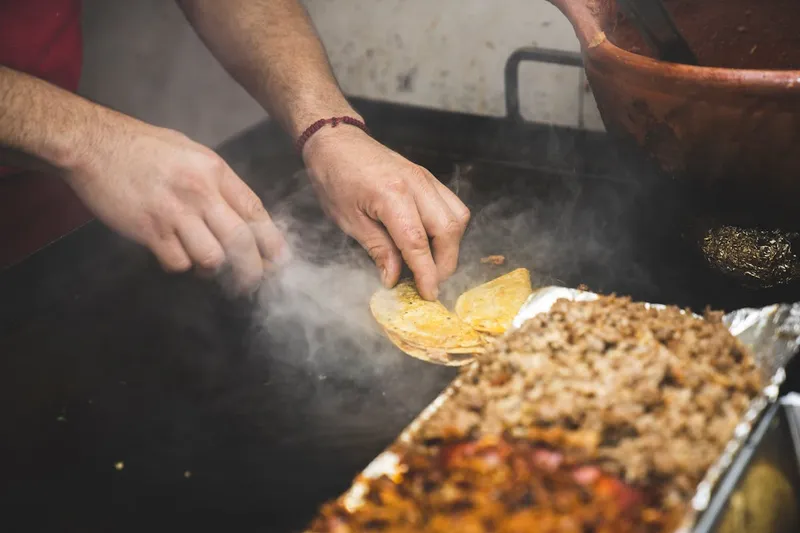
Tulum Pueblo is the actual town, located about 3 km inland from the beach. This is where locals live and work, where the colectivo (shared van) stops are, and where you will find authentic restaurants at a fraction of beach zone prices. The main drag, Avenida Tulum, is the commercial spine — lined with taco stands, shops, pharmacies, and small hotels.
During the day, Tulum Pueblo is perfectly safe to walk around. At night, stick to Avenida Tulum and the blocks immediately surrounding it. The side streets get dark quickly, and there are fewer people around after midnight. It is not dangerous in the way that some coverage suggests, but it does require more situational awareness than the beach zone.
The Road Between
This is the part most guides skip, and it matters. The road connecting Tulum Pueblo to the beach zone is roughly 3 km of two-lane road with no sidewalk, limited lighting, and fast-moving traffic. During the day, people bike it constantly and it is fine. At night, it is dark, the road is narrow, and walking it is not recommended. Take a taxi or arrange a ride through your hotel. This is a practical safety issue, not a crime issue — it is about visibility and traffic, not theft or violence.
If you are deciding between the two zones, our Cancun vs Tulum comparison breaks down the pros and cons of each.
The Level 2 Advisory: What It Actually Means
Quintana Roo — the state that contains Tulum, Cancun, Playa del Carmen, and the entire Riviera Maya — carries a US State Department Level 2 advisory: “Exercise Increased Caution.”
Here is what Level 2 actually means in practice: petty crime exists, you should be aware of your surroundings, and standard travel precautions apply. It does not mean “dangerous.” It does not mean “avoid.”
For context, these countries carry the exact same Level 2 advisory:
- France
- Germany
- United Kingdom
- Belgium
- Italy
- Denmark
Nobody cancels a trip to Paris because of Level 2. The same logic applies to Tulum.
What Quintana Roo is not: it is not Level 3 (“Reconsider Travel,” which covers states like Sinaloa and Zacatecas) and it is definitely not Level 4 (“Do Not Travel,” which covers states like Tamaulipas). For a complete breakdown of which states fall where, see our Mexico Travel Advisory 2026 guide. You can also review our ranking of the safest cities in Mexico for additional context.
The January 2023 Incident: What Actually Happened
If you have Googled “Is Tulum safe,” you have probably come across references to a shooting incident. Here is what happened: in January 2023, a stray bullet from a dispute near a restaurant struck a tourist. The incident was not a targeted attack on visitors — it was a conflict between individuals that happened in a public space.
What changed afterward: the Quintana Roo government significantly expanded police presence in the Tulum beach zone and pueblo. Tourism police patrols were increased, additional checkpoints were installed on Highway 307, and beach zone security was visibly bolstered. These measures have remained in place through 2026.
The context matters: this was an isolated incident, not a pattern. Millions of tourists visit Tulum every year without encountering anything remotely similar. I mention it because pretending it did not happen would be dishonest, but framing it as representative of the typical tourist experience would be equally misleading. For broader context on how Mexico handles tourist safety, see our Is Mexico Safe? overview.
7 Real Risks in Tulum, Ranked by Likelihood
These are the actual risks tourists face in Tulum, ordered from most common to least common. Notice that violent crime is not on this list — because for tourists, it is statistically insignificant compared to these everyday hazards.
1. Transportation Problems (Most Common)
This is the number one issue tourists face in Tulum, and it is a practical problem, not a crime problem. There is no Uber in Tulum. The local taxi union has blocked ride-sharing apps, and that is unlikely to change anytime soon.
What this means for you:
- Taxi price gouging is common, especially at night and during peak season. Drivers may quote you 300-500 MXN for a trip that should cost 100-150 MXN. Always agree on the price before getting into the vehicle.
- Typical fares: Beach zone to Pueblo is roughly $5-8 USD (100-150 MXN). Cancun Airport to Tulum runs $80-120 USD (1,500-2,200 MXN). Beach zone to the ruins is $3-5 USD (50-100 MXN).
- Unlicensed taxis do operate in the area. Licensed taxis have official plates, a union sticker on the windshield, and the driver’s ID visible on the dashboard. If any of those are missing, do not get in.
- Best approach: Ask your hotel to arrange transportation. Most accommodations have relationships with trusted drivers and can give you a phone number to use throughout your stay.
If you want full independence, renting a car eliminates the transportation issue entirely. A compact car runs $25-45 USD (460-830 MXN) per day through rental agencies at Cancun Airport, and having your own vehicle makes day trips from Tulum much easier.
2. Drink Spiking at Beach Clubs
This is a real and documented risk, particularly during spring break season (March-April). Reports of drink spiking at Tulum beach clubs increased noticeably during 2023 and 2024, and the pattern has continued.
How to protect yourself:
- Never leave your drink unattended — not even for a minute
- Go to beach clubs with friends or people you trust
- Avoid accepting free shots or drinks from strangers
- Stick to established, reputable beach clubs with proper security
- If you start feeling unusually disoriented after one or two drinks, tell a friend immediately and get to a safe location
This is not unique to Tulum — it happens at beach destinations worldwide — but the frequency of reports here warrants specific mention. It is one reason why some travelers prefer the more controlled nightlife environment in Cancun’s Hotel Zone; our Cancun vs Tulum guide covers this difference in detail.
3. Cenote and Swimming Risks

The cenotes around Tulum are extraordinary — underground swimming holes with crystal-clear water that connect to the world’s longest underground cave system. Most popular cenotes like Gran Cenote, Cenote Dos Ojos, and Casa Cenote are commercial operations with lifeguards, established entry procedures, and safety equipment. They are safe for casual swimmers.
The risks to be aware of:
- Depth variation: Some cenotes drop from shallow shelves to 30+ meter depths with no warning. Always check depth before jumping.
- Hydrogen sulfide layers: Cenote Angelita and some deep cenotes have a hydrogen sulfide layer at depth that is toxic. These cenotes require advanced diving certification — do not attempt them without proper training.
- Life jackets: If you are not a confident swimmer, wear one. Every commercial cenote provides them.
- Open cenotes near the coast can have currents, especially after storms.
For our guide to the best cenotes in the area, see Riviera Maya Cenotes.
4. Petty Theft
Petty theft in Tulum follows predictable patterns:
- Beach bag theft: You leave your bag on the sand while swimming, and it disappears. This happens at every beach destination on Earth, and Tulum is no exception.
- Phone snatching: Walking with your phone in your hand in busy market areas makes you a target. Keep it in your pocket.
- Hostel theft: Lock your valuables in the hostel safe or use a padlock on your bag. Do not leave electronics sitting on your bed.
Prevention is simple: use a waterproof phone case so you can take your phone into the water, keep valuables in your hotel safe, and do not leave bags unattended on the beach. These are the same precautions you would take in Barcelona, Rio, or at any of the best beaches in Mexico.
5. The Drug Scene
I will be direct about this: Tulum has an active party and drug scene. It is part of the town’s reputation, and dealers may approach you in clubs, on the beach, or on the street — especially at night in the beach zone.
Here is what you need to know:
- Purchasing drugs in Mexico is illegal
- The supply chain is connected to organized crime — you are not buying from a harmless local
- Possession can result in arrest and Mexican jail time
- Quality and purity are completely unverifiable
- There have been deaths linked to contaminated substances sold to tourists in the Riviera Maya
The smart move is simple: say no and walk away. Do not engage, do not negotiate, do not try to “just try it.” This is the one area where the risk is entirely within your control to eliminate.
6. Tourist Scams
Tulum has its share of tourist-targeting scams:
- Cenote upcharging: Some guides or unofficial “helpers” at cenotes will ask for more than the posted entry price. Always check the posted price and pay at the official window.
- Fake guides: People offering “special access” to the ruins, “private cenote tours,” or “exclusive experiences” that are either overpriced versions of what you can do yourself or do not exist at all.
- Timeshare presentations: Disguised as “free tours,” “complimentary breakfasts,” or “resort previews.” If someone approaches you offering something free, it leads to a multi-hour high-pressure timeshare sales pitch.
For verified, reliable tour options, our best excursions in Riviera Maya guide covers what is actually worth booking.
7. Road Safety
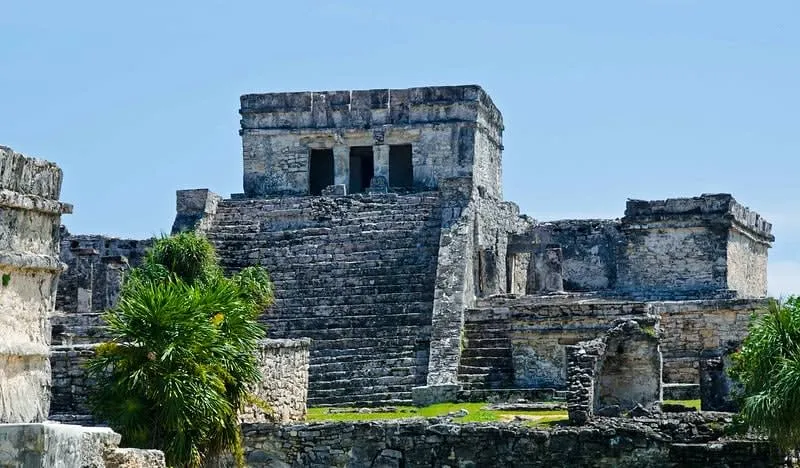
Road accidents — not crime — are the leading cause of tourist injury in Tulum. The specific risks:
- Highway 307 has no dedicated bike lane, and traffic moves at 80-100 km/h. Tourists on bikes and scooters are at significant risk on this road.
- The beach-to-town road is narrow, dark at night, and shared between cars, bikes, and pedestrians.
- Night driving between cenotes and on rural roads south toward Sian Ka’an requires extra caution — no street lights, occasional topes (speed bumps) without warning, and animals on the road.
If you rent a bike or scooter: wear a helmet (many rental shops do not provide them — buy a cheap one at a hardware store for $10 USD / 185 MXN), use lights after dark, stick to the right side, and absolutely avoid Highway 307 at night.
Safety by Traveler Type
Not everyone faces the same risks in Tulum. Here is how safety breaks down by traveler profile:
| Traveler Type | Risk Level | Key Advice |
|---|---|---|
| Solo Female Traveler | Moderate | Beach zone is safe day and night. Avoid Pueblo back streets after dark. Use a buddy system at clubs. Arrange transport through your hotel. |
| Couple | Low-Moderate | Stick to beach zone and main Pueblo streets. Negotiate taxi prices together. Very manageable with basic precautions. |
| Family with Kids | Low | Beach zone hotels are ideal. Watch for rip currents — check flags daily. Stick to cenotes with lifeguards like Gran Cenote and Dos Ojos. See our things to do in Tulum for family-friendly activities. |
| Backpacker | Moderate | Town hostels are fine. Lock up valuables. Avoid the drug scene. Use colectivos during the day for cheap, safe transport. |
| Resort Guest | Low | Minimal risk — your resort handles transportation, security, and logistics. Venture out for food and cenotes with confidence. |
| Spring Breaker | Moderate-High | Party scene increases all risks. Avoid drugs. Watch your drinks carefully. Travel in groups. Book transportation in advance. |
Safe Areas vs Areas Needing More Care
| Area | Safety Level | Notes |
|---|---|---|
| Beach Zone Hotels | Very Safe | Patrolled, well-lit, tourist-focused. Comparable to any Caribbean resort strip. |
| Tulum Ruins | Very Safe | Government-protected archaeological site with dedicated security personnel. |
| Avenida Tulum (Pueblo) | Safe | Main commercial street with restaurants, shops, and foot traffic until late. |
| Gran Cenote / Dos Ojos | Safe | Established commercial cenotes with lifeguards, lockers, and entry staff. |
| Sian Ka’an Biosphere | Safe (guided) | Go with a licensed tour operator only. The reserve is remote and has no cell service in most areas. See things to do in Tulum for tour recommendations. |
| Pueblo Side Streets (night) | Use Caution | Poorly lit, fewer people, limited police presence after midnight. |
| Beach Zone to Pueblo Road (night) | Use Caution | Dark, no sidewalk, fast traffic. Take a taxi instead of walking. |
| Highway 307 on Bicycle | Use Caution | No bike lane, vehicles traveling 80-100 km/h. Ride only during daylight with extreme awareness. |
No Uber in Tulum: What You Need to Know
This deserves its own section because it is the single biggest practical safety factor for tourists in Tulum. As of 2026, Uber, DiDi, and all ride-sharing apps are blocked by the local taxi union. This is unlikely to change in the near future.
How to Identify a Licensed Taxi
Licensed taxis in Tulum have:
- Official government-issued plates (white with colored stripe)
- A taxi union sticker on the windshield
- The driver’s ID and photo visible on the dashboard
- A taxi number displayed on the exterior
If any of these are missing, do not get in. Unlicensed vehicles posing as taxis do operate in the area, and you have no recourse if something goes wrong.
Always Agree on the Price First
Tulum taxis do not have meters. You must negotiate and agree on the fare before entering the vehicle. Ask your hotel for approximate fares so you know what is reasonable. If a driver quotes significantly more than what your hotel told you, walk away and find another taxi.
Typical Taxi Fares
| Route | Approximate Fare |
|---|---|
| Beach Zone to Pueblo | $5-8 USD (100-150 MXN) |
| Pueblo to Tulum Ruins | $3-5 USD (50-100 MXN) |
| Beach Zone to Gran Cenote | $5-8 USD (100-150 MXN) |
| Tulum to Playa del Carmen | $25-35 USD (460-650 MXN) |
| Cancun Airport to Tulum | $80-120 USD (1,500-2,200 MXN) |
Alternatives to Taxis
- Rent a car: Eliminates the transportation problem completely. Compact cars from Cancun Airport cost $25-45 USD (460-830 MXN) per day. This is my top recommendation, especially if you plan on visiting cenotes and day trips from Tulum.
- Bike rental: Good for short daytime distances within the beach zone or around the pueblo. Costs $4-6 USD (80-100 MXN) per day. Not recommended at night or on Highway 307.
- Colectivos: Shared vans that run fixed routes between Tulum, Playa del Carmen, and nearby towns. Cheap ($1-2 USD / 15-40 MXN) and safe during daylight hours.
- Hotel shuttle: Many beach zone hotels offer shuttle service to the pueblo and ruins. Ask when you check in.
Tulum vs Cancun Safety Comparison
This is one of the most common questions I get, and the honest answer is nuanced. Both are in Quintana Roo, both carry the same Level 2 advisory, but the on-the-ground experience is different.
| Factor | Cancun | Tulum |
|---|---|---|
| Uber Available | Yes (in Hotel Zone) | No |
| Tourist Police | Extensive, dedicated force | Growing, but smaller |
| Hotel Zone Safety | High — controlled access, heavy security | High — but more spread out |
| Nightlife Safety | More controlled, larger venues | More scattered, smaller venues |
| Transportation | Better — Uber, regulated taxis, bus system | Harder — taxis only, no meters |
| Beach Safety | Generally calmer water | Stronger currents, check flags |
| Scam Frequency | High (timeshares) | Moderate |
| Overall for Typical Tourist | Slightly safer infrastructure | Slightly more planning required |
The bottom line: Cancun’s Hotel Zone has better safety infrastructure for the typical tourist. Tulum’s beach zone is also safe, but the lack of Uber and the more spread-out layout means you need to plan transportation more carefully. Neither is a dangerous destination.
For a full comparison beyond just safety, see Cancun vs Tulum: Which Is Right for You?. If you are also considering Pacific coast destinations, our Cancun vs Puerto Vallarta comparison covers that question.
Spring Break 2026: Tulum-Specific Tips
March and April bring the biggest crowds to Tulum, and with them, the highest concentration of safety-relevant incidents for the year.
What increases during spring break:
- Drink spiking incidents at beach clubs — more parties mean more opportunity
- Taxi overcharging — drivers know demand spikes and adjust prices accordingly
- Petty theft — more distracted tourists, more targets for opportunistic theft
- Drug dealer approaches — the party atmosphere increases solicitation
What does not change:
- Violent crime risk against tourists remains low
- The beach zone remains well-patrolled
- Cenotes and ruins remain safe to visit
Spring break survival tips for Tulum:
- Book your airport transfer and any long-distance transportation in advance — taxi availability drops during peak weeks
- Stay in the beach zone for maximum safety and convenience. Check our Tulum Travel Guide for hotel recommendations by zone
- Pre-book beach club reservations at established venues
- Carry only the cash you need for the day — leave the rest in your hotel safe
- Avoid buying anything from anyone who approaches you on the beach
For month-by-month weather, crowd, and pricing information, see Best Time to Visit Tulum.
Staying Safe at Night in Tulum
Nighttime safety in Tulum depends entirely on where you are.
Beach zone after dark: The main hotel strip remains active until late, with restaurants, beach clubs, and bars open. Walking along this strip is generally fine — it is well-lit and populated with other tourists. The further you get from the main strip, the darker and quieter it gets. Stick to the areas with visible foot traffic.
Pueblo at night: Avenida Tulum and the surrounding blocks are active until 10-11 PM, with restaurants and shops open. After midnight, the town quiets down significantly. Stick to the main avenue and avoid wandering into residential side streets where lighting is poor.
The road between beach and town: Do not walk this at night. Period. It is dark, there is no sidewalk, and vehicles move quickly. Take a licensed taxi. This is a $5-8 USD ride that is absolutely worth paying for.
At clubs and bars: Watch your drink. Go with people you trust. Arrange your ride home before you start your evening, not after. Have your hotel’s taxi contact saved in your phone. If you are going out in the beach zone, many hotels will arrange a specific pickup time — take advantage of that.
Emergency Contacts
Keep these saved in your phone before you arrive. Screenshot this table or save the numbers — you do not want to be searching for them during an emergency.
| Service | Number |
|---|---|
| Emergency (all services) | 911 |
| Tourist Police Tulum | 984-871-2552 |
| Fire Department | 068 |
| Cruz Roja (Red Cross) | 065 |
| US Embassy Mexico City | +52 55 5080-2000 |
| Canadian Embassy Mexico City | +52 55 5724-7900 |
Mexico’s 911 system works the same as in the US — it routes to police, fire, or medical depending on the emergency. Tourist police in Tulum generally have English-speaking staff available. For more on how emergency services work across Mexico’s tourist destinations, see our guide to the safest cities in Mexico.
Travel Insurance: Do Not Skip It
Here is something I tell every traveler heading to Tulum: the realistic financial risk is not crime — it is a medical emergency. A cenote accident, a motorbike crash on the road between town and beach, a rip current incident, food poisoning requiring hospitalization — these are the scenarios that can actually damage your bank account.
Mexican hospitals will treat you, but payment is expected upfront. A simple emergency room visit can run $500-2,000 USD (9,200-37,000 MXN). Anything involving imaging, surgery, or an ambulance transfer to Cancun (where the major hospitals are) escalates quickly.
Final Verdict: Is Tulum Worth the Visit?
Yes. Absolutely. For the vast majority of travelers.
Tulum offers something no other destination on the Riviera Maya can match: clifftop Mayan ruins overlooking the Caribbean, world-class cenotes within a 20-minute drive, the Sian Ka’an Biosphere Reserve at its doorstep, and some of the most beautiful beaches in Mexico. The combination is genuinely unique.
The safety situation is manageable with basic preparation. Know about the two zones and the road between them. Plan your transportation in advance since there is no Uber. Watch your drinks at beach clubs. Use common sense at night. These are not extraordinary precautions — they are the same things you would do in any popular tourist destination worldwide.
The people who have bad experiences in Tulum almost always fall into one of two categories: they did not plan transportation and got stuck with unscrupulous taxi drivers, or they got involved with the drug/party scene and put themselves in avoidable situations. If you avoid both of those, your Tulum trip will most likely be defined by turquoise water, incredible cenotes, and some of the best tacos you have ever eaten.
For full trip planning, start with our Tulum Travel Guide and our list of the best things to do in Tulum. If you are still deciding on your Riviera Maya base, our Riviera Maya travel guide compares all the major towns along the coast.
Safe travels — and bring reef-safe sunscreen.