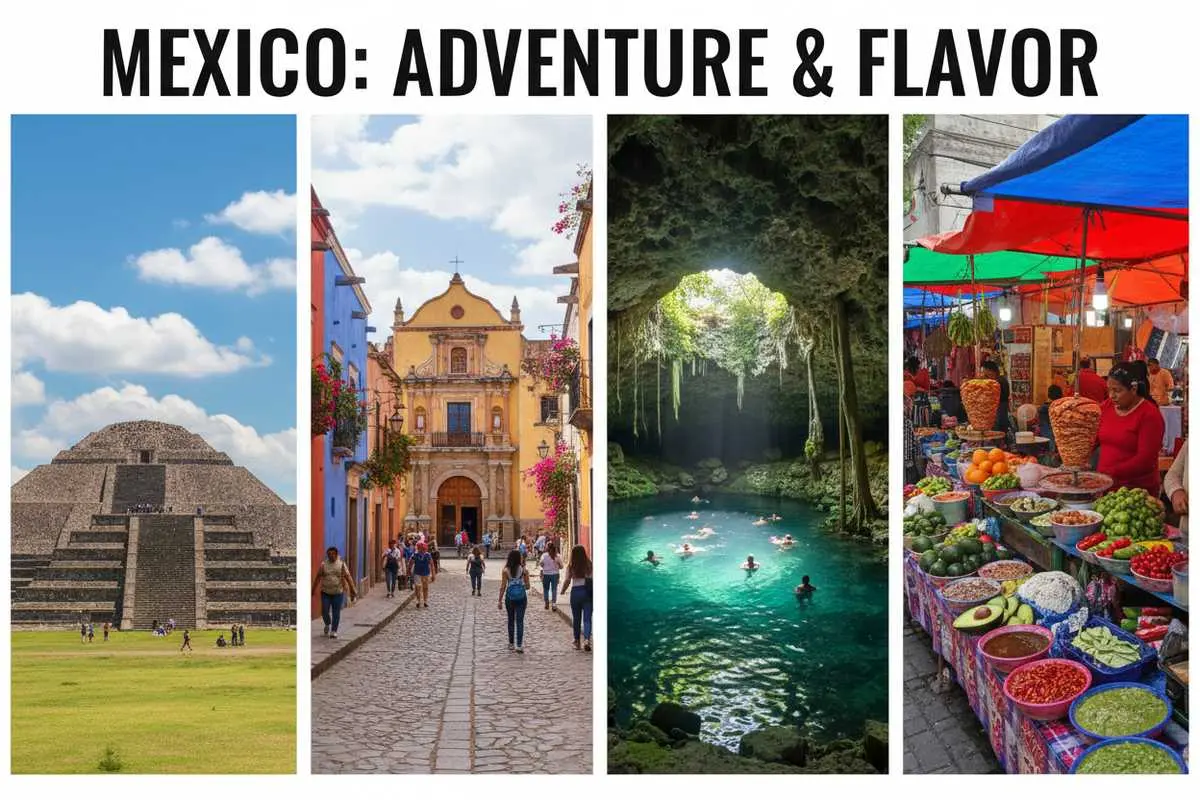
7 Days in Mexico: The Best One-Week Itinerary (2026)
Seven days is enough to fall in love with Mexico. It is not enough to see everything — but that is the point. The travelers who try to check off every destination in a week come home exhausted. The ones who pick one route and commit come home planning their return.
I am Ricardo, and I have spent my entire life in this country. The question I get asked most by first-time visitors is: “What should I do with one week?” Here are my honest answers — three complete routes, day by day, with real costs.
Which 7-Day Mexico Route Is Right for You?
Before choosing, answer these three questions:
- Is this your first time? → Route 1 (CDMX + Oaxaca) — the most rewarding culture combination in the country
- Do you need a beach? → Route 2 (Yucatan Peninsula) — ruins, cenotes, and Caribbean coast
- Do you hate flying domestically? → Route 3 (Mexico City Immersion) — everything within 2 hours of the capital
| Route | Focus | Flying Required | Best For |
|---|---|---|---|
| Route 1: CDMX + Oaxaca | Culture, food, history | 1 domestic flight (1 hr) | First-timers, foodies |
| Route 2: Yucatan Peninsula | History, cenotes, beach | International into Cancun | Beach + culture balance |
| Route 3: Mexico City Immersion | Urban depth, day trips | No domestic flights | City lovers, short trips |
Route 1: Mexico City + Oaxaca (The Classic Culture Route)
The strongest 7-day combination in Mexico for first-time visitors.
Mexico City and Oaxaca are two hours apart by plane and decades apart in character. Together they give you the full spectrum: the enormous, complex capital and the intimate, artisanal city that many travelers consider Mexico’s best.
Day 1: Arrive Mexico City — Centro Histórico
Arrive at AICM (Terminal 1 or 2). Take the authorized taxi to your hotel — do not use unlicensed street taxis from the arrivals hall.
Afternoon:
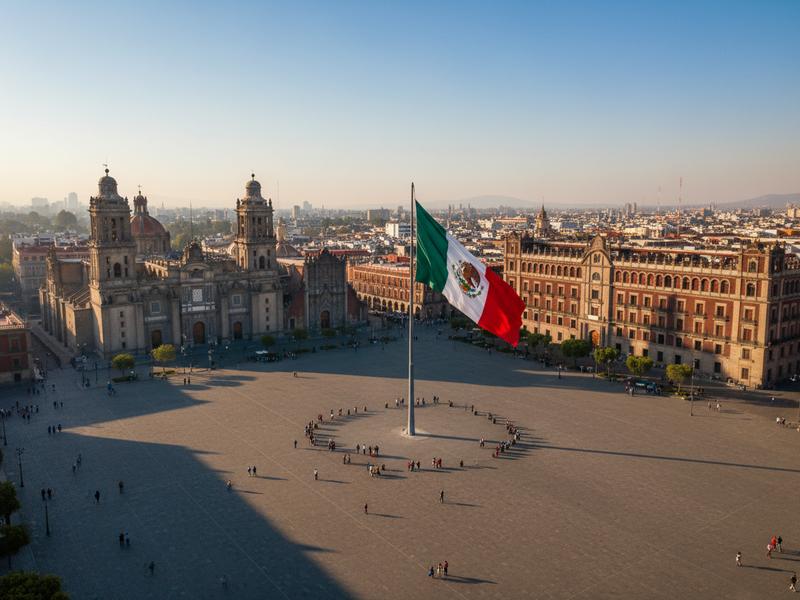
- Check in, rest, walk the Zócalo — Mexico’s main square, surrounded by the Metropolitan Cathedral, the National Palace, and 700 years of layered history
- Visit Templo Mayor ($90 MXN) — the excavated heart of Tenochtitlan, the Aztec capital buried under colonial Mexico City
Evening:
- Dinner in the Centro or nearby Barrio Chino — tacos de canasta, pozole, or tostadas de tinga from market stalls
Where to stay: Roma Norte or Condesa neighborhoods — safe, walkable, excellent restaurants within blocks. See the full Mexico City travel guide for neighborhood breakdowns.
Day 1 budget: ~$60–80 USD mid-range (hotel + food + entry fees + taxi from airport)
Day 2: Mexico City — Art, Culture, Ancient Wonders
Morning (early start essential):
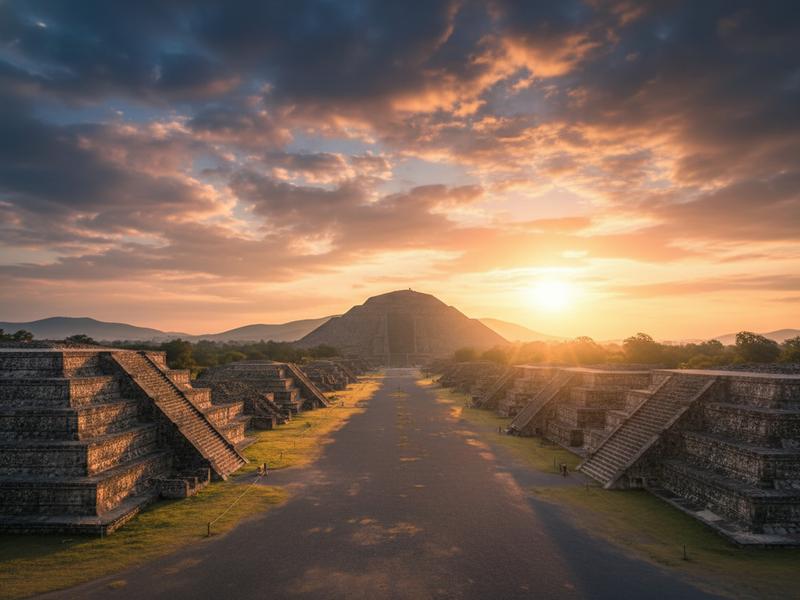
- Teotihuacán — leave by 7:30 AM from Mexico City, arrive before 9 AM. The Pyramid of the Sun is one of the largest structures in the pre-Columbian world. Bring water and sunscreen. Entry
$90 MXN. Book a guided tour or take the direct bus from Terminal Norte ($60 MXN round trip). - Return by 1:00 PM
Afternoon:
- Museo Nacional de Antropología ($90 MXN) — the best museum in Mexico and arguably in Latin America. The Aztec Sun Stone (Piedra del Sol), the Palenque jade mask, the Olmec colossal heads. Allocate 2–3 hours minimum.
- Walk through Bosque de Chapultepec on the way out — the largest urban park in the Western Hemisphere
Evening:
- Roma Norte or Polanco for dinner — Mexico City’s best restaurant neighborhoods
- For the full Mexico City food guide, see what to order beyond tacos
Day 2 budget: ~$55–75 USD (Teotihuacán tour/bus + museum + food)
Day 3: Fly Mexico City → Oaxaca (Arrive Afternoon)
Fly CDMX → OAX. Aeroméxico, Volaris, and VivaAerobus operate this route — typically $60–$120 USD one-way. Flight time: 55 minutes. Book 3–4 weeks out for best prices.
Afternoon in Oaxaca:
- Check in to your hotel in the centro
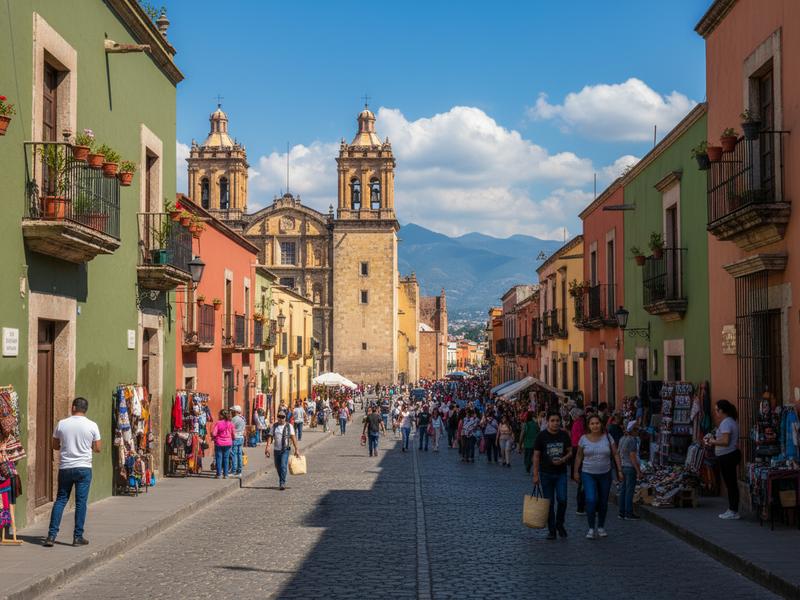
- Walk Andador Turístico (Macedonio Alcalá street) — the pedestrian corridor linking the Zócalo to Santo Domingo Cathedral
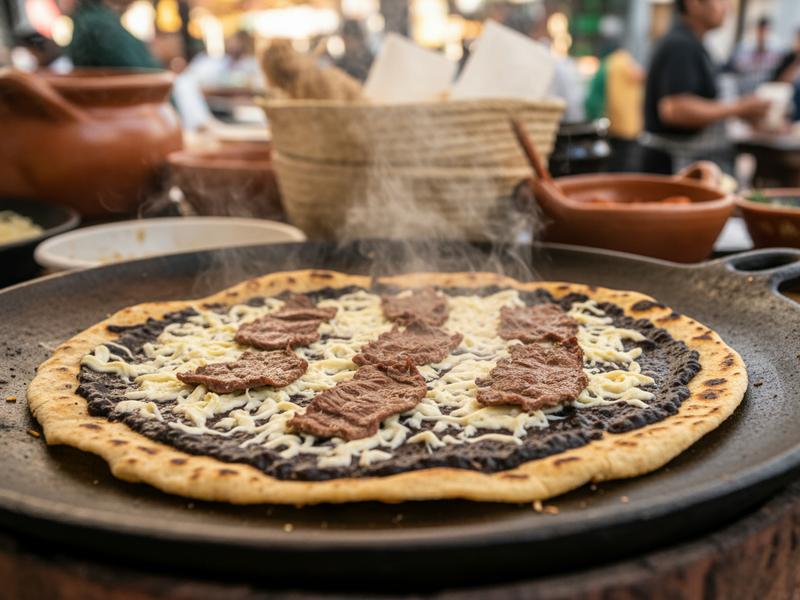
- First market stop: Mercado 20 de Noviembre for tlayudas, tasajo, and the famous corredor de humo (smoke corridor) where meat is grilled over coals
Evening:
- Mezcal tasting at any bar on the andador — Oaxaca is the source of Mexico’s mezcal industry; do not leave without trying it properly. A jicara (gourd cup) of quality Espadín runs $80–120 MXN.
Day 3 budget: ~$90–150 USD (flight + food + accommodation)
Day 4: Oaxaca City — Markets, Food, and Santo Domingo
Morning:
- Mercado Benito Juárez — vegetables, mole pastes, chocolate, chapulines (grasshoppers). Buy a bag of grasshoppers; they are toasted with lime and chili and taste like popcorn.
- Mercado de Artesanías — Oaxacan textiles (alebrijes, black clay, embroidered clothing). Price comparison is essential; first stalls always charge tourist rates.
Late morning:
- Santo Domingo Cathedral and Ex-Convent (free/small fee) — the most ornate church in Oaxaca, gold-leaf baroque interior. The attached Museo de las Culturas de Oaxaca ($90 MXN) has Monte Albán artifacts and jade-encrusted Zapotec funerary urns.
Afternoon:
- Walk the Andador de Jalatlaco neighborhood — Oaxaca’s oldest barrio, colonial architecture, quiet cafes, street art
Evening:
- Mole dinner at a local restaurant. Oaxaca’s seven moles are each distinct — try the Negro (complex, dark, bitter-chocolate notes) and the Coloradito (sweeter, richer). For the complete guide to what to eat, our Oaxacan food guide covers every dish.
Day 4 budget: ~$50–75 USD
Day 5: Oaxaca Day Trip — Monte Albán + Villages
Morning:
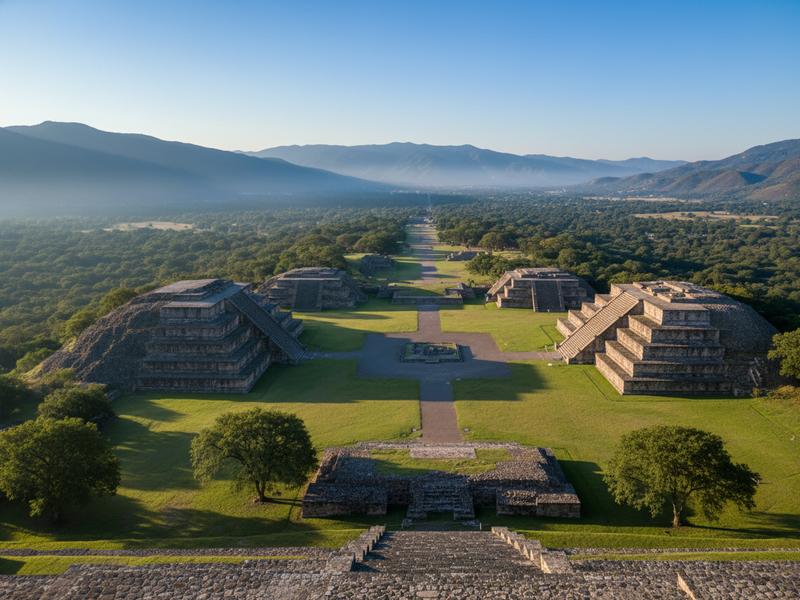
- Monte Albán ($90 MXN) — the ancient Zapotec capital perched on a leveled mountain above the Valley of Oaxaca. Start before 9 AM to avoid midday heat. Collectivo from Oaxaca city center ~$40 MXN.
- Unlike Teotihuacán, Monte Albán has very few tourists relative to its size — you can walk the Grand Plaza almost alone on a weekday morning.
Afternoon:
- Drive/tour through the Central Valleys craft villages:
- Teotitlán del Valle — traditional Zapotec rug weavers. Families demonstrate the natural dyeing process using cochineal insects and marigold flowers. Buying direct from weavers supports families and avoids reseller markup.
- San Bartolo Coyotepec — black clay pottery (barro negro). Watch artisans demonstrate the pre-wheel polishing technique.
- El Tule — the world’s widest tree by trunk circumference (58 meters). It is 2,000 years old. Worth 20 minutes.
Evening:
- Return to Oaxaca for mezcal and dinner
- For a deeper dive on Hierve el Agua (the petrified waterfall worth a half-day trip), consider adding it to Day 5 or Day 6 if your schedule allows
Day 5 budget: ~$55–75 USD (tour transport + entry fees + crafts optional)
Day 6: Oaxaca — Free Day for What You Missed
Day 6 is the buffer day most itineraries skip — and it is the most important one.
Option A (if you love food):
- Take a cooking class — half-day mole or tamale classes run $80–120 USD with market tour included. Book ahead; classes fill a week out in high season.
- Afternoon: chocolate workshop at Oaxacan chocolate shops on Calle Mina ($15–30 USD)
Option B (if you love nature):
- Hierve el Agua full day — petrified waterfalls, natural pools, views of the valleys below. 70 km from Oaxaca. Tour or collectivo from Oaxaca’s second class bus station.
- Our Hierve el Agua guide covers the swimming pools, hiking trails, and how to get there independently.
Option C (if you love villages):
- Cuajimoloyas in the Sierra Norte — mountain biking, forest hikes, and cloud forest ecology above 3,000m. Our Cuajimoloyas guide covers the community tourism circuit.
Evening:
- Final mezcal session. Buy a bottle to bring home — look for artisanal producers from San Luis del Río (wild Tobalá) or Miahuatlán (Madre Cuixe). Wrap well; customs allows one liter duty-free.
Day 6 budget: ~$60–100 USD depending on activities chosen
Day 7: Oaxaca → Mexico City → Home
Morning:
- Final breakfast at the Zócalo or a market
- Buy last-minute gifts: chocolate, mole paste, mezcal, or a textile from the market
Flight: OAX → CDMX, then international connection or overnight in Mexico City if needed. Most international flights from CDMX depart in the afternoon or evening.
Route 1 Cost Summary
| Category | Budget | Mid-Range | Splurge |
|---|---|---|---|
| Accommodation (7 nights) | $140 | $420 | $980 |
| Food | $150 | $280 | $500 |
| Transport (incl. domestic flight) | $120 | $200 | $300 |
| Activities + entry fees | $30 | $80 | $200 |
| Total | ~$440 | ~$980 | ~$1,980 |
Excludes international flights. Add $200–500 from US, $500–900 from Europe.
For full Mexico trip cost planning, our Mexico travel budget guide has price breakdowns from 14 departure cities.
Route 2: Yucatan Peninsula — History, Cenotes, and Caribbean Coast
Best for: Travelers who want ruins + beach + cenotes in one trip.
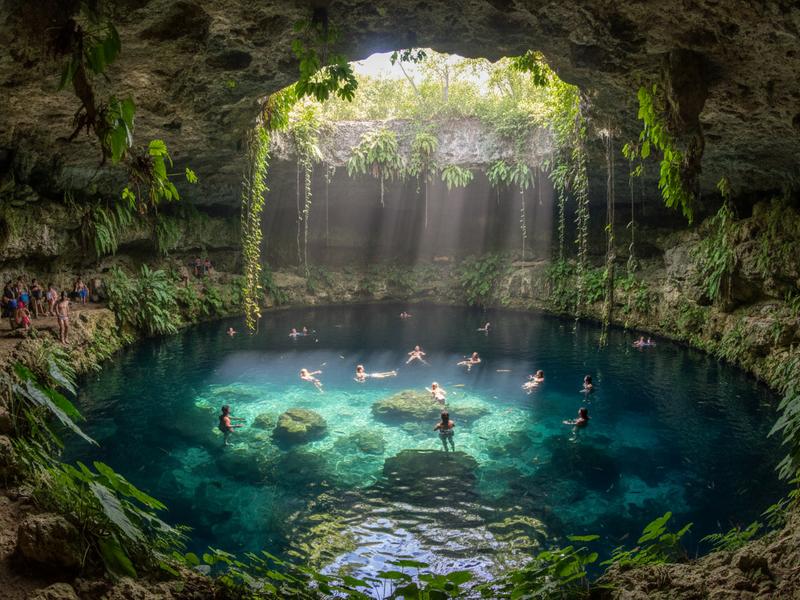
The Yucatan is the most visited region in Mexico after Mexico City — and for good reason. It packages Mayan ruins, crystalline cenotes, Caribbean beaches, and Mexico’s most visitor-friendly infrastructure into one logical peninsula.
7-Day Yucatan Overview
| Day | Location | Highlights |
|---|---|---|
| Day 1 | Arrive Cancún | Check in, beach or Zona Hotelera |
| Day 2 | Chichen Itzá + Valladolid | Ancient city + colonial town + cenote |
| Day 3 | Mérida | Colonial capital, museums, food markets |
| Day 4 | Uxmal + Celestún | Puuc architecture + flamingo lagoon |
| Day 5 | Drive south: Campeche or Bacalar | Walled city or magical lake |
| Day 6 | Bacalar or Tulum | Caribbean swims, ruins |
| Day 7 | Fly home from Cancún | Morning transfer, international departure |
Key logistics:
- Fly into Cancún (CUN) — best flight connections from North America and Europe
- Rent a car in Cancún for days 2–6 — roads are excellent, distances manageable
- Chichén Itzá entry: $90 MXN ($4.50 USD); go before 9 AM to beat tour buses
- Cenotes charge $150–300 MXN per person ($7–15 USD)
For detailed coverage of each Yucatan stop:
- Day trips from Mérida — full guide including Uxmal and Celestún
- Bacalar Mexico guide — the lagoon of seven colors
- Best Mexico cenotes — top picks with access information
- Valladolid cenotes guide — Cenote Zaci and nearby options
Route 2 budget: $500–1,100 for 7 days excluding international flights. Car rental adds $30–60/day but saves significant time vs tours.
Route 3: Mexico City Immersion — No Domestic Flights Required
Best for: Travelers with limited time, city lovers, or those flying into CDMX with tight connections.
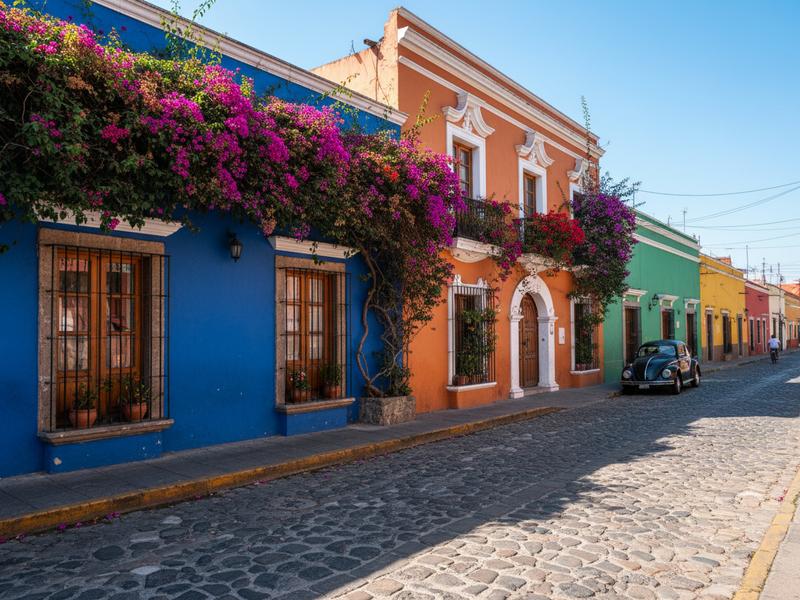
Mexico City alone could fill 3 weeks. Seven days in the capital with strategic day trips gives you a depth of experience most visitors never access.
7-Day Mexico City Immersion Overview
| Day | Focus | Highlights |
|---|---|---|
| Day 1 | Centro Histórico | Zócalo, Templo Mayor, Palacio Nacional murals |
| Day 2 | Museums + Parks | Anthropology Museum, Chapultepec, Polanco |
| Day 3 | Coyoacán + Xochimilco | Frida Kahlo Museum, floating gardens |
| Day 4 | Teotihuacán day trip | Pyramids of the Sun and Moon |
| Day 5 | Tepoztlán day trip | Magic town + pyramid hike |
| Day 6 | Puebla day trip | Talavera, mole poblano, Cholula pyramid |
| Day 7 | Roma Norte + Condesa | Final market, final meal, airport |
Day trip logistics from CDMX:
- Teotihuacán: 50km north, ADO bus from Terminal Norte ($60 MXN), 1 hour
- Tepoztlán: 85km south, bus from Tasqueña station, 1.5 hours — our Tepoztlán guide covers the pyramid hike and market
- Puebla: 130km east, ADO bus from TAPO ($150 MXN), 2 hours — includes Cholula’s buried pyramid (the world’s largest by volume) and the birthplace of mole poblano
- Xochimilco: In-city, Metro + ferry, 1 hour from central neighborhoods. Our Lake Xochimilco guide covers the trajinera boats and what to eat on the canals
Route 3 budget: $400–850 for 7 days excluding international flights. Lower accommodation costs possible since you stay in one city.
The full day trips from Mexico City guide covers 15+ options within a 3-hour radius.
Practical Planning: Before You Book
How Far Ahead to Book
| Item | Book This Far Out |
|---|---|
| International flights | 6–8 weeks minimum |
| Hotels in Oaxaca (high season: Oct–Apr) | 4–6 weeks |
| Cooking classes in Oaxaca | 1–2 weeks |
| Chichén Itzá timed entry | Day of or 1–2 days |
| Car rental in Cancún | 2–4 weeks |
| Frida Kahlo Museum | 2–3 weeks |
What to Pack for 7 Days
All routes:
- Layers — Mexico City evenings can be cold (1,500m elevation); Oaxaca nights are cooler still
- Rain jacket (even dry season has occasional afternoon showers)
- Comfortable walking shoes — you will walk 12–15 km/day in both cities
- Power bank — markets and archaeological sites rarely have charging points
- Small daypack for Teotihuacán and Monte Albán
Yucatan add-ons:
- Reef-safe sunscreen (required at most cenotes and marine parks)
- Sandals for cenote swimming
- Lightweight dry bag for boat excursions
Safety for First-Time Visitors
Mexico is safe for tourists when you follow standard common sense. Oaxaca, Mexico City (tourist zones), and the Yucatan are all Level 2 advisory states — the same level as France and Spain.
The Is Mexico Safe guide is the most honest breakdown available, written from a Mexican perspective without sanitizing the nuance. The Mexico Travel Advisory 2026 covers all 32 states with specific recommendations.
For solo female travelers, our Solo Female Travel in Mexico guide covers the specific precautions and best neighborhoods for women traveling alone.
Getting Around
In Mexico City: Metro ($5 MXN per ride), Uber (excellent and safe), Metrobús. Avoid unlicensed street taxis. Our Getting Around Mexico City guide covers every option with prices.
Oaxaca: Walkable city center. Mototaxis and collectivos for day trips. Car rental optional but not necessary.
Yucatan: Rental car strongly recommended for Route 2. ADO buses connect major cities but miss smaller cenotes and villages.
How 7 Days Compares to Longer Trips
Seven days gives you depth in 1–2 destinations. If your schedule allows more time, consider expanding:
- 10 days: Add San Cristóbal de las Casas + Palenque to Route 1, or extend Yucatan south to Bacalar and Belize border. Our 10-day Mexico itinerary covers the three best 10-day routes.
- 14 days: Combine Route 1 + Route 2 (fly OAX → CUN on Day 7). Comprehensive coverage of Mexico’s best two regions. Our 2 Weeks in Mexico itinerary has the full day-by-day breakdown for the CDMX + Oaxaca + Chiapas route.
The Best Time to Visit Mexico guide helps you pick the optimal month based on your chosen route — weather patterns differ significantly between CDMX/Oaxaca and the Yucatan. If the Yucatan is your focus, our dedicated 7 Days in Yucatan itinerary covers three Yucatan-specific routes in full detail, including the Mérida-first circular route that most guides miss.
Conclusion
One week in Mexico is a beginning, not an ending. Pick one route, move slowly through it, and let the country surprise you.
Route 1 (Mexico City + Oaxaca) is my personal recommendation for first-timers — it has no equal in Latin America for the combination of food, history, art, and human warmth concentrated in two cities you can reach by a one-hour domestic flight.
If you leave wanting more time, that means you did it right.
Travel insurance is worth considering before this trip, especially a policy with emergency medical coverage and evacuation support.