The Ultimate Guide to Mexico Ecotourism and Adventure Travel
The Ultimate Guide to Mexico Ecotourism and Adventure Travel
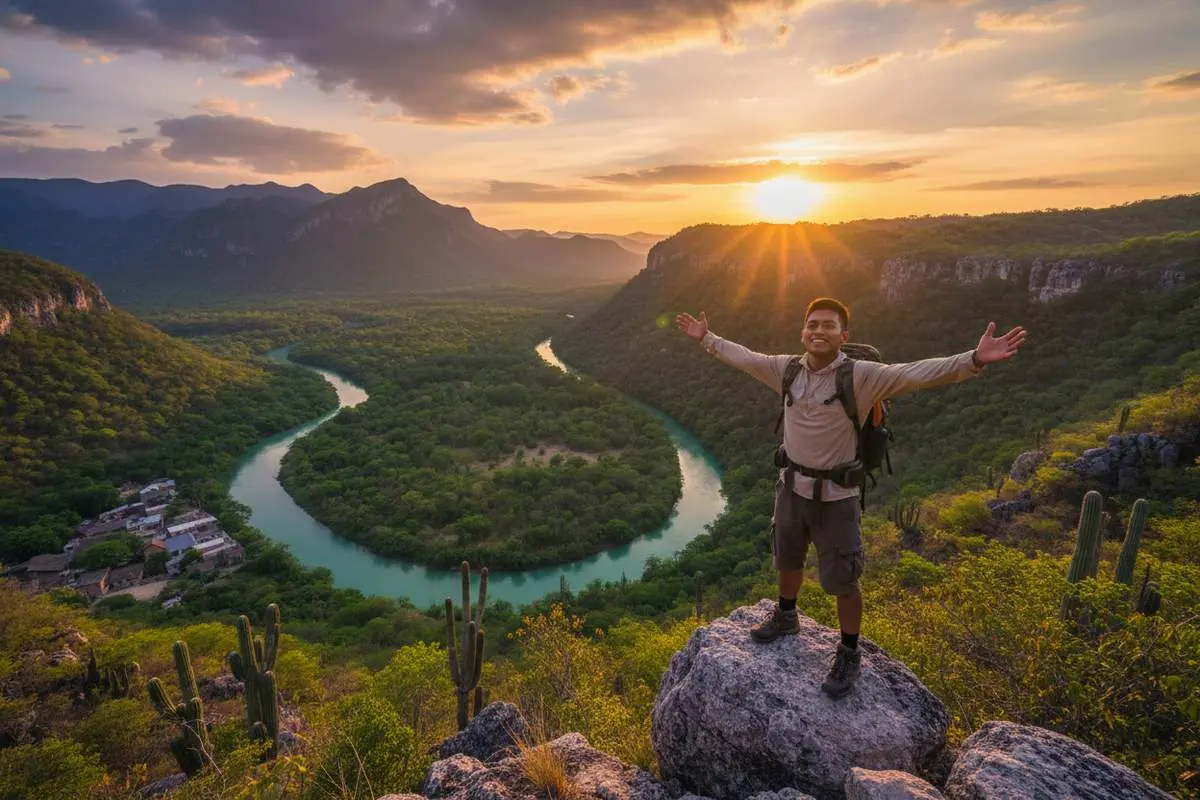
Mexico stands as the world’s fourth most biodiverse country, home to over 200,000 different species and an extraordinary tapestry of ecosystems ranging from pristine coral reefs to cloud forests shrouded in mist. This remarkable natural heritage has positioned Mexico as one of the premier destinations for ecotourism and adventure travel, attracting conscious travelers who seek meaningful connections with nature while supporting conservation efforts and local communities.
From swimming alongside gentle whale sharks in the Caribbean to traversing jungle canopies on world-class zip lines, Mexico offers adventure seekers an unparalleled playground of sustainable experiences that protect rather than exploit the natural world.
Whether you dream of releasing baby sea turtles under a starlit sky, kayaking through bioluminescent lagoons, or waking up in an eco-lodge deep within the Lacandon jungle, this comprehensive guide will help you plan the perfect ecotourism adventure in Mexico. I have spent years exploring these destinations firsthand, and I can tell you that the combination of Mexico’s natural wonders, rich biodiversity, and growing commitment to sustainable tourism creates experiences that transform travelers while preserving these treasures for future generations.
Understanding Mexico’s Ecotourism Landscape
Mexico’s ecotourism industry has evolved dramatically over the past two decades, moving beyond simple nature tourism to embrace genuine sustainability practices. The country’s commitment to conservation is evident in its network of 182 protected natural areas covering over 90 million hectares, including biosphere reserves, national parks, and sanctuaries that serve as the backbone of ecotourism experiences.

The Mexican government, through SEMARNAT and CONANP, has established certification programs that distinguish genuine eco-lodges and tour operators from those simply capitalizing on green marketing. When planning your trip, look for operations certified under the Distintivo S (Sustainable Tourism) program, which ensures that businesses meet rigorous environmental and social responsibility standards.
Key Ecotourism Regions in Mexico
Understanding Mexico’s geography helps in planning your ecotourism adventure. The country divides into several distinct bioregions, each offering unique experiences:
- Baja California Peninsula: Marine sanctuaries, whale watching, desert ecosystems
- Yucatan Peninsula: Cenotes, coral reefs, biosphere reserves, sea turtle conservation
- Pacific Coast: Mangrove estuaries, whale watching, sea turtle nesting beaches
- Central Highlands: Monarch butterfly sanctuaries, cloud forests, mountain adventures
- Southern Mexico: Tropical rainforests, indigenous community tourism, waterfall systems
Marine Adventures: Exploring Mexico’s Underwater World
Mexico’s coastlines stretch over 11,000 kilometers, encompassing waters rich with marine life from the Pacific Ocean to the Caribbean Sea and the Gulf of Mexico. These diverse marine environments offer some of the world’s most spectacular underwater adventures.
Whale Watching Experiences
Every winter, thousands of gray whales migrate from Alaska to the warm lagoons of Baja California Sur to mate and give birth, creating one of the world’s most intimate wildlife encounters. Unlike anywhere else on Earth, these “friendly whales” actively seek out human interaction, approaching small boats and allowing visitors to touch their massive heads.
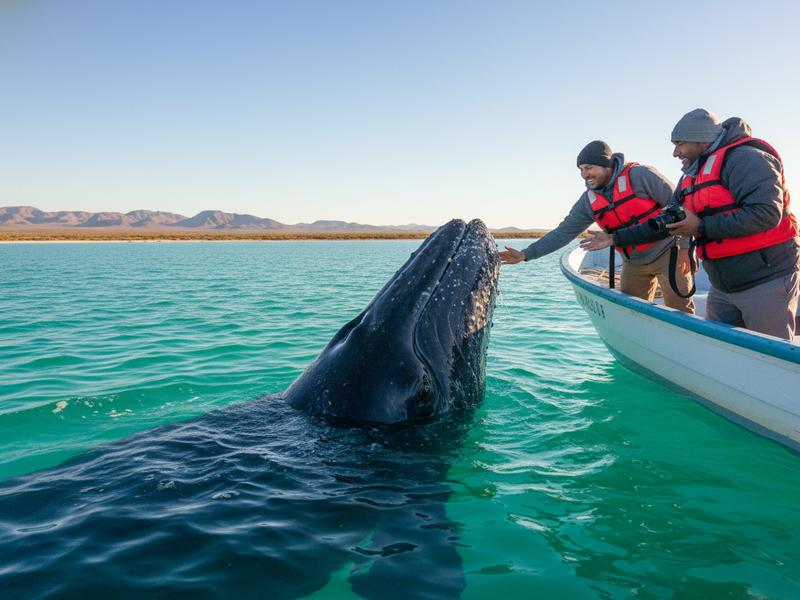
The protected lagoons of San Ignacio, Magdalena Bay, and Ojo de Liebre serve as the primary sanctuaries for this annual migration. The season runs from January through March, with February typically offering the highest concentration of mothers with calves. For the complete experience, read our detailed whale watching in Mexico guide covering the best locations, seasons, and operators.
Beyond gray whales, Mexico offers encounters with humpback whales in Banderas Bay near Puerto Vallarta, blue whales in the Sea of Cortez, and orca populations along both coasts. Each species requires different seasons and locations, making Mexico a year-round destination for cetacean enthusiasts.
Snorkeling and Scuba Diving
The Mesoamerican Barrier Reef System, the world’s second-largest coral reef, runs along Mexico’s Caribbean coast, providing exceptional diving and snorkeling opportunities. The island of Cozumel is regularly ranked among the world’s top dive destinations, famous for its dramatic wall dives and crystal-clear visibility often exceeding 30 meters.
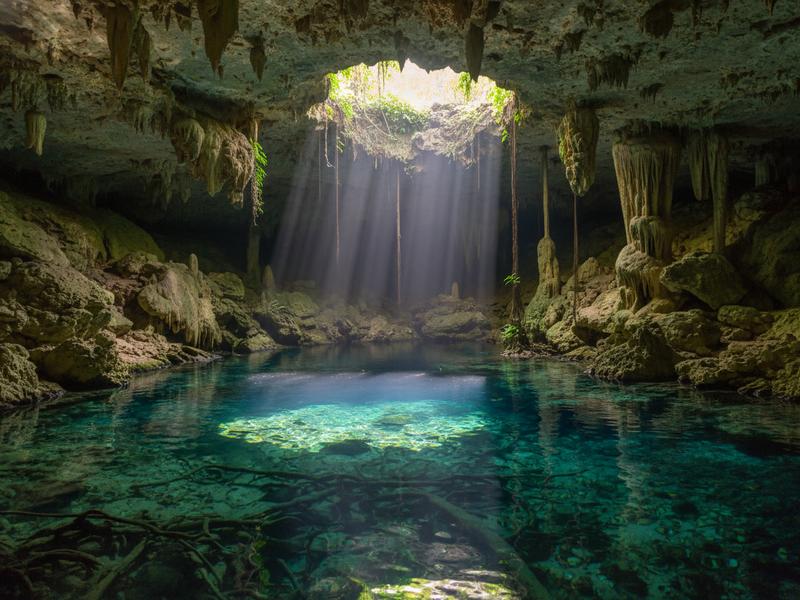
But Mexico’s underwater world extends far beyond traditional coral reefs. The Yucatan Peninsula’s extensive cenote system offers cave diving experiences unlike anywhere else on Earth. These freshwater sinkholes, sacred to the ancient Maya, reveal cathedral-like underground chambers illuminated by ethereal light beams. For comprehensive information on sites and conditions, explore our guide to snorkeling and diving in Mexico.
The Sea of Cortez, which Jacques Cousteau famously called “the world’s aquarium,” offers different experiences altogether. Here you can swim with playful sea lion colonies at Isla Espiritu Santo near La Paz, encounter whale sharks between September and March, and discover underwater seamounts teeming with hammerhead sharks and manta rays.
Kayaking and Paddleboarding Adventures
For travelers seeking more active water experiences, Mexico offers exceptional paddling opportunities across diverse environments. The Laguna de Bacalar in Quintana Roo, known as the “Lagoon of Seven Colors,” provides ideal conditions for kayaking and stand-up paddleboarding, with warm, crystal-clear water revealing the ancient stromatolites below.
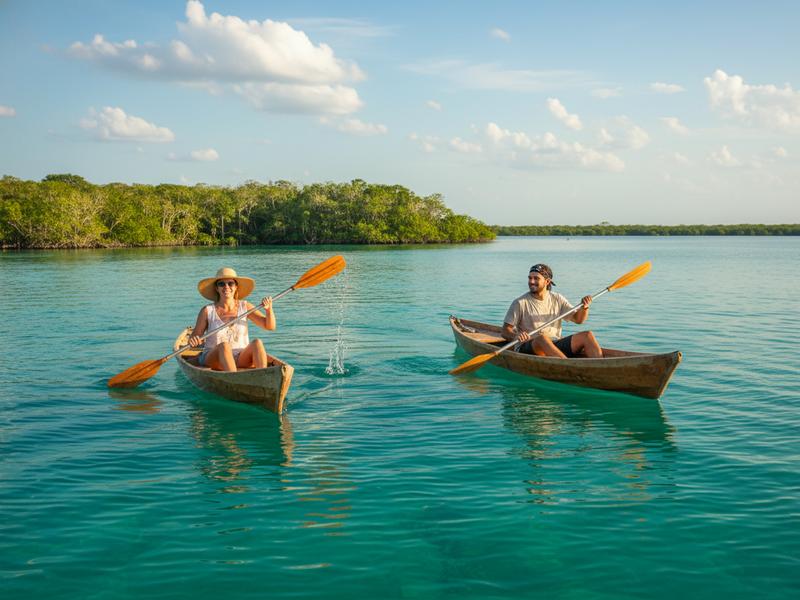
Bioluminescent kayaking tours offer magical nighttime experiences at locations including Holbox Island, Manialtepec Lagoon near Puerto Escondido, and Chacahua Lagoon in Oaxaca. Paddling through water that glows electric blue with each stroke creates memories that last a lifetime. Our comprehensive kayaking and paddleboarding guide details the best destinations for every skill level.
Sea kayaking expeditions to Isla Espiritu Santo combine paddling with snorkeling, camping on deserted beaches, and wildlife encounters with sea lions and dolphins. These multi-day trips represent ecotourism at its finest, with minimal environmental impact and maximum adventure. You can explore Oaxaca tours on Viator.
Jungle and Forest Adventures
Mexico’s terrestrial ecosystems rival its marine environments in biodiversity and adventure potential. From the tropical rainforests of Chiapas to the pine-oak forests of the Sierra Madre, these landscapes offer experiences ranging from adrenaline-pumping canopy tours to contemplative forest bathing.
Zip Line and Canopy Tours
Mexico has emerged as a world leader in zip line adventure tourism, with circuits that range from family-friendly introductions to extreme courses that attract professional adventurers. The country’s varied topography allows for zip lines that soar over jungle canopies, plunge into dramatic canyons, and traverse cloud forests.

The Riviera Maya hosts some of Mexico’s most developed adventure parks, including Xplor and Selvatica, which combine zip lines with cenote swimming, underground rivers, and ATV trails. For those seeking more natural settings, the Sierra Madre mountains near Puerto Vallarta offer circuits through pristine forest with stops at hidden waterfalls.
The most extreme zip line experience in Mexico awaits at Copper Canyon, where the ZipRider descends 450 meters over 2.5 kilometers, reaching speeds up to 135 kilometers per hour. Our complete Mexico zip line and canopy tours guide covers everything from family-friendly options to extreme adventures.
Hiking and Trekking Destinations
Mexico offers hiking experiences ranging from challenging mountain ascents to gentle forest walks suitable for all fitness levels. The Pueblos Mancomunados in Oaxaca’s Sierra Norte have developed an exceptional community-based ecotourism network where visitors can trek between indigenous Zapotec villages on ancient footpaths. Discover this remarkable system in our guide to hiking the Pueblos Mancomunados.
The Copper Canyon system in Chihuahua presents Mexico’s most dramatic hiking terrain. Larger and deeper than the Grand Canyon, this network of six interconnected canyons offers trails ranging from rim walks to challenging descents to the river bottom where hot springs and Tarahumara villages await.
For waterfall enthusiasts, the Huasteca Potosina region provides endless opportunities to combine hiking with swimming beneath cascades. The turquoise waters of Cascada de Tamul and the terraced pools of Cascadas de Micos reward hikers with refreshing swims.
Wildlife Sanctuaries and Conservation Experiences
Mexico’s commitment to wildlife conservation creates opportunities for travelers to witness and participate in protection efforts for endangered species. These experiences often represent the most meaningful encounters of any ecotourism journey.
Sea Turtle Conservation
Seven of the world’s eight sea turtle species nest on Mexican beaches, making the country critical to global conservation efforts. Turtle camps along both coasts offer volunteer opportunities and guided experiences where visitors can witness nesting females, help relocate eggs to protected hatcheries, and release baby turtles into the ocean.
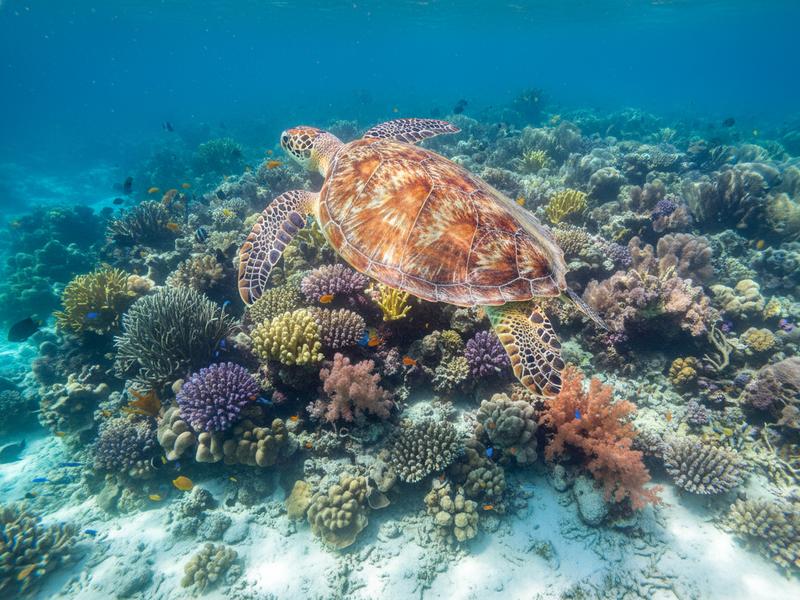
The Riviera Maya hosts major nesting populations of loggerhead and green turtles from May through October. Akumal Beach offers year-round snorkeling with resident sea turtles in their feeding grounds, while camps at Xcacel and throughout the coast protect nesting beaches.
On the Pacific coast, the arribada phenomenon at Escobilla Beach in Oaxaca sees hundreds of thousands of olive ridley turtles arriving simultaneously to nest, one of nature’s most spectacular events. Our wildlife sanctuaries and conservation guide details the best locations and seasons for turtle encounters.
Monarch Butterfly Sanctuaries
Every autumn, hundreds of millions of monarch butterflies complete an epic 4,000-kilometer migration from Canada and the United States to the oyamel fir forests of central Mexico. The sanctuaries of El Rosario and Sierra Chincua in Michoacan and the State of Mexico offer access to this natural wonder from November through March.
Walking among trees literally dripping with butterflies, with the sound of millions of wings creating a soft rustle like rainfall, ranks among Mexico’s most moving experiences. The nearby town of Angangueo provides a base for sanctuary visits and insights into local conservation efforts.
Bird Watching Destinations
With over 1,100 recorded bird species, Mexico ranks among the world’s top birding destinations. The country’s varied habitats support everything from resplendent quetzals in cloud forests to pink flamingos in coastal wetlands to endemic species found nowhere else on Earth.
The Celestun Biosphere Reserve in Yucatan hosts the largest flamingo colony in North America, with peak populations exceeding 35,000 birds during breeding season. Boat tours on Viator through the mangrove channels provide close encounters with these elegant pink birds while supporting local fishing communities who now earn more from tourism than fishing.
Serious birders should explore the cloud forests of Los Tuxtlas in Veracruz or the endemic-rich forests of Oaxaca’s Sierra Norte, where the Pueblos Mancomunados ecotourism network offers guided birding tours led by community members.
Sustainable Accommodation: Mexico’s Best Eco-Lodges
Where you stay significantly impacts your environmental footprint and the authenticity of your ecotourism experience. Mexico has developed an impressive collection of eco-lodges that range from rustic jungle camps to sophisticated sustainable resorts, all united by a commitment to environmental and social responsibility.
Yucatan Peninsula Eco-Lodges
The Yucatan Peninsula leads Mexico in sustainable accommodation development. In Tulum, properties like Azulik and Papaya Playa Project blend luxury with sustainability, using renewable energy, rainwater harvesting, and locally sourced materials. The Bacalar region offers intimate lakeside eco-lodges with direct access to the lagoon’s magical waters.
Deep in the Calakmul Biosphere Reserve, jungle lodges provide proximity to ancient Maya ruins and extraordinary wildlife, including jaguars, tapirs, and hundreds of bird species. These remote properties often lack electricity and WiFi, offering instead the irreplaceable luxury of true disconnection.
Pacific Coast Eco-Lodges
Oaxaca’s coast hosts some of Mexico’s most authentic eco-lodges. At Chacahua National Park, simple beachfront cabanas operate on solar power and offer access to pristine lagoons and beaches. The Oaxaca coast maintains a laid-back character that larger destinations have lost.
Baja California Eco-Camps
Baja California Sur’s whale watching camps represent seasonal ecotourism at its most intimate. Properties at San Ignacio Lagoon operate only during whale season (January-March), with comfortable tented camps positioned for optimal gray whale encounters. Our comprehensive guide to Mexico’s best eco-lodges provides detailed recommendations for every region and budget.
Community-Based Tourism Lodges
Perhaps the most authentic eco-lodging experiences come through community-based tourism programs. The Pueblos Mancomunados network in Oaxaca operates tourist cabins in each village, allowing hikers to trek from community to community while directly supporting indigenous Zapotec people. Similar programs exist in Chiapas, Veracruz, and other states.
These accommodations are typically simple, with shared bathrooms and basic amenities, but the cultural immersion and direct community benefit they provide create genuinely transformative experiences. Meals feature traditional regional cuisine, and evening gatherings often include music, storytelling, and genuine cultural exchange.
Planning Your Mexico Ecotourism Adventure
Best Seasons for Ecotourism
Mexico’s ecotourism experiences follow seasonal patterns that should guide your planning:
- January - March: Gray whale season in Baja, monarch butterflies peak in central Mexico, dry season ideal for hiking
- April - June: Whale shark arrivals in the Caribbean, spring bird migrations, comfortable temperatures nationwide
- July - October: Sea turtle nesting season, humpback whales in Banderas Bay, green season brings lush landscapes
- November - December: Monarch butterfly arrivals, whale shark season continues, beginning of gray whale migration
Responsible Travel Practices
Maximizing the positive impact of your ecotourism trip requires conscious choices throughout your journey:
- Choose certified operators: Look for Distintivo S certification and memberships in organizations like the International Ecotourism Society
- Respect wildlife guidelines: Maintain appropriate distances, never feed wild animals, and follow all sanctuary regulations
- Support local economies: Purchase from community cooperatives, eat at local restaurants, and hire local guides
- Minimize environmental impact: Carry reusable water bottles, refuse single-use plastics, and follow Leave No Trace principles
- Learn and share: Take time to understand the conservation challenges facing each destination and share your experiences to inspire others
Sample Ecotourism Itineraries
Two-Week Baja Adventure:
- Days 1-4: La Paz - Sea lion snorkeling, whale shark encounters, Espiritu Santo kayaking
- Days 5-8: Magdalena Bay or San Ignacio Lagoon - Gray whale watching at eco-camps
- Days 9-11: Loreto - Desert ecosystems, mission history, island exploration
- Days 12-14: Los Cabos - Cape whale watching, desert zip lines, beach relaxation
Two-Week Yucatan Ecotourism Circuit:
- Days 1-3: Cancun/Riviera Maya - Cenote diving, sea turtle encounters at Akumal, jungle zip lines
- Days 4-5: Holbox Island - Whale shark swimming, bioluminescent kayaking, flamingo watching
- Days 6-8: Celestun and Merida - Flamingo reserve, mangrove ecosystems, colonial culture
- Days 9-11: Calakmul - Biosphere reserve wildlife, ancient Maya ruins, jungle lodge stay
- Days 12-14: Bacalar - Lagoon paddling, cenote swimming, relaxation at eco-lodge
Conservation Challenges and How Tourism Helps
Mexico faces significant conservation challenges including habitat loss, illegal wildlife trade, climate change impacts, and development pressures on sensitive ecosystems. Responsible ecotourism plays a crucial role in addressing these challenges by providing economic alternatives to destructive activities and funding for protection efforts.
In the gray whale lagoons of Baja California, communities that once hunted whales now earn far more by taking tourists to see them. Sea turtle populations that were devastated by egg collection are now recovering as former poachers become paid conservation workers. The economic value of living wildlife has transformed local attitudes and outcomes across Mexico.
Your tourism dollars directly contribute to conservation when you choose responsible operators and community-based experiences. Many eco-lodges fund conservation projects, and entrance fees to protected areas support ranger salaries and habitat restoration. By choosing ecotourism, you become an active participant in protecting Mexico’s natural heritage.
Practical Information for Ecotourism Travelers
Getting There and Around
Major international airports at Cancun, Mexico City, Los Cabos, Puerto Vallarta, and Oaxaca provide access to ecotourism regions. Domestic airlines including Volaris, VivaAerobus, and Aeromexico connect smaller destinations. Learn more about air travel options in our guide to Mexico’s best airlines.
For reaching remote eco-destinations, a combination of bus travel, domestic flights, and local transportation is usually required. Many eco-lodges arrange transfers, and shared vans (colectivos) connect towns throughout Mexico affordably.
What to Pack
- Sun protection: Reef-safe sunscreen is essential for marine activities
- Layers: Temperature varies significantly by altitude and time of day
- Sturdy footwear: Hiking boots or trail shoes for land adventures, water shoes for marine activities
- Binoculars: Essential for whale watching and bird watching
- Reusable water bottle: Reduce plastic waste throughout your trip
- Dry bag: Protects electronics during water activities
- Field guides: Enhance wildlife identification and appreciation
Budget Considerations
Ecotourism experiences in Mexico span a wide budget range. Community-based lodges and public reserve visits offer affordable options, while luxury eco-lodges and multi-day tours command premium prices. A reasonable daily budget for mid-range ecotourism travel runs $100-200 USD including accommodation, meals, and activities.
Remember that paying fair prices supports conservation and communities. Choosing the cheapest option often means choosing operators who cut corners on environmental practices and worker compensation. Quality ecotourism providers invest in sustainability, and their rates reflect these commitments.
Mexico Ecotourism: Final Thoughts
Mexico’s ecotourism offerings represent some of the most diverse and rewarding adventure travel experiences available anywhere in the world. From the intimate encounter of a friendly gray whale approaching your boat in Baja California to the silent wonder of walking among millions of monarch butterflies in a misty mountain forest, these experiences create connections to the natural world that fundamentally change how we see our relationship with the planet.
The growth of sustainable tourism in Mexico provides hope for conservation while demonstrating that protecting nature and supporting local economies are not competing goals but complementary ones. Every traveler who chooses responsible ecotourism contributes to this positive transformation.
In Mexico, ecotourism is not just a way to see incredible wildlife and landscapes, it is an opportunity to participate directly in conservation and community development that will determine the future of these treasures.
Start planning your sustainable adventure today by exploring our detailed guides to whale watching, snorkeling and diving, zip line adventures, kayaking and paddleboarding, wildlife sanctuaries, and eco-lodge accommodations. Mexico’s natural wonders are waiting, and they need travelers like you who care about protecting them for generations to come.