Ruta del Cacao Tabasco 2026: Official Stops, Best Haciendas, Day Trip
Yes, the Ruta del Cacao in Tabasco is worth doing as a day trip from Villahermosa, but only if you focus on the official Comalcalco core instead of trying to do every stop. The smartest first trip is usually Comalcalco ruins + Hacienda Jesús María + Hacienda La Luz, which gives you archaeology, a real cacao plantation, and a full bean-to-bar tour without turning the day into a rushed highway loop.
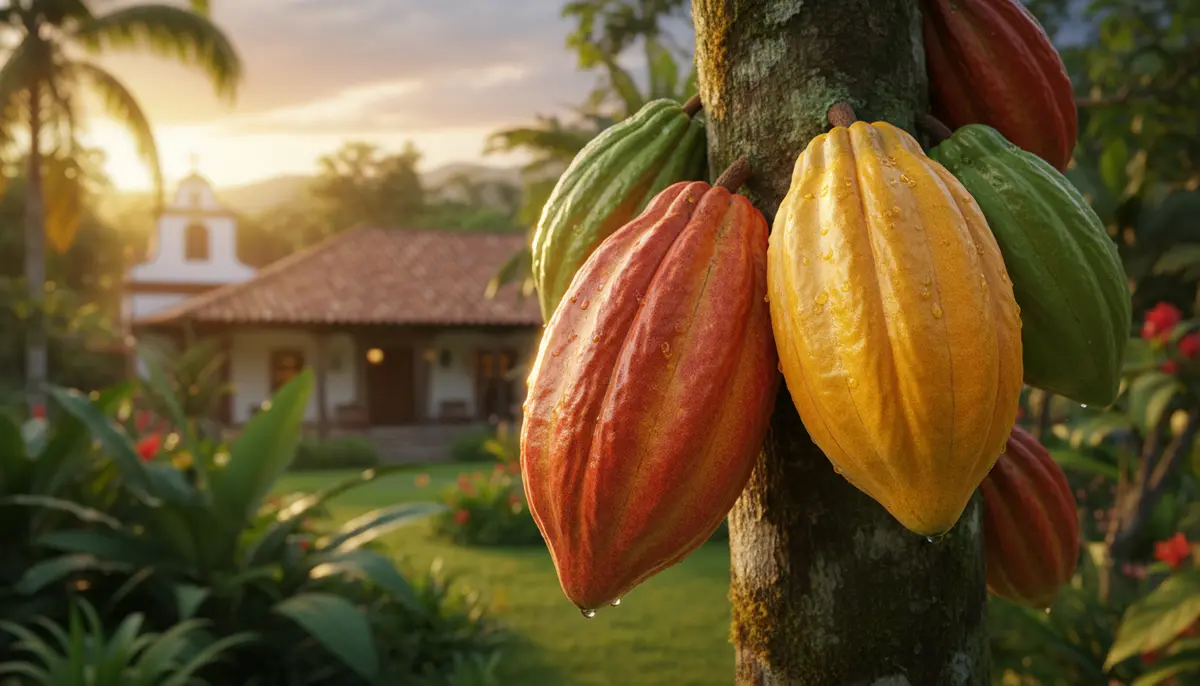
While Oaxaca gets the food attention and Chiapas gets the ecotourism headlines, Tabasco is where Mexican chocolate actually comes from. The state produces much of the country’s cacao, and the local Criollo Almendra Blanca variety is prized for its fragrance, creamy texture, and low bitterness.
The Ruta del Cacao (Chocolate Route) is the official agrotourism circuit that links Cunduacán, Comalcalco, and Paraíso, with the easiest first-timer loop centered on Comalcalco, about 45 minutes west of Villahermosa. It is not a staged tourist attraction. It is a network of active cacao haciendas, food stops, and archaeology where you can walk the groves, smell the fermentation boxes, watch the roasting drums turn, and taste chocolate that was still inside a pod that morning.
This guide covers the official route stops, the best haciendas, current prices, how to get there from Villahermosa, whether to self-drive or book a tour, what to pair with the Comalcalco ruins, what to eat, and what most first-time visitors get wrong.
30-Second Answer
| If you want… | Best choice |
|---|---|
| The best all-around Ruta del Cacao stop | Hacienda Jesús María for the strongest bean-to-bar tour and tasting sequence |
| The easiest day trip | Villahermosa → Comalcalco ruins → Jesús María → La Luz |
| The best way to do it | Self-drive or ADO + mototaxi if you only want the core route, official shared tour if you also want transport handled |
| The best hacienda for history and gardens | Hacienda La Luz |
| The quietest, less touristic stop | Finca Cholula |
| The best time to go | November to April, especially if you want drier paths and easier road conditions |
| How much to budget | Usually $700 to $1,300 MXN per person for a solid day trip from Villahermosa |
Should You Self-Drive or Book the Official Tour?
If you are starting in Villahermosa, the main decision is not whether the route is worth it, it is whether you want freedom or simplicity.
| If you want… | Best option | Why |
|---|---|---|
| The cheapest practical day trip | ADO to Comalcalco + mototaxi | Cheapest way to combine the ruins with one or two haciendas |
| The easiest no-planning option | Official shared tour from Villahermosa | Best if you want hotel pickup and do not want to coordinate mototaxis |
| The most flexible route | Rental car | Best for adding La Luz, Cholula, or the Paraíso coast without rushing |
| Only one stop plus lunch | Taxi round trip from Villahermosa | Simple if you are short on time and only want one hacienda |
The official Tabasco tourism tour is the easiest fit if you care most about convenience. It usually bundles hotel pickup from Villahermosa, one or two haciendas, and sometimes lunch. But if you want to choose your own pace, compare gift shops, or pair the route with extra time at Comalcalco ruins, you will usually do better with a car or the ADO-plus-mototaxi combination.
What the Official Ruta del Cacao Actually Includes
If you only read one Tabasco tourism brochure, the route can sound like one single hacienda stop. In practice, the full circuit mixes cacao estates, food experiences, archaeology, and the Paraíso coast.
| Stop | Best for | Worth adding on your first trip? |
|---|---|---|
| Comalcalco ruins | Maya history + the best context before a hacienda visit | Yes |
| Hacienda Jesús María | Best first hacienda, bean-to-bar process, strongest tasting | Yes |
| Hacienda La Luz | Museum, gardens, Wolter chocolate, easiest logistics | Yes |
| Finca Cholula | Smaller groups, quieter grove time, more artisanal feel | Maybe, if you are skipping one of the bigger estates |
| DRUPA / La Campesina del Cacao | Smaller agrotourism stops and hands-on cacao experiences | Better for repeat visitors or a 2-day route |
| La Cocina Chontal | Traditional Tabasco cooking tied to the cacao region | Best if food matters as much as chocolate |
| Paraíso + Mecoacán Lagoon | Mangroves, seafood, and the coastal extension | Better on a 2-day trip |
Best Route by Trip Style
| Trip style | Best plan | Why it works |
|---|---|---|
| First-time visitor | Comalcalco ruins + Jesús María | Best balance of history, cacao context, and easy logistics |
| Chocolate nerd | Jesús María + La Luz + shopping stop | Best production detail, tasting depth, and product comparison |
| Slow traveler | Overnight in Comalcalco + 2 or 3 haciendas | Lets you add Cholula or the Paraíso coast without rushing |
| No car traveler | ADO to Comalcalco + mototaxi to one hacienda | Still very doable if you keep the day focused |
| Food-first traveler | One hacienda + La Cocina Chontal + roadside pozol stop | Best mix of chocolate process and Tabasco cooking |
What Makes Tabasco’s Cacao World-Class
Before you visit, understanding what you are looking at transforms the experience from “a tour of a farm” to “watching history in real time.”
The Criollo Almendra Blanca Variety
Most of the world’s chocolate is made from Forastero cacao — a hardy, high-yield variety that produces the bulk of global commodity chocolate. Tabasco grows Criollo Almendra Blanca — a more fragile, lower-yield tree with significantly better flavor characteristics.
The key difference: Criollo beans contain approximately 20% more cocoa butter than Forastero beans. This fat is what gives chocolate its signature melt-in-the-mouth texture and creamy finish. Mexican artisan chocolate made from Tabasco Criollo regularly beats European chocolate in blind taste tests despite minimal international brand recognition.
At Hacienda Jesús María (CACEP), the guide Don Florencio describes the Criollo Almendra Blanca as “the bean the Maya chose for a reason” — it was so prized it was used as currency and reserved exclusively for nobles and priests.
The Pollination Secret
One of the most counterintuitive facts about cacao: it is pollinated almost exclusively by tiny midges (Forcipomyia mosquitoes), not bees. The flowers are too small and complex for larger pollinators. This is why cacao trees must be grown in shade under a forest canopy — the midges need leaf litter and humid conditions to breed. You cannot grow cacao in open fields. You need a functioning jungle ecosystem around it.
This biological dependency is why the old haciendas surrounded their cacao trees with ceibas, cedar, rubber trees, and banana palms. It was not aesthetics — it was survival of the crop.
The 8-Stage Crop-to-Bar Process
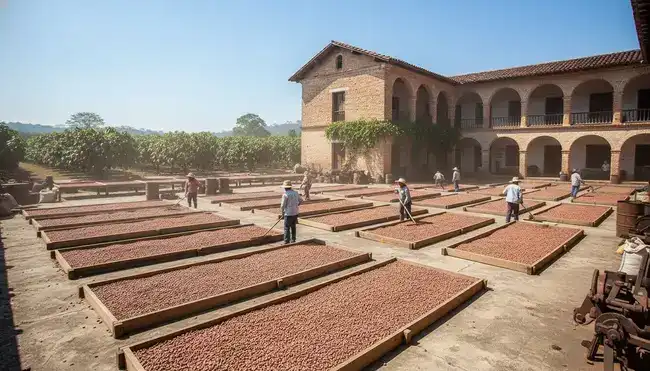 Fermentation and drying are the most critical stages — they develop 80% of chocolate’s final flavor
Every hacienda tour walks you through the same fundamental process. Understanding the stages before you arrive means you ask better questions and notice things other visitors miss.
| Stage | What Happens | Where to See It |
|---|---|---|
| 1. Harvest | Pods cut by hand with machete; only perfectly ripe pods | Plantation walk |
| 2. Pod Opening | Machete split; white pulp (baba) extracted with seeds | Plantation area |
| 3. Fermentation | Seeds in wooden boxes 5–7 days; yeasts + bacteria develop flavor | Fermentation shed |
| 4. Drying | Sun-dried on raised platforms 5–7 days; beans become brown | Drying patios |
| 5. Roasting | Drum-roasted at controlled temperature; unlocks aroma | Factory floor |
| 6. Cracking & Winnowing | Shell removed; nibs separated by air current | Processing area |
| 7. Grinding | Nibs ground into liquid “cocoa mass” (pasta de cacao) | Factory floor |
| 8. Conching & Tempering | Sugar/milk added; chocolate refined and stabilized | Factory floor |
The single most important stage is fermentation. This is where 80% of chocolate’s final flavor profile develops. A poorly fermented bean cannot be rescued at the roasting stage. When the hacienda guide opens the fermentation box and asks you to smell it — do it. The sharp, fruity-alcoholic aroma of properly fermenting cacao is unforgettable.
The tasting at Stage 2 (baba de cacao) is one of the route’s signature experiences. The white pulp surrounding the raw seeds is sweet, tropical, and fruity — nothing like what you would expect from a chocolate ingredient. Travelers consistently report this as the most surprising moment of the tour.
The Three Main Haciendas: Comparison Guide
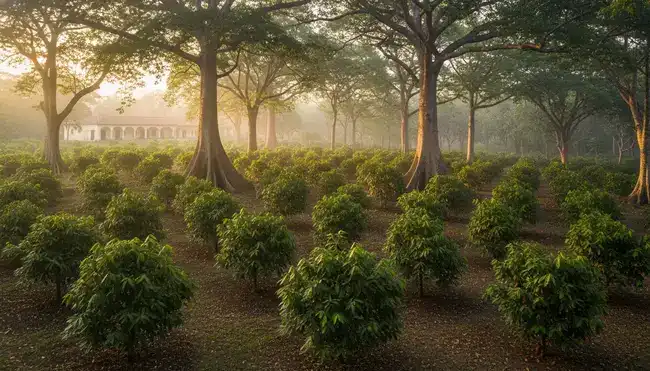 The hacienda landscape: working cacao groves, colonial-era architecture, and jungle understory
Three estates dominate the Ruta del Cacao circuit. Each has a different emphasis — choose based on what matters most to you.
Hacienda Jesús María (CACEP)
Best for: The complete farm-to-factory experience + authentic guide
Located approximately 8 km from Comalcalco town, CACEP stands out for one specific distinction: it is the only estate on the entire Ruta del Cacao that processes cacao all the way into finished candy products on-site. Other haciendas stop at the bar stage. CACEP goes further — their signature tasting flight takes you from raw pod to gourmet tamarind-filled chocolate candies in one continuous experience.
The guide Don Florencio is an institution. He has been leading tours for over 20 years and knows both the agricultural science and the Mayan cultural history of the crop in equal depth. On weekends, ask for him specifically.
- Tour duration: 2–2.5 hours
- Entry fee: ~$200–$350 MXN per person
- Hours: Mon–Sat 9:00 AM–5:00 PM; Sunday the plantation is accessible but the factory machines run only weekdays
- Highlight: 8-stage tasting flight; raw Criollo pod tasting; factory production line
For the full CACEP deep-dive including transport directions and photography tips, see our Hacienda Jesús María guide.
Hacienda La Luz (Wolter Museum)
Best for: History, architecture, and the chocolate museum
Located practically within Comalcalco’s urban area, Hacienda La Luz is the most accessible of the three. Founded by German immigrant Otto Wolter Hayer in the early 1930s, it spans 50 hectares with approximately 26 hectares under active cacao cultivation.
The estate features the most developed museum experience on the route — the Wolter Chocolate Museum documents the history of cacao from the Olmec period through the colonial hacienda era to modern artisan production. Photography allowed throughout.
- Tour duration: 1.5–2 hours
- Entry fee: ~$150–$250 MXN per person
- Hours: Daily 9:00 AM–5:00 PM
- Highlight: Colonial architecture; Museum of Chocolate; garden walking paths; gift shop with the widest product range
For current tour pricing and a preview of the estate gardens, see our Hacienda La Luz guide.
Finca Cholula
Best for: Quieter experience, smaller crowds, more intimate grove time
Finca Cholula offers a more boutique option than the “Big Two.” Visitor numbers are lower — which means more time with your guide, more space in the fermentation shed, and a more personal experience in the cacao grove. The tour covers the same fundamental process but in a calmer atmosphere.
- Tour duration: 1.5 hours
- Entry fee: ~$120–$200 MXN per person
- Hours: Mon–Sat 9:00 AM–4:00 PM
- Highlight: Small-group experience; less tourist infrastructure (which is a feature, not a bug)
Quick Comparison
| Jesús María (CACEP) | La Luz (Wolter) | Finca Cholula | |
|---|---|---|---|
| Distance from Comalcalco | ~8 km | In town | ~5 km |
| Tour depth | ★★★★★ | ★★★★☆ | ★★★☆☆ |
| Museum | Production-focused | Full history museum | Minimal |
| Architecture | Colonial hacienda | Colonial + Modern | Working farm |
| Factory visit | ✅ Full production | ✅ Limited | ❌ |
| Crowd level | Moderate | Moderate-busy | Low |
| Finished candy products | ✅ | ✅ | Limited |
The Archaeological Anchor: Comalcalco Ruins
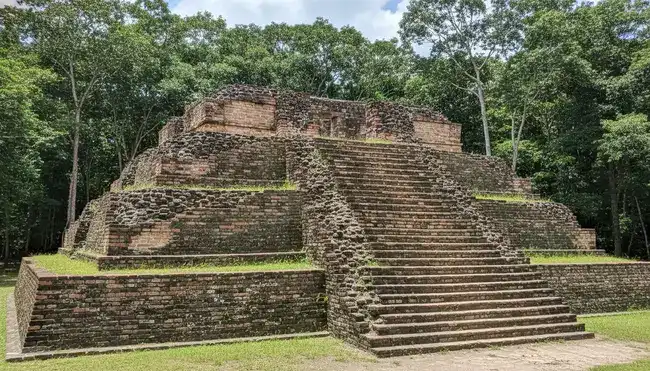 Comalcalco: the only city in the Maya world built entirely of fired clay bricks
Start your route here. The Comalcalco Archaeological Zone is the westernmost outpost of the Mayan empire — and structurally unlike any other Mayan site in Mexico. You can explore Mexico tours on Viator.
Because the alluvial plains of Tabasco have no natural stone, the architects of ancient Comalcalco built their pyramids, palaces, and temples from fired clay bricks bonded with lime mortar mixed with oyster shells. It is the only brick city in the Maya world. You can still see ancient graffiti fired into some of the original bricks — everyday images (faces, animals, handprints) that workers scratched in before firing.
The site also contains the most direct physical evidence of the cacao-currency connection: friezes and pottery in the site museum depict cacao beans in ritual and commercial contexts, reinforcing the link between Comalcalco’s commercial power and cacao production in the surrounding region.
Practical: Admission is approximately $90 MXN for international visitors. Budget 1.5–2 hours. Open Tuesday–Sunday 9:00 AM–4:00 PM. Bring water and sunscreen — there is almost no shade on the main pyramid plaza.
For archaeology depth, our full Comalcalco Ruins guide covers the site’s history, layout, and what to see first.
Tabasco Food on the Cacao Route
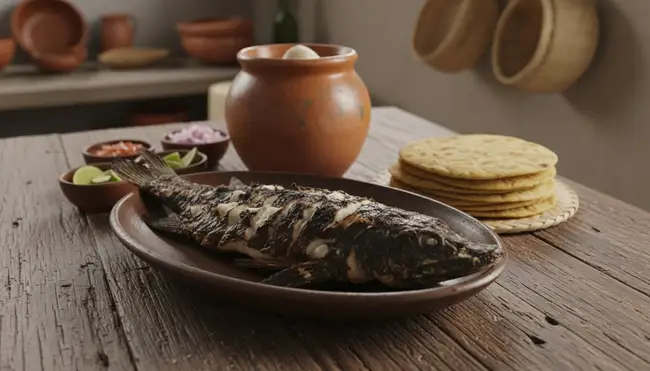 Pejelagarto and Pozol — the two dishes no first-time Tabasco visitor should miss
Tabasco’s cuisine is among the most distinctive in Mexico and almost completely unknown to international visitors. Use the route to eat as seriously as you tour.
The Cacao Drinks
Pozol and Polvillo are the ancient energy drinks of the region, both made from corn and cacao. They look similar but taste completely different:
| Drink | Base | Flavor | Best For |
|---|---|---|---|
| Pozol | Fermented corn dough + raw cacao + water | Sour, gritty, heavy | The authentic indigenous experience |
| Polvillo | Toasted corn + toasted cacao (powder) | Sweet, chocolatey, smooth | First-time visitors |
| Tejate | Cacao + corn + mamey seeds | Frothy, complex | Closest to Maya preparation |
All three are sold from large clay pots at roadside stands. Ask for a glass (usually $15–$25 MXN). If you want to make Polvillo at home, our Polvillo recipe guide has the full authentic method.
Regional Dishes Not to Miss
Pejelagarto (Atractosteus tropicus): A prehistoric alligator garfish that has survived essentially unchanged since the Cretaceous era. Grilled whole over wood, it is the signature dish of Tabasco — the bones are thick and the meat is firm and flavorful. Do not leave without eating one. Most restaurants along the route serve it whole or as a soup with chipilín (herb) and chaya (tree spinach).
Ostión ahumado (Smoked oyster): Freshwater oysters smoked over local hardwood. Sold by the bag at roadside stands. Richer and smokier than coastal varieties.
Garnachas tabasqueñas: Fried corn dough topped with ground meat, pickled onion, and tomato salsa. The Tabasco version uses softer, slightly thicker masa than Veracruz garnachas. Sold at markets and street stalls from about $15 MXN each.
Chipilín tamales: Corn tamales stuffed with chipilín herb and soft white cheese. Chipilín has a slightly bitter, grassy flavor unique to southern Mexico — it grows wild in the fields between the cacao trees.
For a deeper dive into what Tabasco’s capital offers gastronomically, our Villahermosa travel guide covers the best restaurants and food markets.
Sample Itineraries
1-Day Itinerary (Most Common)
| Time | Activity | Notes |
|---|---|---|
| 8:00 AM | Leave Villahermosa by ADO bus or rental car | ADO departs every 30 min from terminal |
| 9:00 AM | Comalcalco Archaeological Zone | 1.5–2 hours; open from 9 AM |
| 11:00 AM | Hacienda Jesús María (CACEP) tour | 2 hours; book ahead on weekends |
| 1:30 PM | Lunch in Comalcalco town | Pejelagarto + garnachas |
| 3:00 PM | Hacienda La Luz tour (optional) | 1.5 hours if energy remains |
| 4:30 PM | Shopping at hacienda gift shops | CACEP candy; Wolter Museum chocolate |
| 5:30 PM | Return to Villahermosa | ADO or rental return |
2-Day Itinerary (Recommended)
Day 1: Villahermosa → Comalcalco (ruins + Hacienda Jesús María + Hacienda La Luz) → overnight in Comalcalco
Day 2: Morning: Finca Cholula → drive north 20 minutes to Paraíso and Puerto Ceiba → boat tour through Mecoacán Lagoon mangroves → lunch at the Corredor Gastronómico Puerto Ceiba → return to Villahermosa
The coastal extension to Paraíso is worth the extra day. The Mecoacán Lagoon boat tours offer a completely different ecosystem experience from the cacao plantations — and the freshness of the seafood along the coast is extraordinary. Full details in our Paraíso Tabasco guide.
Budget Breakdown
| Expense | Budget Traveler | Mid-Range | Splurge |
|---|---|---|---|
| Comalcalco Ruins entry | $90 MXN | $90 MXN | $90 MXN |
| Hacienda tour (1 hacienda) | $200 MXN | $300 MXN | $350 MXN |
| Hacienda tour (2 haciendas) | $350 MXN | $550 MXN | $700 MXN |
| Lunch (Comalcalco) | $80–120 MXN | $150–200 MXN | $300+ MXN |
| Chocolate purchases | $100 MXN | $300 MXN | $500+ MXN |
| Transport (Villahermosa round trip) | $120 MXN (ADO) | $150 MXN (ADO) | $600+ MXN (car/taxi) |
| Typical full-day total (per person) | ~$700 MXN ($35 USD) | ~$1,300 MXN ($65 USD) | ~$2,000+ MXN ($100+ USD) |
Combine this with our Mexico Travel Budget guide for full trip cost planning including flights and accommodation from the US, Canada, and Europe.
What to Buy: Chocolate Shopping Guide
The hacienda gift shops are where to spend your souvenir budget. What is actually worth buying:
Best purchases at CACEP (Jesús María):
- Tamarind-filled chocolates — the signature product; not sold elsewhere in this form
- Cacao nibs (small bag) — excellent for baking or adding to coffee; lightweight for travel
- Criollo Almendra Blanca bar (unflavored) — tastes the pure bean without additions
Best purchases at Hacienda La Luz:
- Cacao powder (Wolter brand) — high-quality; better than supermarket varieties
- Cacao paste block (pasta de cacao) — for serious home chocolate makers
- Chocolate liqueur — local specialty; small bottles travel well
Skip:
- Generic “artisan” chocolates in tourist packaging near the ruins entrance — they are the same supermarket product repackaged
- Any chocolate in paper packaging without foil liner — it will melt in transit
How to Get to Comalcalco
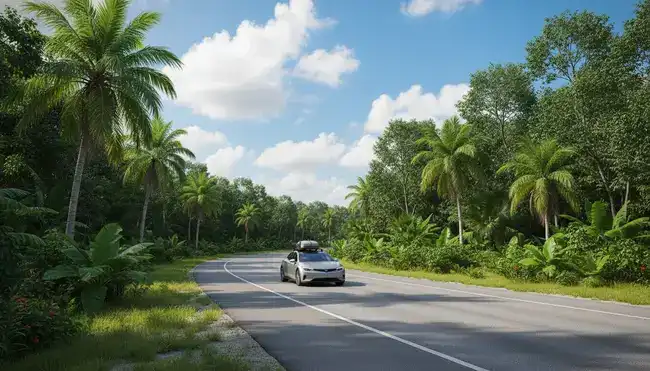 Highway 187 from Villahermosa to Comalcalco passes through small agricultural towns and roadside cacao stands
From Villahermosa
| Option | Cost | Time | Notes |
|---|---|---|---|
| ADO bus | $60–$80 MXN | 45–60 min | Departs Villahermosa terminal every 30 min; AC; reliable |
| Rental car | $400–$700 MXN/day + fuel | 45 min | Best for multiple haciendas; parking at all estates |
| Private taxi | $350–$500 MXN one-way | 45 min | Negotiate round trip with wait ($800–$1,200 MXN) |
| Colectivo van | $40–$60 MXN | 60 min | Departs from Mercado Pino Suárez area; more local experience |
From within Comalcalco to haciendas: Motorcycle taxis (mototaxis) are the local solution — $30–$60 MXN to any hacienda. They wait outside the ADO terminal in Comalcalco.
Getting to Villahermosa
Fly into Villahermosa International Airport (VSA). Direct flights from Mexico City take 1.5 hours. From the US, connections through CDMX, Monterrey, or Cancun work well.
If you are coming from Palenque (2 hours east) or Coatzacoalcos (2 hours west by highway), the route integrates well into a broader Gulf Coast itinerary. Our Coatzacoalcos Veracruz guide covers the Gulf Coast approach from Veracruz state.
Where to Stay
Most international visitors base themselves in Villahermosa and day-trip to the cacao region. Staying in Comalcalco offers an early start advantage but significantly fewer accommodation options.
In Villahermosa
The “Villahermosa 2000” district concentrates most international-standard hotels, malls, and restaurants. It is modern, safe, and practical.
Luxury option: Quinta Real Villahermosa — roughly 45 minutes from the cacao fields but offers the best service in the state. Architecture nods to regional heritage. Pool, spa, excellent restaurant. From ~$110 USD/night. Our full review: Quinta Real Villahermosa.
Mid-range: Holiday Inn Express Villahermosa — reliable, clean, closer to the airport. Includes breakfast. A practical choice if you are treating this as a one-day circuit stop rather than a destination stay.
In Comalcalco
Budget hotels near the town center work for an early-start strategy. Ask locally — many are not listed on international booking platforms.
Extending the Route North to the Coast
 From cacao jungle to mangrove coast — the full route spans 70 km
From Comalcalco, continue north on Highway 187 for 20–25 minutes to reach Paraíso and Puerto Ceiba. The landscape transitions from tropical plantation to Gulf Coast estuary. You can compare car rental prices on RentCars for the best deals.
At Puerto Ceiba, the Corredor Gastronómico — a strip of seafood restaurants built on stilts over the mangrove lagoon — offers one of the most dramatically situated lunches in Tabasco. Order the grilled pejelagarto or the daily catch, and take a boat tour on Viator of the Mecoacán Lagoon mangroves before or after eating.
The red mangrove tunnels here are less famous than Sontecomapan in Veracruz but equally beautiful, and you will share them with almost no other visitors.
Complete logistics and coastal itinerary in our Paraíso Tabasco guide.
Common First-Timer Mistakes
- Trying to do every hacienda in one day. Two stops plus Comalcalco ruins is usually the realistic maximum.
- Assuming every tour has English by default. Spanish is the norm, so ask ahead if you need English.
- Wearing sandals. Plantation paths can be muddy even outside peak rainy season.
- Skipping cash. Cards work at some main stops, but roadside food, mototaxis, and smaller purchases still often run on cash.
- Going in peak afternoon heat. Start with the ruins or your first hacienda early, then leave shopping and lunch for later.
Practical Information at a Glance
| Detail | Info |
|---|---|
| Hub city | Comalcalco, Tabasco (45 min from Villahermosa VSA) |
| Comalcalco Ruins | Tue–Sun 9 AM–4 PM; ~$90 MXN admission |
| Hacienda Jesús María | Mon–Sat 9 AM–5 PM; ~$200–350 MXN per person |
| Hacienda La Luz | Daily 9 AM–5 PM; ~$150–250 MXN per person |
| Best season | November–April (dry season) |
| Festival del Chocolate | Mid-November in Villahermosa |
| Currency | Cash preferred at haciendas and roadside food; major haciendas accept cards |
| Language | Guides at main haciendas speak Spanish; English available with advance booking |
| What to wear | Closed-toe shoes (mud on plantation paths), light long sleeves (sun + insects) |
Conclusion
The Ruta del Cacao is what Mexico travel should look like more often: an authentic, working industry with deep pre-Hispanic roots, accessible to visitors who want something beyond beaches and ruins. You leave with a completely different relationship to the bar of chocolate in your hand.
One hacienda is enough for a meaningful day trip. Two haciendas plus the Comalcalco ruins is the ideal full-day combination. Add the coastal extension to Paraíso and you have a two-day circuit with enough variety to justify calling it a proper destination.
For the complete Tabasco experience — including Villahermosa city highlights, the Comalcalco ruins, and the coastal extension to Paraíso — use this pillar as your planning hub and follow the individual cluster guides for each stop.