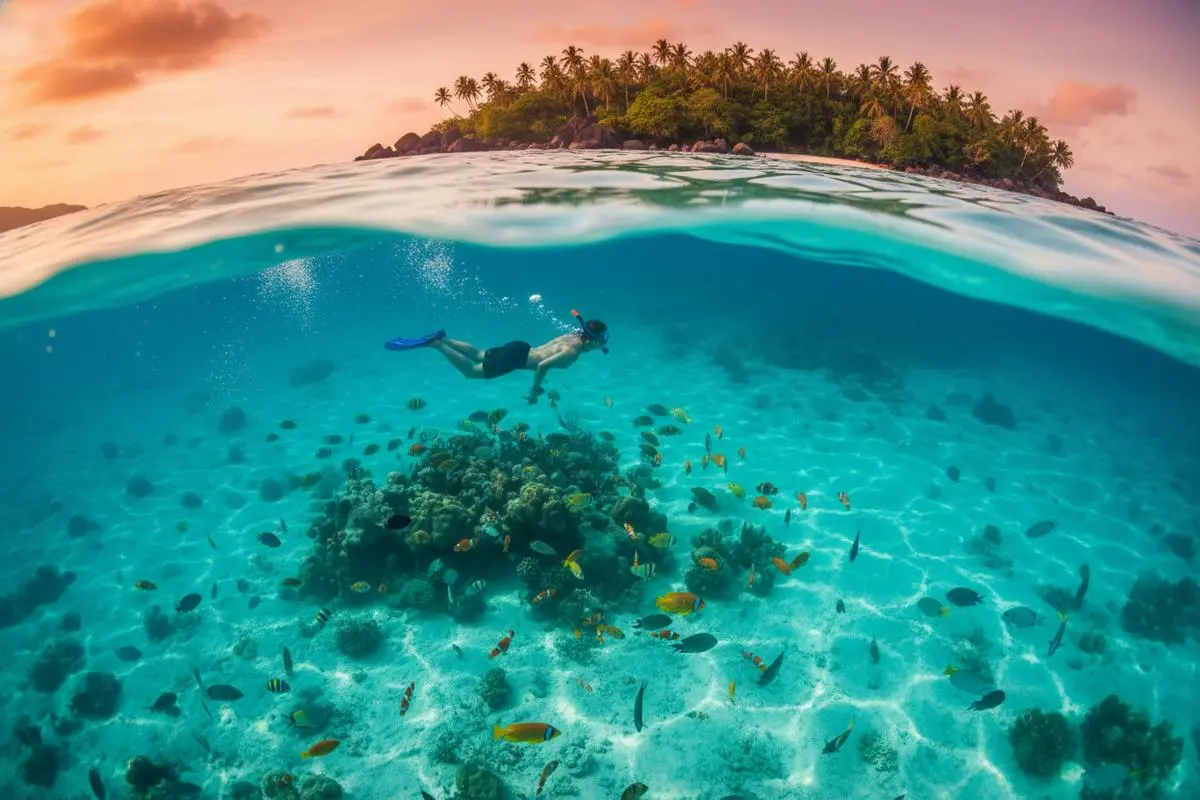
Best Snorkeling and Diving Spots in Mexico: Complete Guide
Best Snorkeling and Diving Spots in Mexico: Complete Guide You can explore Cancun tours on Viator.
Mexico offers some of the world’s most diverse and spectacular underwater environments. From the coral gardens of the Mesoamerican Barrier Reef to the otherworldly cenote cave systems of the Yucatan, and from the marine-rich waters of the Sea of Cortez to the Pacific coast’s encounter zones with pelagic giants, Mexico is a diver’s and snorkeler’s paradise.
Few places on Earth offer the underwater diversity of Mexico, where you can snorkel with whale sharks in the morning and explore ancient flooded cave systems in the afternoon.
I’ve been diving and snorkeling Mexico’s waters for years, and the experiences never get old. Whether you’re a first-time snorkeler wanting easy reef access or an advanced diver seeking technical cave exploration, Mexico delivers world-class underwater adventures at every level.
Part of our comprehensiveMexico Ecotourism and Adventure Travel Guide
Why Mexico is a World-Class Dive Destination
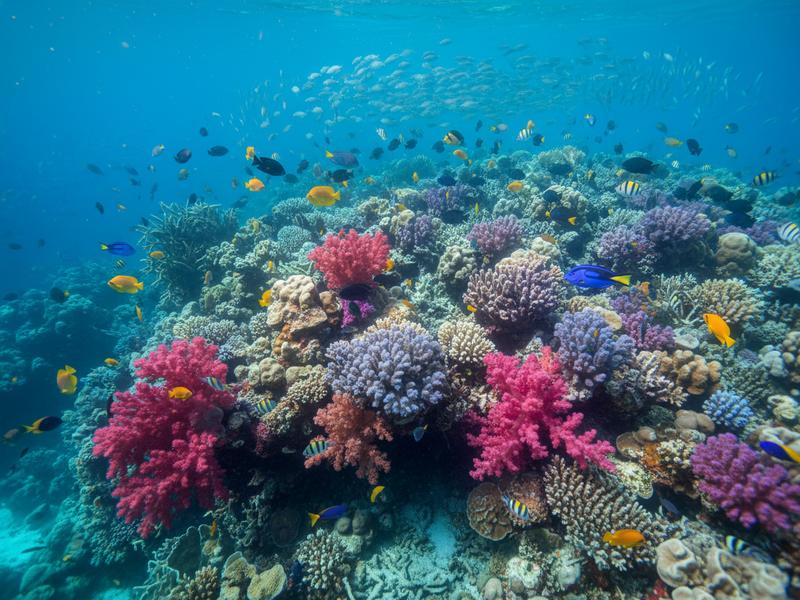
Mexico’s unique geography creates exceptional diving conditions:
- Mesoamerican Barrier Reef: The world’s second-largest reef system stretches along Mexico’s Caribbean coast
- Cenote Cave Systems: Thousands of freshwater sinkholes connect to the world’s largest underwater cave network
- Sea of Cortez: Called the “World’s Aquarium” by Jacques Cousteau for its incredible biodiversity
- Pacific Pelagics: Seasonal migrations bring whale sharks, mantas, and humpback whales
- Year-Round Diving: Warm water temperatures allow comfortable diving throughout the year
Best Snorkeling and Diving in the Riviera Maya
1. Cozumel Island
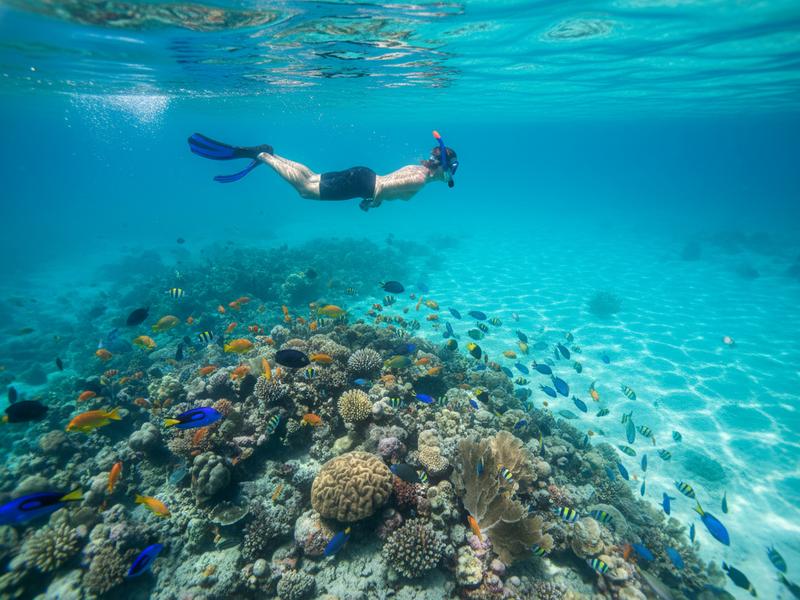
Cozumel is Mexico’s premier diving destination and one of the top dive sites in the world. The island’s position along the Mesoamerican Barrier Reef creates exceptional visibility and diverse marine life.
Top Dive Sites:
- Palancar Reef: Massive coral formations, tunnels, and abundant marine life (all levels)
- Santa Rosa Wall: Dramatic drop-off with eagle rays, turtles, and reef sharks (intermediate)
- Columbia Deep: Coral towers and large pelagics (advanced)
- Chankanaab: Easy shore snorkeling with abundant fish
Marine Life: Sea turtles, eagle rays, nurse sharks, moray eels, barracuda, and hundreds of tropical fish species.
Conditions: Visibility 20-40 meters; water temperature 25-29C; drift diving common due to currents.
Best For: Both snorkelers and divers of all levels
2. Cenote Diving (Tulum and Playa del Carmen Area)
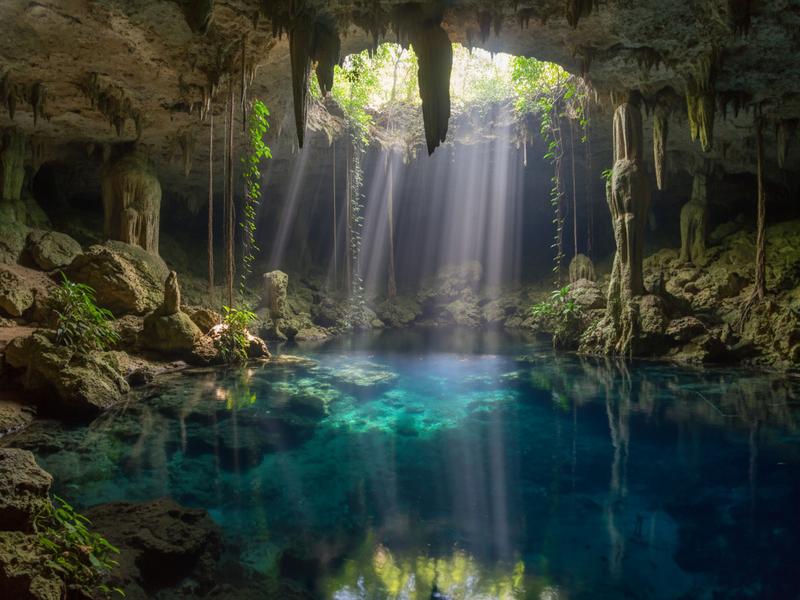
The Yucatan Peninsula sits above the world’s largest underwater cave system, with thousands of cenotes providing access to a subterranean wonderland. Cenote diving is unlike anything else on Earth.
Top Cenote Dive Sites:
- Dos Ojos: Two connected cenotes with stunning light effects (open water certified)
- The Pit: 119-meter deep sinkhole with halocline and hydrogen sulfide cloud (advanced)
- Angelita: Famous for its underwater “river” of hydrogen sulfide (advanced)
- Gran Cenote: Easy cavern dive with excellent visibility and formations (all levels)
- Casa Cenote: Unique mangrove and ocean connection with diverse marine life
Unique Features: Crystal-clear visibility (often 100+ meters), stalactites and stalagmites, haloclines where fresh and salt water meet, ancient fossils.
Requirements: Open water certification for cavern dives; cave certification required for full penetration dives.
Best For: Experienced divers seeking unique environments; snorkelers can enjoy many cenotes too.
3. Puerto Morelos Reef
This national marine park near Puerto Morelos offers excellent reef diving with less crowding than Cozumel, plus easy snorkeling access from shore.
Top Sites:
- Shallow reef system perfect for snorkeling
- Coral gardens with abundant juvenile fish
- Night diving for octopus and lobster
Marine Life: Barracuda, sea turtles, rays, moray eels, and dense tropical fish populations.
Best For: Snorkelers and beginner divers; families.
4. Akumal Bay
Famous for its resident green sea turtle population, Akumal offers easy snorkeling with excellent turtle encounter opportunities.
Experience: Wade in from the beach and snorkel over seagrass beds where turtles feed. Guided tours on Viator help minimize impact on turtles.
Best For: Snorkelers wanting guaranteed turtle sightings; families with children.
Note: Conservation regulations now require guided visits during peak hours to protect the turtles.
Best Snorkeling and Diving in Baja California
5. Sea of Cortez (La Paz)
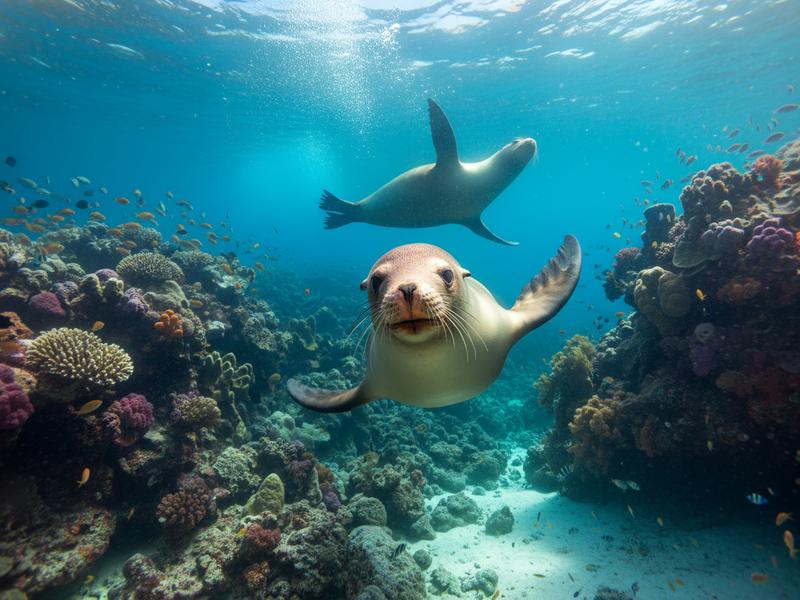
The waters around La Paz offer some of Mexico’s most diverse marine encounters, from playful sea lions to massive whale sharks.
Top Experiences:
- Espiritu Santo Island Sea Lions: Snorkel with a colony of curious, playful sea lions
- Whale Shark Encounters: October-May brings the world’s largest fish for snorkeling encounters
- Mobula Ray Migrations: Massive schools pass through seasonally
- El Bajo Seamount: Hammerhead shark aggregation site (experienced divers)
Marine Life: Sea lions, whale sharks, manta rays, hammerhead sharks, sea turtles, dolphins, and incredible fish diversity.
Best Season: October-May for whale sharks; year-round for sea lions.
Best For: Marine life enthusiasts; both snorkelers and divers.
6. Cabo Pulmo National Park
This marine protected area on Baja’s East Cape is one of the ocean’s greatest conservation success stories. After declaring protection in 1995, fish populations have increased by over 460%.
Top Dive Sites:
- El Bajo: Massive schools of bigeye jacks forming “jack tornados”
- El Vencedor: Coral reef with excellent variety
- Las Barracas: Rocky reef with giant groupers
Marine Life: Huge schools of fish, bull sharks, manta rays, sea turtles, and recovering coral ecosystems.
Best For: Divers seeking abundant marine life; conservation-minded travelers.
7. Socorro Islands (Revillagigedo)
For advanced divers, these remote volcanic islands offer legendary encounters with giant oceanic manta rays, dolphins, and multiple shark species. Accessible only via liveaboard.
Marine Life: Giant oceanic mantas (up to 7m wingspan), bottlenose dolphins, whale sharks, hammerhead sharks, silky sharks, and occasionally humpback whales.
Requirements: Advanced certification; 4-5 day liveaboard trips from Cabo San Lucas.
Best For: Experienced divers seeking world-class pelagic encounters.
Best Snorkeling and Diving on the Pacific Coast
8. Banderas Bay (Puerto Vallarta)
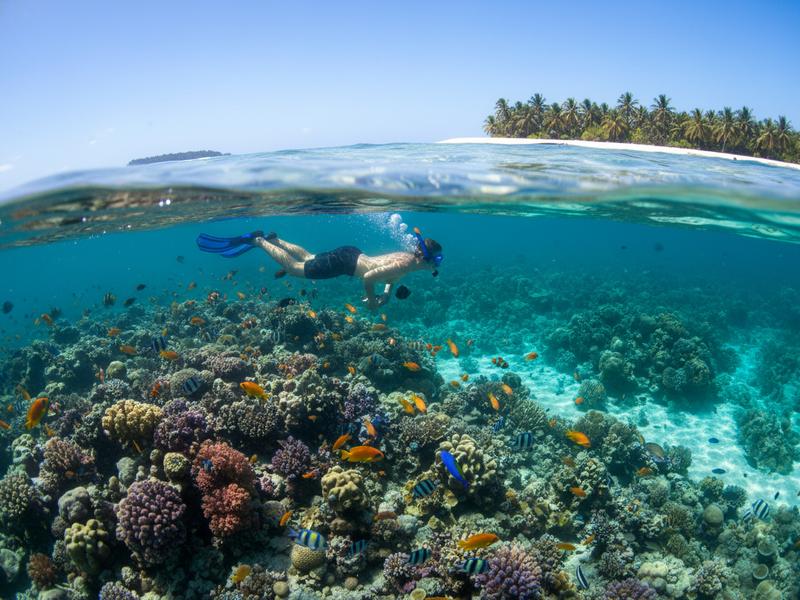
The large bay shared by Puerto Vallarta and Riviera Nayarit offers diverse diving and snorkeling opportunities.
Top Sites:
- Marietas Islands: Protected marine sanctuary with excellent snorkeling
- Los Arcos: Rocky islands with tunnels, caves, and diverse marine life
- El Morro: Deeper site with manta rays and large fish
- Majahuitas: Pristine bay with easy snorkeling
Seasonal Bonus: Humpback whales December-March; manta rays in summer months.
Best For: Mixed groups with snorkelers and divers.
9. Huatulco Bays (Oaxaca)
The nine bays of Huatulco offer excellent snorkeling and diving with fewer crowds than Caribbean destinations.
Top Sites:
- La Entrega Bay (easy snorkeling from beach)
- San Agustin Bay (pristine coral formations)
- Cacaluta Bay (secluded snorkeling)
Marine Life: Tropical fish, sea turtles, rays, and occasional whale sharks.
Best For: Snorkelers seeking uncrowded spots; intermediate divers.
Seasonal Wildlife Encounters
Mexico’s waters host incredible seasonal migrations:
Whale Sharks
- Isla Holbox/Isla Mujeres: June-September (largest aggregation in the world)
- La Paz, Sea of Cortez: October-May
Bull Sharks
- Playa del Carmen: November-March (famous bull shark dive)
Sailfish
- Isla Mujeres: December-March (spectacular bait ball encounters)
Manta Rays
- Socorro Islands: November-May (giant oceanic mantas)
- Banderas Bay: May-November
Snorkeling vs. Diving: What’s Right for You?
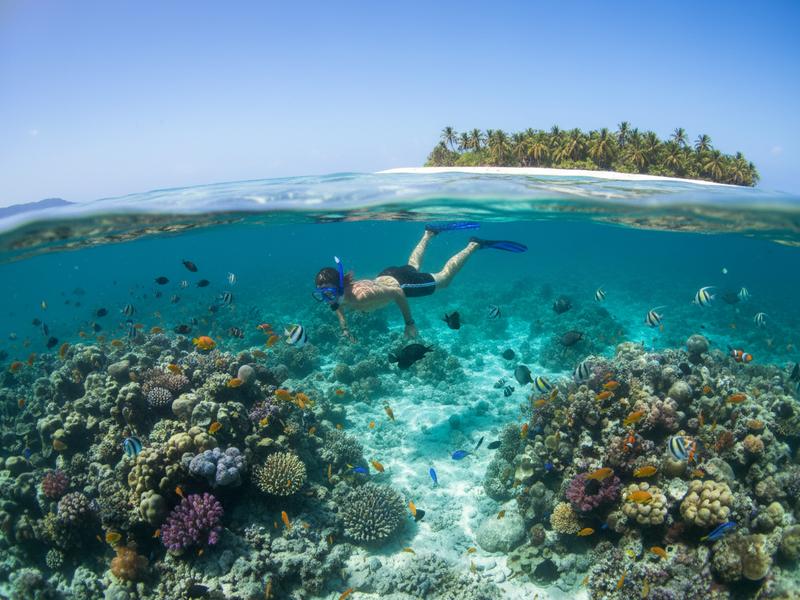
Best Spots for Snorkeling
- Akumal: Guaranteed turtle encounters in shallow water
- Cozumel (Chankanaab): Easy shore access with abundant fish
- Espiritu Santo (Sea Lions): Playful sea lion encounters
- Cenotes: Crystal-clear freshwater with stunning formations
- Marietas Islands: Protected marine sanctuary
- Puerto Morelos: Easy reef access from beach
Best Sites Requiring Diving Certification
- Cozumel Walls: Spectacular coral walls and drift diving
- Cenote Cave Systems: Underground rivers and formations
- Bull Shark Dives: Close encounters with these impressive predators
- El Bajo (La Paz): Hammerhead shark aggregations
- Socorro Islands: Giant mantas and pelagic species
Getting Certified in Mexico
Mexico is an excellent place to learn to dive, with numerous PADI and SSI certified shops offering courses in English and Spanish.
Popular Certification Locations:
- Cozumel: Excellent visibility and calm conditions
- Playa del Carmen: Combine reef and cenote diving
- Puerto Vallarta: Affordable certification packages
- La Paz: Learn amidst incredible marine life
Typical Costs:
- Open Water Certification: $350-500 USD
- Advanced Open Water: $250-400 USD
- Cavern Certification: $300-450 USD
Conservation and Responsible Diving
Mexico’s marine ecosystems face pressures from tourism and climate change. Practice responsible diving:
- Use reef-safe sunscreen: Required in many marine parks
- Maintain buoyancy: Avoid touching corals or stirring sediment
- Respect marine life: Maintain appropriate distances; never chase animals
- Choose responsible operators: Support conservation-minded dive shops
- Reduce plastic: Bring reusable water bottles and avoid single-use plastics
What to Bring
- Mask and snorkel: Personal gear ensures proper fit
- Certification card: Required for all diving
- Reef-safe sunscreen: Biodegradable, non-nano zinc oxide
- Rash guard: Sun protection and wetsuit comfort
- Underwater camera: GoPro or waterproof housing
- Dive log: Document your experiences
Best Time for Diving in Mexico
- Caribbean Coast: Year-round; best visibility April-September
- Sea of Cortez: Year-round; whale sharks October-May
- Pacific Coast: November-May (calmest conditions)
- Socorro Islands: November-May (manta season)
Explore More Ocean Adventures
- The Ultimate Guide to Mexico Ecotourism and Adventure Travel
- Whale Watching in Mexico: Complete Season and Location Guide
- Kayaking and Paddleboarding in Mexico
- Best Eco-Lodges in Mexico
- Wildlife Sanctuaries in Mexico
Snorkeling and Diving in Mexico: Final Thoughts
Mexico’s underwater world offers experiences that rank among the best on Earth. Whether you’re snorkeling with sea turtles in Akumal, descending through light beams in a cenote cathedral, drifting past Cozumel’s spectacular walls, or swimming alongside whale sharks in the open ocean, Mexico delivers marine encounters that stay with you forever.
The diversity is remarkable: the world’s second-largest barrier reef, the planet’s most extensive underwater cave system, and a sea so rich in life that one of history’s greatest oceanographers called it an aquarium. For underwater enthusiasts, Mexico isn’t just a destination; it’s a revelation of what the ocean can offer when ecosystems are protected and appreciated.
Plan your underwater adventures around the seasonal wildlife migrations, choose operators committed to conservation, and prepare to have your expectations exceeded. Mexico’s marine world awaits.