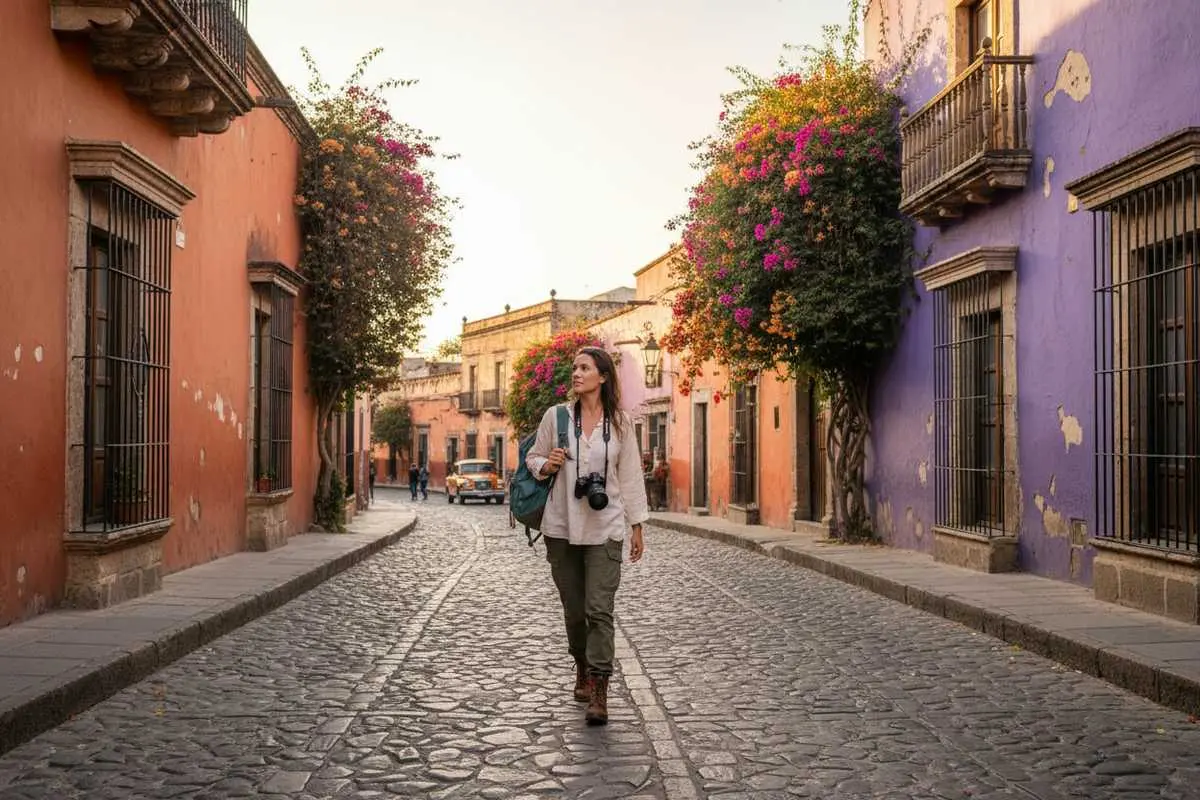
Solo Female Travel in Mexico: 12 Safe Places 2026
Yes, solo female travel in Mexico can be safe in 2026 if you choose the right cities. The best first-trip picks are Mérida, Oaxaca City, San Miguel de Allende, San Cristóbal de las Casas, and Puerto Vallarta. The places to avoid are not a mystery either: states with persistent Level 4 warnings like Guerrero, Tamaulipas, and parts of Sinaloa are bad bets whether you are solo, with a partner, or in a group.
Fast answer: if this is your first solo trip to Mexico, book a well-reviewed hotel or women-friendly hostel in Mérida, Oaxaca City, or San Miguel de Allende, stay in the walkable center, and use Uber or DiDi at night. If you want the full country-level breakdown first, read is Mexico safe?, the Mexico travel advisory 2026, and our list of the safest cities in Mexico.
My sister has traveled across Mexico alone. My mom took solo trips to Oaxaca and Chiapas before I was born. My cousins, my friends’ wives, and my colleagues do the same. Mexican women live, work, and move around this country every day. I mention that because a lot of search results frame solo female travel in Mexico like it is reckless by default. It isn’t.
What matters is matching your trip to the right place and the right habits. Stay in walkable central neighborhoods, book well-reviewed accommodation, use Uber or DiDi at night, and build your route around destinations that already have a strong solo-traveler rhythm instead of forcing a beach party town or a higher-risk border state.
This guide is written by a Mexican man who grew up watching the women in his life navigate this country confidently. I combined their advice with what I know from living here and built the guide I’d want my sister to read before her first solo trip.
Solo Female Travel in Mexico in 30 Seconds
| If you want… | Best pick | Why it works |
|---|---|---|
| The safest big-city base | Mérida | Lowest-crime large city in Mexico, walkable centro, easy day trips |
| The easiest first solo trip | San Miguel de Allende | Small, polished, social, and easy to navigate on foot |
| Culture + food + easy social scene | Oaxaca City | Great cafés, cooking classes, day tours, and plenty of other solo travelers |
| Cheapest backpacker-friendly option | San Cristóbal de las Casas | Easy to meet people, compact center, low daily costs |
| Beach destination with city comforts | Puerto Vallarta | Walkable tourist zones, strong social scene, reliable rideshares |
| Quiet Yucatán base | Valladolid or Bacalar | Smaller, slower, and easy to handle on a first solo trip |
Fast verdict: If this is your first solo trip to Mexico, pick Mérida, Oaxaca City, or San Miguel de Allende. If you want beach time, choose Puerto Vallarta or Bacalar over louder party destinations. If you are wondering whether Mexico is safe for solo female travel right now, the real answer is that some destinations absolutely are, and some are absolutely not.
The Honest Truth About Safety for Women in Mexico
Let’s get the uncomfortable part out of the way.
Mexico has real safety challenges for women — feminicide (femicide) rates are unacceptably high, and gender-based violence is a serious problem the country is actively working to address. These are facts, and pretending otherwise would be dishonest.
But here’s the context most articles miss: the vast majority of violence against women in Mexico occurs within domestic settings and existing relationships, not against tourists walking through colonial cities. The risk profile for a foreign tourist visiting Mérida or Oaxaca is fundamentally different from the statistical reality Mexican women face in their daily lives.
What Solo Women Actually Face in Mexico
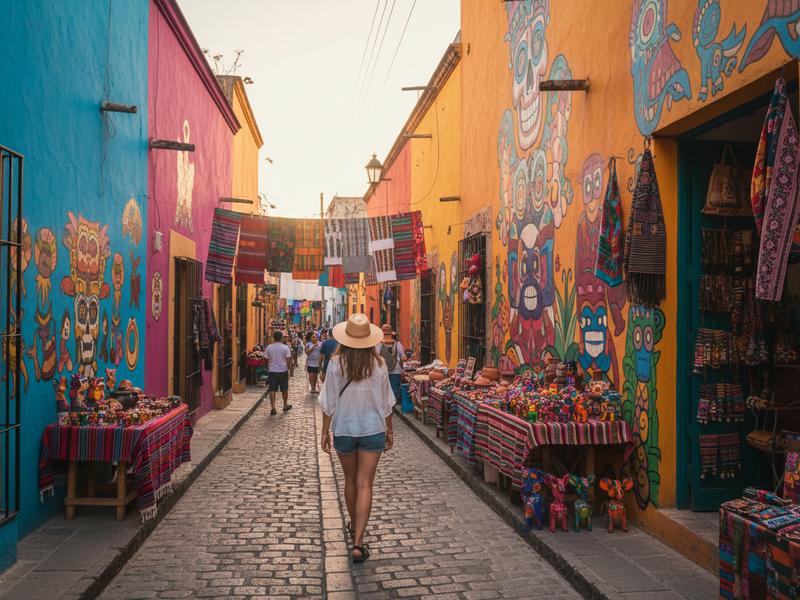
Based on conversations with dozens of women who’ve traveled Mexico solo — both Mexican and foreign — here’s what you’ll realistically encounter:
- Catcalling (piropos): Still common in some areas, especially outside major tourist zones. Usually verbal and non-threatening but annoying. Ignoring it and walking with purpose works. It’s significantly less common in tourist-friendly cities like San Miguel de Allende, Mérida, and Oaxaca’s centro.
- Unwanted attention at bars/clubs: Same as anywhere in the world. Stick with reputable venues, watch your drink, and have your exit plan.
- Taxi concerns: Street taxis can be sketchy anywhere in the world. In Mexico, Uber and DiDi solved this problem. Use them.
- Feeling “visible” as a foreigner: Blonde hair and light skin attract more attention in smaller towns. This is curiosity, not danger — but it can feel uncomfortable at first.
- Scams: These target all tourists regardless of gender. Our complete safety guide covers the six most common scams and how to avoid them.
What You Probably Won’t Face
- Random violent crime in tourist areas
- Kidnapping (this targets wealthy locals and business owners, not backpackers)
- Cartel-related violence in tourist destinations (cartels have zero interest in tourists — it’s bad for their other businesses)
The bottom line: solo female travel in Mexico is comparable in safety to solo female travel in Spain, Italy, or Greece — countries nobody questions. The key is destination choice.
12 Best Destinations for Solo Female Travelers
Not all Mexican cities are equally welcoming for solo women. These 12 consistently get recommended by women who’ve been there — ranked by overall solo-female-friendliness.
1. Oaxaca City — The Solo Traveler’s Paradise
Why it’s perfect: Oaxaca is arguably the best city in all of Mexico for solo female travelers. The walkable centro, incredible food scene, thriving art community, and endless cooking classes and mezcal tastings create an environment where meeting other travelers is effortless.
Solo-friendly highlights:
- Cooking classes at IAGO and local homes (instant social connections)
- Hierve el Agua day trips with small groups
- Café culture — Oaxaca has some of Mexico’s best coffee shops, perfect for solo work or reading
- Guelaguetza festival in July (massive cultural celebration)
- Vibrant night market at Llano Park
- Strong digital nomad community
Safety notes: Very walkable centro, well-lit main streets at night. Avoid walking alone to outskirts after midnight. Uber and DiDi both work. The indigenous markets at Central de Abastos are safe during the day but can feel overwhelming — go early morning for the best experience.
Daily budget: $35–$55 USD ($630–$990 MXN)
Where to stay: Centro Histórico for walkability, Jalatlaco neighborhood for a local feel with proximity to everything.
2. Mérida — The Safest Big City in Mexico
Why it’s perfect: Mérida has the lowest crime rate of any large city in Mexico, making it the objectively safest choice. The centro is completely walkable, locals are famously friendly, and there’s a cultural event practically every night — free concerts in plazas, gallery openings, food festivals.
Solo-friendly highlights:
- Sunday’s “Mérida en Domingo” closes the main avenue to cars — food, music, dancing in the streets
- Day trips to Mayan ruins (Uxmal, Chichén Itzá, Kabah)
- Cenote hopping (dozens within an hour’s drive)
- Incredible food scene — poc-chuc, papadzules, sopa de lima
- Paseo de Montejo evening strolls
- Growing expat community with regular meetups
Safety notes: One of the few Mexican cities where you can genuinely walk everywhere at night in the centro without worry. Even the neighborhoods surrounding centro are very safe. The main “risk” is the heat — carry water.
Daily budget: $40–$60 USD ($720–$1,080 MXN)
Where to stay: Centro Histórico (close to everything), Santiago neighborhood (quieter, still walkable), best accommodation options.
3. San Cristóbal de las Casas — The Budget Backpacker Haven
Why it’s perfect: San Cristóbal is Mexico’s unofficial backpacker capital, which means you’ll meet other solo travelers within hours of arriving. The town is small enough to walk everywhere, the indigenous Tzotzil and Tzeltal culture is extraordinary, and it’s one of the cheapest destinations in Mexico.
Solo-friendly highlights:
- Andador Eclesiástico pedestrian street — cafés, shops, people-watching
- Day trips to San Juan Chamula (one of Mexico’s most unique experiences)
- Sumidero Canyon boat tours
- Amber jewelry shopping at the Amber Museum
- Language exchanges and hostel social events
- Surrounding indigenous villages with unique traditions
Safety notes: Very safe town center. Dress modestly when visiting indigenous communities (cover shoulders and knees). The altitude (2,200m/7,200ft) catches people off guard — acclimate for a day. Avoid the outskirts at night. First-class ADO buses to and from Tuxtla Gutiérrez airport are safe and comfortable.
Daily budget: $30–$50 USD ($540–$900 MXN)
Where to stay: Near the Andador (pedestrian street) for maximum walkability and socializing. Hostels here are excellent — many have rooftop bars and organized activities.
4. San Miguel de Allende — Culture and Community
Why it’s perfect: San Miguel has the most established expat community in Mexico, which means excellent English-language services, organized events, and a built-in social scene. The town is gorgeous — cobblestone streets, baroque architecture, and one of Mexico’s most photographed churches.
Solo-friendly highlights:
- Art galleries, workshops, and creative community
- Wine tasting in nearby Guanajuato vineyards
- Saturday organic market at San Juan de Dios Park
- Thermal hot springs (La Gruta, Escondido)
- Regular English-language events, book clubs, and dinners
- Walking tours through perfectly preserved colonial streets
Safety notes: Extremely safe town with very low crime. You’ll see women of all ages walking alone at all hours in the centro. The only “danger” is the cobblestones — wear proper shoes. The hills can be intense.
Daily budget: $50–$80 USD ($900–$1,440 MXN) — San Miguel is pricier than most Mexican destinations.
Where to stay: Centro near the Jardín (main plaza) for the best experience. The further uphill you go, the cheaper accommodation gets.
5. Guanajuato City — Magic at Every Turn
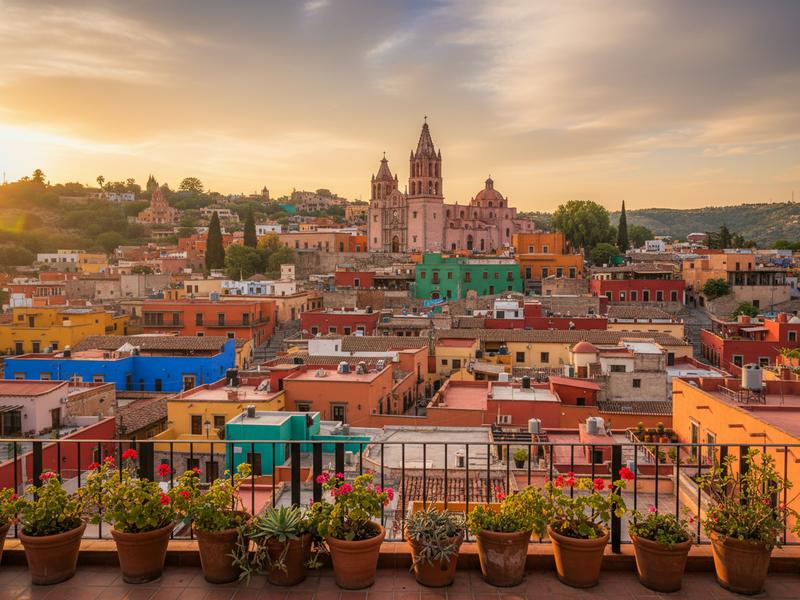
Why it’s perfect: Guanajuato is a university city, which means it’s young, lively, and incredibly social. The underground tunnels, colorful hillside houses, and student-run callejoneadas (musical street parades) make it feel like stepping into a fairy tale.
Solo-friendly highlights:
- Callejoneadas (join a student-led musical parade through the tunnels — instant friends)
- Diego Rivera Museum and incredible art scene
- Funicular ride to Pípila monument for sunset views
- Mercado Hidalgo food court (safe, delicious, cheap)
- University events, concerts, and cultural festivals year-round
- Mummy Museum (morbid but fascinating)
Safety notes: The centro is very safe and constantly busy with students. The hillside neighborhoods are safe during the day but use the funicular or a taxi at night rather than climbing dark staircases. The underground tunnels are for cars — don’t walk in them.
Daily budget: $35–$55 USD ($630–$990 MXN)
6. Querétaro — Underrated and Excellent
Why it’s perfect: Querétaro consistently ranks in Mexico’s top 3 safest cities but flies under the tourist radar. This means you get colonial beauty, excellent food, and genuine Mexican culture without the tourist crowds or inflated prices. The wine country nearby is a bonus.
Solo-friendly highlights:
- Longest aqueduct in Mexico (74 arches, lit up beautifully at night)
- Peña de Bernal day trip (the world’s third-largest monolith)
- Querétaro wine route — organized tours from the city
- Andador Libertad pedestrian shopping street
- Craft beer scene (surprisingly good)
- Jardín Zenea people-watching in the main plaza
Safety notes: Extremely safe city. The historic center is well-lit and patrolled. You can walk the centro at night without concern. Less English spoken here than in San Miguel or Oaxaca — basic Spanish is more helpful.
Daily budget: $35–$55 USD ($630–$990 MXN)
7. Puerto Vallarta — Beach Meets Culture
Why it’s perfect: Puerto Vallarta offers something most beach towns don’t — a real city with culture, excellent food, and a strong LGBTQ+ community that creates an inclusive, welcoming atmosphere. The Romantic Zone is incredibly walkable and social.
Solo-friendly highlights:
- Malecón boardwalk for evening walks, art, and street performers
- Romantic Zone for restaurants, bars, and beach access
- Whale watching (December–March)
- Boat trips to hidden beaches
- Sayulita day trip for surfing and bohemian vibes
- Strong LGBTQ+ scene creates a welcoming vibe for everyone
Safety notes: Very safe tourist area. The Romantic Zone and Malecón are busy and well-patrolled day and night. Avoid the bus station area at night. Uber works perfectly here.
Daily budget: $45–$75 USD ($810–$1,350 MXN)
8. Puebla — Food Capital on a Budget
Why it’s perfect: Puebla is one of Mexico’s most underrated cities — a UNESCO World Heritage colonial center with arguably the best food in the country (mole poblano was invented here). It’s very safe, very affordable, and the Cholula pyramid is just a short bus ride away.
Solo-friendly highlights:
- Food tours and cooking classes (mole, chiles en nogada, cemitas)
- Cholula — the world’s largest pyramid by volume, with a church on top
- Barrio del Artista (artist quarter with painters working in the street)
- Talavera pottery workshops
- Cuetzalan and Chignahuapan day trips
- Amparo Museum (one of Mexico’s best, free on Mondays)
Safety notes: Very safe centro. Puebla is a large city, so stay in the historic center for the best experience. Uber works well. The street food scene is incredibly safe — Puebla takes food seriously.
Daily budget: $35–$55 USD ($630–$990 MXN)
9. Bacalar — Lagoon Paradise
Why it’s perfect: Bacalar is a small lakeside town with a stunning seven-color lagoon. It’s quiet, safe, and attracts a mix of backpackers and wellness travelers. The vibe is laid-back — yoga at sunrise, kayaking by day, cenotes in the afternoon.
Solo-friendly highlights:
- Lagoon boat tours (mix with other travelers)
- Cenote Azul swimming
- Kayaking and paddleboarding
- Fort of San Felipe (pirate history museum)
- Sunset from any lakeside restaurant
- Small enough that you’ll keep running into the same people
Safety notes: Very safe — it’s a small town with a tourist economy. The main strip along the lagoon is well-lit. Book accommodation with lagoon access — some hostels have direct kayak access.
Daily budget: $40–$60 USD ($720–$1,080 MXN)
10. Valladolid — Small Town, Big Charm
Why it’s perfect: Valladolid is the perfect base for exploring the Yucatán without the crowds of Tulum or Cancún. It’s a charming colonial town with painted buildings, cenotes literally inside the town, and a slower pace that many solo travelers find relaxing after big-city travel.
Solo-friendly highlights:
- Cenote Suytún and Cenote Oxmán nearby
- Cenote Saamal inside town
- Convent of San Bernardino de Siena evening light show
- Easy day trip to Chichén Itzá (40 min), Ek Balam, and Las Coloradas near Río Lagartos
- Calzada de los Frailes — the prettiest walking street in the Yucatán
- Excellent Yucatecan food at local restaurants
Safety notes: Extremely safe. This is a small Yucatecan town — you can walk everywhere at any hour. The only note is that the cenotes outside of town require a taxi or rental bike — arrange return transport in advance.
Daily budget: $35–$55 USD ($630–$990 MXN)
11. Huatulco — Quiet Beach Alternative
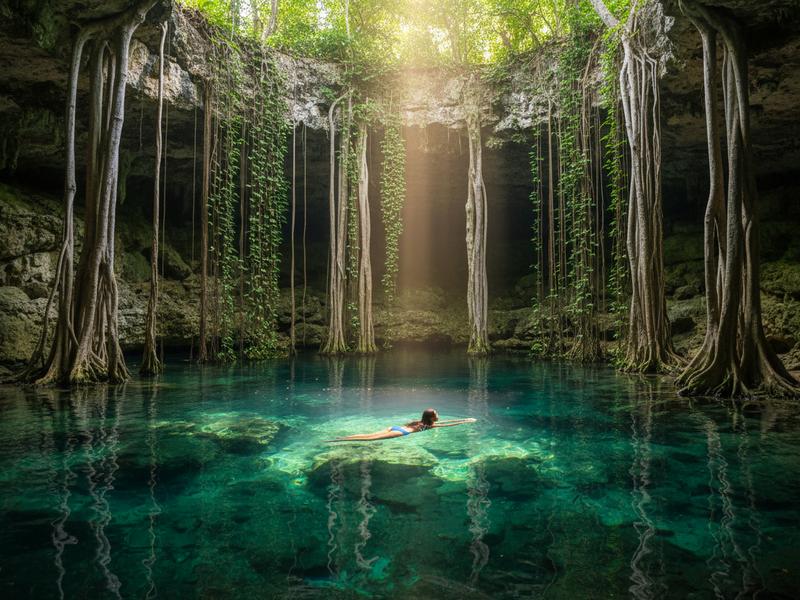
Why it’s perfect: Huatulco is the anti-Cancún — nine bays, clean beaches, and a fraction of the tourists. It’s small, safe, and the Oaxacan food is outstanding. Perfect if you want beach time without the party scene.
Solo-friendly highlights:
- Bay-hopping boat tours (Playa La Entrega, Bahía Cacaluta, Playa Órgano)
- Snorkeling and diving
- La Crucecita town square for evening socializing
- Copalita Eco-Archaeological Park
- Coffee plantations in the Sierra Madre mountains nearby
- Much more affordable than Cancún or Los Cabos
Safety notes: Very safe — Huatulco was master-planned by FONATUR (Mexico’s tourism development agency) with security in mind. The bays and town are well-patrolled. Book tours through your hotel or established agencies.
Daily budget: $45–$65 USD ($810–$1,170 MXN)
12. Campeche — The Hidden Colonial Gem
Why it’s perfect: Campeche is one of Mexico’s most beautiful cities that almost nobody visits. The walled colonial center is a UNESCO World Heritage Site, pastel-colored buildings line every street, and it sits in a state with the lowest crime rate in all of Mexico.
Solo-friendly highlights:
- Sunset from the Malecón
- Walking the walled city
- Day trips to Edzná and Calakmul ruins (Calakmul rivals Tikal)
- Campeche food — panuchos, papadzules, pan de cazón
- Best beaches in Campeche
- Affordable and crowd-free
Safety notes: Campeche is in a Level 1 state — the safest rating the US State Department gives. You can walk anywhere in the centro at any time. The city’s hotels are well-maintained and affordable.
Daily budget: $35–$55 USD ($630–$990 MXN)
Quick Comparison Table
| Destination | Safety | Solo Scene | Daily Budget | Best For |
|---|---|---|---|---|
| Oaxaca City | ⭐⭐⭐⭐ | ⭐⭐⭐⭐⭐ | $35–$55 | Food, culture, meeting travelers |
| Mérida | ⭐⭐⭐⭐⭐ | ⭐⭐⭐⭐ | $40–$60 | Safest choice, Mayan culture |
| San Cristóbal | ⭐⭐⭐⭐ | ⭐⭐⭐⭐⭐ | $30–$50 | Budget backpackers |
| San Miguel | ⭐⭐⭐⭐⭐ | ⭐⭐⭐⭐ | $50–$80 | Expats, art, wine |
| Guanajuato | ⭐⭐⭐⭐ | ⭐⭐⭐⭐ | $35–$55 | Culture, nightlife, students |
| Querétaro | ⭐⭐⭐⭐⭐ | ⭐⭐⭐ | $35–$55 | Off-radar, authentic |
| Puerto Vallarta | ⭐⭐⭐⭐ | ⭐⭐⭐⭐ | $45–$75 | Beach + culture |
| Puebla | ⭐⭐⭐⭐ | ⭐⭐⭐ | $35–$55 | Food, history |
| Bacalar | ⭐⭐⭐⭐ | ⭐⭐⭐ | $40–$60 | Nature, relaxation |
| Valladolid | ⭐⭐⭐⭐⭐ | ⭐⭐⭐ | $35–$55 | Cenotes, ruins base |
| Huatulco | ⭐⭐⭐⭐ | ⭐⭐⭐ | $45–$65 | Quiet beach |
| Campeche | ⭐⭐⭐⭐⭐ | ⭐⭐ | $35–$55 | Colonial beauty, solitude |
Biggest Mistakes Solo Female Travelers Make in Mexico
- Picking the wrong first destination: If this is your first time in Mexico, start with Mérida, Oaxaca City, San Miguel de Allende, Valladolid, or Puerto Vallarta, not a higher-friction place that demands fluent Spanish or more street awareness.
- Booking accommodation outside the walkable center to save a few dollars: Saving $12 a night is rarely worth extra taxis, darker streets, and more logistics stress.
- Using random street taxis when Uber or DiDi exists: In most major cities, rideshare is the simpler and safer default.
- Arriving at night without a transport plan: Have your airport pickup, bus-station ride, or first Uber sorted before you land.
- Treating all of Mexico as equally safe or equally unsafe: Mexico is huge. Your experience in Mérida is not the same as your experience in Acapulco or a remote border corridor.
Transportation: Getting Around Safely
Transportation is where solo female travelers need the most specific advice. Mexico’s options range from excellent to “take a pass.”
Best Options (Use These)
Uber and DiDi — Available in all major cities. Your ride is tracked, driver identified, and you get a digital receipt. This eliminates the biggest safety variable. Download both apps before arriving — sometimes one has better coverage than the other. Cost: $1–$5 USD for most city rides.
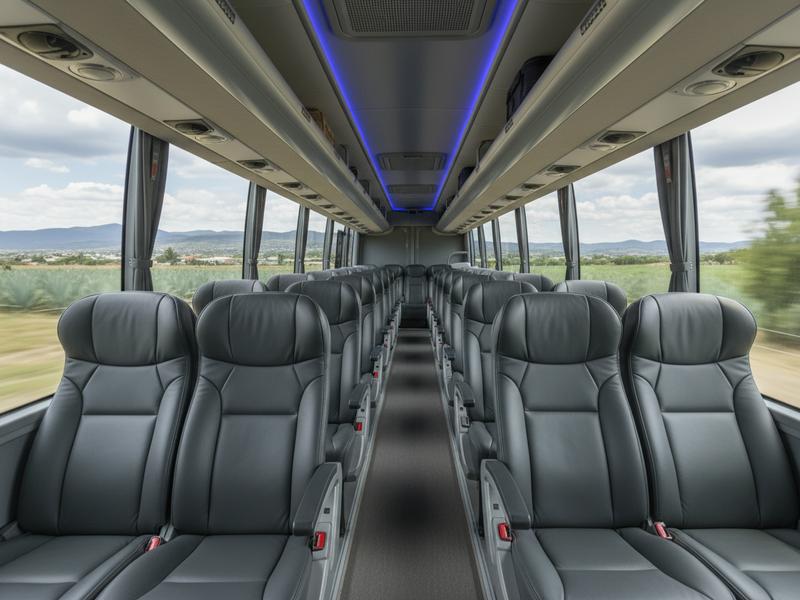
ADO First-Class Buses — Mexico’s premium bus line is genuinely excellent. Assigned seats, air conditioning, onboard bathroom, movies, security cameras, and your luggage is tagged and tracked. The terminals have waiting areas, restaurants, and security. Cost: $15–$50 USD for most routes (e.g., Oaxaca to Mexico City is ~$25 USD).
ETN and Primera Plus — Similar quality to ADO but covering different routes (mainly western and central Mexico). ETN has wider seats in a 2x1 configuration — excellent for overnight journeys.
Domestic Flights — VivaAerobus and Volaris offer ultra-low fares between major cities. Book early. The airports are safe and modern. Cost: $30–$100 USD for most domestic flights if booked in advance.
Use With Caution
Colectivos (shared vans) — Fine during the day for short routes between nearby towns (e.g., Valladolid to Chichén Itzá). Avoid at night or for long distances. They’re crowded, untracked, and the driving can be aggressive.
Second-Class Buses — Cheaper but make frequent stops, are less comfortable, and don’t have the same security measures. Fine during the day on popular routes; avoid at night.
Rental Cars — Useful for road trips (Yucatán Peninsula, Oaxaca coast, Baja California) but only on toll roads (autopistas) and during daylight hours. Never drive unfamiliar roads at night. Always buy full insurance. Read our Mexico travel advisory guide for specific highway safety rules.
Avoid
Street Taxis — Especially in Mexico City, Cancún, and Puebla. Unregulated street taxis are the number one transportation risk. Always use Uber, DiDi, or authorized sitio taxis (dispatched from a designated stand with a visible registration number).
Hitchhiking — Don’t.
Mexico City–Specific Transport
Getting around Mexico City deserves its own mention. The metro has women-only cars during rush hours (look for the pink “Solo Mujeres” signs). The Metrobús also has designated women’s sections. Uber and DiDi are the best options for most trips. The turibus (hop-on hop-off tourist bus) is safe and covers major attractions.
Accommodation: Where to Stay Safely
Best Options for Solo Women
Boutique Hotels and B&Bs — The sweet spot for solo female travelers. Personal attention, often with female owners/managers, local knowledge, and a social atmosphere without the party vibe of hostels. Cost: $25–$60 USD/night in most cities.
Women-Only Hostels and Dorms — Several hostels in popular destinations offer female-only dorms. These are cheaper than private rooms, and you’ll meet other solo women travelers. Check Hostelworld reviews specifically for female safety comments. Cost: $8–$18 USD/night.
Mixed Hostels with Strong Reviews — Look for hostels with 8.5+ ratings on Hostelworld and read recent reviews from solo women. Good hostels have lockers, 24-hour reception, well-lit common areas, and organized social events. Cost: $10–$22 USD/night.
Airbnb with Superhosts — Filter for female Superhosts and read reviews from solo women. Choose listings in well-located neighborhoods (city center, close to attractions). Verify the listing has a proper lock, good lighting, and neighborhood safety mentions. Cost: $20–$50 USD/night.
Accommodation Safety Checklist
Before booking anywhere, check these:
- ✅ Recent reviews from solo female travelers
- ✅ Central location (walking distance to attractions)
- ✅ 24-hour reception or secure key access
- ✅ Well-lit entrance and hallways
- ✅ Lockers for valuables (hostels)
- ✅ Working locks on doors and windows
- ✅ Clear emergency exit information
- ❌ Avoid listings with no reviews or only male reviewers
- ❌ Avoid isolated locations requiring taxi rides at night
Cultural Tips: The Mexican Context
Understanding Mexican culture makes your trip safer AND better. Here’s what matters for solo women.
The Good Stuff
Mexico is a family culture. Streets are full of families, couples, and children until late at night. You will almost never feel isolated in a city center. Plazas, parks, and markets are communal spaces where everyone gathers — this is a massive safety advantage compared to cultures where public spaces empty after dark.
Mexicans are genuinely helpful. If you look lost, someone will offer directions. If you’re eating alone at a restaurant, nobody will judge you — and the waiter might bring you an extra tasting of something just because. Solo dining in Mexico is completely normal and enjoyable.
Women are respected in Mexican hospitality. Hotels, restaurants, and tour operators will generally look out for you. If you tell someone “estoy viajando sola” (I’m traveling alone), the typical reaction is extra helpfulness, not predatory interest.
Things to Know
The “politely persistent” culture. Mexican men sometimes interpret friendliness as romantic interest. A warm conversation at a café might lead to an invitation for drinks, then dinner, then insistence. A firm “no, gracias” is perfectly polite and will be respected. You don’t need to apologize or explain.
The word “no.” Practice saying it clearly and confidently. “No, gracias” is all you ever need. Repeat it. Mexican culture respects directness more than vague deflections. Don’t say “maybe later” if you mean “no” — that can be interpreted as “keep trying.”
Alcohol awareness. Mezcal is strong (38–55% ABV) and goes down smooth, especially in cocktails. Mexican cocktails at bars are often stronger than you’d expect. Pace yourself, never accept drinks from strangers, and always watch your glass being prepared.
Spanish Phrases Every Solo Woman Should Know
You don’t need fluency, but these phrases will make your trip dramatically easier and safer:
| Phrase | Meaning | When to Use |
|---|---|---|
| ”No, gracias” | No, thank you | Universal rejection — vendors, invitations, taxis |
| ”Estoy esperando a mi esposo/amigo” | I’m waiting for my husband/friend | When someone won’t take no for an answer |
| ”No me siento bien” | I don’t feel well | Polite exit from any situation |
| ”¿Me puede ayudar?” | Can you help me? | Asking locals for directions or help |
| ”¿Es seguro caminar por aquí?” | Is it safe to walk around here? | Ask hotel staff or locals about neighborhoods |
| ”Necesito un taxi seguro” | I need a safe taxi | When Uber/DiDi isn’t available |
| ”¡Déjame en paz!” | Leave me alone! | Firm — for persistent harassment |
| ”Llame a la policía” | Call the police | Emergency |
| ”¿Cuánto cuesta?” | How much does it cost? | Before every transaction to avoid overcharging |
| ”La cuenta, por favor” | The check, please | At restaurants |
15 Practical Safety Tips
These aren’t generic “travel tips” — they’re Mexico-specific advice from a Mexican.
1. Download Uber AND DiDi before you land. Have both ready. In some cities one works better than the other. This is your number one safety tool — never take unmarked street taxis.
2. Share your live location with someone. WhatsApp makes this effortless. Share your location with a friend or family member for the duration of your trip.
3. Get a Mexican SIM card or eSIM immediately. Having constant data access means Uber, Google Maps, WhatsApp, and emergency calls always work. Telcel has the best coverage nationwide, but eSIMs from Airalo or Holafly work at the airport. Cost: $5–$15 USD for 30 days of data.
4. Carry a photocopy of your passport, not the original. Leave the real passport in your hotel safe. A color photocopy (plus a photo on your phone) is accepted everywhere except official government interactions, which are extremely rare for tourists.
5. Trust your instincts — they work in Mexico too. If a situation feels off, it probably is. The same gut feelings that protect you at home protect you here. Leave, redirect, take a different route.
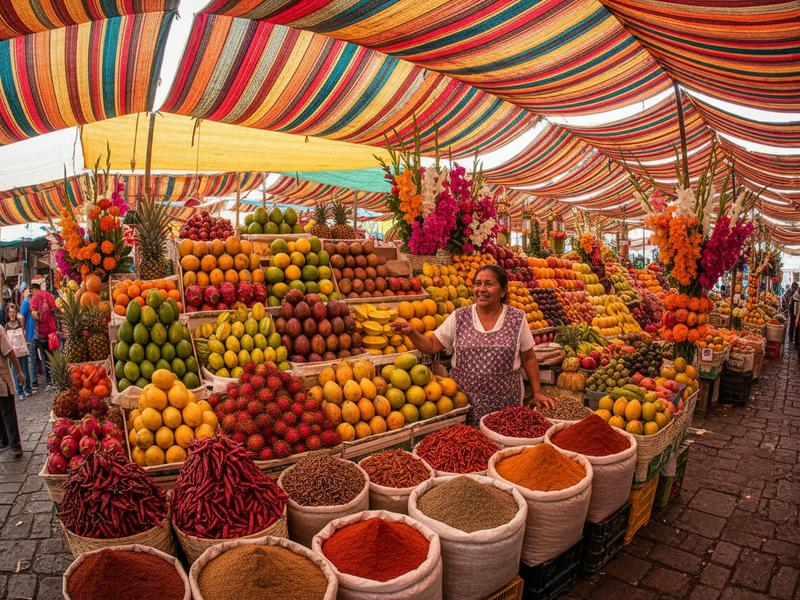
6. Eat where Mexican families eat. If you see families with kids at a restaurant, it’s safe, clean, and the food is good. This rule has never failed. Avoid empty restaurants near tourist traps. The best food in Mexico is in markets, fondas (family-run lunch spots), and taquerías with plastic chairs.
7. Stay connected to the solo travel community. Facebook groups like “Girls Love Travel” and “Solo Female Travelers” have active Mexico threads. The Hostelworld app shows real-time reviews. r/solotravel on Reddit has excellent Mexico threads.
8. Arrive at new cities during daylight. Book your first-class bus or flight to arrive before dark, especially for destinations you’ve never visited. This gives you time to orient yourself, check into your accommodation, and get your bearings.
9. Use hotel safes — but verify them. Most hotels have in-room safes. Test them before storing valuables. If there’s no safe, ask the front desk to store your passport and backup credit card.
10. Don’t flash expensive items. Leave the expensive jewelry at home. Use a phone case that doesn’t scream “new iPhone.” Keep cameras in a day bag rather than hanging from your neck. This isn’t about fear — it’s about not being a target of opportunity.
11. Learn the difference between being friendly and being targeted. Most interactions in Mexico are genuinely warm and friendly. But if a stranger is overly eager to help you find your hotel, offers to carry your bag to a “better” place, or suggests you follow them somewhere — politely decline and continue on your own.
12. Research neighborhoods before booking. Not all areas of any city are equally safe. Google “[city name] safe neighborhoods for tourists” and cross-reference with your hotel’s reviews. When in doubt, stay in the historic center (centro histórico) — it’s always the most policed and best-lit area.
14. The buddy system still works. Hostels, cooking classes, group tours, and walking tours are natural places to find temporary travel companions. For day trips to remote areas (ruins, cenotes far from towns, hiking), going with at least one other person is smart.
15. Register with your embassy. The US has STEP (Smart Traveler Enrollment Program), Canada has Registration of Canadians Abroad, and the UK has similar services. It takes 2 minutes and means your embassy can contact you in an emergency.
Where NOT to Go Solo
This is the section most solo female travel guides avoid. I won’t.
Avoid these areas entirely:
- Sinaloa, Tamaulipas, Guerrero (outside Ixtapa/Zihuatanejo), Colima, Zacatecas — Level 4 “Do Not Travel” states per the US State Department advisory
- Border cities: Ciudad Juárez, Nuevo Laredo, Reynosa, Matamoros
- Tepito neighborhood in Mexico City (locals avoid it too)
Use extra caution (fine with preparation, not ideal for first-timers):
- Cancún Hotel Zone — safe but party-focused; the city of Cancún outside the hotel zone has higher crime
- Playa del Carmen — gentrified tourist strip is safe; areas beyond 5th Avenue less so after dark
- Tulum — beautiful but overpriced, and the beach road between town and ruins is dark and poorly lit at night
- Mexico City — incredible city but enormous; stay in Roma, Condesa, Polanco, or Coyoacán neighborhoods and use our accommodation guide
Not dangerous but not ideal for solo women:
- Very remote areas without cell service
- All-inclusive resort zones (boring solo, designed for couples/families)
- Any destination requiring night driving on rural highways
For the complete state-by-state safety breakdown, read our Mexico Travel Advisory 2026 guide and 15 safest cities ranking.
Sample 2-Week Solo Itinerary
Here’s a realistic itinerary that hits the best solo-female-friendly destinations, is logistically smooth, and costs around $700–$1,200 USD total (excluding flights).
Days 1–3: Oaxaca City
- Arrive, explore the centro, eat everything
- Cooking class on Day 2
- Hierve el Agua or Monte Albán day trip on Day 3
- Stay: Hostel or boutique hotel in centro ($30–$50/night)
Days 4–5: San Cristóbal de las Casas
- ADO bus from Oaxaca (10–12 hours overnight, or fly to Tuxtla + 1hr taxi)
- San Juan Chamula day trip
- Wander the Andador, café-hop, explore amber market
- Stay: Hostel ($10–$18/night)
Days 6–7: Mérida
- Fly Tuxtla → Mérida (short flight, ~$40–$60 USD)
- Explore Mérida’s centro, eat at the market, see Paseo de Montejo
- Day trip to Uxmal or cenotes
- Stay: B&B or boutique hotel ($25–$45/night)
Days 8–9: Valladolid
- ADO bus Mérida → Valladolid (2.5 hours, ~$12 USD)
- Cenote hopping: Suytún, Oxmán, Saamal
- Walk the Calzada de los Frailes at sunset
- Stay: Boutique hotel ($25–$40/night)
Days 10–11: Bacalar
- ADO bus Valladolid → Bacalar (4.5 hours, ~$20 USD)
- Lagoon boat tour, kayaking, swimming
- Cenote Azul
- Stay: Lakeside hostel ($15–$25/night)
Days 12–14: Oaxaca City (return)
- Fly Chetumal → Oaxaca (or bus to Cancún + fly)
- Revisit favorite spots, try restaurants you missed
- Monte Albán if you didn’t go earlier
- Last-day shopping at the markets
- Stay: Same hostel/hotel ($30–$50/night)
Estimated Total: $700–$1,200 USD for 14 days (excluding international flights)
What to Pack
Skip the generic packing lists. Here’s what actually matters for solo women in Mexico:
Security:
- Money belt or hidden pouch (for passport and backup card)
- Padlock for hostel lockers
- Doorstop alarm (wedge it under your hotel door at night — $8 on Amazon)
- Personal alarm keychain (optional but reassuring)
Practical:
- Comfortable walking shoes (cobblestones destroy flimsy sandals)
- Light scarf or shawl (for church visits, chilly buses, sun protection)
- Reef-safe sunscreen (required at cenotes)
- Reusable water bottle with filter (saves money, reduces plastic)
- Power bank (your phone is your lifeline — keep it charged)
- Unlocked phone (for Mexican SIM card)
Health:
- Prescription medications in original containers
- Basic first aid kit (bandaids, ibuprofen, Pepto-Bismol, antihistamine)
- Mosquito repellent (essential for coast and jungle areas)
- Hand sanitizer (markets and street food)
Documents (digital + physical copies):
- Passport + 2 color photocopies
- Travel insurance policy number
- Emergency contact card in Spanish and English
- Hotel confirmations
- Return flight details
Emergency Contacts
Save these in your phone before you arrive:
| Service | Number | Notes |
|---|---|---|
| Emergency (police, fire, medical) | 911 | Works everywhere in Mexico |
| Tourist Police | 089 | English-speaking operators |
| SECTUR Tourist Assistance | 078 | 24/7, multilingual, resolves complaints |
| Angeles Verdes (roadside help) | 078 or 800-987-8224 | Free highway assistance |
| US Embassy (Mexico City) | +52 55 5080 2000 | For US citizens |
| Canadian Embassy | +52 55 5724 7900 | For Canadian citizens |
| UK Embassy | +52 55 1670 3200 | For UK citizens |
| Hospital Ángeles (private) | Varies by city | Best private hospital chain — Google nearest |
Where to Go Next
Ready to plan your route? These guides will help:
Start with safety:
- Is Mexico Safe? Complete 2026 Guide — the full picture
- 15 Safest Cities in Mexico for Tourists — ranked with details
- Mexico Travel Advisory 2026: Every State Explained
Plan your destinations:
- Oaxaca City Guide — the #1 solo female travel destination
- Mérida: Things to Do — Mexico’s safest big city
- San Cristóbal de las Casas Guide — the backpacker haven
- Guanajuato City Guide — university town magic
- Puerto Vallarta Activities — beach meets culture
Getting around:
- Getting Around Mexico City — women-only metro cars and more
- Best Mexican Airlines — budget domestic flights
Coming with a budget?
- Spring Break Mexico on a Budget — $40/day is realistic
Mexico gave me my love of travel. It’s a country where strangers become friends over tacos, where the colors of a sunset over the Pacific make you forget your worries, and where a solo trip can become the most empowering experience of your life. Go. You’ll be glad you did.