Things to Do in Los Cabos: 25 Beaches & Tours
Los Cabos is two towns — Cabo San Lucas and San José del Cabo — at the southern tip of Baja California Sur, where the Pacific Ocean meets the Sea of Cortez. Together they offer the beaches, boat tours, and outdoor experiences that define this corner of Mexico: desert-meets-ocean landscapes, world-record sportfishing, humpback whales in winter, and one of the most photographed rock formations on the planet.
This guide ranks the 25 best things to do across both towns and the Corridor between them, with honest notes on season, cost, and which activities are actually worth your time.
Los Cabos Activities in 30 Seconds
In 2026, the best Los Cabos activities are split between Cabo San Lucas, San José del Cabo, and the Corridor beaches. First-timers should start with El Arco by water taxi, Medano Beach, Santa María or Chileno Bay snorkeling, the San José Art Walk, and a seasonal whale-watching trip if visiting December through April. Add Cabo Pulmo only if you have a full day and care about snorkeling or diving.
At-a-Glance: Top 25 Activities in Los Cabos
| Activity | Town/Area | Best Time | Cost (USD) | Book Ahead? |
|---|---|---|---|---|
| El Arco water taxi | Cabo San Lucas | Year-round | $8-12 | No |
| Whale watching | Cabo San Lucas | Dec-Apr | $50-90 | Yes |
| Sportfishing | Cabo marina | Jul-Nov (marlin peak) | $150-600+ | Yes |
| Whale shark snorkel | Cabo/La Paz | Nov-May | $90-130 | Yes |
| Snorkel: Santa María Bay | Corridor | Nov-May | $30-60 | No |
| Cabo Pulmo dive/snorkel | East Cape (2hr) | Nov-May | $80-120 | Yes |
| Medano Beach | Cabo San Lucas | Year-round | Free | No |
| San José Art Walk | San José | Nov-Jun (Thu) | Free | No |
| Estero San José | San José | Nov-Apr | Free | No |
| ATV desert tour | Cabo area | Oct-May | $80-120 | Yes |
| Glass-bottom boat | Cabo San Lucas | Year-round | $15-25 | No |
| Sunset cruise | Cabo marina | Year-round | $60-120 | Yes |
| Kayaking to Lover’s Beach | Cabo San Lucas | Oct-May | $25-40 | No |
| Cabo Pulmo day trip | East Cape | Nov-May | $80-120 | Yes |
| Todos Santos day trip | 1hr north | Year-round | $30-50 (car) | No |
| La Paz day trip | 2.5hr north | Year-round | $30-60 (car) | No |
| Horseback riding on beach | Cabo area | Oct-May | $60-90 | Yes |
| Mexican cooking class | San José | Year-round | $80-120 | Yes |
| Tequila/mezcal tasting | San José | Year-round | $30-60 | No |
| Thursday Art Walk | San José | Nov-Jun | Free | No |
| Golf (Los Cabos courses) | Corridor | Nov-May | $150-400+ | Yes |
| Zip-lining | Cabo area | Year-round | $80-120 | Yes |
| Sunset from the Malecón | Cabo marina | Year-round | Free | No |
| Nightlife: Medano Beach clubs | Cabo San Lucas | Year-round | $50-200+ | No |
| Camel safari | Cabo area | Oct-May | $80-120 | Yes |
The Non-Negotiables: Start Here
1. El Arco Water Taxi Tour
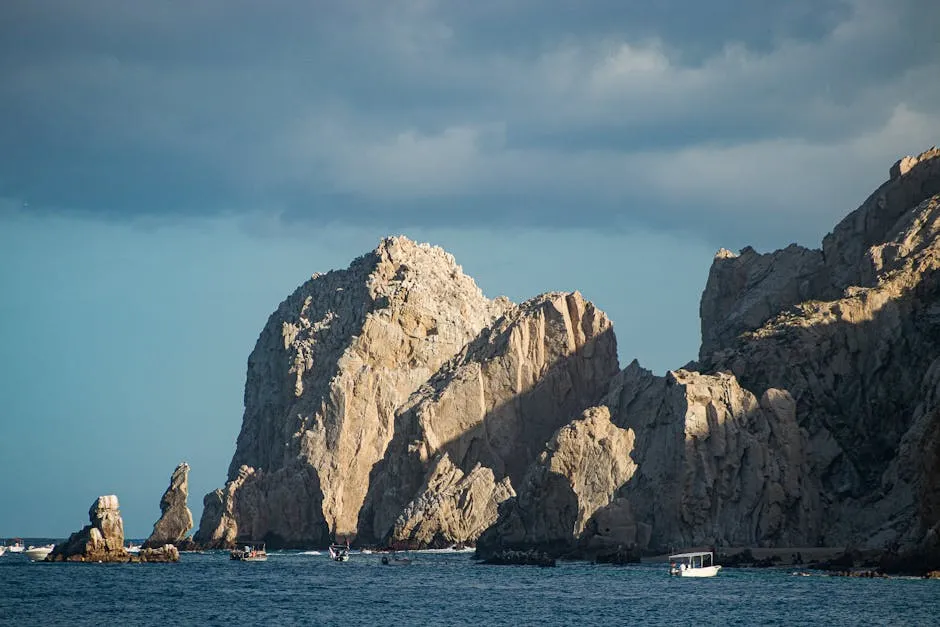
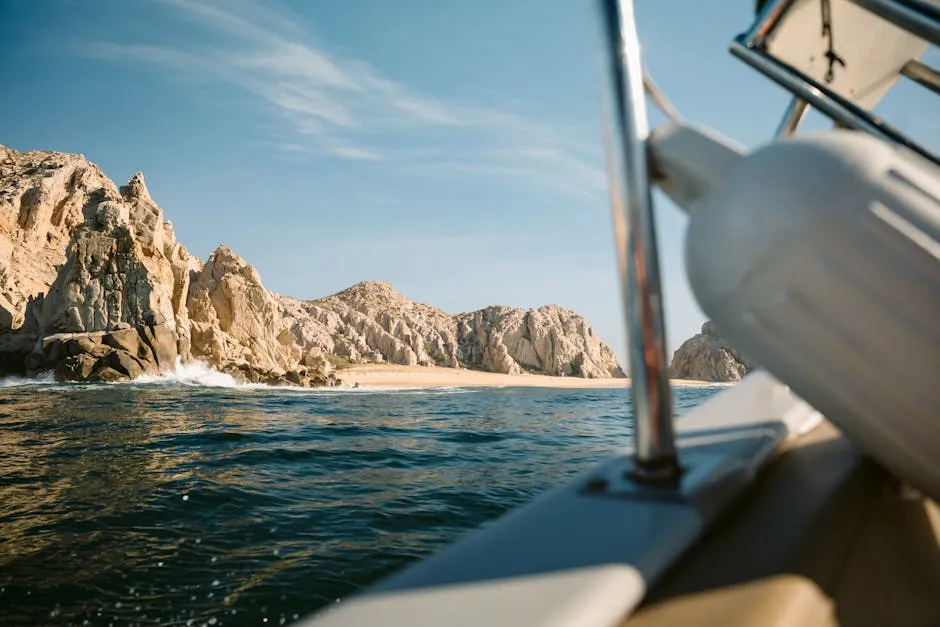
El Arco de Cabo San Lucas is the rock arch at the southern tip of the Baja Peninsula — Land’s End — where the Pacific Ocean and the Sea of Cortez actually meet. On the Pacific side, the water is rough and gray. On the Cortez side, it’s calm and turquoise. The divide is visible from the water.
How to do it: Walk to Medano Beach’s main pier (5 minutes from the marina center) and negotiate with any of the water taxi operators. Standard rate: 150-200 MXN (~$8-10 USD) per person for a 20-minute boat ride around the arch, past Pelican Rock, and past Lover’s Beach. You can ask to be dropped at Lover’s Beach for snorkeling — confirm a pickup time and price before boarding.
Glass-bottom boat upgrade: 200-300 MXN. Worth it if you’ve never seen the underwater rock formations at Land’s End; skip it if you’re snorkeling anyway.
What nobody tells you: El Arco looks dramatically different depending on tide and time of day. Morning light (8-10 AM) is better for photography. The sea lions hauled out on the rocks near the arch are a bonus.
Book El Arco and snorkeling tours on Viator
2. Whale Watching (December–April)
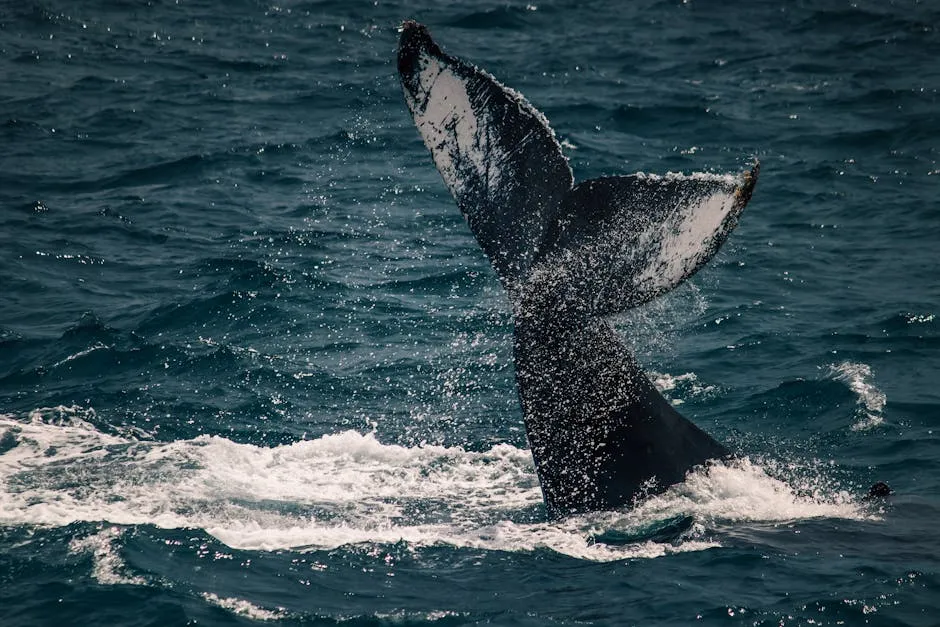
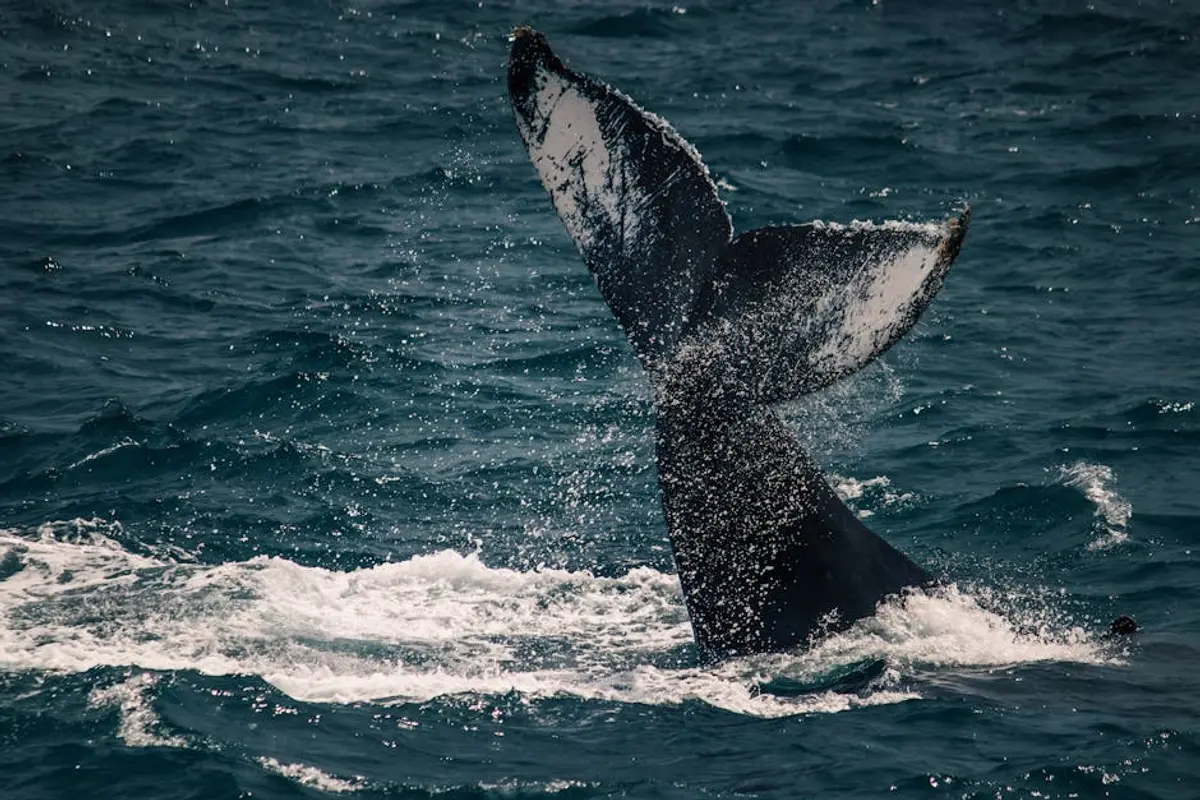
Los Cabos sits at the convergence of two whale migration routes. From December through April, humpback whales (up to 15 meters, 30 tons) use Cabo’s warm bay as a breeding ground. From January through April, grey whales transit through the Sea of Cortez on their way to Baja’s lagoons. The bay is shallow enough that encounters routinely happen within 50-100 meters of the boat.
Reality check: This is not a “maybe you’ll spot a distant blowhole” experience. In peak season (January-March), multiple whale sightings are near-certain on any 3-hour tour. Most operators — seriously — offer a second tour free if you don’t see whales.
What to look for:
- Humpbacks: Breaching, fin-slapping, tail-lobbing. The acrobatics are real and frequent.
- Grey whales: More subdued but impressively large (up to 14 meters).
- Bonus: Dolphins escort boats frequently. Sea lions pop up near the arch.
Cost: 900-1,500 MXN ($50-85 USD) per person for a 3-4 hour tour. Depart from the Cabo San Lucas marina. Book through your hotel concierge or directly at marina docks. Compare whale watching tours on Viator.
Season tip: December is when humpbacks first arrive (exciting but lower density). February is the peak — most whales, best breaching behavior. April is the tail end; sightings taper off.
3. Medano Beach — The Only Safe Swimming Beach in Cabo
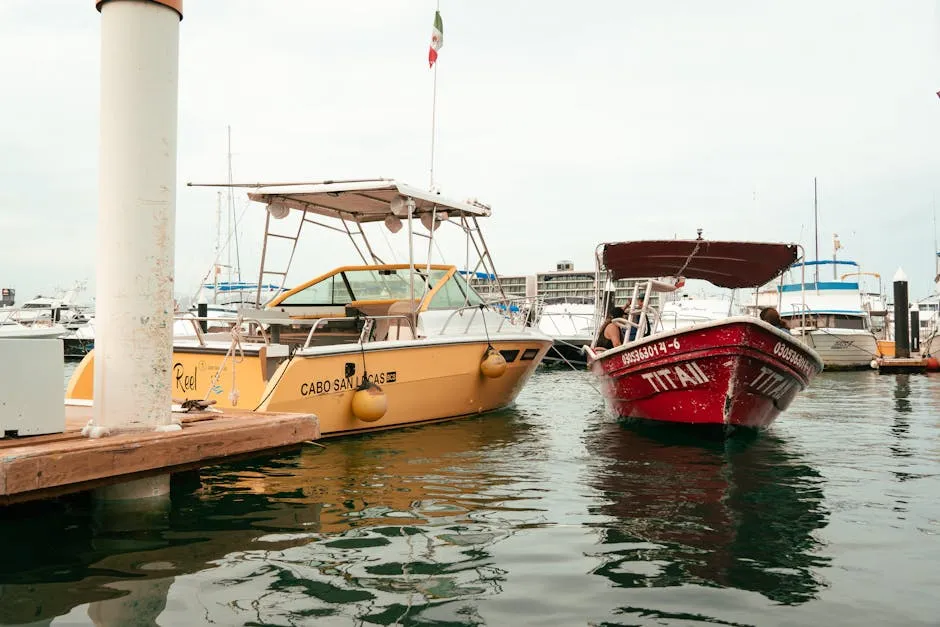
Most of the beaches in and around Cabo San Lucas have dangerous Pacific currents. Medano Beach is the exception — it sits inside the protected bay on the Cortez side, which means calm, swimmable water. It’s also the most social beach in Cabo: beach club loungers, water sport rentals (jet skis, parasailing, banana boats), and the pier for El Arco water taxis.
Free access: Walk down from the marina. The public beach section has no entry fee. Food and drink from beach vendors is affordable (50-100 MXN for a beer, 80-150 MXN for tacos).
Beach club option: Mango Deck, Billygan’s Island, and El Squid Roe’s beach club all charge a minimum spend for chairs/umbrellas ($30-60 USD, applicable to food/drinks). Worth it for a full beach day; skip if you’re only there for an hour.
DO NOT swim at: Divorce Beach (spectacular, adjacent to El Arco, but Pacific-facing with lethal rip currents), Lover’s Beach (gorgeous for photos, dangerous for swimming), Playa Solmar (right next to downtown — frequent drowning incidents).
Water & Marine Activities
4. Snorkeling: Santa María Bay and Chileno Bay
The two safest and most rewarding snorkeling beaches in Los Cabos are both in the Corridor, between the two towns:
- Santa María Bay (Km 12, Highway 1): Protected cove with calm water, rocky reefs on both sides, plenty of reef fish (angelfish, parrotfish, triggers). Entry off the beach — no boat needed. Free access. Water visibility 10-15m on calm days.
- Chileno Bay (Km 14.5, Highway 1): Mexico’s only federally protected marine preserve in Baja Sur. More developed (parking lot, facilities) but excellent reef snorkeling. Striped parrotfish, sergeant majors, moray eels, occasional sea turtles.
Season: Both are best November through May. June-September swells increase and visibility drops.
Getting there: Rental car recommended. No colectivos serve the Corridor. Taxi from Cabo San Lucas: 300-400 MXN each way. Compare car rental options on RentCars.
5. Whale Shark Snorkeling (November–May)
Whale sharks — the world’s largest fish (up to 12 meters) — feed in the Sea of Cortez from November through May. Unlike Isla Holbox, where snorkeling happens offshore in deep water, Cabo’s whale shark encounters often occur in shallow, visible water where you can actually see the full animal below you.
Key rules: Touching prohibited. Swim with fins only (no motorized equipment). 3-meter minimum distance in most zones. Reputable operators enforce these — important for both animal welfare and your actual experience (a startled whale shark diving deep isn’t what you came for).
Cost: $90-130 USD per person including snorkel gear and boat. Book through marina operators or Viator. November through January is typically the best window; February-May is whale watching’s peak but sharks remain.
La Paz advantage: If you’re visiting Los Cabos for a week or more, a day trip to La Paz (see below) for whale shark snorkeling is arguably even better — the La Paz Bay is shallower, protected, and typically has higher shark density. Compare Baja and Caribbean seasons in our Mexico whale shark guide, then use the La Paz travel guide for local logistics.
6. Sportfishing — The Marlin Capital
Los Cabos has been called the Marlin Capital of the World and the claim is defensible: the Sea of Cortez’s nutrient-rich cold currents collide with warm Pacific waters right off Land’s End, creating one of the planet’s most productive fisheries.
What you can catch:
| Species | Peak Season | Notes |
|---|---|---|
| Blue marlin | July–November | World-record territory |
| Striped marlin | November–May | Most abundant |
| Yellowfin tuna | Year-round | Strong peak in summer |
| Dorado (mahi-mahi) | May–November | Favorite eating fish |
| Roosterfish | Year-round | Caught from shore at East Cape |
| Wahoo | Year-round | Fast, prized by sport fishers |
Cost: Shared panga (6-person boat): $150-200 USD/person (4-5 hours). Private charter: $400-800 USD for 4-6 hours. Full-day private: $600-1,200+ USD. Includes tackle, bait, and usually fish cleaning. Does NOT typically include fishing license (100-200 MXN/day, purchased at marina).
IGFA records: Los Cabos holds multiple International Game Fish Association world records. The combination of blue marlin, striped marlin, yellowfin tuna, and dorado in the same day is achievable on a good trip.
Book via marina operators, your hotel, or sportfishing tours on Viator.
7. Kayaking to Lover’s Beach
Lover’s Beach sits directly opposite El Arco on the Cortez side — accessible only by boat or kayak. The beach itself is beautiful and relatively quiet (fewer boat taxis stop there vs. the arch circuit). Sea of Cortez side calm for swimming. Pacific side: do not swim.
By kayak: Rent from Medano Beach operators. 300-400 MXN for 2 hours. The paddle from Medano to Lover’s Beach takes 15-20 minutes in calm conditions. Avoid if wind/swells are up — this is a full open-water crossing.
By water taxi: 150-200 MXN round trip, ask to be dropped and picked up at a fixed time.
Lover’s Beach is best in the morning before tour boats arrive (before 10 AM is significantly quieter).
San José del Cabo: The Cultural Side
8. Thursday Art Walk
Every Thursday from November through June, 5-9 PM, San José del Cabo’s art district comes alive. Thirty-plus galleries open their doors, serve wine, and put working artists in residence. The streets fill with people — not tourists on a schedule, but a genuine cross-section of the expat, Mexican, and visitor communities.
The route: Start at the central plaza (Jardín de la Misión), then work through Obregón, Guerrero, Zaragoza, and the surrounding blocks. Most galleries are within a 10-minute walk of each other. The whole circuit takes 2-3 hours at a relaxed pace.
This is free. Wine in galleries is free. You’re expected to look — not necessarily to buy, though the work ranges from accessible prints to significant original pieces.
Why this matters: Most Cabo visitors spend their entire trip in Cabo San Lucas and never see what San José offers. The Art Walk is the one event that pulls both communities together and gives you a genuine feel for why people choose to live here. It’s the best evening activity in all of Los Cabos.
9. Estero San José (Wildlife Estuary)
At the eastern edge of San José del Cabo’s hotel zone, the San José Estuary is a 150-hectare freshwater-saltwater mixing zone where the Río San José meets the Sea of Cortez. The estuary supports over 350 bird species, including American coots, great blue herons, snowy egrets, ospreys, brown pelicans, and dozens of migratory species during winter months.
Free access: A boardwalk runs along the estuary edge. Enter from the Zafiro Hotel zone (parking available). The walk takes 45-60 minutes and feels completely removed from the resort strip.
Best time: Early morning (7-9 AM) for bird activity and cool temperatures. November through April for migratory species. Bring binoculars if you have them.
Adventure & Desert Activities
10. ATV Desert Tours
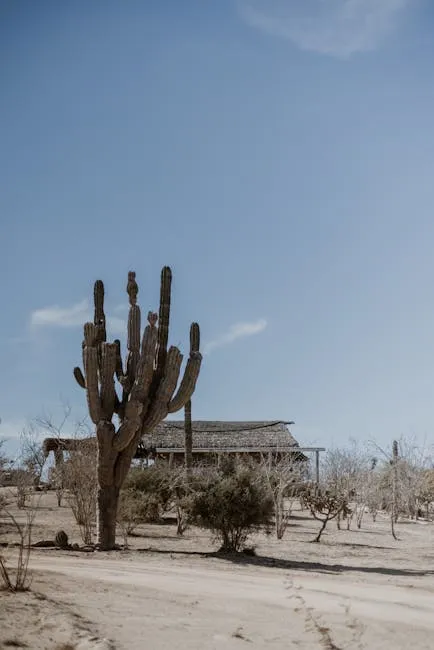
The desert around Cabo San Lucas features dramatic terrain: sand dunes, volcanic rock formations, arroyos, and forests of cardon cactus (the world’s tallest cactus species, reaching 20 meters). ATV/UTV tours cut through all of it on trails that aren’t accessible any other way.
Tour types:
- Standard ATV tour (2 hrs): $80-100 USD/person. Hits the sand dunes, desert trails, and usually includes a stop at a scenic viewpoint. Group size varies.
- UTV tour (side-by-side vehicle): $120-160 USD for 2 people. More comfortable, good for couples and families.
- Combo tours (ATV + zip-line): $120-150 USD. Common offering from operators near the tourist corridor.
Best season: October through May. June-September the heat is serious (35-40°C / 95-104°F) and dust is intense. Morning departures (8-9 AM) are always more comfortable than afternoon.
Book directly at marina shops or through Viator.
11. Zip-Lining
Several operators run zip-line parks in the mountains and desert east of Cabo San Lucas. Most courses have 8-12 lines with views of the Sierra de la Laguna foothills and desert floor. Typical setup: 2-3 hours, 8-10 lines, rappelling finale.
Cost: $80-120 USD per person. Combination packages with ATV available. Minimum age/weight requirements apply — confirm before booking with children.
12. Horseback Riding on the Beach
Beach horseback riding in Cabo is a legitimately good experience — the combination of the desert hills dropping to the Sea of Cortez and the long empty beaches outside the tourist zone makes for a genuinely memorable morning.
Cost: $60-90 USD per person (2 hours). Routes typically head to Shipwreck Beach or along the Corridor beaches east of the marina. Book through hotel concierge or Viator.
When: Morning departures only during summer. Year-round in cool season (Nov-Apr), but sunset rides are the most popular.
Day Trips from Los Cabos
13. Cabo Pulmo National Marine Park ⭐ Best Day Trip
Distance: 80 km east of San José del Cabo (90 minutes by car on partially unpaved road)
Cabo Pulmo is one of Mexico’s greatest natural treasures and one of the most undervisited sites in Baja. It’s a UNESCO World Heritage Site and North America’s only coral reef in the Eastern Pacific — and it recovered from near-death to become one of the most biodiverse reef systems in the region after a community-led fishing ban in 1995.
What you’ll see: Bull sharks (November-January, genuinely impressive), sea turtles year-round, manta rays, schools of jack fish numbering in the thousands, moray eels, and more reef fish than any other dive/snorkel site in the region. Water visibility: 15-25 meters on good days.
Access: Rental car essential. The last 10-15 km is unpaved (passable in a standard sedan). Bring snorkel gear or rent in the village. Dive shops in Cabo Pulmo village rent equipment and run guided tours. No large hotels — the village has a handful of casitas and eco-lodges.
Why most visitors skip it: It’s 90 minutes each way with unpaved road sections. That’s the entire reason this reef still exists. If you dive or snorkel, this is a non-negotiable addition to your trip.
14. Todos Santos Day Trip (1 Hour North)
The highway north of Cabo runs through dramatic desert before arriving at Todos Santos, a small colonial town on the Pacific coast that has become a hub for artists, surfers, and slow travelers.
The Hotel California myth: Yes, there is a Hotel California in Todos Santos. No, it is not the Hotel California in the Eagles song (which was written before the hotel existed). The hotel leans hard into the myth anyway, and the restaurant/bar is worth a visit for the atmosphere, not the claim.
What’s worth your time: The Todos Santos Pueblo Mágico designation is deserved. Walk the streets around the historic center, visit the Teatro Cine municipal (one of the best-preserved small theaters in Baja), browse the galleries on Legaspi and Topete streets, and walk to Punta Lobos beach (fishing boats, dramatic Pacific coast, no swimming).
Surf: La Pastora and San Pedrito beaches near Todos Santos are legitimate intermediate surf spots. Lessons and board rental available in town.
Cost: Rental car is the best option. ADO buses connect Cabo San Lucas to Todos Santos (2-3 daily, 120-150 MXN). Car rentals via RentCars.
15. La Paz Day Trip (2.5 Hours North)
La Paz, the capital of Baja California Sur, is worth a day trip if you have a rental car. The Malecón (seafront promenade) is genuinely lovely, the food is better than Cabo’s at half the price, and the experiences available around the bay are exceptional.
Highlights:
- Whale shark snorkeling (October-May): La Paz Bay is one of the world’s best whale shark snorkeling sites — shallower, calmer, and often with more sharks than Cabo. 2-3 hour tours from La Paz cost $80-100 USD.
- Balandra Beach: Frequently ranked Mexico’s most beautiful beach. Free access. Extremely shallow water (waist-deep for 100 meters). Surreal turquoise color. 20 minutes from La Paz center.
- Espíritu Santo Island: UNESCO biosphere reserve. Blue-footed boobies, snorkeling, sea lion colony at Los Islotes. Full-day boat tour from La Paz: $80-120 USD.
- Local food: Fish tacos, chocolate clams (endemic to Baja, eaten raw with lime), and zarandeado fish (grilled Pacific fish) at Malecón restaurants are all markedly better and cheaper than Cabo equivalents.
See the full La Paz travel guide for details.
Culture, Food & Evenings
16. Sunset Cruise from Cabo Marina
The standard 2-hour sunset cruise departs from the marina around 5-6 PM (varies by season), circles El Arco, and returns after dark. Most include open bar (tequila, beer, soft drinks) and light appetizers.
Cost: $60-120 USD per person. Catamaran cruises cost more ($80-120) but are more comfortable and have better deck space. Basic panga boats: $40-60. Booze cruise options (party-focused, louder): $50-80.
Best for: Couples and anyone who wants a photo of El Arco in golden hour light without negotiating with water taxi drivers.
17. Mexican Cooking Class
Several San José del Cabo restaurants and culinary schools run half-day cooking classes focused on Baja cuisine — a distinct regional style that combines traditional Mexican technique with Pacific seafood, Mediterranean herbs, and agricultural produce from the Todos Santos and La Paz valleys.
What you’ll learn: Baja fish tacos (tempura vs. grilled debate), aguachile (Pacific version, less acidic than Sinaloa), chocolate clam preparation, and usually a mezcal/tequila pairing component.
Cost: $80-120 USD per person (3-4 hours). Check TripAdvisor or Viator for current options.
18. Mezcal and Tequila Tasting
San José del Cabo’s Art District has several bars specializing in agave spirits. Baja isn’t a mezcal-producing region, but Oaxacan and Guerrero mezcals are well-represented — and the context of the region (close to Los Cabos’ Cuervo and Don Julio production zones) makes a structured tasting interesting.
Recommendations: Tasting flights at Art District bars in San José run 250-450 MXN and usually include 4-5 pours with guidance. Pair with the Thursday Art Walk for an ideal evening.
19. Los Cabos Nightlife
→ Full guide: Los Cabos Nightlife 2026: Cabo Wabo, Mandala & the No Ley Seca Advantage
Cabo San Lucas:
- Marina Boardwalk: Dozens of restaurants, bars, and clubs within walking distance. El Squid Roe and Cabo Wabo Cantina are the landmarks — loud, crowded, not subtle. Both open 11 AM-3 AM.
- Medano Beach clubs (evening): Mango Deck’s happy hour (3-6 PM) is the most popular pre-dinner spot in Cabo. The beach club scene transitions to dinner music by 8 PM and straight-up club by 11 PM.
- Marina area: Margaritaville, Nowhere Bar, and The Office (literally on the beach — tables in the sand) all have genuine tourist entertainment value.
San José del Cabo: Quieter by design. Best evenings are the Thursday Art Walk or dinner in the centro histórico at one of the restaurants on the plaza. The culinary scene in San José is genuinely better than Cabo’s marina (more focus on local sourcing, smaller menus, actual Mexican cooking vs tourist formats).
Free Activities in Los Cabos
| Activity | Location | Time | Notes |
|---|---|---|---|
| Medano Beach swimming | Cabo San Lucas | Year-round | Public beach, no fee |
| Marina boardwalk walk | Cabo San Lucas | Year-round | Watch fishing boats, window shop |
| San José central plaza | San José | Year-round | 1730 mission church, benches, fountain |
| Thursday Art Walk | San José art district | Nov-Jun, Thu 5-9 PM | 30+ galleries, free wine |
| Estero San José walk | San José | Nov-Apr mornings | 350+ bird species, boardwalk |
| Watch fishing boats return | Cabo marina | 3-5 PM daily | Free spectator sport |
| Sunset from the Malecón | Cabo marina | Daily | Best light at Land’s End |
| Lover’s Beach access | Via water taxi (paid) | Year-round | Beach free, taxi costs |
Los Cabos by Travel Style
| You are… | Best activities |
|---|---|
| On a honeymoon | Sunset cruise, whale watching, San José Art Walk, Corridor beach snorkeling, Cabo Pulmo |
| With a family | Medano Beach, glass-bottom boat, ATV tour, Todos Santos, whale watching |
| A solo adventurer | Sportfishing, Cabo Pulmo dive, La Paz whale sharks, ATV + zip-line combo |
| On a bachelor/bachelorette trip | Whale watching, sportfishing, Medano Beach clubs, marina nightlife |
| On a budget | Medano Beach, Art Walk, estuary walks, water taxi to El Arco, self-drive Corridor beaches |
| Into food & culture | Thursday Art Walk, cooking class, San José restaurants, Todos Santos day trip |
Seasonal Activity Calendar
| Month | Best Activities | What to Skip | Water Conditions |
|---|---|---|---|
| Nov-Dec | Whale sharks arrive, whale watching starts, Art Walk resumes | Beach clubs thin out | Good: Santa María, Chileno |
| Jan-Feb | Whale watching PEAK, snorkeling | Sportfishing slower | Best: Sea of Cortez calm |
| Mar-Apr | Whale watching ends, whale sharks continue | Spring break crowds | Good |
| May | Last whale sharks, snorkeling good | Heat building (30-35°C) | Good |
| Jun-Sep | Sportfishing PEAK (marlin), warm water | Hurricanes possible Sep-Oct; 35-40°C; Art Walk closed | Swells on Pacific side |
| Oct | Whale sharks, hurricane tail end | Sept can be hot/humid | Improving |
Budget Guide
| Type | Daily Activities Budget | What’s Included |
|---|---|---|
| Budget | $20-50 USD/day | Medano Beach, self-guided walks, Art Walk, snorkel rental, Corridor beaches by rental car |
| Mid-range | $80-150 USD/day | 1-2 tours (whale watching OR sportfishing OR ATV), meals at marina, sunset cruise |
| Splurge | $200-500+ USD/day | Sportfishing charter + whale watching + Cabo Pulmo dive + yacht dinner |
Note: Los Cabos is Mexico’s most expensive tourist destination. Activities here cost 30-50% more than equivalent experiences in Cancun or Puerto Vallarta. Budget for it or plan your splurge activities deliberately.
Getting Around
- Within Cabo San Lucas: Walking covers the marina, Medano Beach, and downtown. Taxi everywhere else (200-400 MXN within Cabo).
- Between Cabo and San José: Taxi 300-500 MXN; Uber available (cheaper); rental car most flexible.
- Corridor beaches: Rental car only. No colectivos, taxis are expensive.
- Day trips (Cabo Pulmo, Todos Santos, La Paz): Rental car essential. Compare rental cars on RentCars.
Essential Planning Links
- Los Cabos Airport Transportation 2026 — SJD taxis, private transfers, BCS Tourism Tax, timeshare shark tank guide
- Best Time to Visit Los Cabos 2026 — whale season, sportfishing peak, month-by-month
- What to Eat in Los Cabos 2026 — fish tacos, chocolate clams, aguachile negro, Baja Med, local food guide
- Los Cabos Travel Guide 2026 — full logistics, beaches, budget
- Day Trips from Los Cabos 2026 — Cabo Pulmo, Todos Santos, La Paz, East Cape
- La Paz Travel Guide — whale sharks, Balandra Beach, day trip from Cabo
- Best All-Inclusive Resorts in Mexico 2026 — Corridor AI resort breakdown
- Is Mexico Safe? (2026) — current advisory context
- Mexico Packing List 2026 — reef-safe sunscreen, desert gear
- Baja California Sur Best Places to Visit — full Baja guide
- Best Beaches in Mexico 2026 — how Cabo beaches compare nationally
- Mexico Entry Requirements for US Citizens — passports, FMM cards
Travel safety note: Los Cabos Municipality is rated US State Department Level 2 (Exercise Increased Caution) — the same level as France, Germany, and the UK. The tourist zones are well-policed and crime against visitors is low. Standard precautions apply: don’t display expensive equipment, use hotel safes, use registered taxis. See Mexico Travel Advisory 2026 for details.