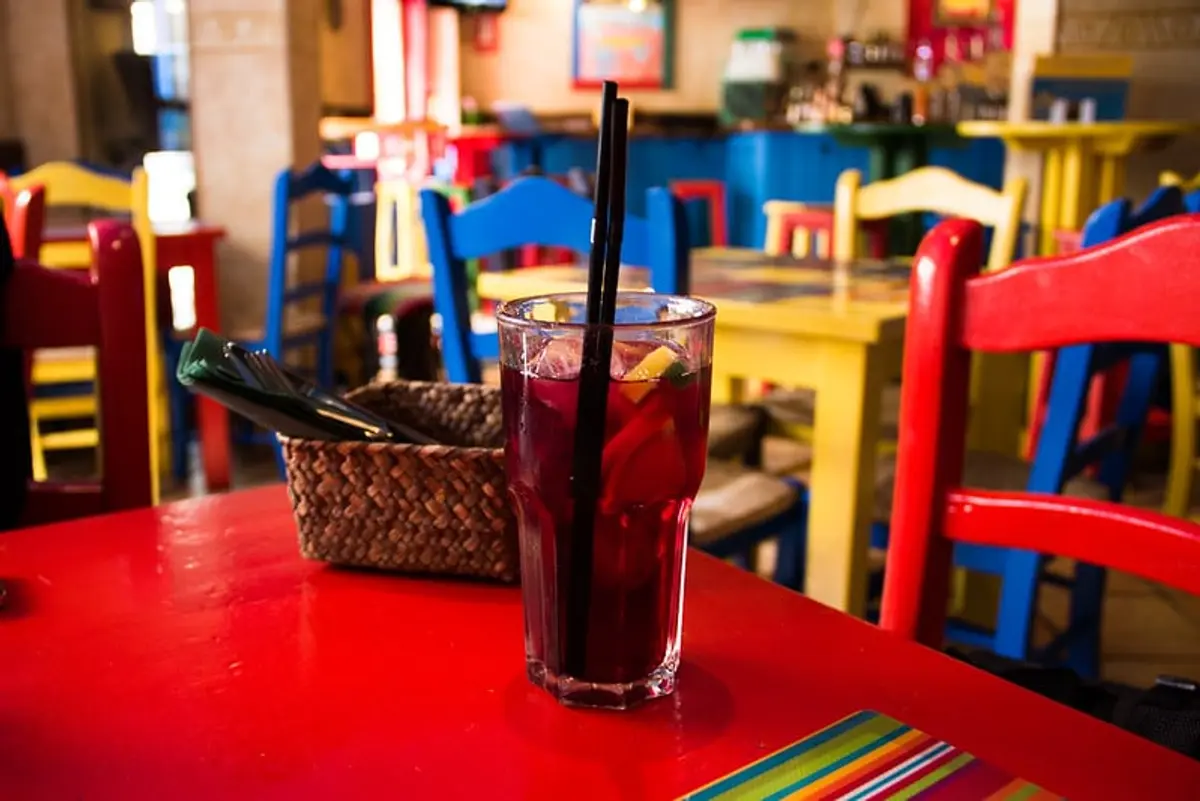
18 Traditional Mexican Drinks: Alcoholic & Non-Alcoholic Guide (2026)
As of 2026, Mexico’s traditional drinks are best understood in three groups: agave spirits like tequila, mezcal, and raicilla; everyday non-alcoholic drinks like horchata, jamaica, atole, and cafe de olla; and regional ferments like pulque, tepache, tejuino, and tuba. If you only try the tourist-bar classics, you miss the drinks Mexicans actually order at markets, cantinas, beach stalls, and family meals.
Traditional Mexican Drinks in 30 Seconds
For a first trip, try one agave spirit, one agua fresca, and one regional ferment. Tequila and mezcal are easy to find nationwide; pulque, tejuino, tuba, and raicilla are more place-specific, which is exactly why they are worth planning around.
| If you want… | Order this | Type | ABV | Best place to try it |
|---|---|---|---|---|
| The national classic | Tequila | Agave spirit | 38-55% | Tequila, Jalisco |
| The smoky agave drink | Mezcal | Agave spirit | 40-55% | Oaxaca, Santiago Matatlan |
| The ancient local ferment | Pulque | Fermented maguey sap | 4-8% | Hidalgo, CDMX pulquerias |
| A street-stall ferment | Tepache | Fermented pineapple | 1-3% | Mexico City markets |
| The western Mexico choice | Tejuino | Fermented corn | <1% | Guadalajara, Colima, Nayarit |
| A coastal regional drink | Tuba | Coconut palm sap | 2-5% | Colima, Jalisco coast |
| The safest non-alcoholic order | Horchata or jamaica | Agua fresca | 0% | Markets and fondas nationwide |
| A warm breakfast drink | Atole or champurrado | Masa-based drink | 0% | Markets, winter fairs, Dia de Muertos |
| A coffee order with Mexican flavor | Cafe de olla | Spiced clay-pot coffee | 0% | Traditional restaurants |
| A beer cocktail | Michelada | Beer, lime, sauces, chili rim | 4-5% | Cantinas and beach bars |
| A tequila cocktail locals actually drink | Paloma or cantarito | Tequila with citrus | ~10% | Jalisco |
| A Puerto Vallarta-area agave spirit | Raicilla | Agave spirit | 40-55% | Puerto Vallarta and Mascota |
Alcoholic Mexican Drinks
1. Tequila
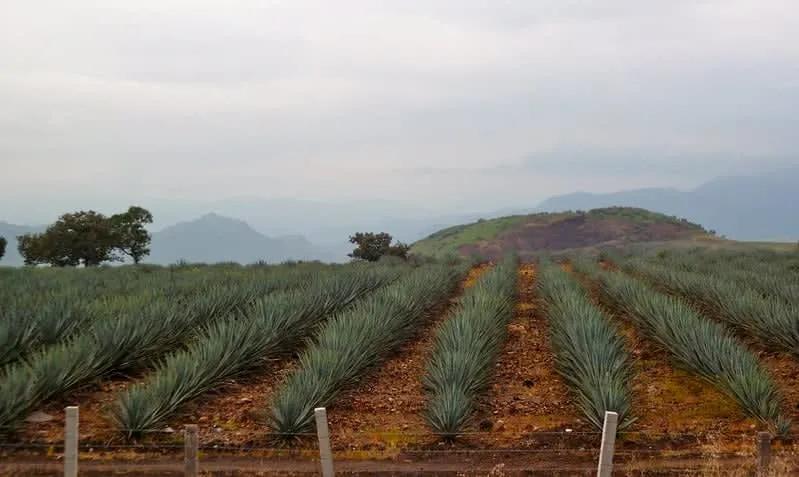
Tequila is made exclusively from blue agave (Agave tequilana Weber) in Jalisco and a handful of neighboring states. Only those five states have the denomination of origin — anything else is just agave spirit.
The key distinctions:
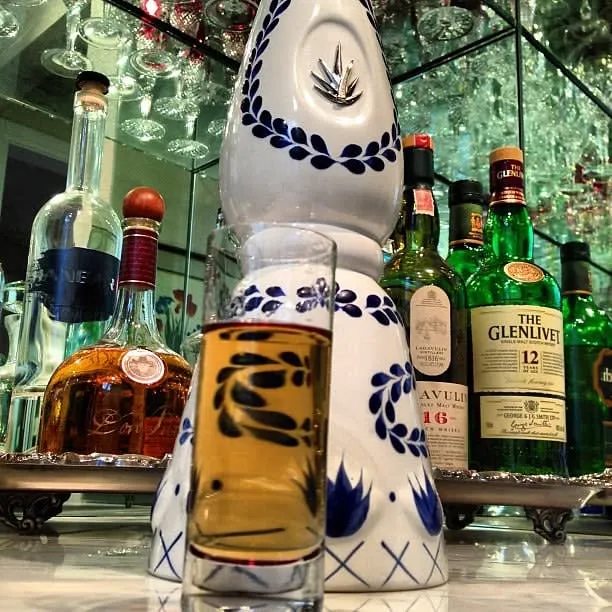
- Blanco/plata: Unaged, pure agave flavor — best for cocktails
- Reposado: 2-12 months in oak — the everyday sipper
- Añejo: 1-3 years — sip neat like whisky
- Extra añejo: 3+ years — genuinely complex spirits
The town of Tequila, Jalisco is 60km from Guadalajara and worth visiting — not just for distillery tours but to understand why this specific volcanic soil (tatemastle) produces agaves with more sugars.
The José Cuervo Express train runs from Guadalajara on weekends (covers distillery tour + transport). Book through Viator for the combination deal.
Common mistake: Most “tequila” served at beach bars is the cheap mixto (only 51% agave, rest is cane sugar). Ask for 100% agave — it says so on the label.
2. Mezcal
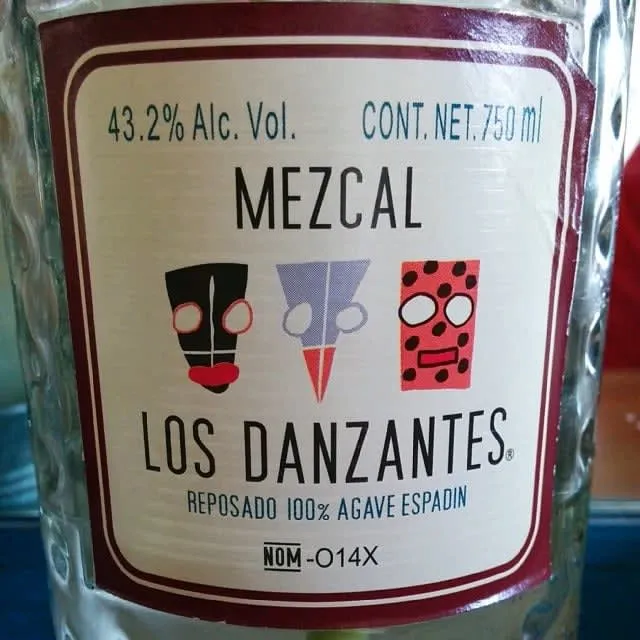
Every tequila is mezcal, but mezcal has 40+ agave species to work with. The smoky flavor comes from roasting piñas (agave hearts) in underground earthen pits before fermentation — a process unchanged for centuries.
Three legal categories:
- Mezcal: Can be produced anywhere with approved species, industrial methods allowed
- Mezcal Artesanal: Traditional fermentation in stone or wood, copper or clay pot distillation
- Mezcal Ancestral: Everything fermented in stone, distilled in clay pots, no modifications
The Ancestral category is what you want to find — produced by individual Zapotec or Mixtec families in villages around Oaxaca.
The center for mezcal production is Santiago Matatlán, 50km from Oaxaca City — over 200 registered palenques (distilleries) in one valley. You can visit, taste directly from the clay pot, and buy at production prices (40-120 MXN per shot).
Related: Tequila vs. Mezcal — The Complete Guide
3. Pulque
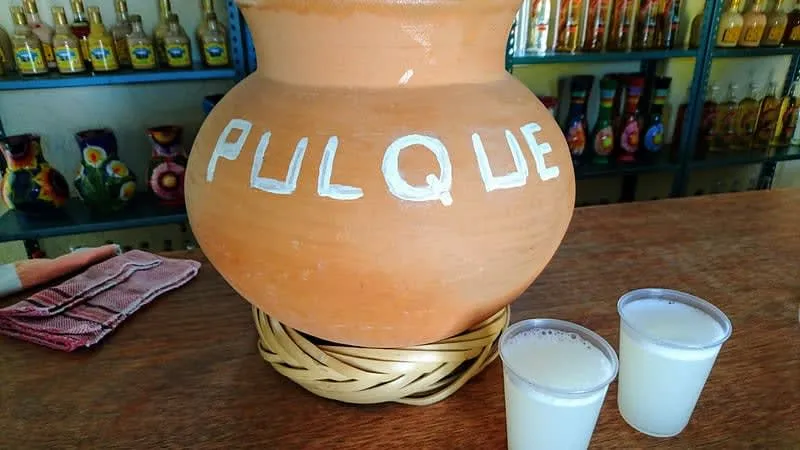
Pulque is the fermented sap (aguamiel) of the maguey plant — Mexico’s oldest alcoholic drink, documented for at least 1,000 years. The Aztecs considered it sacred and restricted it to priests, elders (52+), and nursing mothers.
The taste: thick, slightly viscous, sour, mildly alcoholic (4-8% ABV). First-timers often describe it as liquid yogurt meets beer. It divides people — you either love it or you don’t.
Why you can only get real pulque in Mexico: It ferments within 24-48 hours and turns undrinkable after a few days. You cannot export it. Every bottle of “pulque” sold outside Mexico is pasteurized to a point where it barely resembles the original.
Where to try it:
- Hidalgo: The heartland — roadside pulquerías throughout the state
- Mexico City: Pulquería los Insurgentes (Coyoacán), Bar Milán (Roma Norte), La Nuclear (Centro)
- Tlaxcala and Puebla: Traditional hacienda production
Flavored pulque (curado) is mixed with fruit — mango, guava, strawberry. This makes it easier for newcomers. Ask for a “curado de fresa” (strawberry pulque) first.
4. Raicilla
The wild cousin of mezcal, raicilla comes from the mountainous Sierra Occidental of Jalisco — specifically around Puerto Vallarta and the Mascota Valley. It’s made from different agave subspecies (maximiliana, inaequidens) and until 2019 had no denomination of origin, meaning it existed in a legal gray zone for centuries.
The flavor is more floral and herbaceous than mezcal, with lower smokiness. You’ll find it in Puerto Vallarta’s bars — La Cantina de los Remedios and Frida Bar both stock multiple expressions.
If you’re visiting Puerto Vallarta, trying raicilla is like drinking the local version of mezcal that tourists mostly don’t know about yet.
5. Michelada
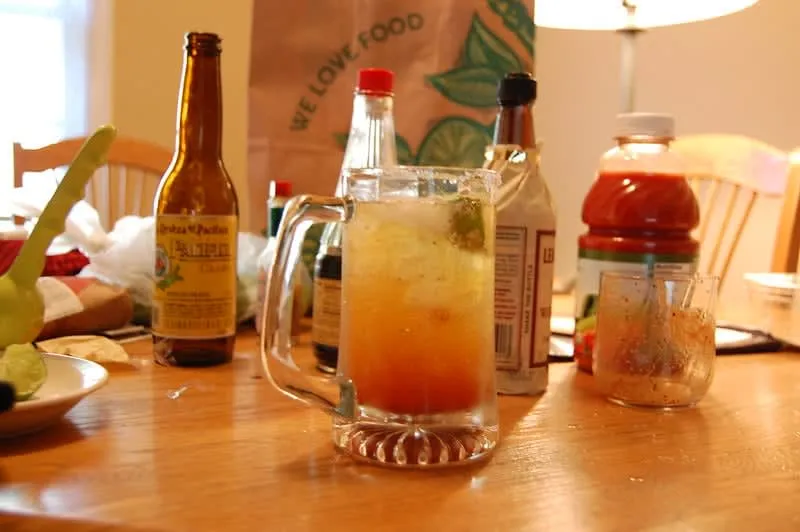
Beer on its own is Mexico’s most consumed drink by volume. But the preferred way to drink it: michelada.
The base: Mexican beer (Modelo, Pacífico, Tecate) + lime juice + Worcestershire sauce + Maggi seasoning + chamoy or chili powder on the salt rim.
Regional variations:
- Con Clamato (tomato-clam juice): The Mexico City standard — richer, almost like a Bloody Mary
- Chelada: Just lime + salt, no sauces — Guadalajara style
- Cubana: With salsa inglesa, Maggi, and several hot sauces — the complex version
Every bar in Mexico makes micheladas differently. Ask what style they use before ordering.
6. Margarita
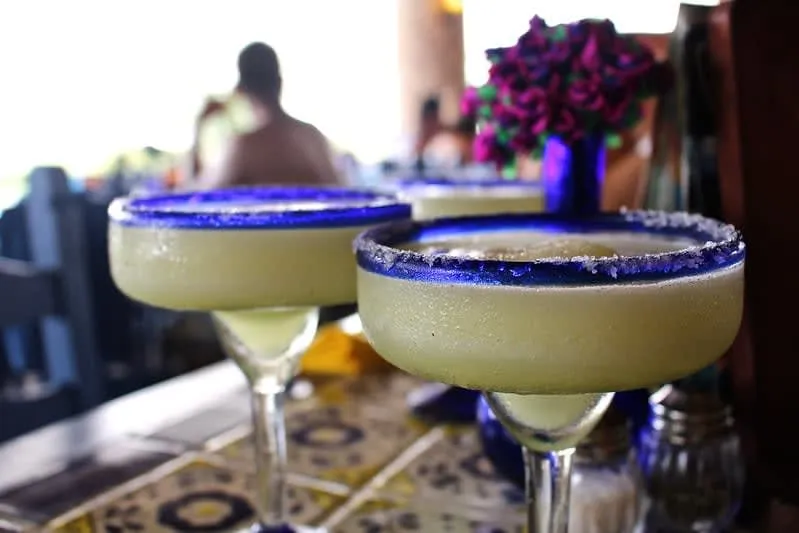
Mexico’s most internationally famous cocktail. The standard: tequila blanco + triple sec (Cointreau ideally) + fresh lime juice + salt rim.
Where it was invented: The most credible origin story places it at Rancho La Gloria, a bar between Tijuana and Ensenada in 1938, where bartender Carlos “Danny” Herrera made it for actress Marjorie King who was allergic to all spirits except tequila.
The best margaritas in Mexico are not at tourist bars charging $12 USD. They’re at neighborhood cantinas using 100% agave reposado and real limes, usually for 80-120 MXN.
Avoid any margarita made with sour mix powder — a sign they’re cutting corners on ingredients.
7. Paloma
Arguably more popular than the margarita within Mexico — the Paloma is tequila + grapefruit soda (Squirt or Jarritos grapefruit) + lime + salt. Lighter, more refreshing, naturally less sweet.
In Jalisco (where tequila comes from), if you order “a tequila drink” at a bar, this is what arrives. The margarita is more of a tourist export.
To make it properly: Use Squirt (the original grapefruit soda — sweeter than grapefruit juice), 60ml tequila reposado, fresh lime squeeze, coarse salt.
8. Cantarito
If the Paloma is Jalisco’s favorite, the cantarito is the celebration version — served in a small clay cup (the cantarito) that gives it its name. The clay slightly changes the flavor and keeps it cold.
Contents: tequila + orange juice + grapefruit juice + lime juice + Squirt + salt rim. The cup stays with you as a souvenir.
You can only get the authentic version in clay cups in Tequila town and parts of Jalisco. Order one when you visit the distilleries.
Non-Alcoholic Mexican Drinks
9. Aguas Frescas
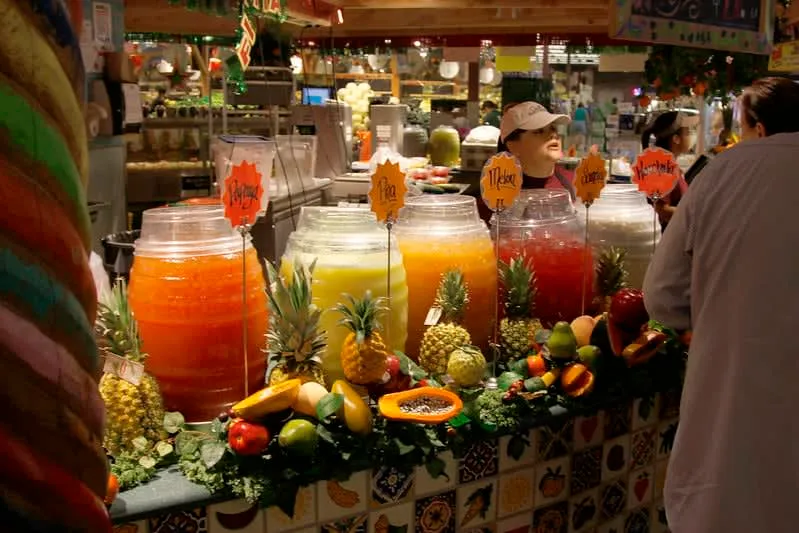
The daily drink of Mexico. Every market, comedor, and taquería has them in large glass barrels. The three classics:
Jamaica (hibiscus): Made from dried flor de jamaica (hibiscus sabdariffa). Deep red, tart-sweet, slightly tannic. Served cold. Mexico consumes more hibiscus than any other country. The best agua de jamaica is unsweetened — you add sugar yourself.
Horchata: Rice, cinnamon, vanilla, sometimes almonds or melon seeds. Creamy white, naturally sweet. The Mexican version differs from the Spanish original — no almonds, more rice and cinnamon.
Tamarindo: Sour-sweet, made from tamarind pulp dissolved in water. Found everywhere but most common in Colima, Jalisco, and the Pacific coast states.
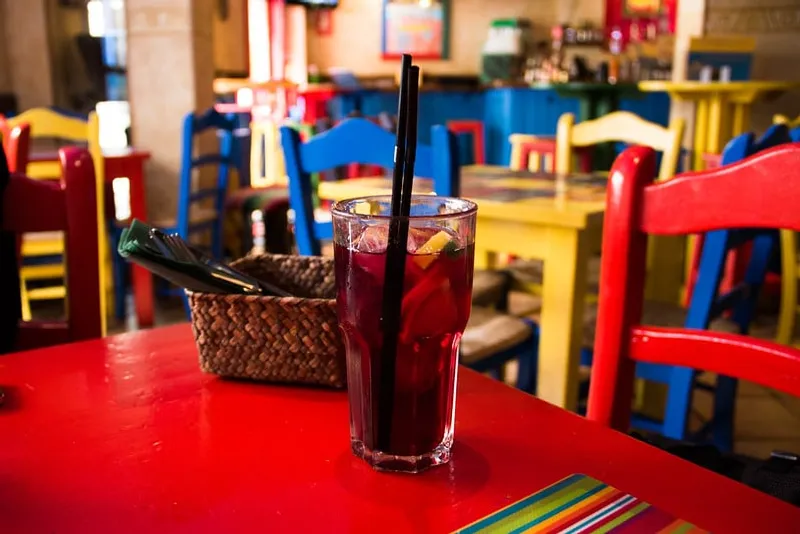
Other regional aguas frescas you’ll encounter:
- Agua de chía: Lime water with chia seeds — particularly popular in Jalisco and Michoacán
- Agua de melón: Cantaloupe blended with water and sugar — summer drink in central Mexico
- Agua de guanábana: Soursop fruit, tropical coastal regions
10. Tepache
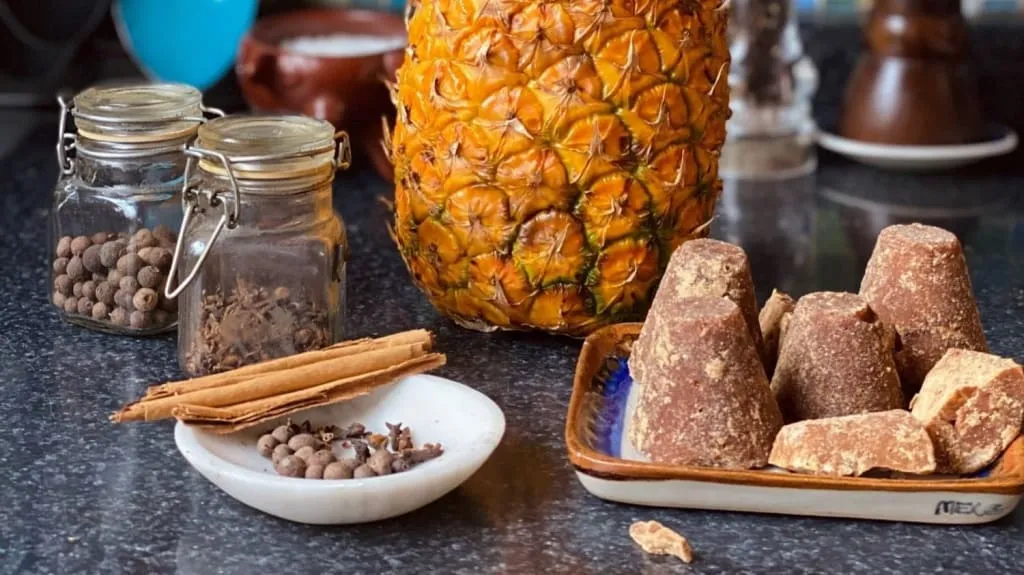
Fermented pineapple rind drink with 1-3% ABV — technically alcoholic but so low you can give it to children. The word comes from Nahuatl tepiatl (corn drink) because the original pre-Hispanic version was corn-based.
The process: pineapple rind + piloncillo (raw sugar) + cinnamon + cloves fermented for 2-4 days in clay pots. The result is fizzy, mildly sour-sweet, slightly yeasty.
You’ll find tepache at street stalls throughout Mexico City, Guadalajara, and coastal states. Craft versions are sold in bottles at markets — the best ones come from Oaxaca.
Craft cocktail crossover: Mezcal + tepache is a legitimate cocktail combination that’s showing up in Mexico City bars.
11. Tejuino
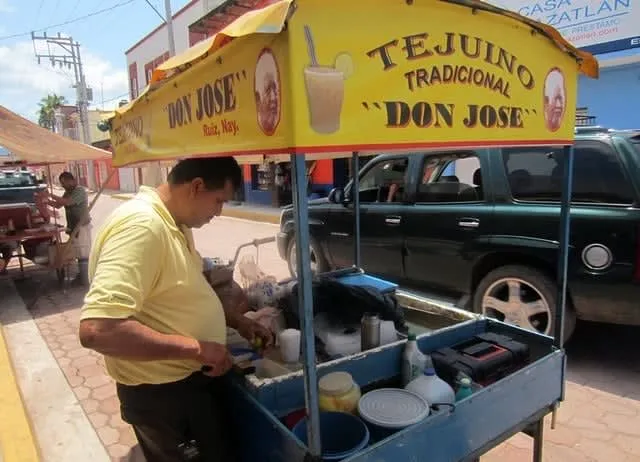
The most hyperlocal drink on this list — fermented corn masa with piloncillo, almost always served cold with a scoop of lime sorbet on top. The alcohol content is negligible (<1% ABV).
Tejuino is essentially the street-drink of Guadalajara, Colima, and Nayarit. You won’t find it in Mexico City. You won’t find it in tourist areas of Cancún. If you see it, drink it.
It’s sold from carts by vendedores who have their own family recipe. The taste varies significantly — some are almost sweet, others sour and funky. The lime sorbet version is the definitive way to drink it.
12. Atole
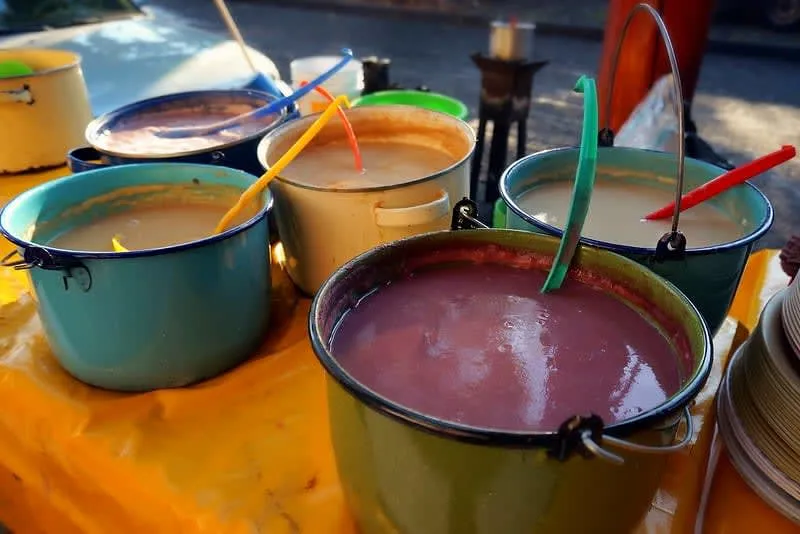
A warm, thick drink made from masa (corn dough) dissolved in water or milk with vanilla, cinnamon, and sometimes fruit. Pre-Hispanic origin — the Aztecs drank it before battle.
When you’ll encounter atole:
- Día de Muertos (Nov 1-2): Every altar has atole for the spirits
- Christmas season (Dec 12 - Jan 6): Sold alongside tamales at markets
- Cold mornings at any market: The warming breakfast drink
The chocolate version is called champurrado (atole + Mexican chocolate) — this is the version most people encounter in December markets.
Quality atole is made from scratch with freshly ground corn — avoid powdered atole from tourist shops.
13. Champurrado
Hot chocolate meets atole — this is the proper name for the thick chocolate masa drink, and it’s distinct from regular Mexican hot chocolate (chocolate caliente, which is thinner).
The thickening agent is masa (corn flour), not cornstarch. The chocolate is Mexican chocolate (Abuelita or Ibarra brands being the commercial standard, or real stone-ground chocolate from Oaxaca for the serious version).
Season: November through January. Street markets, tamale stalls, and breakfast combos.
14. Café de Olla
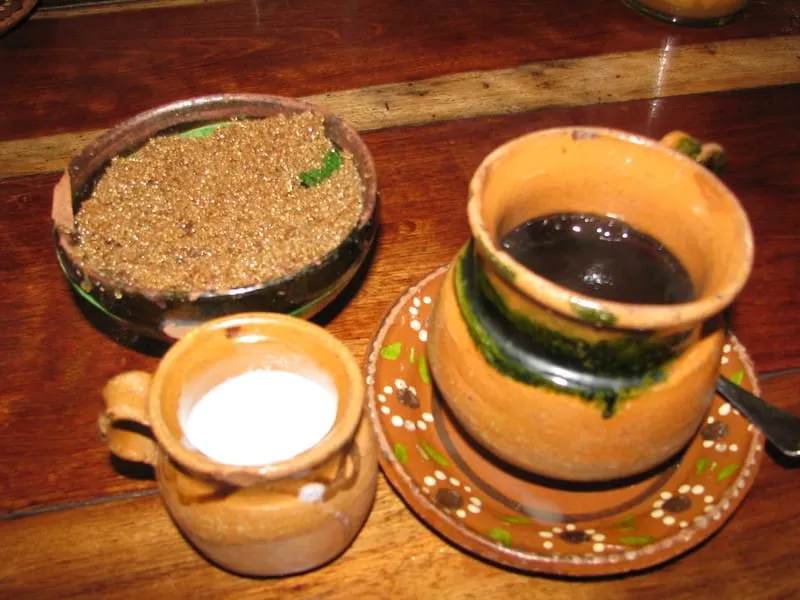
Mexico grows excellent coffee (Chiapas produces 40% of national output, Veracruz and Oaxaca are also major producers), but the traditional way to drink it has nothing to do with espresso.
Café de olla = coffee + cinnamon stick + piloncillo (sometimes cloves, anise, and orange peel) brewed in a clay pot. The clay subtly changes the flavor, making it slightly earthier and rounder.
Best café de olla:
- Oaxaca: At the Mercado Benito Juárez or any traditional comedor
- Mexico City: At any traditional breakfast joint (desayuno), not specialty coffee shops
- Chiapas: San Cristóbal has excellent coffee culture — Tierra y Cielo café uses beans from highland cooperatives
15. Horchata
The Mexican version of the Valencian original — rice, cinnamon, and vanilla. No almonds in the standard Mexican recipe (unlike Spanish horchata de chufa, which uses tiger nuts).
There’s a version that uses melon seeds (pepitas de melón) instead of rice — this is the traditional Oaxacan version and has a slightly different, earthier flavor.
Where to find the best horchata: Any traditional mercado. The barrels at street food markets are refilled daily from scratch — far better than bottled versions.
16. Agua de Tuba
The most obscure drink in Mexico that most locals outside of Colima have never tried. Tuba is made from the sap of coconut palm flowers, fermented for 1-5 days.
Flavor: slightly sweet, fizzy, almost wine-like in fresh form. The longer it ferments, the more alcoholic and vinegary it becomes (2-5% ABV at peak).
The drink arrived in Mexico via the Manila Galleon trade route (Philippines to Acapulco, 16th-18th century) — Filipino sailors brought the process of tapping coconut palms. It took root in Colima and the Veracruz coast.
Where to find it: Colima city markets (ask for el tubero, the tuba seller), coastal Jalisco from Manzanillo to Barra de Navidad.
Related: Tuba Drink Guide
17. Tepache de Maíz / Pozol
Two Chiapas and Tabasco drinks that predate everything else on this list:
Pozol: Fermented cacao + corn masa + water. The traditional energy drink of the lowland Maya (Chontal, Chol peoples). Served cold from a gourd. It’s an acquired taste — earthy, tannic, almost chalky. The archaeological record shows it was consumed 3,000+ years ago.
Tejate: The Oaxacan version — cacao + maize + mamey seed + rosita de cacao flowers, all ground on a metate and aerated by hand until foamy. Only found in Oaxaca’s Central Valley markets, particularly at the Tlacolula Sunday market.
Both are non-alcoholic and pre-Hispanic. If you’re visiting Oaxaca or San Cristóbal de las Casas, trying these is culturally more significant than any craft mezcal.
18. Mexican Beer
Beer is the category most visitors overlook because they think they already know it. They don’t.
The classics and where they’re from:
- Corona: Grupo Modelo, CDMX — the international export version is watered down vs domestic
- Modelo Especial: The standard of Mexico City bars — noticeably better fresh in Mexico
- Pacífico: Mazatlán — the Sinaloa/Pacific coast beer, slightly more hoppy
- Tecate: Monterrey — the northern Mexico standard, strong with lime and salt
- Montejo: Mérida/Yucatán — light, goes with ceviche
- Bohemia: Premium lager from Toluca, 1905 — the bartender’s choice
- XX (Dos Equis): Cuauhtémoc-Moctezuma — Amber (dark) is the better version
- Negra Modelo: Dark Munich-style lager — the best choice with mole or BBQ
Craft beer has exploded in Mexico since 2015. Guadalajara, Monterrey, and Mexico City have strong scenes — ask any bar for “cervezas artesanales de la región” to try local.
Where to Try Traditional Mexican Drinks by Destination
| City | Best Drinks to Try | Where |
|---|---|---|
| Oaxaca | Mezcal, tejate, horchata de semillas | Santiago Matatlán, Tlacolula market |
| Mexico City | Pulque, tepache, café de olla, mezcal | Pulquería Los Insurgentes, Mercado Jamaica |
| Guadalajara | Tejuino, cantarito, raicilla, paloma | Mercado San Juan de Dios, La Feria bar |
| Tequila, Jalisco | Tequila, cantarito | José Cuervo Mundo, La Rojeña distillery |
| Colima | Agua de tuba, tejuino | City markets, el tubero street vendors |
| San Cristóbal, Chiapas | Pozol, posh (corn liquor), Chiapas coffee | Mercado Municipal, Tierra Adentro café |
| Mérida | Xtabentún (anise honey liqueur), horchata | Hennessy bar, Mercado Lucas de Gálvez |
Drinks to Skip (or Approach With Caution)
Sotol: Made from the Dasylirion plant (not agave) in Chihuahua, Durango, and Coahuila — technically its own spirit category. Underexplored but worth trying in Copper Canyon or Chihuahua City.
Posh: Chiapas corn liquor, essentially artisanal aguardiente — very strong (40-55%), used in Tzotzil Maya ceremonies. If you’re offered it in San Juan Chamula, this is a genuine cultural exchange, not a tourist trap.
Xtabentún: Yucatán honey liqueur made from fermented anise flowers and honey. Very sweet, 25-30% ABV. Used in Maya ceremonies and served in Mérida. Divisive — most people either love it or find it medicinal.
If you’re visiting Mexico, plan to try at least one drink from each category — the spirits, the fermented drinks, and the non-alcoholic agua frescas. The full range is what makes Mexican drink culture genuinely different from anywhere else.
Plan your Mexico trip with our Mexico Travel Guide or explore the Best Time to Visit Mexico to match your drink interests to the season.