Wildlife Sanctuaries in Mexico: Where to See Unique Animals
Wildlife Sanctuaries in Mexico: Where to See Unique Animals
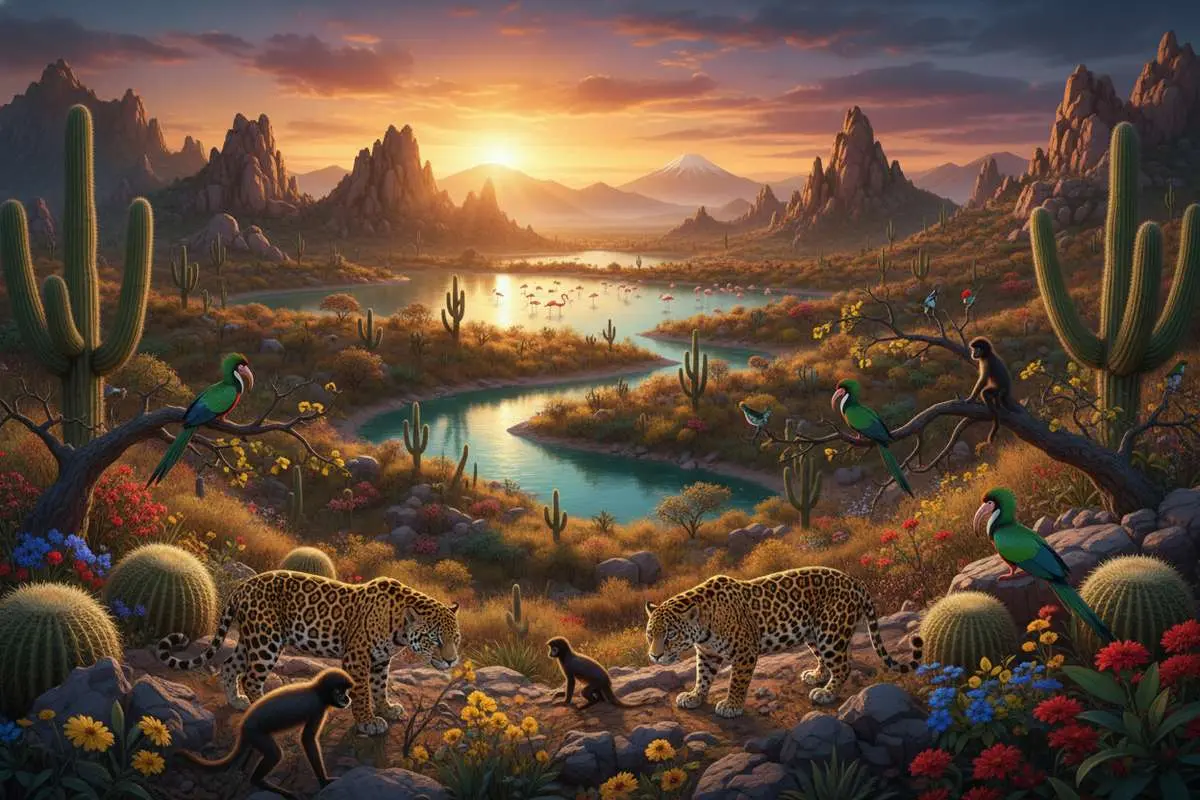
Mexico ranks as the fourth most biodiverse country on Earth, home to nearly 12% of the world’s species including thousands found nowhere else. From the magnificent gray whales that breed in Baja’s lagoons to the jaguars prowling the Yucatan jungle, Mexico offers wildlife encounters that rank among the best in the Americas.
Mexico’s wildlife sanctuaries represent hope, places where endangered species receive protection and visitors can witness the remarkable results of conservation in action.
I’ve spent years seeking out Mexico’s best wildlife experiences, always prioritizing ethical encounters that benefit animals and support conservation. This guide covers the country’s top sanctuaries and wildlife destinations, focusing on responsible experiences where your visit contributes to protection rather than exploitation.
Part of our comprehensiveMexico Ecotourism and Adventure Travel Guide
Why Mexico’s Wildlife is Special

Mexico’s unique geography creates an exceptional variety of habitats:
- Endemic Species: Over 50% of Mexico’s plant and animal species are found nowhere else
- Migration Corridors: Critical pathways for birds, butterflies, and marine mammals
- Marine Biodiversity: Two coastlines with coral reefs, mangroves, and the nutrient-rich Sea of Cortez
- Tropical Forests: Home to jaguars, monkeys, and countless bird species
- Conservation Success: Strong protected area network with growing ecotourism
Sea Turtle Conservation Centers
1. Mexican Turtle Center, Mazunte (Oaxaca)
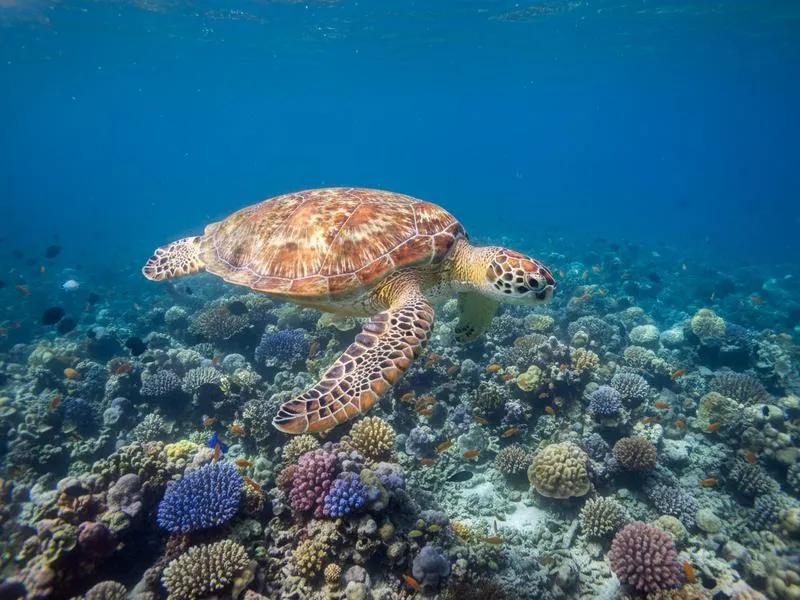
The Centro Mexicano de la Tortuga in Mazunte represents one of Mexico’s most important sea turtle research and conservation facilities. Once a slaughterhouse during legal turtle hunting, it now protects multiple species.
What You’ll See:
- Eight species of sea turtle in various life stages
- Freshwater turtle exhibits
- Research facilities and conservation programs
- Seasonal releases of hatchlings (August-December)
Conservation Impact: The center has helped olive ridley and leatherback populations recover along the Oaxacan coast.
Best Time to Visit: Year-round for exhibits; August-December for releases
Location: Oaxaca Coast, near Puerto Escondido
2. Xcacel-Xcacelito Sanctuary (Riviera Maya)
This protected beach between Playa del Carmen and Tulum is one of the most important nesting sites for green and loggerhead sea turtles in the Caribbean.
What You’ll Experience:
- Pristine beach with cenote access
- Guided turtle conservation programs
- Hatchling releases (May-November)
- Snorkeling with sea turtles possible
Best Time to Visit: Nesting season May-October; releases July-November
3. Todos Santos Turtle Sanctuary (Baja California Sur)
Near the artistic town of Todos Santos, this community-run program protects olive ridley and leatherback turtles along the Pacific coast.
What You’ll Experience:
- Beach patrols during nesting season
- Hatchling releases at sunset
- Volunteer opportunities available
Best Time to Visit: October-February for releases
Whale and Marine Mammal Sanctuaries
4. El Vizcaino Biosphere Reserve (Baja California Sur)
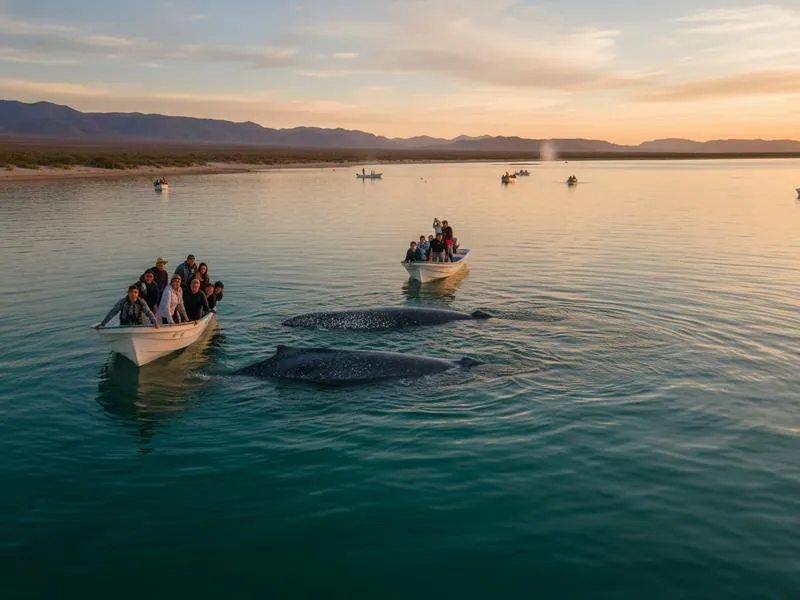
This UNESCO World Heritage Site encompasses the breeding lagoons where thousands of gray whales arrive each winter to give birth and nurse their calves.
Key Areas:
- San Ignacio Lagoon: World’s best friendly whale encounters
- Ojo de Liebre (Scammon’s Lagoon): Largest gray whale gathering
- Magdalena Bay: Accessible whale watching
What You’ll Experience:
- Close encounters with curious gray whales
- Whale mothers introducing calves to boats
- Possible whale touching when whales initiate contact
Best Time to Visit: January-March for peak whale activity
Conservation Impact: Protection has helped gray whale populations recover from near extinction to approximately 20,000 animals.
5. Espiritu Santo Island Sea Lion Colony (La Paz)
Near La Paz, the Los Islotes colony hosts approximately 400 California sea lions that have become famous for their playful interactions with snorkelers.
What You’ll Experience:
- Snorkeling with curious, playful sea lions
- Underwater acrobatics and play behavior
- Year-round encounters possible
- Pup season (June-August) for extra cuteness
Best Time to Visit: Year-round; pups most active June-August
Butterfly Sanctuaries
6. Monarch Butterfly Biosphere Reserve (Michoacan/Mexico State)
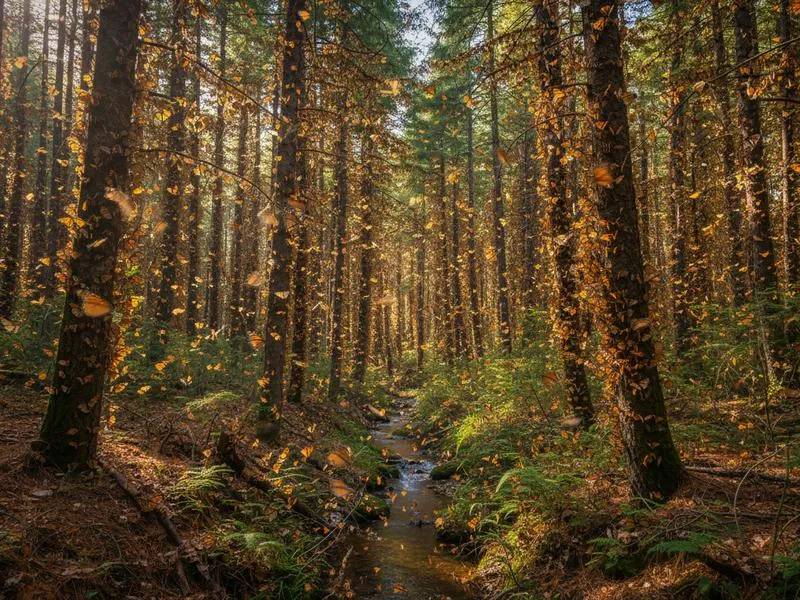
Every autumn, hundreds of millions of monarch butterflies complete an incredible 4,000-kilometer migration from Canada and the United States to these mountain forests. It’s one of nature’s greatest spectacles.
Key Sanctuaries:
- El Rosario: Largest and most visited sanctuary
- Sierra Chincua: Less crowded, excellent viewing
- Cerro Pelon: Most challenging hike, most intimate experience
What You’ll Experience:
- Trees completely covered in clustered butterflies
- Mass flights on warm mornings
- Butterflies landing on visitors
- Surreal soundscape of millions of beating wings
Best Time to Visit: Late January through early March for peak activity; avoid Christmas/New Year crowds
Conservation Impact: Local communities now protect the forest as tourism provides more income than logging.
Bird Sanctuaries
7. Celestun Biosphere Reserve (Yucatan)
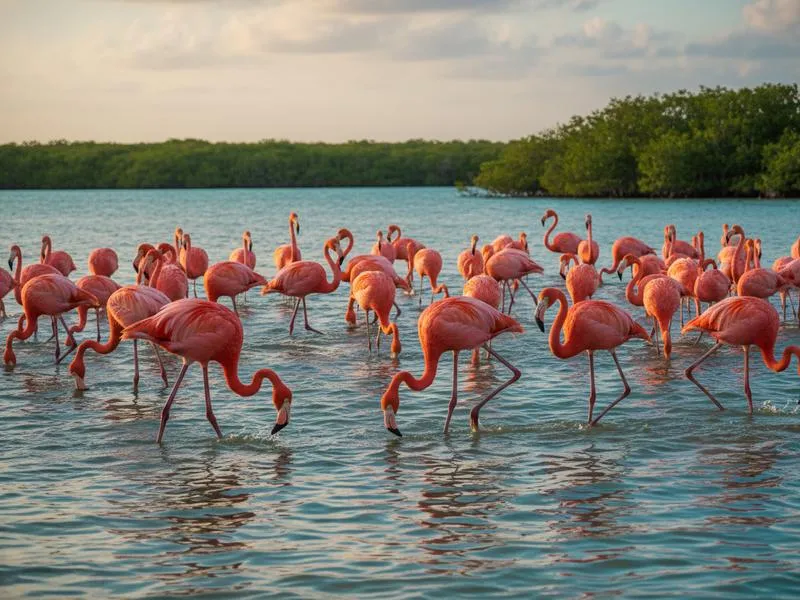
This mangrove-fringed lagoon on the Yucatan coast provides critical habitat for one of Mexico’s largest American flamingo populations, with numbers reaching 35,000 during peak season.
What You’ll See:
- Thousands of pink flamingos
- Over 300 bird species total
- Mangrove forest ecosystems
- Freshwater springs (ojos de agua)
- Crocodiles in mangrove channels
Best Time to Visit: November-March for peak flamingo numbers
8. San Blas Estuary (Nayarit)
The wetlands around San Blas provide exceptional birdwatching with over 500 species recorded, making it one of the richest birding areas in Mexico.
Key Species:
- Boat-billed heron (specialty)
- Military macaw
- Rufous-necked wood-rail
- Numerous migrants and endemics
Best Time to Visit: December-April for migration
9. Sierra Gorda Biosphere Reserve (Queretaro)
This massive reserve in the mountains of Queretaro protects cloud forests, semi-desert, and tropical forests, supporting incredible bird diversity including military macaws and resplendent quetzals.
What You’ll See:
- Over 300 bird species
- Military macaw nesting sites
- Cloud forest specialty birds
- Diverse ecosystems in one reserve
Jungle and Big Cat Sanctuaries
10. Calakmul Biosphere Reserve (Campeche)
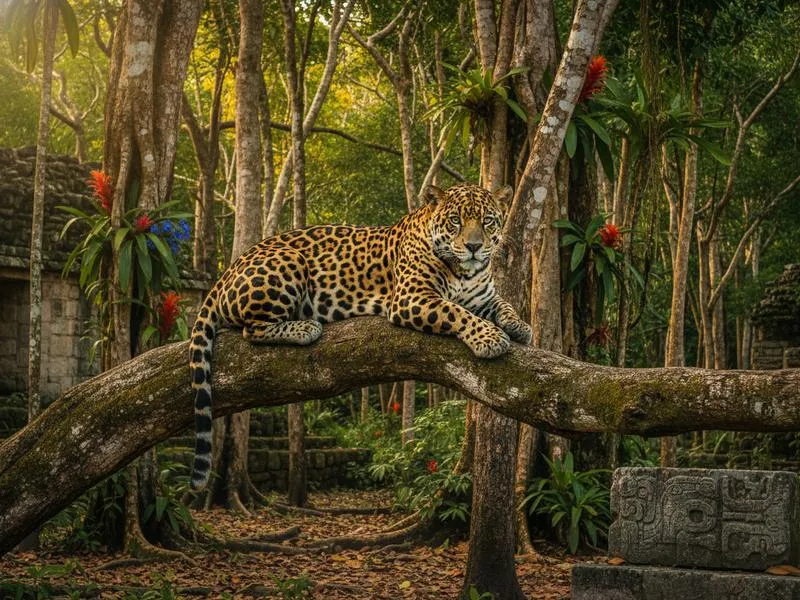
The massive Calakmul reserve protects over 700,000 hectares of tropical forest, harboring Mexico’s largest jaguar population and incredible biodiversity.
Wildlife:
- Jaguars: Highest density in Mexico (sightings rare but possible)
- Spider and howler monkeys: Common sightings
- Ocellated turkeys: Endemic species
- Toucans and parrots: Abundant
- Tapirs: Occasionally spotted
What You’ll Experience:
- Ancient Mayan ruins emerging from jungle
- Dawn and dusk wildlife watching
- Monkey encounters on forest trails
- Remote, uncrowded wilderness
Best Time to Visit: Dry season (November-May); wildlife concentrates near water sources
11. Sian Ka’an Biosphere Reserve (Quintana Roo)
This UNESCO World Heritage Site south of Tulum protects tropical forests, wetlands, and marine ecosystems supporting diverse wildlife.
Wildlife:
- Jaguars and pumas
- Manatees in lagoons
- Crocodiles in mangroves
- Dolphins in coastal waters
- Over 300 bird species
Access: Punta Allen provides the main gateway
12. Los Tuxtlas Biosphere Reserve (Veracruz)
Mexico’s northernmost tropical rainforest at Los Tuxtlas provides habitat for howler monkeys, toucans, and numerous endemic species.
Wildlife:
- Red howler monkeys (endemic species)
- Keel-billed toucans
- Over 560 bird species
- Jaguarundi and margay cats
Visit: Nanciyaga Reserve offers excellent wildlife access
Marine Wildlife Encounters
13. Whale Shark Encounters (Multiple Locations)
Mexico offers some of the world’s best opportunities to swim with whale sharks, the world’s largest fish:
- Isla Holbox/Isla Mujeres: June-September (world’s largest aggregation)
- La Paz: October-May (Sea of Cortez population)
Regulations ensure ethical encounters: Limited swimmers per shark, no touching, no flash photography. Compare seasons, prices, and trip logistics in our guide to swimming with whale sharks in Mexico.
14. Crocodile Sanctuaries
Several locations offer safe crocodile viewing:
- Celestun (Yucatan): American crocodiles in mangroves
- Sontecomapan (Veracruz): Boat tours through crocodile habitat
- Ventanilla (Oaxaca): Community conservation project with crocodile viewing
Conservation Success Stories
Mexico’s wildlife conservation efforts have achieved remarkable results:
- Gray Whales: Recovered from near extinction to approximately 20,000 animals
- Sea Turtles: Multiple species showing population increases after decades of protection
- Monarch Butterflies: Protected wintering habitat allowing continued migration
- Cabo Pulmo: Fish populations increased 460% after marine protection
Choosing Ethical Wildlife Experiences
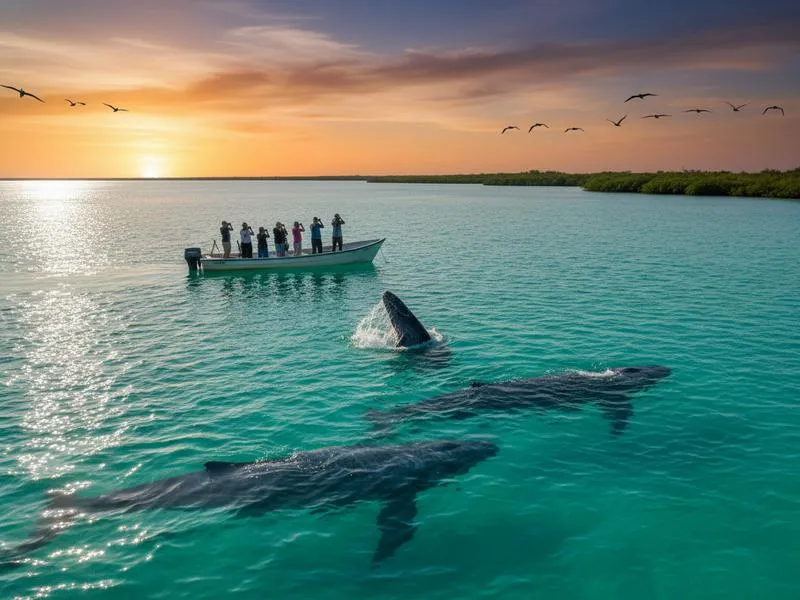
Not all wildlife experiences are equal. Choose ethical encounters by looking for:
Green Flags (Good Signs)
- Wild animals in natural habitats
- Clear contribution to conservation
- Educational components
- Strict viewing guidelines
- Local community involvement
- Accredited or government-recognized facilities
Red Flags (Avoid)
- Captive animals for photo opportunities
- Feeding wild animals to attract them
- Touching or riding wild animals
- Animals showing stress behaviors
- Unclear conservation purpose
- Unnatural settings or performances
Best Seasons for Wildlife in Mexico
- Gray Whales: January-March (Baja California)
- Monarch Butterflies: November-March (Michoacan)
- Sea Turtle Nesting: May-October (both coasts)
- Sea Turtle Releases: July-December (both coasts)
- Whale Sharks (Caribbean): June-September
- Whale Sharks (Sea of Cortez): October-May
- Bird Migration: October-April
- Flamingos: November-March (Yucatan)
How Your Visit Helps Conservation
Responsible wildlife tourism in Mexico directly supports conservation through:
- Funding: Entrance fees and tour costs fund protection programs
- Employment: Local jobs reduce pressure on wildlife from hunting and habitat destruction
- Awareness: Visitors become advocates for conservation
- Economic Value: Demonstrating that living wildlife is more valuable than dead
- Research: Tourism operations often support scientific monitoring
Explore More Wildlife Adventures
- The Ultimate Guide to Mexico Ecotourism and Adventure Travel
- Whale Watching in Mexico: Complete Guide
- Best Snorkeling and Diving in Mexico
- Best Eco-Lodges in Mexico
- San Blas, Mexico: Birdwatching and Wildlife
Wildlife Sanctuaries in Mexico: Final Thoughts
Mexico’s wildlife sanctuaries represent some of the best conservation success stories in the Americas. From the remarkable recovery of gray whales to the ongoing protection of jaguars in vast jungle reserves, these places demonstrate that sustainable tourism and conservation can work hand in hand.
Visiting these sanctuaries isn’t just about incredible wildlife encounters, though you’ll certainly have those. It’s about participating in a system that gives wildlife value alive rather than dead, supports local communities who become conservation stewards, and generates the funding needed to continue protection efforts.
Plan your visits during optimal seasons, choose ethical operators, follow wildlife viewing guidelines, and know that your tourism dollars are directly supporting the continued existence of these remarkable creatures.
The first time I watched hundreds of tiny sea turtle hatchlings scramble toward the ocean at sunset, their flippers churning the sand as waves carried them into their new world, I understood why these conservation programs matter. We’re giving them a chance.