Best Hotels in San Cristóbal de las Casas, Mexico (2026 Guide)
The best hotels in San Cristóbal de las Casas are in or just off Real de Guadalupe, close enough to walk everywhere and warm enough for the city’s cold nights. For most first-time visitors, the sweet spot is a central mid-range or boutique stay with confirmed heating, not the cheapest room near the bus terminal.
San Cristóbal de las Casas sits at 2,200 meters above sea level, so nights are genuinely cold year-round by Mexico standards. Many budget rooms still rely on blankets instead of heaters. Add in the fact that there is no Uber, and where you stay matters more here than in flatter, warmer Mexican cities.
This guide covers the best hotels in San Cristóbal de las Casas by budget, where to stay for walkability, what to ask about heating before you book, and which properties make the most sense for first-timers.
Best Hotels in San Cristóbal de las Casas in 30 Seconds
- Best overall boutique stay: Hotel Bo
- Best classic colonial hotel: Casa Vieja
- Best for families or longer stays: Parador San Juan de Dios
- Best mid-range first-timer pick: Hotel Casa Mexicana
- Best hostel for solo travelers: Rossco Backpacker Hostel
- Best budget private room: Hotel Real del Valle
- Best area to stay: Real de Guadalupe and the streets within a 5 to 10 minute walk of Plaza 31 de Marzo
For the full destination overview, see our guide to things to do in San Cristóbal de las Casas.
What Makes San Cristóbal Different
Altitude. 2,200 meters. This affects everything — the cold, the first-night headache, the fact that you’ll tire faster on walking tours. Unlike most Mexico destinations, packing for warmth is not optional. This is true even in April and May, which are San Cristóbal’s warmest months.
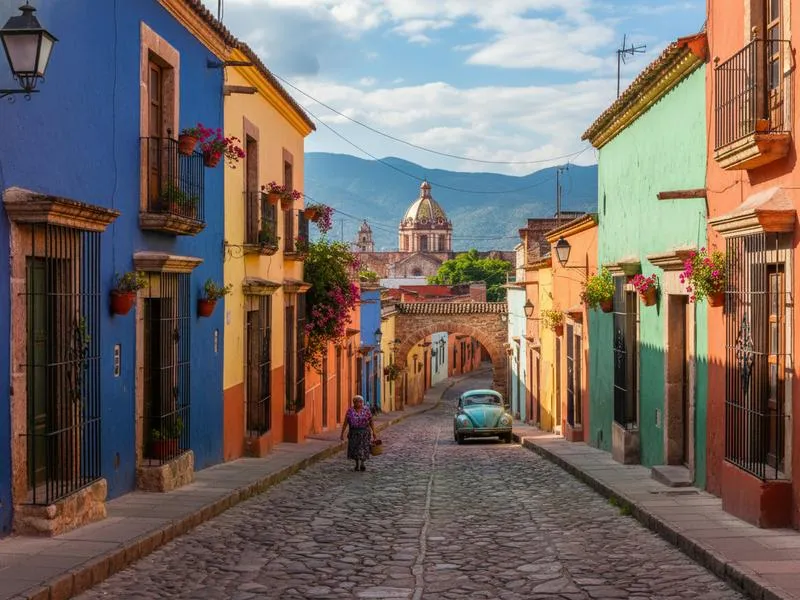
No cars on the pedestrian center. Real de Guadalupe — the main tourist street — is car-free. The immediate surroundings of the Zócalo are walkable and low-traffic. This makes the center one of the most pleasant walking areas in Mexico highland cities.
Indigenous Tzotzil Maya culture. The San Cristóbal market and surrounding communities have an active indigenous market culture unlike anything in northern or coastal Mexico. Women in traditional Tzotzil dress sell textiles, amber, and crafts in the Santo Domingo market area. This is not a performance — it’s daily commerce for communities that have operated here for centuries.
Mototaxis, not Uber. Three-wheeled covered mototaxis are everywhere in the center. 20-40 MXN for any trip within the colonial core. Regular taxis also available. No ride-hailing apps function here.
The Altitude Situation
San Cristóbal at 2,200 meters is real altitude. Most travelers from sea-level destinations (coastal Mexico, Europe, North America) will feel it.
First night: Likely a headache — the most common symptom. Sometimes mild fatigue or mild nausea. This is normal and almost universal for visitors who arrive directly from sea level.
What to do:
- Avoid alcohol the first evening — it intensifies altitude symptoms
- Drink more water than usual (altitude is dehydrating)
- Move slowly; don’t go straight to a strenuous day trip on arrival day
- Coca tea (té de coca) is sold in many restaurants and pharmacies — it’s traditional in Andean communities for altitude and works reasonably well for headaches
What not to worry about: At 2,200 meters, altitude sickness rarely becomes serious. This isn’t Cusco (3,400 meters) or high-altitude trekking. Most people feel fine by day two.
Implication for hotel choice: Book a central hotel so you can walk slowly rather than needing taxis on day one. The luxury properties typically have better blanket/heating situations for the first cold night.
The Fireplace and Heating Reality
This is the most under-reported aspect of San Cristóbal accommodation.
Cold nights in San Cristóbal (8-14°C in dry season, occasionally lower) require heating. The situation by property tier:
Luxury hotels: Electric heaters, fireplaces, or central heating in most rooms. This is part of what the premium pays for in San Cristóbal.
Mid-range hotels: Some have electric heaters in rooms; some don’t. Always ask before booking. “Heater available on request” usually means a portable electric heater that the hotel will bring to your room — functional but not ideal.
Budget hostels and hotels: Frequently no heating at all. Extra blankets provided. In a dorm with multiple people generating body heat, this is manageable. In a private budget room in December or January, it can be genuinely cold.
Fireplace rooms: Some colonial properties have working fireplaces in rooms or common areas. These are usually at the luxury or upper mid-range tier. If you’re visiting during the coldest months (December-February), paying for a fireplace room is worth it.
The key question to ask before booking: “Do rooms have heating? Is it electric, fireplace, or extra blankets?” Get a direct answer, not marketing language.
Best Area to Stay in San Cristóbal de las Casas
If you are visiting for the first time, stay near Real de Guadalupe or within a few blocks of Plaza 31 de Marzo. This puts you close to the pedestrian center, restaurants, cafés, the Santo Domingo market, and the easiest mototaxi pickups.
The main mistake is booking a cheaper hotel near the ADO bus terminal. It works for one night, but it is not the part of town you want to walk back to after dinner, and you’ll end up taking taxis more often.
Price Tiers
| Category | Price Range (per night) | What You Get |
|---|---|---|
| Luxury | 3,000-8,000 MXN | Colonial courtyard, heating, restaurant, concierge |
| Mid-range | 900-3,000 MXN | Central location, private bath, some heating, WiFi |
| Budget | 200-900 MXN | Hostel dorms or basic private rooms, minimal heating |
Luxury Hotels in San Cristóbal
Hotel Bo
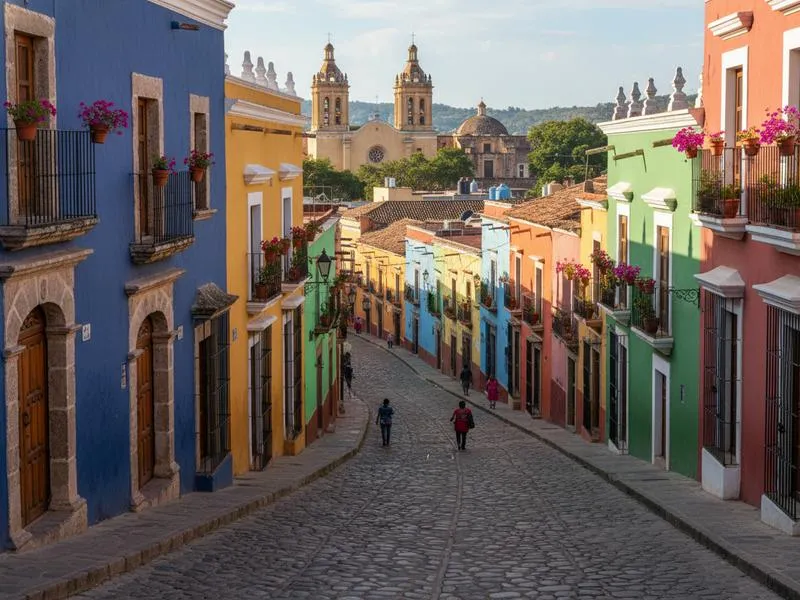
Hotel Bo is the city’s most design-forward property — contemporary interpretation of Chiapas art and indigenous textile motifs applied to a colonial building. Each room incorporates work by local artists, and the curation is thoughtful rather than decorative. The restaurant is one of the best in the city, with a menu that draws on Chiapas cuisine. The heating situation is well-handled. Central location on Real de Guadalupe area.
Best for: Design travelers, foodies, couples who want the city’s best hotel.
Casa Vieja
Casa Vieja is a restored 16th-century colonial house built around a central courtyard — the classic San Cristóbal luxury format. Stone floors, arched corridors, a garden courtyard where breakfast is served, and rooms furnished with antiques and quality textiles. Fireplaces in some rooms. The property feels genuinely old in the best sense.
Best for: Travelers who want the colonial boutique experience — historic architecture, period furnishings, courtyard breakfast.
Parador San Juan de Dios
A larger luxury property than Casa Vieja or Hotel Bo, with more amenities — pool, spa, multiple dining options. Built around a colonial-era building with extensive gardens. More of a traditional hotel operation than a boutique property. The scale means it’s better at group travel and multi-day stays where you want on-site facilities.
Best for: Families, groups, travelers who want full amenities (pool, spa) alongside the colonial setting.
Mid-Range Hotels in San Cristóbal
Hotel Casa Mexicana
A well-established mid-range property in a colonial building with a central courtyard. Casa Mexicana has been operating long enough to have the process dialed in — the breakfast is good, the rooms are clean and comfortable with electric heating available, and the staff knows the city well. Central location. Good value at its price point.
Best for: First-time visitors who want reliability and a central base.
Posada El Paraíso
Posada El Paraíso has a garden courtyard with a more relaxed atmosphere than the formal colonial properties. Rooms are tastefully simple — local textiles, clean bathrooms, adequate heating. Popular with travelers who’ve been through Mexico before and want a personal-feeling place over a polished one. The posada format means more owner engagement.
Best for: Return visitors to Mexico, travelers who prefer character over hotel formality.
Hotel Diego de Mazariegos
Named after the city’s founder, Diego de Mazariegos occupies a colonial building near the main plaza. Larger than Posada El Paraíso — more rooms, more amenities including a restaurant. The design mixes colonial architecture with modern comfort effectively. Some rooms have fireplaces. Well-positioned for walking to all major sights.
Best for: Travelers who want mid-range comfort with colonial atmosphere and on-site dining.
Casa Lukas
A newer addition to the mid-range market, Casa Lukas has positioned itself on personalized service and quality beds in a smaller format. The rooms are contemporary rather than colonial, which is unusual for the category. Strong WiFi, good heating, and a café on the ground floor. Appeals to digital nomads and working travelers.
Best for: Digital nomads, travelers who prefer contemporary design over colonial aesthetic.
Budget Hotels and Hostels
Rossco Backpacker Hostel
Rossco is one of the most recognized budget names in San Cristóbal. It’s been operating long enough to have a genuine community feel — the common area is a meeting point for travelers doing Chiapas tours, the dorm beds are functional, and the staff can book tours for everything from Sumidero Canyon to Chamula. Dorms have blankets; cold nights are cold but manageable.
Best for: Solo travelers, backpackers building an itinerary around day trips.
Kookaburra
An Australian-owned hostel that has maintained good reviews over multiple years. Kookaburra has a slightly older crowd than Rossco — fewer party-focus, more tour-focus. Private rooms available at the budget-premium tier. The breakfast (sometimes included) is above average for the price category.
Best for: Travelers who want a social hostel without the party atmosphere.
Hotel Real del Valle
A budget hotel (not hostel) option for travelers who want a private room at the lowest possible price. Real del Valle is basic — clean, functional, private rooms with bathrooms — but heating is minimal. In warm months this isn’t an issue. December through February, bring your own layer to sleep in.
Best for: Budget-first travelers who want a private room, not a dorm.
Market Proximity Guide
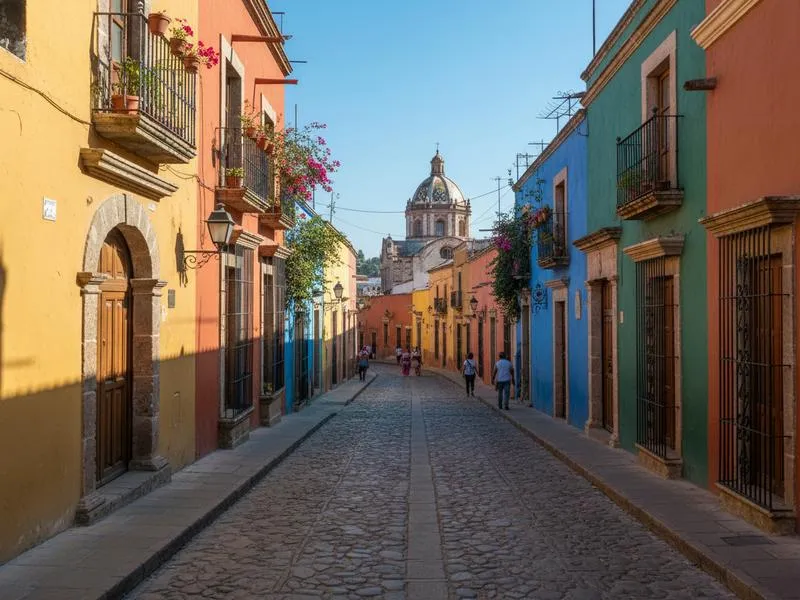
The best location in San Cristóbal is within walking distance of Real de Guadalupe (the main pedestrian street) and Santo Domingo market.
Real de Guadalupe: The pedestrian axis of the tourist zone. Car-free, lined with restaurants, coffee shops, and artisan shops. Nearly every good restaurant and most of the nightlife is within 3-4 blocks of this street. Hotels here or one block off it are the sweet spot.
Santo Domingo and Las Casas market: The indigenous market around the Santo Domingo church, a 10-minute walk from the main plaza. This is where Tzotzil women sell textiles, amber jewelry, and handmade crafts. Go in the morning when it’s most active. Hotels near Real de Guadalupe are walking distance from here.
What to avoid: Properties described as “near the ADO bus terminal.” The terminal is 15-20 minutes from the center on foot, and the area around it has nothing of interest. If price is the priority and you’re willing to take mototaxis, it’s fine logistically — but not enjoyable.
Safety in San Cristóbal
San Cristóbal’s historic center is considered safe. The tourist zone — Real de Guadalupe, the Zócalo, the Santo Domingo market — is busy and monitored.
The US State Department places Chiapas at Level 2 (Exercise Increased Caution). This classification exists primarily because of conflict zones near the Guatemalan border — Ocosingo and certain rural areas where land and political disputes occasionally turn violent. These areas are hours from San Cristóbal and not tourist destinations.
For travelers staying in the city center:
- Standard urban precautions apply: don’t display expensive equipment unnecessarily, avoid dark streets after midnight, stay aware in crowded markets
- The indigenous market areas are very safe during daylight — normal commercial activity
- Night safety in Real de Guadalupe is generally good — the street is well-lit and busy until 11 PM or later
If you plan to travel toward the Guatemalan border, visit Zapatista communities, or take the road toward Ocosingo or Palenque, research current conditions before going. See our day trips from San Cristóbal guide for which routes are currently normal and which need monitoring.
Getting Around San Cristóbal
Walking: The colonial center is compact. Most hotels, restaurants, and sights are within a 20-minute walk of each other if you’re centrally located.
Mototaxis: Three-wheeled covered taxis that cover the city for 20-40 MXN per trip. Flag one anywhere on the main streets. They don’t use meters — agree on a price before getting in, which is always the driver’s opening offer or slightly below.
Regular taxis: Available and metered in theory. In practice, agree on a price for longer trips (to the bus terminal, to outskirts). Fair for solo travel; split cost makes mototaxis unnecessary.
Colectivos: Shared minivans running fixed routes. Useful for getting to Chamula and Zinacantán for day trips. Depart from specific points near the market.
No Uber, no DiDi: Neither operates here. Don’t rely on ride-hailing.
Where to Stay: Quick Reference
| Hotel | Type | Best For |
|---|---|---|
| Hotel Bo | Luxury | Design, food, couples |
| Casa Vieja | Luxury | Colonial experience, fireplaces |
| Parador San Juan de Dios | Luxury | Groups, pool, full amenities |
| Hotel Casa Mexicana | Mid-range | First-timers, reliability |
| Posada El Paraíso | Mid-range | Character, garden, returning travelers |
| Hotel Diego de Mazariegos | Mid-range | Colonial + on-site dining |
| Casa Lukas | Mid-range | Nomads, contemporary design |
| Rossco Backpacker | Budget/Hostel | Solo travelers, day trip base |
| Kookaburra | Budget/Hostel | Social but quiet, tour-focused |
| Hotel Real del Valle | Budget | Private room minimum price |
Best Hotel by Trip Style
| If you want… | Best pick |
|---|---|
| The best boutique hotel in town | Hotel Bo |
| A romantic colonial stay | Casa Vieja |
| Pool and full-service amenities | Parador San Juan de Dios |
| Reliable mid-range comfort | Hotel Casa Mexicana |
| A social hostel base | Rossco Backpacker Hostel |
| The cheapest private room | Hotel Real del Valle |
Booking Tips
Ask about heating. It bears repeating. Before booking any budget or mid-range property for December-February visits, ask directly what heating is provided in rooms.
High season in San Cristóbal: December-January (Christmas/New Year), Semana Santa (Easter week), and the summer months when Mexican domestic tourism peaks. Book 3-4 weeks ahead minimum for mid-range and luxury during these windows.
Altitude + jet lag: If you’re arriving with jet lag from a long international flight, the combination with altitude can be rough the first night. Booking at a mid-range or luxury property for night one, even if you move to budget later, is a reasonable way to ease the adjustment.
Final Thoughts
San Cristóbal is one of Mexico’s most underrated cities for travelers who’ve moved beyond the beach. The colonial architecture, the indigenous market culture, the day trip options to Sumidero Canyon, Chamula, and Palenque — it’s a legitimately excellent destination.
The cold is real. The altitude is real. Neither is a reason not to go — but both require a 15-minute preparation: pack a jacket, bring layers for sleeping, and give yourself an easy first day.
For first-time visitors: a central mid-range hotel near Real de Guadalupe, confirmed heating, and a reservation at a restaurant on the pedestrian strip the first evening. That’s the formula.
Useful links:
- Things to Do in San Cristóbal de las Casas — full activities guide
- Day Trips from San Cristóbal — Chamula, Sumidero, Palenque
- Oaxaca to San Cristóbal — route and logistics