San Cristóbal, Mexico: 25 Best Things to Do
Planning a first trip to San Cristóbal, Mexico? Give San Cristóbal de las Casas 2 to 3 days: spend day one around Santo Domingo, the cathedral, Real de Guadalupe, coffee, and the Guadalupe viewpoint, then visit San Juan Chamula and Zinacantán on day two. Add Sumidero Canyon on day three for the classic Chiapas highlands circuit.
This mountain city sits at 2,200 metres and feels very different from beach Mexico. Its strongest reasons to visit are indigenous culture, cool weather, coffee, markets, and easy day trips—not nightlife or resorts.
San Cristóbal in 30 Seconds
| If you want… | Do this first |
|---|---|
| The classic first trip | Santo Domingo, cathedral, Real de Guadalupe, Chamula, then Sumidero Canyon |
| The strongest cultural day | Chamula + Zinacantán with an early start |
| The best city-only day | Santo Domingo, amber museum, cafés, Guadalupe viewpoint |
| Nature without a full-day tour | El Arcotete or Huitepec |
| The easiest 2-day plan | Day 1 city sights, day 2 Chamula + Zinacantán |
| The best add-on if you have 3 days | Sumidero Canyon + Chiapa de Corzo |
For broader planning, pair this page with our San Cristóbal travel guide, the full day trips from San Cristóbal guide, the local food shortlist in what to eat in San Cristóbal de las Casas, and the latest safety context in is San Cristóbal safe.
At a Glance: San Cristóbal Activities
| Activity | Category | Cost | Time Needed | Difficulty |
|---|---|---|---|---|
| San Juan Chamula village | Indigenous culture | 30 MXN entry + colectivo | Half day | Easy |
| Sumidero Canyon boat tour | Nature | 200-280 MXN | Half day | Easy |
| Zinacantán weaving village | Culture | Colectivo 15 MXN | Half day | Easy |
| Templo de Santo Domingo | Historic | Free | 1-2 hours | Easy |
| El Arcotete cenote + zip line | Adventure | 80 MXN | Half day | Easy-Moderate |
| Huitepec Cloud Forest | Nature | 50 MXN | 2-3 hours | Moderate |
| Amber Museum | Culture | 40 MXN | 1-2 hours | Easy |
| Na Bolom Cultural Center | History | 80 MXN | 2 hours | Easy |
| Barrio de Guadalupe viewpoint | Scenic | Free | 30 min | Easy walk |
| Cañón del Sumidero viewpoints | Nature | 100-150 MXN | Half day | Easy |
| Palenque ruins day trip | Archaeology | 500+ MXN all-in | Full day | Moderate |
| Lagunas de Montebello | Nature | Day tour | Full day | Easy |
| Agua Azul + Misol-Ha | Nature | Day tour | Full day | Easy |
| Andador Eclesiástico walk | Scenic | Free | 1-2 hours | Easy |
| Mercado Santo Domingo market | Shopping | Free to browse | 1-2 hours | Easy |
Historic Sites & Churches
1. Templo de Santo Domingo de Guzmán
The 17th-century Templo de Santo Domingo is San Cristóbal’s most photographed building for good reason. The pink baroque facade, covered in relief carvings of saints, vines, and the double-headed Habsburg eagle, is extraordinary by any standard. Construction began in 1547 and the elaborate facade was added in the early 1700s.
Inside, the single nave features a gilded cedar altarpiece and a ceiling of carved wood. The church remains an active place of worship for both Catholic and syncretic Maya ceremonies.
Adjacent to the church, the Mercado de Artesanías de Santo Domingo fills the square with textiles, amber, and crafts from across Chiapas. Unlike tourist markets in Cancún or even Oaxaca, many sellers here are Maya women from surrounding villages who made the items themselves. Prices are fair without hard bargaining.
Practical: Free entry. Open daily 7AM–8PM. Photography allowed inside.
2. Catedral de San Cristóbal de las Casas
The yellow-and-white cathedral on the main plaza (Plaza 31 de Marzo) dates to 1528, making it one of the oldest in Mexico. The current neoclassical facade was built in the 18th century. The interior is simpler than Santo Domingo but worth seeing for the painted ceiling and colonial-era paintings.
The plaza itself is the social center of the city — benches fill with locals in the evening, balloon sellers circulate, and the cathedral bells mark every hour. Arrive at sunset when the yellow facade glows.
Practical: Free entry. Open daily 7AM–8PM.
3. Andador Eclesiástico — The Church Walk
A pedestrian corridor connects the Cathedral, Templo del Carmen, and Santo Domingo through the heart of the old city. The walk takes 20 minutes at a slow pace and passes colonial mansions now converted into restaurants, cafés, and galleries. Street performers and vendors line the route on weekends.
Start at the Cathedral and walk southeast. The Templo del Carmen at the far end has a Moorish arch straddling the street — one of San Cristóbal’s most photographed spots.
Practical: Free. Best at golden hour (6-7PM) or on Sunday evenings when street performances are common.
Indigenous Villages
4. San Juan Chamula — The Unmissable Village
San Juan Chamula is the most important indigenous community in Chiapas and arguably the most extraordinary village visit in Mexico. The church of San Juan Bautista practices a form of Maya-Catholic syncretism that has evolved over 500 years with minimal outside interference.
Inside the church: The floor is covered in pine needles. Hundreds of candles burn in clusters — their height, color, and positioning hold specific ritual meaning. Worshippers crouch on the floor performing healing ceremonies. Coca-Cola and pox (a local sugarcane spirit) are consumed during ritual because carbonation is believed to expel evil spirits — substituting the fermentation process that once made corn chicha the sacred drink. There are no pews, no priest, and no regular Mass. The space belongs to the Maya community.
Photography: Absolutely forbidden inside the church. This is non-negotiable. Tourists have had cameras confiscated and been escorted out. Photographs in the churchyard and village plaza are generally acceptable if you ask permission.
What else to see: The cemetery adjacent to the church has cross-shaped headstones in Tzotzil colors (black, white, green) that differ completely from standard Catholic cemeteries. The weekly market (Thursday and Sunday) fills the plaza with vendors from surrounding communities.
Respect: Dress modestly. Remove hats before entering. Do not disrupt ceremonies. A community entrance fee of 30 MXN is collected at the church entrance.
Getting there: Colectivos depart from Calle Honduras near Mercado Viejo, cost 12-15 MXN, and take 15-20 minutes. Taxis cost 80-100 MXN. Tour agencies in San Cristóbal combine Chamula and Zinacantán for 150-250 MXN per person.
5. Zinacantán — The Flower Weavers
Zinacantán (Tzotzil for “place of bats”) is 10 kilometres west of San Cristóbal. The Zinacanteco people are renowned for their flower-embroidered textiles in vivid pink, purple, and orange — colors that reflect their identity as the “Flower People” of the highlands.
Unlike San Juan Chamula, Zinacantán encourages tourists into homes where women demonstrate weaving on backstrap looms. You watch the creation process — from raw thread to finished huipil — and can buy directly from the maker at prices lower than any market in San Cristóbal. A woven table runner costs 100-200 MXN; a full huipil blouse runs 500-1,500 MXN depending on complexity.
The church of San Lorenzo Zinacantán is worth seeing for its elaborate interior, though photography policies vary.
Getting there: Colectivos from Calle Honduras, 15 MXN, 20 minutes. Combine with San Juan Chamula in a half-day circuit.
6. San Andrés Larráinzar — Off-the-Beaten-Path Option
Fewer tourists reach San Andrés, 26 kilometres from San Cristóbal, but the Sunday market draws Tzotzil people from a wider region. The village is associated with the Zapatista peace accords signed here in the 1990s. Visit for a more authentic market experience with fewer tour groups.
Nature & Adventure
7. Sumidero Canyon Boat Tour (Cañón del Sumidero)
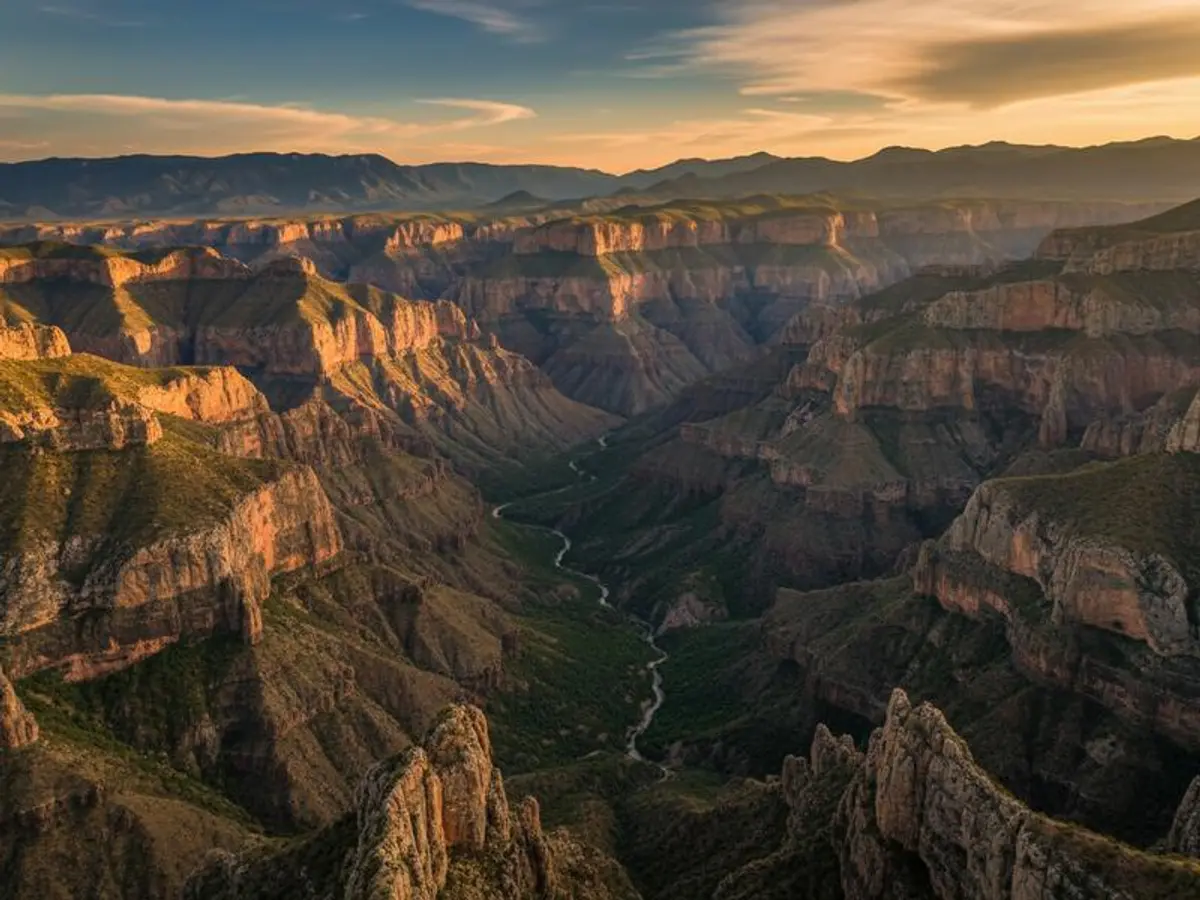
Sumidero Canyon is one of Mexico’s most dramatic natural sites. The Grijalva River cut through the Chiapas highlands over millions of years, creating a gorge up to 1,000 metres deep and 13 kilometres long. The boat tour from Chiapa de Corzo is the standard way to experience it.
The tour: Two-hour shared boat trip (lancha colectiva) departing from the dock in Chiapa de Corzo. The boat passes under vertical cliff faces, through sections so narrow the sky becomes a strip of blue above, and past a permanent waterfall that creates a Christmas-tree shaped moss formation on the canyon wall (most visible November-February). Wildlife spotted on most tours includes American crocodiles basking on rocks, spider monkeys in the vegetation, and several raptor species. A colony of hundreds of black vultures roosts on one cliff face.
Practical: Boats depart when full (every 20-40 minutes) from 8AM to 4PM. Cost is approximately 250-280 MXN per person. Bring sunscreen, sunglasses, and a rain jacket. Add the mirador (viewpoint) lookout from the canyon rim for the full perspective — this requires a car or taxi.
From San Cristóbal: Take a combi to Chiapa de Corzo (40 MXN, 25 minutes) or book a tour package (350-500 MXN including transport). Book a Sumidero Canyon tour on Viator.
8. El Arcotete Ecoturismo Park
El Arcotete combines four experiences in one site 5 kilometres east of San Cristóbal: a natural limestone arch over the Fogótico River, a small cenote for swimming, zip lines, and hiking trails through cloud forest. Entry costs 80-100 MXN.
The cenote water is cold (consistent with altitude — around 16°C) but swimable. The natural arch is genuinely impressive at 50 metres high. Zip lines cross the river canyon and are included in the entry fee.
Practical: Open Tuesday-Sunday, 9AM-5PM. Taxi from San Cristóbal costs 60-80 MXN. Best visited on weekdays when crowds are minimal.
9. Huitepec Cloud Forest Reserve
Huitepec is a 135-hectare cloud forest reserve managed by Conservation International, 5 kilometres from San Cristóbal on the road to San Juan Chamula. The trail system gains altitude through dense forest where quetzals have been spotted (rare, early mornings give best chances), orchids bloom, and the silence is absolute.
The forest represents what most of the Chiapas highlands looked like before deforestation. At 2,500-2,800 metres elevation, temperatures drop noticeably compared to the city — bring an extra layer.
Practical: Entry 50 MXN. Open Tuesday-Sunday 9AM-3PM. No services. Bring water and a jacket. Combines well with a colectivo trip to San Juan Chamula (same road direction).
10. Cascada El Chorreadero
A small but beautiful waterfall system 12 kilometres from San Cristóbal, El Chorreadero cascades through limestone formations into clear swimming pools. The area has a lagoon with pedal boats, a 300-metre underwater cave system (explored by spelunkers), and simple picnic areas favored by local families on weekends.
Practical: Taxi 100-120 MXN round trip. Entry approximately 30 MXN. Best on weekdays.
Museums & Culture
11. Museo del Ámbar de Chiapas (Amber Museum)
Chiapas is one of the world’s primary amber-producing regions, with deposits estimated at 22-25 million years old. The state amber is considered among the finest globally, valued for its clarity, color range (clear honey to deep red and rare blue), and the frequency of biological inclusions — insects, plant material, and occasionally lizards preserved in perfect detail.
The museum in Ex-Convento de La Merced explains the geological and cultural history of amber, displays exceptional specimens, and connects to commercial shops where you can buy certified Chiapas amber at verified prices. The certification matters: Chiapas markets sell considerable amounts of plastic “amber” to unwary tourists.
How to spot fake amber: Real amber floats in saturated salt water; plastic sinks. Real amber feels warm, not cold. Ask sellers for the salt water test.
Practical: Entry 40 MXN. Tuesday-Sunday 10AM-8PM. Combined museum + shop visit takes 1-2 hours.
12. Na Bolom — House of the Jaguar
Na Bolom (“House of the Jaguar” in Tzotzil) was the home of Danish archaeologist Frans Blom and Swiss photographer Trudy Blom, who spent decades documenting and supporting the Lacandón Maya — Mexico’s most isolated indigenous group, living deep in the Chiapas jungle. The house, donated to the public after Trudy’s death in 1993, contains their extensive library, photo archives, Lacandón artifacts, and a garden replanted with species they collected.
Guided tours in English and Spanish explain the couple’s work and the broader context of Lacandón Maya culture, which remained relatively unchanged until the mid-20th century due to geographic isolation. Na Bolom runs reforestation projects in the surrounding highlands.
Practical: Entry 80 MXN, guided tour only. Tuesday-Sunday, tours at 11:30AM and 4:30PM. Check current hours before visiting.
13. Museo de la Medicina Maya
The Institute of Maya Medicine preserves traditional healing knowledge from Tzotzil and Tzeltal communities. The museum documents medicinal plants, ceremony-based healing practices, and the role of h’iloletik (Maya healers) in contemporary community health.
This is not a tourist performance — it documents a living practice. The museum is operated by an indigenous organization (OMIECH) that also trains traditional healers.
Practical: Entry 30 MXN. Monday-Friday 10AM-6PM, Saturday 10AM-3PM.
Markets & Shopping
14. Mercado Viejo (Municipal Market)
The covered municipal market operates every day but is most active Tuesday-Sunday. The lower floor sells fresh produce, dried chiles, herbs, and local specialties including chipilín (a leafy green endemic to Chiapas), chayote, and hierba santa (anise-flavored leaf). The upper floor has prepared food stalls serving breakfast and lunch.
This is where San Cristóbal residents shop. Prices are 30-50% lower than tourist-facing markets. Try tamales de chipilín (15-20 MXN) or pozol (the cold fermented corn drink that Chiapas does better than anywhere in Mexico, 10-15 MXN).
15. Santo Domingo Artisan Market
The market surrounding the Templo de Santo Domingo concentrates the best craft buying in Chiapas. Particular strengths: hand-woven textiles from highland communities, genuine amber and jet (azabache), hand-embroidered clothing, and leather goods. Women from Chamula and Zinacantán sell their own work at prices that reflect fair compensation for skilled labor.
Bargaining is acceptable but recognize that many items took days to create. The floor price for a hand-woven table runner is around 80 MXN; for a full embroidered blouse, 400-800 MXN for genuine quality.
What to buy in San Cristóbal:
- Amber jewelry — Buy from the Amber Museum shop or certified dealers. Expect 150-500+ MXN for genuine pieces
- Woven textiles — Huipil blouses, table runners, rebozos (shawls). Tzotzil-style in bold flower patterns
- Coffee — San Cristóbal sits in Chiapas coffee country. Look for bags from Cooperativa Mut Vitz or similar cooperatives
- Mezcal from Chiapas — Less known than Oaxacan mezcal but genuine and worth trying
Food & Drinks
16. Café Culture — The Coffee Capital
San Cristóbal is arguably the best city in Mexico for café culture. Chiapas produces 40% of Mexico’s coffee (the state is Mexico’s largest coffee producer), and the highlands where San Cristóbal sits grow some of the best beans in the country at 1,500-2,000 metres. The city has dozens of serious cafés.
Standouts: Café El Gato (courtyard house, excellent single-origin pourover), Caféologia (cooperative-sourced, Zinacantán community connection), Tierra y Cielo (rooftop terrace, panoramic highland views). Order café de olla (coffee brewed with cinnamon and piloncillo in a clay pot) to taste the traditional Chiapas preparation.
17. Chiapas Regional Food
San Cristóbal is the best place to eat highland Chiapas cuisine, distinct from coastal Chiapas.
Must try:
- Cochito horneado — slow-roasted pork marinated in achiote and chile, served at Sunday markets
- Tamales de chipilín — fresh chipilín leaves folded into corn masa, steamed in banana leaf (breakfast staple)
- Caldo de res — hearty beef and vegetable broth (the altitude justifies it)
- Pozol — cold fermented corn drink with cacao or plain, served in Mercado Viejo
- Pox (pronounced “posh”) — traditional Tzotzil sugarcane spirit, clear and strong (45-50% ABV), the indigenous equivalent of mezcal
Where to eat:
- Restaurante LUM — highland ingredients, beautifully executed, mid-range
- TierrAdentro — Tzotzil Maya women’s cooperative, pepita con tasajo, sopa de pan
- La Casa del Pan Papalotl — feminist collective bakery, best 90 MXN comida corrida in the city
- Mercado Viejo stalls — cheapest authentic meals in the city (30-60 MXN for full plate)
For a full guide to the 15 essential dishes, best markets, and where locals eat: What to Eat in San Cristóbal de las Casas
Viewpoints & Neighborhoods
18. Barrio de Guadalupe Viewpoint
The neighborhood east of the center climbs to the Templo de Guadalupe, a modest church with enormous symbolic importance as the barrio marker. The walk up provides views over the colonial rooftops of San Cristóbal, the surrounding highland ridges, and on clear mornings, distant volcanoes.
The neighborhood itself is less touristy than the center — traditional houses with walled gardens, children walking to school, women carrying market bags. The contrast with the boutique hotel zone around Santo Domingo is stark.
Practical: Free. Walk from the Cathedral takes 15-20 minutes. Most rewarding at sunrise or late afternoon.
19. Barrio de Mexicanos
The northern neighborhood of Mexicanos (originally settled by Aztec soldiers who arrived with the Spanish) has a calmer pace than the main tourist corridor. The local market on weekend mornings serves neighborhood residents. One of the best examples of everyday city life visible without venturing far.
Day Trips from San Cristóbal
20. Palenque (3 hours)
The Palenque ruins are the most important Maya archaeological site accessible from San Cristóbal and among the top five sites in all of Mexico. The Palace with its astronomically aligned tower, the Temple of Inscriptions containing the tomb of Pakal the Great, and the setting in dense jungle with howler monkeys audible in the canopy make Palenque genuinely spectacular.
Key logistics:
- 3-hour drive (200 km) on a mountain road with hairpin turns — some passengers experience motion sickness
- Arrive before 10AM; tour groups overwhelm the site by 11AM
- Add Agua Azul waterfalls (1.5 hours from SCP, turquoise November-April, brown in rainy season) and Misol-Ha waterfall (45 minutes from SCP) if doing a full day
- Overnight in Palenque town or El Panchan jungle campsite for a more relaxed experience
- ADO bus from San Cristóbal (150-200 MXN one-way, 4-5 hours) or 4WD rental car
Book a Palenque day trip from San Cristóbal on Viator.
See our complete day trips from San Cristóbal guide for logistics on all routes.
21. Lagunas de Montebello
Sixty-six lakes scattered across the Chiapas highlands, each a different shade of blue, green, or turquoise due to varying mineral concentrations. UNESCO designated the area a Biosphere Reserve. The most visited section — Lagos de Colores — has five vividly colored lakes accessible by foot or horseback from the park entrance.
Practical: 2-hour drive southeast of San Cristóbal. Day tours from the city run 400-600 MXN. The area is near the Guatemalan border; roads are good but the journey involves winding mountain sections. Combine with the Chinkultic Maya ruins (nearby, relatively minor site, free).
22. Lagos de Montebello + Bonampak or Yaxchilán (2 nights)
For travelers with more time, the remote jungle sites of Bonampak (its murals are the finest surviving Maya painted scenes in existence) and Yaxchilán (river-island ruins reached by boat on the Usumacinta, Mexico-Guatemala border) require a full two-day trip with an overnight in Palenque or Frontera Corozal. These are spectacular for serious archaeology enthusiasts. See the Chiapas 7-day itinerary for logistics.
23. Chiapa de Corzo + Canyon Rim Viewpoints
Chiapa de Corzo is the departure point for Sumidero Canyon boat tours, but the town itself deserves time. The 16th-century La Pila fountain (Mudejar-Gothic style, one of Mexico’s oldest Spanish colonial structures), the Zoque indigenous market, and the ex-monastery museum are all worth an hour before or after the boat tour. The Parachicos festival in January (UNESCO Intangible Heritage) features dancers in wooden masks and women in colonial dress.
Practical Information
Getting Around San Cristóbal
| Transport | Route | Cost | Notes |
|---|---|---|---|
| Walking | Centro historic | Free | Best for the main zone |
| City taxi | Anywhere in city | 35-60 MXN | Negotiate before entering |
| Colectivo minibus | San Juan Chamula | 12-15 MXN | From Calle Honduras |
| Colectivo minibus | Zinacantán | 15 MXN | From Calle Honduras |
| Colectivo minibus | Chiapa de Corzo | 35-40 MXN | From the central market |
| Rental car | Canyon rim, Montebello | 600-1,000 MXN/day | RentCars |
| Bicycle rental | City + outskirts | 80-120 MXN/day | From shops on Real de Guadalupe |
Important: Uber does not operate in San Cristóbal. Always use registered taxis.
Budget Guide
| Travel Style | Daily Budget | What’s Included |
|---|---|---|
| Budget | $25-40 USD | Hostel dorm, market meals, colectivos, free sites |
| Mid-Range | $60-90 USD | Private room, restaurant meals, day tours, taxis |
| Comfortable | $100-150 USD | Boutique hotel, curated tours, amber purchase |
Free Activities in San Cristóbal
| Activity | Notes |
|---|---|
| Cathedral + Santo Domingo exterior | Any time |
| Andador Eclesiástico walk | Best at golden hour |
| Barrio de Guadalupe viewpoint | 15-min walk from center |
| Mercado Viejo browsing | Any morning |
| Plaza 31 de Marzo people-watching | Evenings especially |
| Sunday evening band concerts | Plaza 31 de Marzo, occasional |
Best Time to Visit
| Month | Weather | Crowds | Notes |
|---|---|---|---|
| Nov-Feb | Cool/cold nights, dry | Low-Medium | Best for hiking, cold nights need warm layers |
| Mar-Apr | Warming, still dry | Medium | Comfortable, pre-rainy season |
| May-Oct | Rainy afternoons | Low (ex: July/Aug) | Morning activities work fine; Sumidero is lush |
| Dec 24-Jan 3 | Cold | Very High | Posadas, New Year; book accommodation early |
Getting to San Cristóbal de las Casas
San Cristóbal has no airport. The nearest is Tuxtla Gutiérrez Airport (TGZ), 85 kilometres northwest.
- From TGZ airport: Taxi 350-450 MXN, or ADO/OCC bus 80-120 MXN (departures from the terminal)
- From Palenque: ADO or shared van, 4-5 hours, 150-200 MXN
- From Oaxaca City: ADO overnight bus, 11-12 hours, 500-800 MXN — the most common long-distance route
- From Mexico City: OCC overnight bus, 16-18 hours, or fly to TGZ (2 hours, 1,500-3,000 MXN)
Compare car rental options from Tuxtla Gutiérrez with RentCars.
Travel Insurance
San Cristóbal’s altitude (2,200m) can cause mild altitude sickness in the first 24 hours, particularly after arriving from sea-level destinations. Symptoms include headache, nausea, and fatigue. Acclimatize with light activity and hydration on day one. Travel insurance covering altitude-related illness and medical evacuation is worth having. travel insurance.
Where to Stay in San Cristóbal
| Hotel | Zone | Style | Price/Night |
|---|---|---|---|
| Hotel Bo | Barrio de Mexicanos | Boutique, contemporary | $150-220 USD |
| Hotel Casa Mexicana | Centro | Colonial courtyard | $90-140 USD |
| Hotel Diego de Mazariegos | Centro | Historic mansion | $80-120 USD |
| La Joya de los Sueños | Real de Guadalupe | Guesthouse, breakfast included | $45-70 USD |
| Hostal La Gota de Agua | Centro | Hostel, dorms + private | $12-30 USD |
Book hotels during Semana Santa, Day of the Dead, and New Year at least 2-3 months ahead. For Semana Santa specifically, see our Semana Santa in San Cristóbal guide — covers Chamula ceremonies, no Ley Seca, and 2026 schedule.
Plan Your Chiapas Trip
San Cristóbal connects to a broader Chiapas circuit:
- Chiapas 7-Day Itinerary — Full route from San Cristóbal through Palenque, Agua Azul, and Yaxchilán
- San Cristóbal de las Casas Travel Guide — Complete guide with transport, accommodation, and practical details
- Day Trips from San Cristóbal — All day trips with logistics: Chamula, Zinacantán, Sumidero, Palenque, Montebello
- San Juan Chamula Guide — Complete guide to visiting the syncretist church
- Chiapas Food Guide — Everything to eat across the state
- Foods of Chiapas Guide — Deep dive on highland Chiapas cuisine
- Mexico Travel Advisory 2026 — State-by-state safety guide
- Oaxaca to San Cristóbal de las Casas — Bus, shuttle, fly & drive options with bloqueo warning
Explore Chiapas tours and activities on Viator.