Mexico Travel Advisory 2026: Map & Safe States
Is it safe to travel to Mexico right now in 2026? Yes, for most trips: check the current Mexico travel advisory map, then match it to your exact city and route. The U.S. State Department rates Mexico’s 32 states from Level 1 (Exercise Normal Precautions) to Level 4 (Do Not Travel), while Embassy and Consulate alerts usually flag short-term disruptions like roadblocks, protests, weather problems, or localized security operations. As of April 2026, Yucatán and Campeche are Level 1, most major tourist destinations like Cancún, Oaxaca City, Mexico City, and Los Cabos sit in Level 2 or tourist-usable Level 3 states, and six states are Level 4: Sinaloa, Tamaulipas, Guerrero, Colima, Michoacán, and Zacatecas.
Fast verdict: If you want the easiest low-stress choices right now, start with Mérida, Valladolid, Oaxaca City, Puerto Vallarta, Mexico City, and Los Cabos. If your real question is whether a fresh Embassy alert means you should cancel, read the alert for the exact city, highway, and date before changing plans. Then compare the advisory with your destination’s exact neighborhood, route, and airport-transfer plan.
Mexico Travel Advisory 2026 in 30 Seconds
| Question | Quick answer |
|---|---|
| Is it safe to travel to Mexico right now? | Yes, for most travelers who stick to established tourist destinations and use normal big-city precautions. |
| What are the six Level 4 states right now? | Sinaloa, Tamaulipas, Guerrero, Colima, Michoacán, and Zacatecas. |
| Safest states | Yucatán and Campeche (Level 1). |
| Best easy-planning cities | Mérida, Valladolid, Oaxaca City, Puerto Vallarta, Mexico City, Los Cabos. |
| What should I check first? | Start with the State Department advisory for the long-term state map, then read Embassy alerts for short-term route or city disruptions. |
| What does a U.S. Embassy alert usually mean? | Usually a temporary operational warning, not a nationwide change to your trip. Read the exact city, road, and date. |
| Should I cancel because of an Embassy alert? | Usually no, not automatically. First check whether it affects your airport, highway, or neighborhood. |
| States that need extra judgment | Jalisco, Guanajuato, Nuevo León, Sonora, Chihuahua because state-level advisories are broader than tourist-zone reality. |
| Best rule of thumb | Fly into your destination, stay in tourist neighborhoods, and avoid rural night driving. |
Mexico Travel Advisory 2026 at a Glance
- Safest states: Yucatán and Campeche (Level 1)
- Safest first-trip cities: Mérida, Valladolid, Oaxaca City, Puerto Vallarta, Mexico City, Los Cabos
- Most popular easy-planning states: Quintana Roo, CDMX, Oaxaca, Puebla, Baja California Sur, Nuevo León (Level 2)
- States that need city-by-city judgment: Jalisco, Guanajuato, Sonora, Chihuahua (Level 3)
- States tourists should generally avoid: Sinaloa, Tamaulipas, Guerrero, Colima, Michoacán, Zacatecas (Level 4)
- Best rule of thumb: Fly into your destination, stay in tourist neighborhoods, and avoid rural night driving
The 6 Level 4 States Right Now
If you only need the fastest possible answer to the Mexico travel advisory, these are the six states the U.S. government still labels Level 4: Do Not Travel in 2026:
- Sinaloa
- Tamaulipas
- Guerrero
- Colima
- Michoacán
- Zacatecas
That does not mean every famous place inside those states is automatically off-limits in practice. It does mean you should not plan casual road trips through them, you should avoid rural night driving, and you should only consider the best-known tourist enclaves with current local context. If you are choosing the easiest destinations instead, skip these six and focus on Level 1 and Level 2 favorites like Mérida, Oaxaca City, Puerto Vallarta, or Los Cabos.
State Department Advisory vs Embassy Alert
This is the biggest source of confusion in the current search results, and it is the main reason travelers misread the Mexico travel advisory.
| If you see this | What it usually means | What you should do |
|---|---|---|
| State Department advisory | The long-running state-level safety rating for all of Mexico or one specific state | Check the state, then drill down to the exact city you want, like Puerto Vallarta, Guanajuato City, or Monterrey. |
| U.S. Embassy / Consulate alert | A temporary notice about protests, roadblocks, security operations, or specific routes | Read the date, exact places mentioned, and whether it affects airports, highways, or tourist zones. |
| News headline about cartel violence | Often a short-term event in one state or corridor, not a map-wide change | Cross-check the exact destination and route before canceling a trip. |
The practical takeaway: a fresh Embassy alert in Jalisco does not automatically mean you should cancel Puerto Vallarta or Guadalajara. It usually means you should avoid the named roads, skip rural night driving, and stick to normal tourist zones until the alert expires. If you are still deciding between destinations, compare this page with current local news, recent traveler reports, and your exact route before you book.
Should You Cancel a Mexico Trip Because of an Embassy Alert?
Usually, no, not automatically.
Use this quick filter before you cancel anything:
| If the alert says… | What it usually means for your trip |
|---|---|
| Specific highway, rural corridor, or border city | Reroute or avoid that corridor, but your resort or historic-center stay may still be fine. |
| Specific protest zone in one city | Avoid that neighborhood and keep checking local updates, but do not assume the whole state is shut down. |
| Airport-area disruption | Recheck transfer timing, consider a daytime arrival, and confirm your route from the airport to your hotel. |
| Statewide advisory change | This matters more. Reassess the destination, not just one road or neighborhood. |
If you want the lowest-friction choices instead of monitoring alerts closely, book Mérida, Oaxaca City, Valladolid, Puerto Vallarta, Mexico City, or Los Cabos.
Safest Mexico Destinations Right Now
If you want the simplest version of the advisory, these are the destinations I would confidently recommend first to most travelers right now:
- Mérida, for first-time visitors, families, and cautious travelers
- Valladolid, for cenotes and an easy Yucatán base
- Oaxaca City, for food, culture, and walkable neighborhoods
- Puerto Vallarta, for beach trips with strong tourist infrastructure
- Mexico City, if you stay in Roma, Condesa, Polanco, Coyoacán, or other established visitor neighborhoods
- Los Cabos, for resorts, winter sun, and low-friction planning
Best Mexico Destination by Traveler Type
| If this sounds like you | Start here | Why it fits |
|---|---|---|
| First trip, low stress | Mérida | Mexico’s easiest safety pick, clean logistics, very walkable center. |
| Beach trip, easy logistics | Puerto Vallarta | Strong tourist infrastructure, easy flights, and simple zone selection. |
| Culture + food trip | Oaxaca City | Excellent visitor neighborhoods, compact center, and one of the country’s strongest food scenes. |
| Big-city energy | Mexico City | Safe if you choose the right neighborhoods and use normal big-city habits. |
| Cenotes + colonial base | Valladolid | Small, calm, and easy for travelers who want Yucatán without Mérida’s city scale. |
| Resort-first vacation | Los Cabos | Straightforward resort logistics, airport transfers, and tourist-polished planning. |
What the Mexico Travel Advisory Still Doesn’t Tell You
- Tourist corridors and whole states are not the same thing. Jalisco and Guanajuato look harsher on the map than Puerto Vallarta or San Miguel feel on the ground.
- How you arrive matters. Flying into a tourist city and staying in established neighborhoods is very different from driving rural highways at night.
- Tourist-targeted risk is not the same as cartel conflict. Most alerts reflect local criminal dynamics, not direct danger to visitors in resort or historic-center zones.
If you’re still deciding where to go, start with the state-level advisory, then narrow the decision by city, neighborhood, transport route, and the month you plan to travel.
April–Summer 2026 Update: Travel Advisory Status
Updated April 19, 2026. Semana Santa 2026 concluded on April 5 without major tourist incidents in the country’s main leisure corridors. All major destinations — Cancún, Puerto Vallarta, Oaxaca, Taxco, Riviera Maya, Los Cabos, and Mexico City — saw heavy seasonal demand with normal tourism operations throughout.
Current advisory status (Spring–Summer 2026):
The US State Department Mexico advisory remains Level 2 (Exercise Increased Caution) nationwide, with individual state exceptions. No new state-level changes have been issued since February 2026, and the latest U.S. mission alerts continue to focus on short-term operations and road disruptions rather than a broad deterioration in Mexico’s main tourist zones.
Summer planning (April–August 2026):
- Best value window: April–May and October–November are the best times to visit most of Mexico — low season prices, thinner crowds, and excellent weather in highlands and Pacific coast destinations.
- Hurricane season: June–October brings tropical storms to Caribbean and Gulf coasts. Cancún, Riviera Maya, and Veracruz are most affected. Pacific coast (Puerto Vallarta, Mazatlán, Oaxaca coast) can also see storms but at lower frequency. Travel insurance strongly recommended.
- Whale shark season (Holbox, Isla Mujeres): June–September is peak season — one of the best wildlife experiences in Mexico with no safety concerns.
- Copper Canyon (El Chepe train): April–October is green season — waterfalls running, canyons lush. Safe year-round.
- Oaxaca Guelaguetza: The Guelaguetza festival takes place July 20 and 27, 2026 — Oaxaca City is safe and at its most festive. Book well in advance.
- Hierve el Agua (Oaxaca): Closed June–October due to community dispute — plan around this if you’re visiting the Valley.
Is Mexico safe for summer 2026? Yes, with the same standard precautions that apply year-round. The security situation in all major tourist destinations has been stable following the post-El Mencho period of early 2026. See the state-by-state breakdown below.
What changed after the February 2026 security operations? The key takeaway is nuance. Temporary shelter-in-place notices affected parts of Jalisco, Baja California, Nayarit, and a handful of inland road corridors, but places like Cancún, Cozumel, Playa del Carmen, and Tulum returned to normal quickly. That is exactly why travelers should read alerts by city and route, not just by state label.
Last updated: April 19, 2026
FIFA World Cup 2026: Mexico Safety Guide for Fans
The full FIFA World Cup 2026 schedule was confirmed March 31. Mexico plays three group stage matches on home soil — and millions of international fans are now planning travel to Mexico City, Guadalajara, and Monterrey.
Here’s the honest advisory breakdown for each World Cup host city.
Mexico City — Estadio Azteca (Level 2)
Advisory: Level 2 — Exercise Increased Caution (same as Paris, London, Rome)
Mexico City is in CDMX, which holds its own Level 2 status — separate from the national advisory. For World Cup fans, this is the most straightforward of the three host cities.
- Estadio Azteca is in Coyoacán/Xochimilco district, 25 km from the historic center. Security is permanent and heavy around the stadium on match days.
- Metro Line 2 reaches Estadio Azteca directly (CU station). Uber works 24/7 in CDMX.
- Mexico plays June 11 (opening match vs South Africa) and June 24 (vs Czechia) — both at the Azteca.
- Safer neighborhoods for fans: Roma Norte, Polanco, Condesa, Napoles. Avoid: Tepito, La Merced, Doctores after dark.
Guadalajara — Estadio Akron (Level 3/Jalisco)
Advisory: Level 3 — Reconsider Travel (for Jalisco state overall)
Context: The Level 3 advisory for Jalisco reflects CJNG cartel activity in rural areas. Guadalajara’s tourist zones — Tlaquepaque, Providencia, Zapopan — have not seen tourist-targeted incidents. The Norwegian Joy cruise returned to Puerto Vallarta on March 10; Guadalajara’s tourist infrastructure is fully operational post-El Mencho.
- Estadio Akron is in Zapopan (suburban, relatively safe). Uber works in Guadalajara.
- Mexico plays June 18 (vs South Korea) at Estadio Akron.
- Fan-safe areas: Centro Histórico, Zapopan, Tlaquepaque, Providencia. Avoid: outer ring municipalities at night.
- Enhanced World Cup security: Jalisco state police + Federal Guard deployment for all tournament matches.
Monterrey — Estadio BBVA (Level 2/Nuevo León)
Advisory: Level 2 — Exercise Increased Caution (for Nuevo León state overall)
Context: The State Department’s May 29, 2026 advisory places Nuevo León at Level 2 because of crime. There are no specific restrictions on travel for U.S. government employees in the state. Travelers should still use normal city precautions and check current local alerts and routes.
- Estadio BBVA is in Guadalupe, with Sierra Madre mountain backdrop — one of the world’s most visually striking football venues.
- Monterrey hosts 6 group stage matches in June 2026.
- Fan-safe areas: San Pedro Garza García (wealthy suburb), Barrio Antiguo, Monterrey Centro near Macroplaza. Avoid: outskirts, Apodaca industrial areas at night.
World Cup Safety at a Glance
| Host City | Stadium | Advisory Level | Uber | Fan Zone |
|---|---|---|---|---|
| Mexico City | Estadio Azteca (87,500) | Level 2 ✅ | ✅ Works | Zócalo area |
| Guadalajara | Estadio Akron (49,850) | Level 3 ⚠️ | ✅ Works | Zapopan center |
| Monterrey | Estadio BBVA (53,500) | Level 2 ✅ | ✅ Works | Macroplaza |
Practical World Cup tips:
- Book hotels in the safer neighborhoods listed above, not near stadiums (remote areas)
- Use Uber or official World Cup shuttles — avoid unmarked taxis
- Stadium security includes international policing protocols (FIFA mandate)
- World Cup 2026 Mexico planning note: Mexico City, Guadalajara, and Monterrey are all usable for fans who stay in established visitor zones and avoid rural night driving.
February 2026 Update: CJNG Leadership Removed
Nemesio Oseguera Cervantes (“El Mencho”), leader of the Jalisco New Generation Cartel (CJNG), was killed by Mexican special forces on February 22, 2026. He was wounded during a military operation in Tapalpa, Jalisco — about 80 miles southwest of Guadalajara — and died while being flown to Mexico City. The operation was US-backed.
CJNG was Mexico’s most powerful cartel and a major fentanyl trafficker to the United States. Analysts call this the biggest blow to Mexico’s organized crime in over a decade.
What happened in February 2026:
- Retaliatory violence erupted across at least a dozen states as CJNG loyalists responded to the killing
- Jalisco (El Mencho’s home territory), Guanajuato, and Michoacán were most affected in the initial weeks
- Rival criminal groups attempted to seize CJNG-controlled territory in the weeks following — inter-cartel conflict was concentrated in rural areas, away from tourist zones
What this means for travelers:
The violence is cartel-on-cartel and cartel-on-military — not directed at tourists. Major tourist destinations (Puerto Vallarta, Guadalajara’s historic center, Cancún, Mexico City, Oaxaca) were not affected by the events of February 2026.
- Rural Jalisco remains higher risk — tourist areas (Puerto Vallarta, Guadalajara) are unaffected
- Puerto Vallarta and Guadalajara have continued operating normally — no tourist disruptions were reported during Semana Santa 2026 or thereafter
- The power vacuum following El Mencho’s death stabilized by March 2026, as CJNG regional leadership consolidated. Tourist areas in Jalisco and nationwide were not affected.
- Monitor the US State Department (travel.state.gov) for any advisory level changes
For travel planning, the useful point is not the headline itself but the route-level impact: cartel conflict has remained away from the main tourist neighborhoods, while rural corridors still deserve extra caution.
Security situation has been stable in tourist areas as of April 2026.
Every time you Google “Is Mexico safe,” you’ll eventually land on the US State Department travel advisory page. And if you read it without context, you might cancel your trip entirely.
I’m Mexican. I grew up there. And I’ve watched the travel advisory cause more confusion than clarity for years. The problem isn’t the advisory itself — it’s that most people don’t know how to read it.
A single state gets one rating, even when it contains cities that are polar opposites in safety. Guanajuato state is Level 3 — but San Miguel de Allende is one of the safest cities in North America. Jalisco is Level 3 — but Puerto Vallarta has lower crime than most US beach towns.
This guide breaks down every Mexican state, explains what the advisory level actually means for tourists, tells you which areas to avoid and where it’s completely safe, and gives you the practical context that the State Department doesn’t.
If you are deciding between destinations, start with the safest established tourist corridors first, then narrow by city, neighborhood, transport route, and the season of your trip.
How the US Travel Advisory System Works
The US State Department assigns four advisory levels to countries and, in Mexico’s case, individual states:
| Level | Color | Meaning | What It Means in Practice |
|---|---|---|---|
| Level 1 | 🟢 | Exercise Normal Precautions | Same as visiting France, Spain, or the UK — standard travel awareness |
| Level 2 | 🟡 | Exercise Increased Caution | Be aware of your surroundings — petty crime exists but it’s generally safe for tourists |
| Level 3 | 🟠 | Reconsider Travel | Higher crime in some areas — research specific cities before visiting |
| Level 4 | 🔴 | Do Not Travel | Active conflict, high kidnapping/homicide rates — avoid unless absolutely necessary |
What Most People Get Wrong
The biggest mistake is reading a state’s level and assuming every city in that state is equally dangerous (or safe).
Mexico has 32 states. The advisory rates states, not cities. A state with 100 municipalities might have cartel activity in 5 of them and perfect safety in the other 95 — but it still gets one single rating.
This is like rating all of California based on crime statistics from its most dangerous neighborhoods. San Francisco, Napa Valley, and Yosemite would share a rating with Compton and East Oakland.
Another common mistake: assuming Level 2 means “somewhat dangerous.” It doesn’t. Level 2 is the rating for Italy, Spain, France, the UK, Germany, and most of Western Europe. It means “petty crime exists, be aware” — not “you might get kidnapped.”
Level 1 States: Exercise Normal Precautions (Safest)
These are the safest states in Mexico — rated the same as most Western European countries.
Campeche
Why it’s Level 1: Extremely low crime rates across the entire state. Campeche is one of Mexico’s least populated states with no significant cartel presence and strong tourism infrastructure.
Best destinations:
- Campeche City — UNESCO World Heritage walled city with colonial architecture, Gulf seafood, and low crowds
- Calakmul — one of the largest Mayan archaeological sites, deep in the jungle biosphere reserve
- Edzná ruins — stunning Mayan ruins just 45 minutes from the city
- Champotón — fishing town with mangrove tours and empty beaches
Daily budget: $40-$70 USD ($800-$1,400 MXN)
The reality: You could spend a month in Campeche and feel safer than most US suburbs. The walled city center is walkable day and night. This is one of Mexico’s most underrated destinations.
Yucatán
Why it’s Level 1: Consistently the safest state in Mexico by crime statistics. Mérida regularly ranks as the safest large city in the country. Strong Mayan cultural identity, booming tourism economy, and effective local policing.
Best destinations:
- Mérida — Mexico’s safest large city, outstanding food scene, museums, colonial architecture
- Valladolid — charming colonial town, gateway to Chichén Itzá and spectacular cenotes
- Izamal — the yellow city, a Pueblo Mágico entirely painted in gold
- Celestún — flamingo biosphere reserve on the Gulf coast
- Progreso — Mérida’s beach town, popular with locals on weekends
Daily budget: $40-$80 USD ($800-$1,600 MXN)
The reality: I tell everyone — if this is your first trip to Mexico and you’re nervous, go to the Yucatán. You’ll forget you were ever worried by day two.
Level 2 States: Exercise Increased Caution
This is where most of Mexico’s major tourist destinations are. Level 2 is the same rating as France, the UK, Spain, Germany, and Italy.
Quintana Roo (Cancún, Riviera Maya, Bacalar)
Why it’s Level 2: Petty crime in tourist zones (pickpocketing, taxi scams, timeshare harassment in Cancún). Some cartel activity in Playa del Carmen’s nightlife scene in recent years, though heavily policed now.
Safe areas (the vast majority):
- Cancún Hotel Zone — heavily policed, resort-controlled, extremely safe
- Playa del Carmen — tourist center is safe; avoid isolated areas late at night
- Tulum — ruins and beach zone are safe; the town has grown fast and some areas feel rougher
- Bacalar — small town, very safe, growing slowly and sustainably
- Cozumel — island geography prevents mainland criminal routes, one of Mexico’s safest → Is Cozumel Safe? →
- Isla Mujeres — tiny island, virtually zero crime
- Isla Holbox — car-free island, extremely safe
- Puerto Morelos — quiet fishing village, very safe
What to watch for: Timeshare salespeople at Cancún airport (aggressive but not dangerous), taxi overcharging (use Uber or negotiate before entering), nightclub spiked drinks in Playa del Carmen (watch your drinks).
Daily budget: $50-$150 USD ($1,000-$3,000 MXN) depending on area
Mexico City (CDMX)
Why it’s Level 2: It’s a megacity of 22 million people. Petty crime (pickpocketing on the metro, phone snatching) and occasional muggings in certain neighborhoods. But the tourist areas are well-policed and very safe.
Safe neighborhoods:
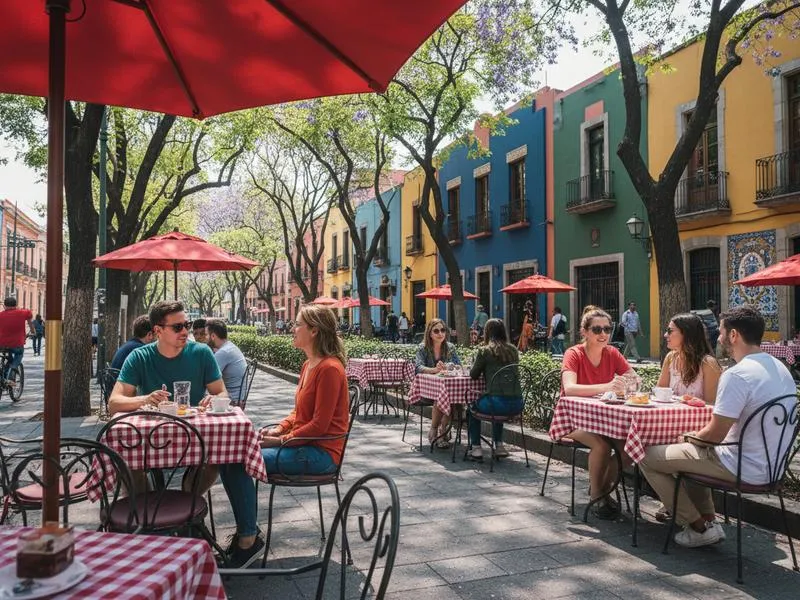
- Roma and Condesa — Mexico City’s trendiest neighborhoods, walkable, excellent restaurants
- Polanco — upscale area with world-class museums, dining, and shopping
- Coyoacán — Frida Kahlo’s neighborhood, charming plazas, weekend markets
- Centro Histórico — the historic core around the Zócalo, busy and safe during daytime
- San Ángel — art galleries, Saturday bazaar, colonial architecture
Areas to be cautious: Tepito (notorious market area — don’t go), Doctores at night, Iztapalapa outskirts, Ecatepec. These areas are not tourist destinations and you’d have no reason to visit them.
Getting around safely: Uber and DiDi are the safest options. The metro is fine during rush hours but watch your belongings. Avoid hailing random taxis — use Uber, DiDi, or hotel-arranged sitio taxis.
Daily budget: $40-$120 USD ($800-$2,400 MXN)
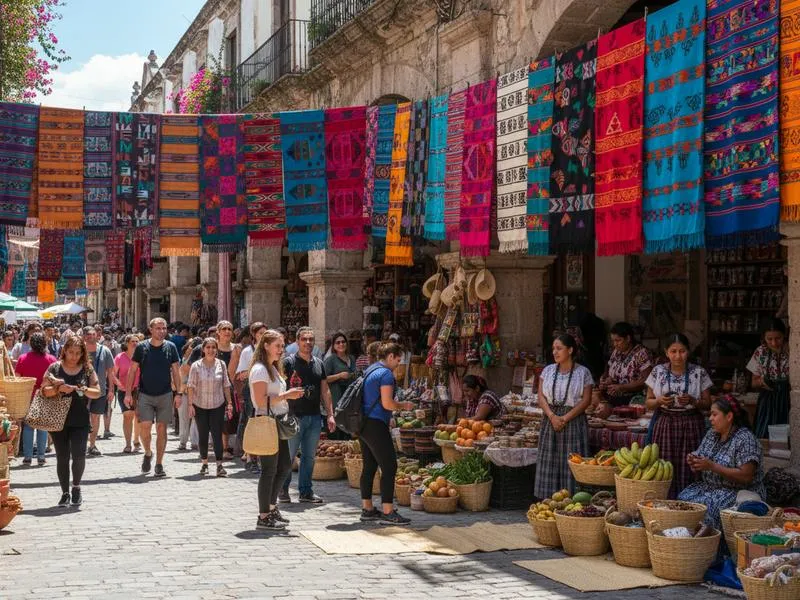
Oaxaca
Why it’s Level 2: Generally very safe. Some social protest activity (road blockades by teachers’ unions, indigenous communities) that can disrupt travel but almost never targets tourists. Rural Oaxaca coast has some isolated incidents.
Safe areas:
- Oaxaca City — excellent food, art, culture. Safe day and night in the center
- Hierve el Agua — petrified waterfalls, stunning day trip
- Huatulco — FONATUR-planned resort coast, very safe
- Puerto Escondido — surf town, growing but safe
- Mazunte and Zipolite — tiny beach communities, very relaxed
What to watch for: Road blockades between Oaxaca City and the coast (check local news before driving). Some isolated areas of the Isthmus region (Juchitán area) have higher crime.
Daily budget: $35-$70 USD ($700-$1,400 MXN)
Chiapas
Why it’s Level 2: Safe for tourists in the main destinations. Some social conflict in rural areas (Zapatista communities, land disputes, indigenous governance conflicts) that can cause road blockades.
Safe areas:
- San Cristóbal de las Casas — highland colonial town, excellent food, safe for all travelers
- Palenque ruins — major Mayan site, safe and well-managed
- Chiapas waterfalls — Agua Azul, Misol-Ha, Roberto Barrios
- Comitán — charming highland town near Guatemalan border
- Tuxtla Gutiérrez — state capital, gateway to Sumidero Canyon
What to watch for: Road blockades on the San Cristóbal–Palenque highway (usually brief, rarely dangerous — just delays). Don’t drive at night in rural Chiapas. The Ocosingo area and some roads near the Guatemalan border can be less safe. Full details: Is Chiapas Safe in 2026?
Daily budget: $30-$60 USD ($600-$1,200 MXN)
Puebla
Why it’s Level 2: One of Mexico’s safest states overall. Strong tourism infrastructure, university city atmosphere, and low cartel activity.
Safe areas:
- Puebla City — massive colonial center, world-class food, safe and walkable
- Cholula — Great Pyramid, craft beer scene, university town
- Cuetzalan — misty mountain Pueblo Mágico, indigenous Totonac culture
- Atlixco — flower capital, Day of the Dead destination
What to watch for: Petty theft in Puebla City’s markets (standard city precautions). Some fuel theft (huachicoleo) activity in southern Puebla doesn’t affect tourists.
Daily budget: $35-$60 USD ($700-$1,200 MXN)
Other Level 2 States
| State | Key Destinations | Notes |
|---|---|---|
| Querétaro | Bernal, Tequisquiapan, San Juan del Río | One of Mexico’s safest and most prosperous states. Wine country, cheese route, colonial towns. |
| Hidalgo | Huasca de Ocampo, Real del Monte, Huasteca Potosina waterfalls | Safe, mountainous, great for adventure travel. Cornish pastes in Real del Monte. |
| Tabasco | Villahermosa, Ruta del Cacao, Comalcalco | Hot and humid but safe. Olmec history, chocolate route. |
| Tlaxcala | Tlaxcala City, Val’Quirico | Mexico’s smallest state. Very safe, completely off the tourist radar. |
| Veracruz | Coatzacoalcos, Los Tuxtlas, Papantla | Port city areas can be rougher, but tourist destinations are safe. |
| Baja California Sur | La Paz, Todos Santos, Cabo San Lucas | Very safe. Expensive by Mexican standards. World-class diving, surfing, whale watching. |
| Aguascalientes | Aguascalientes City, Calvillo | Small, safe state. Famous for Feria de San Marcos (April-May). |
| Nayarit | Sayulita, San Pancho, Riviera Nayarit | Surf towns, luxury resorts, and indigenous Huichol culture. Safe tourist coast. |
| Nuevo León | Monterrey, Santiago, Bustamante | Level 2 because of crime; there are no specific U.S. government employee travel restrictions in the state. |
Level 3 States: Reconsider Travel
Don’t skip these states. Level 3 contains some of Mexico’s most iconic destinations. The key is understanding that the state-level rating doesn’t reflect the safety of specific tourist cities.
Jalisco (Puerto Vallarta, Guadalajara)
Why it’s Level 3: Cartel presence in southern Jalisco and some rural areas. Guadalajara occasionally sees cartel-related violence, though almost never in tourist or residential areas.
Safe and absolutely worth visiting:
- Puerto Vallarta — one of Mexico’s safest beach cities, strong community, excellent food, vibrant Romantic Zone
- Guadalajara — Mexico’s second city, incredible food, mariachi culture, tequila country day trips
- Tequila — Pueblo Mágico, distillery tours, agave fields
- Chapala and Ajijic — lakeside expat communities, very safe
- Tlaquepaque — artisan shopping, galleries, colonial streets
What to avoid: Rural southern Jalisco (no tourist reason to be there). Guadalajara’s outskirts at night. Don’t drive on secondary highways in the state after dark.
Daily budget: $40-$100 USD ($800-$2,000 MXN)
Guanajuato (San Miguel de Allende, Guanajuato City)
Why it’s Level 3: Fuel theft and cartel activity in specific municipalities (León outskirts, Celaya, Irapuato). The tourist cities are in completely different areas.
Safe and absolutely worth visiting:
- San Miguel de Allende — consistently ranked among the world’s best cities. Large expat community, art galleries, rooftop bars, exceptional safety
- Guanajuato City — university town, underground streets, Cervantino Festival, colorful hillside houses
- Dolores Hidalgo — birthplace of Mexican independence, Talavera pottery
What to avoid: Celaya and Irapuato (industrial cities with security issues — no tourist reason to visit). The León-Silao highway corridor after dark.
Daily budget: $50-$120 USD ($1,000-$2,400 MXN)
Other Level 3 States
| State | Tourist Destinations | What to Know |
|---|---|---|
| Baja California | Tijuana food scene, Ensenada wine country, Valle de Guadalupe | Tijuana’s tourist zones are safe; avoid crossing at night or wandering outside tourist areas. See our Is Tijuana Safe? guide for the full breakdown. Ensenada and Valle de Guadalupe are excellent. |
| Chihuahua | Copper Canyon (Chepe train), Creel, Batopilas | Copper Canyon route is safe and spectacular. Avoid driving in southern Chihuahua. |
| Coahuila | Saltillo, Cuatro Ciénegas | Desert oasis destination. Safe in tourist areas. |
| Durango | Durango City, Mapimí (Zone of Silence) | Durango City is safe. Rural areas less so. |
| Estado de México | Teotihuacán, Valle de Bravo, Ixtapan de la Sal | Individual destinations are safe. The state surrounds Mexico City and has high crime in certain municipalities. Visit destinations as day trips or with purpose. |
| Morelos | Tepoztlán, Cuernavaca | Tepoztlán is a safe Pueblo Mágico. Some areas of Morelos have security issues. |
| San Luis Potosí | Huasteca Potosina, SLP City, Xilitla | Huasteca Potosina is a safe adventure paradise. The state capital is safe. Avoid highways near Tamaulipas border. |
| Sonora | Hermosillo, Ciudad Obregón, Puerto Peñasco, Álamos | Puerto Peñasco (Rocky Point) is safe — popular with Arizona weekenders. Sonoran food is outstanding. Avoid driving to Sinaloa border areas. |
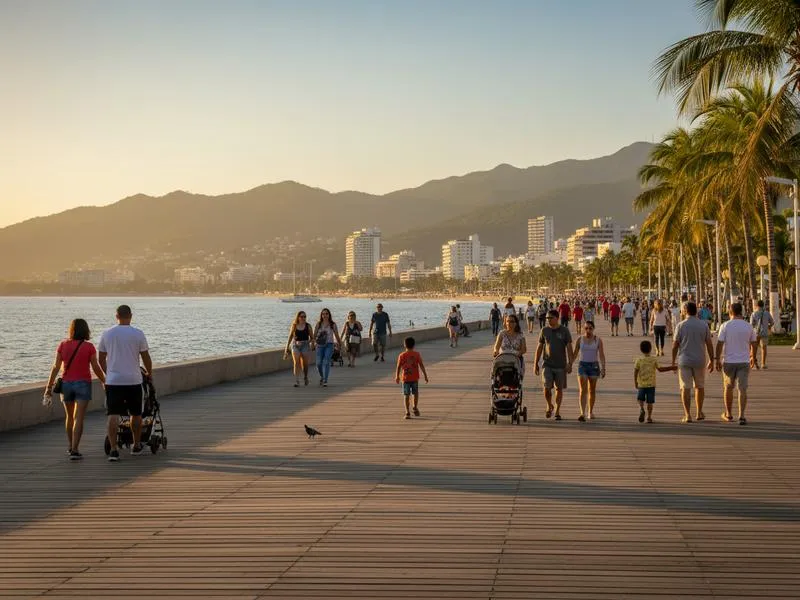
Level 4 States: Do Not Travel
These states have active cartel conflicts, high kidnapping rates, and violence that can affect anyone — including bystanders. I grew up hearing about these areas on the news, and even most Mexicans avoid unnecessary travel there.
However: even Level 4 states contain specific cities and towns that tourists visit. I’ll be honest about which ones.
Sinaloa
Why it’s Level 4: Home base of the Sinaloa Cartel (formerly led by El Chapo Guzmán). Culiacán has experienced severe violence, including the infamous 2019 “Culiacanazo” when cartel forces overwhelmed the military, and recurring incidents since.
Tourist exceptions (visit with caution):
- Mazatlán — Pacific coast resort city with a revitalized historic center, boardwalk (malecón), and good seafood. It’s separated from cartel activity and has strong tourism police presence. U.S. government employees are generally allowed in Mazatlán when arriving by air or sea and staying in the main tourist areas, which tells you a lot about the difference between the statewide Level 4 label and the on-the-ground reality. Exercise increased caution — fly in, stay in the tourist zone, and don’t venture far outside it.
- El Fuerte — starting point for the Chepe train to Copper Canyon. This small colonial town is safe for the transit stop.
- Mocorito — tiny Pueblo Mágico, off the radar but peaceful.
- El Rosario — another quiet Pueblo Mágico.
Avoid: Culiacán (no tourist reason to visit), highways between Mazatlán and Culiacán (especially at night), rural southern Sinaloa, Guasave area.
Tamaulipas
Why it’s Level 4: Multiple cartels competing for territory. Kidnapping, carjacking, and gun battles occur. Border cities (Nuevo Laredo, Reynosa, Matamoros) are the most affected.
Tourist exceptions: Essentially none. There’s no tourist destination in Tamaulipas worth the risk. If you’re crossing the US-Mexico border, choose a different crossing point — Laredo/Nuevo Laredo and McAllen/Reynosa are the most dangerous.
Safer border crossings: Use El Paso/Ciudad Juárez (improved significantly), Nogales, or fly directly into your Mexican destination.
Guerrero
Why it’s Level 4: Acapulco, once Mexico’s glamour destination, now has one of the highest homicide rates in the world. Multiple criminal groups operate throughout the state.
Tourist exceptions (visit with caution):
- Taxco — this silver-mining Pueblo Mágico is reasonably safe for day visits or overnight stays, especially coming from Mexico City/Cuernavaca. It’s a popular Semana Santa destination. Stay in the historic center.
- Ixtapa-Zihuatanejo — this resort area is geographically isolated from Acapulco and the worst violence. It maintains a tourism police presence and most visitors have safe experiences. Fly in directly — don’t drive through Guerrero.
Avoid: Acapulco (the violence is real and ongoing), Chilpancingo, the Acapulco highway (toll highway from Mexico City is generally safe, but incidents occur), rural Guerrero entirely.
Colima
Why it’s Level 4: One of Mexico’s smallest states but disproportionately affected by cartel violence and a high homicide rate. The state has been caught between competing cartels.
Tourist exceptions:
- Colima City and Comala — the city and its neighboring Pueblo Mágico are calmer than rural Colima. Some travelers visit for the Volcán de Fuego views and Comala’s atmosphere. Exercise extreme caution and don’t wander far.
- Manzanillo — beach resort with heavy cartel activity. Better to choose a different Pacific coast destination.
Michoacán
Why it’s Level 4: Long-running cartel conflict (Jalisco New Generation Cartel vs. local groups). Avocado-growing regions are particularly affected. Roads can be dangerous.
Tourist exceptions (visit with informed caution):
- Morelia — the state capital is a beautiful colonial city and considerably safer than the rest of the state. Cathedral, aqueduct, excellent candy-making tradition.
- Pátzcuaro — one of Mexico’s most charming lakeside towns and the epicenter of Day of the Dead celebrations in November. Safe for tourists during the festival.
- Angangueo — gateway to the monarch butterfly reserves (November-March). This tiny mountain town is safe during butterfly season.
- Maruata beach — remote turtle-nesting beach. Beautiful but isolated — research current conditions.
Avoid: The avocado belt (Uruapan area), Lázaro Cárdenas port area, most highways at night, Tierra Caliente region.
Zacatecas
Why it’s Level 4: The state has seen a dramatic increase in cartel violence since 2020, particularly kidnapping and highway crime.
Tourist exceptions:
- Zacatecas City — the colonial capital is a UNESCO World Heritage site with stunning architecture, the famous Bufa hill, and silver mine tours. It’s safer than the state overall, but the security situation has deteriorated. Research current conditions before visiting and consider whether nearby alternatives (Guanajuato City, San Luis Potosí) might satisfy your interests.
Avoid: Highways connecting Zacatecas to Durango, Aguascalientes, or San Luis Potosí at night. Rural areas.
Practical Safety Rules That Actually Work
After growing up in Mexico and watching friends and family navigate this country safely for decades, these are the rules that matter:
The Highway Rules
- Stick to toll highways (autopistas/cuotas). They’re maintained, patrolled, and have emergency services (Angeles Verdes). Free highways (libres) save money but are riskier, especially in Level 3-4 states. You can compare car rental prices on RentCars for the best deals.
- Never drive at night in rural areas. This is the #1 safety rule for driving in Mexico. Unlit roads, livestock, speed bumps, and higher crime risk after dark.
- If stopped at an illegal roadblock, stay calm, keep hands visible, comply with requests. These are extremely rare on tourist routes but can happen on rural roads in conflict zones.
The City Rules
- Use Uber or DiDi, not street taxis. Ride-hailing apps are tracked, logged, and far safer. In cities without them, use hotel-arranged sitio taxis.
- Stick to known neighborhoods. In Mexico City, that means Roma, Condesa, Polanco, Coyoacán, Centro Histórico (daytime). Every city has its safe zones — learn them before you arrive.
- Use ATMs inside banks only. Never use standalone street ATMs. Cover your PIN. Draw cash during banking hours, not at night.
- Don’t flash expensive items. This applies everywhere, but especially in Mexico. Leave the Rolex at home. Use a day bag, not a designer purse.
The General Rules
- Learn basic Spanish. Even “no, gracias,” “cuánto cuesta,” and “dónde está” change your entire experience. Locals treat you differently when you make the effort.
- Register with STEP (Smart Traveler Enrollment Program) at step.state.gov. Free alerts about your destination.
- Carry a copy of your passport, not the original. Keep the original in your hotel safe.
- Don’t buy or use drugs. I say this without judgment — drug tourism funds the same cartels that create the violence we’re discussing. It also makes you a target.
Emergency Contacts
Keep these saved in your phone before you land:
| Service | Number | Notes |
|---|---|---|
| Emergency (police, fire, ambulance) | 911 | Works nationwide |
| Tourist Police | 911, ask for tourist assistance | Available in all major tourist cities |
| SECTUR Tourist Helpline | 078 | 24/7, English-speaking operators, can help with tourist emergencies |
| Angeles Verdes (roadside assistance) | 078 | Free highway patrol — will come to your location for breakdowns or emergencies |
| US Embassy (Mexico City) | +52 55 8526 2561 | Also have consulates in Guadalajara, Monterrey, Mérida, Tijuana, and others |
| Canadian Embassy | +52 55 5724 7900 | |
| UK Embassy | +52 55 1670 3200 |
The Bottom Line: How to Plan a Safe Trip to Mexico
Here’s the decision framework I give everyone who asks me about traveling to my country:
Going to a Level 1 or Level 2 state? Book your trip. You’re going to have an incredible time. Use the same common sense you’d use in any large country.
Going to a Level 3 state? Research your specific city and route before booking, including Puerto Vallarta, San Miguel de Allende, Guanajuato City, Guadalajara, or the Copper Canyon. Monterrey is in Level 2 Nuevo León. Whatever the advisory level, avoid rural night driving and check the official state guidance before departure.
Going to a Level 4 state? Reconsider unless you’re visiting a specific, well-known tourist enclave (Mazatlán, Morelia, Pátzcuaro, Taxco, Ixtapa). Fly directly in rather than driving through. Stay in tourist zones. Research current conditions in the days before your trip.
Crossing the border by land? Research your specific crossing point. Fly into Mexico if possible. If driving, stick to toll highways and arrive at your destination before dark.
The US State Department advisory is a useful tool — but it’s a starting point, not the final word. The best safety research combines the official advisory with current local news, fellow travelers’ recent experiences, and common sense.
Mexico is an extraordinary country. I grew up there, and I want you to experience it the way I did — with joy, curiosity, and just enough street smarts to keep things smooth.
If you already know your destination, go one level deeper before you book: compare the state advisory with the exact city, neighborhood, airport route, and any current Embassy alert before you commit to hotels or long drives.
Related Guides
Plan your Mexico trip with these live resources:
- Things to Do in Cancún — tourist-zone planning, beaches, day trips, and practical logistics
- Tulum Travel Guide — where to stay, how to get around, and when Tulum makes sense
- Things to Do in Mérida — Yucatán’s easiest large-city base for cautious travelers
- Valladolid Mexico Guide — a calmer Yucatán base for cenotes and Chichén Itzá
- Best Time to Visit Mexico — weather, costs, crowds, and seasonal tradeoffs
- Mexico in September — rainy-season planning, Independence Day, and where to go