
Is Los Cabos Safe in 2026? Honest Traveler Guide
Los Cabos is one of Mexico’s safest resort areas — Baja California Sur holds a US State Department Level 2 advisory, the same rating as France, Germany, and most of Europe. The Hotel Corridor, Cabo San Lucas tourist zone, and San José del Cabo are all safe for tourists. But Los Cabos does have a real and deadly danger that gets far less attention than cartel fears: the ocean.
Every year, tourists drown on Los Cabos beaches because nobody warned them. The Pacific beaches near the famous Arch at Land’s End look stunning and inviting. They will kill you. Understanding this one thing — which beach is safe to swim and which aren’t — matters more for your Los Cabos safety than anything else in this guide.
Here’s everything you need to know before you go.
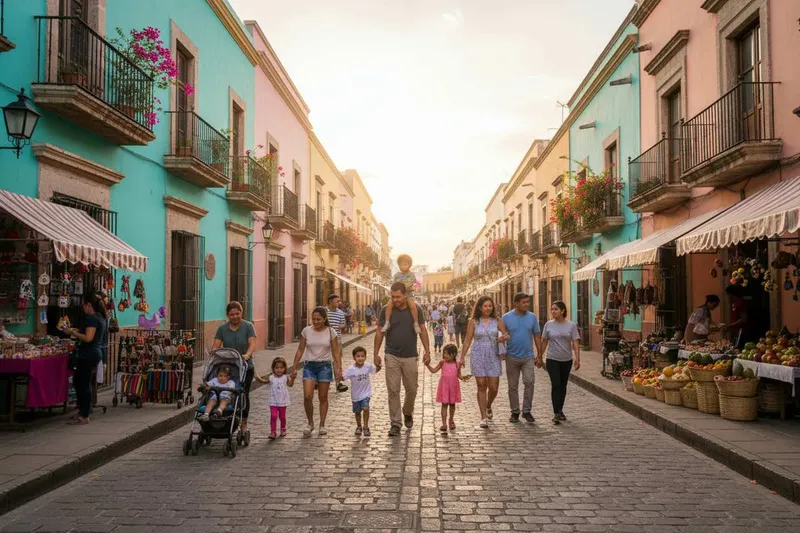
The Short Answer: Is Los Cabos Safe?
Yes — with important caveats about the ocean.
The US State Department rates Baja California Sur (the state containing Los Cabos) at Level 2: Exercise Increased Caution — the same rating applied to countries like France, Germany, Belgium, and the United Kingdom. This is not a “danger zone” rating. It’s the advisory that applies to most of the developed world.
Los Cabos consistently ranks among Mexico’s safest resort destinations. The area receives over 3 million tourists per year and has invested heavily in tourist security infrastructure — tourist police patrols, well-lit resort zones, and tight security in the Hotel Corridor.
The State Department’s Level 2 rating for Baja California Sur reflects conditions statewide, including less-traveled areas. The tourist zone of Los Cabos — the Hotel Corridor, Cabo San Lucas, and San José del Cabo — operates significantly safer than that average.
What the safety concerns actually are in Los Cabos:
- Ocean hazards — This is the #1 real danger. Pacific beaches have lethal conditions that kill tourists every year.
- Timeshare scams — Los Cabos has some of the most aggressive timeshare touts in all of Mexico.
- Taxi overcharging — No Uber at the airport; unofficial taxis can price-gouge.
- Nightlife risks — Drink spiking has been reported at some Cabo San Lucas clubs.
What the safety concerns are not: cartel violence targeting tourists, street crime in tourist zones, or anything approaching the risk profile of Mexico’s high-advisory states.
For the full context on Mexico’s safety advisory system, see our complete Mexico safety guide.
Safe Zones in Los Cabos
Los Cabos consists of three main tourist areas, all of which are safe for visitors:
The Hotel Corridor
The 33-kilometer stretch of luxury resorts between Cabo San Lucas and San José del Cabo is the most heavily secured strip in all of Baja California Sur. Private resort security, tourist police patrols, and controlled access points make this corridor extremely safe. The biggest risk here is sunburn, not crime.
Major resorts along the corridor — Cabo Azul, Paradisus, Marquis Los Cabos, One&Only Palmilla — all have their own security teams and gated access. Walking between resorts along the corridor isn’t particularly practical (distances are large), but the area is genuinely secure.
Cabo San Lucas Tourist Strip
Downtown Cabo San Lucas — the marina, Playa Medano, the main shopping and restaurant zone around Boulevard Marina — is safe for tourists. This is a well-patrolled tourist district with heavy economic incentives to keep visitors safe.
The marina area, the glass-bottom boat dock, and the restaurant-bar strips around Medano Beach are all fine during the day and evening. Standard nightlife precautions apply after midnight at the clubs (see nightlife section below).
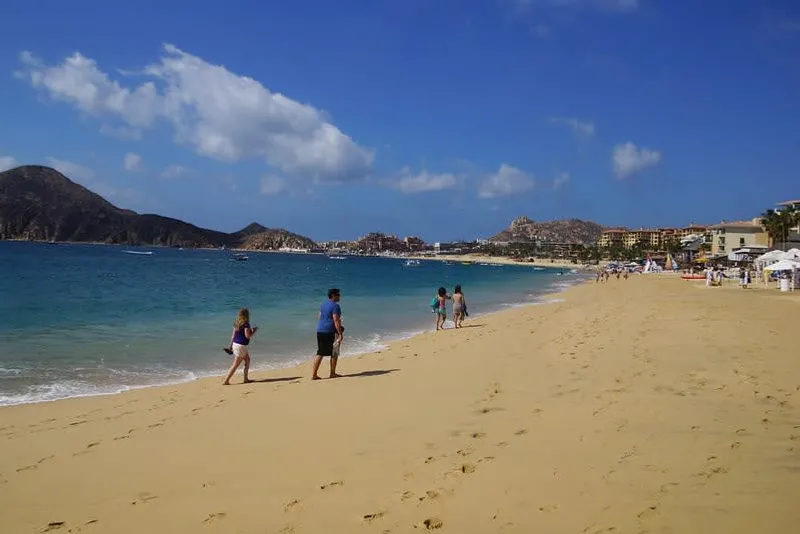
San José del Cabo Art District
San José del Cabo is quieter, more upscale, and genuinely beautiful. The historic centro, the art gallery district (Calle Obregón and Calle Zaragoza), and the main square (Plaza Mijares) are all very safe. Thursday evening gallery walks draw local expats and tourists in a relaxed, cosmopolitan atmosphere.
San José del Cabo has a different character than Cabo San Lucas — less spring-break energy, more long-weekend-at-a-fine-resort energy. The art district and centro are safe to explore on foot, including at night.
Check our Los Cabos travel guide for detailed neighborhood breakdowns and what to do in each zone.
What IS Dangerous in Los Cabos: The Beaches
This is the most important safety section in this entire guide, and it’s the one that travel agents, tour operators, and resort brochures consistently underplay.
Most Pacific-facing beaches near Los Cabos are extremely dangerous for swimming. The beaches look gorgeous. The water looks inviting. And the conditions can kill an experienced swimmer in minutes.
Why the Pacific Side Is Deadly
Los Cabos sits at the tip of the Baja California peninsula where the Pacific Ocean meets the Sea of Cortez. The Pacific-facing beaches experience:
- Rip currents — Strong, fast channels of water that pull swimmers away from shore. Even strong swimmers can be overpowered.
- Shore break — Waves that crash directly on the beach with enormous force, capable of breaking necks and spines.
- Undertow — Powerful water movement beneath the surface that drags swimmers underwater.
These conditions are not visible from shore. The water looks calm until it doesn’t.
Beaches That Are NOT Safe for Swimming
These beaches are beautiful for photos but deadly for swimming:
- Playa Solmar — The beach attached to Solmar Resort. Looks stunning. Has killed multiple tourists. No swimming.
- Playa Divorce (Playa del Divorcio) — Near the famous Arch at Land’s End. Extremely dangerous.
- Playa Monument — Near the Arch. Beautiful. Do not swim.
- Playa Amantes (Lovers Beach) — The Sea of Cortez side of Land’s End is reachable only by boat and is calmer, but the Pacific side immediately adjacent is not.
- Most Hotel Corridor beaches — Many resort beaches along the corridor have dangerous conditions, even if the resort property looks calm. Ask your hotel specifically whether swimming is currently safe.
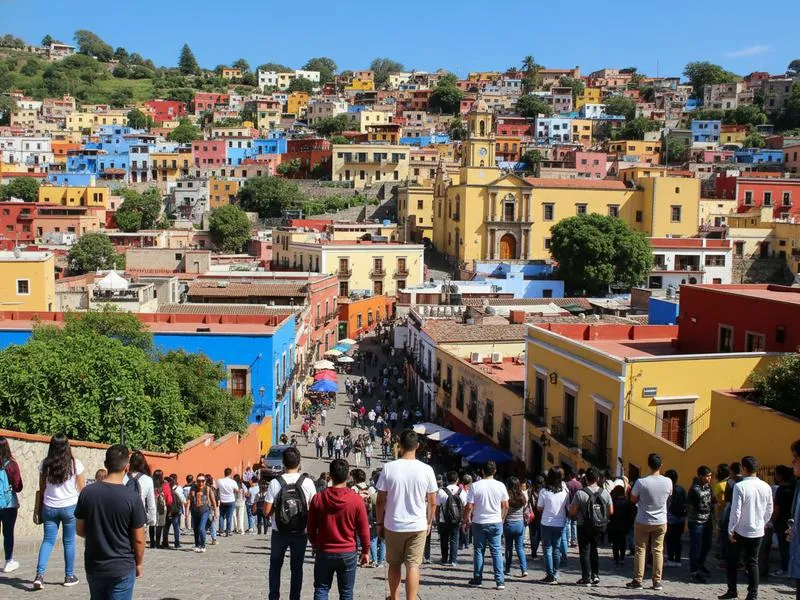
Medano Beach: The Only Safe Swimming Beach
Playa Medano in Cabo San Lucas is the one beach in the immediate Los Cabos area where swimming is consistently safe. It sits in a protected bay, shielded from Pacific swells, with gentle, calm water.
This is where you swim. This is where the water sports (jet skis, banana boats, paddleboarding) operate. This is where families with children splash around safely.
The beach is lined with restaurants and bars — Mango Deck, Cabo Wabo Beach Club, The Office on the Beach — and gets crowded, especially in high season. But the water is genuinely safe.
What to Do If You’re Caught in a Rip Current
If you find yourself in a rip current despite warnings: do not swim directly back to shore against the current. You will exhaust yourself and drown. Instead:
- Stay calm and float — do not fight the current directly
- Swim parallel to the shore (sideways) until you’re out of the current channel
- Then swim diagonally back to shore
- Signal for help by waving your arm
Red flags at beaches mean do not enter the water. This is not a suggestion.
The Cartel Reality in Los Cabos
Organized crime exists in Baja California. Let’s be honest about it.
Baja California Sur has experienced cartel-related incidents, and there are criminal organizations operating in the state. Los Cabos in particular went through a period of elevated gang violence in 2017-2018 that generated significant international news coverage.
Here’s what that coverage missed:
The violence targeted other criminals, not tourists. The incidents that drove the 2017-2018 headlines involved gang rivalries — organizations fighting over territory and smuggling routes. Tourist zones were not targets. The Hotel Corridor, Medano Beach, and San José del Cabo continued to operate normally throughout that period.
By 2026, organized crime in Los Cabos has shifted significantly. The tourist zone is heavily policed partly because tourism is the economic engine of the entire state — the government has strong incentives to keep it secure. Federal and state security forces maintain a visible presence in tourist areas.
The practical reality for a tourist: Cartel activity in Baja California is not something you will encounter in a normal tourist trip to Los Cabos. The violence that makes news happens in areas away from tourist infrastructure, between people involved in criminal activity.
This doesn’t mean you should be oblivious. Common sense always applies. But the cartel concern that many first-time visitors bring to Los Cabos is, in practical terms, not the actual risk they face. The beaches are.
See our Mexico travel advisory guide for the full state-by-state breakdown.
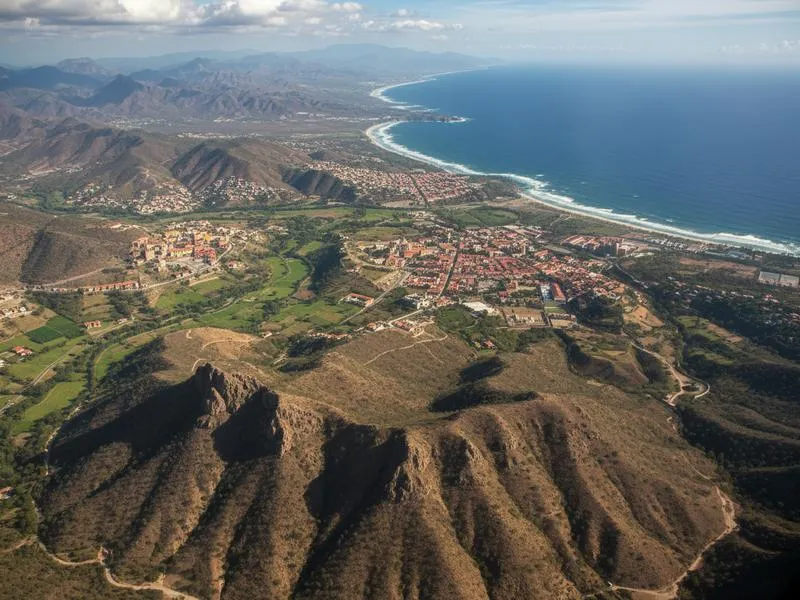
Taxi Safety in Los Cabos
This is a genuinely important practical section. Taxi infrastructure in Los Cabos is different from most Mexican cities, and getting it wrong can cost you significantly.
No Uber at the Airport
Uber does not operate at Los Cabos International Airport (SJD). This is different from most major Mexican cities (Cancún, CDMX, Guadalajara all have Uber). At the Los Cabos airport, you use:
- Authorized taxi/shuttle services with fixed posted rates at the airport
- Pre-arranged hotel transportation (most hotels offer this, often at similar rates to official taxis)
- Pre-booked private transfers through a reputable operator
The fixed-rate taxi booths inside the airport terminal are the legitimate option. Do not accept rides from people who approach you in the arrivals hall or outside the terminal — these are unofficial operators who may overcharge or be unsafe.
In Town
Within the Hotel Corridor and in Cabo San Lucas, some Uber coverage exists but is inconsistent. Your options:
- Hotel taxis — vetted by the hotel, usually reliable and safe
- App-based services — Uber coverage is partial; DiDi operates in some areas
- Negotiated taxis — agree on a price before getting in, not after
Never get in a taxi where the driver quotes the price in “dollars” without a clear number. Agree on the fare before you move.
Water and Food Safety
Standard Mexico precautions apply in Los Cabos:
Water: Do not drink tap water. All hotels provide bottled water; use it for drinking and brushing teeth. High-end resorts filter all water including ice, but verify this with your hotel rather than assuming.
Food: Los Cabos has excellent restaurant infrastructure ranging from high-end resorts to local taquerías. The tourist zone restaurants are generally safe. Exercise standard judgment: if a place looks dirty, skip it. Fish and seafood tacos from established vendors with high turnover are typically fine — they’re fresh because they have to be.
The classic mistake: People are cautious at restaurants but drink ice in cocktails at beach clubs without thinking. Ask if the ice is made from purified water. Most established beach clubs use purified water for ice, but it’s worth asking.
Montezuma’s revenge: Even cautious travelers sometimes get stomach issues in Mexico. It’s usually mild and resolves in 1-2 days. Bring Imodium and Pepto-Bismol. If symptoms are severe (high fever, blood in stool), see a doctor — STAR Médica Los Cabos is your best option.
Medical Care in Los Cabos
Los Cabos has good medical infrastructure relative to its size and tourism volume.
STAR Médica Los Cabos is the best hospital in the area for serious care. It’s a private hospital with English-speaking staff, modern equipment, and experience treating tourists. It’s located in Cabo San Lucas. For serious emergencies, this is where you want to be.
American Outpatient Clinic (near the Hotel Corridor) handles routine care and minor issues — stomach problems, infections, minor injuries.
Important: Medical care in Los Cabos is good but not cheap. A hospital visit without insurance can easily run 500-2,000 USD or more for anything beyond a basic consultation. Travel insurance is not optional.
Travel Insurance for Los Cabos
Given the ocean hazards and the quality (and cost) of medical care, travel insurance matters more in Los Cabos than in many destinations.
Check our best hotels in Los Cabos guide for properties with on-site medical staff.
Women’s Safety in Los Cabos
Los Cabos is generally safe for women travelers, including solo women. The tourist zone has good security infrastructure and a visible tourist police presence.
A few practical notes:
Nightlife: Cabo San Lucas has an active club scene, and drink spiking has been reported at some venues. Never leave a drink unattended. If you feel suddenly much more intoxicated than your drinks should explain, get to a safe location immediately. Going out with others rather than alone reduces this risk significantly.
Street harassment: Catcalling exists in Los Cabos as in most tourist areas. It’s generally verbal and not escalating. The tourist zones are well-trafficked enough that you’re rarely truly alone in public spaces.
Compared to other destinations: Puerto Vallarta has a larger, more visible LGBTQ+ community and is generally considered more inclusive and progressive in that regard. Los Cabos skews more toward couples and family resort travel, but it’s not unwelcoming to solo women or same-sex couples. The resort culture tends to be internationally oriented and relatively open.
Hotels: Solo women are entirely normal guests at Los Cabos hotels. Staff are accustomed to international travelers of all backgrounds.
The Timeshare Scam Problem
Let’s be blunt: Los Cabos has some of the most aggressive timeshare sales operations in all of Mexico, which is saying something because timeshare harassment is a Mexico-wide phenomenon.
Here’s how it works:
- Someone friendly approaches you near the marina, on the street, or at the airport
- They offer you “free” breakfast, tours, show tickets, or cash
- In exchange, you attend a “90-minute presentation”
- The presentation lasts 3-6 hours and involves high-pressure tactics, alcohol, and multiple closers
- The “free” gift barely materializes, or has heavy conditions
- You may leave having signed something you didn’t fully understand
The rule is simple: say no to every timeshare approach, every time, completely. “No thank you” is a complete sentence. You do not need to explain yourself, engage with their pitch, or accept their “just a few minutes” offers.
If you’re in a hotel lobby and someone says “Did you register your arrival? You get a free breakfast!” — that’s a timeshare trap.
The timeshare companies are legal businesses operating within the law. The issue is that the high-pressure tactics and the conditions on “free” gifts are designed to extract money through confusion and social pressure. Don’t engage.
Los Cabos Safety: 2026 Updates
Baja California Sur advisory status: Maintained at Level 2 as of early 2026. No changes to the fundamental safety profile of the Los Cabos tourist zone.
Security infrastructure: Los Cabos has continued to invest in tourist security, including expanded tourist police presence and improved coordination between resort security and municipal police.
Ocean safety: The municipal government has improved red-flag signage at dangerous beaches, but enforcement of swimming restrictions remains inconsistent. Medano Beach continues to be the only reliably safe swimming area. Do not assume that because a beach looks calm or isn’t posted with warnings that it’s safe to swim.
Infrastructure note: Los Cabos International Airport (SJD) is well-functioning with good international connections. Terminal 2 (for international flights) is modern and comfortable.
For the latest US State Department advisories: Check travel.state.gov before your trip. See also our Mexico travel advisory 2026 guide for the full current picture.
Los Cabos vs. Other Mexico Destinations: Safety Comparison
| Destination | Advisory Level | Primary Tourist Risk |
|---|---|---|
| Los Cabos | Level 2 (BCS) | Ocean hazards, timeshare |
| Puerto Vallarta | Level 3 (Jalisco) | Pickpockets, taxi scams |
| Mérida | Level 1 (Yucatán) | Petty theft, heat |
| Cancún | Level 2 (Quintana Roo) | Petty theft, nightlife |
| San Miguel de Allende | Level 2 (Guanajuato) | Pickpockets, cobblestone |
| Oaxaca | Level 2 (Oaxaca) | Petty theft |
Los Cabos ranks well on this comparison. The advisory is lower than Puerto Vallarta, matching Cancún. The unique risk factor is the ocean — something most other colonial and beach destinations don’t have to the same degree.
See our best beaches in Mexico guide for safe swimming options across the country.
Quick Safety Summary: Los Cabos
Safe for tourists: Yes — Hotel Corridor, Cabo San Lucas marina/tourist strip, San José del Cabo centro and art district.
Safe for swimming: Only Medano Beach in Cabo San Lucas. All Pacific-facing beaches are potentially deadly.
Cartel concern: Low in tourist zones. Organized crime activity does not target tourists and is geographically separate from the resort strip.
Taxi: No Uber at the airport. Use authorized airport taxis or pre-arranged hotel transport.
Scam: Timeshare presentations. Say no firmly, always.
Medical: STAR Médica Los Cabos for serious care. Get travel insurance.
Women’s safety: Generally good. Standard nightlife precautions for Cabo San Lucas clubs.
Plan Your Los Cabos Trip
- Los Cabos Travel Guide — Everything You Need to Know
- Best Hotels in Los Cabos for Every Budget
- Is Mexico Safe? Complete 2026 Guide
- Mexico Travel Advisory 2026: State-by-State Breakdown
- Best Beaches in Mexico
Get Coverage Before You Go
For tours and experiences in Los Cabos — glass-bottom boat trips to the Arch, whale watching, sport fishing, snorkeling at Cabo Pulmo — Viator offers vetted operators with clear safety standards and cancellation policies.
Los Cabos is a genuinely excellent destination. Go. Swim at Medano. Eat fish tacos at the marina. Watch the sun set over the Arch. Just know which water is safe and which isn’t — that knowledge makes the entire trip better.