Is Mexico Safe for Tourists in 2026? Honest Guide by a Mexican
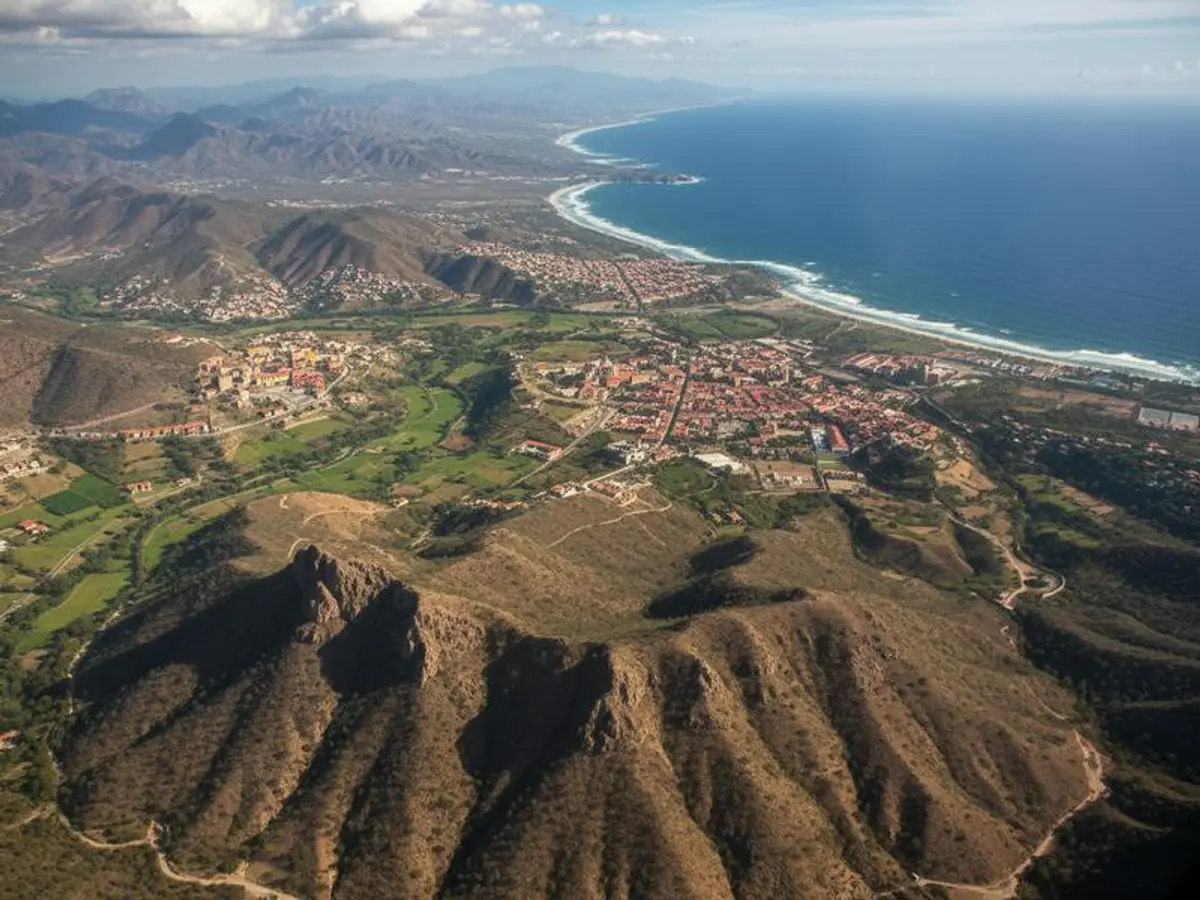
Yes, Mexico is safe for tourists in 2026 if you stick to the right destinations. Places like Mérida, Oaxaca City, San Miguel de Allende, Puerto Vallarta, Los Cabos, and most of the Riviera Maya receive millions of visitors safely every year. The main places tourists should avoid are a smaller group of Level 4 states and specific border or cartel-conflict zones that are far from where most first-time travelers actually go.
Mexico is the 13th largest country in the world and one of the most visited. That scale matters. Its 32 states have very different safety profiles, from Level 1 Yucatán and Campeche to Level 4 Sinaloa and Tamaulipas, so the useful question is not “Is all of Mexico safe?” but “Is the part of Mexico I’m planning to visit safe right now?”
I grew up in Mexico. I went to school there, played in the streets, ate tacos at midnight from roadside vendors, and took public buses across states before I was old enough to drive. I say this to be transparent: this guide is written by someone who actually lived this, not a tourist who spent two weeks at a Cancún resort.
The question “Is Mexico safe?” gets asked millions of times every year, and a lot of the answers are either alarmist or uselessly vague. Here’s the honest answer from a Mexican: Mexico is safe for tourists in many destinations, unsafe in some others, and easiest when you choose the right base, use app taxis after dark, and avoid unnecessary road travel through conflict zones.
This guide breaks it down state by state and traveler by traveler so you can make a calm, informed decision instead of relying on headlines.
30-Second Answer
- Safe for most tourists? Yes, if you stick to established destinations and avoid Level 4 states.
- Safest first-trip picks: Mérida, Oaxaca City, San Miguel de Allende, Puerto Vallarta, Los Cabos, Campeche.
- Main risks tourists actually face: petty theft, taxi overcharging, nightlife scams, and risky intercity driving after dark.
- Places to avoid planning casually: Sinaloa, Tamaulipas, Guerrero, Colima, Zacatecas, and rural parts of Michoacán.
- Best rule: fly between regions, stay in well-reviewed central areas, and use Uber or official taxis at night.
Mexico Safety by the Numbers
Let’s start with facts, not feelings.
Over 40 million international tourists visited Mexico in 2024, making it the 6th most visited country on Earth. More than 30 million of those were Americans. The vast majority had safe, incident-free trips.
Here’s how Mexico’s crime reality breaks down:
- Homicide rate: Mexico’s rate is around 25 per 100,000 residents — high compared to countries like Canada (2.0) or Spain (0.6), but comparable to Brazil (22) and lower than several Caribbean nations. Critically, over 90% of homicides are linked to organized crime and occur in specific states, not tourist areas.
- Tourist-targeting crime: Petty theft, scams, and taxi overcharging are the most common issues tourists face — the same as in Barcelona, Rome, or Rio de Janeiro.
- Tourism fatality rate: Your statistical risk of serious harm as a tourist in Mexico is extremely low. You are far more likely to be injured in a car accident at home than to be a victim of violent crime in a Mexican tourist zone.
The Geography Factor
This is what most “Is Mexico safe?” articles miss: Mexico is enormous. It’s the 13th largest country in the world — three times the size of Texas. Saying “Mexico is dangerous” because of cartel violence in Sinaloa is like saying “the US is dangerous” because of gang violence in certain parts of Chicago.
The states where most violence occurs (Sinaloa, Tamaulipas, Guerrero, parts of Michoacán) are geographically separate from where 95% of tourists go (Yucatán Peninsula, Pacific coast resorts, central colonial cities, Oaxaca, Chiapas).
US State Department Travel Advisory: What the Levels Actually Mean
The US State Department assigns travel advisory levels to each Mexican state. Here’s what they mean and how to interpret them:
| Level | Meaning | Mexican States (2026) |
|---|---|---|
| Level 1: Exercise Normal Precautions | Safe — same as traveling to most European countries | Campeche, Yucatán |
| Level 2: Exercise Increased Caution | Generally safe but be alert — petty crime exists | Quintana Roo, Mexico City, Oaxaca, Chiapas, Puebla, Querétaro, Hidalgo, Tabasco, Tlaxcala, Veracruz, Baja California Sur, Aguascalientes, Nayarit |
| Level 3: Reconsider Travel | Higher crime — tourists can visit specific cities safely but should research carefully | Jalisco, Guanajuato, Nuevo León, Baja California, Chihuahua, Coahuila, Durango, Estado de México, Morelos, San Luis Potosí, Sonora |
| Level 4: Do Not Travel | Active organized crime, kidnappings, violence — avoid entirely | Sinaloa, Tamaulipas, Guerrero, Colima, Michoacán, Zacatecas |
How to Read This Table
Level 2 states contain most major tourist destinations — Cancún, Playa del Carmen, Tulum, Oaxaca City, San Cristóbal de las Casas, Mexico City, Puebla, and more. These states are where tens of millions of tourists go safely every year.
Level 3 doesn’t mean “don’t go.” Guadalajara (Jalisco), Guanajuato City, San Miguel de Allende (Guanajuato), Monterrey (Nuevo León), and Puerto Vallarta (Jalisco) are all in Level 3 states — and they’re some of Mexico’s most popular and rewarding destinations. The advisory applies to the state overall, not to specific tourist cities.
Level 4 is serious. I grew up hearing about these areas. As a Mexican, I don’t casually road-trip through Sinaloa or Tamaulipas, and neither should you.
Safest Places to Start With on a First Trip
If this is your first time in Mexico and you want the lowest-stress answer, start with places that combine strong tourism infrastructure, good air connections, and a long track record of safe visitor experiences.
| Destination | Why it works for first-timers | Best fit |
|---|---|---|
| Mérida | Lowest-stress large city in Mexico, excellent food, easy day trips | Culture + safety-first travelers |
| Oaxaca City | Walkable center, strong food scene, deep culture, manageable logistics | Food + culture trips |
| San Miguel de Allende | Compact, polished, easy to navigate, very comfortable for couples | First-time colonial city trip |
| Puerto Vallarta | Strong resort and city infrastructure, very easy beach destination | Beach + nightlife + LGBTQ+ travel |
| Los Cabos | Easy airport transfers, resort-heavy layout, low confusion factor | Resort trip with minimal logistics |
| Campeche | Calm, underrated, very walkable historic center | Slower cultural trip |
For the lowest-risk first itinerary, I would choose one of those bases, fly instead of driving long distances, and avoid mixing in complicated border crossings or isolated road trips on the same vacation.
The 12 Safest Destinations in Mexico for Tourists
For a complete deep-dive with crime data, cost breakdowns, and neighborhood recommendations for each city, read our 15 Safest Cities in Mexico for Tourists guide.
These cities and regions combine low crime rates, established tourist infrastructure, and consistently positive traveler experiences:
1. Mérida, Yucatán
Mexico’s safest large city, year after year. Mérida has a vibrant food scene, stunning colonial architecture, and serves as a base for exploring cenotes, Mayan ruins, and Yucatán’s beaches. The city is walkable, the locals are warm, and you’ll feel safe wandering the streets at night.
Advisory level: Level 1 (Yucatán)
2. San Miguel de Allende, Guanajuato
Consistently ranked among the world’s best cities by Travel + Leisure and Condé Nast Traveler. The cobblestone streets, art galleries, rooftop bars, and international expat community make it one of Mexico’s most welcoming destinations.
Advisory level: Level 3 (Guanajuato state), but San Miguel itself is exceptionally safe
3. Oaxaca City
Mexico’s cultural capital. The food (Oaxacan cuisine is legendary), art, indigenous traditions, and surrounding natural beauty make this a must-visit. Guelaguetza festival season (July) and Day of the Dead (November) are spectacular. Crime against tourists is rare. For the full safety picture including bloqueos, safe neighborhoods, and emergency contacts, see Is Oaxaca Safe in 2026?
Advisory level: Level 2 (Oaxaca)
4. Campeche
A UNESCO World Heritage walled city on the Gulf coast with remarkably low crime. Campeche’s colonial center, food, and nearby Calakmul ruins (one of the largest Mayan cities ever discovered) are world-class. It’s one of Mexico’s best-kept secrets.
Advisory level: Level 1 (Campeche)
5. Querétaro
A booming colonial city with excellent restaurants, wine country nearby (the closest wine region to Mexico City), and a safe, walkable historic center. Popular with Mexican families and increasingly with international visitors.
Advisory level: Level 2 (Querétaro)
6. Puebla
Mexico’s food capital (some say — Oaxacans disagree). Cholula’s Great Pyramid, the magical town of Cuetzalan, and Puebla’s massive colonial center make this a rewarding destination that’s just two hours from Mexico City.
Advisory level: Level 2 (Puebla)
7. Puerto Vallarta, Jalisco
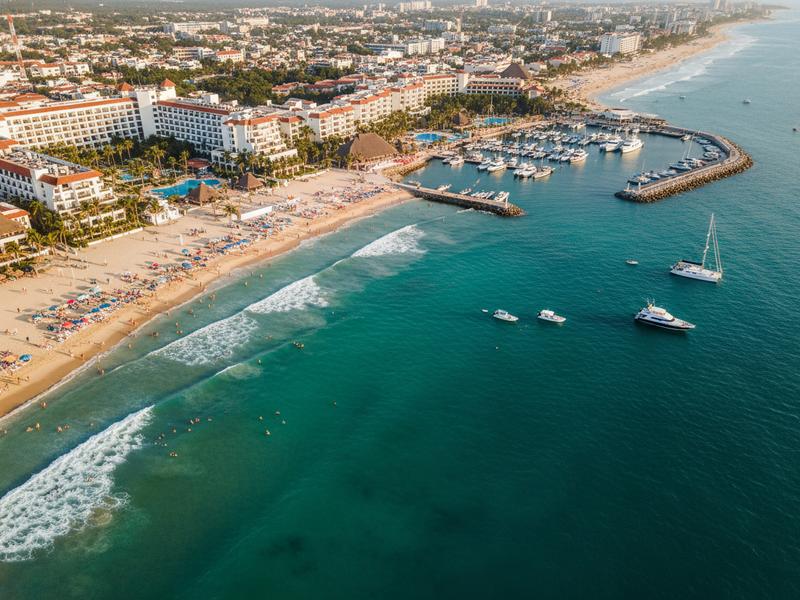
The safest major beach destination in Mexico. Puerto Vallarta has a strong community feel, excellent food, a thriving LGBTQ+ scene in the Romantic Zone, and easy access to smaller coastal towns like Sayulita and San Pancho.
Advisory level: Level 2 (Jalisco was updated post-Feb 22 2026 El Mencho incident), but Puerto Vallarta is one of Mexico’s safest coastal cities. See our full Is Puerto Vallarta Safe? guide for the complete 2026 breakdown.
8. Riviera Maya (Cancún, Playa del Carmen, Tulum)
The most visited region in Mexico. Cancún is purpose-built for tourism with a heavily policed Hotel Zone — see our Is Cancun Safe? → deep-dive. Playa del Carmen offers a more walkable downtown, and Tulum has ruins above Caribbean waters — see our Is Tulum Safe? → guide for the no-Uber transport reality. Cozumel is Mexico’s safest island destination — its geography prevents the criminal networks active on the mainland, see our Is Cozumel Safe? → guide. The tourist zones are heavily policed and safe.
Advisory level: Level 2 (Quintana Roo)
9. Guanajuato City
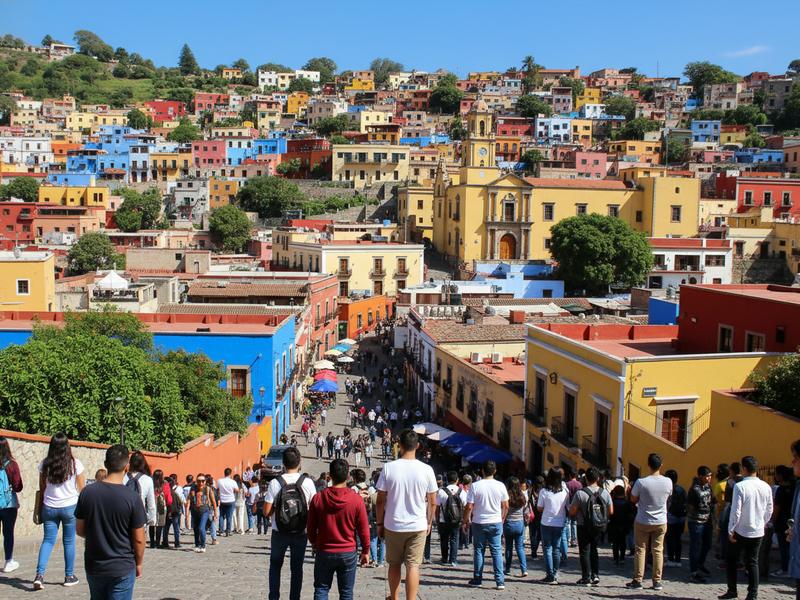
A colorful university town built into a ravine, famous for the mummies, underground streets, and the Cervantino Festival. The student population keeps the city vibrant and safe late into the night.
Advisory level: Level 3 (Guanajuato state), but the city itself is safe
10. Bacalar, Quintana Roo
The Lagoon of Seven Colors — a quieter, more authentic alternative to Tulum. This small lakeside town is growing in popularity but remains safe and peaceful.
Advisory level: Level 2 (Quintana Roo)
11. Huatulco, Oaxaca
Nine bays of Pacific beaches with a fraction of Cancún’s crowds. Huatulco was planned by the Mexican tourism authority (FONATUR), which means organized infrastructure and strong security presence.
Advisory level: Level 2 (Oaxaca)
12. San Cristóbal de las Casas, Chiapas
A highland colonial town surrounded by indigenous Tzotzil and Tzeltal communities. The food, culture, nearby waterfalls, and cool mountain climate make it one of Mexico’s most enchanting destinations. Be aware of occasional road blockades (social protests), but violence against tourists is virtually unheard of. For the complete safety breakdown including indigenous community visiting rules and bloqueo guidance, see Is Chiapas Safe in 2026? and Is San Cristóbal Safe?
Advisory level: Level 2 (Chiapas)
Common Tourist Mistakes That Make Mexico Feel Less Safe
Most bad experiences in Mexico come from avoidable decisions, not random violence.
- Driving at night between cities. Daytime intercity travel is much safer and easier to troubleshoot.
- Booking the cheapest hotel far from the action. Save money elsewhere, not on location.
- Using random street taxis after bars or clubs. Use Uber, DiDi, hotel-arranged taxis, or official airport stands.
- Treating a Level 3 or 4 state as if every municipality is the same. Research the exact city, not just the state headline.
- Carrying too much cash or flashing phones and jewelry in transit hubs. Bus stations and crowded markets are where petty theft is most likely.
- Trying to do too much overland. Mexico is huge. Flying between regions usually reduces both stress and risk.
If you plan conservatively, Mexico usually feels much easier than the international coverage suggests.
Areas to Exercise Caution or Avoid
For the complete state-by-state breakdown of every advisory level — including safe cities within “dangerous” states and specific areas to avoid — read our Mexico Travel Advisory 2026: Every State Explained guide.
I won’t sugarcoat this. As a Mexican, I know which areas even locals avoid:
Do Not Travel (Level 4 States)
- Sinaloa — Cartel heartland. Culiacán is the capital, and the violence is real. El Fuerte and Mazatlán are exceptions that tourists visit, but exercise high caution. See Is Mazatlán Safe? for the full breakdown.
- Tamaulipas — Border state with ongoing cartel conflict. Nuevo Laredo, Reynosa, and Matamoros are particularly dangerous.
- Guerrero — Acapulco was once Mexico’s glamour destination; now it has one of the highest homicide rates in the country. Ixtapa-Zihuatanejo and Taxco are safer exceptions, but Guerrero is not a state I recommend casually for a first Mexico trip.
- Colima — Small state with disproportionate cartel violence.
- Michoacán — Outside of Morelia, Pátzcuaro, and the monarch butterfly reserves, exercise extreme caution.
- Zacatecas — Beautiful colonial city of Zacatecas has seen increasing cartel violence in recent years.
Border Cities — Proceed with Caution
Most US-Mexico border cities have higher crime rates than interior Mexico. Ciudad Juárez, Nuevo Laredo, Reynosa, and Matamoros are not tourist destinations. If you’re crossing the border, do it during daylight hours and go directly to your destination.
The exception is Tijuana, which has a growing food and craft beer scene — but stick to the tourist zones (Avenida Revolución, Zona Gastronómica) and don’t wander into unfamiliar neighborhoods. See our full Is Tijuana Safe? → guide for the complete breakdown of safe zones vs areas to avoid.
A Note About “Level 3” States
This is where many travelers get confused. A Level 3 advisory does not automatically mean your exact destination is unsafe for tourists. It usually means the state has enough crime in some municipalities that the overall state rating is dragged upward. That is why Puerto Vallarta, Guadalajara, San Miguel de Allende, and Monterrey can still be very workable trips even though their states look worse at first glance.
Having a state listed as Level 3 doesn’t mean the entire state is dangerous. Guadalajara, San Miguel de Allende, Puerto Vallarta, Monterrey, and many other cities in Level 3 states receive millions of visitors safely. The advisory reflects state-level crime statistics, which are dragged up by specific municipalities, not the tourist zones you’ll visit.
Safety by Travel Style
Solo Travelers
Mexico is excellent for solo travel. The culture is inherently social — Mexicans will invite you to sit with them, share food, and help you find your way. Hostels are plentiful in tourist cities, and solo travelers are common across Mexico.
Tips: Learn basic Spanish (even a few phrases change everything). Use Uber/DiDi in cities. Join group tours for day trips to ruins or cenotes. Stay in hostels to meet other travelers.
Solo Female Travelers
Mexico is generally safe for solo female travelers, especially in the top tourist destinations listed above. That said, machismo culture exists, and catcalling can happen — mostly harmless but annoying.
Tips: Book centrally located accommodation. Avoid walking alone late at night in quiet areas. Use Uber/DiDi after dark. Trust your instincts. Many female travelers find Oaxaca, Mérida, San Miguel de Allende, and Bacalar particularly welcoming. For our complete guide with 12 ranked destinations, transportation advice, accommodation tips, and a 2-week itinerary, read Solo Female Travel in Mexico: Honest Safety Guide.
Families
Mexico is incredibly family-friendly. Mexican culture centers around family, and you’ll see children everywhere — in restaurants at 10 PM, at festivals, on buses. Family-friendly resorts in the Riviera Maya and Puerto Vallarta are world-class, and smaller towns like Bacalar and Huatulco offer more authentic experiences. For the full picture, see our Mexico with Kids: Complete Family Travel Guide.
LGBTQ+ Travelers
Mexico City and Puerto Vallarta are two of Latin America’s most LGBTQ+-friendly destinations. Same-sex marriage is legal nationwide since 2022. The Romantic Zone in Puerto Vallarta has one of the most vibrant LGBTQ+ scenes in the Americas. Colonial cities like San Miguel de Allende and Oaxaca are also very welcoming. Conservative attitudes exist more in small, rural towns.
Road Trippers
Driving in Mexico is safe on toll highways (autopistas). Avoid driving at night, especially on free highways (carreteras libres) in isolated areas. The Yucatán Peninsula and Baja California are the safest and most popular road trip regions. Always have Mexican car insurance — your US or Canadian policy won’t cover you in Mexico.
Budget Travelers
Budget travelers face slightly higher risk only because they’re more likely to use public transport, walk in less-touristed areas, and stay in cheaper neighborhoods. None of this is inherently dangerous, but it means being more aware of your surroundings. ADO first-class buses are extremely safe and comfortable for long-distance travel.
Common Scams and How to Avoid Them
These are the most common tourist scams in Mexico — I’ve seen all of them growing up:
Taxi Overcharging
The scam: Driver doesn’t use the meter or quotes a price 3-5x the real fare. The fix: Use Uber or DiDi. If you must take a taxi, ask your hotel for the approximate fare first. In Mexico City, use only “sitio” taxis (from designated stands) or radio taxis. Never hail a random taxi on the street in large cities.
ATM Skimming
The scam: Modified ATMs that copy your card data. The fix: Only use ATMs inside banks (Citibanamex, BBVA, Santander, Banorte). Never use standalone ATMs in convenience stores, tourist areas, or on the street. Cover your PIN. Notify your bank you’re traveling to Mexico.
Timeshare Salespeople
The scam: Aggressive sellers (especially in Cancún, Playa del Carmen, and Puerto Vallarta) offering “free” tours, dinners, or activities in exchange for attending a timeshare presentation. These can last 4+ hours with extreme high-pressure tactics. The fix: A firm “no, gracias” and keep walking. Don’t make eye contact with the clipboard people outside resorts and shopping areas. If approached at the airport, say “I already have transportation.”
Fake Police / Corrupt Officers
The scam: Fake or corrupt police officers stopping you for fabricated infractions and demanding cash “fines.” The fix: Ask for the officer’s name and badge number. Ask for an official ticket (multa) — real fines are paid at a government office, never on the spot. If driving, know the basic traffic rules so you can’t be falsely accused. A dashcam helps.
Restaurant Double Menus
The scam: Tourist menu with inflated prices, different from what locals see. The fix: Eat where locals eat. If a restaurant near a major tourist attraction seems overpriced, walk two blocks away. Use Google Maps reviews — Mexican reviewers will mention overcharging.
Currency Confusion
The scam: Vendors or taxi drivers taking advantage of tourists confusing pesos with dollars, or “forgetting” to give change. The fix: Know the exchange rate (roughly 17-20 MXN per 1 USD in 2026). Always confirm whether a price is in pesos or dollars. Count your change.
Transportation Safety
Flying Within Mexico
Domestic flights are safe. Mexico’s airlines — Volaris, VivaAerobus, and Aeroméxico — operate modern fleets. Low-cost carriers like Volaris and VivaAerobus offer fares as low as $30-$50 USD between major cities.
Intercity Buses
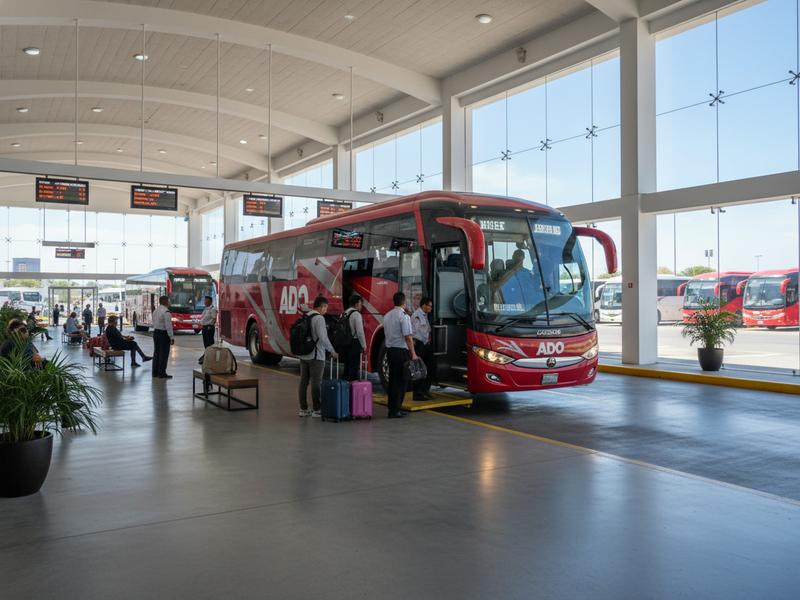
First-class buses (ADO, ETN, Primera Plus) are safe, comfortable, air-conditioned, and have onboard bathrooms. They run between designated terminals and are comparable to European intercity coaches. Use these for long-distance travel.
Second-class buses (colectivos) are less comfortable and make more stops but are still generally safe on popular routes. They’re how most Mexicans travel and cost 30-50% less than first-class.
City Transportation
- Uber/DiDi: Available in all major cities. Safe, tracked, and usually cheaper than taxis. Use these after dark.
- Metro (Mexico City): One of the world’s largest metro systems. Safe during the day, more crowded in rush hour. Women-only cars (first two carriages) available during peak times. Keep valuables secure during rush hour.
- Sitio taxis: From designated stands — safer than hailing on the street. Hotels and restaurants will call one for you.
- Colectivos (shared vans): Common in smaller cities and between towns. Safe on established routes. Don’t take unmarked vans.
Driving
Driving in Mexico is straightforward on toll highways. Key rules:
- Never drive at night on non-toll highways
- Get Mexican car insurance before crossing the border
- Carry your passport and car documents at all times
- Toll highways (cuotas) are much safer than free roads (libres)
- Avoid driving in Mexico City unless you know the city — use Uber instead
Health and Medical Safety
Tap Water
Don’t drink tap water in Mexico — this is real, not exaggerated. Even Mexicans drink purified water. Every household and restaurant uses garrafones (large water jugs) or filtration systems. Ice in restaurants is almost always made from purified water, but if you’re unsure, ask for drinks “sin hielo” (without ice).
Medical Care
Mexico has excellent private hospitals — many Americans specifically travel to Mexico for medical and dental procedures. In tourist areas, you’ll find English-speaking doctors. The cost of medical care is a fraction of US prices.
Key hospital chains: Hospital Ángeles, Star Médica, Christus Muguerza (these are modern, well-equipped facilities comparable to US hospitals).
Public hospitals (IMSS, ISSSTE) are a different experience — overcrowded and under-resourced. If you need care, go private.
Travel Insurance
- Emergency medical evacuation
- Hospital stays
- Lost/stolen belongings
- Trip cancellation
Food Safety
Mexican street food is one of the country’s greatest treasures. Millions of Mexicans eat street food daily without issues. The key: eat at busy stalls. High turnover means fresh food. If a taco stand has a long line, that’s your signal.
Avoid:
- Stalls with no customers
- Salad bars or raw vegetables at sketchy-looking establishments
- Shellfish at inland locations far from the coast
Altitude
Mexico City sits at 2,240 meters (7,350 feet). You may feel breathless, tired, or have headaches for the first day or two. Drink water, limit alcohol on your first day, and take it easy. Cities like Oaxaca (1,555m) and Puebla (2,160m) are also at altitude.
Emergency Contacts You Need to Save
Before your trip, save these numbers in your phone:
| Service | Number |
|---|---|
| National emergency number | 911 (works everywhere in Mexico) |
| Tourist police (Mexico City) | 55 5242 5100 |
| SECTUR tourist assistance | 078 (toll-free from any Mexican phone) |
| US Embassy Mexico City | 55 8526 2561 |
| Canadian Embassy Mexico City | 55 5724 7900 |
| UK Embassy Mexico City | 55 1670 3200 |
| Roadside assistance (Angeles Verdes) | 078 or 800 987 8224 |
SECTUR’s tourist assistance line (078) is particularly useful — they have English-speaking operators and can help with everything from lost documents to finding a hospital to reporting a crime.
Angeles Verdes (Green Angels) are a free government roadside assistance service that patrols major highways. If your car breaks down on a toll highway, they’ll find you.
15 Practical Safety Tips From a Mexican
These aren’t the generic tips you’ll find on every travel blog. This is what I’d tell a friend visiting my country:
-
Learn to say “no, gracias” with confidence. Timeshare sellers, taxi touts, and street vendors are persistent. A firm but polite decline works. Don’t engage in conversation — that’s what they want.
-
Download Uber and DiDi before you land. These apps eliminate 90% of transportation-related scams. They work in every major Mexican city.
-
Carry a copy of your passport, not the original. A photo on your phone works for most situations. Keep the original in your hotel safe.
-
Use ATMs inside banks — always. Citibanamex, BBVA, Santander, and Banorte are the major banks. Withdraw larger amounts less frequently to minimize ATM visits.
-
Learn 20 Spanish phrases. Not for emergencies — for connection. “Buenos días,” “cuánto cuesta,” “dónde está,” “la cuenta, por favor.” Mexicans appreciate the effort enormously, and it changes how people interact with you.
-
Eat where locals eat. The busy taco stand with plastic chairs is safer (and better) than the empty tourist restaurant. High turnover = fresh food. Follow the lines.
-
Stay in established tourist zones after midnight. Mexico has incredible nightlife, but keep to well-lit, busy areas. Take an Uber home — it costs $2-$5 USD in most cities.
-
Don’t flash expensive gear. Leave the Rolex at home. Keep your phone in your pocket when not using it. Use a basic daypack instead of a camera bag covered in brand logos.
-
Use hotel safes. Most hotels have room safes or front desk safes. Use them for your passport, extra cash, and electronics you’re not carrying.
-
Know your limits with alcohol. Most tourist incidents I’ve heard about involve someone who got very drunk and made bad decisions at 3 AM. Enjoy the mezcal and tequila, but pace yourself.
-
Avoid drugs completely. This isn’t just about legality — it’s about not interacting with the people and supply chains that make Mexico less safe. Every tourist who buys drugs funds the cartels. Full stop.
-
Buy a local SIM or eSIM. Having data means you always have maps, Uber, and the ability to call for help. Telcel is the carrier with the best coverage. A prepaid SIM costs $5-$10 USD.
-
Register with your embassy. The US STEP program (Smart Traveler Enrollment Program) sends you safety alerts for Mexico and helps the embassy contact you in an emergency. Canada, UK, and Australia have similar programs.
-
Trust your instincts. If a street feels wrong, turn around. If a deal seems too good, it is. If someone is overly friendly and insistent, they want something. Your gut is a good guide.
-
Don’t believe everything on the internet — including Reddit. Some forums amplify fear way beyond reality. Others are recklessly dismissive. The truth is in the middle: Mexico is safe in tourist areas with basic precautions, and genuinely dangerous in specific areas most tourists would never visit.
What Mexicans Want You to Know About Safety
I’ll end with something personal. When I tell people I’m from Mexico, I can see the calculation behind their eyes: cartel, danger, wall. And every time, it stings — because the Mexico I grew up in is a country of warm, generous people who will invite a stranger to dinner, a country of stunning natural beauty, and one of the richest food cultures on the planet.
Mexicans are painfully aware of the safety problems in their country. We live with them. Many Mexicans have been directly affected by violence. But we also know that the Mexico of Netflix narco dramas and cable news is not the Mexico of Oaxaca’s markets, Yucatán’s cenotes, Chiapas’s cloud forests, or Mexico City’s museums.
When you visit Mexico and have a great experience — and you will — tell people about it. The biggest thing you can do for Mexico’s safety reputation is be an honest witness: yes, this country has problems, and yes, it’s one of the most incredible places on Earth to visit.
Come to Mexico. Be smart. Be respectful. And bring an empty stomach — you’re going to need it.
Where to Go Next
Ready to plan your trip? Here are our most popular guides:
- Want to feel safe? See our complete ranked guide to the 15 safest cities in Mexico
- First time? Start with our Mexico City travel guide or guide to the best cities in Mexico
- Beach vacation? Check out Puerto Vallarta activities, Huatulco, or Bacalar
- Cultural trip? Explore Oaxaca City, San Miguel de Allende, or Mérida
- Adventure? Try hiking in the Sierra Norte, the Copper Canyon, or Huasteca Potosina
- Food lover? Don’t miss our guides to Mexican cuisine, Oaxacan food, and Chiapas food
- Planning for spring? Read our Spring Break in Mexico 2026 guide and Semana Santa guide
- Timing your trip? Our best time to visit Mexico guide covers weather, festivals, and prices month by month
- On a budget? Our complete Mexico travel cost guide breaks down exactly what things cost at every price level
- Getting around? See our guides on Mexican airlines, driving in Mexico, and getting around Mexico City
- First time visiting? Our 25 Mexico travel tips for first-timers covers money, ATMs, transport, scams, food safety, and the things guidebooks don’t tell you