Cozumel Travel Guide (2026): What to Do, Where to Stay & Ferry Tips
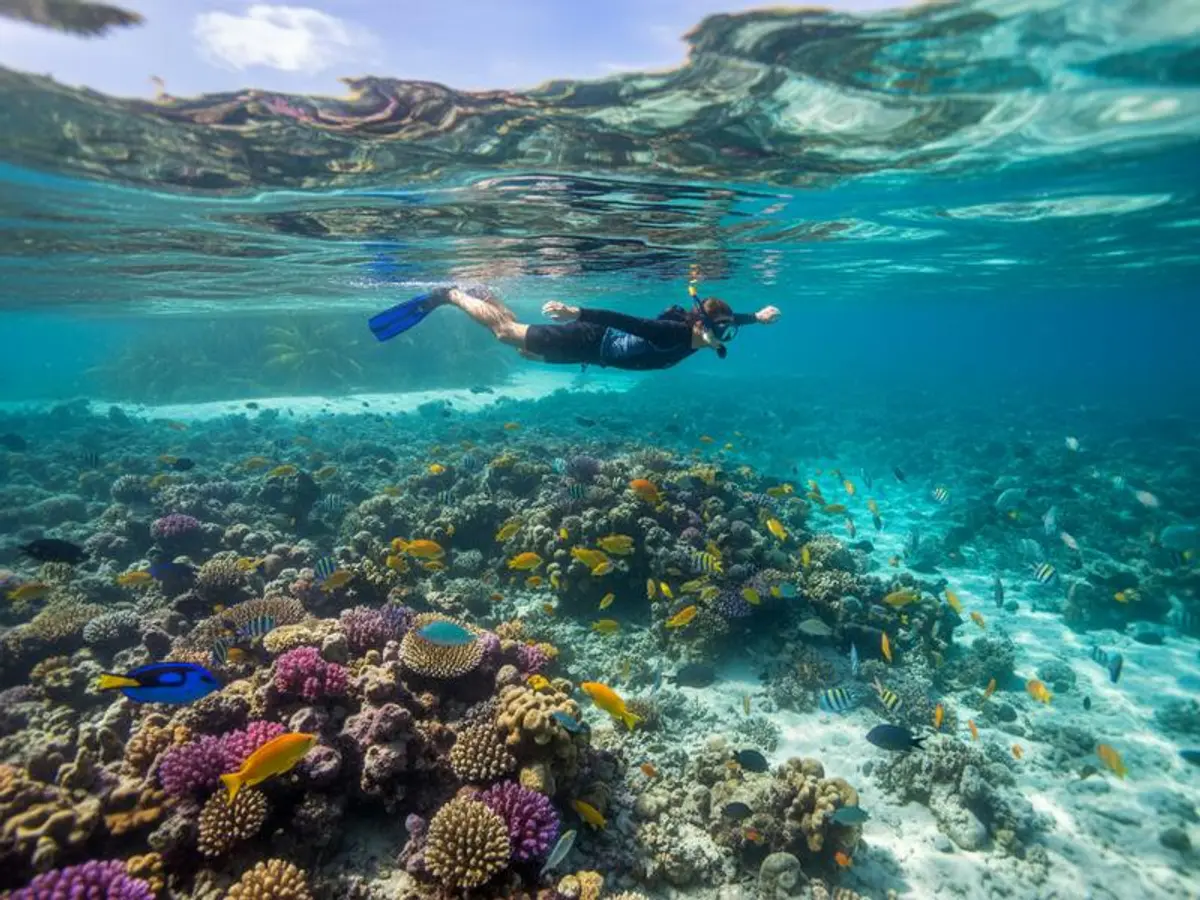
Cozumel is the best Riviera Maya island for travelers who care more about clear water, snorkeling, and diving than about beach clubs or nightlife. If you want the short version: stay on the west coast near San Miguel, take the ferry from Playa del Carmen unless you found a strong direct flight, and give Cozumel at least two nights if you want more than a rushed snorkel day trip.
30-Second Answer
| If you want… | Choose this |
|---|---|
| Best snorkeling and diving | Cozumel |
| Best place to stay | West coast near San Miguel or the southern hotel strip |
| Best arrival route | Ferry from Playa del Carmen |
| Best trip length | 2-3 nights |
| Best time to go | November to April |
| Best backup when mainland beaches have sargassum | Cozumel west coast |
Quick Facts
| Location | Quintana Roo, 19 km from Playa del Carmen |
| Size | 49 km long × 15 km wide |
| Population | ~100,000 |
| Airport | CZM (Cozumel International) — direct flights from US cities |
| Ferry from PDC | 35-45 minutes, ~250 MXN each way |
| Reef system | Mesoamerican Barrier Reef (world’s 2nd largest) |
| Diving visibility | 20-40 meters (some of the best in the world) |
| Sargassum west coast | Extremely rare — structurally protected |
| Best time | November–April |
| US advisory | Quintana Roo Level 2 — tourist zones safe |
Why Cozumel?
Most people visiting the Riviera Maya treat Cozumel as a day trip. That undersells it by a significant margin.
The reef here is not merely scenic — it is a marine ecosystem of extraordinary complexity, designated a UNESCO World Heritage Site as part of the Mesoamerican Barrier Reef System. The walls drop 30 meters to sand in places where you can see the bottom clearly. The current-swept channels between reef formations create conditions that attract eagle rays, sea turtles, nurse sharks, and — seasonally — large pelagics.
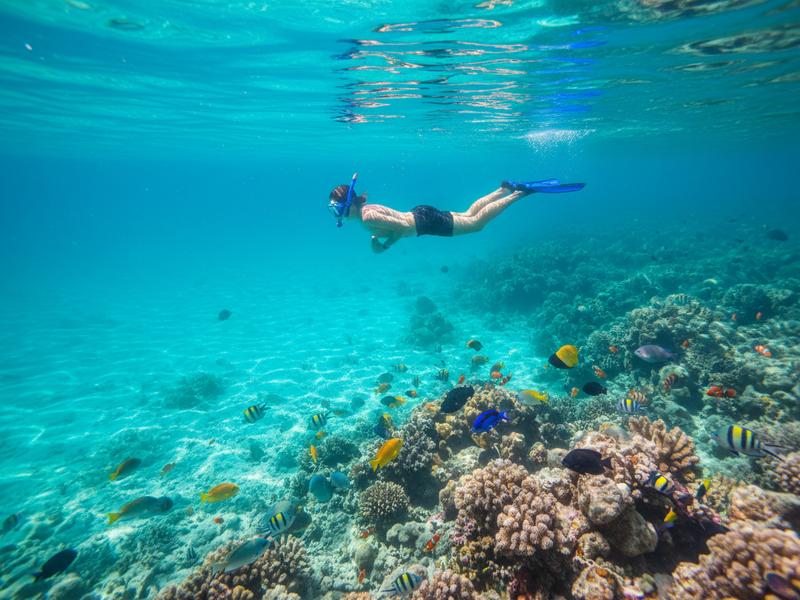
For non-divers: the shallow snorkel sites on the west coast are among the best accessible reef snorkeling in the world. The water clarity is not tropical marketing copy — it is a genuine function of the reef ecosystem filtering the water.
And the west coast never gets sargassum. When Playa del Carmen’s beaches are carpeted in brown algae from April through October, Cozumel’s west-facing shore is reliably clear. This alone justifies the ferry ride.
The West Coast vs East Coast: Different Islands
Understanding Cozumel requires understanding that the west coast and east coast are functionally different destinations.
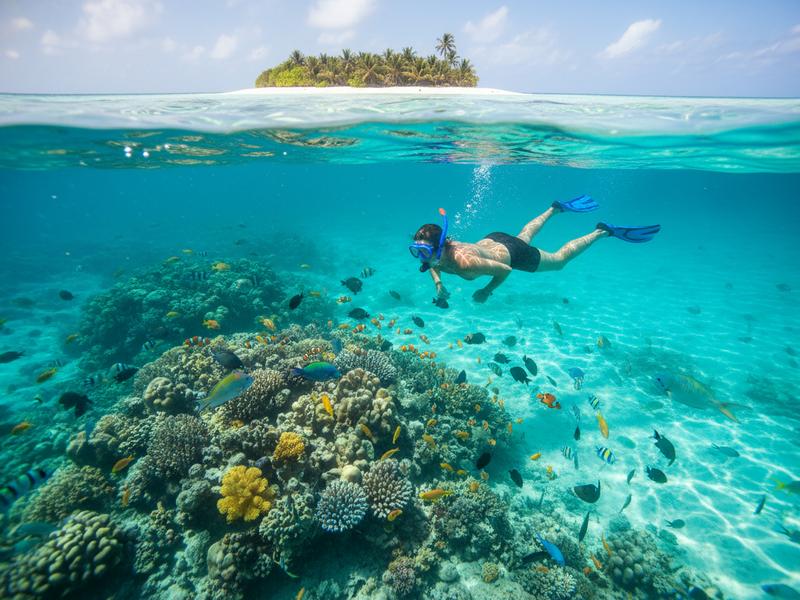
West coast (San Miguel side): All the dive and snorkel operators are here. The water is calm, protected from Atlantic swells by the island itself. Visibility is exceptional. Beach clubs, hotels, the ferry pier, and downtown San Miguel are all on this side. The reef wall begins 15-20 minutes offshore. Zero sargassum.
East coast (Carretera Costera): Raw Atlantic-facing coastline with powerful waves and strong currents. Swimming is dangerous in most spots (rip currents). The coast road (Carretera Costera) runs the full eastern length and is worth driving for the landscape: crashing surf, no development, rocky ironshore formations, and the occasional empty beach where swimming is possible in protected coves (Playa Chen Rio is the safest). The east coast is not for swimming — it is for looking.
Most visitors never make it to the east coast. The 45-minute loop drive around the southern tip past Punta Sur and back up the east coast is one of the better half-day options for people who want to see the full island.
Dive Sites: Ranked by Difficulty
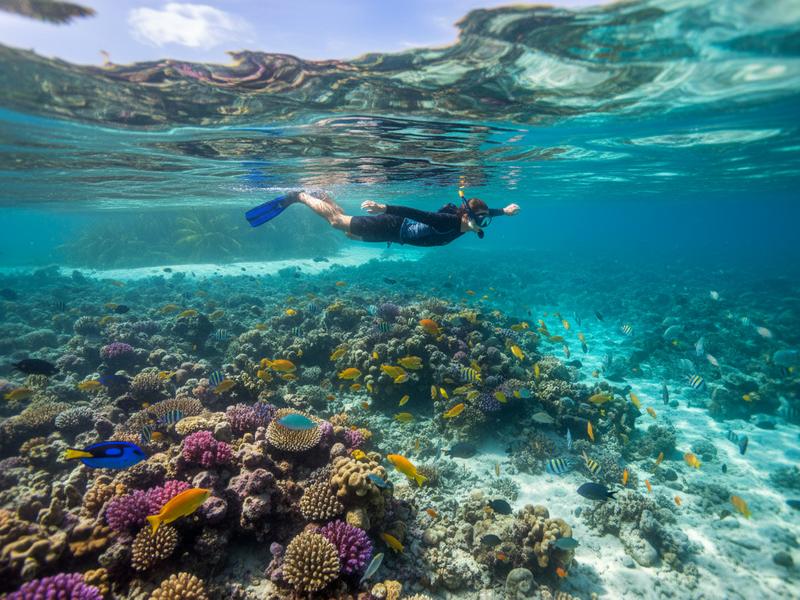
Cozumel’s dive sites are what distinguish it from every other Caribbean island destination. The sites benefit from consistent currents that bring nutrients and visibility simultaneously.
Beginner Sites (open water certification sufficient)
Palancar Gardens (8-18m) — The most famous name in Cozumel diving. The gardens section is actually accessible and not overwhelming: gentle coral formations, sea turtles that appear almost on schedule, abundant reef fish. Good for newly certified divers. Book Palancar dive tours on Viator.
El Cielo (3-6m) — Shallow enough for snorkelers but popular with divers for one reason: giant starfish (Oreaster reticulatus) on white sandy bottom. Dozens of them. Unique site.
Colombia Shallows (5-15m) — Flatter, more complex coral formations than the walls. Good light penetration, high fish density. Often combined with Palancar Gardens on a two-tank dive.
Chankanaab Reef (8-15m) — Close to the national park. Predictable currents, excellent for training dives. Parrotfish, angelfish, and small reef sharks frequent this site.
Intermediate to Advanced Sites
Santa Rosa Wall (15-30m+) — A genuine wall dive. The coral formations on the drop-off are some of the most dramatic in the Caribbean. Mild to strong current depending on conditions — you drift along the wall rather than fighting back. Eagle rays and black groupers patrol the deeper sections.
Palancar Caves (15-25m) — Cathedral formations of coral create swim-throughs and caverns. Not cave diving (no overhead hazard certification required) but more complex navigation. Stunning light effects through coral arches.
Columbia Wall (18-40m+) — Advanced divers only. One of the most dramatic walls in the Caribbean. The current here can be significant. Hammerhead sharks occasionally seen at depth during July-August. Maximum recommended depth: 40m for recreational divers.
Maracaibo Reef (30-40m) — The least visited site because it requires boat travel and conditions have to align. Spectacular deep wall with large sea fans. Plan this one with an operator who knows it well.
PADI Courses in Cozumel
PADI open water certification is available from multiple dive shops in San Miguel: Dive Palancar, Deep Blue, and Scuba Club Cozumel all have strong reputations. Open water courses run 3-4 days and cost $350-500 USD including all equipment. The reef as a training environment is exceptional — you’re learning in conditions most certified divers dream about.
Snorkeling Without Scuba Certification
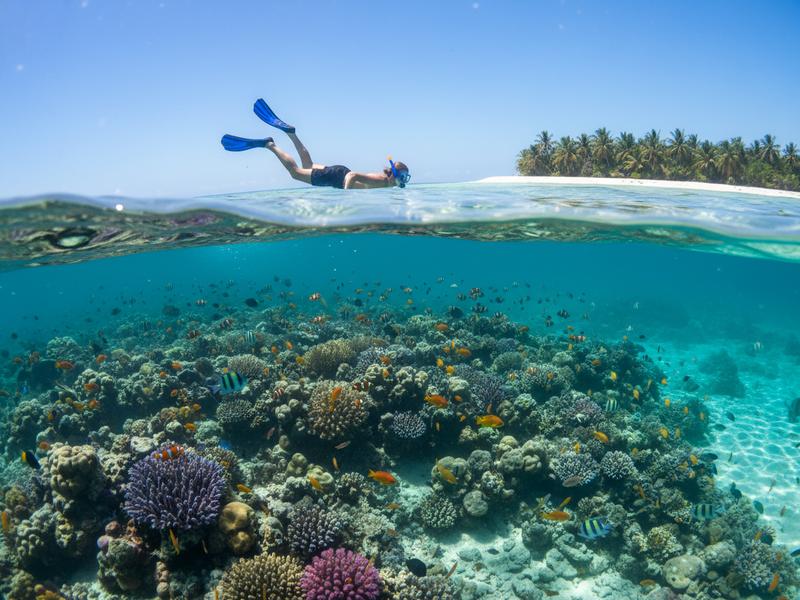
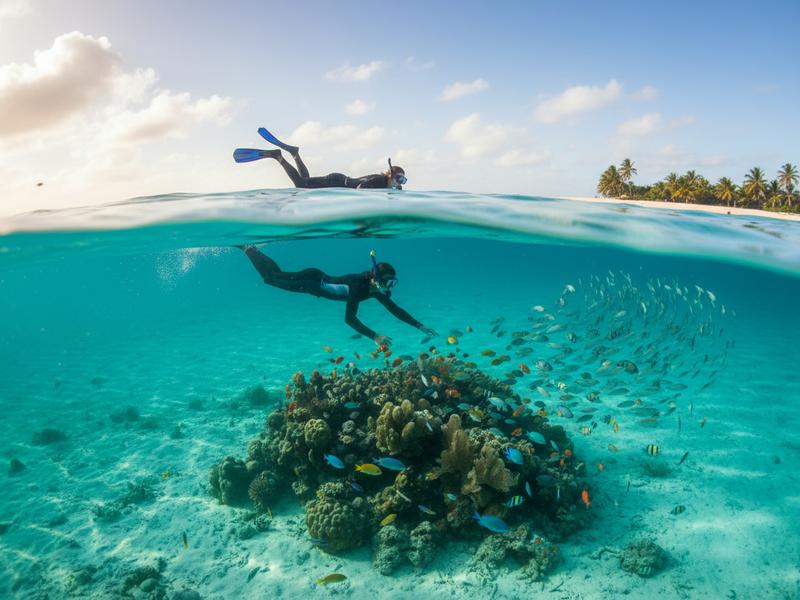
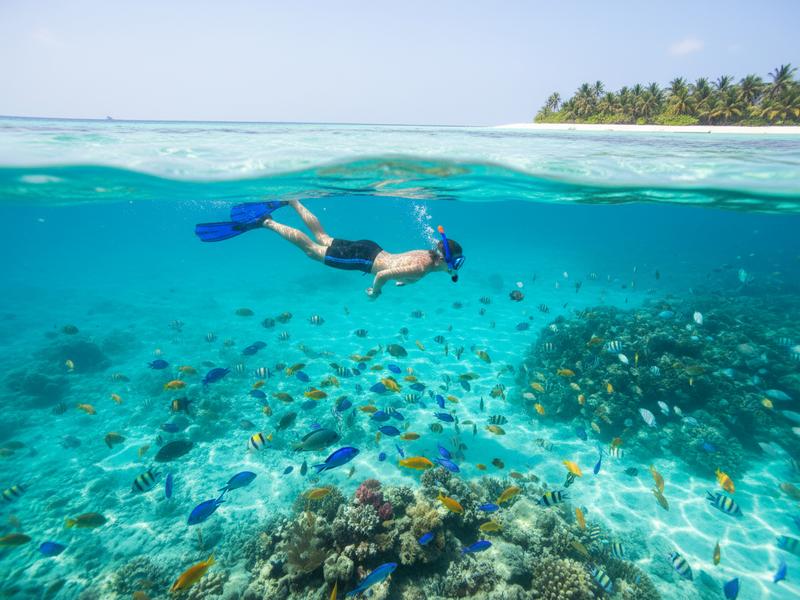
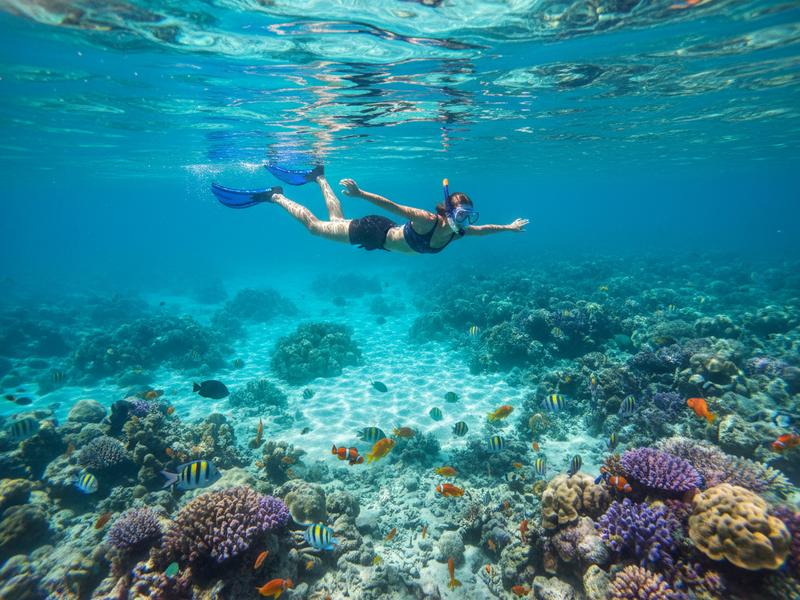
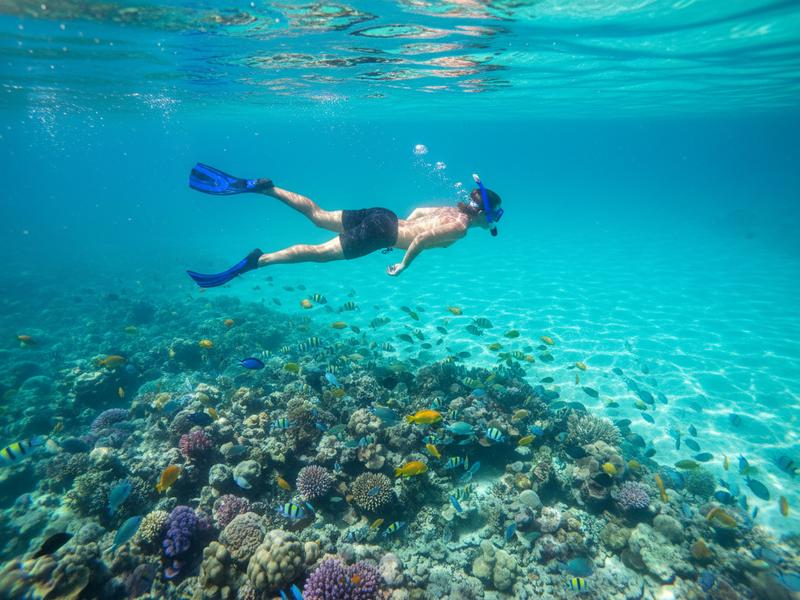
Cozumel is as good for snorkelers as it is for divers — the reef system extends into shallow water throughout the west coast.
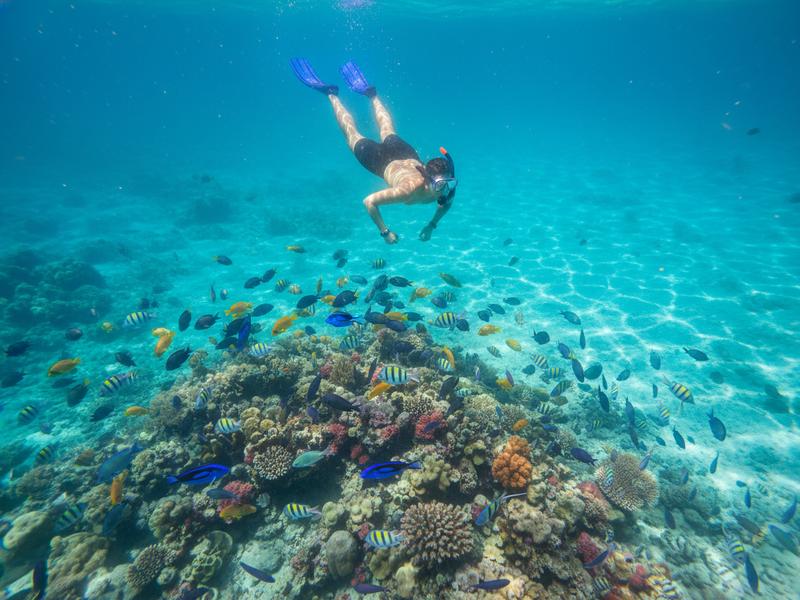
What to expect on a snorkel tour: Most tours run 2.5-3 hours, cover 2-3 sites, include equipment and a guide, and cost $25-40 USD per person. El Cielo (starfish), Colombia Shallows, and Palancar Gardens shallow section are standard inclusions. Visibility on a good day: 25-30 meters. You will see reef fish, sea turtles, parrotfish, and coral formations in remarkable health.
Independent snorkeling options: The beach at Chankanaab National Park (200 MXN entry) has snorkeling directly off the beach — no boat required. The reef begins 50 meters offshore. The park also has a dolphin program, sea lion show, and cenotes. Worth it for a morning.
Money Bar Beach Club and Paradise Beach on the hotel strip both offer snorkeling equipment rental by the hour if you want to explore independently without booking a tour.
Swim-with-dolphins programs: Chankanaab and Dolphinarium Cozumel both offer dolphin interactions at significant cost ($80-170 USD). Honest assessment: these programs are managed by private companies, the dolphins are captive, and the experience is controlled. If swimming with dolphins in the wild is the goal, whale shark tours from Holbox or Isla Mujeres (June-September) are genuinely wild encounters. The Cozumel dolphin programs are a different — and more controversial — type of experience. Families with young children seem to love it; conservationists consistently criticize captive dolphin programs on principle.
San Gervasio: The Mayan Ruins
Cozumel is not typically thought of as an archaeological destination, but San Gervasio is worth the half-day if you’re staying overnight.
The site was dedicated to Ixchel — the Mayan goddess of fertility, medicine, and the moon. Historically, it functioned as a pilgrimage destination for Mayan women from across the Yucatan Peninsula: women seeking fertility would make the crossing from the mainland specifically to leave offerings at Ixchel’s shrines on Cozumel. The island was, in effect, a sacred destination in the Mayan world.
The ruins themselves are modest in scale compared to Chichen Itza or Tulum — a series of small temples, platforms, and altars connected by sacbés (raised Mayan paths). The jungle canopy creates good shade. Iguanas are everywhere. Entry costs 100 MXN (plus a small toll for the cross-island road). Tours from San Miguel include transportation and a guide; self-driving is easy with a rental scooter.
Getting there: The site is 16 km from San Miguel on the cross-island road (Avenida Juárez heading east, then north on the interior road). Scooter rental in San Miguel: 300-400 MXN/day. Taxi from town: 200-250 MXN round trip with waiting time.
Punta Sur Ecological Reserve
Punta Sur is the southern tip of the island — an ecological reserve that combines a lighthouse, a crocodile lagoon, and a bird sanctuary in one protected area. Entry is 200 MXN.
The lighthouse (Faro Celarain) sits on the southernmost point and offers the best views available on the island: reef visible on both sides, the color gradient from turquoise to deep blue. The observation deck is worth climbing.
Laguna Colombia inside the reserve is home to American crocodiles (Crocodylus acutus) — you can observe them from a raised platform. These are not farmed animals; they’re wild crocodiles in their habitat. The rangers know the lagoon’s population by name.
Birdwatching: Punta Sur hosts flamingos (seasonal), frigate birds, pelicans, and various shorebirds. The mangrove system around the lagoon is more species-rich than anything else on the island.
Allow 2-3 hours for the reserve. It’s 30 km south of San Miguel — best reached by scooter or rental car. The road is paved and in good condition.
Where to Eat in San Miguel
San Miguel’s restaurant scene runs the full range from tourist-trap to excellent. The ferry pier area is the tourist-trap zone. Walk three or four blocks inland and prices drop 40%.
La Cocay (Calle 8 Norte) — The best table-service restaurant on the island by consistent reputation. Caribbean-Mediterranean fusion: fresh fish, good wine list, well-executed plates. Reservation recommended high season. Budget 400-600 MXN per person without alcohol.
El Fish Fritanga (on the waterfront, north of the pier) — The correct fish taco destination. Open-air, informal, excellent value. The fried whole fish with tortillas is the thing to order. 100-150 MXN per person.
La Choza (Avenida 10 Sur) — Long-running local Mexican restaurant that doesn’t adjust its menu for tourists. Cochinita pibil, chiles rellenos, proper salsas. Locals eat here; that’s the data point you need. 150-250 MXN per person.
Pearl Oyster Bar (Avenida Rafael Melgar waterfront) — Oysters flown in from Baja California, good cocktails, excellent sunset position on the waterfront. More expensive than most options but delivers on the promise. 300-500 MXN per person.
Mercado Municipal (Salas between Avenidas 20 and 25) — The market behind the main tourist area where locals shop and eat. Breakfast counter serving chilaquiles, eggs, and coffee for 80-120 MXN. The least-visited dining option in this guide and the most authentic.
Getting to Cozumel
By Ferry from Playa del Carmen
The standard arrival route. Two operators — Ultramar and Winjet — run ferries from the Playa del Carmen pier throughout the day. The crossing takes 35-45 minutes depending on sea conditions. Cost: approximately 250-280 MXN per person each way (~$13-14 USD, 2026 prices).
Ferry schedule: roughly every 60-90 minutes from 6 AM to 10 PM, with more frequent departures during high season. Tickets can be purchased at the pier on the day; no advance booking required except holiday periods. The pier is at the foot of 5th Avenue, walkable from most PDC hotels.
Day trip logistics: First ferry leaves PDC around 6:00-6:30 AM. Last return ferry from Cozumel around 9:30-10 PM. A full day on the island is absolutely feasible — arrive by 7:30 AM, depart by 8 PM, and you have 12 hours. Most snorkel tours finish by 1 PM, leaving the afternoon for San Miguel exploration.
→ Full Playa del Carmen to Cozumel ferry guide: prices, schedule & tips →
→ Cozumel to Playa del Carmen: return ferry schedule, last boat times & getting to Cancun →
For everything you need to know about Playa del Carmen as your Riviera Maya base, see our complete guide.
By Plane to CZM
Cozumel International Airport (CZM) has direct connections from several US cities: Houston (IAH), Dallas/Fort Worth (DFW), Atlanta (ATL), and seasonally from others. Flying direct makes sense if you’re planning 4+ nights on the island or combining with diving certification — skipping the Cancun connection entirely.
From Cancun airport: fly to CZM via Aeromexico Connect (short hop, not always logical given the ferry option from PDC), or ground-transfer to PDC and take the ferry. The PDC ferry option is usually more cost-effective unless you find a direct international deal.
From Cancun
Cancun doesn’t have a direct ferry to Cozumel — all ferries depart from Playa del Carmen. From Cancun: take an ADO bus or colectivo to PDC (ADO from airport: 232 MXN, ~1 hr; colectivo from centro: 80–100 MXN, 45 min), then the UltraMar ferry (260–300 MXN, 45 min). Total journey: approximately 1.5–2.5 hours depending on your starting point. See the full step-by-step: Cancun to Cozumel 2026 transport guide. Alternatively, organize a day trip including transport from Cancun — Viator runs combined Cancun-Cozumel day tours that handle the logistics.
Day Trip vs Overnight: The Real Calculation
A Cozumel day trip from Playa del Carmen is entirely reasonable and a popular option. Budget breakdown for a day trip:
| Expense | Cost |
|---|---|
| Ferry round trip | ~500 MXN ($25 USD) |
| Snorkel tour (2-3 sites) | $30-40 USD |
| Lunch (mid-range) | 200-250 MXN |
| Cold drinks/incidentals | 100 MXN |
| Total day trip | ~$60-80 USD |
For divers, a day trip only makes sense if you’ve pre-booked a specific dive operation — you lose significant time organizing on arrival. Certified divers who want two tank dives plus a second day exploring Punta Sur and San Gervasio should stay 2 nights minimum.
Day trip verdict: Snorkelers and first-time visitors — day trip is fine. Divers or people who want to go beyond the reef — stay.
Cozumel vs Isla Mujeres
A question that comes up constantly in Cancun travel planning. They’re not the same type of destination:
| Cozumel | Isla Mujeres | |
|---|---|---|
| Best for | Diving, snorkeling, reef | Beach relaxation, atmosphere |
| Size | Large (49 km long) | Small (7.7 km long) |
| Ferry from | Playa del Carmen | Cancun |
| Ferry time | 35-45 min | 15-25 min |
| Reef quality | World-class wall diving | Good but shallower, less dramatic |
| Town vibe | Larger, more commercial | Small, walkable, quieter |
| Best beach | Palancar (by boat), west coast clubs | Playa Norte (world-class swimming) |
| Sargassum risk | Negligible (west coast) | Low (north tip) |
| Crowds | Cruise ship heavy midday | Heavy but different scale |
| Budget | Slightly higher | Similar |
Choose Cozumel: You’re a diver or serious snorkeler, or you want the best guaranteed clear water in the Riviera Maya region.
Choose Isla Mujeres: You want a small-town beach day, walking streets, and Playa Norte beach experience. Full comparison in our Isla Mujeres travel guide.
Best Area to Stay by Trip Style
| Trip style | Best area | Why |
|---|---|---|
| First time in Cozumel | San Miguel / waterfront north of the ferry pier | Walkable, easiest for ferries, dive shops, restaurants, and taxis |
| Diving-focused trip | South hotel strip | Faster boat departures to reef sites, quieter stay, resort-style dive setups |
| Budget trip | Inland San Miguel | Cheapest guesthouses, local food, easy scooter/taxi access |
| One-day visit | No hotel needed | Ferry over, snorkel, lunch, and return the same evening |
| Beach-club style stay | West coast beach clubs and resorts | Calm water, sunsets, and easy snorkel access |
Cozumel Budget Guide
Budget Tier ($40-70 USD/day)
Stay at a hostel (private room 400-600 MXN) or the cheapest hotels in San Miguel center. Eat at the Mercado Municipal and El Fish Fritanga. Take the ferry in from PDC as a day trip (skip accommodation). One snorkel tour.
Mid-Range ($80-150 USD/day)
Hotel in San Miguel with a pool (800-1,500 MXN/night). Two-tank dive with a reputable operator ($70-100 USD). Lunch at La Choza, dinner at La Cocay. Day trip to Punta Sur by scooter rental.
Splurge ($200-400 USD/day)
Beachfront hotel on the west coast hotel strip. PADI dive course ($350-500 USD for the full certification over 3-4 days, spread across days). Pearl Oyster Bar for oysters. Private dive charter for specific sites.
| Activity | Cost |
|---|---|
| Ferry PDC-Cozumel round trip | ~500 MXN ($25 USD) |
| Snorkel tour (2-3 sites) | $25-40 USD |
| Two-tank dive (certified) | $65-100 USD |
| Scooter rental (full day) | 300-400 MXN |
| San Gervasio ruins entry | 100 MXN |
| Punta Sur reserve entry | 200 MXN |
| Chankanaab Park entry | 200 MXN |
| Lunch at local restaurant | 150-250 MXN |
| Dinner mid-range | 300-500 MXN |
When to Visit Cozumel
November–April (best): Dry season, calm Caribbean, water visibility at peak (30-40m in top conditions), temperatures 24-28°C. Christmas-New Year and spring break (mid-March) weeks are the most crowded and expensive — book accommodation 3-4 months ahead for those windows.
May–June (excellent shoulder): Fewer crowds than high season, rates drop 20-30%, diving conditions still excellent before summer rains begin. Good value window.
July–September (avoid if possible): Heat, humidity, afternoon thunderstorms, and hurricane risk peak in August-September. Diving is still possible but visibility can drop with storms. Accommodation is cheapest. If budget is the primary driver and flexibility on conditions is acceptable, possible — but check the hurricane forecast actively.
October: Shoulder to low season, transitional weather. Can work but has the least predictable conditions.
Common First-Timer Mistakes in Cozumel
- Treating Cozumel like Isla Mujeres. Cozumel is bigger, less walkable, and built around reef access, not one perfect swimming beach. If your goal is only sand and a laid-back beach town, compare it first with Isla Mujeres or Holbox.
- Doing only a midday cruise-stop visit. Cozumel feels most crowded when cruise passengers are in town. Early mornings and overnight stays show the island at its best.
- Staying on the east coast for swimming. The east side is scenic but rough. Most travelers should stay on the west coast and drive the east coast as a half-day loop.
- Underestimating ferry conditions. When the sea is rough, the Playa del Carmen ferry can feel brutal. If you get seasick easily, sit outside, take medicine in advance, and avoid a heavy breakfast.
- Assuming one day is enough for the whole island. One day works for snorkeling. Two or three nights works for snorkeling plus Punta Sur, San Gervasio, and slower meals in San Miguel.
Staying Safe in Cozumel
Quintana Roo carries a US State Department Level 2 advisory — the same as many European destinations and the equivalent of “exercise increased caution.” In practical terms: the tourist areas of Cozumel are safe. Crime affecting tourists is rare on the island. For a full breakdown of risks, safe zones, and traveler-type advice, see our dedicated Is Cozumel Safe in 2026? guide.
Standard precautions: use official taxis (not unmarked vehicles), don’t leave valuables on the beach, use reef-safe sunscreen (the reef is a UNESCO site — regular sunscreen is prohibited in the national marine park). Travel insurance is recommended for diving specifically — travel insurance when purchased before the dive. Verify your specific plan covers PADI certification dives.
The diving itself: Cozumel’s currents are real. Some sites require drift diving experience. Dive operators will assess your certification and experience before putting you in unsuitable conditions — listen to them. Don’t overstate your experience for a more impressive dive site.
Practical Information
Getting around the island: Taxis are plentiful in San Miguel. Scooter rental is the most practical for independent exploration (300-400 MXN/day, international license required technically but rarely checked). Rental cars available if you prefer four wheels. There is no Uber on the island.
Language: Spanish is primary. Most tourist-facing staff speak functional English, especially in dive operations. Learning a few Spanish phrases earns goodwill immediately.
Money: San Miguel has ATMs. Cards accepted in most restaurants and dive shops. Carry pesos for the market, small vendors, and taxis.
Power: Standard Mexican outlets (110V, US-style plugs). No converter needed for US/Canadian electronics.
Internet: Reliable WiFi in most hotels and San Miguel cafes. Good LTE coverage on the west coast; spotty on the east coast.
Cozumel at a Glance
Cozumel is a diving island that happens to have a pleasant town. That’s the correct mental model. If you’re coming for the beach-resort experience, Cancun’s Hotel Zone or Playa del Carmen serves that goal better. If you’re coming for world-class reef snorkeling or diving, or you want guaranteed clear water when sargassum is affecting the mainland coast, Cozumel is the answer.
The ferry from Playa del Carmen runs all day. The reef begins 15 minutes offshore. The water is clear enough to see the bottom from the boat.
Browse Cozumel snorkeling and diving tours on Viator — reef tours, PADI courses, dolphin experiences, and Punta Sur excursions.
Related Guides
- Best Time to Visit Cozumel — bull sharks, visibility by month & hurricane reality
- Things to Do in Cozumel — 25 best activities, diving, ruins & day trips
- Playa del Carmen Travel Guide — ferry departure point and Riviera Maya base
- Cancun Travel Guide — regional hub for flights and onward connections
- Isla Mujeres Travel Guide — Cozumel’s Caribbean counterpart, different vibe
- Cozumel vs Isla Mujeres — side-by-side comparison
- Best Beaches in Cozumel — west coast beach clubs and snorkel spots
- Best Time to Visit Cozumel — month-by-month timing, visibility, and hurricane season tradeoffs
- Is Cozumel Safe? — tourist safety, scam patterns, and where to stay
- Punta Sur Cozumel — full guide to the ecological reserve
- Cancun to Cozumel — the fastest way from Cancun airport or hotel zone
- Holbox Island Travel Guide — whale shark season, different north Yucatan vibe
- Tulum Travel Guide — ruins, cenotes, and the boho south