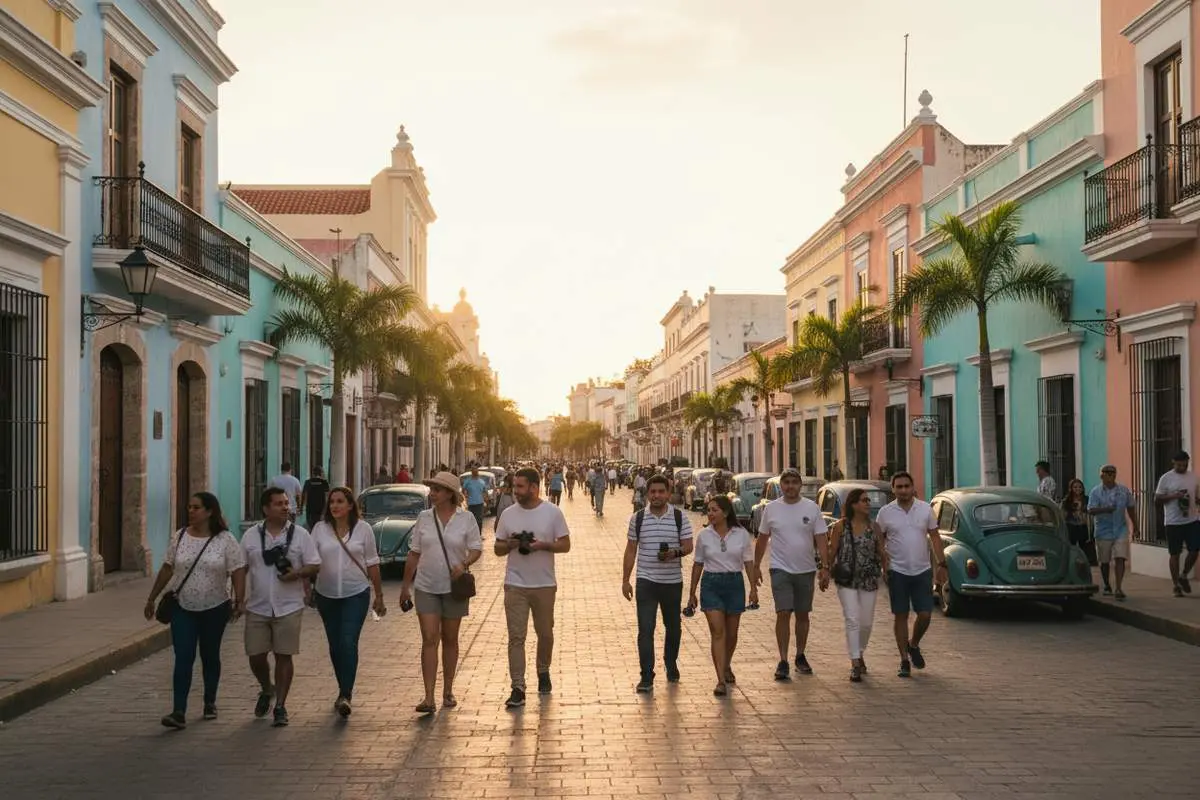
Safest Cities in Mexico 2026: 25 Ranked Safest Places
Mexico’s safest cities for tourists are concentrated in three regions: the Yucatán Peninsula (Mérida, Campeche City), the central highlands (San Miguel de Allende, Querétaro, Guanajuato City), and Oaxaca — all located in US State Department Level 1 or Level 2 states. The 25 cities ranked below have crime rates comparable to mid-sized US cities and receive millions of international visitors safely each year. Updated June 2026.
Every time someone asks me “Is Mexico safe?”, my first response is always: safe where? Mexico is the 13th largest country on Earth. Asking if the whole country is safe is like asking if the entire United States is safe — it depends entirely on which city, which neighborhood, and what you’re doing.
I grew up in Mexico. I know which cities feel safe at midnight and which ones make even locals nervous. This guide ranks the 25 safest cities in Mexico for tourists based on actual crime data, US State Department advisories, local knowledge, and years of personal experience — expanded and updated March 2026.
These aren’t just “tourist bubble” cities where you’re safe inside a resort. These are places where you can walk freely, eat street food, take local buses, and explore neighborhoods the way Mexicans do.
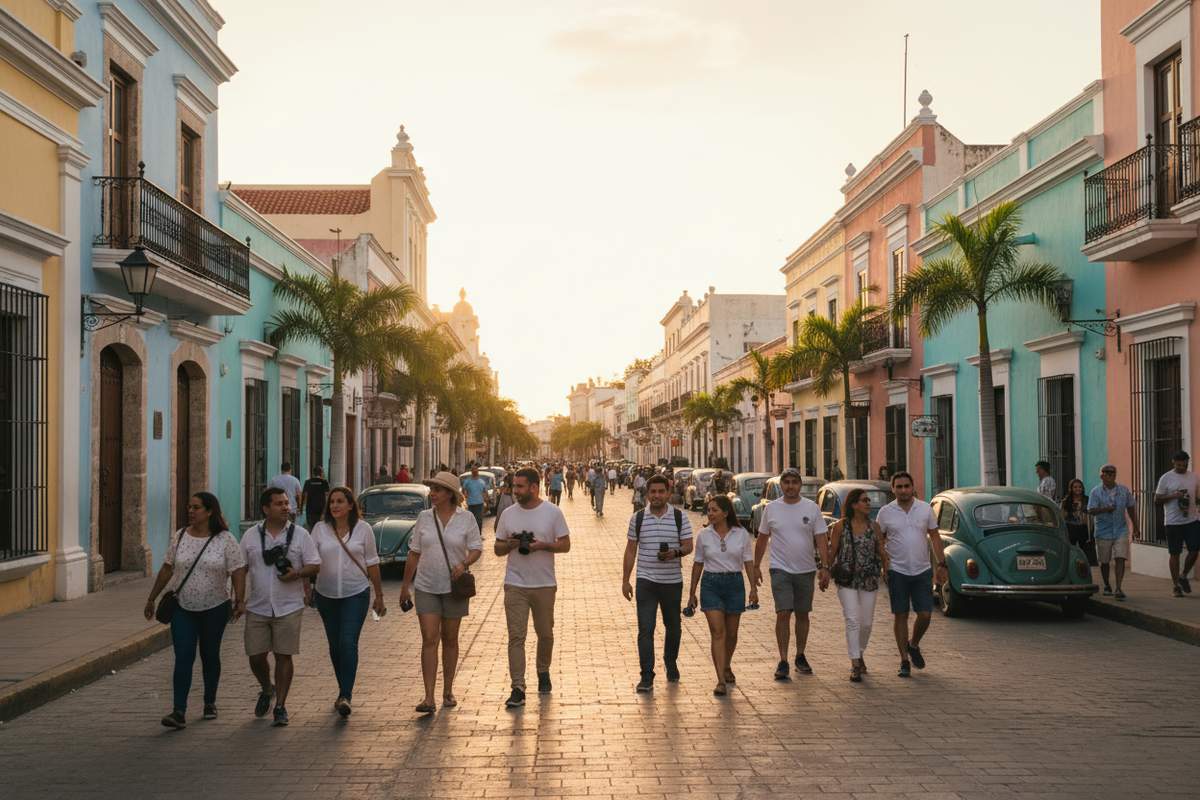
Safest Cities in Mexico in 30 Seconds
| If you want… | Best city to start with | Why it works |
|---|---|---|
| Safest overall city | Mérida | Yucatán is Level 1, violent crime is very low, and the centro is easy for first-time visitors. |
| Safest colonial city | Campeche | The walled historic center is calm, walkable, and in Mexico’s other Level 1 state. |
| Safest culture-and-food base | Oaxaca City | It has strong tourism infrastructure, walkable neighborhoods, and a Level 2 state advisory. |
| Safest beach city | La Paz | Baja California Sur is Level 2, the waterfront is relaxed, and nightlife is low-key. |
| Safest family pick | Mérida or Querétaro | Both have reliable transport, healthcare, family-friendly neighborhoods, and easy day trips. |
How We Ranked These Cities
This isn’t a random list. Each city was evaluated on:
- US State Department advisory level for the state (Level 1 = safest, Level 4 = avoid)
- Crime statistics — homicide rate, robbery rate, and tourist-targeting crime reports
- Personal experience — I’ve visited or lived in every city on this list
- Expat and long-term traveler reports — what people who actually spend months there say
- Infrastructure — reliable transportation, accessible healthcare, tourist police presence
One important note: no city anywhere in the world is 100% safe. Petty crime (pickpocketing, taxi scams, phone snatching) can happen even in the safest Mexican cities, just as it can in Paris, Barcelona, or Tokyo. The cities below are safe in the sense that violent crime against tourists is extremely rare, walking around is comfortable, and you can relax and enjoy your trip.
Quick Comparison: The 25 Safest Cities at a Glance
| Rank | City | State | Advisory Level | Best For | Daily Budget (USD) |
|---|---|---|---|---|---|
| 1 | Mérida | Yucatán | Level 1 | Culture, food, families | $50–$80 |
| 2 | Campeche | Campeche | Level 1 | History, quiet escape | $40–$70 |
| 3 | San Miguel de Allende | Guanajuato | Level 3* | Art, romance, expats | $60–$100 |
| 4 | Querétaro | Querétaro | Level 2 | Foodies, digital nomads | $45–$75 |
| 5 | Oaxaca City | Oaxaca | Level 2 | Food, culture, markets | $40–$65 |
| 6 | Puebla | Puebla | Level 2 | Architecture, food | $40–$65 |
| 7 | Guanajuato City | Guanajuato | Level 3* | Students, photographers | $40–$65 |
| 8 | Valladolid | Yucatán | Level 1 | Cenotes, Chichén Itzá base | $35–$60 |
| 9 | Izamal | Yucatán | Level 1 | Day trips, quiet charm | $30–$50 |
| 10 | Bacalar | Quintana Roo | Level 2 | Nature, backpackers | $40–$65 |
| 11 | Huatulco | Oaxaca | Level 2 | Beaches, eco-tourism | $50–$80 |
| 12 | La Paz | Baja California Sur | Level 2 | Diving, whale sharks | $50–$85 |
| 13 | Puerto Vallarta | Jalisco | Level 3* | Beach, LGBTQ+, nightlife | $55–$90 |
| 14 | Sayulita | Nayarit | Level 2 | Surfing, yoga, bohemian | $50–$80 |
| 15 | San Cristóbal de las Casas | Chiapas | Level 2 | Indigenous culture, hiking | $30–$55 |
| 16 | Morelia | Michoacán | Level 3* | Monarch butterflies, colonial | $40–$65 |
| 17 | Isla Mujeres | Quintana Roo | Level 2 | Beach, snorkeling, car-free | $55–$90 |
| 18 | Holbox | Quintana Roo | Level 2 | Whale sharks, bioluminescence | $50–$90 |
| 19 | Taxco | Guerrero | Level 2* | Silver, Semana Santa | $35–$65 |
| 20 | Tepoztlán | Morelos | Level 2 | Hiking, wellness, day trips | $35–$60 |
| 21 | Dolores Hidalgo | Guanajuato | Level 3* | Day trip, independence history | $30–$50 |
| 22 | Pátzcuaro | Michoacán | Level 3* | Day of Dead, Purépecha culture | $35–$60 |
| 23 | San Pancho (San Francisco) | Nayarit | Level 2 | Quiet beach, surfer vibe | $45–$75 |
| 24 | Todos Santos | Baja California Sur | Level 2 | Art, Baja chill, Hotel California | $50–$85 |
| 25 | Puerto Morelos | Quintana Roo | Level 2 | Reef snorkeling, local feel | $50–$80 |
*Level 3 or Level 2 applies to the state, not the city. These cities are significantly safer than the state average.
Advisory Level: Level 1 (Exercise Normal Precautions) Safety Rating: ★★★★★
Mérida isn’t just the safest city in Mexico — it’s consistently ranked among the safest cities in the entire Western Hemisphere. CEOWorld Magazine rated Mérida the 2nd safest city in the Americas (2019), and their readers voted it #3 Best Small City in the World (2021). The capital of Yucatán state (one of only two Mexican states with a Level 1 advisory), Mérida has a violent crime rate so low that it genuinely surprises first-time visitors.
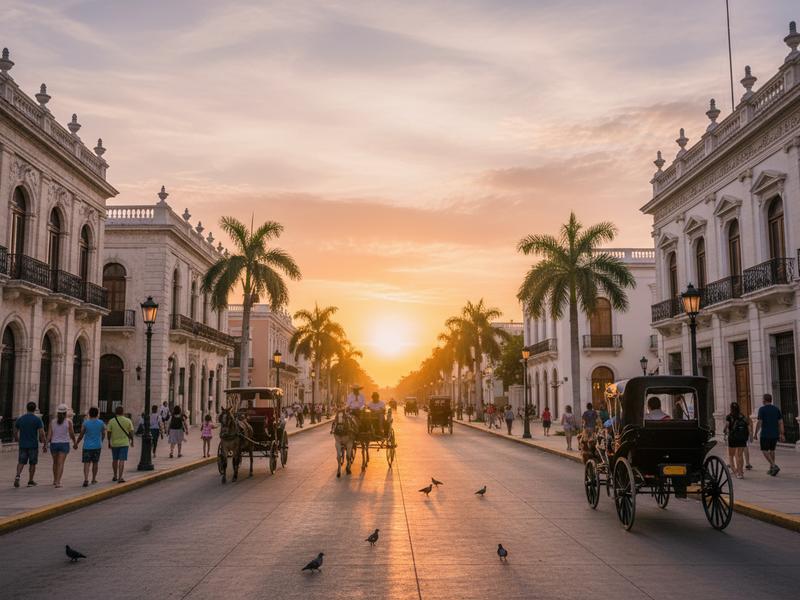
Why it’s so safe:
- Yucatán has the lowest homicide rate of any Mexican state — around 2 per 100,000, comparable to Canada
- Strong community culture — Yucatecans are famously warm and protective of their reputation for safety
- Geographically isolated from cartel routes — the Yucatán Peninsula is far from conflict zones
- Excellent tourist infrastructure — well-lit streets, tourist police, organized transportation
What to watch out for:
- Taxi overcharging (use the Uber app or agree on price beforehand)
- Intense heat — 40°C (104°F) is normal in summer, which is more of a health concern than crime
- Occasional pickpocketing at the main market (Lucas de Gálvez)
Best areas to stay: Centro Histórico, Santiago, Santa Ana, Paseo de Montejo corridor
A typical day costs: $50–$80 USD ($850–$1,400 MXN) including a mid-range hotel, meals at local restaurants, transportation, and entrance fees.
What to do: Explore the historic center and its museums, eat at the best restaurants in town, take day trips to cenotes, Uxmal, and Celestún, and experience the Sunday “Mérida en Domingo” festival when the entire centro closes to traffic.
2. Campeche City, Campeche — The Walled Colonial Gem
Advisory Level: Level 1 (Exercise Normal Precautions) Safety Rating: ★★★★★
Campeche is the other Level 1 state in Mexico, and its capital city feels like stepping into a living museum. The UNESCO-listed walled city center has pastel-colored colonial buildings, cobblestone streets, and a waterfront malecón that fills with families every evening.
Why it’s so safe:
- Campeche state has one of Mexico’s lowest crime rates across all categories
- Small-city feel — population around 280,000 means a tight-knit community
- Minimal mass tourism (compared to nearby Riviera Maya) means no tourist-targeting crime ecosystem
- The colonial center is compact and walkable, well-lit, and patrolled
What to watch out for:
- Very little, honestly. The biggest “danger” is getting sunburned on the malecón
- Some streets outside the walled center are darker at night — stick to the centro
- Mosquitoes near the coast, especially in the rainy season
Best areas to stay: Inside the walled city center (intramuros), near the malecón
A typical day costs: $40–$70 USD ($680–$1,200 MXN) — Campeche is significantly cheaper than Mérida or Riviera Maya.
What to do: Walk the historic walled city and its museums, try the incredible Campechano cuisine, visit the beaches and islands, and take day trips to Calakmul and Edzná ruins. Read our complete Campeche travel guide for the full breakdown.
3. San Miguel de Allende, Guanajuato — The Expat Haven
Advisory Level: Level 3 (state) — but San Miguel itself is exceptionally safe Safety Rating: ★★★★★
San Miguel de Allende regularly appears on “world’s best cities” lists, and it’s earned its reputation. The colonial Pueblo Mágico has a large North American expat community (estimated 10,000+), a thriving arts scene, and streets that feel safe at any hour.
Why it’s so safe:
- Massive expat presence means high international visibility — any crime against tourists becomes worldwide news, which local authorities actively prevent
- Tourism is the city’s primary economy — everyone has a vested interest in keeping it safe
- Compact, walkable city center surrounded by residential neighborhoods
- Private security is common in residential areas and hotels
What to watch out for:
- Cobblestone streets are genuinely hazardous for ankles — wear proper shoes
- Tourist pricing at restaurants and shops (ask locals for recommendations)
- The drive from León/Bajío airport passes through more rural areas — travel during daylight or arrange private transfer
Best areas to stay: Centro, San Antonio, Atascadero
A typical day costs: $60–$100 USD ($1,020–$1,700 MXN) — San Miguel is one of Mexico’s pricier destinations due to expat demand.
What to do: Explore the things to do in San Miguel, visit the rooftop bars with Parroquia views, take cooking classes, browse art galleries, and make day trips to hot springs and nearby wine country.
4. Querétaro — Mexico’s Best-Kept Secret
Advisory Level: Level 2 (Exercise Increased Caution) Safety Rating: ★★★★★
Querétaro is one of Mexico’s wealthiest and fastest-growing cities, and it consistently ranks among the safest metropolitan areas in the country. Mexicans know this — it’s one of the top domestic relocation destinations — but international tourists often overlook it.
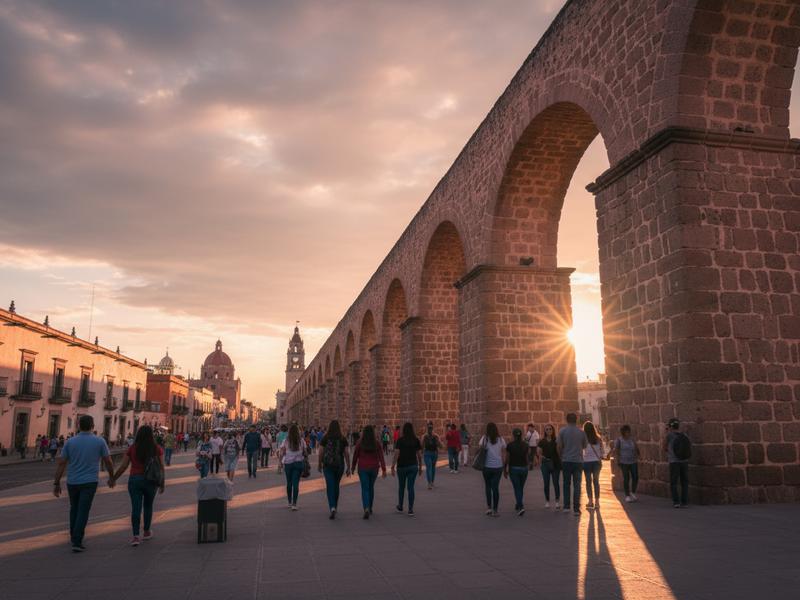
Why it’s so safe:
- Strong economy (aerospace, automotive, tech industries) means less poverty-driven crime
- Well-educated, cosmopolitan population
- Excellent urban planning — wide streets, good lighting, reliable public transit
- UNESCO-listed historic center is well-maintained and patrolled
What to watch out for:
- Traffic can be intense on the highways leading in and out
- Some neighborhoods outside the historic center are less interesting for tourists but not dangerous
- Temperature swings — hot days, cool nights (it’s at 1,800 meters elevation)
Best areas to stay: Centro Histórico, Juriquilla, Plaza de Armas area
A typical day costs: $45–$75 USD ($765–$1,275 MXN)
What to do: Explore the UNESCO historic center, visit the famous Peña de Bernal (the world’s third-largest monolith), wine tasting in the Querétaro wine region, visit Tequisquiapan and San Juan del Río.
5. Oaxaca City — Mexico’s Cultural Capital
Advisory Level: Level 2 (Exercise Increased Caution) Safety Rating: ★★★★☆
Oaxaca City is my personal favorite city in all of Mexico, and it’s one of the safest places you can visit. The capital of Oaxaca state is a UNESCO World Heritage city known for having the best food in Mexico (arguably in all of Latin America), vibrant indigenous cultures, and an art scene that rivals cities ten times its size.
Why it’s so safe:
- Tourism and culture are the economic backbone — the community protects this actively
- Strong indigenous community organization provides social cohesion
- Compact walkable center with well-established tourist infrastructure
- Tourist police (Policía Turística) patrol the main areas
What to watch out for:
- Occasional political protests can block streets (Oaxaca has a history of teacher’s union demonstrations) — these are almost never violent toward tourists but can disrupt plans
- Mezcal culture means people drink — watch your own intake and belongings in nightlife areas
- Petty theft in crowded markets (keep valuables in front pockets)
Best areas to stay: Centro Histórico, Jalatlaco (trendy), Xochimilco, Reforma
A typical day costs: $40–$65 USD ($680–$1,105 MXN) — Oaxaca offers incredible value.
What to do: Dive into the food scene and traditions, explore the city, visit Monte Albán and Mitla ruins, swim at Hierve el Agua, visit the mezcal distilleries, and explore the beaches. If you’re there in July, don’t miss the Guelaguetza festival.
6. Puebla — The City of Angels
Advisory Level: Level 2 (Exercise Increased Caution) Safety Rating: ★★★★☆
Puebla is Mexico’s fourth-largest city, but its historic center feels more like a large town — intimate, walkable, and safe. Known as the birthplace of mole poblano, chiles en nogada, and Talavera pottery, Puebla offers cultural depth that rivals Mexico City at a fraction of the cost and with significantly less hustle.
Why it’s so safe:
- Well-established tourist infrastructure in the Centro Histórico
- Large student population (multiple universities) creates a youthful, active street culture day and night
- Strong police presence in the historic center and around the cathedral
- The city government has invested heavily in lighting and pedestrianizing the centro
What to watch out for:
- Like any large Mexican city, avoid walking alone in poorly lit areas far from the center at night
- Uber is available and recommended over street taxis
- Some neighborhoods east and south of the center are residential and less interesting — not dangerous, just not where tourists usually go
Best areas to stay: Centro Histórico, Analco, near the zócalo
A typical day costs: $40–$65 USD ($680–$1,105 MXN)
What to do: Visit the stunning cathedral and Rosario Chapel, explore Cholula’s Great Pyramid, try mole at the Mercado de Sabores, visit the Amparo Museum, and take day trips to Cuetzalan and Atlixco.
7. Guanajuato City — The Colorful University Town
Advisory Level: Level 3 (state) — but the city is very safe Safety Rating: ★★★★☆
Guanajuato City is one of Mexico’s most photogenic places — a UNESCO World Heritage city built into a narrow valley where colorful houses climb impossibly steep hillsides. It’s also a university town (home of the University of Guanajuato, founded in 1732), which means the streets are full of young people, live music, and a vibrant nightlife.
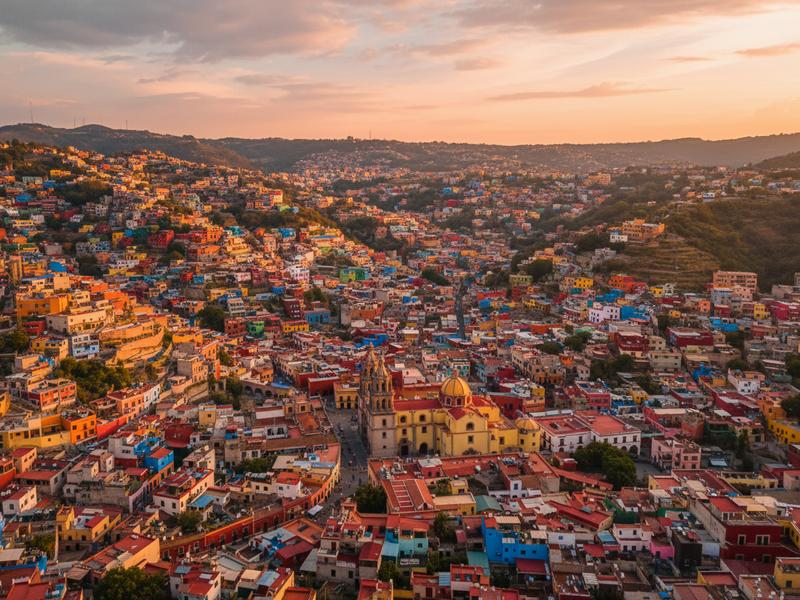
Why it’s so safe:
- University town culture = streets full of people at all hours
- Compact center accessible only by underground tunnels and pedestrian alleyways — very hard for car-based crime
- Strong tourism economy with well-organized local government
- The famous Callejoneadas (musical street processions) keep the center lively every evening
What to watch out for:
- The underground tunnel system can be confusing for drivers — walk or use taxis in the center
- Steep hills and uneven cobblestones — wear sturdy shoes
- Guanajuato state (Level 3) has issues in other areas — the city itself is an island of safety
- Some pickpocketing during festivals (Cervantino in October draws huge crowds)
Best areas to stay: Centro, near Jardín de la Unión, San Javier
A typical day costs: $40–$65 USD ($680–$1,105 MXN)
What to do: Explore the things to do in Guanajuato, visit the famous Mummies museum, see the Pípila viewpoint at sunset, join a Callejoneada, and make day trips to Dolores Hidalgo and Mineral de Pozos.
8. Valladolid, Yucatán — The Cenote Gateway
Advisory Level: Level 1 (Exercise Normal Precautions) Safety Rating: ★★★★★
Valladolid is a small colonial city (population ~50,000) in the heart of Yucatán, perfectly positioned between Mérida and Cancún. It’s the best base for visiting Chichén Itzá and some of the Yucatán’s most spectacular cenotes.
Why it’s so safe:
- Level 1 state — the safest advisory rating
- Small-town atmosphere where everyone knows everyone
- Growing but still manageable tourism that hasn’t attracted predatory crime
- Extremely walkable — everything is within a 15-minute walk of the main plaza
What to watch out for:
- Very little. Aggressive vendors near Chichén Itzá can be pushy but not threatening
- Limited nightlife — the city quiets down early
- The heat and sun are the main “threats” — carry water and sunscreen
Best areas to stay: Centro, near the Convent of San Bernardino, Calzada de los Frailes
A typical day costs: $35–$60 USD ($595–$1,020 MXN) — excellent value.
What to do: Swim in the famous cenotes around Valladolid including Cenote Zací (right in the city center), explore the Convent of San Bernardino de Siena, walk the Calzada de los Frailes, visit Chichén Itzá (40 min away), and explore the colorful downtown.
9. Izamal, Yucatán — The Yellow City
Advisory Level: Level 1 (Exercise Normal Precautions) Safety Rating: ★★★★★
Izamal is a small Pueblo Mágico where every building in the center is painted golden yellow. With a population of about 16,000, it’s the kind of place where crime is almost unheard of and the biggest excitement is the horse-drawn carriages clopping through the streets.
Why it’s so safe:
- Tiny town in the safest state in Mexico
- Strong Maya community with deep roots and social cohesion
- Almost no nightlife or party scene — this is a quiet, cultural destination
- Tourism is well-managed and low-volume
What to watch out for:
- Limited services — not many ATMs, restaurants close early, very few hotels
- The Kinich Kakmó pyramid is free to climb but has no railings — be careful
- Horse-drawn carriages are charming but negotiate the price before getting in
Best areas to stay: Within the centro — it’s all walkable
A typical day costs: $30–$50 USD ($510–$850 MXN) — one of the cheapest destinations on this list.
What to do: Visit Izamal’s convents and pyramids, climb Kinich Kakmó (one of Mexico’s largest pyramids by volume), explore the Franciscan monastery, see the artisan workshops, and use Izamal as a peaceful day trip from Mérida.
10. Bacalar, Quintana Roo — The Lagoon of Seven Colors
Advisory Level: Level 2 (Exercise Increased Caution) Safety Rating: ★★★★☆
Bacalar is the anti-Cancún — a tiny town on a stunning freshwater lagoon with crystal-clear water that shifts through seven shades of blue. It’s become increasingly popular with backpackers and remote workers, but it still feels peaceful and remote compared to the Riviera Maya.
Why it’s so safe:
- Small-town feel — population around 12,000
- Far from the party tourism of Cancún/Playa (3.5 hours south)
- Eco-tourism focus attracts a more responsible, safety-conscious traveler demographic
- The lagoon lifestyle is inherently relaxed — no chaotic nightlife
What to watch out for:
- Driving from Cancún to Bacalar is a long stretch (4+ hours) — travel during daylight
- Limited healthcare facilities — the nearest hospital is in Chetumal (40 min)
- Mosquitoes can be intense near the lagoon, especially at dawn and dusk
- Some unlicensed boat operators offer tours — use established companies
Best areas to stay: Along the lagoon (south of town for quiet, north for walkability), centro for budget options
A typical day costs: $40–$65 USD ($680–$1,105 MXN)
What to do: Explore Bacalar and its lagoon, kayak and paddleboard on the seven-colored water, visit Cenote Azul, take a boat tour to the stromatolites (some of Earth’s oldest living organisms), explore Fort San Felipe, and check out the hotels on the lagoon.
11. Huatulco, Oaxaca — The Eco-Friendly Beach Town
Advisory Level: Level 2 (Exercise Increased Caution) Safety Rating: ★★★★☆
Huatulco is what Cancún could have been if it had been developed sustainably. This planned resort area on Oaxaca’s Pacific coast has nine bays, 36 beaches, and a small-town atmosphere that feels nothing like the mega-resort coast of Quintana Roo.
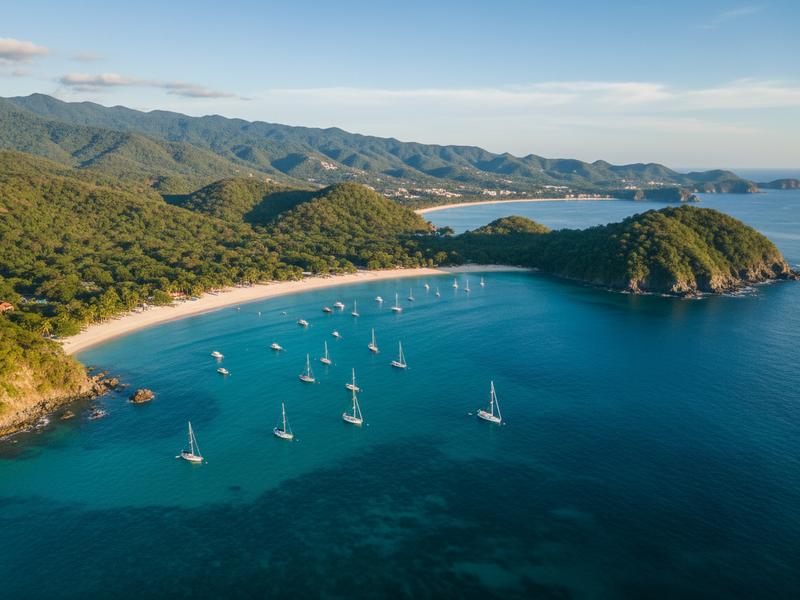
Why it’s so safe:
- Planned development by FONATUR (Mexico’s tourism development agency) means organized infrastructure
- Small population (~50,000) with tourism as the primary economy
- Oaxacan coastal communities are famously tight-knit
- Eco-certification (Green Globe) reflects responsible governance
- Far from any cartel corridors
What to watch out for:
- Ocean currents can be strong on some beaches — always check conditions
- The road from Oaxaca City (6 hours, winding mountain highway) requires an experienced driver or a bus
- Limited nightlife — if you want parties, this isn’t your spot
- Some beach vendors can be persistent (but not aggressive)
Best areas to stay: La Crucecita (town center, budget-friendly), Tangolunda (resort area), Chahué (mid-range)
A typical day costs: $50–$80 USD ($850–$1,360 MXN)
What to do: Explore Huatulco’s bays and beaches, snorkel at La Entrega, take a boat tour of the nine bays, visit Copalita archaeological site, hike to waterfalls, and enjoy fresh seafood at La Crucecita market.
12. La Paz, Baja California Sur — The Sea of Cortez Capital
Advisory Level: Level 2 (Exercise Increased Caution) Safety Rating: ★★★★☆
La Paz is the capital of Baja California Sur and one of Mexico’s best-kept secrets. Jacques Cousteau called the Sea of Cortez “the world’s aquarium,” and La Paz is its gateway. It’s a working Mexican city (not a tourist bubble) that happens to be extraordinarily safe.
Why it’s so safe:
- Baja California Sur has one of Mexico’s lowest crime rates
- Geographic isolation (it’s on a peninsula, far from mainland conflict zones)
- Strong local economy that doesn’t depend solely on tourism
- The waterfront malecón is well-maintained and patrolled
- Small-city feel with a population of ~300,000
What to watch out for:
- Intense desert heat in summer (40°C+ / 104°F+)
- Ocean currents at some beaches — Balandra is calm, but open-sea beaches can have strong rips
- The drive from Los Cabos (2 hours on Highway 1) is straightforward but remote — carry water and fuel
- Jellyfish season (August–October)
Best areas to stay: Centro (near the malecón), El Mogote, along the waterfront
A typical day costs: $50–$85 USD ($850–$1,445 MXN)
What to do: Visit world-famous Balandra Beach and Pichilingue, swim with whale sharks (October–April), snorkel at Isla Espíritu Santo, walk the malecón at sunset, and explore the city’s excellent seafood restaurants.
13. Puerto Vallarta, Jalisco — The Pacific’s Safest Beach City
Advisory Level: Level 3 (state) — but Puerto Vallarta is very safe Safety Rating: ★★★★☆
Puerto Vallarta is in Jalisco (a Level 3 state), but the city itself is one of Mexico’s safest beach destinations. The state advisory reflects issues in other parts of Jalisco (particularly around Guadalajara’s outskirts and rural areas), not Puerto Vallarta’s tourist zone.
Why it’s so safe:
- Tourism is a $2+ billion industry for the city — security is a top priority
- Large North American expat and snowbird community creates international visibility
- LGBTQ+-friendly reputation means a progressive, inclusive atmosphere
- Well-established infrastructure: tourist police, beachfront patrols, good hospitals
- The Zona Romántica and malecón are pedestrian-friendly and busy day and night
What to watch out for:
- Timeshare salespeople are aggressive — just say “no, gracias” and keep walking
- Beach vendors can be persistent (but harmless)
- The Zona Romántica gets very crowded in high season — watch your belongings in clubs
- Uber works well here — use it instead of street taxis at night
Best areas to stay: Zona Romántica (walkable, vibrant), Centro (traditional), Hotel Zone (resorts), Marina Vallarta
A typical day costs: $55–$90 USD ($935–$1,530 MXN)
What to do: Walk the famous boardwalk (malecón), enjoy the best activities, visit Madagascar Beach, explore the Zona Romántica’s restaurants and galleries, take a boat to Yelapa or Las Caletas, whale watch (December–March), and enjoy the sunset over Banderas Bay.
14. Sayulita, Nayarit — The Bohemian Surf Village
Advisory Level: Level 2 (Exercise Increased Caution) Safety Rating: ★★★★☆
Sayulita is a small surf town (population ~5,000) about 40 minutes north of Puerto Vallarta. It’s transformed from a sleepy fishing village into a globally known surf and yoga destination, but it still retains its laid-back village charm.
Why it’s so safe:
- Tiny town where everyone knows everyone
- The main beach and town center are walkable in 15 minutes
- Surf culture attracts a relaxed, community-minded crowd
- Nayarit state (Level 2) is generally calm outside of specific rural areas
What to watch out for:
- Ocean currents — Sayulita’s break is beginner-friendly, but nearby beaches can be powerful
- The town can get rowdy on weekend nights (Mexican tourists from Guadalajara) — minor rowdiness, not danger
- Limited parking and narrow streets make driving stressful — walk or take a golf cart taxi
- Prices have risen significantly — it’s no longer a budget destination
Best areas to stay: North end of the beach (quieter), town center (walkable), hillside villas (views)
A typical day costs: $50–$80 USD ($850–$1,360 MXN)
What to do: Surf the beach break, take a yoga class, eat fish tacos on the sand, explore the art galleries and boutiques, visit nearby Playa de los Muertos (hidden beach), and take a water taxi to San Pancho.
15. San Cristóbal de las Casas, Chiapas — The Highland Cultural Gem
Advisory Level: Level 2 (Exercise Increased Caution) Safety Rating: ★★★★☆
San Cristóbal sits at 2,200 meters (7,200 feet) in the Chiapas highlands, surrounded by pine forests and indigenous Tzotzil and Tzeltal Maya communities. It’s one of Mexico’s most culturally rich destinations and consistently safe for tourists despite Chiapas making occasional headlines.
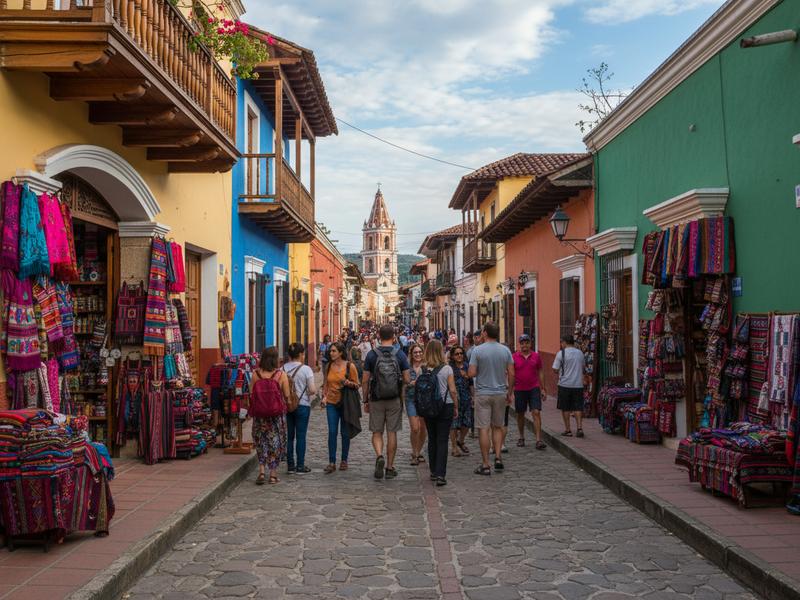
Why it’s so safe:
- Strong indigenous community governance — communities self-police effectively
- Tourism is the primary economy — everyone benefits from keeping visitors safe
- Compact, walkable center with well-lit pedestrian streets (andadores)
- Cool highland climate means no rowdy spring-break-style tourism
- The city feels more like Guatemala or the Andes than coastal Mexico — a different vibe entirely
What to watch out for:
- Altitude (2,200m) can cause mild symptoms the first day — hydrate and take it easy
- Political protests can occasionally block highways in and out of the city — usually resolved within hours
- Some outlying villages don’t welcome uninvited tourists — always go with a local guide
- Cold at night (especially November–February) — bring layers
Best areas to stay: Centro, along the andador (pedestrian walkway), near the Santo Domingo church, Barrio del Cerrillo
A typical day costs: $30–$55 USD ($510–$935 MXN) — one of Mexico’s best values.
What to do: Read our complete San Cristóbal travel guide, explore the day trips including San Juan Chamula and Zinacantán, visit the amber museum, browse the indigenous textiles at Santo Domingo market, hike to the viewpoints, try Chiapas coffee and local cuisine, and explore the Sumidero Canyon.
10 More Safe Cities Worth Considering (Cities 16–25)
These cities didn’t receive full profiles above, but all are legitimate safe destinations for tourists in 2026.
16. Morelia, Michoacán — Colonial Capital & Monarch Butterfly Gateway
Advisory Level: Level 3 (Michoacán state) — but Morelia city is the state capital with significant police presence and a strong tourism infrastructure.
UNESCO-designated historic center, the baroque aqueduct (1726), and the gateway to Mexico’s monarch butterfly reserves. The city itself has a safe colonial core. Hundreds of thousands of visitors use Morelia as a base for the butterfly migration (November–March) without incident. Read: Morelia travel guide.
Daily budget: $40–$65 USD. Best time: November–March (monarch season).
17. Isla Mujeres, Quintana Roo — Car-Free Caribbean Island
Advisory Level: Level 2
A 12km car-free island reached by ferry from Cancún in 15 minutes. Playa Norte is consistently ranked among the best beaches in Mexico. The island’s size and geography make it exceptionally easy to navigate safely. Golf carts are the main transport. Whale sharks June–September offshore. Read: Isla Mujeres travel guide.
Daily budget: $55–$90 USD. Safest beach option near Cancún.
18. Holbox Island, Quintana Roo — The Slow-Travel Escape
Advisory Level: Level 2
A 42km barrier island with no cars, flamingos, whale sharks (June–September), and bioluminescence (July–October). One of Mexico’s most peaceful destinations — and genuinely low-crime due to the small community and tourist-dependent economy. Infrastructure is basic (power cuts, limited ATMs). Read: Holbox travel guide.
Daily budget: $50–$90 USD. Best for travelers who want zero stress.
19. Taxco, Guerrero — Silver City of Semana Santa
Advisory Level: Level 2 for Taxco specifically (the Guerrero state advisory is Level 3, but Taxco is a federally prioritized tourist zone with a separate security profile)
Mexico’s silver capital and the country’s most dramatic Semana Santa (Holy Week) destination. Steep cobblestone streets, colonial churches, and silver workshops. The city is heavily dependent on tourism and is well-secured by federal tourist police. The surrounding Guerrero state is more concerning — stay in the city and use organized transport. Read: Taxco travel guide.
Daily budget: $35–$65 USD. Best for: Semana Santa (March 29–April 5, 2026).
20. Tepoztlán, Morelos — The Wellness Town 1.5 Hours from Mexico City
Advisory Level: Level 2 (Morelos)
A Pueblo Mágico 80km south of Mexico City, famous for the El Tepozteco pyramid hike, Sunday organic market, temazcal steam baths, and Tepoznieves artisan ice cream. Popular with wellness tourists and CDMX day-trippers. Safe and walkable. Read: Tepoztlán travel guide.
Daily budget: $35–$60 USD.
21–25. Five More Safe Destinations
| City | State | Advisory | Why It’s Safe | Best For |
|---|---|---|---|---|
| Dolores Hidalgo | Guanajuato | Level 3* | Small colonial town, Grito history | Day trip from SMA/GTO |
| Pátzcuaro | Michoacán | Level 3* | Lake town, Day of the Dead | Purépecha culture |
| San Pancho | Nayarit | Level 2 | Tiny beach town north of Sayulita | Quiet beach escape |
| Todos Santos | Baja California Sur | Level 2 | Baja art town, Pacific surf | Creative travelers |
| Puerto Morelos | Quintana Roo | Level 2 | Local reef town between CUN and PDC | Snorkeling, slow travel |
Safety Tips That Actually Matter
After covering which cities are safe, here’s how to stay safe no matter where you go in Mexico. These aren’t generic “be careful” platitudes — they’re specific lessons from growing up here.
Transportation Safety
- Use Uber or DiDi, not street taxis. This eliminates the biggest safety concern most tourists have. Both apps work in all 25 cities on this list (exception: San Cristóbal and Oaxaca City have DiDi but not Uber; Taxco and Tepoztlán use local taxis or agree price first).
- First-class buses only. ADO, ETN, and Primera Plus are safe, comfortable, and reliable. Avoid unnamed colectivos on long routes.
- Drive during daylight only if you’re road-tripping, especially between cities.
- Sit in the back of the bus on city transit to avoid pickpockets near the doors.
Money and Valuables
- Use bank ATMs only (Citibanamex, BBVA, Banorte, Santander — inside branches). Never use standalone ATMs on the street.
- Carry a photocopy of your passport, not the original. Leave the real one in your hotel safe.
- Keep your phone in your front pocket or bag — phone snatching is the most common petty crime.
- Don’t wear flashy jewelry or watches — same advice as any major city worldwide.
Food and Health
- Eat where locals eat. Busy market stalls and fondas with long lines are sanitary because of high turnover. Empty tourist restaurants are actually riskier.
- Don’t drink tap water — bottled or purified water everywhere. Read our guide to drinking water in Mexico.
- Have travel insurance with medical coverage. Mexico’s private hospitals (Hospital Ángeles, Star Médica) are excellent but expensive without insurance.
Cultural Safety
- Learn 20 Spanish phrases. Even basic Spanish changes how locals interact with you — from potential target to welcomed guest.
- Respect indigenous communities. Ask before photographing people, especially in Chiapas and Oaxaca.
- Avoid drugs completely. Not because of personal safety, but because the drug trade fuels the exact cartel violence you’re reading about. Don’t contribute to it.
Cities That Didn’t Make the List (and Why)
Cancún — Safe in the Hotel Zone, but the city itself has higher crime rates than any city on this list. Cartel-related incidents have occurred in Cancún proper (not the tourist strip) in recent years.
Mexico City — Millions visit safely every year, and neighborhoods like Roma, Condesa, and Polanco are wonderful. But a city of 22 million people has more crime than small cities. It deserves its own safety guide rather than a spot on a “safest” list. Check our Mexico City travel guide and neighborhood guide.
Playa del Carmen — Still popular and mostly safe, but rising crime in the Riviera Maya and the occasional cartel-related incident in Quintana Roo keeps it off this particular list. Still recommended — just not among the safest. See our Playa del Carmen guide.
Tulum — Safety has declined as tourism has exploded. Police corruption, unauthorized road checkpoints, and environmental destruction are concerns. The beach and ruins are beautiful, but Tulum is no longer the quiet paradise it was.
Los Cabos — The resort areas (Cabo San Lucas, San José del Cabo) are safe, but Baja California Sur’s Level 2 advisory and occasional crime reports outside the resort zones keep it from the top 25. La Paz (also Baja California Sur) made the list because it has lower crime rates than Cabo San Lucas specifically.
Safe Mexican Cities by Region — Quick Reference
Yucatán Peninsula (Level 1–2): Mérida ⭐, Campeche ⭐, Valladolid, Izamal, Bacalar, Isla Mujeres, Holbox, Puerto Morelos
Central Highlands & Colonial Cities (Level 2–3*): Querétaro, Puebla, San Miguel de Allende, Guanajuato City, Morelia, Dolores Hidalgo, Pátzcuaro, Tepoztlán
Pacific Coast (Level 2–3*): Oaxaca City, Huatulco, Puerto Vallarta, Sayulita, San Pancho, La Paz, Todos Santos
Chiapas (Level 2): San Cristóbal de las Casas
Special Mention: Taxco (Guerrero Level 3 state, but city is a federally protected tourist zone)
⭐ = Level 1 advisory states (only Yucatán and Campeche in Mexico)
Best Cities for Each Type of Traveler
| Travel Style | Top Pick | Runner-Up |
|---|---|---|
| First-timers to Mexico | Mérida | Oaxaca City |
| Families with kids | Mérida | Campeche |
| Solo female travelers | Oaxaca City | San Miguel de Allende |
| Couples / romance | San Miguel de Allende | Guanajuato City |
| Budget travelers | San Cristóbal de las Casas | Puebla |
| Digital nomads | Querétaro | Oaxaca City |
| Beach lovers | Huatulco | La Paz |
| Foodies | Oaxaca City | Puebla |
| History and culture | Guanajuato City | Campeche |
| LGBTQ+ travelers | Puerto Vallarta | Oaxaca City |
| Retirees / expats | San Miguel de Allende | Mérida |
| Surfers | Sayulita | Puerto Escondido* |
| Nature and cenotes | Valladolid | Bacalar |
Puerto Escondido is safe but didn’t make the top 15 due to some Oaxaca coast road safety concerns.
How Safety Compares to Other Countries
For perspective, here’s how the safest Mexican cities compare to popular international destinations:
| Destination | Homicide Rate (per 100K) | Tourist Crime Risk |
|---|---|---|
| Mérida, Mexico | ~2 | Very low |
| Campeche, Mexico | ~1.5 | Very low |
| Rome, Italy | ~0.7 | Medium (pickpocketing) |
| Barcelona, Spain | ~0.8 | Medium-high (pickpocketing) |
| San Juan, Puerto Rico | ~18 | Medium |
| New Orleans, USA | ~37 | Medium |
| Rio de Janeiro, Brazil | ~13 | High |
The safest cities in Mexico have lower violent crime rates than many popular US cities. They also have lower petty theft rates than European tourist hubs like Barcelona and Rome.
Current Safety Status — March 2026
Following the February 22, 2026 removal of El Mencho (CJNG leader), many travelers have asked whether the 15 cities on this list remain safe. The short answer: yes, all 15 remain safe for tourists.
The violence that followed the operation was cartel-on-cartel — concentrated in rural Jalisco, Guanajuato, and Michoacán — away from every destination listed here. As of March 2026:
| City | Advisory Level | Post-February Status |
|---|---|---|
| Mérida, Campeche, Valladolid, Izamal | Level 1 (Yucatán/Campeche) | ✅ No change |
| Oaxaca City, Huatulco | Level 2 (Oaxaca) | ✅ No change |
| Querétaro, Puebla, Bacalar | Level 2 | ✅ No change |
| San Miguel de Allende, Guanajuato City | Level 3 (Guanajuato)* | ✅ Tourist areas unaffected |
| Puerto Vallarta, Sayulita | Level 3 (Jalisco)* | ✅ Tourist areas unaffected |
| La Paz | Level 2 (BCS) | ✅ No change |
| San Cristóbal de las Casas | Level 2 (Chiapas) | ✅ No change |
*Guanajuato and Jalisco hold Level 3 state advisories because of rural cartel activity — the cities listed here are internationally recognized safe tourist hubs within those states.
For the full breakdown of what happened and what it means for every Mexican state, read our Mexico Travel Advisory 2026 guide.
Final Thoughts from a Mexican
Mexico gets an unfair reputation. The media covers cartel violence — and that violence is real, in specific places — but never covers the millions of tourists who eat street tacos at midnight, walk colonial streets at dawn, and swim in cenotes without a single safety issue.
The 15 cities on this list are places where I’d take my own family without hesitation. Where I have taken them. Where I grew up feeling safe, and where you will too.
Mexico is waiting. And in these 15 cities, it’s ready to welcome you safely.
Wondering what these destinations actually cost? Our complete Mexico travel cost guide breaks down daily budgets for each city — from $30/day backpacking to $500/day luxury.