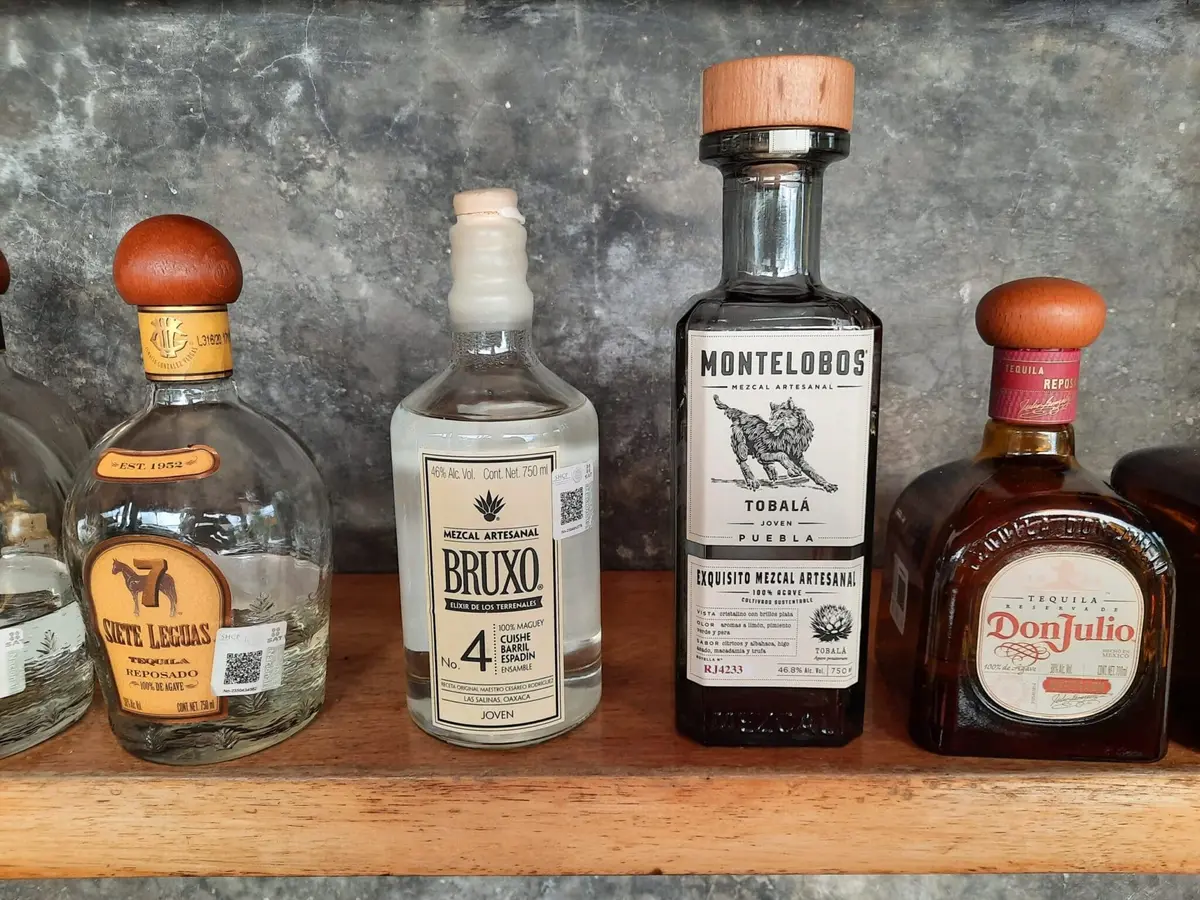
Tequila vs Mezcal: The Complete 2026 Guide (Differences, Taste & When to Drink Each)
Tequila is a mezcal. Most people don’t know this — and most bar menus don’t help. In Nahuatl, mexcalli means “cooked agave.” Any spirit distilled from agave is technically a mezcal. Tequila just happens to be the most famous one.
This guide breaks down the actual differences: agave species, production methods, regions, flavor profiles, and the full family of Mexican agave spirits beyond tequila and mezcal.
Rick is Mexican and has been drinking mezcal straight from Oaxacan palenques his whole life. Here’s what the labels don’t tell you.
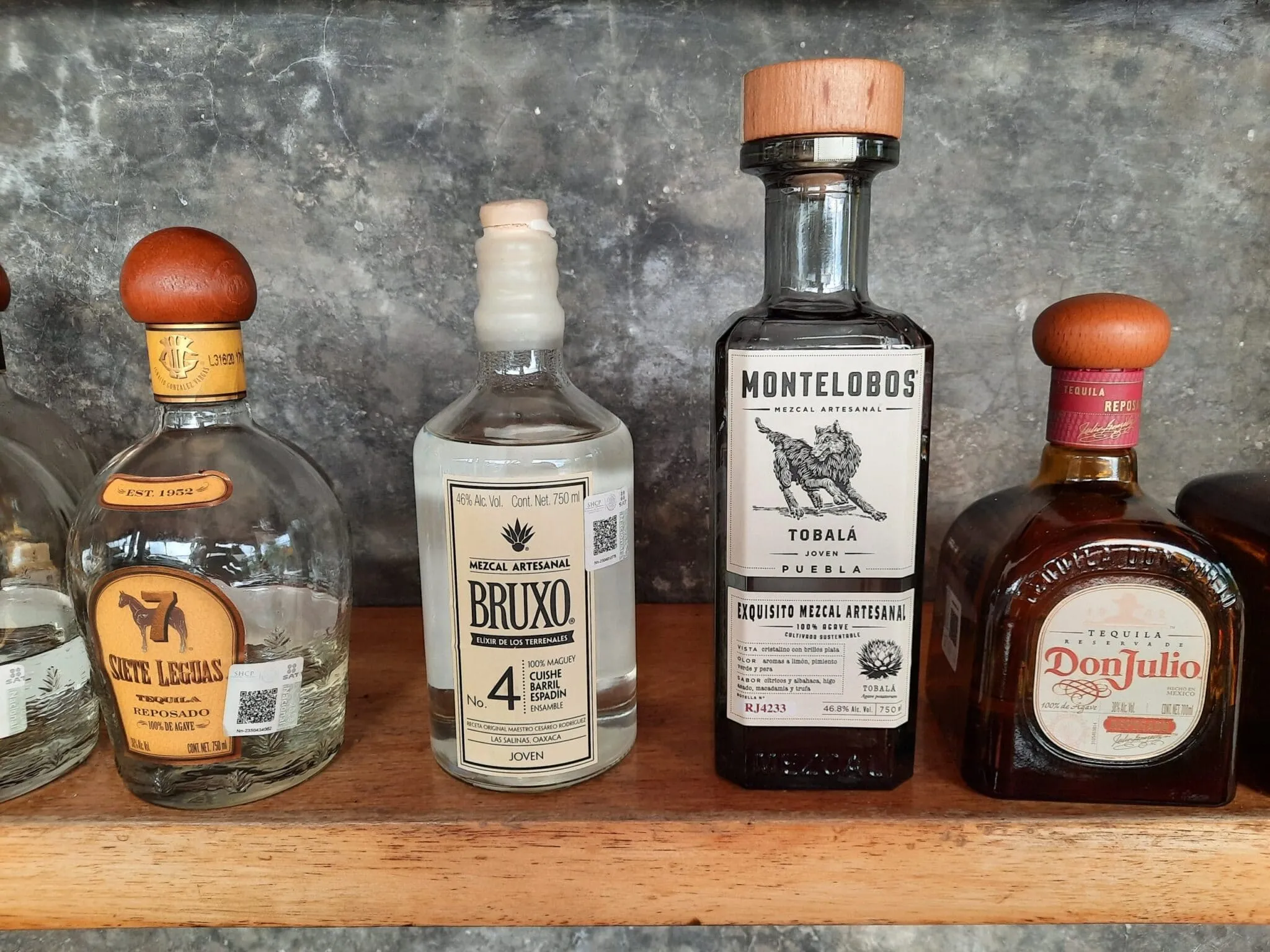
Tequila vs Mezcal: The Core Difference at a Glance
| Feature | Tequila | Mezcal |
|---|---|---|
| Agave species | Only blue agave (Agave tequilana Weber) | 50+ agave species |
| Cooking method | Steam-heated industrial autoclaves | Underground earth pit roasting |
| Flavor profile | Clean, lighter, citrus and vanilla notes | Smoky, earthy, complex, terroir-driven |
| Primary region | Jalisco (+ 4 other states) | Oaxaca (+ 8 other states) |
| ABV range | 35–45% | 35–55% |
| Industrial vs artisanal | Mostly industrial | Mostly artisanal |
| Production volume | ~400M liters/year | ~12M liters/year |
| Price range | $20–$200+ USD | $40–$500+ USD |
Why Tequila Is a Mezcal
Both beverages follow the same production logic:
- Harvest the agave plant (takes 7–25 years to mature)
- Extract the piña (the core/heart)
- Cook it to convert starches to sugars
- Ferment the cooked juice
- Distill the fermented liquid
The process is identical. The differences lie in the type of agave used and how the piñas are cooked.
When Hernán Cortés landed in Mexico, all agave distillates were called mezcal. Tequila was originally “vino-mezcal de Tequila” — the mezcal from the town of Tequila, Jalisco. It wasn’t until the mid-19th century, when commercial production and export took off, that the name “tequila” became its own category.
The Agave Difference
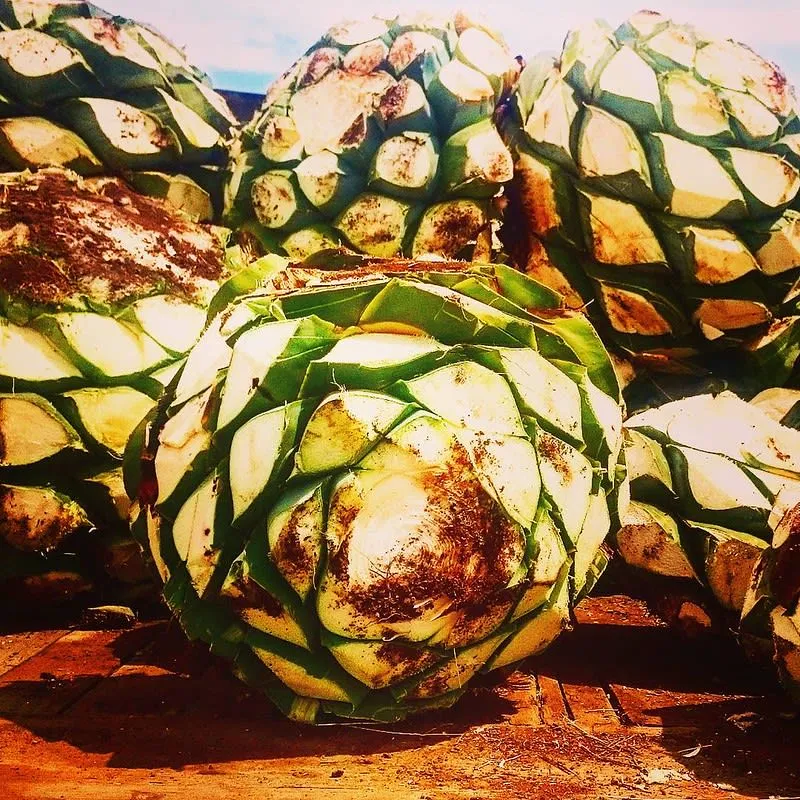
Tequila uses only one species: Agave tequilana Weber, also called blue agave. The NOM-006-SCFI-2005 regulation mandates this with no exceptions. Blue agave takes 7–10 years to mature, grows in the rich red soils of Jalisco’s lowlands and highlands, and produces a clean, high-sugar juice.
One more thing: standard tequila is allowed to be made with 51% agave and 49% other sugars (usually corn or cane sugar). This is called “mixto” and it’s what most cheap tequila is made from. If the label doesn’t say “100% Agave” or “100% Blue Agave,” it’s a mixto. This matters enormously for quality — and for the hangover.
Mezcal uses 50+ species. The most common is Espadín (Agave angustifolia), which matures in 7–10 years and produces most entry-level mezcal. Rarer and more prized species include:
- Tobalá (Agave potatorum) — 15–25 years to mature, complex floral and fruity notes
- Cuishe/Madrecuixe — up to 20 years, earthy and mineral
- Tepeztate — 25–35 years to mature, almost impossible to find in quantity
- Mexicano — grassy, herbaceous
- Arroqueño — bold, fruity
The agave species creates distinct flavor profiles the way grape varieties create different wines. A Tobalá mezcal from Miahuatlán will taste nothing like an Espadín from Tlacolula.
How They’re Made Differently
Tequila Production
- Piñas are cooked in above-ground industrial autoclaves or hornos (traditional brick ovens)
- Juice extracted by mechanical mills (no smoke contact)
- Fermented in large stainless steel tanks with commercial yeast
- Double-distilled in copper pot or stainless steel column stills
The result: clean, consistent, lighter-flavored spirit. Industrial efficiency means a bottle of decent tequila costs $20.
Mezcal Production (Artisanal)
- Piñas are roasted for 3–5 days in underground earth pits lined with hot volcanic rocks and covered with agave fibers and dirt
- Roasted piñas are crushed with a horse-drawn millstone (tahona) or wooden mallets
- Fermented in open wooden vats using wild airborne yeasts — takes 5–30 days depending on weather
- Distilled twice in clay or copper pot stills
The roasting in the earth pit is where the smoke comes from. The wood used (mesquite, oak, zapote) adds its own flavors. The wild fermentation creates unpredictable complexity.
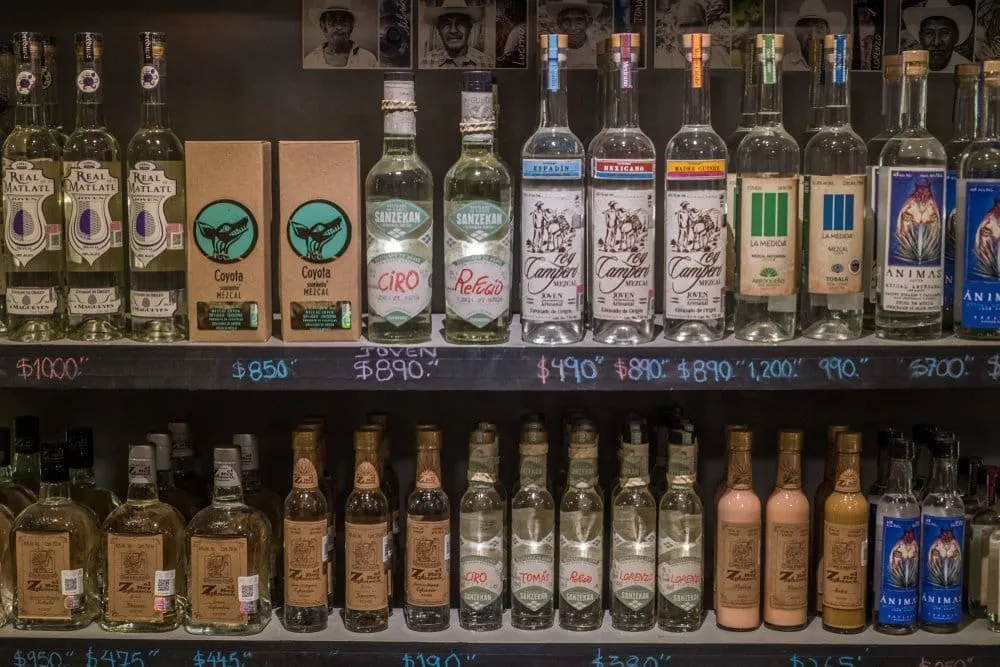
The Three Mezcal Categories (Most Guides Get This Wrong)
Since 2016, Mexican regulation (NOM-070-SCFI-2016) classifies mezcal into three categories based on production method:
| Category | Tools Used | Flavor | Price |
|---|---|---|---|
| Ancestral | Clay pots only, horse-drawn tahona or hand mashing | Most complex, wildest | $100–$500+ |
| Artesanal | Clay or copper pot stills, tahona or mechanical mill | Complex, smoky, varied | $40–$200 |
| Mezcal | Any still type, can use industrial equipment | Lighter, milder | $25–$80 |
When a bottle just says “Mezcal” without “Artesanal” or “Ancestral,” it’s the industrial category — closest to tequila in production method. Most imported “mezcal” in American bars is Artesanal.
Tequila Categories (by aging)
| Class | Aging | Flavor |
|---|---|---|
| Blanco (Silver) | No aging | Pure agave, clean, bright |
| Joven (Gold) | Unaged, often caramel-colored | Sweetened blanco |
| Reposado | 2 months–1 year in oak | Vanilla, soft spice |
| Añejo | 1–3 years in oak | Rich, caramel, dried fruit |
| Extra Añejo | 3+ years in oak | Whiskey-like complexity |
Where They Come From
Tequila’s Denomination of Origin (DOT)
Tequila can only be produced in specific municipalities within:
- Jalisco (the entire state)
- Guanajuato (certain municipalities)
- Michoacán (certain municipalities)
- Nayarit (certain municipalities)
- Tamaulipas (certain municipalities)
The town of Tequila, Jalisco is the spiritual home — a UNESCO World Heritage Site with 300+ years of production history. The Guadalajara day trip to Tequila via the Jose Cuervo Express is one of Mexico’s most popular tourist routes.
Mezcal’s Denomination of Origin (DOM)
Mezcal can be produced in:
- Oaxaca (produces ~80% of all mezcal)
- Guerrero
- Durango
- San Luis Potosí
- Zacatecas
- Plus partial coverage in Guanajuato, Tamaulipas, Michoacán, and Puebla
Oaxaca City is the mezcal capital. The Santiago Matatlán district — officially the “Mezcal Capital of the World” — has 200+ registered palenques (mezcal distilleries) within a 20km radius. If you’re visiting Oaxaca, the Santiago Matatlán day trip is essential.
How to Drink Them
How to Drink Mezcal
Mezcal is for sipping. The traditional way:
- Room temperature or slightly cool — never ice (dulls the flavor)
- Clay copita (small cup) or a wide-mouthed snifter
- Side of orange slice with sal de gusano (worm salt — chili + ground mezcal worm)
- Small sip, hold in mouth, let it expand
Rick’s note: most mezcal bars in Mexico give you a small copita of water alongside. Sip water between mezcals to reset your palate.
For cocktails, see our guide to best mezcal cocktails — a mezcal negroni or mezcal margarita hits differently than the tequila versions.
How to Drink Tequila (the Mexican way)
Forget the salt-tequila-lime shot. That’s for cheap mixto tequila — the salt and lime mask the bad flavor. Quality tequila (100% agave) is meant to be sipped.
The Mexican tradition: a shot of reposado tequila, a small glass of sangrita (a non-alcoholic mix of tomato juice, citrus, chili, and pomegranate — NOT grenadine), sipped alternately.
For more, see our detailed how to drink tequila and how to drink mezcal guides.
The Full Family of Mexican Agave Spirits
Mexico has more agave spirits than tequila and mezcal. Each has its own Denomination of Origin, flavor profile, and story.
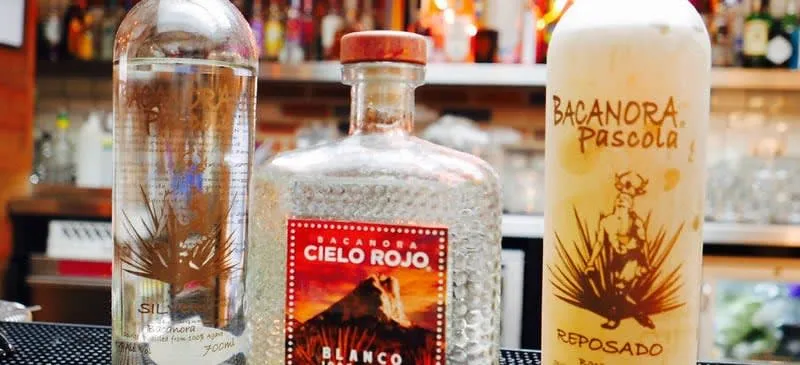
Bacanora
From Sonora state, Denomination of Origin since 2000. Made from Agave pacifica (the yaquiana or Pacifica agave), endemic to the Sonoran highlands. High alcohol content (40–55% ABV), mineral and slightly sweet, with a lighter smoke than Oaxacan mezcal. Rarely found outside Mexico.
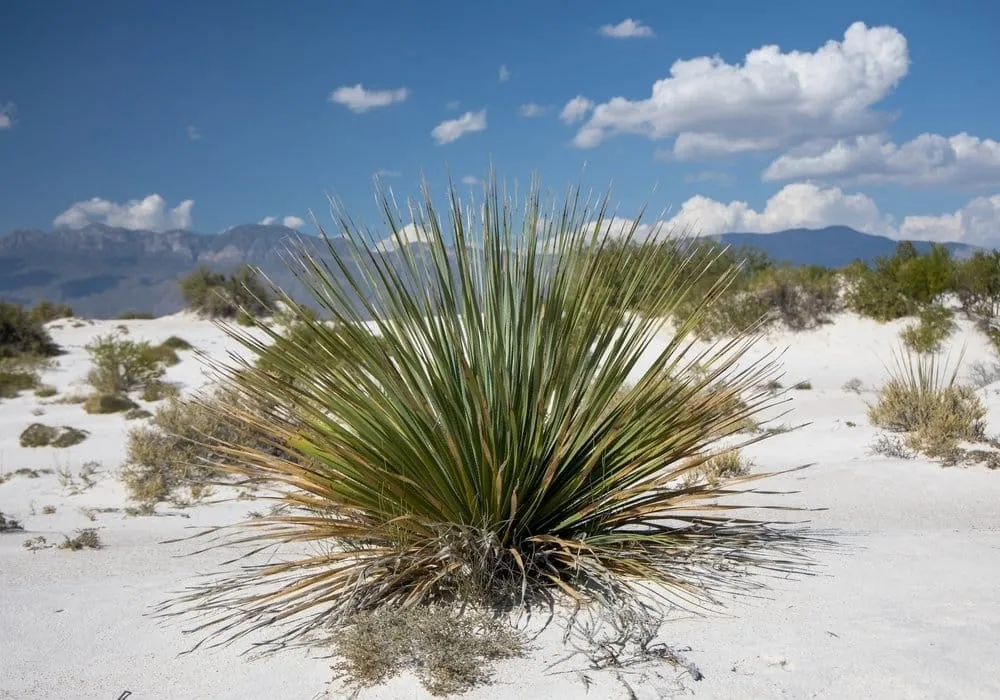
Sotol
From Chihuahua, Durango, and Coahuila. The big distinction: sotol is made from Dasylirion wheeleri (a plant closely related to agave but technically not an agave — more like a desert spoon). Pre-Hispanic origins, historically associated with the Rarámuri. High alcohol content, herbal and grassy with smoke notes. If you’re visiting Copper Canyon or Chihuahua City, you’ll find sotol at local mezcalerías.
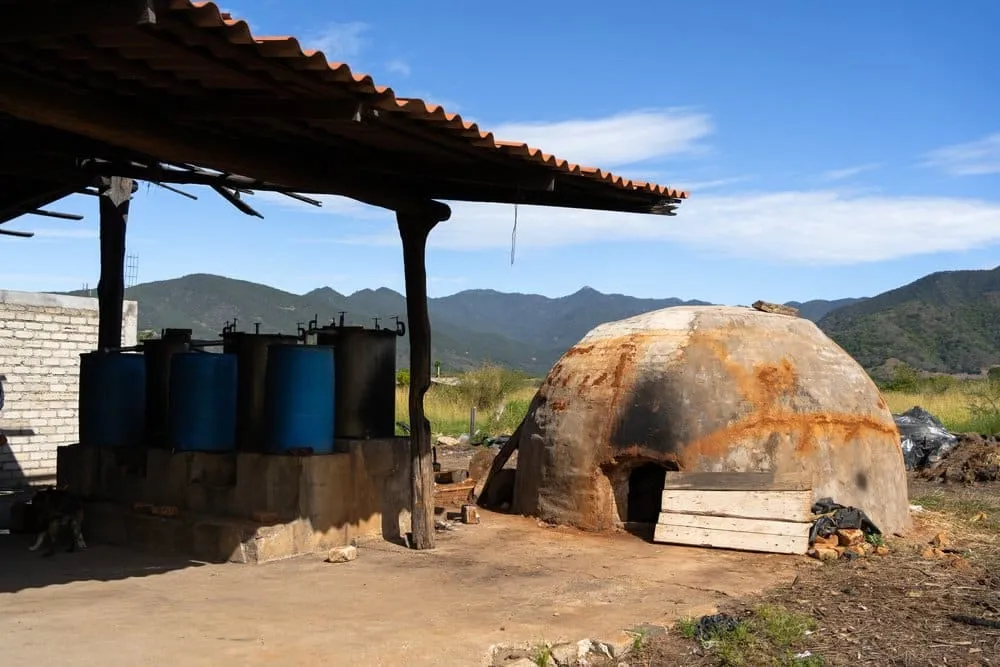
Raicilla
From Jalisco and Nayarit’s Sierra Occidental — Denomination of Origin achieved recently. Made from Agave inaequidens, lechuguilla, or maximiliana, depending on the sub-region. Two distinct styles: coastal (fruity, lower smoke) and Sierra (bold, medicinal). Historically a clandestine spirit, now going upmarket fast. If you’re in Puerto Vallarta, ask for raicilla from San Sebastián del Oeste — it’s produced 90 minutes away.
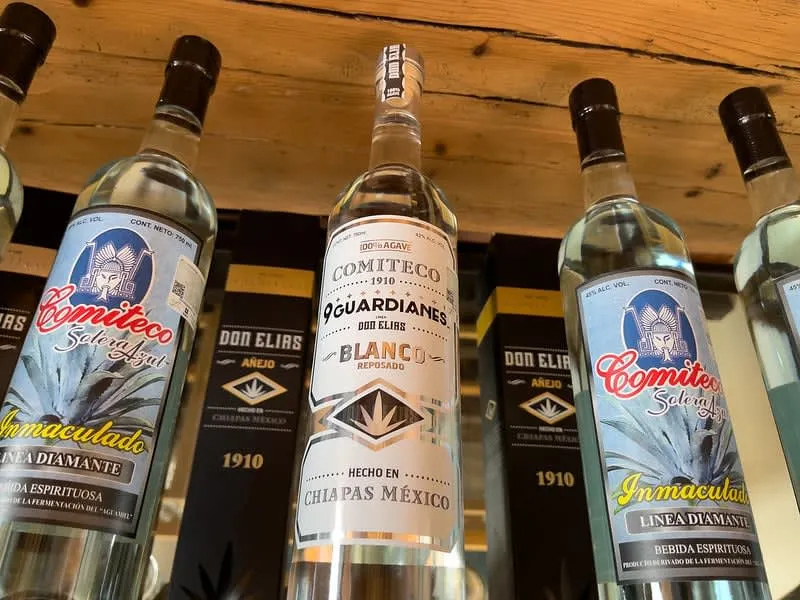
Comiteco
From Comitán de Domínguez, Chiapas. The outlier: Comiteco is distilled from fermented aguamiel (the raw sap of the agave), not from cooked piñas. This makes it closer to a distilled pulque than a true mezcal. Lighter, slightly sweet, almost gin-like compared to other agave spirits.
Tuxca
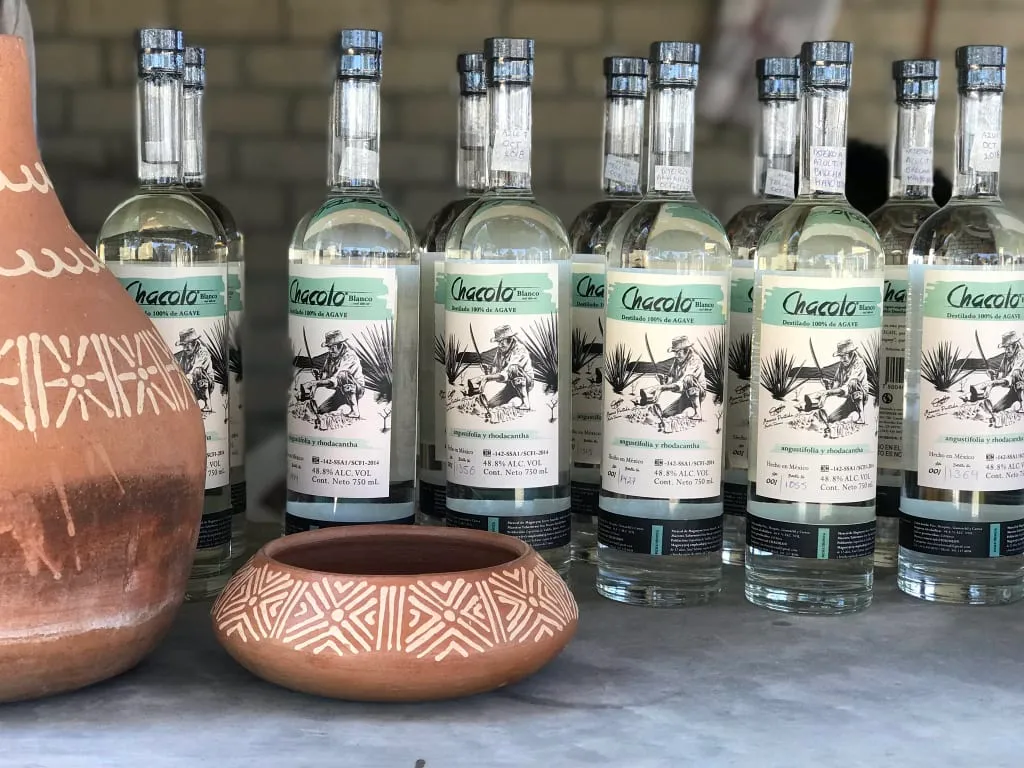
From the volcanic zone dividing Jalisco from Colima. Uses 10+ local agave species blended together, cooked underground, distilled in a Philippine-style still. Traditionally tasted in an ox horn directly off the still. Almost impossible to find outside its production zone — this is the kind of spirit you stumble across when you’ve left the tourist trail.
Visiting Mezcal Country
The best mezcal experiences in Mexico aren’t at bars — they’re at palenques.
Santiago Matatlán, Oaxaca — 25km from Oaxaca City, 200+ registered distilleries. Drive or take a colectivo. Most palenques welcome visitors, offer tastings, and sell directly ($20–$80 USD for a 750ml bottle straight from the producer). The Oaxaca 5-day itinerary has a full Santiago Matatlán day.
The Oaxaca City mezcalería scene — Bars like In Situ and El Destilado carry 100+ labels with knowledgeable staff. Essential if you want to try rare species (Tobalá, Tepeztate) without driving to a palenque.
Tequila, Jalisco — 65km from Guadalajara. Day trips from Guadalajara include the Jose Cuervo Express train, multiple distillery tours, and the National Tequila Museum. The 7 Days in Yucatan route doesn’t cover it, but the Guadalajara travel guide goes deep on the Tequila Route.
What to Buy: Label Reading Guide
For tequila, look for:
- “100% Agave” or “100% Blue Agave” — if it doesn’t say this, it’s a mixto
- CRT (Consejo Regulador del Tequila) logo on the label
- NOM number — identifies the distillery; research the NOM to find producers you trust
For mezcal, look for:
- “Artesanal” or “Ancestral” for traditionally made spirit
- Agave species listed (Espadín, Tobalá, Cuishe, etc.)
- State of production
- COMERCAM certification
- Avoid mezcal sold in decorative bottles (tourist shops) — quality is usually poor
Price reality: a good artisanal mezcal costs $50–$100+ in Mexico. If you find “mezcal” for $15, it’s the industrial category or a mixto.
The Mezcal Worm: Real or Tourist Trap?
The worm (gusano) in some mezcal bottles is real — it’s a larva of the Hipopta agavis moth that lives in agave plants. But it’s not traditional and has nothing to do with quality. It was a marketing gimmick invented in the 1940s to differentiate mezcal from tequila.
High-quality mezcal doesn’t have a worm. Sal de gusano (the worm salt served with mezcal) does use ground dried gusano — this is genuinely traditional and delicious.
For the full story, see our chinicuiles and mezcal worm guide.
Pechuga: The Most Unusual Mezcal
Pechuga mezcal deserves its own mention. On the third distillation, a raw chicken breast (pechuga = breast) is hung in the still. Fruits, herbs, and spices are added. The steam passes through the breast, absorbing its fats and proteins.
The result: a spirit that tastes nothing like you’d expect. It’s softer, more complex, often slightly savory. Traditionally only made for Day of the Dead celebrations in Oaxaca and shared only with close family. Now increasingly available commercially — but genuine pechuga from small producers is a once-in-a-trip experience.
Related Guides
- How to Drink Mezcal — copita, sal de gusano, palenque etiquette
- Best Mezcal Cocktails — mezcal negroni, mezcal margarita, more
- Pechuga Mezcal Guide — the chicken-breast spirit explained
- Pulque Guide — Mexico’s oldest agave drink (fermented, not distilled)
- Tequila, Jalisco — visiting the town that named the spirit
- Things to Do in Oaxaca — mezcal tastings in context
- Day Trips from Oaxaca — Santiago Matatlán palenques
- Oaxaca Travel Guide — full destination guide