30 Best Things to Do in Oaxaca City, Mexico (2026 Guide)
The best things to do in Oaxaca City for a first trip are Monte Albán, Santo Domingo, Mercado 20 de Noviembre, a mezcal palenque in Santiago Matatlán, and one valley day trip built around Hierve el Agua or Tlacolula Sunday Market.
Oaxaca City (population ~260,000) is the capital of Oaxaca state in southern Mexico, at 1,550 meters elevation in the Central Valleys, 465 km southeast of Mexico City, and a UNESCO World Heritage Site since 1987.
Most travelers give Oaxaca two or three days. That is enough to catch the highlights, but not enough to understand why the city pulls people back. The real draw is the mix: Zapotec ruins, craft villages, market food, mezcal culture, and one of the strongest day-trip circuits in Mexico.
Stay car-free inside Oaxaca City. Rent only if you are doing the valley circuit independently: Monte Albán, El Tule, Teotitlán del Valle, Mitla, Hierve el Agua, or mezcal palenques around Santiago Matatlán. For that style of trip, compare OAX airport and city rates on RentCars before you arrive, because walk-up prices rise fast during Guelaguetza, Day of the Dead, and winter weekends.
Things to Do in Oaxaca City in 30 Seconds
| If you want… | Start with | Why it works |
|---|---|---|
| The best first-time day | Monte Albán + Santo Domingo + Mercado 20 de Noviembre | Covers Oaxaca’s ruins, colonial core, and food in one day |
| The smartest full-day trip | Mitla + Tlacolula + Hierve el Agua | Best mix of archaeology, market culture, and scenery |
| The best food-first plan | Corredor de Humo + What to Eat in Oaxaca + a cooking class | Fastest way to understand why Oaxaca is Mexico’s food capital |
| The best mezcal experience | A palenque in Santiago Matatlán | Better than a city bar if you want the real production process |
| The best free walking stretch | Zócalo + Alcalá + Santo Domingo | Easy first afternoon with the city’s strongest atmosphere |
| The best add-on if you have 3+ days | Day Trips From Oaxaca City + a craft village loop | Lets you see the valley beyond the center |
This guide covers 30 things to do in Oaxaca City, organized by ruins, markets, cultural sites, craft villages, food and drink, nature, and festivals. It is built for first-timers who want to know what is actually worth prioritizing, not just what exists.
For a day-by-day breakdown, see the 5 Days in Oaxaca Itinerary. For the full city overview, see the Oaxaca Travel Guide 2026. For timing questions, see Best Time to Visit Oaxaca. For arrival logistics, see Oaxaca Airport Transportation. For safety, see Is Oaxaca Safe?.
Quick Activity Overview
| Category | Best Option | Cost | Time |
|---|---|---|---|
| Ruins | Monte Albán | 100 MXN | Half day |
| Valley Circuit | Mitla + El Tule + Hierve el Agua | 150 MXN total | Full day |
| Market | Tlacolula Sunday Market | Free | Sunday morning |
| Mezcal | Palenque tour, Santiago Matatlan | 200–400 MXN | Half day |
| Craft Village | Teotitlán del Valle (rugs) | Free entry | 2–3 hrs |
| Church | Templo de Santo Domingo | Free | 30–45 min |
| Museum | Museo de las Culturas de Oaxaca | 90 MXN (free Sun) | 1–2 hrs |
| Food | Corredor de Humo, Mercado 20 Nov | 80–150 MXN | Lunch |
| Nature | Hierve el Agua | 30–50 MXN | Full day |
| Festival | Guelaguetza (July) | Free–$50 USD | 2 days |
Best Oaxaca Activity by Trip Style
| Trip style | Prioritize first | Why |
|---|---|---|
| First-time visitor | Monte Albán, Santo Domingo, Mercado 20 de Noviembre | These three explain Oaxaca fastest |
| Archaeology-focused | Monte Albán, Mitla, Yagul | Best ruins depth in easy reach of the city |
| Food-focused | Corredor de Humo, Tlacolula, Oaxacan Food Guide | Strongest route for mole, tlayudas, tasajo, and market culture |
| Mezcal-focused | Santiago Matatlán + How to Drink Mezcal | Gives you context before you buy bottles in town |
| One full day only | Monte Albán in the morning, Centro in the afternoon, mezcal or food at night | Best high-impact short itinerary |
| Three days or more | Add Day Trips From Oaxaca City and a craft village | You can leave the city center without wasting time |
Ruins & Archaeology
1. Monte Albán ⭐
The most important thing to do in Oaxaca — and one of the most impressive archaeological sites in all of Mexico.
Monte Albán was the Zapotec capital from roughly 500 BC to 700 AD, built on an artificially leveled mountaintop at 1,940 meters with commanding views of all three Oaxacan valleys. At its peak, it housed 25,000 people — the largest city in Mesoamerica for centuries.
The main platform contains the Grand Plaza (300m x 200m), the South Platform with panoramic views, Building J (a rare arrow-shaped observatory aligned to Venus), the Ball Court, and the haunting Los Danzantes gallery — over 300 carved stone figures in contorted poses, once thought to be dancers, now understood as war captives being sacrificed or tortured.
Practical details:
- Entry: 100 MXN (INAH) + 45 MXN parking if driving
- Hours: Daily 8 AM–5 PM (last entry 4:30 PM)
- Getting there: Shared minibus from Mercado de Abastos, 35 MXN each way, 40 minutes
- Arrive at 8 AM. Tour buses arrive 10–11 AM. Early morning = you have the Grand Plaza almost alone.
- Time needed: 2–3 hours minimum; 3.5 hours to do it properly

2. Mitla Ruins
Where Monte Albán is Zapotec power, Mitla is Zapotec finesse. Located 46 km southeast of Oaxaca City, Mitla (“Place of the Dead” in Nahuatl) was the Zapotec religious capital and is unique in all of Mesoamerica for its mosaic stonework — geometric panels assembled without mortar from thousands of individual cut-stone pieces.
The Columns Group is the must-see: six fret pattern designs covering the walls of the Hall of Columns, each one slightly different. No other Mesoamerican site uses this technique. Archaeologists have counted over 100,000 individual pieces in the main hall alone.
- Entry: 90 MXN INAH + 15 MXN state fee
- Hours: Daily 8 AM–5 PM
- Best combined with: El Árbol del Tule (30 min from Oaxaca) + Tlacolula (km 31) + Hierve el Agua (21 km further south of Mitla)
- Tour from Oaxaca City: ~400–600 MXN for a full Valley Circuit (Mitla + Tule + Hierve el Agua)
3. Yagul Ruins
Yagul was declared a UNESCO World Heritage Site in 2010 alongside Cueva Guilá Naquitz (where domesticated corn and squash were first cultivated, 10,000–8,000 BC). The site itself is a Zapotec city-state from 500 BC with a spectacular hilltop citadel — hiking up takes 15 minutes and gives you one of the best views in the Oaxacan Valley.
Yagul has three ball courts (the second-largest in Oaxaca after Monte Albán) and the Palace of Six Patios, an elegant residential complex. Crowds are minimal compared to Monte Albán.
- Entry: 75 MXN
- Location: 36 km from Oaxaca City, on the way to Mitla
- Combine with: Mitla day trip
4. Lambityeco
A compact Zapotec site 28 km from Oaxaca, Lambityeco is worth stopping for one specific feature: the stucco faces of Pitao Cocijo (the Zapotec rain deity) on the mound structures. The detail in the faces — carved around 700 AD — is remarkable for their preservation, and unlike Monte Albán, you can walk right up to them.
- Entry: 45 MXN
- Time needed: 1 hour
- Best combined with: Tlacolula market (3 km away) on a Sunday
Markets
5. Tlacolula Sunday Market ⭐
Tlacolula (45 km from Oaxaca City) holds one of the oldest continuously operating indigenous markets in Mexico — every Sunday, since pre-Hispanic times. This is not a tourist craft market. It’s where indigenous communities from across the Oaxacan valleys come to trade: live animals, raw cacao, dried chiles, woven textiles, medicinal herbs, mezcal sold from unlabeled bottles, and tejate (the ancient cacao-corn drink) served in painted gourds.
The covered meat section has some of the best cecina and tasajo in the region. The street outside the church fills with vendors selling memelas, tlayudas, and barbacoa by 7 AM.
- Location: Calle Independencia, Tlacolula de Matamoros
- When: Every Sunday from 7 AM (best before noon)
- Getting there: Colectivo from second-class bus terminal, 25 MXN, 45 min
- Budget: Bring cash. 30–80 MXN for a full breakfast.
6. Mercado Benito Juárez
The central covered market of Oaxaca City, one block from the Zócalo. Mercado Benito Juárez is where you shop for dried chiles (chile negro, pasilla, mulato, ancho — the backbone of Oaxacan moles), chocolate, quesillo (Oaxacan string cheese), mezcal, and crafts.
Buy your chiles here before going to the cooking class or heading home. Prices are significantly lower than tourist craft shops on Alcalá pedestrian street.
- Hours: Daily 8 AM–8 PM
- Free to enter
- Next door: Mercado 20 de Noviembre (food stalls, open fire grills)
7. Corredor de Humo — Mercado 20 de Noviembre ⭐
This is Oaxaca’s most authentic food experience. Mercado 20 de Noviembre (adjacent to Benito Juárez) contains the Corredor de Humo (“Corridor of Smoke”) — a row of identical stalls all selling the same thing: raw cecina (salted dried beef), tasajo (another dried beef cut), carne enchilada (pork with red chile), and chorizo.
The process: you pick your cuts at the raw meat stall, then grill them yourself on the communal charcoal braziers. Vendors supply tortillas, salsas, and garnishes. The smoke and smell are theatrical. A full meal with multiple cuts runs 80–150 MXN per person.
Cultural Sites
8. Templo y Ex-Convento de Santo Domingo ⭐
The most impressive church in Oaxaca — some argue in all of Mexico. Templo de Santo Domingo was built by the Dominicans between 1570 and 1703, and the interior is covered in high-relief plasterwork gilded with gold leaf. The genealogical tree of the Santo Domingo de Guzmán family spreads across the ceiling of the first bay — a baroque installation unlike anything else in Mexico.
The attached ex-convent houses the Museo de las Culturas de Oaxaca (90 MXN, free on Sundays for Mexican residents, 90 MXN for international visitors on all days). The museum contains Tomb 7 of Monte Albán’s treasures: Mixtec gold and jade jewelry, an alabaster jaguar skull, and carved bones from one of the richest pre-Columbian discoveries in Mexico.
- Church: Free, daily 7 AM–8 PM
- Museum: 90 MXN, Tue–Sun 10 AM–6 PM
- Location: Macedonio Alcalá pedestrian street, 6 blocks from Zócalo
9. El Zócalo (Plaza de la Constitución)
Oaxaca’s main square is one of the most livable plazas in Mexico. Under the laurel trees, vendors sell books, political murals cover the government buildings, musicians set up in the bandshell most evenings, and restaurant terraces serve tejate and tlayudas at outdoor tables.
Unlike touristy plazas that go dead by 9 PM, the Zócalo stays animated until midnight — families, students, political demonstrations, and the occasional mezcal-fueled band. It costs nothing to sit here for two hours.
10. Museo de las Culturas de Oaxaca
Inside the ex-convent of Santo Domingo, this museum is more impressive than its admission price suggests. Beyond the Tomb 7 treasures, the collection covers pre-Hispanic ceramics, colonial religious art, and indigenous textile traditions across Oaxaca’s eight geographical regions.
The convent’s formal garden (Jardín Etnobotánico) is a separate ticket (80 MXN) and contains 1,500+ species of Oaxacan plants including agaves you’d normally only see in remote valleys. Guided tours in English run twice daily.
11. Cerro del Fortín & Guelaguetza Amphitheater
The hill above the city hosts the open-air Guelaguetza Auditorium — worth visiting outside festival time for the views alone. The 40-minute walk from the city center passes the stadium and gives you a panorama of all three valleys meeting below Oaxaca City.
During Guelaguetza (last two Mondays of July), 16 indigenous groups perform traditional dances here representing Oaxaca’s regions: the Jarabe from the Central Valleys, the Zandunga from the Isthmus, the Feather Dance from the Cañada. Free standing sections exist (Palcos D and E) but fill before 6 AM on the day of performance.

Craft Villages
Oaxaca’s craft villages are 15–45 minutes from the city center and collectively represent one of the most concentrated artisan traditions in the world. Each village specializes in a single craft.
12. San Bartolo Coyotepec — Black Clay (Barro Negro) ⭐
San Bartolo Coyotepec (12 km south of Oaxaca City) is the home of barro negro — the distinctive black pottery unique to Oaxaca. The black finish isn’t paint or glaze; it’s achieved by burnishing the unfired clay with a quartz stone until the surface is mirror-smooth, then firing it in an oxygen-reduced kiln. The resulting black sheen is permanent.
Doña Rosa Real Mateo is credited with commercializing the craft in the mid-20th century. Today, her family workshops and others in the village welcome visitors to watch the hand-forming process (no wheels — all shaped by hand). Prices at the source: 80–300 MXN for small pieces, 800–3,000 MXN for large decorative pieces.
13. Teotitlán del Valle — Zapotec Rugs ⭐
Teotitlán del Valle (30 km east of Oaxaca City) has been weaving on hand looms for over 2,000 years. The textiles are made with hand-spun wool, dyed with natural pigments: cochineal (the red insect that lives on prickly pear cacti — produces deep reds, pinks, and purples), indigo (blue), marigold (yellow), and pomegranate (grey).
The difference between Teotitlán rugs and tourist market copies: the natural dye colors shift slightly depending on angle; synthetic dyes don’t. Look for the cochineal test — rub a bit of lemon juice on the red; if it shifts to orange-pink, it’s natural dye.
Workshops offering demonstrations: Berta Ruiz family workshop, Isaac Vásquez García studio. Prices: 800–4,000 MXN for medium rugs, 5,000–25,000+ MXN for large custom pieces.

14. San Martín Tilcajete — Alebrijes
San Martín Tilcajete (25 km south of Oaxaca) is the primary production center for alebrijes — the fantastical painted wooden creatures (dragons, cats, rabbits merged into mythological composites) that have become a symbol of Mexican folk art.
A single medium-sized alebrije takes 2–3 weeks to complete: the carving (copal wood), the base coat, and the incredibly detailed hand-painted surface designs. High-quality pieces from master carvers cost 2,000–15,000 MXN. The cheap ones at Oaxaca markets are assembly-line painted. The difference is visible immediately.
15. San Marcos Tlapazola — Red Clay
Less visited than the other craft villages, San Marcos Tlapazola (38 km east) produces red clay pottery — utilitarian pieces including the traditional cooking vessels (ollas, comales) used throughout Oaxacan kitchens. If you want actual working pottery rather than decorative pieces, this is the right village.
16. Atzompa — Green Glaze Pottery
Atzompa (8 km northwest of Oaxaca City) is where green-glazed pottery originated — the distinctive emerald-green clay bowls and planters you see throughout Oaxaca markets. Recent archaeological work at the site here (an active archaeological zone adjacent to the village) has revealed Monte Albán-era structures including three ball courts. You can visit both the pottery workshops and the modest archaeological site in one trip.
Mezcal
17. Santiago Matatlan — Valley of Mezcal ⭐
Santiago Matatlan (47 km east of Oaxaca City) is the self-declared “World Capital of Mezcal” — home to the highest concentration of palenques (artisanal mezcal distilleries) in Mexico.
The difference between visiting a palenque and visiting a mezcal bar: at the palenque, you walk the agave fields, watch the roasting pit, see the stone tahona wheel (horse or mule-pulled) crushing the roasted piñas, watch fermentation in open wooden vats, and taste directly from the still. The entire process takes 6–8 years from agave planting to bottle.
Notable palenques open to visitors: Casa Chagoya, El Tequilero, and several smaller family operations along the highway. Most charge 100–200 MXN for a guided tour and tasting.
Agave varieties to know:
- Espadín: the most common, 7–10 years to mature, backbone of most mezcal
- Tobalá: wild agave, 12–15 years, smaller piña, earthier and more complex
- Tepeztate: 25–35 years to mature, extremely rare, complex floral-herbal
- Madre Cuixe: wild, 20+ years, intense and smoky

18. Mezcalería Tasting in Oaxaca City
Before or after the palenque tour, do a proper tasting flight in Oaxaca City. The best options:
- Mezcaloteca (Reforma 506): Curated selection of small-production mezcals, knowledgeable staff, 3-pour flight 180–250 MXN. Reservation recommended.
- In Situ (Morelos 511): 40+ producers, tasting flights by region or agave variety
- Expendio Reforma: No-frills neighborhood mezcal bar, local prices, limited tourist infrastructure (that’s the point)
19. Mezcal vs. Tequila — The Oaxacan Perspective
Since Rick is Mexican: mezcal came first. Every tequila is a mezcal (it’s made from agave), but not every mezcal is a tequila (which is restricted to blue agave in specific regions). Oaxaca produces 70%+ of Mexico’s mezcal. The “smoky” reputation is accurate — the roasting pit imparts smokiness — but artisanal mezcal ranges from smoky-earthy to floral and fruity depending on agave variety, fermentation, and distillation.
Nature & Day Trips
20. Hierve el Agua ⭐
Hierve el Agua (“the water boils”) is a set of petrified waterfalls — calcium carbonate mineral formations that look like frozen waterfalls — with natural infinity pools at the edge of a cliff 300 meters above the valley floor. Genuinely one of the most surreal landscapes in Mexico.
Important: Hierve el Agua is often closed June–October due to access disputes between the villages of San Lorenzo Albarradas and Santa María Roaló over fee collection rights. This closure is real, unpredictable, and underreported in travel guides. Check current status at Oaxaca tourist information (Independencia & García Vigil) before building it into your plans.
- Location: 70 km east of Oaxaca City, past Mitla
- Entry: ~30–50 MXN (variable depending on which community is collecting)
- Best combined with: Mitla ruins (21 km before) + Tlacolula market on Sundays
- Getting there: Colectivo from second-class bus terminal to Mitla (35 MXN), then local taxi to Hierve el Agua (50–100 MXN)
21. El Árbol del Tule
The widest tree in the world. El Árbol del Tule in Santa María del Tule (9 km east of Oaxaca City) is a Montezuma cypress (Taxodium mucronatum) with a trunk circumference of 42 meters — so wide that it takes 30 people holding hands to encircle it. Estimated age: 1,500–3,000 years.
It’s a 15-minute stop, not a half-day destination. But it’s directly on the Valley Circuit route, so there’s no reason not to stop.
- Entry: 10 MXN
- Getting there: Colectivo from second-class terminal, 8 MXN
22. Sierra Norte — Pueblos Mancomunados
For something completely different from the city, Pueblos Mancomunados (40–60 km north of Oaxaca City) is a network of eight Zapotec cloud forest communities that manage their own ecotourism program: cabin stays, hiking, mountain biking, bird watching, and rappelling.
The forest at 2,500–3,000 meters has a completely different character than anything in Oaxaca Valley — oak-pine forest, cloud mist in the morning, temperatures of 8–15°C at night. The Benito Juárez community is the most accessible entry point.
See the full Cuajimoloyas Oaxaca guide and How to Get to Pueblos Mancomunados guide for logistics.
23. Day Trip: Puerto Escondido (Pacific Coast)
The Oaxacan coast is a separate world from the city — surfer culture, warm Pacific water, olive ridley sea turtle nestings (June–November), and dramatically different food (fresh fish, coconut everything). Puerto Escondido is the most visited Pacific Oaxaca town.
The connection is difficult: 250 km but the new Hwy 135D cuts drive time to 3–3.5 hours (down from 7–8 hours), or 45 minutes by small plane from Oaxaca airport. Worth it for multi-day travelers. Not realistic as a day trip. See the full Puerto Escondido Travel Guide, Things to Do in Puerto Escondido, and Best Beaches in Oaxaca for the full coastal breakdown (PE, Mazunte, Zipolite, Huatulco).
Food & Drink
24. The Seven Moles of Oaxaca
Oaxaca is called “land of seven moles” — each mole district has its own character:
| Mole | Color | Key Ingredients | Best With |
|---|---|---|---|
| Negro | Black | Mulato chile, chocolate, charred tortilla | Turkey, chicken |
| Coloradito | Red-brown | Ancho chile, tomato | Pork, chicken |
| Amarillo | Yellow-orange | Costeño amarillo chile | Tamales, chickpeas |
| Verde | Green | Tomatillo, pepitas, herbs | Chicken, pork |
| Chichilo | Black-grey | Chilhuacle negro, avocado leaf | Beef, cecina |
| Manchamanteles | Red | Ancho chile, pineapple, plantain | Pork, chicken |
| Estofado | Olive | Tomato, olives, capers, almonds | Turkey |
Where to try mole negro properly: Los Pacos (Abasolo 121), La Teca (Violetas 120, Isthmus-style cooking), or any kitchen in the Tlacolula valley for regional variations. For the full 25-dish guide with prices and locations, see what to eat in Oaxaca.
25. Tlayudas
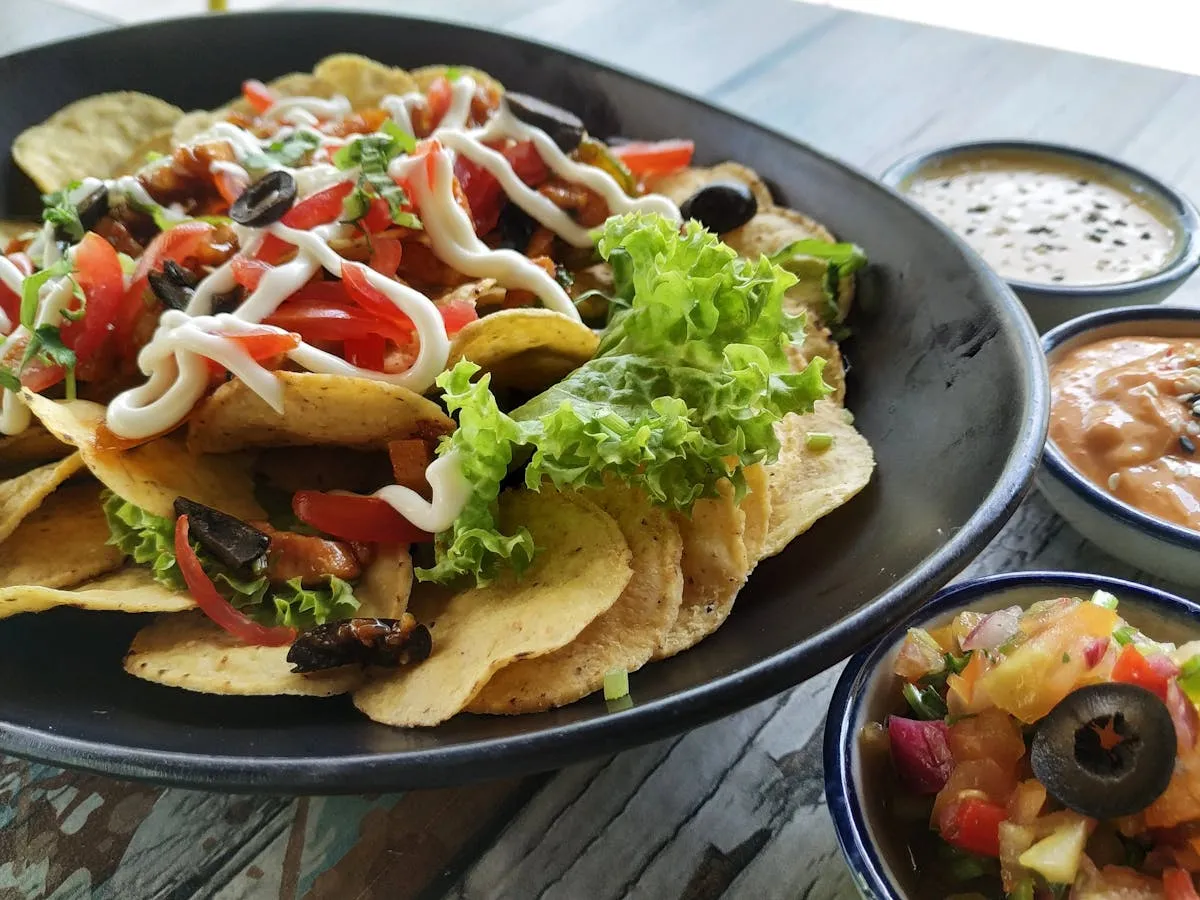
Oaxaca’s signature street food: a large (36 cm) partially dried corn tortilla (the tlayuda itself) cooked on a clay comal, then loaded with asiento (unrefined lard), refried black beans, Oaxacan string cheese (quesillo), and your choice of meat — tasajo, cecina, or chorizo. The edges char and crisp; the center stays flexible.
Best tlayudas in Oaxaca City: Tlayudas Libres (Libres street, active 8 PM–midnight), the stalls on the Zócalo terrace, and the vendors in Mercado Benito Juárez.
26. Tejate — Pre-Hispanic Chocolate Drink
Tejate is the original chocolate drink — cacao, mamey sapote seeds, corn masa, and rosita de cacao (a flower), blended by hand to create a thick, slightly fermented cold drink. It predates Spanish conquest and was considered sacred by the Zapotecs. You’ll find it served in hand-painted clay gourds from vendors at Tlacolula Sunday market and Oaxaca’s markets.
It’s nothing like hot chocolate. It’s savory-bitter-sweet and requires an open mind.
27. Chocolate Workshop
Oaxaca City has several hands-on chocolate workshops where you learn to grind cacao on a traditional metate and mix it into tablets, drinking chocolate, and mole paste. Chocomuseo (affordable, tourist-focused, consistent), Itanoni (more authentic, combined with heirloom corn tortilla experience), and the chocolate grinding services at Molino El Mayordomo (bring your own cacao and they grind it into paste for pennies per kilo).
Festivals
28. Guelaguetza (July)
The most important cultural festival in southern Mexico. Guelaguetza (“offering” in Zapotec) happens the last two Mondays of July at the hilltop amphitheater. Sixteen indigenous groups from Oaxaca’s eight regions perform: the Mixtec, Zapotec, Huave, Triqui, Chinantec, Mixe, and others — each presenting their traditional dances, music, and costumes.
Groups throw gifts (fruit, regional foods, crafts) into the crowd as symbolic offerings. The atmosphere, especially in the free standing sections, is completely different from anything else in Mexico.
- 2026 dates: July 20 and July 27
- Palcos (seats): 450–1,500 MXN, book 3–6 months ahead at Oaxaca tourism office
- Free sections: Palcos D and E, arrive before 5 AM to secure a spot
- Book accommodation: 4+ months ahead for these two weeks
29. Día de los Muertos in Oaxaca
November 1–2 in Oaxaca is different from anywhere else in Mexico. The cemeteries — especially in Xoxocotlán and Atzompa — are illuminated with thousands of candles on the nights of November 1–2 as families gather with food, music, and marigolds to celebrate their dead. It’s a genuine cultural practice, not a tourist performance.
Oaxaca City itself fills with altars, parades, and the calenda (a procession through city streets). The most atmospheric cemetery visits are at Xoxocotlán (7 km south of city) — arrive after 9 PM for the most intense candle-lit scene.
Book hotels 6+ months ahead for November 1–2.
30. Noche de Rábanos — Night of the Radishes (December 23)
Noche de Rábanos is the most unusual festival in Mexico: on December 23, vendors at the Zócalo exhibit elaborate scenes carved entirely from giant radishes — nativity scenes, Zapotec deities, historical figures, all executed in vegetable. The tradition dates to 1897. Hundreds of thousands of people attend. Three carving categories are judged: figures, dried plants, and totonoxtle (a cactus-based material).
It’s strange, it’s uniquely Oaxacan, and it’s completely free to attend.
Day Trips from Oaxaca City
| Destination | Distance | Time | Transport | Highlight |
|---|---|---|---|---|
| Monte Albán | 15 km | 30 min | Shared minibus (35 MXN) | Zapotec capital, hilltop ruins |
| El Árbol del Tule | 9 km | 15 min | Colectivo (8 MXN) | World’s widest tree trunk |
| Teotitlán del Valle | 30 km | 45 min | Colectivo (15 MXN) | Hand-woven natural dye rugs |
| Tlacolula Market | 31 km | 45 min | Colectivo (25 MXN) | Sunday indigenous market (Sundays only) |
| Lambityeco + Yagul | 28–36 km | 40–50 min | Colectivo toward Mitla | Zapotec stucco faces, Yagul hilltop |
| Mitla | 46 km | 1 hr | Colectivo (35 MXN) | Mosaic stonework, no mortar |
| Hierve el Agua | 70 km | 1.5 hrs | Colectivo + local taxi | Petrified waterfall cliffs (closed Jun–Oct) |
| San Bartolo Coyotepec | 12 km | 20 min | Colectivo (10 MXN) | Black clay pottery workshops |
| San Martín Tilcajete | 24 km | 35 min | Colectivo or tour | Alebrije carving and painting |
| Santiago Matatlan | 47 km | 1 hr | Colectivo (30 MXN) | Mezcal palenques, agave fields |
| Pueblos Mancomunados | 60 km | 1.5 hrs | Shuttle or shared vehicle | Cloud forest, hiking, cabins |
Free Things to Do in Oaxaca
| Activity | Cost | Time |
|---|---|---|
| Templo de Santo Domingo (church) | Free | 30 min |
| Jardín Etnobotánico (Sundays only, free for Mexicans) | 80 MXN / free Sundays for nationals | 45 min |
| Zócalo evening (people watching, musicians) | Free | Any evening |
| Mercado Benito Juárez browsing | Free | 1 hr |
| El Árbol del Tule | 10 MXN | 15 min |
| Cerro del Fortín hike | Free | 1 hr |
| Guelaguetza Auditorium (outside festival season) | Free | 30 min |
| Night of the Radishes (Dec 23) | Free | Evening |
Seasonal Highlights
| Month | Best Activity | Notes |
|---|---|---|
| Nov–May | Hierve el Agua | Open season |
| July | Guelaguetza | Last 2 Mondays — book early |
| Nov 1–2 | Día de Muertos cemeteries | Xoxocotlán, Atzompa |
| Dec 23 | Noche de Rábanos | Zócalo event |
| Jun–Oct | Hierve el Agua CLOSED | Plan alternative valley route |
| Dec–Feb | Monarch butterfly (via Morelia) | Day trip not viable from Oaxaca |
Budget Guide
| Travel Style | Daily Budget | What It Covers |
|---|---|---|
| Budget | $40–60 USD/day | Hostel dorm, market meals, self-guided ruins, colectivos |
| Mid-range | $80–120 USD/day | Private room guesthouse, mezcal tastings, one craft village tour, restaurant dinners |
| Comfort | $150–250 USD/day | Boutique hotel (El Callejón de los Milagros or Casa Oaxaca level), guided tours, mezcal palenque with transfer, restaurant mole negro |
Money notes:
- Colectivos and markets are cash-only. ATMs at Bancomer or Citibanamex on García Vigil and Alcalá.
- Craft village purchases: cash strongly preferred, sometimes only accepted.
- Viator tours from Oaxaca City start at ~$25 USD for valley circuits with transport included.
Getting Around Oaxaca
- Colectivos: The main way to reach all valley destinations. Depart from the second-class bus terminal (Mercado de Abastos area). Cheap (8–35 MXN per trip) and reliable for frequent routes.
- Uber: Available in Oaxaca City. Works for city trips. Doesn’t go to craft villages reliably.
- Taxis: Negotiate fixed rate before getting in for intercity trips. Typical Monte Albán private taxi round trip: 200–300 MXN.
- Organized tours: For the full Valley Circuit (Mitla + El Tule + Tlacolula + Hierve el Agua), an organized tour (400–700 MXN) often makes more sense than piecing it together via colectivos.
- Rental car: Gives maximum flexibility for multiple craft villages in one day. Roads to most sites are paved and straightforward.
For a structured day-by-day plan, see the 5 Days in Oaxaca Itinerary or the 7 Days in Oaxaca Itinerary (adds Sierra Norte, mezcal route, and coast options). For when to visit each festival and activity by month, see Best Time to Visit Oaxaca. For a full breakdown of every excursion outside the city, see Day Trips from Oaxaca City. Coming from CDMX? See our Mexico City to Oaxaca transport guide for flights, overnight bus, and driving options.