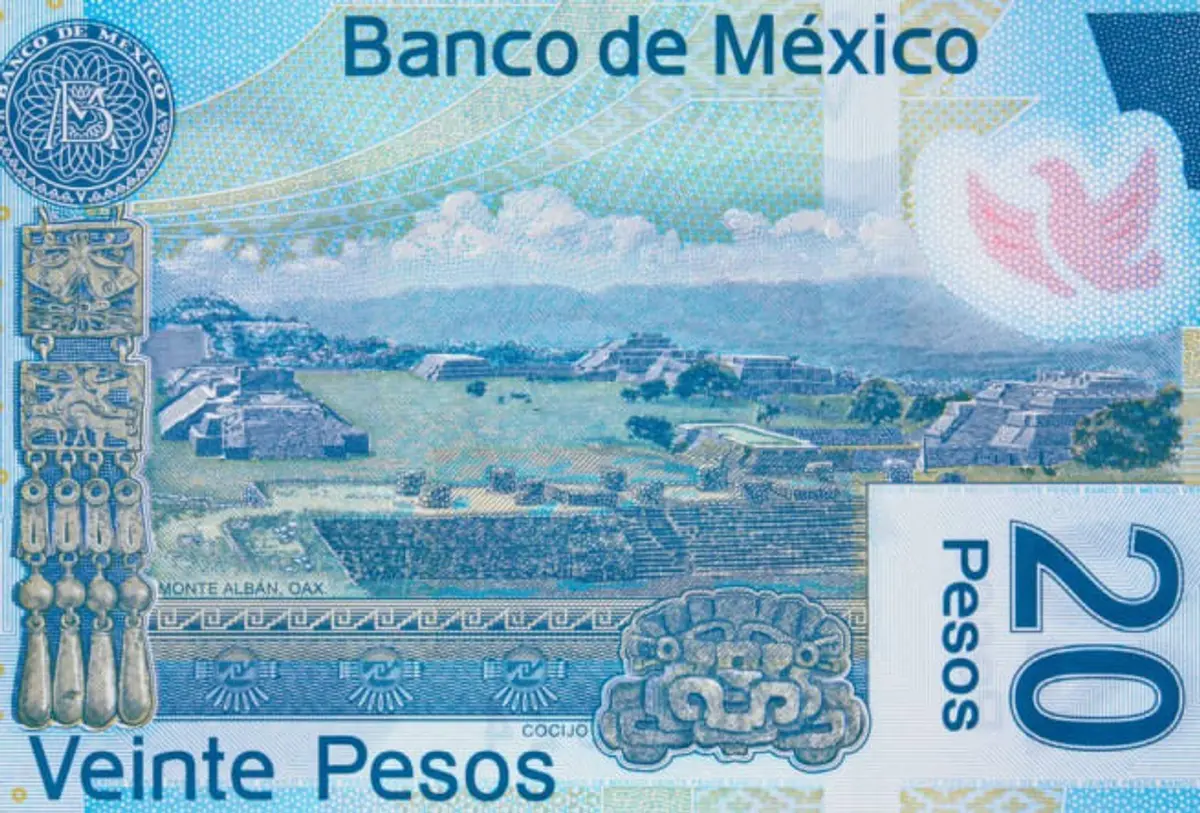
Monte Albán Guide 2026: Oaxaca's Zapotec Capital (Fees, Tips & How to Get There)
Monte Albán is the ruins site most Mexico travel guides underestimate. Founded around 500 BC atop a manually flattened mountain in the Valley of Oaxaca, it was the capital of the Zapotec empire for over 1,300 years — and you can still climb its pyramids, unlike Chichen Itza or Teotihuacan.
Here’s everything you need to visit in 2026.
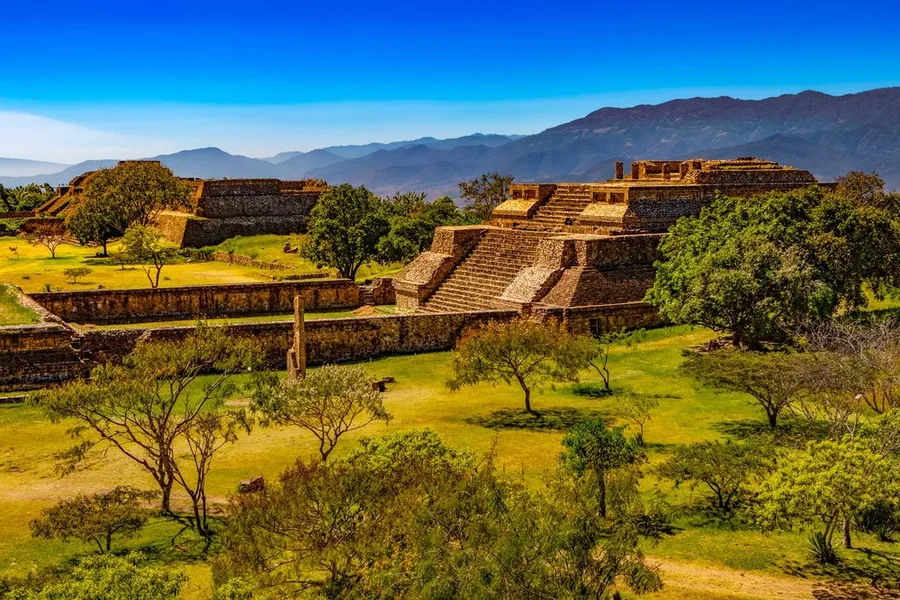
Monte Albán at a Glance
| Detail | Info |
|---|---|
| Location | 8km west of Oaxaca City center |
| Entry fee (2026) | 210 MXN (~$10-11 USD), includes museum |
| Hours | 8:00 am–5:00 pm daily (last entry 4:30 pm) |
| Time needed | 2–3 hours (3–3.5 hrs with guide) |
| Pyramids climbable? | ✅ Yes — North and South Platforms |
| UNESCO World Heritage | Since 1987 |
| Best time to arrive | 8:30–9:00 am (beat tour groups + heat) |
| Guide available | On-site licensed guides: 500–700 MXN/group |
| Shuttle from Oaxaca | 65 MXN from Hotel Rivera del Ángel (Calle Mina) |
Why Monte Albán Stands Apart
Three things make Monte Albán different from other major Mexican ruins:
1. You can actually climb it. The North Platform and South Platform are accessible. At Chichen Itza, climbing has been banned since 2006. Teotihuacan restricts access. Tulum’s pyramid is off-limits. At Monte Albán, you walk up — and the 360-degree view of the Oaxacan valleys from the top is the payoff.
2. It’s a genuine city, not just a temple complex. Monte Albán was inhabited continuously for 13 centuries (500 BC–900 AD) and had a population of up to 17,000 at its peak. The site includes a Grand Plaza, ball court, 170+ excavated tombs, residential terraces, and an astronomical observatory (Building J, which points toward specific star risings).
3. It’s 20 minutes from one of Mexico’s best food cities. Most major ruins require half a day of travel. Monte Albán is a half-day trip from Oaxaca’s city center, leaving the afternoon for mezcal, mole, and markets.
The Main Structures
The Grand Plaza
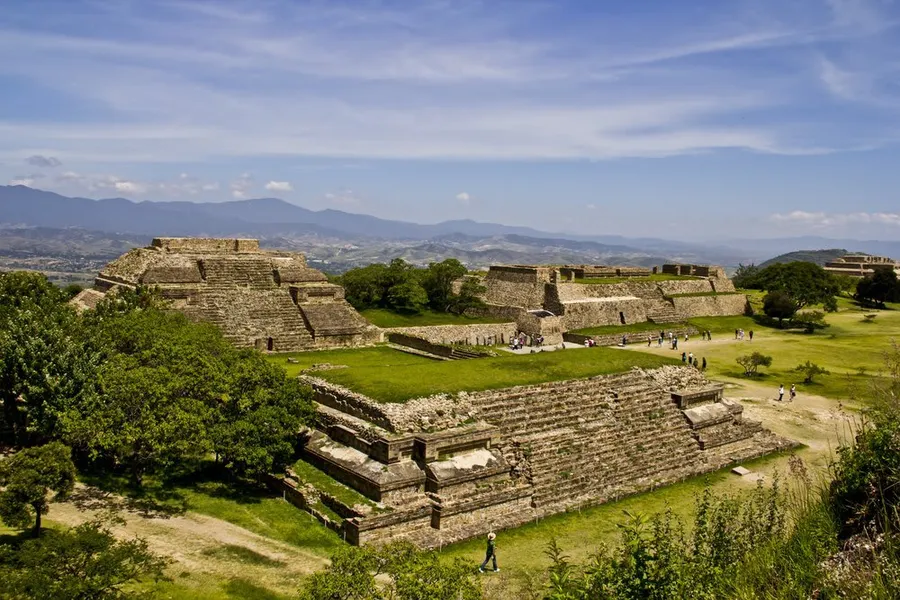
The ceremonial heart of Monte Albán — a massive flattened platform (~300m × 200m) ringed by temples, platforms, and ceremonial structures. The Zapotecs removed an entire hilltop to create it. Walk the perimeter and climb the North and South Platforms for the best views.
Los Danzantes (Building L)
The most haunting section of Monte Albán. Carved stone slabs depicting human figures in contorted positions — historically called “the dancers” — but scholars now believe they represent sacrificed captives or diseased individuals. Some show evidence of genital mutilation. Dating from around 500–200 BC, these are among the earliest stone carvings in Mesoamerica. The contrast with the geometric precision of the rest of the site is striking.
Building J — The Observatory
A uniquely arrow-shaped building aligned with astronomical events, oriented differently from all other structures on the plaza. Unlike most buildings at Monte Albán (which face north-south), Building J points toward the setting of Capella (a bright star) around 275 BC. The Zapotecs tracked celestial events for agricultural and ceremonial calendars — this was their instrument.
The North Platform
The largest structure at Monte Albán. Climb the broad staircase to reach the top, where columns of what was once a large hall remain. The views from the top — all four valleys radiating out from the mountain — are what most visitors photograph. A sunken patio leads to additional structures at the back.
The Ball Court
Monte Albán’s ball court is simpler than the famous one at Chichen Itza but predates it by centuries. The game played here was a ritualistic event — the exact rules are debated, but stone rings and markers defined the play area. Evidence from other sites suggests the losing (or winning — scholars disagree) team captain was sometimes sacrificed.
The Tombs
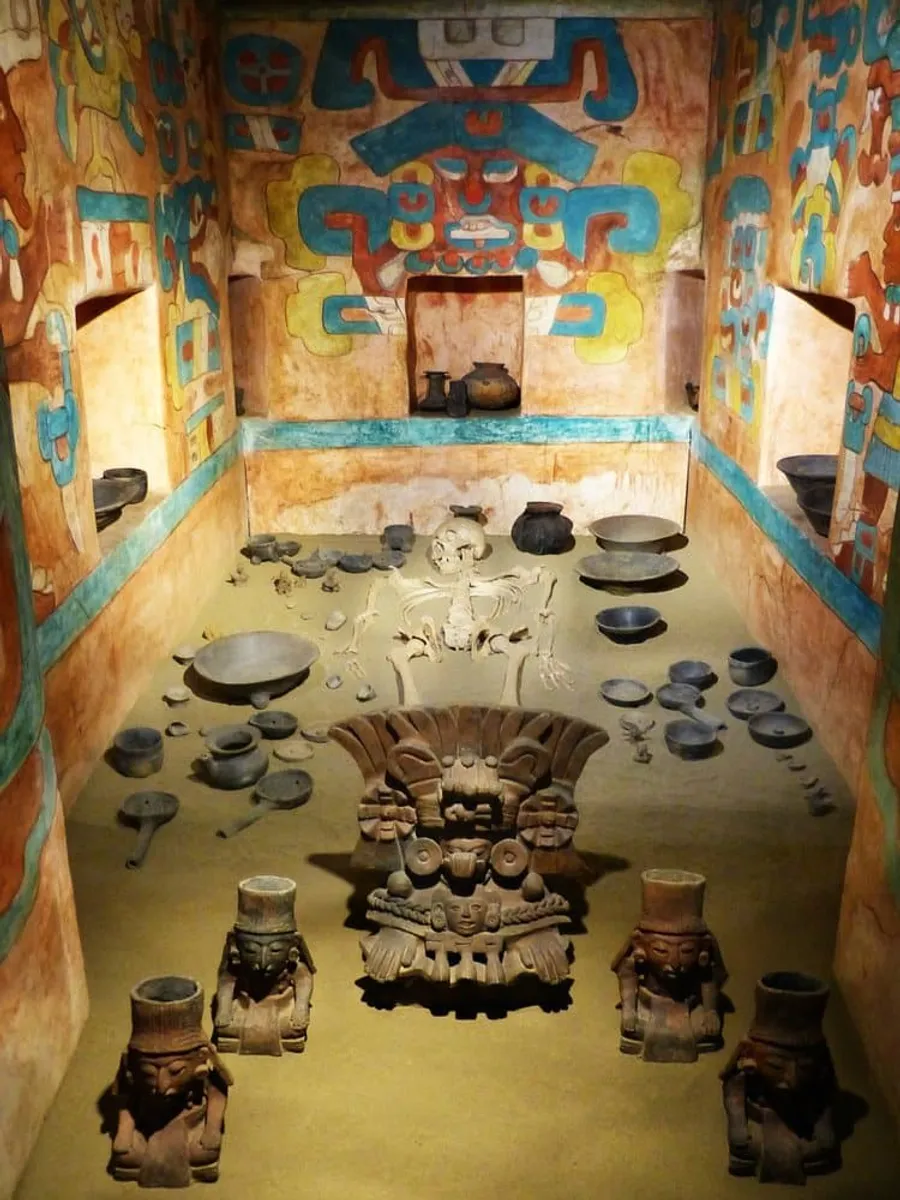
Over 170 tombs have been excavated at Monte Albán. Tomb 104, perhaps the most famous, contained murals depicting a deity figure and funeral offerings. The tomb contents (including jade masks, urns, and jewelry) are now in the Museo Nacional de Antropología in Mexico City — but the on-site Museo de Sitio has excellent reproductions and explanatory context.
The On-Site Museum
The Museo de Sitio de Monte Albán is included in your 210 MXN entry fee. Located at the base of the site near the entrance, it’s worth visiting before or after the ruins for context. Exhibits cover:
- The five major periods of Monte Albán’s occupation (Monte Albán I through V, 500 BC–1521 AD)
- Funerary urns, tomb replicas, and ceramic artifacts
- The transition from Zapotec to Mixtec influence in later periods
- Scale models of key structures
Practical tip: If you visit the museum first (15–20 minutes), you’ll understand what you’re looking at when you reach the ruins. Many visitors do it in reverse — ruins first, museum while cooling down.
How to Get to Monte Albán from Oaxaca City
The site is 8km from Oaxaca’s city center — about a 20-minute drive.
| Option | Price | Time | Notes |
|---|---|---|---|
| Tourist shuttle | 65 MXN one way | 20 min | Departs Hotel Rivera del Ángel, Calle Mina 518, every 30 min from 8:30 am. Buy return ticket at same time. |
| Taxi | 120–180 MXN one way | 20 min | Agree on price + pick-up time before getting out. Ask driver to wait (150–200 MXN extra) or catch another. |
| Guided tour | 300–600 MXN | Half day | Includes transport + licensed guide. Book on Viator or through your hotel. |
| Rental car | Variable | 20 min | Follow signs from Periférico toward Pedro Ixtlahuaca. Paid parking at site (~50 MXN). Compare rates on RentCars. |
| Private transfer | 350–500 MXN round trip | — | Worth it for groups of 3+. Many hotels can arrange. |
The shuttle is the easiest option for most visitors. It runs frequently, drops you at the entrance, and you can buy a round-trip ticket. You choose your return time at the ticket window.
For independent travelers: A taxi there + shuttle back works well. You get flexibility on arrival, then take the shuttle when ready.
Should You Get a Guided Tour?
Yes, if your budget allows. Monte Albán without a guide is like reading a book with half the pages missing. The site’s structure, astronomical alignments, and social hierarchy are almost impossible to understand from the plaques alone. A licensed guide explains:
- Why the Zapotecs chose this specific mountain
- The political meaning of Los Danzantes
- How Building J’s orientation tracked Venus and Capella
- The difference between Zapotec and Mixtec burial practices visible in different tombs
- The still-unresolved mystery of why Monte Albán was abandoned
Guide costs: Licensed guides charge 500–700 MXN per group (not per person). Split between 3–5 people, this adds 100–230 MXN each — worth it. Find guides at the entrance parking area or book in advance through Viator.
Best Time to Visit
| Time | Pros | Cons |
|---|---|---|
| 8:30–10:00 am | Cool, golden light, few crowds | Shuttle runs from 8:30 am only |
| 10:00 am–12:00 pm | Good light, busy but manageable | Heat building |
| 12:00–3:00 pm | Avoidable — intense sun | Hottest part of day, full tour groups |
| 3:00–5:00 pm | Less crowded | Last entry 4:30 pm — tight for full visit |
Best months overall: November through February (dry season, mild temperatures, fewer crowds). Avoid Easter week (Semana Santa) — the site gets crowded and shuttle capacity is strained.
Rainy season (June–October): Possible rain in the afternoon, but mornings are usually clear. The valleys turn green, which makes for better photography.
Monte Albán vs. Other Oaxaca Ruins
| Site | Distance | Entry | Climbable? | Crowds | Best For |
|---|---|---|---|---|---|
| Monte Albán | 8km from city | 210 MXN | ✅ Yes | Moderate | Dramatic setting, Zapotec history |
| Mitla | 45km from city | 80 MXN | ❌ No | Low | Unique stone mosaics, Mixtec culture |
| Yagul | 36km from city | 80 MXN | ✅ Yes | Very low | UNESCO rock art, panoramic views |
| Lambityeco | 30km from city | Free | ❌ No | Very low | Stucco heads, close to Tlacolula |
| Atzompa | 6km from city | 80 MXN | Partial | Very low | Green ceramics origin, 3 ball courts |
| San José El Mogote | 15km from city | Free | ❌ No | Almost empty | Earliest writing in W. Hemisphere |
The recommended Oaxaca ruins circuit: Monte Albán (half day, Day 1 or 2) + Mitla + Tlacolula market + Hierve el Agua (full day circuit, Day 3). This gives you the full picture of Oaxacan civilization — Zapotec imperial capital, Mixtec stone mastery, and pre-Columbian engineering.
Practical Information
What to bring:
- Water (buy at entrance or bring 2+ liters — no shade on main plaza)
- Sunscreen and hat (essential — you’re on an exposed mountaintop)
- Comfortable walking shoes (uneven stone surfaces, steep climbs)
- Camera (no separate camera fee as of 2026 — earlier guidebooks said otherwise)
- Small bills (65 MXN shuttle ticket, parking)
Photography: Allowed throughout the site with no additional fee. Tripods are generally allowed but may be questioned by some guards — use a small one. Drone flights require INAH permission obtained well in advance.
Facilities: Bathrooms near the entrance. A small café and gift shop sell water, snacks, and artisan crafts. Hat vendors are reliable at the parking area.
Accessibility: The site involves significant walking on uneven surfaces and some steep climbs. The main Grand Plaza is relatively flat, but reaching the North and South Platforms requires climbing stairs. The museum is fully accessible.
Monte Albán Within Your Oaxaca Itinerary
Monte Albán works well as a half-day trip, leaving time for the rest of your Oaxaca schedule:
- Day 1: Arrive, Oaxaca city center (zócalo, Santo Domingo, Mercado Benito Juárez)
- Day 2 morning: Monte Albán (depart 8:30 am, back by noon)
- Day 2 afternoon: Tlacolula Valley (Teotitlán del Valle carpets, San Bartolo Coyotepec black pottery)
- Day 3: Mitla + Tlacolula Sunday market + Hierve el Agua (Jun–Oct closed)
- Day 4: Santiago Matatlán mezcal palenques, Sierra Norte cloud forest
- Day 5: Mercado Tlacolula (Sunday) or Guelaguetza prep (July)
For a complete planning guide, see our 5 Days in Oaxaca Itinerary or 7 Days in Oaxaca Itinerary.
How Monte Albán Fits Oaxaca’s Archaeology
Monte Albán is the anchor of a remarkable archaeological cluster within 50km of Oaxaca City. The Zapotec civilization that built it also produced:
- Monte Albán Writing System — one of the earliest writing systems in the Americas, predating Teotihuacan
- The Danzantes — over 300 carved stone slabs, the oldest gallery of stone portraiture in Mesoamerica
- Astronomy — Building J’s stellar alignments show sophisticated astronomical knowledge
The site was eventually taken over by Mixtec groups (Monte Albán V phase, 900–1521 AD) who reused Zapotec tombs for their own burials — which is why some tombs contain Mixtec jewelry alongside Zapotec ceramics.
For the broader picture, see our Oaxaca Travel Guide, Things to Do in Oaxaca, and Day Trips from Oaxaca City for how Monte Albán fits into the full Oaxaca experience.
Planning your full Oaxaca trip? Our Oaxaca Travel Guide 2026 covers the seven moles, mezcal palenques, craft villages, Hierve el Agua, and the coast route. For ruins beyond Monte Albán, see our complete Oaxaca Pyramids & Ruins guide covering all 12 sites.