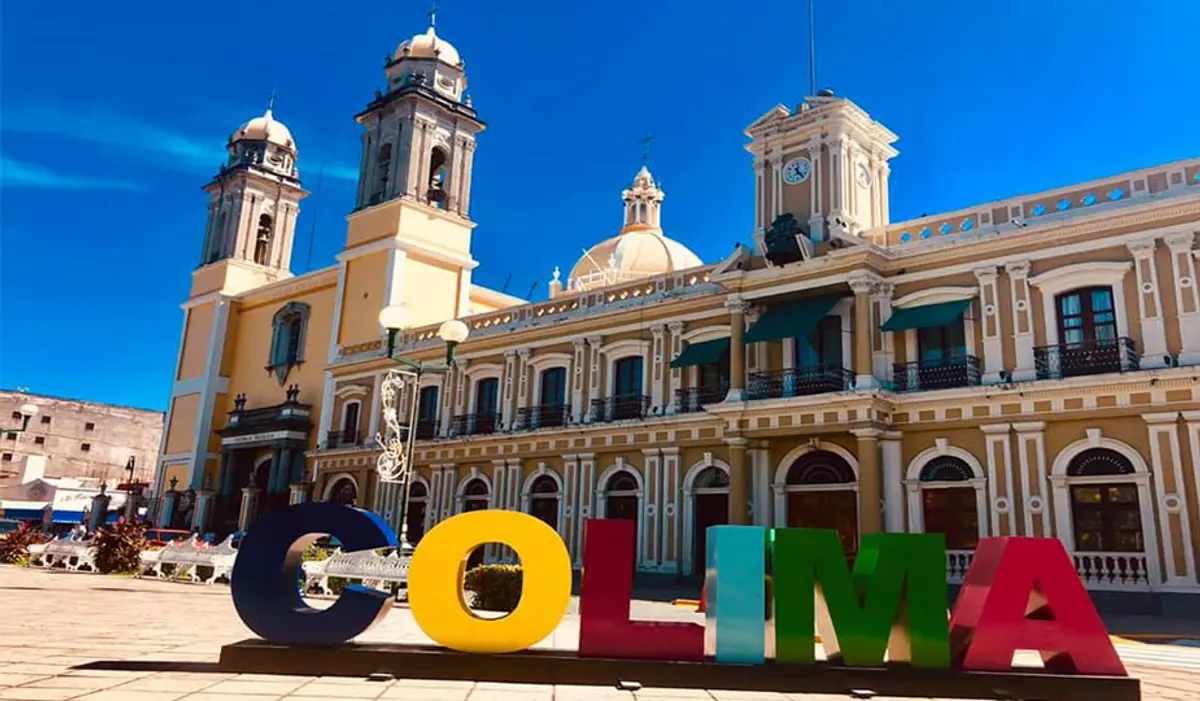
Colima Mexico Travel Guide: Things to Do & Safety
This Colima Mexico travel guide is for travelers deciding whether the small Pacific state deserves a 1-2 night stop from Guadalajara for volcano views, Comala’s whitewashed streets, tuba vendors, beaches, and museums filled with pre-Hispanic Colima dog ceramics. As of July 2026, the main travel tradeoff is safety: Colima city and Comala are the practical visitor bases, while Manzanillo and some coastal corridors require a current advisory check before you go.
Most international travelers drive through Colima on their way between Guadalajara and the coast without stopping. Use this guide to decide what is worth your time, what to skip, and how to route the trip without treating the whole state as one risk level.
Colima in 30 Seconds
| Question | Quick answer |
|---|---|
| Is Colima worth visiting? | Yes for a short cultural stop: volcano viewpoints, Comala, tuba, archaeology, and compact city museums. |
| Best base | Colima city for museums and food; Comala for a quieter white-village stay below the volcano. |
| Main safety caveat | Check current advisories before coastal or Manzanillo plans; the capital/Comala route is the more practical visitor lane. |
| How long to stay | 1 night for Colima city + Comala; 2 nights if adding archaeology, coffee country, or volcano viewpoints. |
| Best route | Bus or drive from Guadalajara in about 2.5-3 hours; Colima airport works only if schedules fit. |
Quick Facts: Colima, Mexico
| Capital | Colima city (pop. ~160,000) |
| State size | Mexico’s smallest — about the size of Connecticut |
| Location | Pacific Coast, between Jalisco and Michoacán |
| Main draws | Volcán de Fuego, Comala, tuba drink, Manzanillo coast |
| US Advisory | Level 3 state; Manzanillo area Level 4 |
| Nearest hub | Guadalajara (2.5 hrs) |
| Best time | November–April (dry season) |
| Language | Spanish |
| Currency | Mexican Peso (MXN) |
Volcán de Fuego: Mexico’s Most Active Volcano
Volcán de Fuego (3,960 m) is consistently ranked among the world’s most active volcanoes — it erupts hundreds of times per year, from minor gas venting to dramatic explosions that send ash 10+ kilometers into the sky. You can sometimes see glowing lava at night from the highways around Colima city.
The adjacent Nevado de Colima (4,268 m) is the higher but currently dormant twin — a snow-capped peak that occasionally earns its name in winter months.
Can you climb Volcán de Fuego? Technically, trails exist via the towns of Atentique and Yerbabuena. In practice, access is frequently restricted due to volcanic alerts (Amarillo/Orange/Red alert system). Check CENAPRED before planning a summit attempt. Most visitors are happy with viewpoints from the highway or Comala.
Nevado de Colima is more reliably accessible — temperate pine and oak forests, pumas, white-tailed deer, and occasionally snow at the summit.
Colima City: What to See
The capital punches above its size. A compact historic center, good restaurants, and two archaeological zones make it worth 1-2 days.
Top sights in Colima city:
- Cathedral Basilica Menor (1525) — the oldest original cathedral structure in western Mexico, rebuilt after earthquake damage
- Jardín de la Libertad — the central plaza with the cathedral, perfect for people-watching evenings
- Palacio de Gobierno — 19th-century government palace with murals by local artist Jorge Chávez Carrillo depicting Colima history
- Regional Museum of History (Portales de Medellín) — excellent pre-Hispanic ceramics including Colima dog figurines
- María Teresa Pomar University Museum of Popular Arts — folk art and crafts from across western Mexico
- Regional Museum of Western Cultures — focused on local archaeological cultures
- Ecoparc — small zoo and botanical garden on the city’s east side
- Álvaro Obregón Market — best food shopping and local ingredients
- Andador Constitución — pedestrian street good for evening strolls
The Colima Dog: An Ancient Breed in Every Museum
The most surprising thing about Colima’s museums: they’re full of dogs.
The xoloitzcuintli (Mexican hairless dog) was bred throughout ancient western Mexico. Colima’s burial tradition (100 BC–900 AD) produced thousands of ceramic dog figurines — tubby, smooth-skinned, usually shown in relaxed poses. These were placed in tombs because the dog was believed to guide souls to the underworld.
The Regional Museum of History has one of the best collections. The dogs are weirdly charming — rounded, calm, almost cartoon-like. They look nothing like what you’d expect pre-Hispanic art to look like.
Archaeological Zones: La Campana & El Chanal
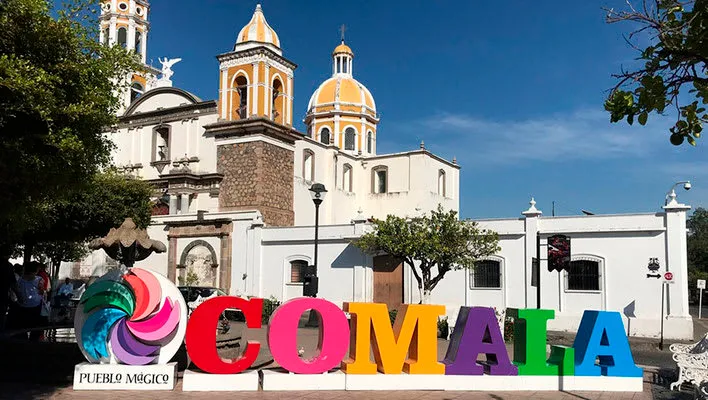
Both zones sit on the outskirts of Colima city and are rarely crowded.
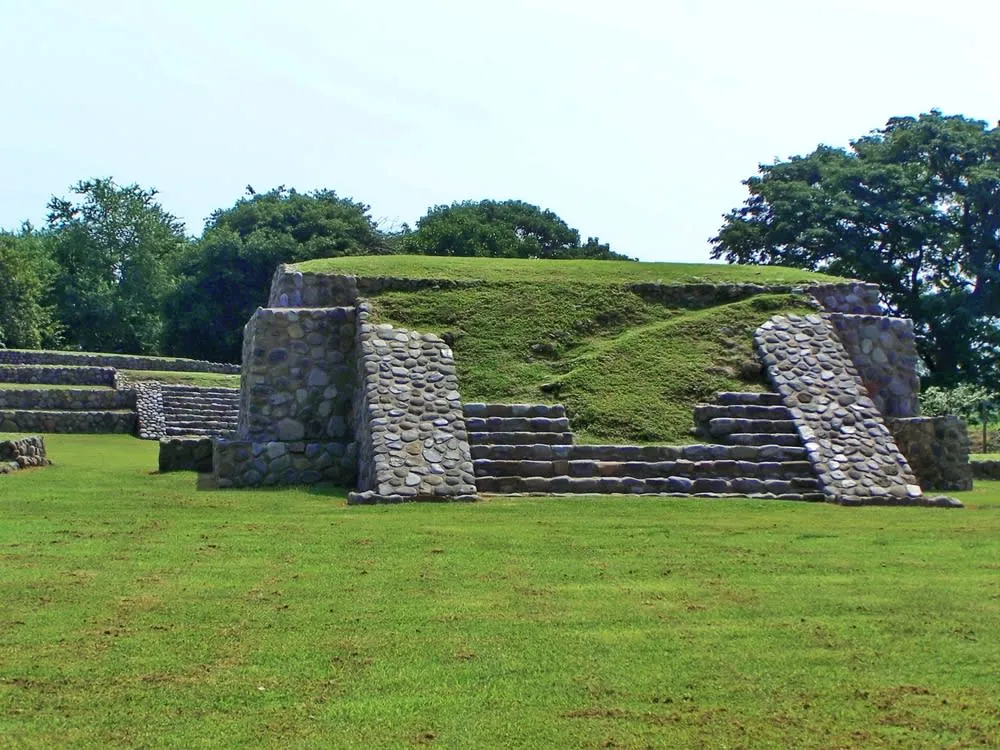
La Campana (northwest of city, 5 km) is the larger site — administrative buildings, dwellings, temples, pyramids, tombs, a ball court, and petroglyphs. Active from roughly 300 BC to 1500 AD, linked to the Teuchitlán tradition of circular ceremonial architecture. Entry around 80 MXN.
El Chanal has stone foundations, plazas, pyramidal structures, and a ball court. Look for the bas-relief engravings of Tlaloc (rain god) and Ehecatl (wind god) on the foundations. Estimated occupation: 1300 BC–1400 AD.
Neither site gets the tourist traffic of Chichen Itza or Monte Albán — which means you might have the ruins to yourself on a weekday morning.
Comala: The White Pueblo Mágico
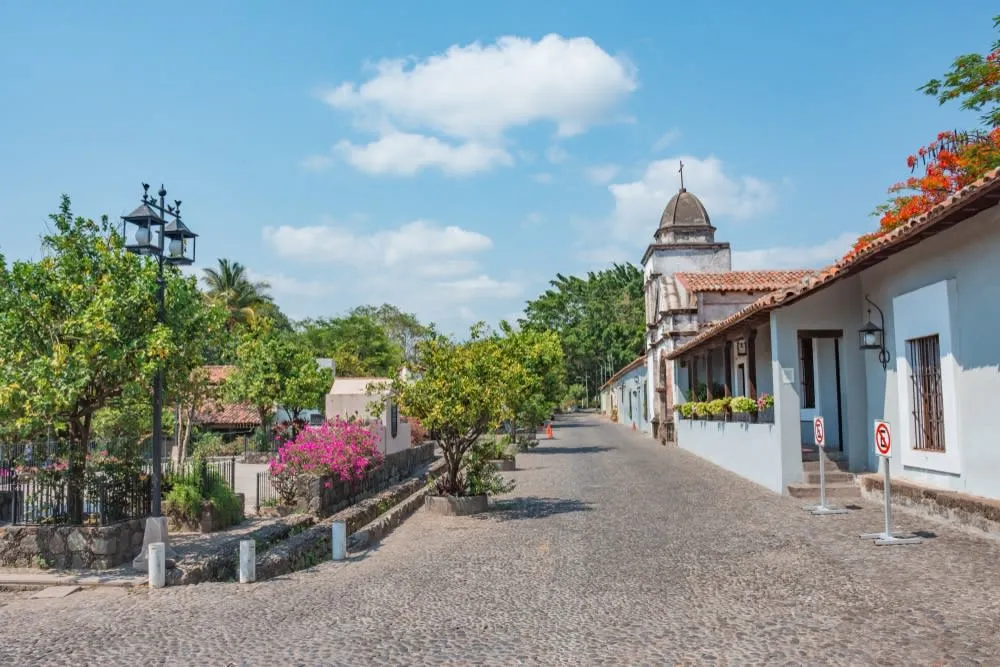
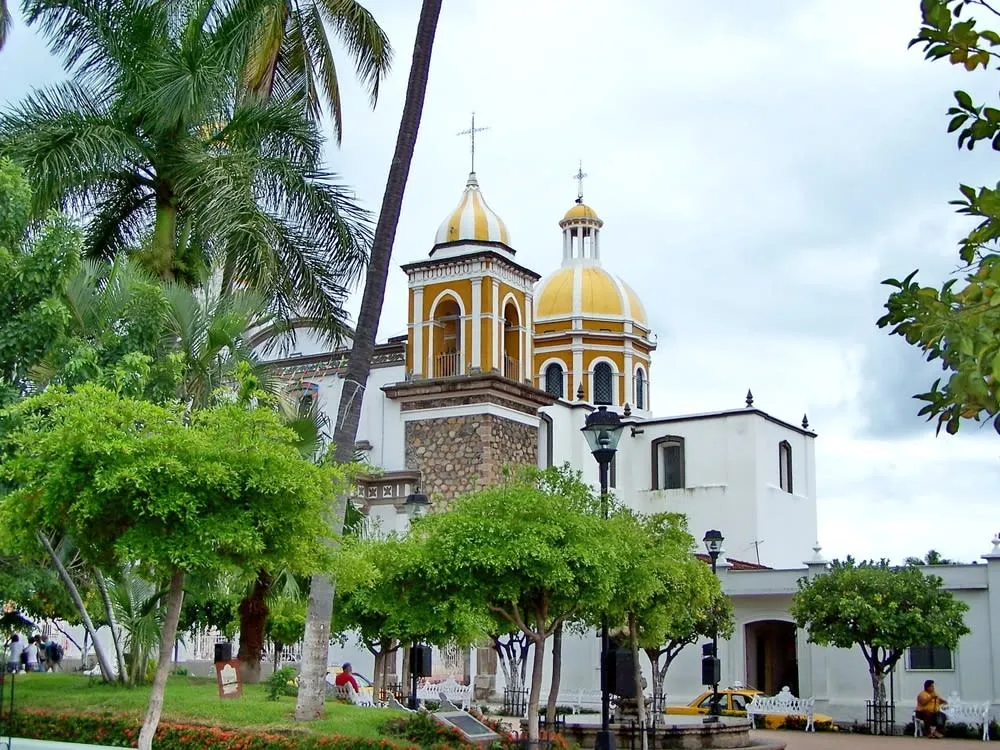
Comala (15 km north of Colima city) is Mexico’s “white town” — every building in the historic center is painted brilliant white, required by municipal code. The result is genuinely striking, especially with the volcano visible in the background.
What to do in Comala:
- Bronze statue of Juan Rulfo in the central garden — the Jalisco author of Pedro Páramo sitting on a bench reading to a child
- Parish of San Miguel Arcángel — colonial church on the main plaza
- Tuba vendors — some of the best in Colima state; look for men in traditional dress with bamboo vessels at the portal restaurants
- Portal restaurants — the row of restaurants under the arches serving pozole, birria, and regional specialties with views of the plaza
- Hacienda de Nogueras — former coffee hacienda with a small museum about writer José Clemente Orozco’s time in the region
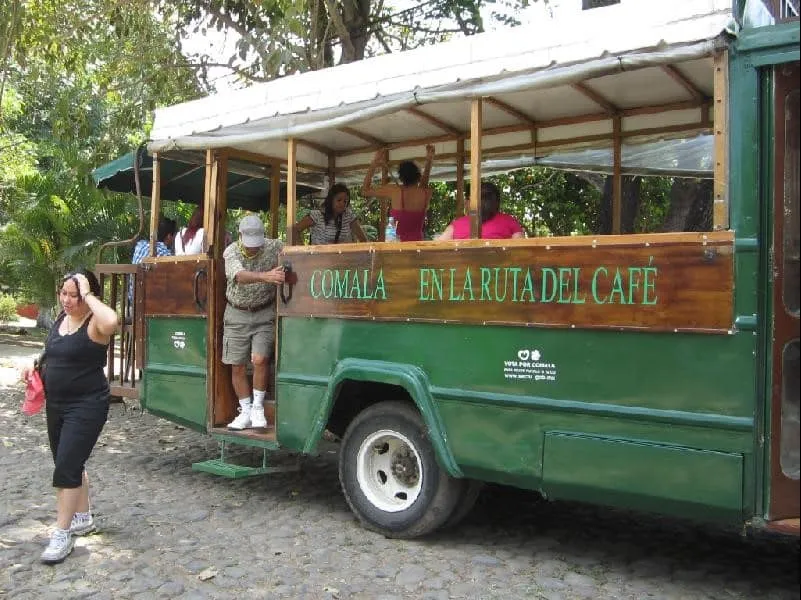
Coffee Route from Comala: The Ruta del Café departs from Comala via coffee bus, visiting the volcanic foothills where Colima’s high-altitude arabica grows. Stops include Zona Mágica, La Nogalera, and Cofradía de Suchitlán. The microclimate on the Volcán de Fuego’s lower slopes produces coffee with chocolate, caramel, and mild fruit notes.
Tuba: Colima’s Signature Drink
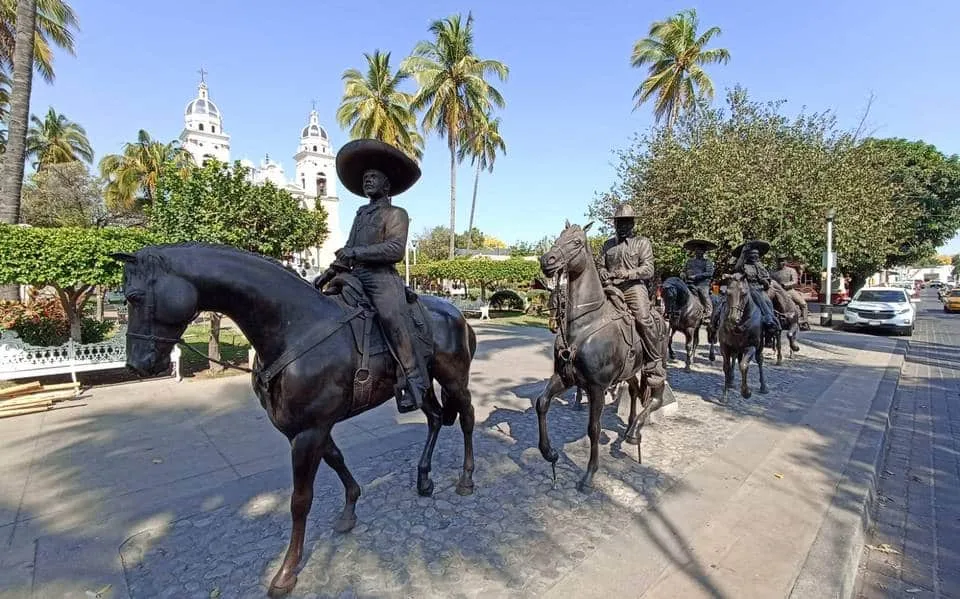
Every guide to Colima mentions tuba eventually. It should be the first thing.
Tuba is fermented coconut palm wine — brought to Mexico by Filipino sailors via the Manila Galleon trade route (1565–1815), which docked at Manzanillo carrying goods between Mexico and the Philippines for 250 years. The tapping technique for coconut palms came with those sailors, along with the name (from the Filipino tuba).
A vendor climbs a coconut palm each morning to collect the sap from the flower clusters. Fresh tuba is sweet, lightly fizzy, and barely alcoholic (1-3% ABV). After 24-48 hours of fermentation, it turns sour and stronger. By day 3, it’s approaching vinegar.
Look for tuba vendors in Comala’s main plaza and throughout Colima city — men in traditional white dress carrying long bamboo or aluminum vessels over their shoulders. A cup costs about 15-25 MXN.
See our full guide: Tuba Drink: Mexico’s Pink Coconut Palm Wine
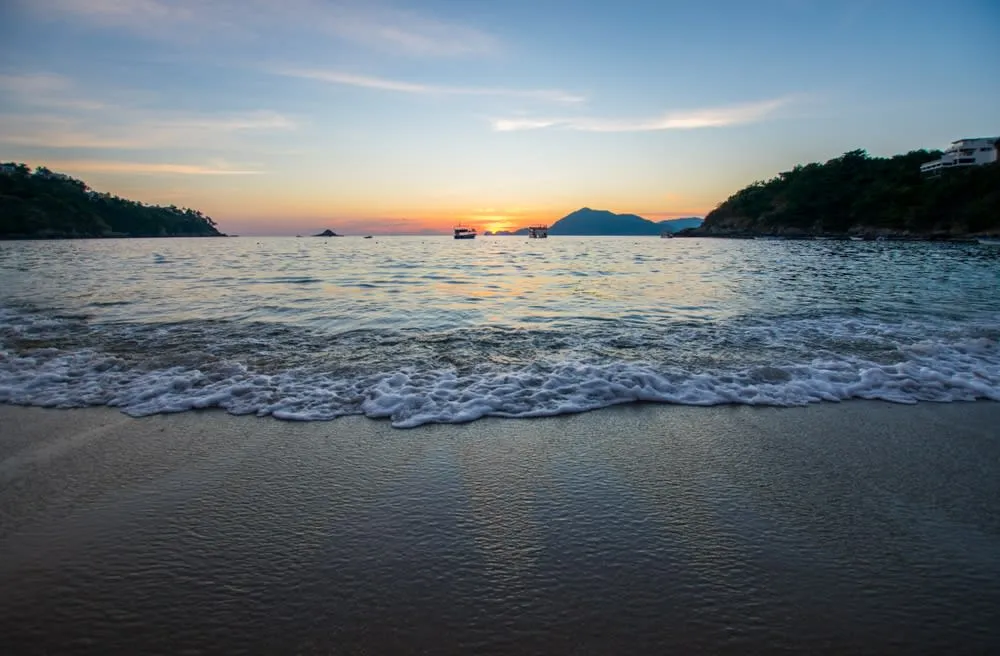
Manzanillo: Pacific Coast Beaches
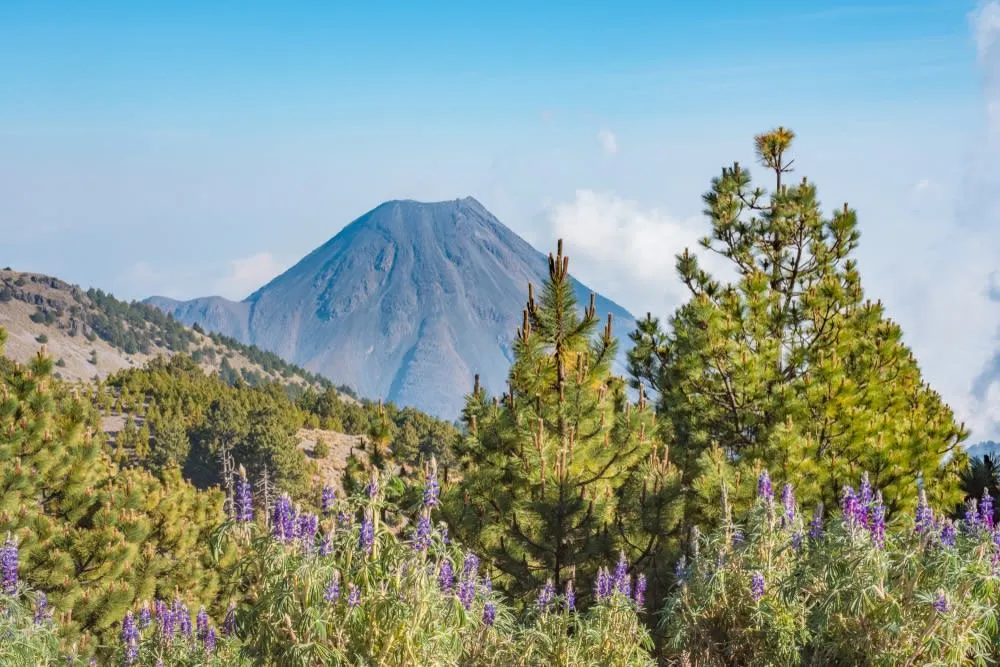
Manzanillo is Colima’s main beach destination — Mexico’s largest Pacific commercial port with tourism infrastructure built alongside the container terminals. It’s not Cancún, but the beaches are uncrowded, the seafood is excellent, and prices are significantly lower than the Riviera Maya or Los Cabos.
Safety note: The US State Department issues a Level 4 (Do Not Travel) advisory specifically for the Manzanillo coastal area due to cartel-related crime on the roads between Manzanillo and surrounding municipalities. Check current advisories before visiting. The beach areas themselves have lower reported crime than the surrounding highways.
Manzanillo Bay beaches: Ventana, El Viejo, Las Coloradas, San Pedrito, Playa Azul, Salagua, Las Brisas, Las Hadas, La Escondida — all with calm bay waters.
Santiago Bay: Miramar, La Boquita, La Audiencia, Olas Altas — with the Mirador de Playa Santiago viewpoint.
Manzanillo highlights:
- Sailfish Monument (Monumento al Pez Vela) — the city’s icon, by sculptor Sebastián
- Museum of Shells and Snails — surprisingly interesting collection
- Boardwalk (Malecón) — evening promenades with Pacific sunset views
- Cerro del Toro Park — city hilltop park with views over both bays
Isla Navidad
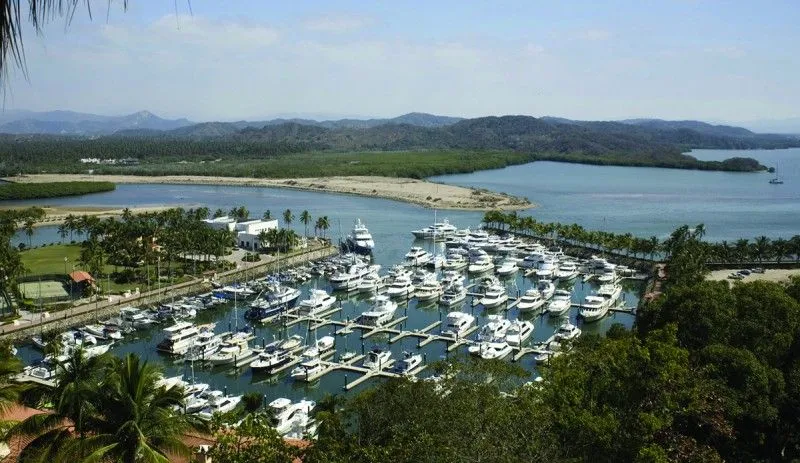
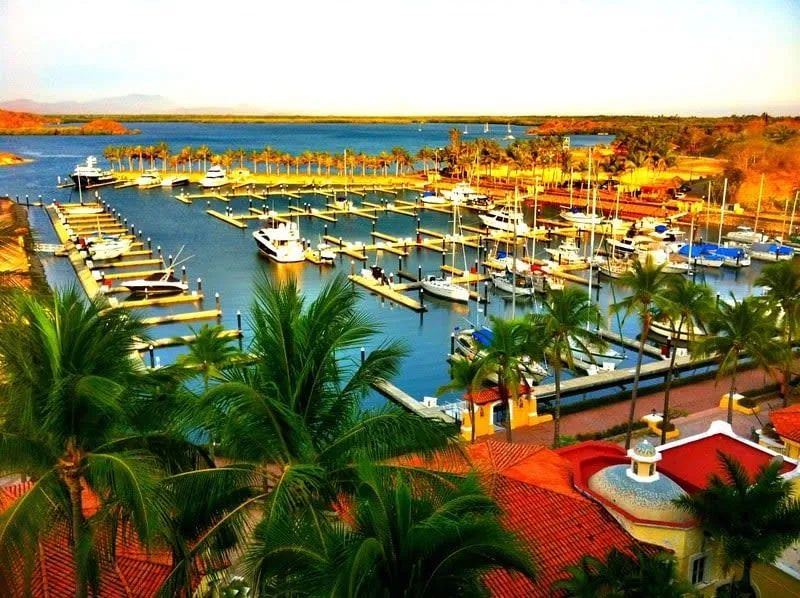
On the Jalisco-Colima border near the fishing village of Colimilla, Isla Navidad is a peninsula resort complex with a hotel, golf course, marina, and lagoon. Activities include sport fishing, scuba diving, kayaking, sailing, and water skiing. Less developed and much less crowded than Puerto Vallarta or Los Cabos — that’s the appeal.
Colima’s Natural Sites
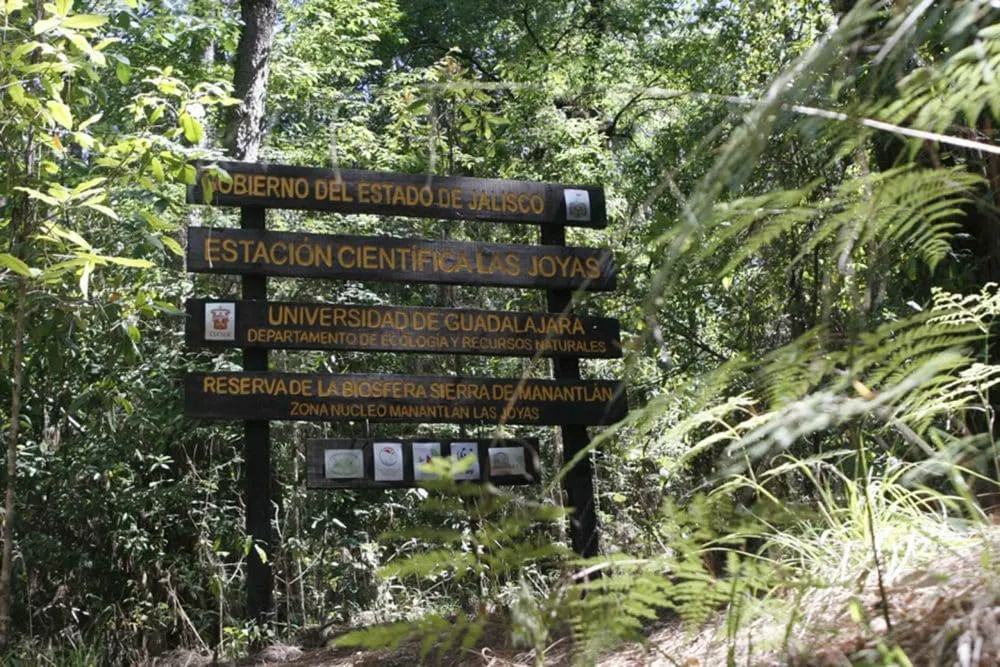
Nevado de Colima National Park encompasses both volcanoes — temperate pine, oak, and oyamel forests, pumas, white-tailed deer, and peccaries. Camping, mountaineering, biking, and hiking available when volcanic alerts permit.
Sierra de Manantlán Biosphere Reserve (shared with Jalisco) — one of Mexico’s most biodiverse cloud forests with 2,700+ plant species and 560+ animal species. Remote but exceptional for serious nature travelers.
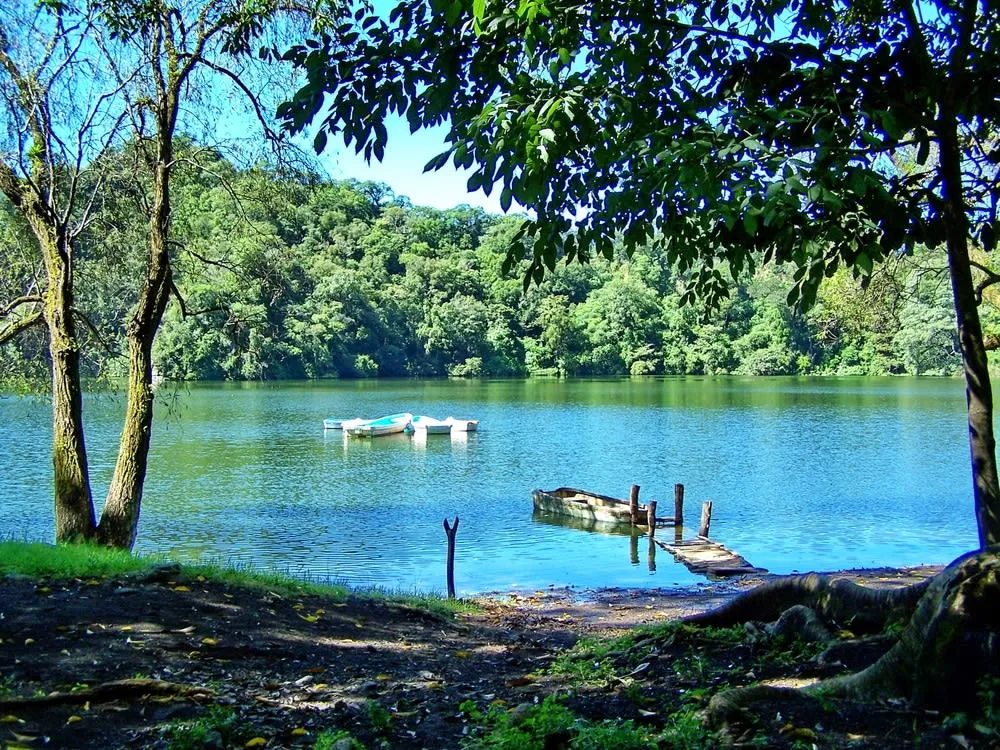
Cuyutlán Lagoon — the state’s largest lagoon near the Pacific coast, with mangrove boat tours, birds, and the nearby El Tortugario sea turtle research and release center (3 species: olive ridley, black sea turtle, leatherback).
Lagoon parks: María Lagoon, El Naranjal, Amela, Alcuzahue — for kayaking, bird watching, and wildlife.
Beaches South of Manzanillo
Several beaches south of Manzanillo are worth visiting for their combination of coast and lagoon ecosystems:
- El Real — gray sand, open sea, tube-like surf waves, sea turtle releases in summer
- El Chupadero (Tecomán) — calm beach waters + lagoon + mangrove + excellent fresh seafood restaurant
- El Paraíso — windsurfing and surfing, with beachfront food stalls
- Playa Oro — 12km quiet beach near Jalipa; named after the American ship Golden Gate that sank here in 1862 carrying a gold cargo; boat rides to Isla Peña Blanca for seabirds
Colima Food Guide
What to eat in Colima:
- Tuba — fermented coconut palm wine, the #1 Colima experience (see above)
- Pozole rojo — Colima’s version uses pork and hominy in red chile broth; among the best in Mexico
- Sopes y enchiladas — traditional masa-based street food at the Álvaro Obregón Market
- Ceviche and seafood from Manzanillo’s waterfront restaurants — fresh Pacific catch
- Coffee from the volcanic highlands — single-origin arabica with chocolate and caramel notes, available in Comala and Colima city specialty cafes
- Tejuino — fermented corn drink (also popular in Guadalajara) sold by street vendors
Where to eat in Colima city:
- Portal restaurants in Comala — under the arches of the main plaza, serving regional Colima dishes with plaza views; affordable and atmospheric
- Álvaro Obregón Market — best budget meals in the city; full plates 60-100 MXN
- Centro Histórico restaurants near Jardín de la Libertad — 150-300 MXN/person
Getting to Colima
| Option | From | Time | Cost |
|---|---|---|---|
| Bus (Primera Plus/Futura) | Guadalajara | 2.5-3 hrs | 250-380 MXN |
| Bus (ETN) | Manzanillo airport | 1.5 hrs | 180-280 MXN |
| Drive | Guadalajara via Hwy 54 | ~2 hrs | 100-150 MXN tolls |
| Fly into CLQ | Mexico City/GDL | varies | 1,200-3,500 MXN |
Most travelers base themselves in Colima city for culture and volcano views, making day trips to Comala (15 km) and the archaeological zones. Manzanillo (100 km, 1.5 hr) is best as a separate 1-2 night stay.
Getting Around Colima
Colima city is compact and walkable in the historic center. Uber works in Colima city — a significant advantage over Oaxaca, Tulum, and San Cristóbal. Taxis are cheap (40-70 MXN for most city trips). To Comala, take a shared colectivo from the central bus terminal (15-25 MXN, 20 min) or Uber (80-120 MXN).
Manzanillo requires either a rental car or intercity buses from the central terminal. Compare car rentals for Colima.
Where to Stay in Colima
| Budget | Option | Price/night |
|---|---|---|
| Budget | Hostels and basic hotels near city center | 300-600 MXN |
| Mid-range | Boutique hotels in historic center | 800-1,800 MXN |
| Upscale | Hotel Las Canastas or Hotel Ceballos | 1,800-3,500 MXN |
| Beach | Manzanillo resort hotels | 1,500-6,000+ MXN |
Book Colima tours and activities on Viator
Best Time to Visit Colima
| Month | Weather | Notes |
|---|---|---|
| Nov–Feb | Dry, 24-28°C days | Best weather, most comfortable |
| Mar–May | Dry, getting hotter | Good visibility for volcano |
| Jun–Oct | Rainy season, humid | Heavy afternoon rains; volcanic alert risk increases |
| Feb | Fiestas de Colima | City festival season |
Day Trips from Colima City
- Comala (15 km, 20 min) — white village, tuba, portal restaurants, Coffee Route
- La Campana ruins (5 km) — morning visit before heat
- El Chanal ruins (10 km) — combine with La Campana
- Nevado de Colima (40 km, 1.5 hrs) — pine forest hiking when alerts allow
- Tecomán (60 km, 1 hr) — agricultural town and coastal access
- Manzanillo (100 km, 1.5 hrs) — beaches, port, seafood
Colima Travel Tips
- Check volcanic alerts before planning anything near the volcano: CENAPRED volcanic monitoring
- Uber works in Colima city — much more convenient than taxis for navigation
- Tuba in the morning — vendors sell fresh tuba in the early morning when it’s sweetest; by afternoon the fermentation has progressed to sour-stage
- Colima dog figurines — Museum of Western Cultures has the best collection; free or very low entry
- Coffee best bought in Comala — directly from producers on the Coffee Route, not supermarkets
- Cash — smaller restaurants and market stalls prefer cash; ATMs widely available in city center
- Safety — Colima city and Comala are generally fine for tourism; Manzanillo coast requires current advisory review before visiting
Travel insurance is worth considering before this trip, especially a policy with emergency medical coverage and evacuation support.
Related guides: Tuba Drink: Mexico’s Pink Coconut Palm Wine · Comala Colima: Mexico’s White Pueblo Mágico · Pacific Coast Mexico Beaches · Getting Around Mexico