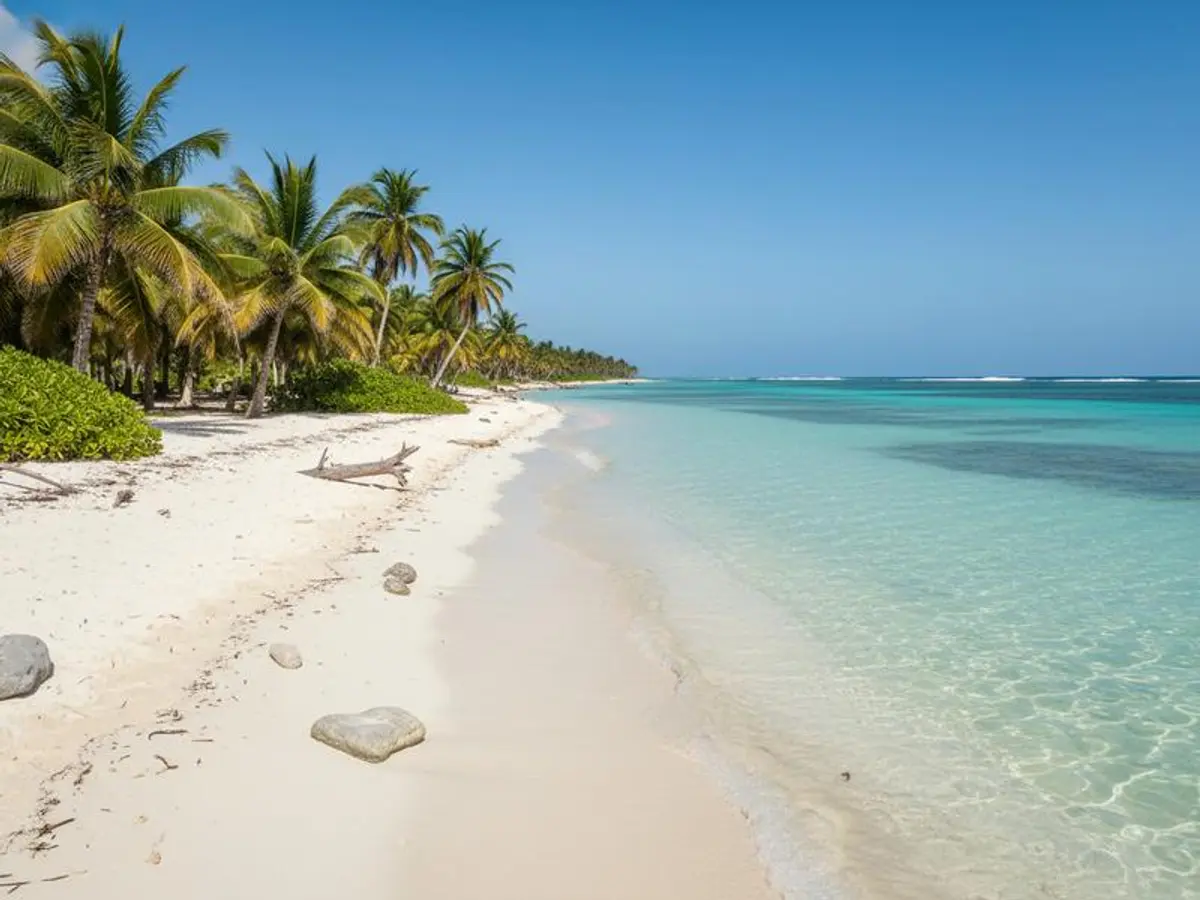
Day Trips from Campeche City 2026: 12 Best Excursions Ranked
Campeche City is one of Mexico’s most underrated day-trip bases. A compact UNESCO-walled capital surrounded by a state that packs 2,400-year-old Maya cities, Gulf Coast fishing villages, flamingo lagoons, manatee springs, underground hat-weaving caves, and monster-mouth temple ruins — all within 1–2 hours of the city center.
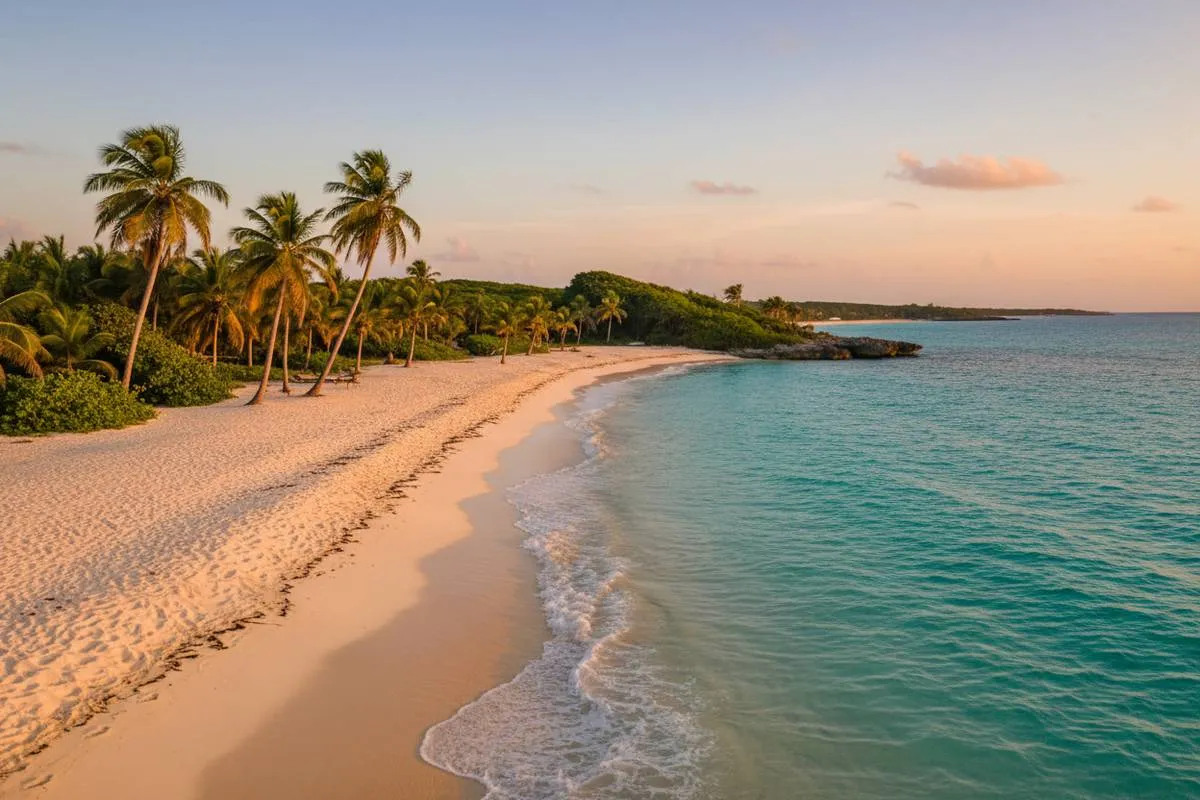
Most attractions sit within a 1–2 hour drive. In a single day you can explore a major Maya city, eat fresh Gulf seafood on a nearly empty beach, watch artisans weave hats underground, or scan a UNESCO biosphere reserve for manatees — all before sunset on the malecón.
Quick Reference: Day Trips from Campeche City
| Destination | Distance | Drive | Best For | Entry |
|---|---|---|---|---|
| Los Petenes Reserve | 20–30km N | 25min | Manatees, flamingos, 300+ birds | Free (tours vary) |
| Edzná ruins | 60km SE | 1hr | Best Maya ruins near Campeche | 85 MXN |
| Seybaplaya + coast | 33km S | 30min | Gulf seafood, calm swimming | Free |
| Champotón | 80km S | 1hr | Beach, river confluence, history | Free |
| Hacienda Uayamón | 40km S | 40min | Colonial ruins, cenote, gardens | Day visit fee |
| Becal | 80km N | 1.5hr | Hat workshops in limestone caves | Free |
| Tenabo | 50km NE | 50min | Baroque church, quiet colonial plaza | Free |
| Xcalumkin ruins | 73km NE | 1.5hr | Uncrowded Chenes ruins, few visitors | ~55 MXN |
| Hopelchén + Hochob | 100km E | 1.5–2hr | Monster-mouth Chenes ruins | 85 MXN |
| Isla Aguada | 160km SW | 2hr | Dolphin watching, Laguna de Términos | Tour cost |
| Hecelchakán | 55km N | 50min | Maya artifacts, market town | Free–small fee |
| Calakmul | 300km SE | 4–5hr | Epic Maya ruins (overnight better) | 130 MXN + INAH |
1. Los Petenes Biosphere Reserve — Manatees, Flamingos & 300+ Birds (20–30km)
The case: Most travelers skip this one — it’s not in guidebooks — but Los Petenes is Campeche’s best wildlife destination and only 20–30 minutes from the city. The reserve covers 2,800km² of wetlands, mangroves, coastal springs (called petenes — freshwater springs rising through the seabed), and Gulf shoreline.
The wildlife is extraordinary. Manatees inhabit the coastal springs year-round. American flamingos feed in the shallow lagoons. The bird list tops 300 species: jabiru storks (the largest flying bird in the Americas), roseate spoonbills, wood storks, snail kites, four types of herons, Yucatan parrots, pelicans, and white ibis. Howler monkeys and anteaters live in the interior forest.
Access: Hire a local boat guide in the village of Isla Arena (the main access point, ~30km north of Campeche) for 400–800 MXN for 2–3 hours. No organized tour infrastructure exists — this is genuinely undeveloped ecotourism. Bring binoculars, sunscreen, and cash.
Best time: November–April for flamingos; early morning year-round for bird activity. The mangrove channels are cooler and more active before 9 AM.
Combine with: Coastal villages for lunch, or a stop at Hecelchakán on the return route.
2. Edzná: The Essential Maya Day Trip (60km SE)
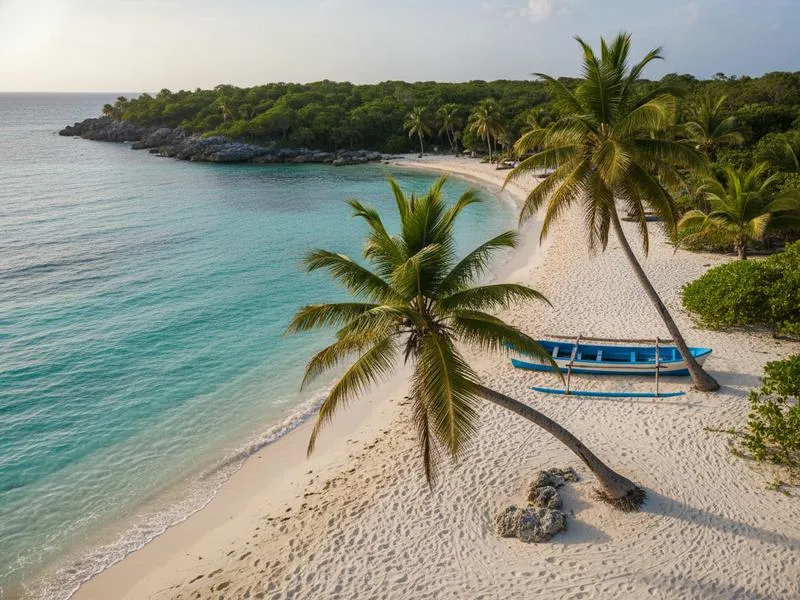
Edzná is the essential Campeche day trip and one of the most underrated Maya sites in Mexico. The Building of the Five Stories is a unique pyramid-palace combination — five tiered stories housing administrative offices, ceremonial chambers, and a roof comb — that has no architectural parallel in the Maya world. Occupied from 400 BCE to 1500 CE, at its peak Edzná supported a population of 30,000+.
The site features an immense main plaza (300m × 150m), sophisticated ancient water management canals, and a Temple of the Masks with preserved stucco solar deity faces.
What makes it special: You’ll often have it almost entirely to yourself. Edzná gets a fraction of Chichen Itza or Teotihuacan’s crowds, yet ranks alongside them archaeologically.
Practical:
- Distance: 60km southeast of Campeche City
- Drive: 1 hour on a good paved road
- Hours: 8 AM – 5 PM daily
- Entry: 85 MXN (~$4.25 USD)
- Time needed: 2–3 hours
- By bus: Colectivos from Av. Gobernadores (secondary terminal) at 7 AM and 9 AM; 50 MXN each way
Best combination: Edzná in the morning → Seybaplaya beach (33km from Campeche, 45 min from Edzná) for Gulf seafood lunch → swim → sunset on the malecón. One of the best full days on the Yucatan Peninsula.
3. Seybaplaya and the Gulf Coast (33–130km S)
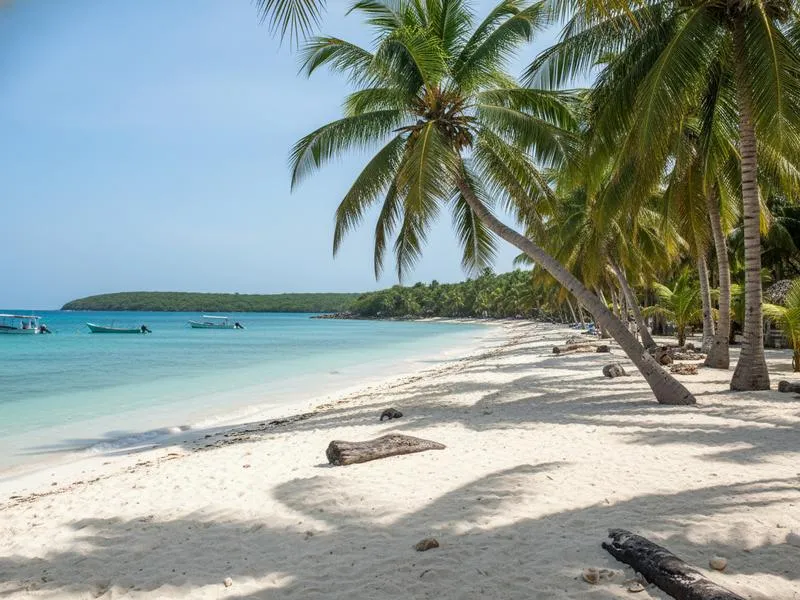
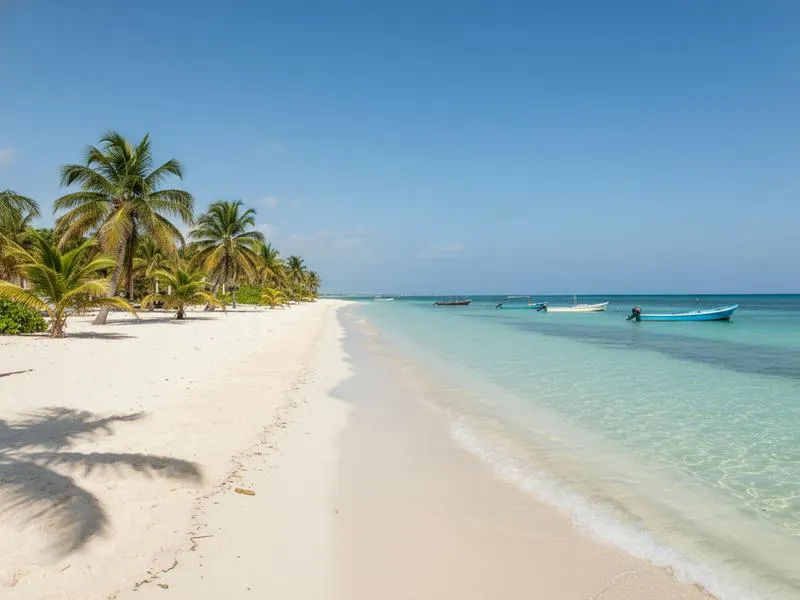
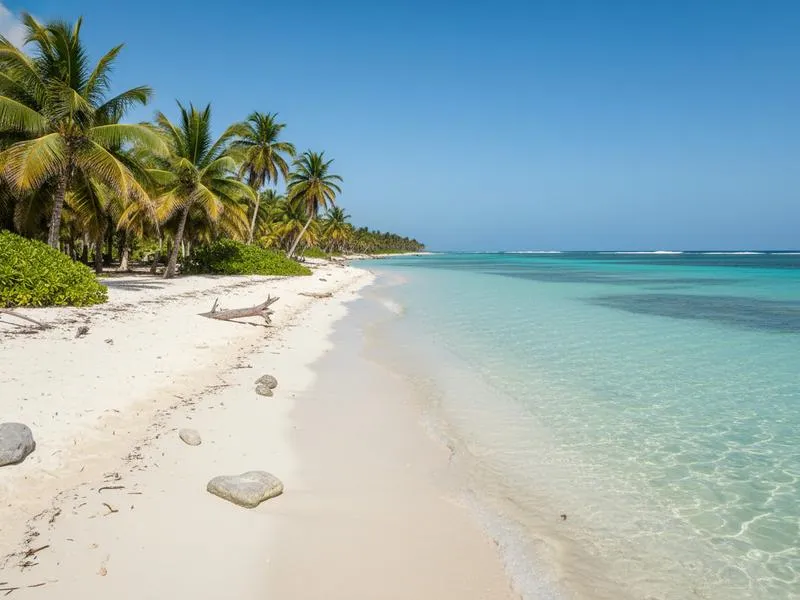
The coastal drive south from Campeche strings together Gulf fishing villages where lunch costs 80–150 MXN and the catch arrived that morning. No sargassum — this is the Gulf of Mexico, not the Caribbean.
Seybaplaya (33km, 30 minutes) is the closest — a working fishing village with beachfront palapa restaurants. Order the local specialty: camarones al mojo de ajo (garlic shrimp) or caldo de mariscos (seafood broth). The beach is calm Gulf water — no waves, warm, excellent for swimming. Almost no tourists.
Champotón (80km, 1 hour) is larger, with history: the Champotón River meets the Gulf here, creating a scenic confluence. The 1517 Battle of Champotón — where Maya warriors defeated a Spanish expedition before conquest — is commemorated locally. Good for a longer stop.
Continue to Sabancuy (130km) for mangrove exploration by boat and total coastal solitude.
Cost: Gas + food. No entry fees. Full seafood plate at Seybaplaya: 120–200 MXN per person.
4. Hacienda Uayamón (40km S)
Campeche’s interior contains colonial-era haciendas that drove the state’s economy through henequen fiber, chicle (chewing gum base), and cattle. Hacienda Uayamón (40km south, 40 minutes) has been beautifully restored and operates as a luxury hotel — but the ruins, gardens, and on-site cenote can be toured as a day visit.
The 17th-century main house, machinery ruins, and chapel create one of the most photogenic historical settings in Campeche state. Even a short stop on the way to the coast is worthwhile.
Practical: 40km via Highway 261 South. Call ahead to confirm day visit policy and fee (usually 100–200 MXN). Grounds open to visitors when hotel guests allow.
Combine with: Seybaplaya beach (continue south), or with Edzná (northeast via secondary roads) for a full historical loop.
5. Becal: Hat Workshops in Limestone Caves (80km N)
Becal (80km north, 1.5 hours) is Mexico’s center for jipijapa hat production — the finely woven palm fiber hats commonly (and incorrectly) called “Panama hats.” What makes Becal unique is where they’re made: in underground limestone caves where natural humidity keeps palm fibers pliable for intricate weaving.
Visiting a workshop costs nothing — artisan families welcome visitors. You descend into their cave workshop, watch weavers at work, learn how quality is graded (ultra-fine hats take 3 months and cost thousands of pesos), and buy directly from the maker. A good everyday jipijapa: 200–500 MXN. Museum-quality pieces: 2,000–15,000 MXN.
A giant hat sculpture at Becal’s town entrance marks it from the highway.
Combine with: The Chenes ruins and Hopelchén continuing east for a full culture loop. Or pair with Tenabo (20km southeast of Becal) for a quiet colonial plaza stop.
6. Tenabo: Baroque Church & Quiet Colonial Town (50km NE)
Most travelers drive past Tenabo without knowing it’s there. This small Campeche town 50km northeast of the city contains one of the finest baroque colonial churches in the state — the Parroquia de San Francisco de Asís, built in the 17th century, its facade weathered to a rich ochre, surrounded by a quiet shaded plaza where locals gather in the evenings.
Tenabo has no tourism infrastructure, no entrance fee, and almost no visitors. The church interior features ornate altarpieces and original painted walls. The small market on weekend mornings sells regional produce and food.
Getting there: 50km via Highway 180 North, then turn east. Drive time 45–50 minutes.
Combine with: Hecelchakán (10km further north) for the regional archaeology museum, and Becal (20km west of Tenabo) for a complete northern day loop.
7. Xcalumkin Ruins: Chenes Architecture Without the Crowds (73km NE)
Xcalumkin (73km northeast) is one of the most interesting Maya sites in Campeche that almost nobody visits. Located in the Chenes region, the site features carved stone inscriptions that helped archaeologists decipher the Maya calendar — 22 hieroglyphic texts survive in various states of preservation, making it significant for epigraphers.
The architecture follows the Chenes style with monster-mouth facades and detailed carved frieze panels. Unlike Hochob or Edzná, Xcalumkin has minimal restoration — you’re exploring active excavation territory where some structures remain uncleared. The solitude is complete.
Entry: ~55 MXN (INAH archaeological zone fee).
Getting there: 73km northeast of Campeche via Highway 180 toward Hecelchakán, then secondary roads. Rental car required.
Best for: Archaeology enthusiasts who want a genuine, uncrowded Maya site without tour buses.
8. Hopelchén and the Chenes Maya Ruins (100km E)
East of Campeche City, the Chenes region around Hopelchén contains distinctive Maya architecture found nowhere else in Mexico. “Chenes” comes from the Maya word for “well.”
The Chenes architectural style is unique: building entrances pass through the gaping jaws of enormous carved deity faces — “monster-mouth facades” — as if entering the body of a sacred being.
Key sites:
- Hochob: The most impressive Chenes site, beautifully restored monster-mouth facade on its main palace. Entry: 85 MXN.
- Dzibilnocac: Multiple tower structures and well-preserved architectural details. Less restored, more atmospheric.
- Tabasqueño: Large site with Chenes and Puuc elements, mostly unrestored, surrounded by primary forest.
The town of Hopelchén is worth a lunch stop — quiet agricultural center with a traditional Maya community presence.
Getting there: 100km east, 1.5–2 hours by car. No public transport to ruins. Rental car required.
Combine with: Becal on the return via Mérida highway (northern loop). Full day: depart 7 AM, Becal by 9 AM, Hopelchén lunch, Hochob ruins, back to Campeche by 6 PM.
9. Hecelchakán: Regional Archaeology Museum (55km N)
Hecelchakán (55km north, 50 minutes) is a small market town that contains the surprisingly excellent Museo Arqueológico del Camino Real — a regional collection of Maya artifacts from the western Campeche zone: ceramic figures, carved stones, jade pieces, and materials from Edzná, Hochob, and other local sites.
The museum explains the Chenes and Puuc architectural traditions and places Campeche’s sites in regional context. Entry is minimal (40–80 MXN). The town itself has a lively weekend market.
Combine with: Becal (20km further north via Highway 180) for a northern loop day.
10. Isla Aguada: Dolphin Watching (160km SW)
Isla Aguada is Campeche’s designated Pueblo Mágico, 160km southwest (2 hours). The town sits on the edge of Laguna de Términos — one of the largest coastal lagoons in Mexico and a UNESCO-recognized biosphere reserve.
The main draw: bottlenose dolphins are permanent residents of the lagoon, and sightings on guided boat tours are nearly guaranteed. Tours run 2–3 hours, cover the lagoon’s most productive zones, and cost 300–600 MXN per person depending on group size.
The lagoon is also one of the best birdwatching sites on the Yucatan Peninsula — herons, roseate spoonbills, pelicans, and migratory shorebirds. The colorful boardwalk and calm lagoon beach are pleasant for an afternoon.
Getting there: 160km via Highway 180 (2 hours). Drive or organized tour from Campeche.
Combine with: Sabancuy’s mangroves en route, or continue to Ciudad del Carmen for a longer Gulf exploration.
11. Cenotes Near Campeche
Campeche has fewer cenotes than Yucatan state, but several exist near Hopelchén in the eastern interior. Unlike the commercialized cenotes of the Riviera Maya, these require local knowledge to find and access — ask at your hotel or at the Hopelchén municipal office for current guidance. Some are on private land and require arrangement with landowners.
The reward: total solitude, no entry queues, and water temperature typical of Yucatan cenotes (26–28°C year-round). A genuinely off-the-beaten-path cenote experience.
12. Calakmul: Plan an Overnight (300km SE)
300km southeast (4–5 hours), Calakmul is technically a day trip but best as an overnight. This ancient Maya superpower in the heart of the Calakmul Biosphere Reserve has some of the tallest pyramids in the Maya world, surrounded by primary jungle with howler monkeys, toucans, and the possibility of jaguar sightings.
If you insist on a day trip: Depart Campeche at 4–5 AM. The 60km access road from the highway to the ruins takes 1.5 hours on a narrow jungle road — wildlife sightings are common. You’ll have 2–3 hours at the site before the drive back. Entry: 130 MXN + INAH jungle access fee.
Better plan: Overnight in Xpujil (150km from Chetumal). Dawn at the ruins with howlers calling as sunrise hits Pyramid II is genuinely one of Mexico’s great experiences.
Suggested Day Trip Itineraries
Best First-Timer: Edzná + Seybaplaya (Full Day)
7 AM depart → Edzná 8 AM (ruins, 2–3hr) → Drive to Seybaplaya → Lunch at beachfront palapa → Swim → Return Campeche 4–5 PM for malecón sunset. Total cost per person: ~400–600 MXN.
Wildlife Day: Los Petenes Reserve (Half Day)
6 AM depart → Isla Arena village by 6:30 AM → Hire boat guide → 2–3hr mangrove/lagoon tour (flamingos, manatees, birds) → Coastal village lunch → Back by 1 PM. Total: 600–1,200 MXN per person.
Culture Loop: Becal + Chenes Ruins (Full Day)
8 AM depart → Becal hat workshops (1.5hr) → Hopelchén lunch → Hochob ruins → Return by 6 PM. Bring cash. Total: ~500–800 MXN per person.
Northern Loop: Becal + Tenabo + Hecelchakán (Full Day)
8 AM depart → Becal (hat cave workshops, 1.5hr) → Tenabo (colonial church, 30min) → Hecelchakán (museum, 1hr) → Return to Campeche by 3 PM. Relaxed pace. Total: 400–600 MXN per person.
Coastal Hop: Gulf Beach Towns South (Full Day)
9 AM depart → Seybaplaya morning swim → Champotón lunch at river → Optional: Sabancuy mangroves → Return by 5–6 PM. Total: ~300–500 MXN per person.
Nature Day: Isla Aguada Dolphins (Full Day)
7 AM depart → Isla Aguada 9 AM → Dolphin boat tour (300–600 MXN) → Boardwalk lunch → Optional birdwatching → Return by evening.
Practical Tips
- Rental car: Best option for all itineraries except Edzná and coastal buses. Roads are good; fill up gas in Campeche City. Compare Campeche car rental prices →
- Start early: Sites are cooler and emptier before 10 AM. Many tours and colectivos depart 7–8 AM.
- Carry water and cash: Facilities between destinations are limited on the Hopelchén/Chenes route. Rural sites and smaller towns may not accept cards.
- Wildlife: bring binoculars — especially for Los Petenes and Isla Aguada. The difference between a “distant white blob” and a flamingo in detail is enormous.
- Return before dark: Rural roads lack lighting and livestock on roads is a genuine hazard after sunset.
- Travel insurance: Travel insurance is worth having for a driving itinerary, especially with emergency medical and evacuation coverage.
Getting to Campeche
Campeche is best reached by car or ADO bus. Mérida is 2 hours north on Highway 180. Palenque (Chiapas) is 4.5–5 hours south via Highway 186 — the Campeche route is not affected by the Chiapas CNTE road blockades that can affect Highway 199 through Ocosingo.
If you’re traveling between Yucatán and Chiapas, Campeche City makes an excellent overnight stop. See the Palenque to Mérida transport guide for full routing.
More Campeche Reading
- Campeche Travel Guide — full city guide
- Edzná Ruins Guide — complete visiting guide
- Best Beaches in Campeche — Gulf coast beaches ranked
- Isla Aguada Campeche — Pueblo Mágico dolphin guide
- Calakmul Ruins — planning the deep jungle trip
- Palenque to Mérida 2026 — routing via Campeche
- Getting Around Mexico — all transport modes
- Is Mexico Safe? — safety context for Campeche