Campeche Travel Guide 2026: Best Things to Do, Where to Stay, and Trip Tips
Campeche travel guide for 2026 first-time visitors who want the right base, the right number of days, and the right day trips.
This Campeche travel guide gives you the practical 2026 trip tips first: where to stay, how many days you need, what to do in the walled city, and which day trips are worth your time. Campeche is one of the best city breaks in Mexico if you want colorful colonial streets, real local life, and easy access to Maya ruins without the crowds of bigger Yucatán Peninsula hubs. The capital, officially San Francisco de Campeche, is a UNESCO-listed walled city on the Gulf with forts, bastions, seafood, walkable streets, and one of the calmest historic centers in the country.
If you are wondering whether Campeche is worth visiting, the short answer is yes. Most travelers need 2 to 3 days for the city plus 1 extra day for Edzná or the coast. Stay inside the walled center if it is your first trip, plan sunset time on the malecón, and use Campeche as a base for beaches, forts, and inland Maya sites rather than treating it as a quick photo stop between Mérida and Palenque.
Having spent considerable time exploring Campeche state from the capital to Calakmul, I think the main advantage here is clarity. You can walk the historic center in a day, eat very well without overpaying, and add strong day trips without the friction you get in busier destinations. That makes Campeche especially good for first-time Mexico travelers who want culture and logistics that still feel manageable.
| Campeche trip question | Fast answer |
|---|---|
| Best base | Walled historic center for first-time visitors |
| Ideal trip length | 2 to 3 days for the city, 4 to 5 with Edzná and beaches |
| Best season | November to March for cooler, drier weather |
| Easiest add-on | Edzná ruins, about 60 km southeast of the capital |
Campeche in 30 seconds
- Best for: first-time colonial-city trips, food, forts, relaxed walking, and Edzná day trips
- How long: 2 to 3 days for the city, 4 to 5 if you want Edzná, beaches, and a deeper state loop
- Where to stay: inside the walled center for your first trip, or see where to stay in Campeche
- Best time to go: November to March for the most comfortable weather, with April and May much hotter and September to October the wettest
- Do not skip: Calle 59 at night, the malecón at sunset, at least one bastion, and a half-day or full-day trip to Edzná
This guide covers what to do in Campeche, how to get there, where to stay, what to eat, how much time you need, what it costs, and which side trips are actually worth the effort.
Campeche Travel Guide: Geography, History, and Culture
The state of Campeche occupies the western third of the Yucatan Peninsula, bordered by the Gulf of Mexico to the west, Quintana Roo to the east, Yucatan state to the north, Tabasco to the southwest, and Guatemala to the south. This positioning gives Campeche a remarkable geographic diversity: humid Gulf coastline, dense tropical jungle, scrubby lowlands, and the southern Calakmul biosphere that ranks among the largest protected forests in Mesoamerica.
The capital city, San Francisco de Campeche, sits directly on the Gulf coast about halfway down the state’s western edge. Founded by Spanish conquistadors in 1540 on the site of the pre-existing Maya town of Ah Kim Pech (from which the name Campeche derives), the city became one of colonial New Spain’s most important ports. Campeche was the primary export point for hardwoods, chicle, and other goods from the interior, making it a magnet for pirate attacks throughout the 16th and 17th centuries.
The infamous raids by pirates including Francis Drake, John Hawkins, and Laurent de Graff eventually forced the Spanish to construct the massive fortification walls that define the city today. Built between 1686 and 1704, these walls, bastions, and forts transformed Campeche into a fortress city—the only fully walled city in Mexico and one of very few in the Americas. Those walls, along with the colonial architecture they protect, earned Campeche its UNESCO World Heritage designation in 1999.
Cultural Identity
Campeche’s culture blends Maya, Spanish colonial, and Gulf Coast maritime influences into something distinct from neighboring Yucatan or Quintana Roo. While the state shares the broader Yucatecan cultural sphere—you’ll find cochinita pibil, papadzules, and panuchos here—Campeche adds a pronounced seafood dimension and several dishes found nowhere else. The state’s relative isolation from the tourism boom that transformed Cancún and the Riviera Maya preserved traditions that modernization eroded elsewhere on the peninsula.
Maya heritage remains visible throughout the state, not only in archaeological sites but in the living communities of the interior. The Chenes region around Hopelchén maintains strong Maya cultural practices, and communities in the south near the Guatemalan border carry on traditions with minimal outside influence.
Best Places to Visit in Campeche
Campeche City: The Walled City Center
The historic center is Campeche’s crown jewel and the reason most travelers visit. The walled city occupies a compact area easily explored on foot, with colorful colonial buildings lining narrow streets that follow the original Spanish grid pattern. The restoration of the historic center, completed over several decades, transformed neglected colonial structures into the vibrant pastel streetscapes that now define Campeche’s visual identity.
Key landmarks include the Cathedral of Our Lady of the Immaculate Conception on the central plaza, one of the oldest churches on the Yucatan Peninsula. The seven surviving baluartes (bastions) along the old wall perimeter now house museums covering topics from piracy to Maya jade artifacts. The Puerta de Mar (Sea Gate) and Puerta de Tierra (Land Gate) mark the original entrances through the fortification walls.
For a deeper exploration of the capital, see our Campeche city walking guide covering every neighborhood, landmark, and hidden corner.
Edzná Archaeological Site
Located about 60 kilometers southeast of the capital, Edzná is one of the most impressive Maya archaeological sites in the region and far less visited than Chichén Itzá or Uxmal. The site’s centerpiece is the Building of the Five Stories (Edificio de los Cinco Pisos), an extraordinary structure that combines a pyramidal base with a five-level palace—a unique architectural form in the Maya world.
Edzná flourished between 400 BC and 1500 AD, making it one of the longest-occupied Maya cities. The site features sophisticated hydraulic engineering, including canals and reservoirs that managed water across the entire city. A nightly light and sound show illuminates the ruins and narrates their history. For complete visiting information, see our guide to Edzná ruins.
Calakmul Biosphere Reserve and Ruins
In Campeche’s deep south, the Calakmul archaeological site sits within the massive Calakmul Biosphere Reserve—one of the largest protected tropical forests in the Americas. This ancient Maya superpower rivaled Tikal in Guatemala and once housed over 50,000 inhabitants. Climbing Structure II, one of the tallest pyramids in the Maya world, rewards you with views over unbroken jungle canopy stretching to the horizon in every direction.
Getting to Calakmul requires commitment: it’s a 4-5 hour drive from Campeche City, with the final 60 kilometers on a narrow jungle road. But this remoteness is precisely what makes Calakmul special. You might share the site with a handful of other visitors while howler monkeys roar from the surrounding forest and toucans fly between ancient temples.
Gulf Coast Beaches
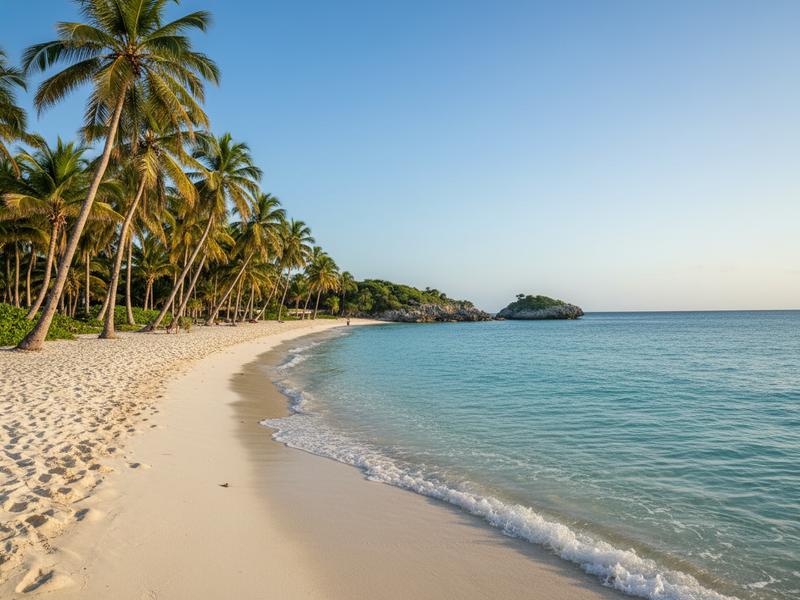
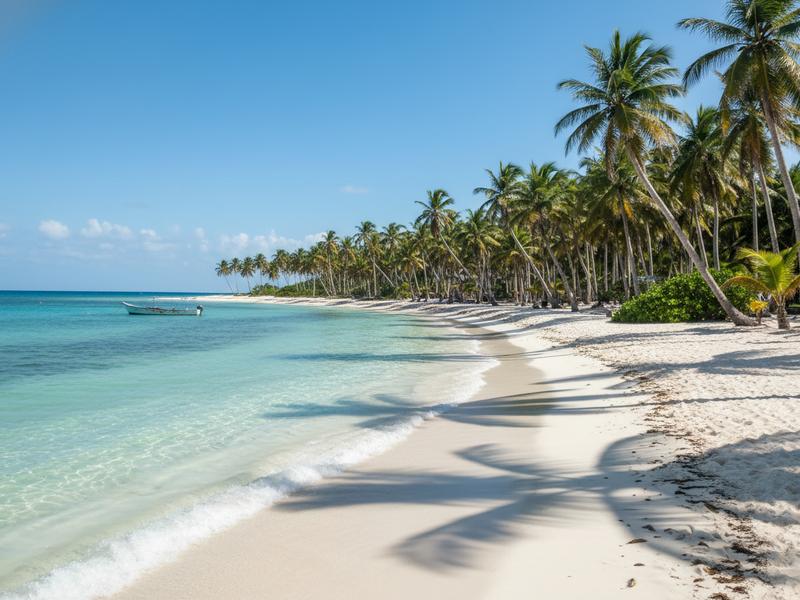
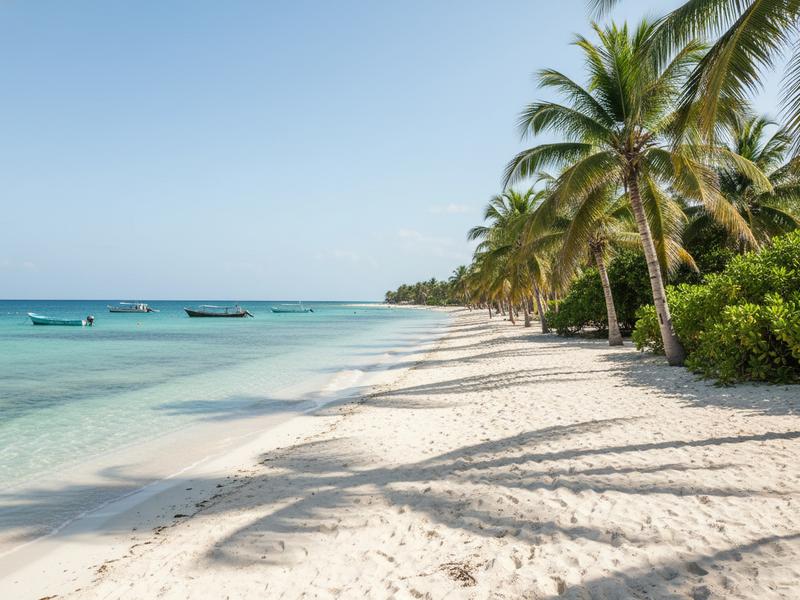
Campeche’s 425-kilometer Gulf coastline offers beaches that trade Caribbean turquoise for warm, calm waters and genuine seclusion. These are not resort beaches—they’re working fishing villages with palapa restaurants and sand that stretches to the horizon with barely another soul in sight.
Seybaplaya, just 30 minutes south of the capital, serves as the closest beach option with fresh seafood restaurants directly on the sand. Further south, Champotón offers river-meets-ocean scenery and excellent fishing. To the northeast, Isla Aguada earned Pueblo Mágico status for its boardwalk, colorful buildings, and dolphin-watching opportunities. For detailed coverage of all coastal options, see our guide to Campeche beaches.
Hopelchén and the Chenes Region
East of the capital, the Chenes region around the town of Hopelchén represents Maya cultural heartland. This area contains dozens of archaeological sites featuring the distinctive Chenes architectural style, characterized by elaborate monster-mouth doorways where the entrance to a building passes through the open jaws of a carved deity face.
Sites like Hochob, Dzibilnocac, and Tabasqueño receive almost no visitors despite their remarkable architecture. The town of Hopelchén itself is a quiet agricultural center where you can experience everyday Yucatecan Maya life without tourism infrastructure—or pretense.
Becal: The Panama Hat Capital
The small town of Becal in northern Campeche has been the center of Mexico’s jipijapa hat production for generations. These finely woven palm hats (often called Panama hats, though they originate here, not Panama) are crafted in underground limestone caves where humidity keeps the palm fibers pliable during weaving. Visiting a workshop to watch artisans create these intricate hats is a fascinating cultural experience. A giant hat sculpture at the town entrance announces Becal’s identity with pride.
How to Get to Campeche
By Air
Campeche’s Ingeniero Alberto Acuña Ongay International Airport (CPE) receives limited domestic flights, primarily from Mexico City. Service is inconsistent and schedules change, so most travelers fly into Mérida’s Manuel Crescencio Rejón Airport (MID), which has excellent domestic and some international connections, then drive or bus the 2.5 hours to Campeche.
By Bus
ADO operates frequent first-class buses connecting Campeche to major destinations across the peninsula and beyond. Key routes include Mérida (2.5 hours), Cancún (6 hours), Villahermosa (6 hours), and Mexico City (16-18 hours overnight). The main bus terminal sits south of the walled city center, about a 10-minute taxi ride.
By Car
Driving to Campeche is straightforward. From Mérida, take Highway 180 (the coastal route through Becal) or the faster Highway 180D toll road (cuota). From Cancún, Highway 180 runs the full length of the northern Yucatan coast. From Villahermosa or Palenque in Tabasco/Chiapas, Highway 186 crosses southern Campeche through Ciudad del Carmen. Rental cars are available at Mérida airport and in Campeche City.
By Train
The Maya Train connects Campeche to destinations across the Yucatan Peninsula, offering a scenic alternative to bus travel. Check current schedules as service continues to expand and adjust routes.
Getting Around Campeche
The walled city center is compact and best explored on foot. Most attractions, restaurants, and hotels within the historic center sit within a 15-minute walk of each other. The city installed excellent pedestrian infrastructure during the restoration, with wide sidewalks, shaded plazas, and clearly marked routes.
For destinations beyond the city center, taxis are inexpensive and abundant. Always agree on a fare before departing or ask the driver to use the meter. Local combis (minibuses) run fixed routes to outlying neighborhoods and nearby towns at very low fares.
A rental car is highly recommended if you plan to explore beyond the capital. Reaching Edzná, the Gulf Coast beaches, Hopelchén, Becal, and especially Calakmul requires private transportation or organized tours on Viator. Roads in Campeche state are generally well-maintained, and traffic outside the capital is minimal.
Where to Stay in Campeche
Most visitors should stay inside the walled historic center. It gives you the easiest access to Calle 59, the plaza, the bastions, museums, and the malecón, and it lets you enjoy Campeche at its best early in the morning and after sunset when the light is softer and the city feels calmer.
If you want the easiest first trip, book a boutique hotel or restored colonial stay inside the walls. If you want quieter nights or slightly better value, look just outside the center in San Román or San Francisco, where you still stay close enough to walk or take a short taxi ride into the old town.
Best area by trip style:
- First-time visitors: inside the walled center
- Couples: central boutique hotels near Calle 59 and the cathedral
- Budget travelers: guesthouses and simple hotels just outside the walls
- Road-trippers: edge-of-center stays with easier parking access
For neighborhood breakdowns and hotel picks, use our full where to stay in Campeche guide. If you only need the short version, choose the walled center unless parking is your top priority.
What to Eat in Campeche
Campeche possesses one of Mexico’s most distinctive regional cuisines, built on Gulf seafood, Maya culinary traditions, and colonial-era influences. The state’s gastronomy alone justifies a visit, with dishes found nowhere else in the country.
Signature Dishes
Pan de Cazón: Campeche’s signature dish layers tortillas with refried black beans and shredded dogfish shark (cazón), topped with tomato sauce and habanero. Simple in concept but complex in flavor, this is the one dish every visitor must try.
Camarones al Coco: Shrimp coated in shredded coconut and fried until golden, served with a sweet-spicy dipping sauce. The combination of Gulf shrimp and coconut reflects Caribbean influences on Campeche’s coastal cuisine.
Pámpano en Escabeche: Pompano fish prepared in an aromatic pickle of bitter orange, onions, oregano, and spices. This colonial-era preservation technique produces a dish with remarkable depth.
Pibipollo (Mucbipollo): A massive ceremonial tamale filled with chicken or pork in achiote sauce, wrapped in banana leaves and cooked underground. Traditionally prepared for Hanal Pixán, Campeche’s version of Day of the Dead.
For the complete culinary picture including market recommendations and restaurant suggestions, explore our Campeche food guide.
When to Visit Campeche
Campeche has a tropical climate moderated by Gulf breezes, with distinct wet and dry seasons that significantly affect the travel experience.
Dry Season (November–March): The optimal time to visit, with comfortable temperatures between 22-30°C, lower humidity, and clear skies. December through February is peak season with the most pleasant weather. This period coincides with Campeche’s famous Carnival celebrations in February, among the most vibrant in Mexico.
Shoulder Season (April–May): Temperatures climb above 35°C and humidity increases. Fewer tourists mean lower prices and more authentic experiences, but outdoor exploration can be uncomfortable during midday heat.
Wet Season (June–October): Afternoon thunderstorms are common but rarely last all day. September and October see the most rainfall and fall within hurricane season. Lower prices and minimal crowds reward flexible travelers willing to adjust plans around weather.
Day Trips from Campeche City
Campeche’s central location makes it an excellent base for day trips to archaeological sites, beaches, and charming towns throughout the state. Edzná is the most popular excursion, reachable in about an hour. The Gulf Coast beaches at Seybaplaya and Champotón make easy half-day escapes. The hat-making town of Becal pairs well with a stop at the Chenes archaeological sites in the Hopelchén area. You can explore Mexico tours on Viator.
For adventurous travelers, the journey south to Calakmul can be done as a very long day trip, though an overnight stay near the ruins is strongly recommended. See our complete day trips from Campeche City guide for detailed itineraries and logistics.
Practical Information
Money and Costs
Campeche is significantly more affordable than popular tourist destinations like Cancún, Playa del Carmen, or even Mérida. Budget travelers can manage on 500-700 MXN per day including basic accommodation, local meals, and transportation. Mid-range travelers should budget 1,200-2,000 MXN per day for boutique hotels, restaurant dining, and car rental through RentCars. ATMs are readily available throughout the city center, and most restaurants and hotels accept credit cards.
Safety
Campeche is widely considered one of the calmer and easier Mexican state capitals for travelers. The historic center is well-lit, walkable, and usually feels comfortable after dark, especially around the plaza, Calle 59, and the malecón. Normal city precautions still apply: use registered taxis late at night, avoid empty streets far from the center, and do not leave valuables visible in a parked car.
The bigger safety mistake in Campeche is usually logistical rather than criminal. Heat, mosquitoes, and long drives to places like Calakmul create more real friction than city-center crime. If you plan inland day trips, carry water, keep your phone charged, and avoid underestimating drive times.
If you are comparing safety across Mexico destinations, Campeche is generally easier and calmer for first-time visitors than many larger city breaks, especially if you stay centered in the historic core.
Language
English is less widely spoken in Campeche than in major tourist destinations. Basic Spanish will significantly improve your experience, especially outside the city center. Hotel staff at mid-range and above properties generally speak some English, and younger Campechanos are increasingly bilingual. Learning a few Maya-origin words used locally (wixar, xic, nohoch) will earn smiles.
Health
Mosquitoes can be aggressive, especially near the coast and during the wet season. Bring effective repellent and consider long sleeves at dawn and dusk. Tap water is not safe to drink; bottled water is cheap and universally available. Campeche has adequate medical facilities including a general hospital and private clinics.
Connectivity
WiFi is available at most hotels and many restaurants in the city center. Mobile coverage is reliable in the capital and along major highways but drops off significantly on the road to Calakmul and in the remote southern jungle. Purchase a Mexican SIM card from Telcel or AT&T for the best coverage.
Suggested Itineraries
3-Day Campeche Essential
- Day 1: Explore the walled city center: Cathedral, central plaza, baluarte museums, Puerta de Tierra, and the malecón at sunset. Evening dinner with pan de cazón at a traditional restaurant.
- Day 2: Morning visit to Edzná ruins. Afternoon at Seybaplaya beach with fresh seafood lunch. Return for the light and sound show at Puerta de Tierra.
- Day 3: Market visit for breakfast, explore the San Román and San Francisco neighborhoods, visit remaining baluartes. Afternoon free for shopping or a cooking class.
7-Day Complete Campeche
- Days 1-2: Walled city exploration including all museums, malecón walks, and market visits. Deep dive into Campeche gastronomy.
- Day 3: Edzná morning visit, afternoon at a Gulf Coast beach.
- Day 4: Day trip to Becal and the Chenes region (Hochob, Dzibilnocac). See our day trips guide for logistics.
- Day 5: Drive south to Calakmul region, overnight near Xpujil.
- Day 6: Early morning Calakmul ruins visit for wildlife viewing. Return to Campeche via Champotón for coastal scenery.
- Day 7: Isla Aguada day trip or relaxed final day in the city. Sunset farewell from the malecón.
Beyond Campeche: Regional Connections
Campeche’s position on the Yucatan Peninsula makes it an excellent addition to broader regional itineraries. Combine Campeche with Mérida (2.5 hours north) for a comprehensive colonial Yucatan experience. The Mayan Route connects Campeche’s archaeological sites with Uxmal, Chichén Itzá, and the Quintana Roo coast. For travelers continuing south, the route through Ciudad del Carmen leads to Tabasco and Palenque, one of the Maya world’s greatest cities.
The state sits at a natural crossroads where Yucatecan, Gulf Coast, and Central American influences intersect. This makes Campeche not just a destination but a gateway to understanding the full cultural diversity of southeastern Mexico.
Common Mistakes to Avoid in Campeche
- Staying too far from the center: Campeche works best when you can walk the old town before breakfast and after dinner.
- Treating it as a one-hour stop: the city deserves at least one night, and ideally two or three.
- Skipping Edzná: if you have time for one day trip, this is usually the best one.
- Expecting Caribbean-style beaches: Campeche’s coast is calmer and more local, not a Riviera Maya substitute.
- Underestimating heat: midday walking gets rough in April and May, so plan museums, lunch, or hotel downtime in the hottest hours.
Final Thoughts on Campeche
Campeche is worth visiting if you want a Mexico trip that feels beautiful, practical, and culturally grounded. The city is compact enough for a short stay, but it has enough depth in food, history, architecture, and day trips to reward a longer one.
For most travelers, the winning formula is simple: stay inside the walls, give yourself two or three nights, add Edzná or a beach day, and use the evenings for the malecón, Calle 59, and long seafood dinners. Do that, and Campeche usually ends up being one of the stops people wish they had given more time.
Plan the next step: Walk the walled city | Pick the right area to stay | Visit Edzná ruins | Taste the cuisine