Best Beaches in Campeche 2026: 10 Gulf Coast Spots Ranked Honestly
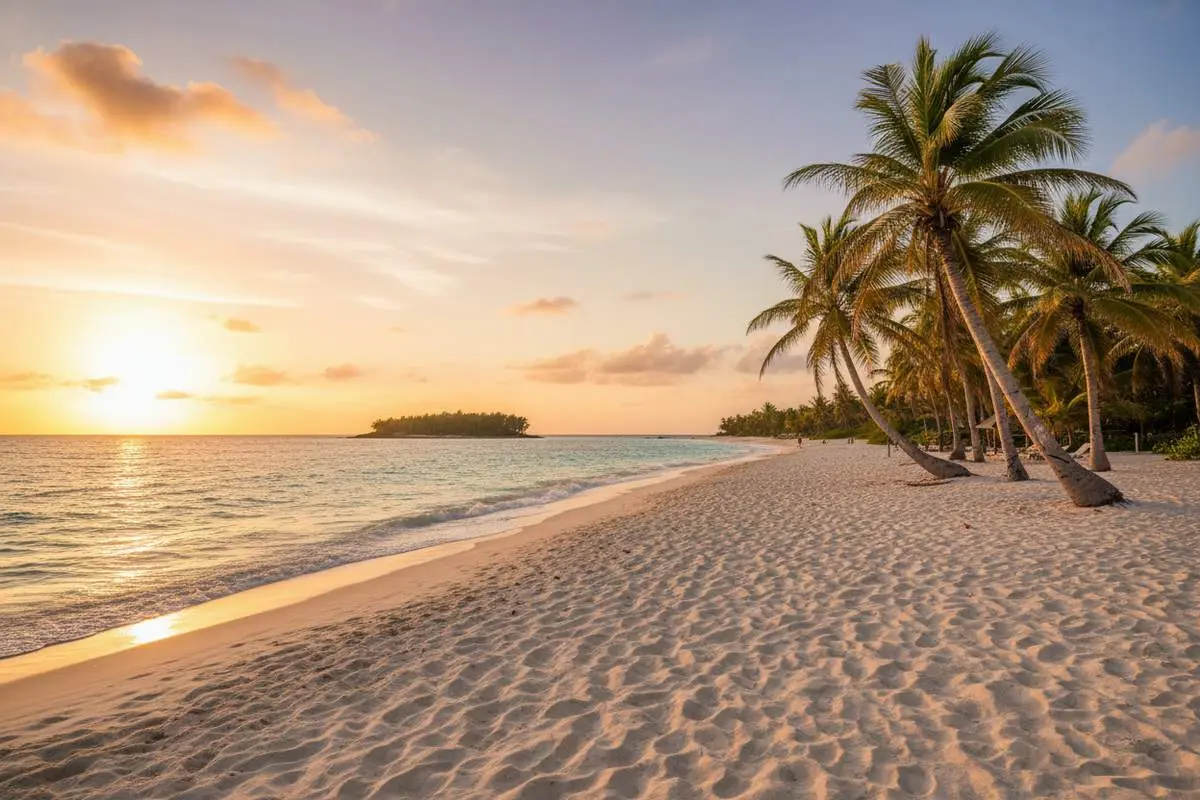
Campeche’s 425-kilometer Gulf Coast has barely been touched by tourism. No all-inclusive resorts, no jet ski vendors, no spring break crowds. What you get instead: fishing villages where yesterday’s catch becomes today’s lunch, warm Gulf waters so calm they feel like a swimming pool, and zero competition for beach space.
These aren’t postcard-turquoise Caribbean beaches. The Gulf waters run greenish-blue, the sand is tawny, and the infrastructure is basic. But the seafood is extraordinary, the sargassum problem that ruins Caribbean beaches from April–October doesn’t exist here, and the solitude is genuine.
For full trip context, see our Campeche travel guide.
Campeche Beaches at a Glance
| Beach | Distance from Capital | Best For | Facilities |
|---|---|---|---|
| Playa Bonita | 8 km | Quick dip, local vibe | Basic |
| Seybaplaya | 30 km | Swimming + seafood | Good |
| Champotón | 70 km | Shrimp, river estuary | Moderate |
| Sabancuy | 130 km | Solitude, birdwatching | Minimal |
| Isla Aguada | 160 km | Dolphins, calm lagoon | Basic |
| Ciudad del Carmen | 210 km | Best facilities, widest beach | Full |
| Xicalango | 170 km | History, birding | None |
| Hampolol | 25 km | Complete isolation | None |
| Seybaplaya Norte | 28 km | Emptier, wilder | None |
| Playa Caracol (Carmen) | 212 km | Palapas, services | Good |
| San Lorenzo Beach | 129 km | Tranquility | Moderate |
| Xpicob | 10 km | Bioluminescence | Rustic |
Playa Bonita: The City Beach (8 km)
The closest shore to Campeche City, Playa Bonita sits near the fishing community of Lerma — a 15-minute taxi ride from the historic center. Don’t come expecting paradise. This is a local beach: modest sand, a few palapa shelters, seafood vendors selling ceviche and cold beer.
Its value is pure convenience. On a free afternoon, it gives you Gulf water and a taste of everyday Campeche beach culture. Weekdays it’s nearly empty; weekends bring families from the city.
Getting there: Taxi from Campeche City center (~80–120 MXN). No direct colectivo.
Seybaplaya: Best for Day Trips (30 km)
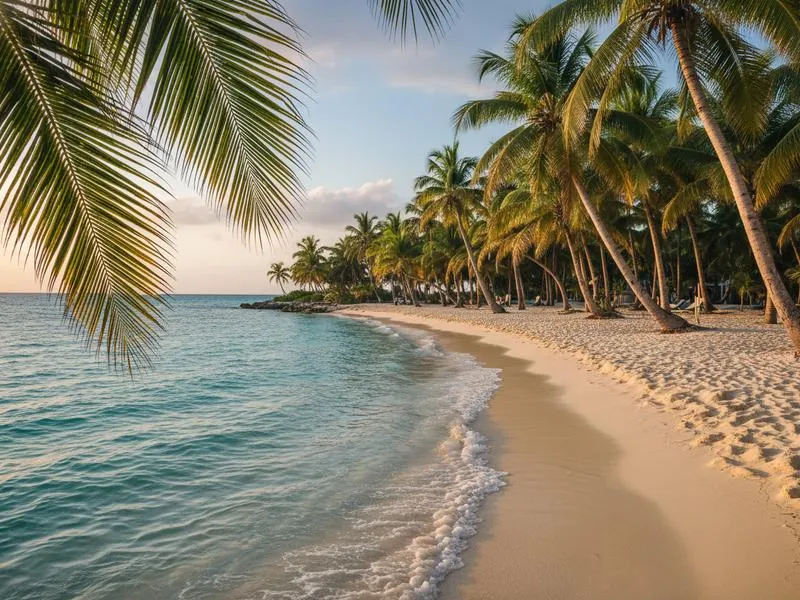
The most visited beach in the state — and still relaxed by any standard. Seybaplaya is a working fishing village where boats are pulled up on the sand and pelicans dive in the shallows. The waterfront is authentically scruffy. The seafood is exceptional.
Several beachfront restaurants serve the morning catch directly: pan de cazón (Campeche’s layered tortilla and shark stew), fresh shrimp cocktails, ceviche, and whole fried fish at prices significantly below city restaurants.
The swimming beach runs along the front of town. Water is calm and warm; the sand is brown. Nothing about it screams “photo opportunity.” Everything about it screams “actually relax.”
Getting there: Combis from Campeche City bus terminal throughout the day (~25 MXN). Taxi ~200 MXN. Rental car via RentCars gives you freedom to continue south.
Best time: Year-round. Weekday mornings for solitude.
Champotón: River Meets Gulf (70 km, 1.5 hrs)
Where the Champotón River flows into the Gulf of Mexico, creating a natural estuary rich in shrimp and wading birds. This is where Spanish conquistadors attempted to land in 1517 and were repelled — local pride in that defeat runs deep, commemorated with a small monument.
The beaches near Champotón are wider and less developed than those closer to the capital. The riverside area attracts herons, egrets, and roseate spoonbills. The town waterfront has several restaurants with one focus: shrimp, prepared every conceivable way — coconut-breaded, garlic butter, whole grilled, cocktail-style.
Getting there: ADO or second-class bus from Campeche City (~45 MXN, 1 hour). Rental car allows beach access beyond town.
Sabancuy: True Gulf Coast Isolation (130 km)
A long flat beach backed by extensive mangrove lagoons — Sabancuy is for travelers who genuinely want to be alone. Walk for an hour and you may not see another person. There are no beach chairs, no vendors, no facilities. Bring everything.
The surrounding mangroves support one of the most productive bird ecosystems on the Gulf Coast: herons, egrets, roseate spoonbills, and during winter months, significant numbers of North American migratory species. Local fishermen offer informal boat tours through the mangrove channels.
Getting there: Rental car only — no reliable public transport. About 2 hours from Campeche City.
What to bring: Water, food, sun protection. All of it.
Isla Aguada: Dolphins and a Pueblo Mágico (160 km)
Despite its name, Isla Aguada is a peninsula — a small Pueblo Mágico town on the eastern shore of the vast Laguna de Términos, connected by bridge. Colorful buildings, a pleasant boardwalk, a lighthouse, and consistently great dolphin sightings.
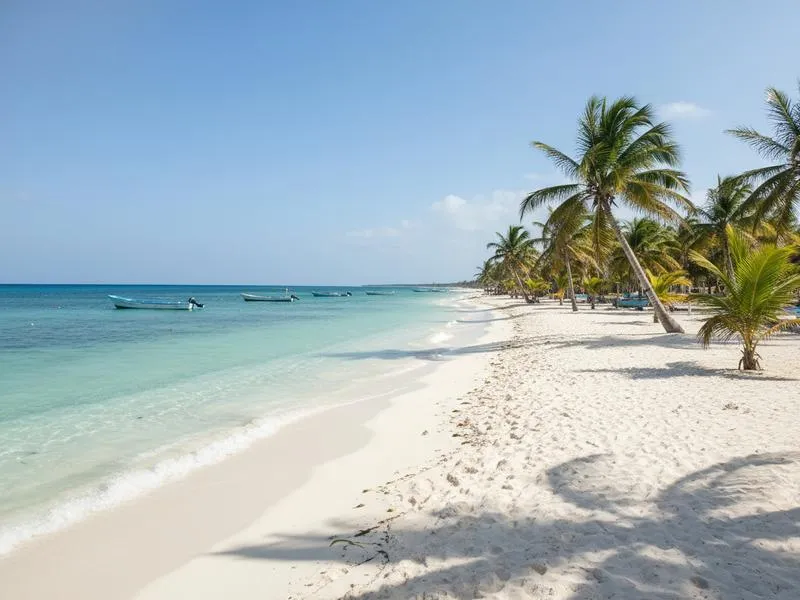
The beach here faces the calm lagoon, not the open Gulf. Water is exceptionally tranquil — better for children and non-swimmers than anywhere else on the coast. Bottlenose dolphins patrol the lagoon regularly; local fishermen run informal boat trips where sightings are nearly guaranteed.
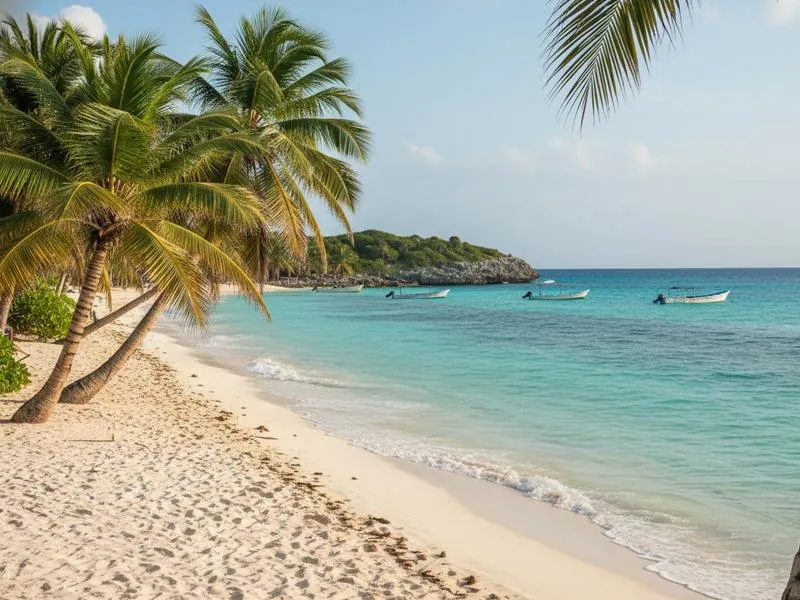
Laguna de Términos behind Isla Aguada is one of the most important wetland ecosystems in Mexico — 706,000 hectares of mangroves, lagoons, and coastal forests. It’s a critical habitat for manatees, crocodiles, sea turtles, and over 250 bird species.
Getting there: Second-class bus from Campeche City (2.5–3 hours, ~80 MXN) or rental car via Highway 180.
Stay overnight? A handful of simple guesthouses make Isla Aguada viable as a base for exploring the Laguna de Términos area.
Ciudad del Carmen: Most Facilities (210 km)
An island city connected by bridges, driven economically by the offshore oil industry. Ciudad del Carmen has the most developed beach infrastructure in Campeche state.
Playa Norte — the main beach — is a wide stretch on the Gulf side with calm water, palapa restaurants, and a relaxed local vibe. Playa Caracol has more services: palapas, food vendors, some water activities. The city itself has proper hotels, diverse restaurants, and a vibrant local scene that other Gulf towns lack.
Carmen also has one of the most dramatic carnival celebrations in the region (February), a strong Mayan heritage in surrounding towns, and access to the Laguna de Términos by boat.
Getting there: ADO bus from Campeche City (3–3.5 hours, ~200 MXN) or direct from Mexico City. Flights from CDMX to CME airport available.
Best used as: Overnight base for exploring western Campeche coast and Laguna de Términos.
Xicalango: History on the Beach (170 km)
One of the most historically significant spots on the coast — Xicalango was an important trading post in pre-Columbian times, where Aztec and Maya merchants exchanged goods. It’s also where Hernán Cortés received La Malinche (Doña Marina), his indigenous interpreter and advisor.
Today it’s a quiet coastal community near the Laguna de Términos with a small beach and significant birdwatching. Most travelers don’t know it exists. That’s exactly the point.
Xpicob: Bioluminescence (10km)
Xpicob offers a unique experience: from July to November, you can witness the magical phenomenon of bioluminescence in the water, caused by the movement of dinoflagellates. The beach also features a reef made of reef balls, supporting marine life.
One of the most historically significant spots on the coast — Xicalango was an important trading post in pre-Columbian times, where Aztec and Maya merchants exchanged goods. It’s also where Hernán Cortés received La Malinche (Doña Marina), his indigenous interpreter and advisor.
Today it’s a quiet coastal community near the Laguna de Términos with a small beach and significant birdwatching. Most travelers don’t know it exists. That’s exactly the point.
Ecotourism Opportunities
Campeche’s coastline is not only about beaches; it’s also a haven for ecotourism. The Laguna de Términos, near Isla Aguada, is one of Mexico’s most important wetland ecosystems, offering opportunities for birdwatching, manatee sightings, and exploring mangrove forests. Sabancuy is another great spot for birdwatching and enjoying the tranquility of the Gulf Coast.
The Sargassum Advantage
The single most compelling reason to consider Campeche beaches over the Caribbean coast: no sargassum.
The Gulf of Mexico’s circulation keeps the floating seaweed that devastates Caribbean beaches from April through October almost entirely away from Campeche. While tourists paying €200/night in Tulum wade through knee-deep brown algae, Campeche’s beaches run clear.
| Sargassum Situation | Gulf Coast (Campeche) | Caribbean Coast |
|---|---|---|
| Jan–Mar | Clear | Clear |
| Apr–Jun | Clear | Light to Heavy |
| Jul–Sep | Clear | Heavy |
| Oct–Dec | Clear | Light to Moderate |
If you’re visiting Mexico between April and October, this distinction matters enormously.
What Campeche Beaches Are Actually Like
Managing expectations:
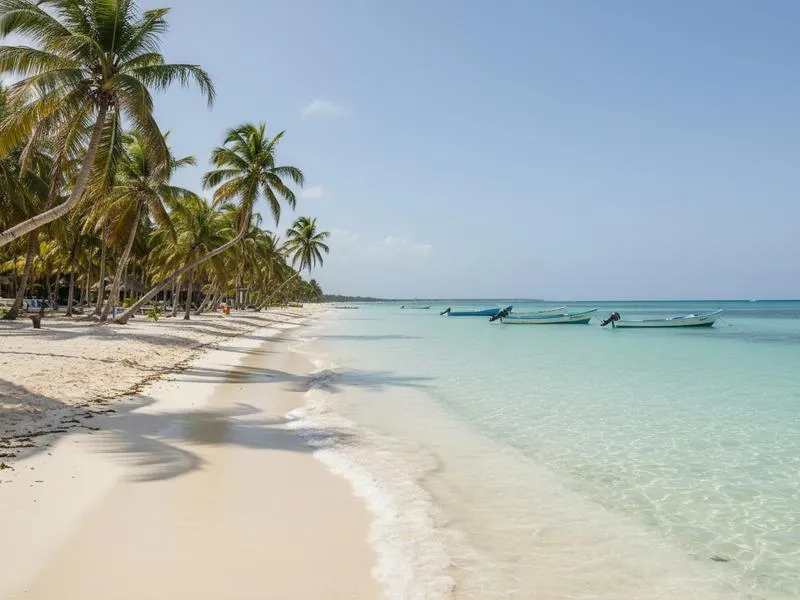
- Water color: Gulf waters are warm and greenish-blue — not transparent Caribbean turquoise. Visibility is lower due to the sandy, shallow bottom, not pollution.
- Sand: Tan to brown, clean, natural. Not Caribbean powder-white.
- Waves: Almost none. Gulf coast is remarkably calm — excellent for children, bad for surfing.
- Facilities: Basic at most beaches. Seybaplaya and Ciudad del Carmen have the most services. Elsewhere, bring your own everything.
- Seafood: This is where Campeche’s beaches genuinely win. Fresh fish and shrimp from boats that left the dock that morning, at prices that make Caribbean tourist traps look criminal.
- Wildlife: Sea turtles nest on Campeche’s beaches (olive ridley species); manatees inhabit the Laguna de Términos; dolphins frequent the coast year-round.
Best Time to Visit Campeche Beaches
| Month | Weather | Crowds | Swimming | Notes |
|---|---|---|---|---|
| Jan–Feb | Warm, dry | Very low | ✅ Excellent | Best weather, cheapest |
| Mar–Apr | Hot, dry | Low | ✅ Excellent | Warming up, still calm |
| May–Jun | Hot, occasional storms | Very low | ✅ Good | Occasional afternoon rain |
| Jul–Sep | Warm, daily afternoon storms | Minimal | ✅ Good (mornings) | Gulf stays sargassum-free |
| Oct–Nov | Warm, drying out | Low | ✅ Good | Storm season ending |
| Dec | Warm, dry | Low-Moderate | ✅ Excellent | Holiday period brings more locals |
Best months: November through April for consistent sunshine and beach access.
Getting Around Campeche’s Coast
Rental car is the best option for full coastal exploration. Highway 180 connects all major beach towns. Book via RentCars for competitive rates.
Public transport options:
- Combis from Campeche City bus terminal → Seybaplaya (~25 MXN)
- ADO buses → Champotón (~45 MXN), Ciudad del Carmen (~200 MXN)
- Second-class buses → Sabancuy area (slower, multiple stops)
No transport to: Hampolol, isolated northeast coast sections, or unmarked beach access points. These require a car.
For beaches combined with Campeche’s UNESCO historic city, Maya ruins, and the famous food scene: day trips from Campeche City and our Campeche food guide.