Campeche Food Guide 2026: Pan de Cazón, Gulf Seafood & 15 Must-Try Dishes
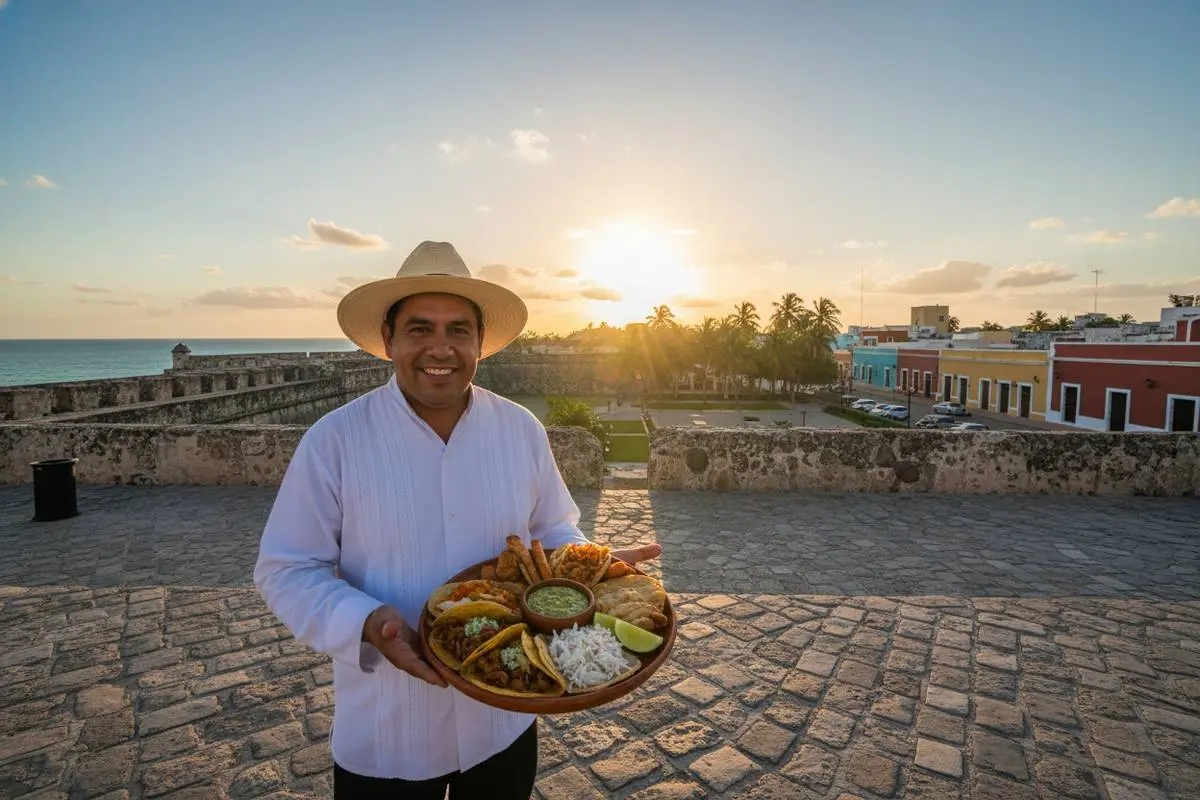
Campeche is a small Gulf state with one of Mexico’s most distinctive regional cuisines — and almost nobody outside Mexico knows it exists. While Oaxaca and Mexico City dominate food-focused travel, Campechanos quietly maintain a culinary tradition built on 500 years of Gulf fishing, Maya foundations, and colonial Spanish technique. The result: pan de cazón (layered shark and black beans), chilpachole de jaiba (crab soup rich with chiles), and camarones al coco (coconut shrimp fried to golden perfection) — all made with fish pulled from the water that same morning.
For overall trip planning, see the Campeche travel guide.
Campeche Dishes at a Glance
| Dish | What It Is | Best For | Price (MXN) |
|---|---|---|---|
| Pan de cazón | Layered shark + black beans + tortillas | Everyone — the essential dish | 120–200 |
| Camarones al coco | Coconut-fried Gulf shrimp | Seafood lovers | 150–280 |
| Chilpachole de jaiba | Crab soup with chiles and tomato | Soup, cool evenings | 90–160 |
| Pámpano en escabeche | Pompano in bitter orange sauce | Fish lovers | 140–250 |
| Pulpo en su tinta | Octopus in its own ink | Adventurous eaters | 150–280 |
| Cangrejos rellenos | Blue crab stuffed and baked | Special occasion | 160–300 |
| Cochinita pibil | Slow-roasted achiote pork | Sunday breakfast | 80–150 |
| Panuchos | Fried tortillas with black beans + toppings | Quick lunch | 15–35 each |
| Pibipollo | Giant ceremonial tamale | Day of Dead season only | 100–200 |
| Queso relleno | Dutch Edam stuffed with spiced pork | Colonial tradition | 150–250 |
| Empanadas de camarón | Shrimp-stuffed fried pastry | Street food | 20–40 each |
| Cazón a la naranja | Shark in bitter orange sauce | Lighter fish option | 120–200 |
| Frijol con puerco | Pork in black bean stew | Monday tradition | 70–120 |
| Lonches | Campeche pressed sandwiches | Fast lunch | 30–60 |
| Arroz con camarones | Saffron-tinted rice with shrimp | Side / light meal | 100–180 |
Signature Campeche Dishes
Pan de Cazón
If you eat one thing in Campeche, make it pan de cazón. This is the state’s defining dish — a layered construction that stacks corn tortillas with refried black beans and shredded cazón (dogfish shark), the whole thing bathed in a bright tomato sauce spiked with habanero. The name literally translates as “shark bread,” with “bread” referring to the tortillas rather than actual bread.
Dogfish shark has a mild, slightly sweet flavor closer to grouper than the strong taste most people associate with shark. The genius of pan de cazón is its textural interplay: soft tortilla, creamy beans, flaky fish, and smooth sauce combine into something greater than the sum of its parts. Every restaurant in Campeche serves its version, and comparing them across different kitchens is one of the great pleasures of eating here.
Where to try it: Any local restaurant in the walled city or Mercado Principal — it’s on every menu. Budget 120–200 MXN.
Camarones al Coco
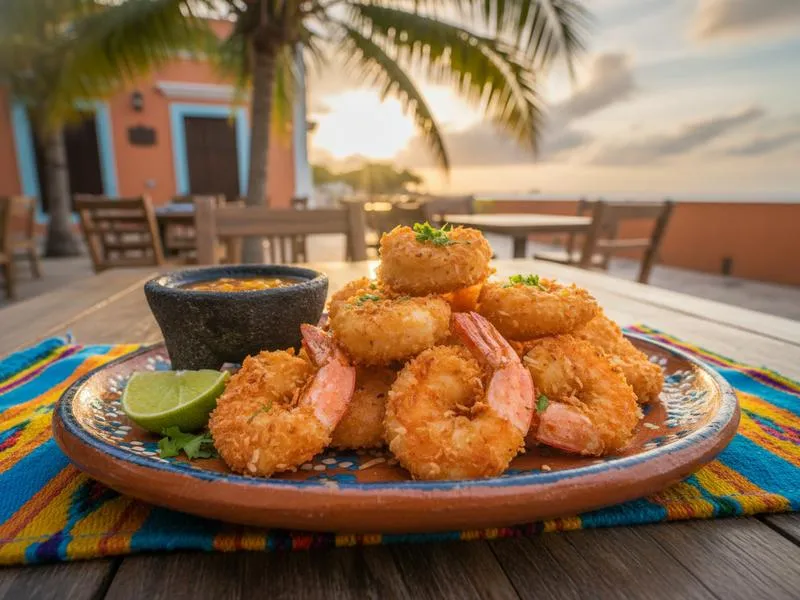
Coconut shrimp might sound like a chain restaurant cliché, but Campeche’s version exists in a different universe. Large Gulf shrimp are butterflied, coated in shredded coconut, and fried until the exterior shatters with a golden crunch while the interior stays sweet and tender. Served with a dipping sauce that balances sweet, sour, and spicy.
The dish reflects Caribbean influences on Campeche’s coast, where coconut palms line the beaches and coconut appears in multiple preparations. Made with shrimp that were swimming in the Gulf that morning, the difference from mass-produced versions is dramatic.
Chilpachole de Jaiba
Chilpachole de jaiba is Campeche’s answer to the classic question of what to do with the Gulf’s abundant blue crabs. This rich, chile-based soup combines crab (sometimes shrimp) with a base of dried chiles — guajillo, ancho, or mulato — tomatoes, onions, and epazote. The result is deeply savory with a slow heat that builds over several spoonfuls.
Chilpachole originated in Veracruz (where it uses river crab), but the Campeche version evolved with Gulf blue crab and a slightly different chile combination. It’s the dish Campechanos turn to on cooler evenings and the one dish most visitors never realize they’re missing because it doesn’t appear on tourist menus. Ask for it specifically. See our full chilpachole guide for history and preparation.
Pámpano en Escabeche
Pompano in escabeche is a colonial-era preparation that has become quintessentially Campechano. The firm, flavorful pompano is fried or grilled, then bathed in an escabeche of bitter orange juice, onion, oregano, black pepper, and cumin. The acid “cooks” the aromatics into a sauce that is simultaneously tangy, aromatic, and deeply savory.
Originally a preservation technique before refrigeration, escabeche evolved into a beloved preparation that enhances rather than masks the fish’s natural flavor. Served at room temperature or slightly warm, it’s particularly refreshing in Campeche’s Gulf heat. Bitter orange (naranja agria) is central to the Yucatan Peninsula’s cooking — you’ll find it across the Yucatan Peninsula’s culinary traditions.
Pulpo en Su Tinta
Octopus in its ink reveals Campeche’s Spanish colonial culinary heritage. Fresh Gulf octopus is slow-cooked until tender, then finished in a dark sauce incorporating the octopus’s own ink along with tomatoes, onions, and spices. The result is dramatically black, richly flavored, and texturally perfect when properly prepared — the octopus tender enough to cut with a fork.
Order this only in restaurants that explicitly note fresh octopus. The color and flavor of the ink sauce distinguishes real versions from shortcuts using prepared squid ink.
Cangrejos Rellenos
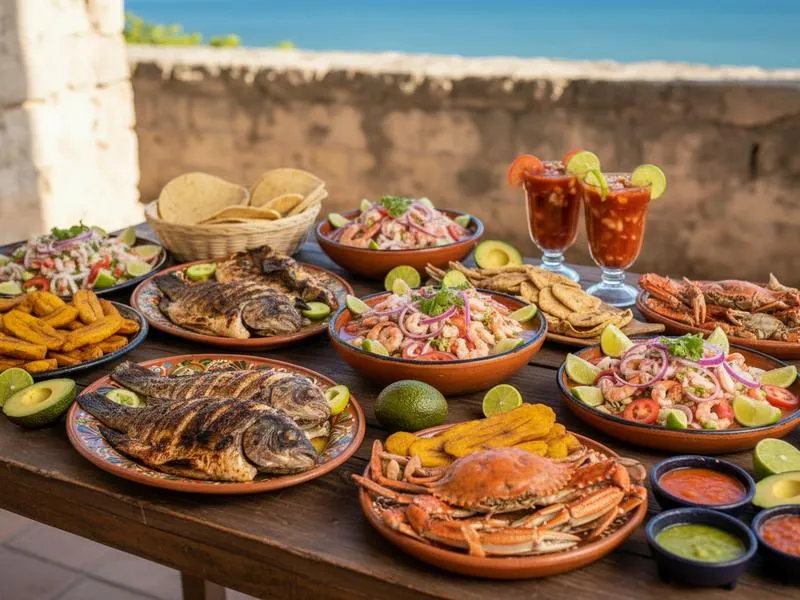
Stuffed crab showcases Gulf blue crab in an elaborate preparation: the crabmeat is mixed with tomato, onion, chiles, and spices, then packed back into the shell and baked or fried. These appear as both appetizer and main course. In the best versions, the ratio of crabmeat to filler is generous, the seasoning delicate enough to let the crab shine.
Yucatecan Staples in Campeche Style
Campeche shares the broader Yucatecan food tradition but adds local variations that distinguish its versions from those in Mérida or Valladolid.
Cochinita Pibil
The famous slow-roasted pork in achiote and bitter orange appears throughout Campeche, often prepared in the traditional earth pit (pib) method. Campeche’s version tends toward subtler achiote and is typically served on Sunday mornings with pickled onions, habanero salsa, and warm tortillas. Market breakfast stalls begin serving around 7 AM and sell out by noon.
Panuchos and Salbutes
These Yucatecan antojitos are everywhere in Campeche. Panuchos — fried tortillas stuffed with black beans and topped with shredded turkey or chicken, pickled onion, avocado, and tomato — make an excellent fast lunch at 15–30 MXN each. Salbutes puff up when fried, creating a lighter, crunchier base. Campeche versions often feature seafood toppings alongside traditional poultry. Both appear at market stalls and dedicated panuqueras throughout the city.
Queso Relleno
Stuffed Edam cheese (queso relleno) is a dish that captures everything fascinating about Yucatecan-Campechano food history. A whole Dutch Edam cheese ball is hollowed out and packed with a spiced mixture of ground pork, olives, capers, raisins, and chiles — a collision of Old World ingredients. The stuffed cheese is then steamed or baked until the exterior softens and the filling is cooked through, served in a rich tomato sauce. It’s a production — restaurants typically need advance notice to prepare it — but worth seeking for its singular combination of flavors.
Frijol con Puerco
Campeche’s Monday lunch tradition: pork pieces slow-cooked in black beans, served with white rice, shredded cabbage, diced radish, chopped cilantro, and lime. Every household and market lunch counter in Campeche serves frijol con puerco on Mondays specifically — it’s a weekly ritual. Visit a market at 1 PM on Monday and you’ll be eating what every Campechano family is eating.
Pibipollo (Mucbipollo)
This massive ceremonial tamale is the centerpiece of Hanal Pixán, Campeche’s Day of the Dead (October 31–November 2). A large corn dough shell filled with chicken or pork in rich achiote sauce, wrapped in banana leaves, cooked underground in the pib earth oven. Families prepare pibipollos together — sharing one is deeply communal. If you visit during Hanal Pixán, this is the one dish that cannot be missed. The Day of the Dead in Campeche is one of Mexico’s most authentic and least-commercialized celebrations.
Street Food and Quick Bites
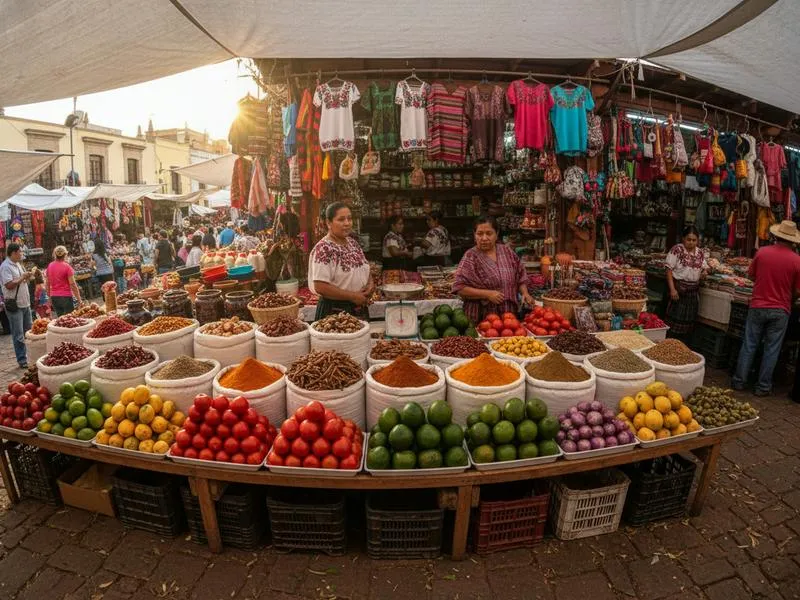
Empanadas de camarón: Shrimp-stuffed fried pastries sold from carts and market stalls — crispy, flavorful, and 20–40 MXN each. Usually made with a corn masa pastry rather than wheat.
Lonches: Campeche’s version of pressed sandwiches, stuffed with roasted meats, cheese, and avocado. Not to be confused with lonches in other parts of Mexico — the Campeche version has its own character.
Tamales de elote: Sweet corn tamales made with fresh corn rather than dried masa, wrapped in corn husks. Sold at morning markets and street stalls, especially on weekends.
Marquesitas: Shared across the Yucatán Peninsula, these thin crispy crepes filled with Edam cheese (queso de bola) and sweet toppings — Nutella, cajeta, condensed milk — appear every evening around the central plaza. Street vendors prepare them on round griddles as you watch.
Elotes and esquites: Grilled corn on the cob and corn kernels in a cup with mayo, chile powder, lime, and cheese. The Gulf heat makes these particularly satisfying at 7 PM when the breeze finally picks up.
Drinks and Sweets
Horchata de coco: While horchata elsewhere is made from rice, Campeche’s version incorporates coconut — richer, creamier, distinctly tropical. Served ice-cold from market stalls. Try it alongside pan de cazón for the classic Campechano lunch combination.
Agua de chaya: A refreshing drink from chaya leaves (tree spinach), a plant central to Maya nutrition for millennia. Typically sweetened with lime and sugar — surprisingly pleasant, nutrient-dense.
Pozol: A thick, cold drink of fermented corn and cacao, with Maya origins. Savory-sweet and deeply filling. Poured from large containers at market stalls. See our guide to pozol and other traditional Mexican drinks.
Dulce de papaya verde: Green papaya cooked in spiced sugar syrup until candied, often served with aged cheese. A beloved Campeche sweet found in markets and traditional restaurants.
Dulces de pepita: Pumpkin seed sweets in various forms — pastes, clusters, candied bites — reflecting the Maya culinary heritage where pepitas (pumpkin seeds) were a protein staple.
Where to Eat in Campeche
By Budget
| Budget | Option | Cost Per Meal |
|---|---|---|
| 🟢 Budget | Mercado Principal comida corrida | 70–120 MXN ($3.50–6 USD) |
| 🟡 Mid-range | Calle 59 and plaza restaurants | 150–280 MXN ($7.50–14 USD) |
| 🔴 Splurge | Colonial courtyard fine dining | 300–600 MXN ($15–30 USD) |
| 🏖️ Beachfront | Seybaplaya palapa restaurants | 150–350 MXN ($7.50–18 USD) |
Mercado Principal (Mercado Pedro Sainz de Baranda)
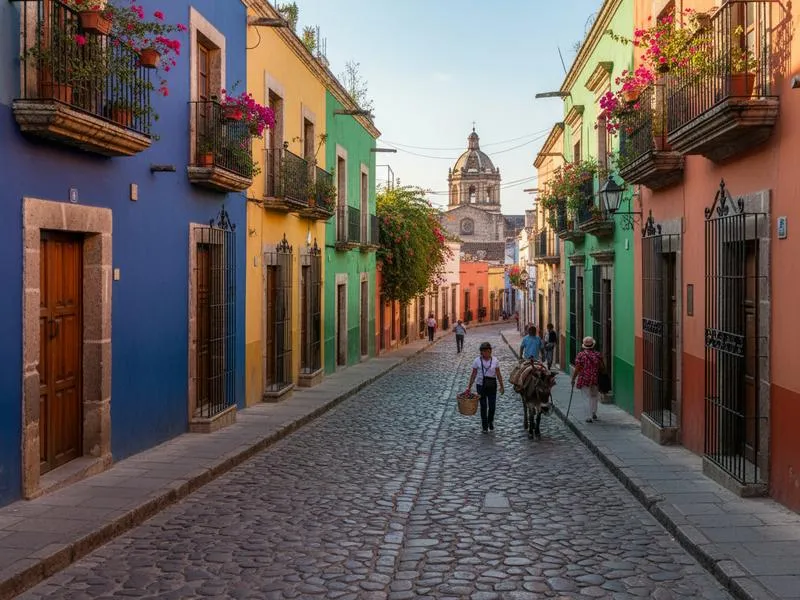
The best place for authentic, affordable Campeche food. Morning stalls begin at 6 AM with tamales, panuchos, fresh juices, and pan de cazón. Lunch counters serve comida corrida — soup, main dish (fish or meat), rice, beans, tortillas, and a drink — for 70–120 MXN. This is where Campechanos eat on weekdays. The food quality reflects that discerning local audience.
Best for: Breakfasts (7–10 AM), weekday lunches (1–3 PM), Monday frijol con puerco.
Walled City Restaurants
The historic center contains dozens of restaurants from simple loncherías to refined dining in restored colonial buildings. Calle 59 and streets around the central plaza offer the highest concentration. Look for daily specials based on the morning catch — this indicates fresh, market-driven cooking rather than frozen protein.
Best for: Dinner, special occasions, sitting in a beautiful colonial courtyard.
Seybaplaya: Best Beachfront Seafood
For the ultimate Campeche seafood experience, drive 30 minutes south to Seybaplaya. Beachfront palapa restaurants serve fish and shrimp pulled from the water hours before it reaches your plate. Prices are 20–30% lower than the capital. Fresh ceviche with your feet in the sand is hard to beat.
Best for: Long leisurely seafood lunches, groups, visiting alongside a beach day.
Seasonal Specialties
| Season | Specialty | When |
|---|---|---|
| October–November | Pibipollo (Hanal Pixán) | Day of the Dead season |
| February | Carnival street food (special sweets + tamales) | 3 days before Ash Wednesday |
| Year-round | Pan de cazón, camarones al coco | Any time |
| May–August | Blue crab season peak | Best cangrejos rellenos |
| December–February | Lobster season | Best langosta prices |
| Sundays | Cochinita pibil | Morning breakfast only |
| Mondays | Frijol con puerco | Lunch (1–3 PM) |
What to Bring Home from Campeche
The Mercado Principal is also the place to purchase Campeche food products:
| Product | What to Know | Price Range |
|---|---|---|
| Habanero sauces | Locally made, hotter than commercial brands | 40–120 MXN |
| Dried shrimp | Gulf-caught, used in soups and salsas | 80–200 MXN/kg |
| Achiote paste | Essential for cochinita pibil at home | 30–80 MXN |
| Melipona honey | Native stingless bee honey — rare, distinctive flavor | 200–500 MXN |
| European bee honey | Campeche produces excellent quality | 80–200 MXN |
| Queso de bola | Dutch Edam — central to Yucatecan cooking | 150–300 MXN |
| Dulce de papaya | Candied green papaya | 50–120 MXN |
| Pepita paste | Pumpkin seed paste for moles | 60–150 MXN |
Note: Honey is the best souvenir value. Campeche is one of Mexico’s major honey-producing states, and Melipona honey (from native stingless bees) is genuinely rare and worth paying for. Prices at the Mercado are far below what you’d pay for the same quality elsewhere.
Food Festivals in Campeche
Hanal Pixán (October 31–November 2): Campeche’s Day of the Dead celebration centers on food, with pibipollo preparation being the defining communal activity. Markets overflow with seasonal specialties and the city fills with the scent of achiote and banana leaf from earth-pit cooking across the city.
Carnival (February): Famous as one of Mexico’s most elaborate carnivals, Campeche’s celebration features traditional foods alongside the parades and music. Street food vendors multiply; special Carnival-season sweets and antojitos appear. See what’s happening when you visit in Campeche’s full events calendar.
Festival del Mar: This seafood festival celebrates the Gulf catch with cooking demonstrations, tastings, and competitions. Dates vary annually — check local tourism listings.
Planning Your Food Day in Campeche
Morning (7–10 AM): Mercado Principal — tamales, panuchos, fresh juices, cochinita pibil (Sunday only). Budget 50–100 MXN.
Lunch (1–3 PM): Pan de cazón at a Calle 59 restaurant OR comida corrida at the market. Budget 120–200 MXN. This is the main meal of the day in Campeche.
Afternoon: Marquesita cart at the central plaza (evening). Aguas frescas or coconut horchata from market stalls.
Dinner: Light by Mexican standards — torta, tacos, or leftover antojitos from street carts around the plaza. Budget 60–120 MXN.
Day trip option: Seybaplaya for a long beachfront seafood lunch (1–4 PM) — combines with a beach afternoon for 200–350 MXN all-in.
For restaurant recommendations on specific streets, see the Campeche city walking guide. For the full trip including where to stay and what else to see, the Campeche travel guide covers everything. Day trips from Campeche can extend your food exploration to Isla Aguada for fried fish at the water’s edge.
Ricardo Sanchez is a Mexican travel writer who covers his home country’s food, culture, and destinations for an international audience.