Best Time to Visit Yucatan: Weather, Beaches, and Ruins by Month (2026)
If you want the short version, the best time to visit Yucatan is November to February for the easiest mix of dry weather, lower humidity, walkable ruins, and reliable beach conditions. November is the strongest value month. February is the best all-around month for weather and festivals. June to September is worth it only if whale sharks, turtles, and low prices matter more than rain and sargassum.
The question “when is the best time to visit Yucatan?” has no single answer, because “Yucatan” usually gets used for two different trips.
The Yucatan state (Mérida, Uxmal, Celestún, Valladolid, Izamal) is a Gulf of Mexico destination: flat, hot, culturally rich, with zero sargassum on its beaches and a festival calendar that rivals any city in Mexico. The Caribbean coast (Cancún, Riviera Maya, Tulum, Holbox) is a different world: white sand beaches, turquoise water, resort infrastructure, and seasonal sargassum from May through October.
Most competing guides blur those together. That is the main planning mistake to avoid, and it is why the timing advice for one side does not fully work for the other.
Quick Answer: Best Time to Visit Yucatan
Best overall (both coasts): November–February, for dry season weather, manageable heat, clear cenotes, and easier ruins days
Best shoulder-season value: November, for lower prices than December to February with similarly good weather
Best for wildlife: June–September, for whale sharks at Holbox, sea turtle nesting, and peak flamingo numbers
Best for Mérida + ruins: October–March, when Chichén Itzá, Uxmal, and Valladolid are actually comfortable to visit
Best budget: June–August, especially on the Caribbean coast, where prices can drop 30 to 50%
Avoid for Caribbean beaches: May–October for sargassum risk, and especially September–October for storm risk
Chichén Itzá equinox: March 20–21 and September 21–22, but book months ahead and expect very heavy crowds
30-Second Answer
| If you want… | Best time to go |
|---|---|
| The easiest first trip | November or February |
| Clear Caribbean beaches | December to April |
| Mérida, Valladolid, and ruins | November to March |
| Whale sharks and turtles | June to August |
| Flamingos + decent weather | April |
| Lowest hotel prices | June to September |
| To avoid brutal heat | Skip May |
| To avoid the worst storm risk | Skip September |
The Two Yucatans: A Critical Distinction
Most travel guides write about “Yucatan” and describe Cancún. This is the source of most timing confusion.
| Gulf Coast (Yucatan State) | Caribbean Coast (Quintana Roo) | |
|---|---|---|
| Main cities | Mérida, Progreso, Valladolid, Celestún | Cancún, Playa del Carmen, Tulum, Holbox |
| Water | Gulf of Mexico — calm, murky green | Caribbean — turquoise, clear |
| Sargassum | None | May–October risk |
| Peak season | December–March | December–April |
| Summer heat | 40–47°C — extreme | 33–38°C — hot but livable |
| Hurricane risk | Lower (Gulf protects) | Higher (Caribbean exposure) |
| Budget | Affordable year-round | 30–50% premium Dec–Apr |
| Best for | Ruins, culture, flamingos | Beaches, cenotes, diving |
Most first-time visitors head to the Caribbean coast. Returning visitors discover the Gulf coast — particularly Mérida, which is increasingly considered one of the best cities in Mexico to live in.
Month-by-Month Guide
| Month | Mérida/Gulf Coast | Caribbean/Cancún | Wildlife | Budget |
|---|---|---|---|---|
| January | Dry, 24–31°C, frente frío possible | Dry, 24–28°C, some norte winds | Bird migration peak | 🔴 Peak (Caribbean) |
| February | Dry, 25–32°C, Carnaval | Dry, 25–29°C | Flamingos (lighter colors) | 🔴 Peak (Caribbean) |
| March | Hot & dry, 27–35°C | Hot & dry, 27–31°C | Equinox at Chichén Itzá | 🔴 Peak → Mid |
| April | Very hot, 30–38°C | Hot, 28–32°C | Flamingo season starts | 🟡 Mid |
| May | Extremely hot, 33–42°C | Hot, first rains, 29–33°C | Sea turtle nesting starts | 🟡 Mid → Low |
| June | Hot with rains, 32–38°C | Rainy, 30–35°C | Whale sharks arrive at Holbox | 💚 Low |
| July | Rainy, 31–37°C | Rainy, 30–35°C | Peak whale sharks, turtle nesting | 💚 Lowest |
| August | Rainy, 31–37°C | Rainy/storms, 30–35°C | Whale sharks, turtle hatching | 💚 Low |
| September | Rainy, storm risk, 30–35°C | Hurricane season peak | Flamingos at peak, turtle nesting ends | 💚 Low / risky |
| October | Rain easing, 29–34°C | Drying out, 28–32°C | Whale sharks leave, bird migration | 💚 Low |
| November | Dry starts, 26–31°C | Dry, 25–30°C | Bird migration continues | 🟡 Mid |
| December | Dry, 23–30°C | Dry, 22–28°C, busy | Flamingos visible, bird migration | 🔴 Peak |
Dry Season (November–April): Peak Tourism
November and December: The Sweet Spot Begins
November is when the Yucatan transforms. The rainy season ends, humidity drops, and the skies turn that saturated deep blue that defines the region. Temperatures settle into the 26–31°C range in Mérida — warm enough for the beach, cool enough to walk Uxmal or Chichén Itzá without suffering.
It’s also the season for Hanal Pixán, the Yucatec Mayan version of Day of the Dead (November 1–2). Different from the rest of Mexico — offerings include Mayan foods like mucbipollos (pit-baked tamales), balché (ceremonial beverage), and chocolate. Families build ofrendas in their homes and at cemeteries; the atmosphere in Mérida’s San Juan neighborhood is particularly moving.
December brings the highest crowds and prices on the Caribbean coast. Cancún, Riviera Maya, and Tulum are at full occupancy the week between Christmas and New Year’s. Mérida is busy but not overwhelmed — the city fills with Mexican families during the holiday, which gives you a more authentic festive experience than resort-town December.
Norte winds (frentes fríos): November through February, cold fronts from the United States occasionally sweep down the Gulf of Mexico, bringing cooler temperatures (18–24°C), overcast skies, and rough seas on the Gulf coast. These “nortes” typically last 2–4 days. Beach days at Progreso can be cancelled; Mérida itself stays pleasant. If a norte arrives during your Caribbean stay, cenotes and inland ruins become the plan.
January and February: Best Conditions, Highest Prices
The Yucatan’s prime tourist months. Temperatures are at their most comfortable: 24–31°C in Mérida, 24–28°C on the Caribbean coast. Rain is minimal. Chichén Itzá, Uxmal, and every colonial city in the state are at their most walkable.
February earns particular mention: Carnaval Mérida (typically the week before Ash Wednesday) is one of the best street festivals in Mexico. Unlike Carnaval in Veracruz or Rio, Mérida’s Carnaval centers on traditional Yucatecan music — the Vaquería jarana dance, trova yucateca, and colorful costume parades through the historic center. Far fewer foreign tourists attend than for other Yucatecan events, making it an authentic cultural experience.
The downside: Caribbean coast hotels in January–February are at peak pricing. A hotel room in Playa del Carmen or Tulum can cost 40–60% more than the same room in June–August.
March and April: Still Good, Getting Hot
March is spring break territory. The Caribbean coast fills with US college students and family travelers from mid-March through the first week of April. If you’re going to Cancún for beach relaxation, expect crowds, higher prices, and some rough nights near Zona Hotelera.
March is also the month of Chichén Itzá’s spring equinox (more on this below).
April is when Yucatan heat becomes a serious consideration. Mérida can hit 38–40°C in April. Uxmal, an open-air site with little shade, becomes genuinely dangerous after 10 AM. The smart move: visit ruins at 8 AM when they open, be inside or in a cenote by noon. The Caribbean coast is more manageable thanks to sea breezes, but still hot.
One underrated April highlight: flamingo season begins at Celestún. The breeding season kicks in, flocks swell, and the pink color intensifies. April gives you flamingos plus acceptable (if hot) beach weather before sargassum arrives in May.
Rainy Season (May–October): Wildlife, Budget, and Genuine Heat
May: The Difficult Month
May is the most consistently uncomfortable month across the Yucatan. The rains haven’t arrived yet to cool things down, but the heat has built to its peak. Temperatures in Mérida regularly exceed 40°C; in May 2024, the city recorded 47°C (116°F) — a record that forced the cancellation of outdoor events.
At these temperatures, archaeological sites are genuinely inaccessible after 9 AM. Your Yucatan itinerary shifts entirely: morning ruins at 7–8 AM, then cenotes for midday, then colonial buildings and museums for late afternoon when shade is available.
Sea turtle nesting begins on the Caribbean coast in May.
June–September: Whale Sharks, Turtles, and Budget Prices
This is the season most visitors skip — and the reason the Caribbean coast drops to its lowest prices of the year (30–50% below December–April rates).
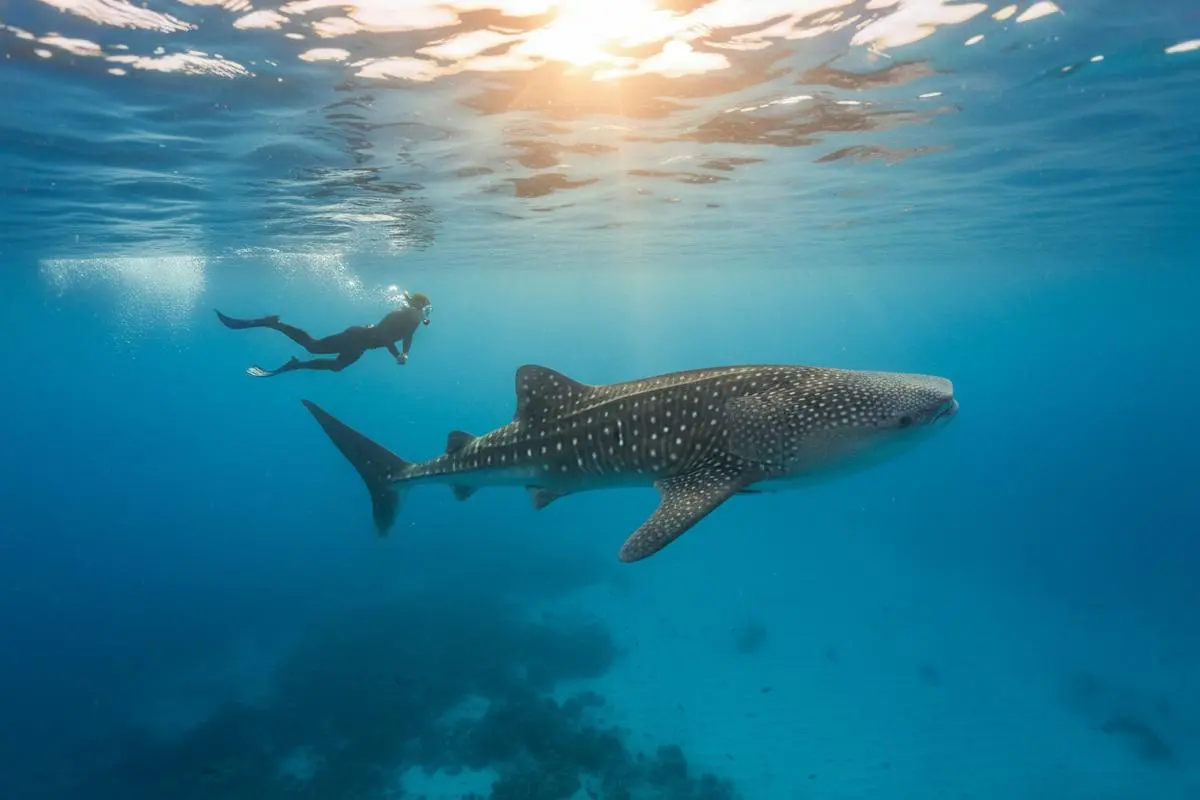
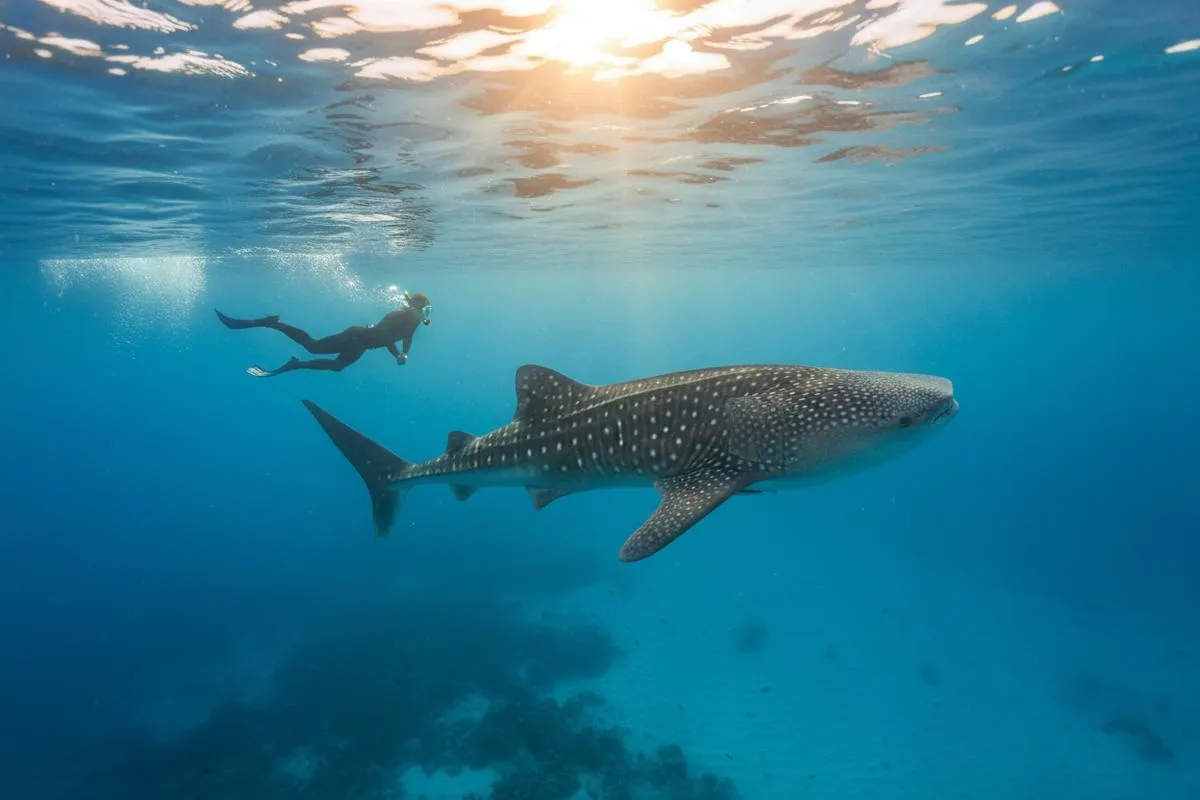
Whale sharks at Holbox and Isla Mujeres: From June 1 through September 15, the largest aggregation of whale sharks in the world gathers in the waters north of the Yucatan Peninsula. Up to 800+ whale sharks in a single area. Whale watching tours from Holbox or Isla Mujeres offer snorkeling alongside them — an experience available nowhere else at this scale. July and August are peak season; book tours 2–4 weeks ahead.
Sea turtle nesting and hatching: Leatherback, loggerhead, and green sea turtles nest on Caribbean beaches from May through October. July and August are hatching months — at some beaches, you can join guided nesting patrols or watch hatchlings reach the sea.
Flamingos at their peak: July and August are peak flamingo months at Celestún and Río Lagartos. Flocks of 30,000–40,000 birds, at their most intensely pink. Boat tours from Celestún run year-round; July–September offers the largest concentrations.
Rain pattern reality: Rain falls primarily in the afternoon and evening (2–7 PM), leaving mornings clear. Cenotes, which are cool regardless of weather, become particularly appealing in the heat. Open cenotes (like Ik Kil) can have slightly reduced water clarity from surface runoff; cavern cenotes (like Dos Ojos or Suytun) maintain excellent visibility year-round.
Sargassum on the Caribbean coast: Sargassum seaweed washes onto Caribbean beaches primarily from May through October, peaking in June–August. The worst years were 2019–2022; conditions have improved since. The Gulf of Mexico coast — Progreso, Sisal, El Cuyo — receives essentially no sargassum and offers clean swimming year-round.
September and October: Hurricane Risk, Great Prices, Stunning Light
September is statistically the most active hurricane month in the Caribbean. The Yucatan Peninsula has been hit by major hurricanes — Wilma (2005), Odile (2014), Delta (2020) — though many seasons pass without a direct strike. If you travel in September or October, buy comprehensive travel insurance that covers hurricane cancellations. Monitor NOAA forecasts in the 2-week window before your trip.
October is when the Yucatan begins to exhale. Rains ease, humidity drops, temperatures fall from their summer peak. By late October, you’re seeing the first signs of the pleasant dry season. The Festival Internacional de la Cultura Maya (FICMAYA) in Mérida runs through October — a month-long program of indigenous art, music, and cultural events at venues across the city.
The water clarity in Caribbean cenotes starts improving in October as the rainy season ends and sediment clears.
Wildlife Calendar
| Species | Best Months | Location | What to Know |
|---|---|---|---|
| Whale sharks | June–September | Holbox, Isla Mujeres | Peak July–Aug; book tours 2–4 weeks ahead |
| Flamingos | April–August (peak) | Celestún, Río Lagartos | Year-round but fewer + paler Dec–Mar |
| Sea turtles (nesting) | May–October | Caribbean beaches | Akumal beach has green turtles year-round for snorkelers |
| Sea turtle hatching | July–October | Caribbean beaches | Night programs available via tour operators |
| Manatees | Year-round | Laguna Bacalar | Best visibility in dry season (Nov–Apr) |
| Bird migration | October–March | Celestún, Río Lagartos | 400+ migratory species pass through; birding peak Nov–Jan |
| Howler monkeys | Year-round | Calakmul, Sian Ka’an | Easier spotting in dry season (Nov–Apr) when leaves drop |
| Bull sharks | Year-round | Playa del Carmen | Dive season strongest Nov–Mar (visibility best) |
Cenote Water Clarity: The Guide Nobody Writes
Cenotes are fed by underground rivers. Their water clarity varies by season in ways that matter if cenote swimming is a priority.
Dry season (November–April): Water is at its clearest. No surface rainfall means no sediment or tannins washing in from the jungle floor. Visibility in open cenotes can reach 30–50 meters. The water is a vivid turquoise or blue. This is when cenote photos look like photographs.
Rainy season (June–October): Open cenotes (surface-exposed) can become murky from surface water runoff carrying sediment and organic matter from the jungle. The effect is worse in June–July and improves by September. Water is still clean and safe to swim in — just with reduced visibility.
Cavern cenotes (underground): Largely unaffected by seasonal runoff because they’re sealed from the surface. Cenote Dos Ojos, Cenote Suytun, Cenote Ox-man, and Cenote Saamal maintain excellent visibility year-round. These are the ones to prioritize if visiting in summer.
Valladolid cenotes: Valladolid’s cenotes (Cenote Suytun, Cenote Zaci, Cenote Samulá) sit in semi-enclosed structures and are consistently clear year-round. For trip planning from this base, see the Valladolid travel guide — it covers the full cenote circuit, colonial city, and Chichen Itzá logistics in one place.
Chichén Itzá Equinox: What Nobody Tells You
Twice a year — March 20–21 (spring equinox) and September 21–22 (autumn equinox) — the shadow of a feathered serpent descends the northern staircase of El Castillo pyramid at Chichén Itzá.
As the sun moves across the sky from about 3 PM to sunset, the triangular shadows from the stepped pyramid create the illusion of a serpent body connecting to the stone serpent head at the base of the staircase. It lasts about 2 hours.
The reality: The equinox effect is spectacular, but it comes with an extreme crowd penalty. 50,000+ visitors over equinox weekend. The site opens at 8 AM; by 10 AM it’s at maximum capacity. Security closes the entrance while crowds build.
If you want to witness the equinox:
- Book accommodation in Valladolid or Mérida 4–6 months ahead
- Arrive at Chichén Itzá at opening (8 AM) and position yourself near El Castillo before noon
- The serpent shadow builds gradually from about 3 PM — stay for the full effect
- Bring water, sun protection, and a hat — there is almost no shade near El Castillo
If you don’t want the crowds: Avoid the 5-day window around each equinox. The pyramid is equally impressive on any other day.
Note: The serpent shadow is visible for a few days on either side of the equinox, not just the exact date. If you can’t book equinox week, the days immediately before or after have the same effect with 20–30% fewer visitors. For full logistics — entry fees, arrival times, what to bring, and where to stay — see our complete Chichen Itza guide.
Mérida Festival Calendar
Mérida is the most festival-dense city in the Yucatan. Events here are often tied to Mayan traditions, Spanish colonial heritage, or both — and none require tickets to participate.
| Month | Festival | Notes |
|---|---|---|
| January | Noche de las Estrellas | Astronomy festival, free events at UADY |
| February | Carnaval Mérida | Vaquería dancing, jarana, trova music — best authentic Carnaval in Yucatan |
| March 20–21 | Spring Equinox | Chichén Itzá serpent shadow, 50,000 visitors |
| March–April | Noche Mexicana | Every Sunday on Paseo de Montejo (free, year-round) |
| April | Festival de las Artes | Visual arts, theater, music at Teatro Peón Contreras |
| June | Corpus Christi | Religious processions with giant puppets (gigantes) |
| July–August | Orquesta Sinfónica | Open-air concerts in Plaza Grande |
| October | FICMAYA | Festival Internacional de la Cultura Maya — month-long program |
| November 1–2 | Hanal Pixán | Yucatec Mayan Day of the Dead — mucbipollos, balché, family ofrendas |
| September 21–22 | Autumn Equinox | Chichén Itzá serpent shadow (again) |
| December | Navidad | Christmas posadas, Misa de Gallo (midnight Mass), holiday markets |
Budget Guide: Gulf Coast vs Caribbean Coast
| Season | Mérida (Gulf) | Cancún/Tulum (Caribbean) |
|---|---|---|
| Peak (Dec–Apr) | Moderate — $50–80/day | High — $100–200/day+ |
| Mid (May, Oct–Nov) | Low — $40–65/day | Medium — $70–130/day |
| Low (Jun–Sep) | Low — $40–60/day | Budget — $50–90/day |
Key insight: Mérida is affordable year-round. The Gulf coast price premium is minimal between seasons because it’s not dominated by resort infrastructure. The budget savings from visiting the Caribbean coast in low season are real but come with sargassum and hurricane risk tradeoffs.
For a full Mexico travel budget breakdown, see our Mexico travel cost guide.
Heat Reality Check: When to Visit Ruins
If Chichén Itzá, Uxmal, Kabah, Sayil, or Labná are on your list, heat timing matters more than any other factor.
| Month | Heat Level | Ruins Viability | Strategy |
|---|---|---|---|
| November–February | Comfortable (24–32°C) | Full day possible | Visit at opening, explore until noon |
| March | Warm (27–35°C) | Morning OK | Start at 8 AM, leave by 11 AM |
| April | Hot (30–38°C) | Morning only | Open at 8 AM, gone by 10 AM |
| May | Extreme (33–47°C) | 8–9 AM only | One-hour window at opening; cenotes the rest |
| June–September | Very hot with rain (31–38°C) | 7–9 AM only | Arrive at opening, cenotes by 10 AM |
| October | Cooling (29–34°C) | Morning works well | 8–11 AM viable |
Uxmal specifically: Uxmal lacks the shade cover of Chichén Itzá. In April–September, visiting after 10 AM is not recommended for most visitors.
Sargassum: Which Beaches Are Affected
Sargassum (brown seaweed) is an Atlantic Ocean phenomenon driven by ocean temperature and current patterns. It washes onto Caribbean-facing beaches — not Gulf-facing beaches.
Caribbean coast (affected May–October):
- Cancún Zona Hotelera (north-facing beaches have less exposure)
- Playa del Carmen, Tulum, Akumal
- Riviera Maya resorts
- Best UNAM forecast resource: Sargassum Monitoring Network
Gulf coast (not affected):
- Progreso — Mérida’s beach town, clean year-round
- Sisal — fishing village, flamingo day trips nearby
- El Cuyo — kitesurfing, uncrowded
- Celestún — flamingo reserve, clean water for swimming
If you’re visiting the Yucatan in summer and want clean beaches, the Gulf coast is the reliable choice.
Best Time to Visit Yucatan by Trip Goal
| Trip goal | Best months | Why |
|---|---|---|
| First trip to the peninsula | November, February | Dry weather, manageable crowds, strong beach + ruins combo |
| Mérida city break + food | November to February | Walkable weather, festivals, and easier day trips |
| Chichén Itzá + Uxmal + cenotes | November to March | Less heat, clearer cenotes, better full-day sightseeing |
| Caribbean beach vacation | December to April | Calmer seas, less sargassum, stronger snorkeling conditions |
| Whale shark trip | June to August | Best odds around Holbox and Isla Mujeres |
| Flamingos at Celestún or Río Lagartos | April to August | Biggest flocks and strongest pink coloration |
| Cheap resort pricing | June to September | Lowest rates, but with heat, rain, and some storm risk |
Best Time to Visit Yucatan by Travel Style
Archaeological sites (Chichén Itzá, Uxmal, Kabah): October–March for comfortable exploration. November and February are ideal — not too hot, not too crowded.
Caribbean beaches: December–April for clear water, no sargassum, calm seas. November is an excellent shoulder-season option.
Wildlife (whale sharks, flamingos, turtles): June–September. Accept the heat and afternoon rain in exchange for nature experiences unavailable any other time of year.
Budget travel: June–August on the Caribbean coast. September has the lowest prices but genuine hurricane risk.
Cultural exploration (Mérida, Izamal, Valladolid): October–February. Cities are walkable, festivals are happening, and you can actually spend time outdoors without retreating from heat by 10 AM.
First-time visitor: November or February. Both offer dry weather, manageable crowds, good prices, and all major attractions fully operational.
Photography: January–February for the best light on ruins and colonial architecture. Clear skies, low angle winter light, flamingo colonies, bird migration all overlap in this window.
Common Timing Mistakes Travelers Make
- Treating Yucatan as if Cancún and Mérida have the same conditions. They do not. Gulf coast planning and Caribbean beach planning are different trips.
- Booking May for ruins-heavy itineraries. This is the hottest, most draining month, especially around Mérida and Uxmal.
- Choosing July or August for beaches without checking sargassum first. Prices are great, but seaweed can shape the entire trip on the Caribbean side.
- Planning Chichén Itzá for midday in spring or summer. Even in otherwise good months, early morning matters.
- Assuming low season means bad trip. June to November can be excellent for wildlife, cenotes, and hotel value if you build around the weather.
When to Avoid Yucatan
May: The single worst month across both coasts. Peak heat (40–47°C in Mérida), no rain to cool things down, sargassum beginning on the Caribbean coast, ruins accessible for only 1–2 hours in the morning. If you must visit in May, stay on the Gulf coast and build your days around cenotes.
September: Hurricane risk is statistically highest. The Yucatan has seen direct hits from major storms in September. Prices are rock-bottom for a reason. If you’re flexible, October gives you similar prices with dramatically lower storm risk.
Christmas Week (Dec 23–Jan 2) for Caribbean: The Caribbean coast is at absolute peak crowds and prices. Chichén Itzá is overrun. Cancún hotels require multi-night minimums. Mérida during this period is actually enjoyable — Mexican families celebrate together and the city comes alive in a way that feels authentic.
Practical Information
Mérida is the capital of Yucatan state and the best base for the Gulf coast, ruins circuit, and Celestún flamingos. For complete trip planning see our Mérida Travel Guide 2026. For accommodation, see our where to stay in Mérida guide and best restaurants in Mérida.
Holbox and Isla Mujeres are the bases for whale shark experiences (June–September). Both are car-free islands requiring ferry access.
Yucatan beaches: For a full guide to beach options across both coasts, see our Yucatan beaches overview.
Combining Yucatan with other destinations: The Yucatan pairs naturally with Chiapas (dry season Nov–Apr for both), Mexico City (any season, since CDMX is inland), Oaxaca, and Bacalar. For connected trip planning, see our best time to visit Mexico City guide, best time to visit Oaxaca guide, best time to visit Cancun guide, and best time to visit Bacalar guide.
For the full Mexico trip planning framework, see our best time to visit Mexico guide. Ready to plan your Yucatan trip? Our Cancún travel guide covers everything you need to know about Mexico’s most-visited Caribbean destination. Our 7 Days in Yucatan itinerary covers three complete routes—Mérida-first circular, classic Caribbean, and culture-only. For longer trips, see our 10-day Mexico itinerary and 2-week Mexico itinerary. For tours and activities, browse Yucatan tours on Viator. If you’re driving the peninsula, compare rental car prices on RentCars.