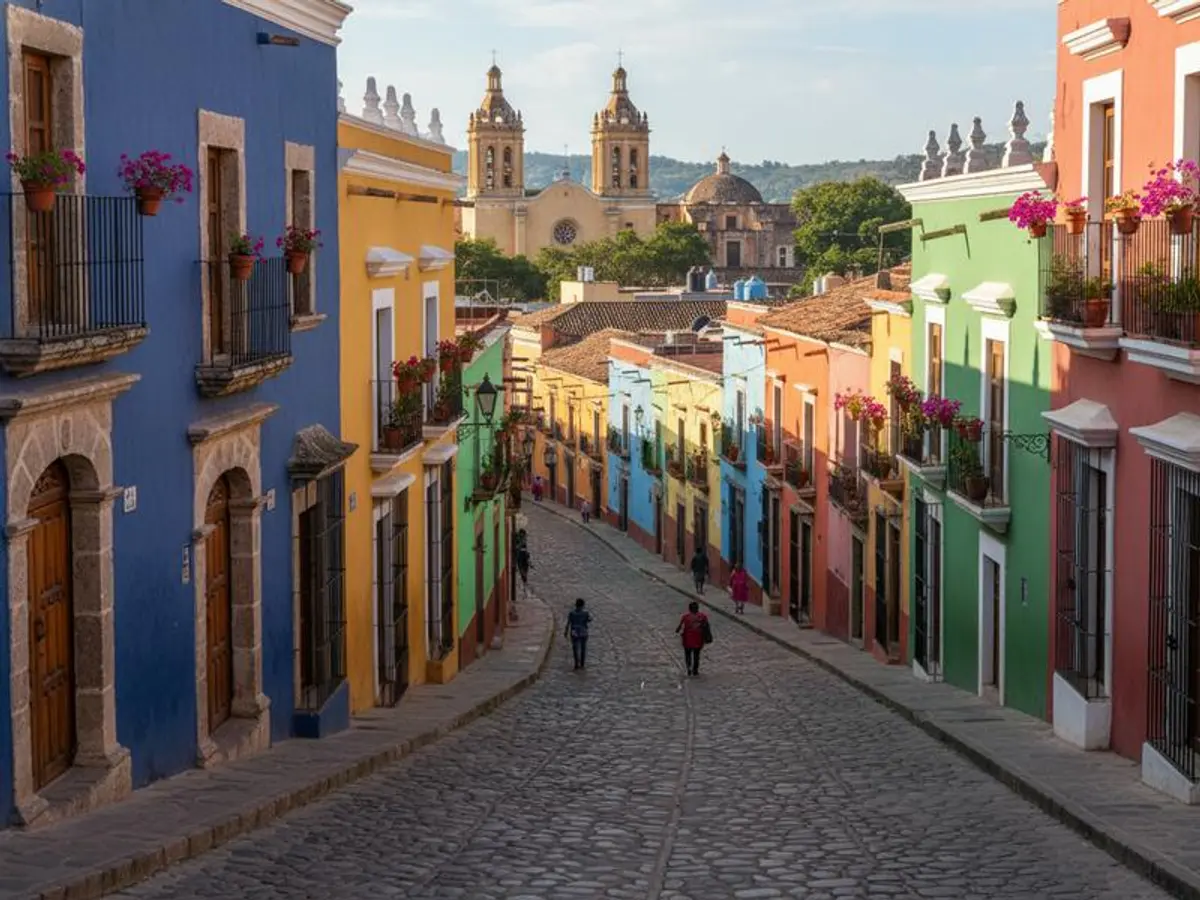
San Cristóbal de las Casas Travel Guide 2026: Chiapas's Colonial Capital
San Cristóbal de las Casas is the colonial capital of the Chiapas Highlands, Mexico, at 2,200 m elevation with 215,000 residents. It is the largest city in highland Chiapas, 80 km east of Tuxtla Gutiérrez (the state capital), and the cultural center of the Tzotzil and Tzeltal Maya peoples — the most visibly indigenous region in Mexico.
| Quick Facts | Details |
|---|---|
| State | Chiapas |
| Elevation | 2,200 m (7,218 ft) — cool evenings year-round. Bring layers. |
| Population | 215,000 |
| Nearest airport | TGZ (Tuxtla Gutiérrez) — 80 km, 1 hour by colectivo or shuttle |
| US advisory | Level 2 — tourist zones safe |
| Uber | No. Colectivos and taxis only. |
| Best for | Indigenous culture, Zapatista history, amber, coffee, Maya villages |
| Days needed | 3-4 days minimum; 5-6 to include day trips |
| Cluster | Chiapas Travel Guide · Day trips from San Cristóbal |
San Cristóbal balances multiple identities simultaneously: a colonial city of churches and markets, the commercial hub for dozens of Tzotzil and Tzeltal Maya villages in the surrounding highlands, a politically symbolic city (occupied by the Zapatistas on January 1, 1994), and a coffee-culture and bohemian haven. These identities coexist visibly. You can eat at a sophisticated coffee shop on Real de Guadalupe in the morning and by afternoon be in San Juan Chamula, 10 km away, witnessing religious rituals that have no parallel anywhere in Mexico.
This guide covers everything you need: where to stay, what to eat, how to explore, and how to venture beyond the city. For broader planning, see our Chiapas travel guide.
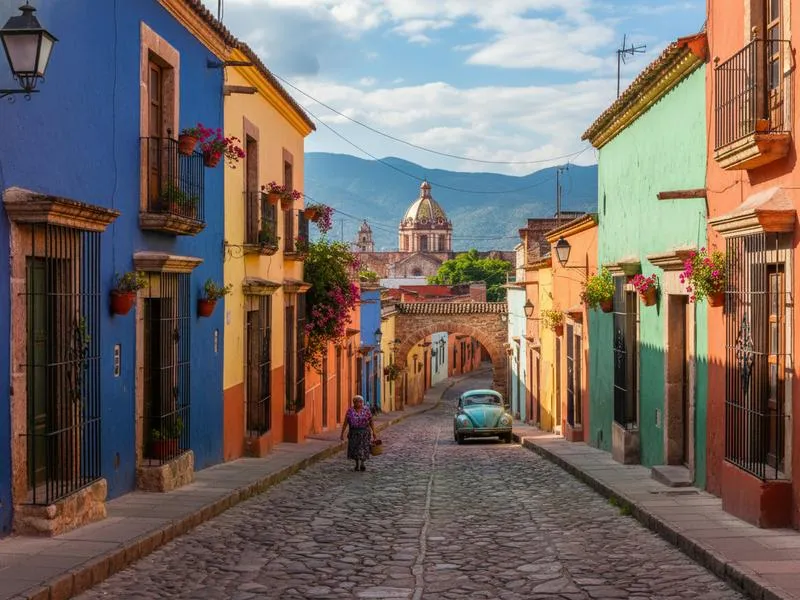
Understanding San Cristobal
Founded in 1528 by Spanish conquistador Diego de Mazariegos, San Cristobal de las Casas served as the colonial capital of Chiapas for centuries. The city takes its full name from the Dominican friar Bartolome de las Casas, an early advocate for indigenous rights who served as bishop here in the 16th century.
The surrounding highlands are home to Tzotzil and Tzeltal Maya peoples who maintained their cultures through the colonial period and continue to do so today. Unlike many parts of Mexico where indigenous identity faded through mestizaje (racial mixing), these communities preserved distinct languages, dress, and spiritual practices. San Cristobal exists as a meeting point between their world and modern Mexico.
Today the city balances multiple identities. It’s a significant indigenous market center where highland families come to trade. It’s a bohemian haven attracting artists, writers, and travelers seeking affordable, inspiring surroundings. It’s a political symbol, having been occupied by the Zapatista movement on January 1, 1994, in an uprising that brought international attention to indigenous rights.
Understanding these layers enriches any visit. This isn’t Disneyland. The cultural encounters here are real, the tensions genuine, the beauty earned through centuries of history.
Best Things to Do in San Cristobal
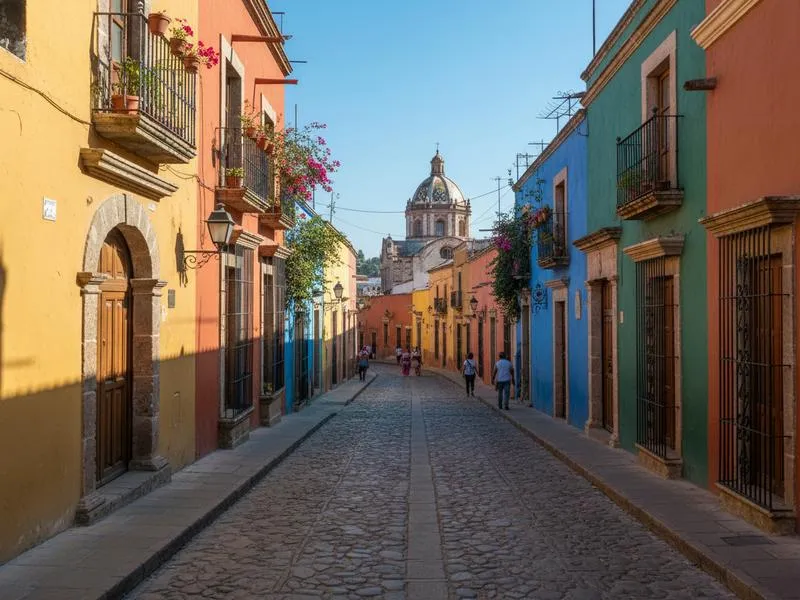
Explore the Historic Center
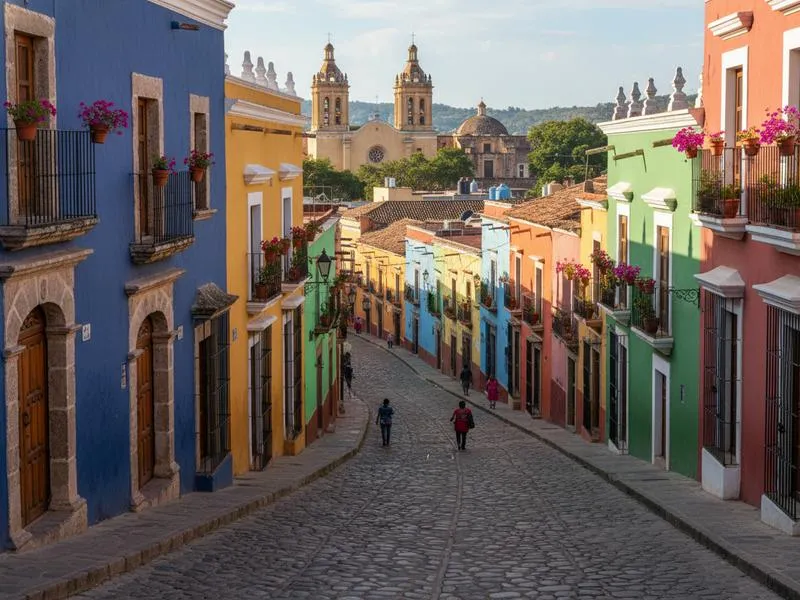
The compact historic center rewards aimless wandering. Start at the main plaza (Plaza 31 de Marzo), dominated by the yellow Baroque cathedral. Morning light hits the facade beautifully, while evenings bring locals out to socialize on the park benches.
Walk north to the Templo y Ex-Convento de Santo Domingo, considered one of the finest examples of baroque architecture in southern Mexico. The pink stone facade, ornately carved with indigenous and Spanish motifs, glows in late afternoon light. The adjacent market spreads outward, selling textiles, amber, and handicrafts.
The pedestrian street Real de Guadalupe stretches east from the plaza, lined with restaurants, cafes, shops, and hotels. This is San Cristobal’s main tourist artery, crowded in evenings but quieter during morning hours. Follow it to the Iglesia de Guadalupe, perched on a hilltop with city views.
Opposite the city, the Iglesia de San Cristobal sits atop another hill, reached by climbing hundreds of steps. The church itself is modest, but the panoramic views over red-tiled rooftops to the surrounding mountains justify the effort.
Visit the Markets
San Cristobal’s markets reveal the region’s indigenous commercial traditions. The largest, the Mercado Jose Castillo Tielemans, sprawls near the northern edge of the historic center. Here, Tzotzil and Tzeltal families from surrounding villages sell produce, live chickens, traditional clothing, and prepared foods. The atmosphere is authentic, the prices local, and the photography opportunities endless (though always ask permission for portraits).
The artisan market surrounding Santo Domingo church specializes in textiles and amber jewelry. Quality varies, but skilled negotiation can uncover genuine treasures. Traditional weavings, embroidered blouses, and amber pieces make meaningful souvenirs that directly support indigenous artisans.
Explore the Museums
The Museo del Ambar (Amber Museum) in the Ex-Convento de la Merced explains Chiapas’s amber heritage. The region produces some of the world’s finest amber, and the museum displays pieces containing prehistoric insects and plants alongside information about amber formation and mining.
Na Bolom, a cultural center housed in a former home of archaeologist Frans Blom and photographer Gertrude Duby, focuses on Lacandon Maya culture. The museum contains archaeological artifacts, photographs, and information about ongoing conservation efforts in the Lacandon jungle. Guided tours on Viator in English and Spanish run several times daily.
Experience the Coffee Culture
Chiapas highlands produce excellent arabica coffee, and San Cristobal has developed a sophisticated coffee scene. Numerous cafes roast their own beans, employ skilled baristas, and offer environments perfect for lingering over a book.
Carajillo Cafe on Real de Guadalupe sets the standard with single-origin beans and meticulous preparation. La Selva Cafe operates as a cooperative supporting organic coffee farmers throughout Chiapas. Frontera Artisan Coffee offers tastings explaining differences between regional growing zones.
Day Trips from San Cristobal
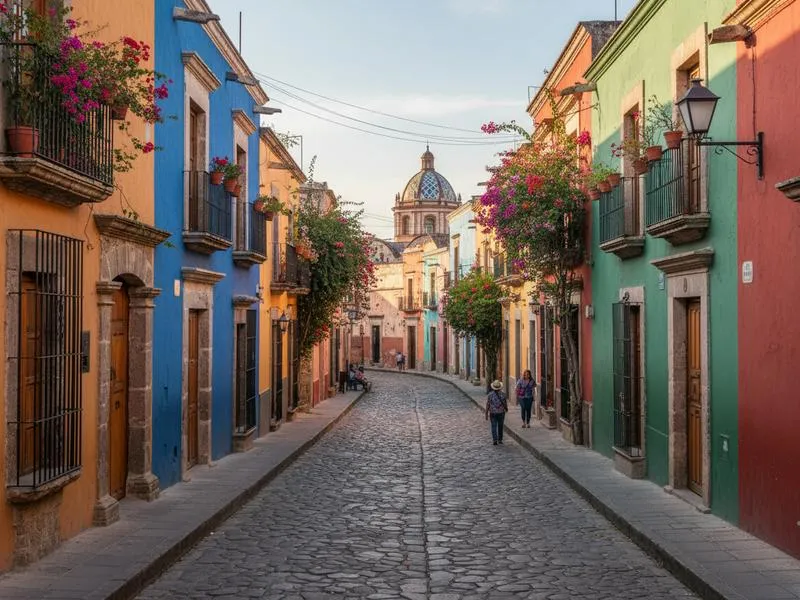
San Cristobal makes an ideal base for exploring the surrounding highlands. For detailed planning, see our complete guide to day trips from San Cristobal.
San Juan Chamula
Just 10 km from San Cristobal, San Juan Chamula offers Mexico’s most extraordinary religious experience. The village church looks Catholic from outside, but step through the doors and you enter another world entirely.
Inside, there are no pews. The floor is covered in pine needles. Candles flicker everywhere. Local curanderos (healers) conduct rituals involving eggs, live chickens, and bottles of Coca-Cola (believed to have spiritual properties due to its effervescence). Photography is strictly forbidden, and the atmosphere is intensely spiritual.
Visit with a guide who can explain what you’re witnessing and ensure appropriate behavior. Dress modestly, speak quietly, and remember that you’re observing genuine religious practice, not a performance.
Zinacantan
This Tzotzil community is known for flower cultivation and exceptional textile production. Visits typically include demonstrations of traditional backstrap loom weaving, the opportunity to try on ceremonial clothing, and home-cooked meals of tortillas and local specialties.
The church features elaborate floral decorations renewed regularly by the community. Religious syncretism is evident but less dramatic than in Chamula. Most visitors combine Zinacantan with Chamula on a half-day tour.
Sumidero Canyon
About 1.5 hours from San Cristobal, Sumidero Canyon offers spectacular geological scenery. Boat tours from Chiapa de Corzo travel 35 km through the canyon, passing beneath walls rising up to 1,000 meters. Wildlife including crocodiles, spider monkeys, and numerous bird species inhabit the canyon.
Tours can be arranged from San Cristobal or independently by traveling to Chiapa de Corzo. The colonial town of Chiapa de Corzo deserves a stop for its magnificent central fountain and traditional lacquerware artisans.
Where to Stay in San Cristobal
Accommodation ranges from dormitory beds around $10-15 to elegant boutique hotels at $150-200. For complete accommodation options across the state, see our Chiapas accommodation guide.
Luxury and Boutique
Hotel Bo occupies a beautifully restored colonial mansion near Santo Domingo church. Rooms blend traditional architecture with contemporary design, and common areas include courtyards, fountains, and a spa. Expect rates around $150-250.
Sombra del Agua Hotel offers similar quality in a converted 18th-century house. The restaurant serves excellent regional cuisine, and the location near the main plaza couldn’t be better.
Mid-Range
Guayaba Inn provides excellent value with comfortable rooms, helpful staff, and a central location. The boutique atmosphere belies reasonable prices around $60-80.
Hotel Casa Margarita has served budget-conscious travelers for decades, with clean rooms around a traditional courtyard. It’s basic but reliable, with prices around $40-60.
Budget
Puerta Vieja Hostel offers both dorms and private rooms in a social atmosphere popular with younger travelers. Common areas encourage mingling, and the location on Real de Guadalupe is prime.
Hostal Casa del Alma provides a quieter budget option with garden spaces and a more relaxed vibe.
Where to Eat in San Cristobal
San Cristobal’s food scene ranges from traditional market stalls to sophisticated restaurants putting contemporary spins on regional ingredients. For deeper exploration of Chiapas cuisine, see our Chiapas food guide.
Traditional Chiapas Cuisine
La Cocina de Dona Betty serves home-style Chiapas cooking at reasonable prices. Try the tamales wrapped in banana leaves, the cochito (slow-roasted pork), or daily specials that rotate based on market availability.
El Caldero specializes in sopa de pan (bread soup), the regional comfort food packed with eggs, plantains, and chicken in a rich broth.
Contemporary and International
LUM has earned recognition for its innovative approach to Chiapas ingredients, presenting traditional flavors in modern forms. The tasting menu offers a culinary journey through the region. Reservations recommended.
Tierra y Cielo occupies a beautiful colonial building with traditional food elevated through careful sourcing and preparation.
Casual and Quick
The market near Santo Domingo serves tamales, atole (warm corn drink), and regional snacks from early morning. The municipal market offers similar options at even lower prices.
Real de Guadalupe has numerous cafes serving sandwiches, salads, and light meals for those seeking familiar fare between cultural excursions. You can explore San Cristobal de las Casas tours on Viator.
Practical Tips for San Cristobal
Weather and Packing
The highland altitude means cool to cold evenings year-round. Pack layers including a warm jacket for nights and early mornings. Daytime temperatures are pleasant for walking, but rain can arrive suddenly during wet season (May-October). Comfortable walking shoes are essential for cobblestone streets. We also recommend travel insurance for any Mexico trip.
Getting Around
The historic center is entirely walkable. For day trips to Chamula, Zinacantan, and other villages, colectivo vans depart from designated points around the market area. Taxis are inexpensive for reaching points outside the center. For Sumidero Canyon and longer excursions, compare car rental prices on RentCars if you prefer flexibility.
Safety
San Cristobal is generally safe, but maintain awareness. Avoid displaying expensive electronics, secure valuables in hotel safes, and stay in populated areas at night. The areas around the bus station can be less savory; consider taxi transport when arriving late. Read our detailed safety guide: Is San Cristobal de las Casas Safe in 2026? for an honest assessment of risks, safe neighborhoods, and what to know about indigenous community visiting rules.
Etiquette in Indigenous Communities
When visiting Chamula, Zinacantan, or other indigenous villages, dress modestly, ask before photographing people, and follow all posted rules. Photography inside Chamula’s church is absolutely prohibited and can result in confiscation of equipment and fines. Alcohol should not be consumed before or during village visits.
San Cristobal: Final Thoughts
San Cristobal de las Casas works its magic slowly. The first day you’ll notice the cobblestones, the colorful facades, the bustling energy of Real de Guadalupe. By the second day you’ll discover quieter corners, favorite cafes, viewpoints that reveal the city’s setting amid forested mountains. By the third day you might find yourself reluctant to leave, understanding why so many travelers extend their stays or return year after year.
Take time to venture beyond the tourist center into the living indigenous culture that surrounds it. Visit Chamula with appropriate humility. Buy textiles directly from the women who weave them. Drink the local coffee and eat the regional food. San Cristobal rewards this kind of engaged, curious travel with experiences that linger long after you’ve returned home.
Continue exploring: Things to Do in San Cristóbal · Chiapas Travel Guide · Day Trips from San Cristóbal · Chiapas Food Guide · Sumidero Canyon guide · San Juan Chamula · Getting Here: Oaxaca to San Cristóbal · From Mexico City · To Palenque