Chiapas Travel Guide 2026: Complete Guide to Mexico's Most Enchanting State
Chiapas Travel Guide 2026: Everything You Need to Know About Mexico’s Most Enchanting State
Chiapas is Mexico at its most raw and remarkable. This southern state bordering Guatemala contains ancient Maya cities swallowed by jungle, colonial highlands towns where indigenous traditions remain unbroken after five centuries, waterfalls that glow impossible shades of blue, and landscapes that shift from cloud forest to tropical lowland within a few hours of driving.
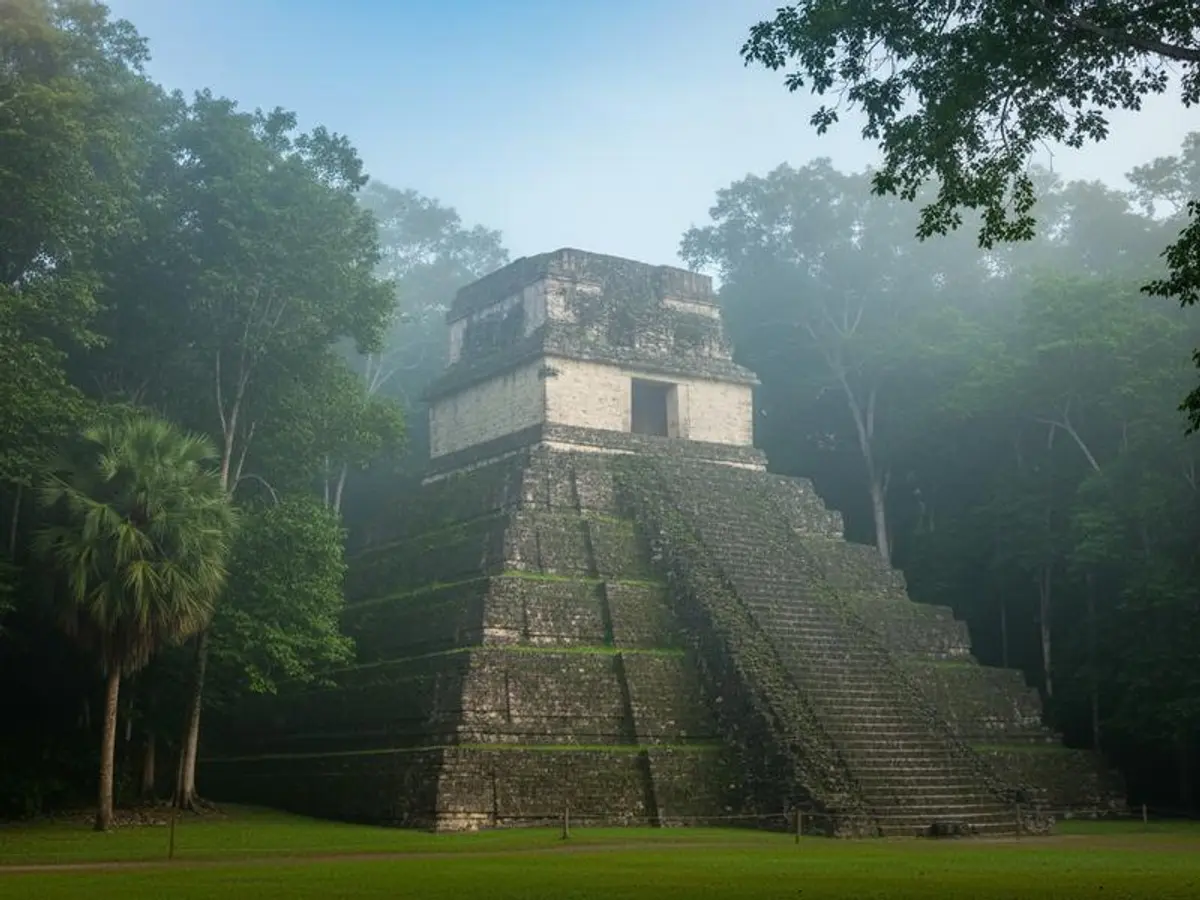
Having traveled extensively through Chiapas over many years, I can tell you that this state delivers experiences you simply cannot find elsewhere in Mexico. The mystical church rituals of San Juan Chamula, where photography is forbidden and ancient shamanic practices blend with Catholic imagery. The moment you first glimpse the Temple of Inscriptions at Palenque rising from the jungle canopy. The endless cascades of Agua Azul tumbling over limestone terraces into turquoise pools.
Chiapas is where Mexico’s Maya heritage lives not as museum exhibits but as daily reality. Where waterfalls flow with waters so blue they seem artificial. Where highland markets overflow with textiles woven using techniques unchanged since before the Spanish arrived.
This comprehensive guide covers everything you need to plan your Chiapas adventure: the best places to visit, how to get around, where to stay and eat, and insider tips that will help you experience this extraordinary state beyond the tourist surface. For a day-by-day plan, see our 7-day Chiapas itinerary with timing rules for Palenque, the Sumidero boat tour, and the Yaxchilán jungle route.
Understanding Chiapas: Geography and Culture
Chiapas occupies Mexico’s southeastern corner, sharing borders with Guatemala to the east and the Pacific Ocean to the southwest. The state divides into distinct geographic zones, each with unique attractions and experiences.
The Central Highlands around San Cristobal de las Casas sit at elevations above 2,000 meters, creating a cool climate that feels nothing like tropical Mexico. This region is home to Tzotzil and Tzeltal Maya communities who maintain distinct languages, traditional dress, and spiritual practices that blend pre-Hispanic beliefs with Catholicism.
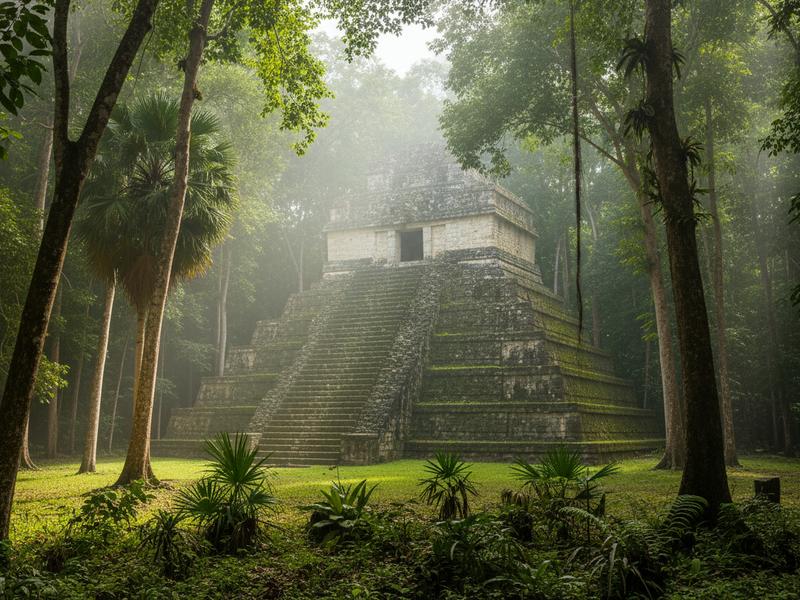
The Northern Lowlands around Palenque drop into hot, humid jungle terrain where ancient Maya cities lay hidden for centuries before their rediscovery. This is archaeology country, where the remnants of a sophisticated civilization emerge from dense vegetation.
The Lacandon Jungle to the east represents one of Mexico’s last remaining rainforest wilderness areas, home to the Lacandon Maya people who maintained isolation from outside contact until relatively recently.
The Pacific Coast and Soconusco region in the south offers beaches, coffee plantations, and the archaeological site of Izapa, considered a bridge between Olmec and Maya civilizations.
Brief History
Chiapas was a Maya heartland long before Spanish contact. The great city of Palenque flourished between 400 and 800 AD, producing some of the finest Maya art and architecture. Other major sites like Tonina, Bonampak, and Yaxchilan demonstrate the region’s importance in the Classic Maya world.
Spanish conquest came in the 1520s under Diego de Mazariegos, who founded the colonial capital that would become San Cristobal de las Casas. Unlike other parts of Mexico where indigenous populations were devastated or assimilated, Chiapas’s remote highlands allowed Maya communities to maintain cultural continuity while adopting surface elements of Catholicism.
Chiapas remained somewhat isolated from mainstream Mexican development through the 20th century. The 1994 Zapatista uprising brought international attention to indigenous rights issues and government neglect of the region. Today, while political tensions occasionally surface, tourism has become vital to the local economy, and most of Chiapas welcomes visitors warmly.
Best Places to Visit in Chiapas
San Cristobal de las Casas
San Cristobal de las Casas is where most Chiapas journeys begin, and for good reason. This colonial highland city combines cobblestone streets lined with colorful buildings, excellent restaurants and cafes, fascinating markets, and proximity to indigenous communities that offer glimpses into living Maya culture.
The city sits at 2,200 meters elevation, giving it a refreshing climate that requires a jacket in the evenings even during summer months. The compact historic center is easily walkable, with the main plaza, cathedral, and pedestrian-only Real de Guadalupe street forming the heart of visitor activity.
What makes San Cristobal special goes beyond its colonial architecture. The city serves as a cultural bridge between modern Mexico and the indigenous highland communities that surround it. Tzotzil and Tzeltal women in traditional embroidered blouses sell handicrafts in the streets. The Santo Domingo church and adjacent markets showcase the region’s extraordinary textile traditions. And the nearby villages of Chamula and Zinacantan offer some of Mexico’s most unique cultural experiences.
For a complete guide to the city, see our San Cristobal de las Casas travel guide, and don’t miss our guide to the best day trips from San Cristobal.
Palenque Archaeological Zone
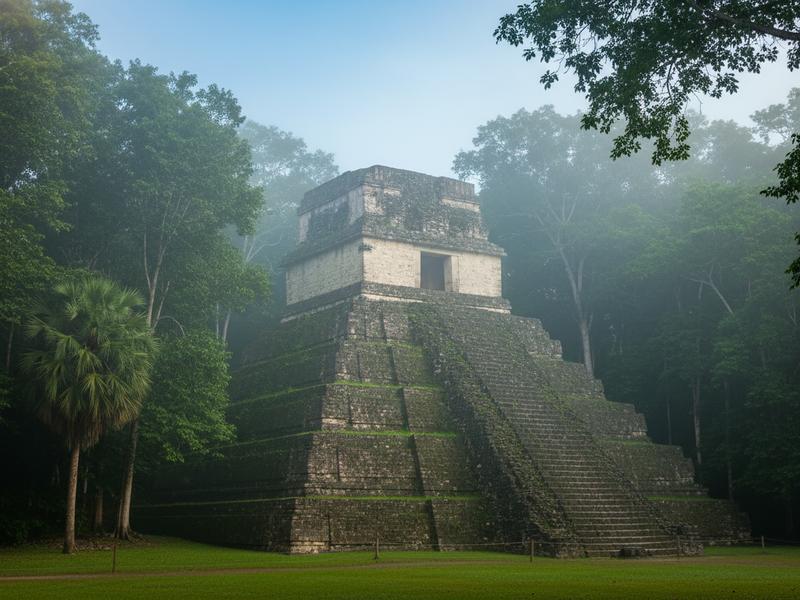
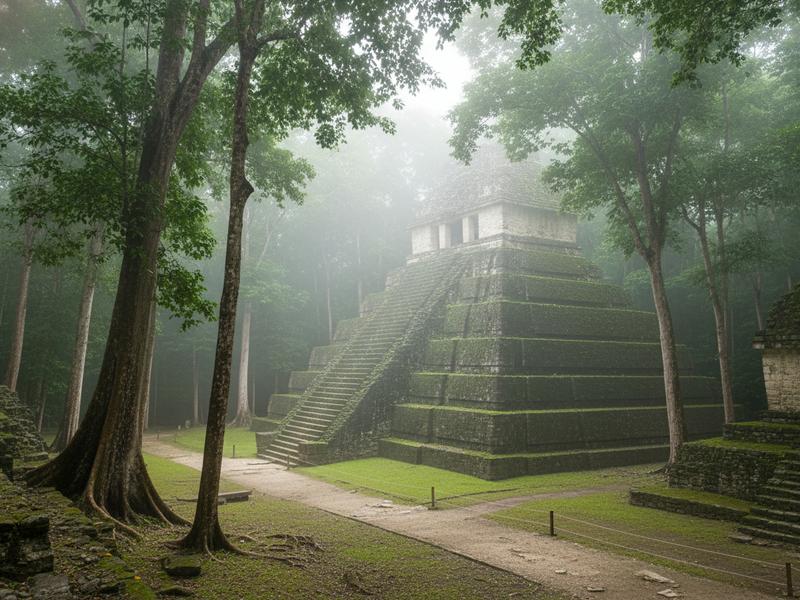
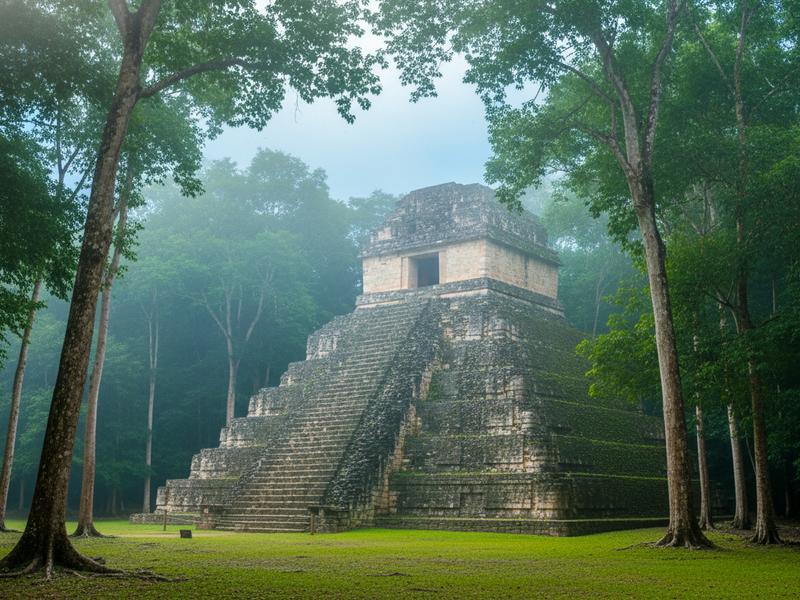
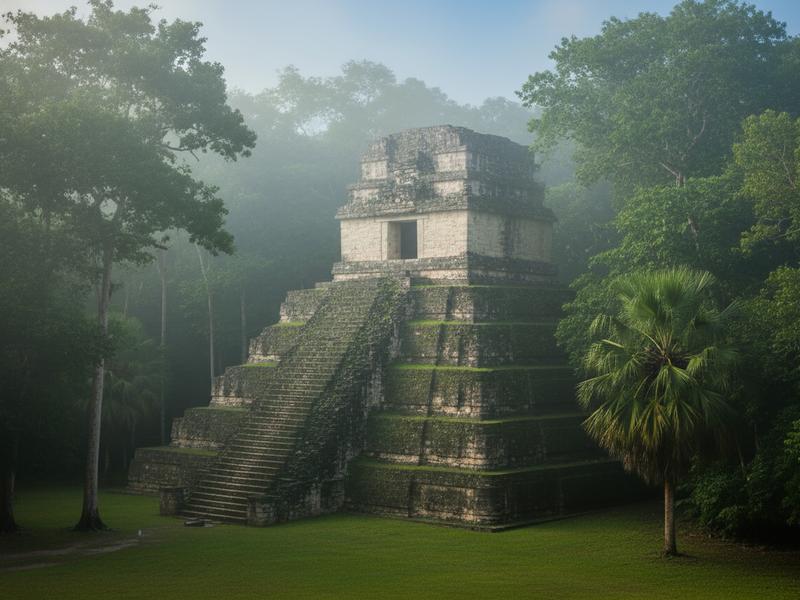
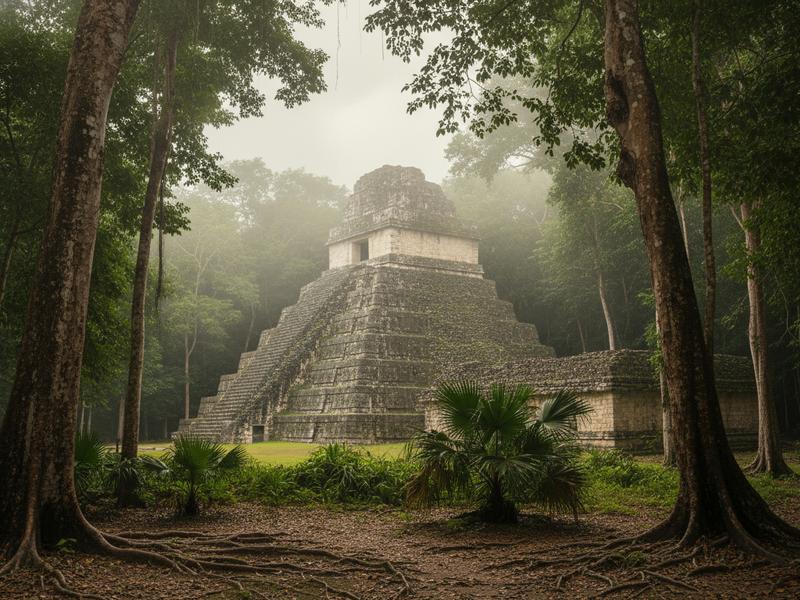
Palenque represents Maya civilization at its artistic peak. Unlike the massive pyramids of Chichen Itza or the sprawling urban layout of Teotihuacan, Palenque captivates through elegance, proportion, and setting. The ruins emerge from jungle that still covers most of the ancient city, with howler monkeys providing a soundtrack and mist often hanging in the morning air.
The Temple of Inscriptions contains the tomb of Pakal the Great, one of the most important archaeological discoveries in the Americas. The Palace complex with its distinctive tower showcases some of the finest stucco work in the Maya world. And the overall site design demonstrates sophisticated understanding of astronomy, drainage, and urban planning.
Beyond the main excavated area, jungle trails lead to smaller temple groups and waterfalls where you can swim. Plan to arrive early to beat both heat and crowds, and allocate at least 3-4 hours to explore properly. Our complete Palenque ruins guide covers everything from ticket information to the best visiting strategy.
Sumidero Canyon
Sumidero Canyon offers Chiapas at its most dramatically geological. This massive rift in the earth stretches 13 kilometers along the Grijalva River, with walls rising up to 1,000 meters on either side. Boat tours from Chiapa de Corzo travel the length of the canyon, passing waterfalls, caves, and wildlife including crocodiles and spider monkeys.
The canyon holds deep historical significance. Legend holds that Chiapa warriors threw themselves from the cliffs rather than submit to Spanish conquest, though historians debate the accuracy of this account. Today, a series of viewpoints along the canyon rim offer dramatic perspectives for those who prefer to stay on solid ground.
Sumidero makes an easy day trip from either San Cristobal de las Casas (about 1.5 hours) or Tuxtla Gutierrez (15 minutes to Chiapa de Corzo). Boat tours on Viator last approximately 2 hours and run throughout the day, though morning departures offer better wildlife spotting and photography light.
Chiapas Waterfalls
Chiapas contains some of Mexico’s most spectacular waterfalls, with turquoise waters created by high mineral content cascading over limestone formations. The most famous, Agua Azul, consists of hundreds of small cataracts flowing over a series of terraces, creating pools of impossibly blue water perfect for swimming during dry season.
Misol-Ha provides a different experience: a single 35-meter drop into a pool surrounded by jungle, with a path leading behind the falls into a misty cave. The waterfall lies conveniently along the route between San Cristobal and Palenque, making it an easy stop on travel days.
Deeper into the Lacandon region, Las Nubes cascades through pristine jungle territory, offering adventure for those willing to make the longer journey. Our Chiapas waterfalls guide covers all the major falls, including visiting tips and the best times to experience each.
Indigenous Villages
The communities surrounding San Cristobal de las Casas offer some of Mexico’s most remarkable cultural experiences. San Juan Chamula is famous for its church where traditional healers conduct rituals involving candles, pine needles, and Coca-Cola (believed to have spiritual properties due to its effervescence). Photography is strictly forbidden inside, and visiting requires respectful behavior and proper dress.
Zinacantan is known for its flower cultivation and textile production. Visits typically include demonstrations of backstrap loom weaving and the opportunity to purchase directly from artisan families. The church here, while less dramatic than Chamula’s, features unique floral decorations and religious syncretism.
These visits work best with a knowledgeable guide who can provide cultural context and ensure appropriate behavior. Many San Cristobal hotels and tour operators offer combined trips to both villages.
Other Archaeological Sites
Beyond Palenque, Chiapas contains several other significant Maya sites worth visiting if time permits.
Tonina, located south of Palenque near Ocosingo, features one of the tallest pyramids in the Maya world at 75 meters. Less restored than Palenque, it offers a more adventurous experience with fewer crowds.
Bonampak is famous for its remarkably preserved murals depicting warfare and royal ceremony. The site requires a significant journey into the Lacandon jungle but rewards with some of the most vivid Maya artwork surviving anywhere.
Yaxchilan sits on a dramatic bend of the Usumacinta River on the Guatemala border. Reached only by boat, the journey itself is memorable, followed by exploring temples where intricately carved lintels remain in place.
How to Get to Chiapas
By Air
Two airports serve Chiapas tourism:
Tuxtla Gutierrez International Airport (TGZ) receives daily flights from Mexico City on Aeromexico, Volaris, and VivaAerobus. Flight time is approximately 1.5 hours. From the airport, San Cristobal de las Casas is about 1 hour by car or colectivo van. Tuxtla is also the gateway for Sumidero Canyon.
Villahermosa Airport (VSA) in neighboring Tabasco state offers better access to Palenque (2.5 hours by car) and receives more frequent flights from various Mexican cities. Many travelers fly into Villahermosa to visit Palenque, then continue overland to San Cristobal.
By Bus
First-class buses connect Chiapas with major Mexican cities. From Mexico City, the journey to San Cristobal takes approximately 12-14 hours overnight on ADO or OCC buses. Comfortable reclining seats and onboard entertainment make the trip bearable, and you wake up in the highlands rather than losing a day to travel.
From Oaxaca City, buses to San Cristobal take about 10 hours through mountainous terrain. From Cancun and the Riviera Maya, expect 12+ hours via Villahermosa.
Within Chiapas, first and second-class buses connect major destinations. The route between San Cristobal and Palenque takes approximately 5 hours with spectacular mountain and jungle scenery.
By Car
Driving in Chiapas allows flexibility to explore at your own pace, though mountain roads require careful attention. The main highway from Tuxtla Gutierrez to San Cristobal (Highway 190) is well-maintained. The route between San Cristobal and Palenque (Highway 199) winds through mountains before descending into jungle lowlands, with stops at Agua Azul and Misol-Ha along the way.
Rental cars from RentCars are available at both Tuxtla Gutierrez and Villahermosa airports. If you plan extensive archaeological exploration or waterfall hopping, having your own vehicle significantly expands your options.
Getting Around Chiapas
Within San Cristobal de las Casas, walking covers most needs. The city center is compact, and strolling the streets is part of the experience.
Colectivos (shared vans) run regular routes between San Cristobal and nearby indigenous villages. These inexpensive options depart when full from designated locations around the city. For Chamula and Zinacantan, colectivos leave from the market area.
Tourist shuttles offer convenient transport between major destinations like San Cristobal and Palenque, often with stops at waterfalls included. These can be booked through hotels and travel agencies throughout San Cristobal.
Organized tours on Viator make sense for complex itineraries involving multiple sites or remote destinations. Day trips to Sumidero Canyon, Chamula and Zinacantan, or the waterfalls run daily from San Cristobal.
Where to Stay in Chiapas
Accommodation options range from budget hostels to boutique hotels converted from colonial mansions. Our complete Chiapas accommodation guide covers the best options in each region.
San Cristobal de las Casas
Most visitors base themselves in San Cristobal for the majority of their Chiapas trip. The city offers the widest range of accommodation, from dormitory beds under $15 to elegant boutique hotels around $150-200 per night.
The best location is within or near the historic center, walkable to the main plaza, restaurants, and attractions. Properties in converted colonial buildings offer character and charm, often with interior courtyards, fireplaces (useful in the cool evenings), and traditional decor.
Budget travelers will find numerous hostels and guesthouses along Real de Guadalupe and surrounding streets. Mid-range options include family-run posadas and smaller boutique properties. Luxury seekers can choose from several restored mansion hotels with full amenities.
Palenque
The town of Palenque offers two distinct accommodation zones. Properties along the road to the ruins provide jungle atmosphere with howler monkeys as morning alarm clocks, though they require transportation to reach restaurants and services in town. The town center offers more conventional hotels within walking distance of restaurants, markets, and the bus station.
Several eco-lodges in the jungle near the ruins combine comfortable accommodation with immersive natural settings. These work especially well if you want early access to the archaeological site before crowds arrive.
Other Locations
For Sumidero Canyon, consider staying in Chiapa de Corzo rather than the larger Tuxtla Gutierrez. This Magical Town offers colonial charm, direct access to canyon boat tours, and a more intimate atmosphere.
Near Agua Azul and Misol-Ha, basic cabanas allow overnight stays to experience the waterfalls without the day-tripper crowds. Facilities are rustic but the experience of having these natural wonders to yourself at dawn is unforgettable.
Chiapas Food and Drink
Chiapas cuisine blends Maya traditions with highland ingredients and colonial influences. Several dishes found nowhere else in Mexico make the region a culinary destination in its own right. Our Chiapas food guide explores the regional cuisine in depth.
Must-Try Dishes
Tamales de Chiapas differ from those found elsewhere in Mexico. They’re typically wrapped in banana leaves rather than corn husks, filled with various preparations including chiplin (a local herb), mole, or pork in achiote sauce. The texture and flavor are distinctly regional.
Cochito horneado is the state’s signature pork dish: an entire suckling pig marinated in achiote, spices, and citrus, then slow-roasted until the meat falls off the bone. Order this at traditional markets or special-occasion restaurants.
Sopa de pan (bread soup) may sound simple but delivers complex flavors through a broth enriched with hard-boiled eggs, plantains, raisins, and topped with shredded chicken and fresh bread. It’s traditionally served during festivals.
Queso de Ocosingo is a distinctive double-cream cheese from the highlands that forms a skin similar to Brie but with a flavor all its own. Find it in markets throughout the region.
Traditional Drinks
Pox (pronounced “posh”) is the ceremonial corn-based spirit of the highland Maya. Once used exclusively in rituals, it’s now available in San Cristobal bars and shops, flavored with everything from cinnamon to hibiscus. Sip it slowly, it’s deceptively strong.
Pozol is a traditional drink made from fermented corn dough mixed with water and cacao. Served cold, it’s both refreshing and sustaining, consumed by indigenous communities for centuries as a nutritional staple.
Tascalate combines toasted corn, cacao, achiote, and cinnamon into a distinctive reddish-brown powder that’s mixed with water or milk. The resulting beverage tastes like nothing else, somewhere between chocolate milk and horchata.
Chiapas coffee ranks among Mexico’s finest. The highlands around San Cristobal produce high-altitude arabica beans with bright acidity and complex flavors. Numerous cafes in San Cristobal roast their own beans and take coffee preparation seriously.
Where to Eat
San Cristobal offers the widest restaurant selection, from market stalls serving tamales and atole at dawn to contemporary restaurants putting modern spins on traditional ingredients. The streets around the plaza and along Real de Guadalupe contain dozens of options.
For authentic local food, seek out the municipal market in the morning when vendors prepare fresh tamales, pozol, and regional specialties. La Cocina de Dona Betty and similar traditional restaurants serve home-style cooking at reasonable prices.
The city also has a thriving international food scene, with Italian, French, and fusion restaurants catering to the steady flow of visitors. Vegetarian and vegan options are more readily available here than elsewhere in Chiapas.
When to Visit Chiapas
Dry Season (November - April)
The dry season offers the most pleasant conditions for travel. Skies are clear, roads are passable, and temperatures in the highlands are comfortable for exploration. December through February sees the highest tourist numbers, particularly around Christmas and New Year.
Waterfalls carry less water during dry months, though they remain impressive. The turquoise color of Agua Azul actually intensifies when sediment settles during dry periods.
Wet Season (May - October)
Afternoon rains are almost daily during wet season, usually clearing by evening. Mornings typically start clear, allowing time for sightseeing before storms roll in. Waterfalls reach their maximum flow, and the jungle turns impossibly green.
Travel during wet season requires flexibility. Flash floods can temporarily close roads, particularly the route to Agua Azul. Some remote sites become difficult to access. However, fewer tourists mean better prices and a more authentic experience in towns like San Cristobal.
For the complete month-by-month breakdown — including the Agua Azul turquoise season truth, bloqueo risk by month, and best times for ruins vs. jungle wildlife — see our Best Time to Visit Chiapas guide.
Times to Avoid
Semana Santa (Easter week) brings Mexican domestic tourists in massive numbers. Prices spike, accommodation books out, and popular attractions become uncomfortably crowded. If you must travel during this period, book everything months in advance.
The weeks around Christmas and New Year see elevated tourist numbers but remain manageable compared to Semana Santa. Summer holidays (July-August) bring moderate increases in visitors.
Practical Information
Money
ATMs are readily available in San Cristobal de las Casas, Palenque town, and Tuxtla Gutierrez. Smaller towns and villages operate primarily on cash. Credit cards are accepted at larger hotels and restaurants but not at markets, street food vendors, or small shops.
Bring sufficient cash for day trips to indigenous villages, waterfall visits, and market shopping. Mexican pesos are required; dollars are not widely accepted outside some tourist-oriented businesses.
Health
The altitude in San Cristobal de las Casas (2,200 meters) may cause mild symptoms in some visitors. Stay hydrated, avoid alcohol the first day, and take it easy initially.
Mosquitoes are present in lowland areas around Palenque and the waterfalls. Bring repellent and consider long sleeves during dawn and dusk hours.
Tap water should be avoided throughout Chiapas. Bottled water is available everywhere and used for cooking in reputable restaurants.
Safety
Travel between cities during daylight hours when possible. The highways between San Cristobal, Palenque, and Tuxtla are regularly traveled and maintained.
When visiting indigenous communities, follow local customs and any posted rules. Photography is often restricted or prohibited in churches and during ceremonies. When in doubt, ask permission.
What to Pack
- Layers: Highland temperatures can drop into the 40s F (5-10 C) at night, while lowland areas around Palenque get hot and humid
- Rain gear: Useful year-round but essential during wet season
- Comfortable walking shoes: Cobblestones in San Cristobal, jungle trails at Palenque, and waterfall paths require sturdy footwear
- Swimsuit: For waterfalls and cenotes
- Insect repellent: Especially for lowland areas
- Sun protection: Strong at altitude and in tropical zones
- Camera: Though remember restrictions in some indigenous communities
Language
Spanish is the primary language, though indigenous Maya languages (Tzotzil, Tzeltal, Ch’ol) are spoken widely in communities around San Cristobal and the Lacandon region. Many indigenous people are bilingual in their native language and Spanish.
English is spoken in tourist-oriented hotels, restaurants, and by guides in San Cristobal and Palenque. Outside these contexts, Spanish is essential. Even basic phrases will be appreciated and smooth your interactions considerably.
Suggested Chiapas Itineraries
5 Days: Chiapas Highlights
Day 1: Arrive Tuxtla Gutierrez, transfer to San Cristobal de las Casas. Explore the historic center, evening stroll on Real de Guadalupe.
Day 2: Morning visit to Chamula and Zinacantan. Afternoon exploring San Cristobal’s churches, markets, and amber museum.
Day 3: Early morning departure to Sumidero Canyon boat tour from Chiapa de Corzo. Afternoon return to San Cristobal.
Day 4: Full day travel to Palenque via Agua Azul and Misol-Ha waterfalls. Overnight Palenque.
Day 5: Early morning visit to Palenque ruins. Afternoon flight from Villahermosa or continue onward.
10 Days: Comprehensive Chiapas
Days 1-3: San Cristobal de las Casas and surroundings as above.
Day 4: Travel to Palenque with waterfall stops.
Days 5-6: Explore Palenque thoroughly. Optional day trip to Bonampak and Yaxchilan (requires long day or overnight).
Day 7: Travel to Comitan area via Tonina archaeological site.
Day 8: Las Nubes waterfalls and Lacandon jungle exploration.
Day 9: Return to San Cristobal via Lagos de Montebello (stunning highland lakes on Guatemala border).
Day 10: Final San Cristobal exploration and departure.
Chiapas: A State Like No Other
Chiapas rewards travelers willing to engage with its complexity. This is not simplified, sanitized Mexico designed for easy consumption. It’s a place where ancient and modern coexist in sometimes uncomfortable tension, where profound natural beauty exists alongside genuine poverty, where cultural traditions survive not as tourist attractions but as living practice.
That complexity is precisely what makes Chiapas unforgettable. The mystical atmosphere of Chamula’s church, candles flickering in the darkness as shamans chant in Tzotzil. The moment Palenque’s temples emerge from morning mist. The impossible blue of Agua Azul cascading endlessly over limestone. The warm welcome of highland people who’ve maintained their way of life against all odds.
Come to Chiapas with respect and curiosity. Take time to understand what you’re seeing rather than rushing through a checklist. Learn a few words of Spanish. Buy directly from artisans. Listen to stories from local guides. This approach transforms tourism into something approaching genuine cultural exchange.
The state’s infrastructure continues to develop, making Chiapas easier to visit than ever while the essential character remains intact. How long that balance holds is uncertain. Visit now, while the magic is still palpable at every turn.
Continue exploring Chiapas: San Cristobal Travel Guide | Palenque Ruins Complete Guide | Chiapas Waterfalls