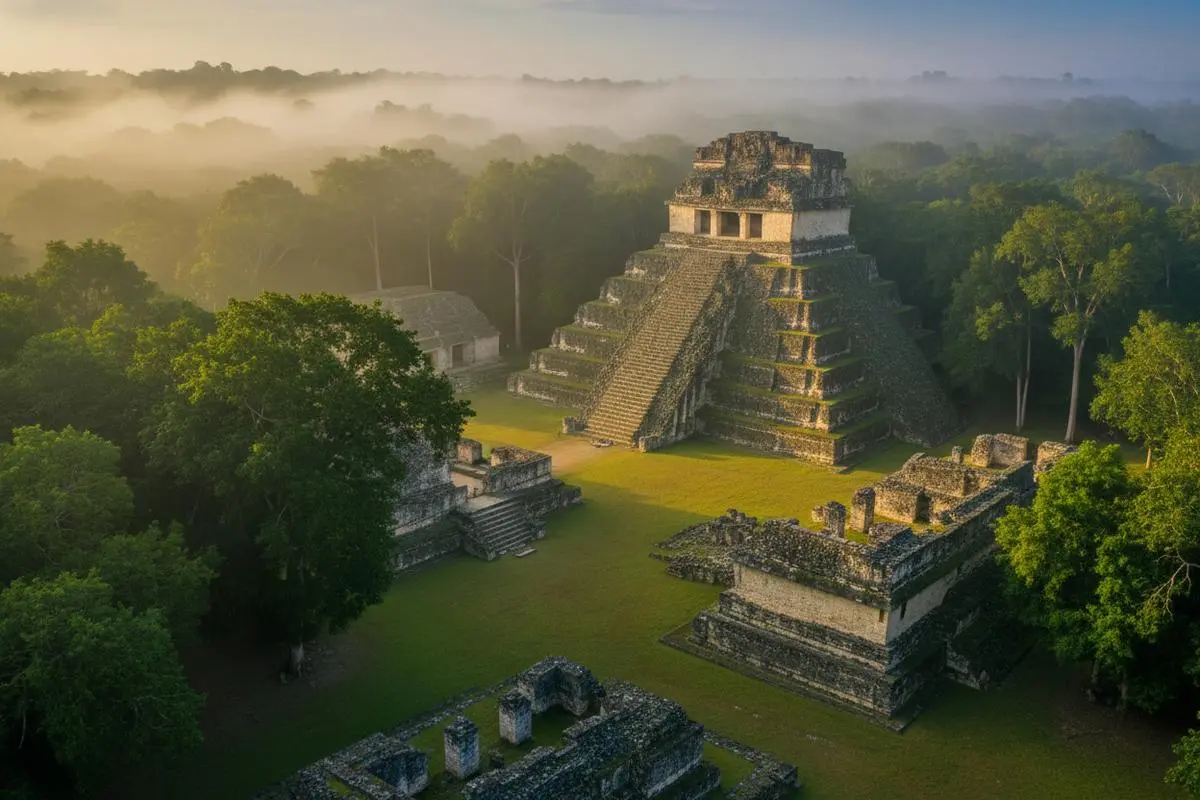
Best Time to Visit Chiapas in 2026: Best Months for San Cristóbal, Palenque & Agua Azul
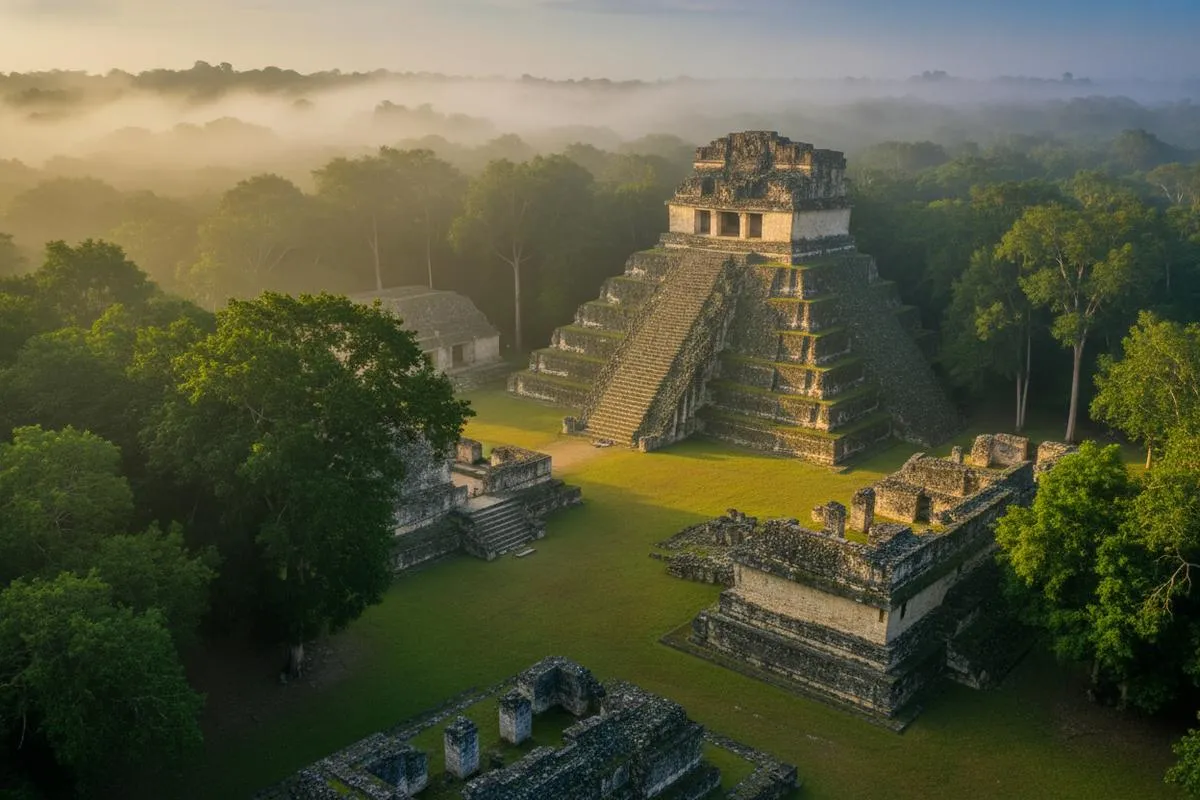
Chiapas is a state of 5.5 million people in Mexico’s deep south, bordering Guatemala, encompassing two radically different climate zones: the cool Highland zone centered on San Cristóbal de las Casas (2,200m altitude) and the hot, humid Lowland jungle zone around Palenque (60m altitude). These two zones have almost entirely different seasons — timing your visit correctly requires understanding both.
The headline truth most guides miss: Agua Azul’s turquoise color exists only in the dry season (November–April). The waterfall photos that inspire most Chiapas trips are taken exclusively in those months. Visiting in July or August and expecting turquoise water will disappoint — you’ll see brown or grey water running high but without the color.
The second truth: bloqueo road blockades — organized roadblocks by union groups — are a reality of Chiapas travel year-round, with the highest risk in June–September. Every traveler needs to know they exist and how to check conditions.
This guide gives you the month-by-month reality.
30-Second Answer
The best time to visit Chiapas is November through February if you want the easiest first trip, with clear weather in San Cristóbal de las Casas, lower bloqueo risk on the main highways, and the best shot at seeing turquoise Agua Azul on a Palenque-side route. March and early April are also excellent if you want warmer weather and festival energy, but prices jump fast around Semana Santa. July through September are the weakest months for most travelers because the waterfalls turn brown, afternoon rain becomes routine, and transport disruptions rise.
At-a-Glance: Chiapas by Month
| Month | Agua Azul | Highland Weather | Palenque | Bloqueo Risk | Prices | Rating |
|---|---|---|---|---|---|---|
| Jan | 🔵 Turquoise | ⭐⭐⭐⭐ Clear, 20°C days / 6°C nights | ☀️ Hot but manageable | Low ✅ | Low ✅ | ⭐⭐⭐⭐⭐ |
| Feb | 🔵 Turquoise | ⭐⭐⭐⭐ Clear, 21°C / 7°C nights | ☀️ Good ruins weather | Low ✅ | Low ✅ | ⭐⭐⭐⭐⭐ |
| Mar | 🔵 Turquoise | ⭐⭐⭐⭐⭐ Warm, 24°C / 10°C nights | ☀️ Excellent | Low ✅ | Rising | ⭐⭐⭐⭐⭐ |
| Apr | 🔵 Turquoise | ⭐⭐⭐⭐⭐ Warm, Semana Santa | ☀️ Hot 36°C | Low ✅ | Peak 🔴 | ⭐⭐⭐⭐ |
| May | 🟤 Transition | ⭐⭐⭐ First rains starting | 🌧️ Showers starting | Low–Medium | Moderate | ⭐⭐⭐ |
| Jun | 🟤 Brown | ⭐⭐ Heavy afternoon rains | 🌧️ Heavy rains | Medium 🟡 | Low ✅ | ⭐⭐ |
| Jul | 🟤 Brown | ⭐⭐ Heavy rains | 🌧️ Heavy rains | High 🔴 | Low ✅ | ⭐⭐ |
| Aug | 🟤 Brown | ⭐ Worst rains, flooding risk | 🌧️ Worst rains | High 🔴 | Low ✅ | ⭐ |
| Sep | 🟤 Brown | ⭐⭐ Heavy rains still | 🌧️ Heavy rains | Medium 🟡 | Low ✅ | ⭐⭐ |
| Oct | 🔵 Clearing | ⭐⭐⭐ Rains easing | ☁️ Improving | Low–Medium | Low ✅ | ⭐⭐⭐ |
| Nov | 🔵 Turquoise | ⭐⭐⭐⭐⭐ Best weather begins | ☀️ Excellent | Low ✅ | Low ✅ | ⭐⭐⭐⭐⭐ |
| Dec | 🔵 Turquoise | ⭐⭐⭐⭐ Cool, 20°C / 5°C nights | ☀️ Excellent | Low ✅ | Moderate | ⭐⭐⭐⭐ |
Chiapas’s Two Climate Zones (Understanding This Changes Everything)
Chiapas has more climate variation than almost any state in Mexico. Before talking months, you need to understand the two zones:
San Cristóbal de las Casas — Highland Zone (2,200m)
San Cristóbal sits at 2,200 meters above sea level — similar altitude to Mexico City but with a more dramatic climate swing. Days are warm and clear in the dry season; evenings are legitimately cold year-round.
- Dry season (Nov–Apr): Days 18–25°C, nights 5–10°C. Clear mornings, little rain. This is when most travelers visit.
- Rainy season (May–Oct): Days 20–22°C, heavy afternoon rains 3–6 PM most days. Mornings often clear. Nights warmer (12–15°C).
- Key fact: San Cristóbal never gets truly hot (max 26°C in May). You always need a jacket for evenings.
Palenque — Lowland Jungle Zone (60m)
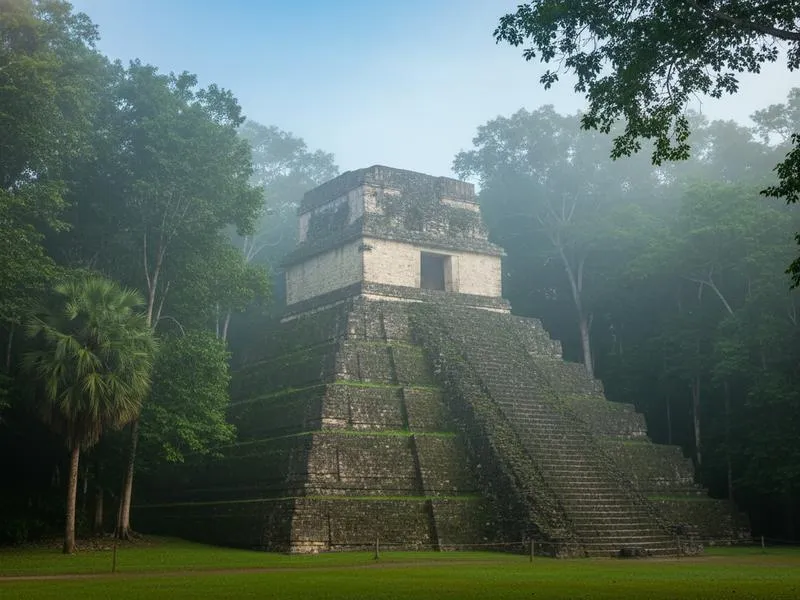
Palenque is a completely different world from San Cristóbal — flat lowland jungle that borders the Gulf coastal plain, hot and humid year-round.
- Dry season (Nov–Apr): Temperatures 28–34°C by day. Rugged hiking is possible in early morning (8 AM arrival is mandatory). Manageable if you hydrate constantly.
- Rainy season (May–Oct): Temperatures 30–36°C with 90%+ humidity and daily heavy rain. The ruins become genuinely oppressive midday. Wildlife — toucans, spider monkeys, howler monkeys — is more active and visible.
- Key fact: There’s no “comfortable” season at Palenque in terms of heat. Early arrival and shade discipline apply year-round.
The Agua Azul Truth
The single most important timing fact in all of Chiapas travel:
Agua Azul’s iconic turquoise color requires specific conditions — the water must carry dissolved calcium carbonate and flow over white limestone. This occurs reliably only when the water runs slow and clear: November through April.
During the rainy season (May–October), the watershed receives heavy rainfall that washes sediment, soil, and organic matter into the rivers. Agua Azul turns chocolate-brown or grey. Visitors arriving in July or August with turquoise expectations based on Instagram photos will see high, powerful, but opaque brown water.
The same applies to Misol-Há (though less dramatically — it stays more photogenic year-round because of its single-drop nature).
Las Nubes, by contrast, runs a different watershed with less agricultural land upstream — it tends to stay clearer through more of the rainy season but is not reliably turquoise after June.
Bottom line: If Agua Azul’s turquoise water is on your bucket list, visit November through April.
Bloqueo Reality: What Every Chiapas Traveler Needs to Know
A bloqueo (road blockade) is a political protest tactic where groups block highways to force attention to their demands. In Chiapas, the primary organizer is CNTE — the radical teachers’ union section — though ejido communities and other groups also use the tactic.
Key roads that get blocked:
- Highway 199 (San Cristóbal de las Casas → Palenque): The most commonly blocked road. Can strand travelers for 4–24 hours.
- Highway 307 (Palenque → Bonampak/Yaxchilán junction): Less common but high-impact for jungle excursions.
- Highway 190 (Tuxtla Gutiérrez → San Cristóbal): Occasional blockades.
- Highway 190 (Oaxaca → San Cristóbal, through Juchitán/Tehuantepec): Blocked multiple times per year, especially in Oaxaca state.
Risk by season:
- November–April: Lowest risk. Dry season, schools in session, union disputes calmer.
- May–June: Risk starts rising as school year ends and union contract season begins.
- July–August: Highest risk. Union disputes, ejido conflicts, and political protests all peak.
- September–October: Moderate risk. Starting to ease.
How to check:
- Facebook group: “Bloqueos y Estado de Carreteras Chiapas” (search in Spanish)
- Ask your hotel the night before any inter-city drive
- Local bus companies (OCC/ADO) sometimes cancel routes if roads are blocked
What to do if you’re in a bloqueo: Turn off the engine. Have water and snacks. Engage with other travelers. Most blockades resolve within a few hours. Attempting to drive through or around them is dangerous.
Best Times by What You’re Doing
Best Time for Waterfalls (Agua Azul, Misol-Há)
November–April — Agua Azul is turquoise, roads are passable, crowds are manageable. Best specific months: November–March when the water is clearest and the air is coolest for hiking.
Best Time for Palenque Ruins
November–March — Morning temperatures at Palenque reach only 25–28°C, making the ruins walkable for 2–3 hours before the heat becomes brutal. 8 AM arrival is essential regardless of season. Even in January the heat builds quickly after 11 AM.
Best Time for San Cristóbal de las Casas
November–February — Clear blue-sky days, cool but manageable evenings, fewer tourists than April. The city is most atmospheric in the dry-season light.
Best Time for Wildlife
May–October — The rainy season brings Palenque jungle to life. Spider monkeys are easier to spot in the canopy. Toucans, parrots, and howler monkeys are more active and vocal at dawn. Trade-off: heat and humidity are brutal.
Best Time for Festivals
- Carnaval (Zinacantán, Chamula): February (pre-Ash Wednesday) — indigenous Maya celebrations in highland villages, genuinely non-touristy
- Semana Santa: Late March/early April — spectacular in San Cristóbal but packed and expensive
- Día de Guadalupe: December 12 — candlelit processions through San Cristóbal’s cobblestone streets
- Guelaguetza-style regional celebrations: August (but rainy)
Best Time for Budget Travel
May–October — Rainy season prices drop 20–35% for hotels. Fewer foreign tourists. Local tourism from Mexican families peaks in July/August though.
Month-by-Month Breakdown
November — Best Month in Chiapas
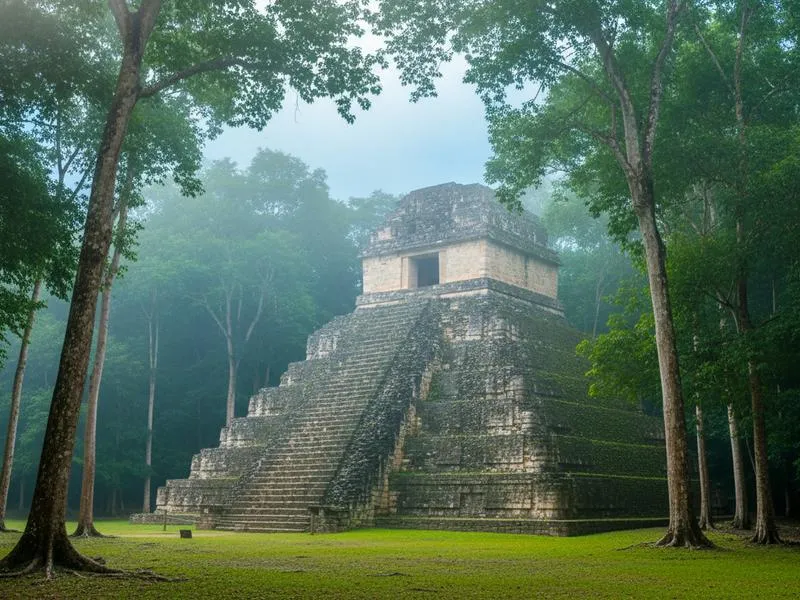
November is the best month to visit Chiapas, and almost no one chooses it deliberately. The rainy season has just ended. Agua Azul is turquoise from the first dry weeks and the falls are still full from the tail of the rains. The jungle around Palenque is intensely green. Prices haven’t risen yet for peak season. Roads are clear of bloqueos.
San Cristóbal enjoys its best weather: clear mornings, warm afternoons (20–22°C), cold evenings (8–10°C). The markets fill with posada preparations and pine-needle carpets for Día de Muertos.
Don’t miss: Day of the Dead celebrations in the highland villages (November 1–2). Chamula’s cemetery vigil is among the most extraordinary cultural experiences in Mexico — families gather overnight with candles, food, and music around the graves of their relatives.
December — Peak Season Begins
December brings the majority of foreign tourists for the holidays. Hotels in San Cristóbal fill December 20 through January 5. Prices spike 40–60% during this period.
The city is beautiful in December: candlelit posada processions, pine needles strewn across the cobblestones, fog rolling in over the mountains in the evening. The cold adds atmosphere — temperatures drop to 5–7°C after dark, which visitors from warm climates find dramatic but manageable with layers.
Agua Azul is turquoise. Roads are clear. Palenque is comfortable in the mornings.
Practical: Book accommodation 3–4 months ahead for the December 20–January 5 window.
January — Best Value in Peak Season
Post-holiday calm hits in early January. Hotels drop 30–40% after January 5 when Mexican families return home. Foreign tourists thin out mid-January. This is one of the best value windows in Chiapas: dry weather, turquoise waterfalls, low prices, and uncrowded ruins.
January nights in San Cristóbal are cold — bring a real winter jacket (5–8°C after dark). Palenque mornings are clear and cool, warming to 30–32°C by midday.
February — Underrated Gem
February is nearly identical to January in conditions — dry, clear, turquoise Agua Azul — but with one addition: Carnaval. The indigenous Maya communities around San Cristóbal celebrate Carnaval differently than anywhere in Mexico. Zinacantán and Chamula hold traditional dances, mock battles, and community ceremonies that have blended Catholic and pre-Columbian elements for five centuries. These celebrations are not touristy events — they’re genuine community festivals that travelers happen to be able to observe.
Also in February: the highland light is exceptional for photography. Clear mornings, defined shadows, cool colors in the markets.
March — Semana Santa Season
March brings warming temperatures and two distinct visitor profiles: independent travelers taking advantage of dry season before the peak, and those planning for Semana Santa (March 29, 2026).
Pre-Easter March (1st–28th): One of the best times to visit. Warm days, clear skies, Agua Azul turquoise, roads clear, prices not yet inflated.
Semana Santa week (March 29 – April 5, 2026): San Cristóbal becomes one of Mexico’s most dramatic Holy Week destinations. The Tzotzil and Tzeltal communities hold extraordinary processional traditions. Prices surge 80–120%. Accommodation books out months ahead.
The bloqueo risk is low in March — union disputes typically haven’t started for the year.
April — Semana Santa and Aftermath
Early April (Easter week) is peak Chiapas. San Cristóbal is packed. Hotels are at maximum prices. Road access is fine but the city itself is crowded beyond what feels comfortable.
After Easter (mid-April onward), the crowds evaporate instantly. Prices drop back to normal. The weather is at its warmest and driest before the rains begin. Late April is actually an excellent time to visit — late dry season, post-crowd, warm days.
Ley Seca warning: Good Friday (April 3, 2026) sees alcohol sales banned in most Chiapas municipalities.
May — Transition Month
May marks the beginning of the rainy season, though rains usually don’t become heavy until late May or June. The first part of May is still dry enough for waterfall visits — Agua Azul may still show some turquoise coloration in early May before sediment builds.
Bloqueo risk starts rising in May as the school year ends and union activities begin.
The highland forest around San Cristóbal becomes brilliantly green from the first rains. Orchids bloom in the cloud forest.
June–September — Rainy Season (Low Season)
These four months are Chiapas’s most challenging time for tourism:
- Agua Azul is brown: Sediment from heavy rains colors the water. High but opaque.
- Bloqueos peak in July–August: Road blockades are most likely to affect travel.
- Palenque is brutally hot and humid: 36°C with 90% humidity + afternoon rain.
- San Cristóbal gets heavy afternoon rains: 3–6 PM downpours daily. Mornings are often clear.
- Roads can flood: Highway 199 and some secondary roads flood in August–September.
Who should still come in rainy season:
- Wildlife enthusiasts: Jungle around Palenque is at maximum biodiversity. Toucans, spider monkeys, howler monkeys are visible at dawn.
- Budget travelers: 30–40% lower hotel rates. Fewer tourists at every site.
- Festival-seekers willing to adjust timing around afternoon rains.
October marks the beginning of the end of the rainy season. Rains ease noticeably by mid-October. Agua Azul begins clearing by late October. November is the turning point when Chiapas returns to its best.
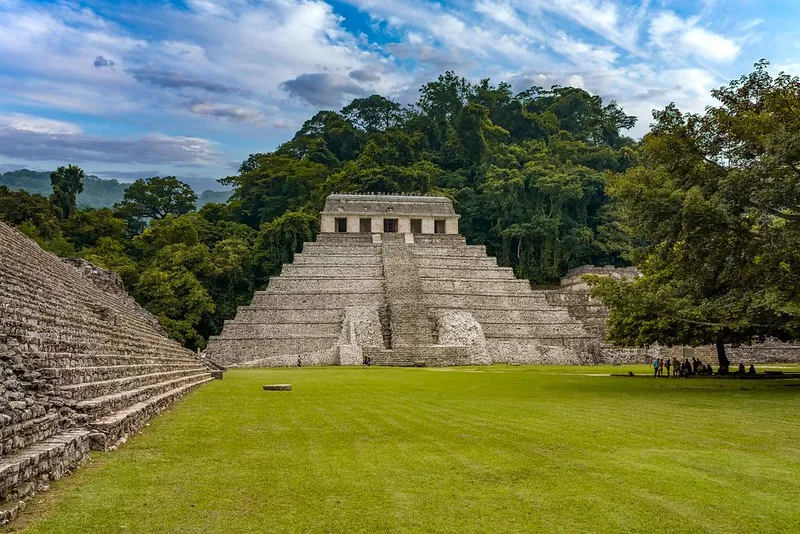
Best Time for Palenque vs San Cristóbal (They’re Different)
| Factor | Best for Palenque | Best for San Cristóbal |
|---|---|---|
| Heat at ruins | Nov–Feb (28–30°C) | N/A (ruins nearby) |
| Wildlife | May–Oct (biodiversity peaks) | Year-round |
| Waterfalls | Nov–Apr (turquoise Agua Azul) | N/A |
| Jungle atmosphere | May–Oct (lush, rainy) | N/A |
| Market life | Any day (Sunday best) | Daily (Sat–Sun best) |
| Prices | Nov–Mar (low-medium) | Nov–Feb (lowest) |
The optimal routing for most travelers: San Cristóbal in the dry season (November–March) for weather and highland culture, followed by Palenque with an 8 AM ruins arrival to beat the heat.
Festival Calendar
| Festival | Location | When | Notes |
|---|---|---|---|
| Day of the Dead cemetery vigil | Chamula, highland villages | Nov 1–2 | One of Mexico’s most moving DoD experiences |
| Carnaval Maya | Chamula, Zinacantán | Feb (pre-Ash Wed) | Indigenous ceremonies, not touristy |
| Semana Santa | San Cristóbal de las Casas | Mar 29–Apr 5, 2026 | Extraordinary but crowded |
| Ley Seca | State-wide | Good Friday (Apr 3) | Alcohol sales banned |
| Pueblo Mágico Festival | Comitán de Domínguez | March | Colonial city celebration |
| Día de Guadalupe | San Cristóbal | Dec 12 | Candlelit processions |
Prices by Season
| Period | Hotels (per night) | Relative Cost |
|---|---|---|
| July–September (rainy season) | $25–60 USD | 30–40% below average ✅ |
| November–February (shoulder) | $35–90 USD | Average — good value |
| December 20–January 5 (holiday peak) | $60–150 USD | 50–70% premium 🔴 |
| Semana Santa week | $70–180 USD | 80–120% premium 🔴 |
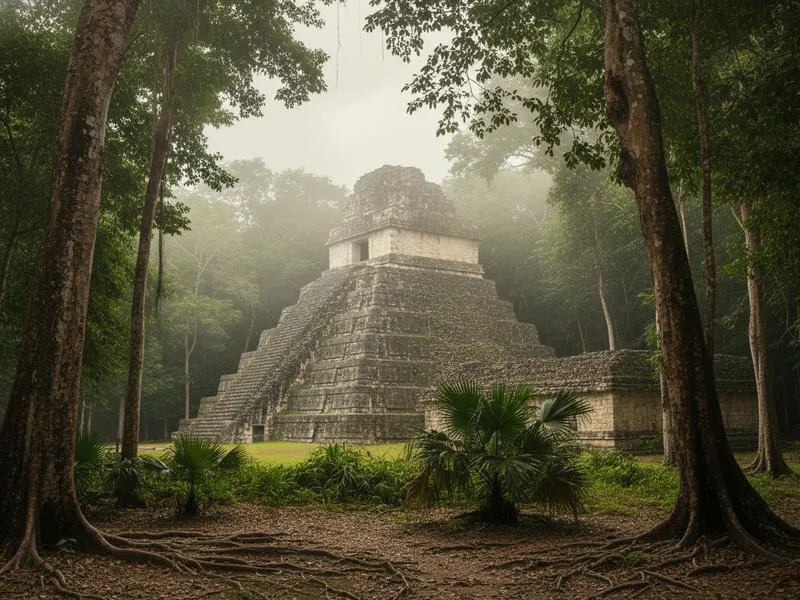
Weather by Month in San Cristóbal de las Casas
| Month | Avg High (°C) | Avg Low (°C) | Rain Days/Mo | Verdict |
|---|---|---|---|---|
| January | 20 | 6 | 2 | ⭐⭐⭐⭐⭐ Clear, cold nights |
| February | 21 | 7 | 2 | ⭐⭐⭐⭐⭐ Best weather |
| March | 24 | 10 | 3 | ⭐⭐⭐⭐⭐ Warm and dry |
| April | 26 | 12 | 6 | ⭐⭐⭐⭐ Semana Santa crowds |
| May | 25 | 13 | 10 | ⭐⭐⭐ First rains |
| June | 23 | 14 | 18 | ⭐⭐ Heavy rains |
| July | 22 | 14 | 20 | ⭐⭐ Heaviest rains |
| August | 22 | 13 | 20 | ⭐ Worst month |
| September | 22 | 13 | 18 | ⭐⭐ Still heavy |
| October | 21 | 12 | 10 | ⭐⭐⭐ Clearing |
| November | 20 | 9 | 3 | ⭐⭐⭐⭐⭐ Best value |
| December | 20 | 6 | 2 | ⭐⭐⭐⭐ Cold nights, clear |
Best Time to Visit by Trip Goal
| Trip Goal | Best Month | Why |
|---|---|---|
| First Chiapas trip | November–February | Easiest weather, clearer roads, turquoise waterfall window, and fewer transport headaches |
| Agua Azul photos | November–March | Best odds of the blue-turquoise color most people actually want |
| Palenque ruins + jungle side trips | November–March | Manageable morning heat and more reliable road conditions |
| San Cristóbal cafés, markets, and walking | November–February | Crisp sunny days and cold-but-manageable nights |
| Carnaval and indigenous ceremony watching | February | Strongest cultural-calendar month without Semana Santa prices |
| Semana Santa atmosphere | Late March to early April | Powerful processions, but the busiest and priciest stretch |
| Wildlife and lush jungle | May–June | Rain starts waking up the forest, though logistics get harder |
| Lowest hotel prices | June–September | Real savings, but you are trading off waterfall color and smoother transport |
| Families and cautious planners | November–March | Best chance of a low-friction trip with kids or fixed bookings |
| Experienced Mexico travelers | October–November | Green landscapes, returning dry-season conditions, and fewer crowds |
Common First-Timer Mistakes
- Booking Chiapas in August for turquoise waterfalls. If Agua Azul is a trip anchor, go in the dry-season window instead.
- Treating San Cristóbal and Palenque like the same climate. Pack for cold highland nights and hot jungle mornings on the same trip.
- Leaving for Palenque too late. The ruins are much better at opening time, especially in March through May.
- Ignoring bloqueo checks. Before long drives or bus rides, ask your hotel and verify road conditions the night before.
- Overloading the route. Most first-timers do better with San Cristóbal + Palenque + one waterfall/jungle day than trying to cram all of Chiapas into four days.
What to Pack for Chiapas
Dry Season (November–April):
- Warm jacket for San Cristóbal evenings (mandatory — 5–10°C nights)
- Light layers for daytime
- Sun protection for Palenque ruins (brutal midday heat)
- Rain layer (occasional brief showers even in dry season)
- Sturdy footwear (cobblestones in SCP, jungle paths at Palenque)
Rainy Season (May–October):
- Lightweight rain jacket (daily afternoon rain)
- Quick-dry clothing
- Insect repellent (mosquitoes more active)
- Rubber boots or waterproof shoes
- Extra day in itinerary for potential bloqueo delays
Chiapas vs Other Southern Mexico Destinations
| Factor | Chiapas | Oaxaca | Yucatán Peninsula |
|---|---|---|---|
| Best months | Nov–Mar | Nov–Apr | Nov–Apr |
| Sargassum risk | None | None | Apr–Oct (Caribbean) |
| Altitude (main city) | 2,200m (SCP) | 1,550m (Oaxaca City) | Sea level (Mérida) |
| Heat risk | Palenque lowlands | Moderate | Mérida: extreme in Apr–Jun |
| Road blockade risk | Yes (bloqueos) | Yes (Hwy 190/135) | Very rare |
| Waterfalls | ✅ Best in Mexico (dry season) | Hierve el Agua (closed Jun–Oct) | Cenotes (year-round) |
| Budget | 20–30% cheaper than Oaxaca | Mid-range | Riviera Maya: most expensive |
| Indigenous culture | ⭐⭐⭐⭐⭐ Unbroken Maya traditions | ⭐⭐⭐⭐ Zapotec culture | ⭐⭐⭐ Yucatec Maya culture |
Getting There and Getting Around
Into Chiapas:
- Tuxtla Gutiérrez (TGZ) — main airport. Daily flights from Mexico City (1.5 hrs). San Cristóbal is 1.5 hrs by shuttle.
- Villahermosa (VSA) — best gateway for Palenque (2.5 hrs by car or bus).
- From Oaxaca: Overnight OCC bus (10–12 hrs). See Oaxaca to San Cristóbal guide.
Getting around Chiapas:
- San Cristóbal ↔ Palenque: OCC buses (5–6 hrs, 220–320 MXN) or tourist shuttle (450–600 MXN, 4–5 hrs). Highway 199 is spectacular but winding.
- Tuxtla → San Cristóbal: 1 hr, OCC/ADO frequent service.
- No Uber in San Cristóbal — taxis and colectivos only.
- Rental cars are useful for highland villages and flexible waterfall timing, but check bloqueo conditions before driving between cities.
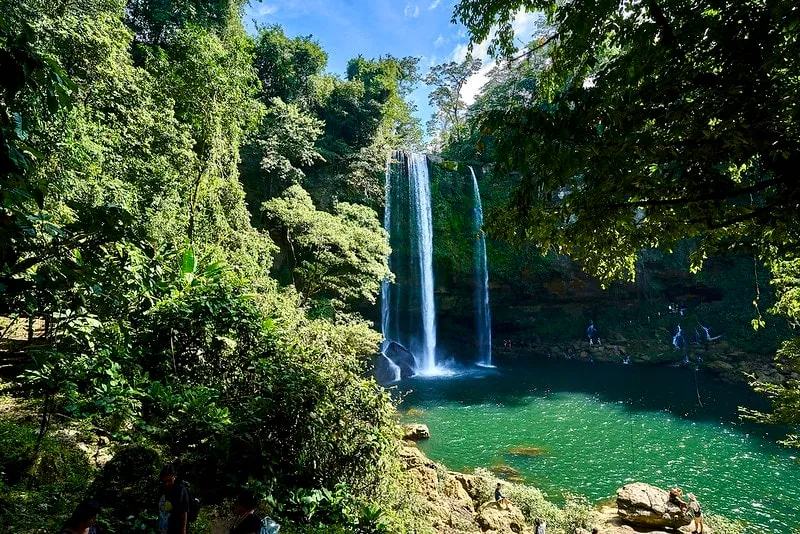
Chiapas Highlights by Season
Dry Season (November–April):
- Agua Azul and Misol-Há with turquoise water ✅
- Palenque ruins with manageable morning temperatures ✅
- Clear roads and minimal bloqueo risk ✅
- Highland market life at its most colorful ✅
- Carnaval Maya (February) — unique cultural experience ✅
- Semana Santa (late March/April) — extraordinary but crowded ⚠️
Rainy Season (May–October):
- Waterfalls at maximum volume but opaque/brown ⚠️
- Palenque wildlife peak — toucans, monkeys active at dawn ✅
- Jungle at maximum lushness ✅
- 30–40% lower hotel rates ✅
- Road blockade risk higher ⚠️
- Afternoon flooding possible ⚠️
Useful Links
- Chiapas Travel Guide 2026 — Complete overview, where to stay, food, logistics
- 7 Days in Chiapas Itinerary — Day-by-day plan with Palenque timing rules
- San Cristóbal de las Casas Guide — The highland capital deep-dive
- Palenque Travel Guide 2026 — Ruins, bloqueo warnings, dry season truth
- Day Trips from Palenque — Agua Azul, Bonampak, Yaxchilán, Toniná
- Is Chiapas Safe? — Current traveler safety and route-risk context
- Foods of Chiapas — What to eat when the highlands get cold at night
- How to Get to Pueblos Mancomunados — Extra mountain-route planning if you are extending beyond the core loop
- Oaxaca to San Cristóbal — Bus, shuttle, and driving options
- Best Time to Visit Mexico — Complete month-by-month guide for all regions