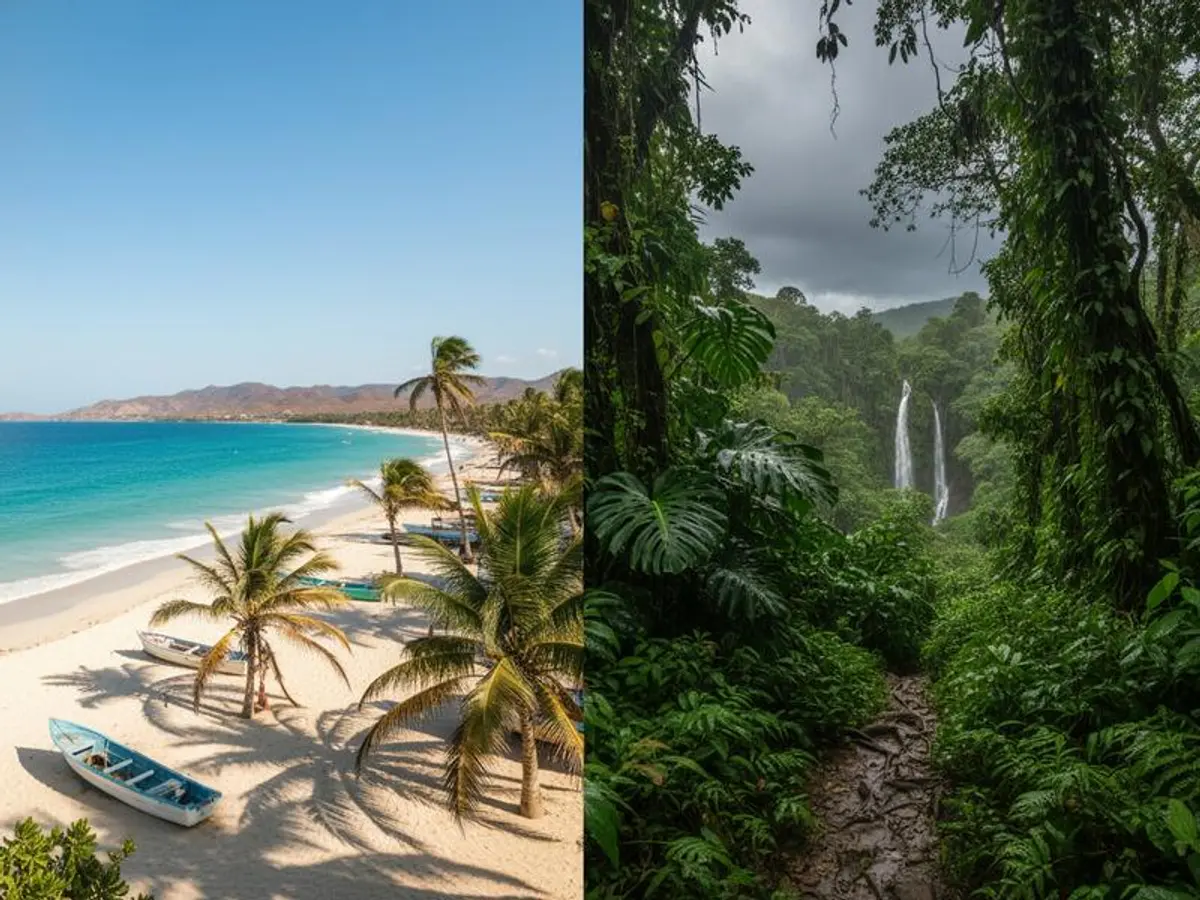
Best Time to Visit Mexico: 2026 Month-by-Month Guide
The best time to visit Mexico is November for most travelers because dry season is starting, prices are still lower than Christmas and winter peak, and both beach and city trips usually work well. If your trip rises or falls on beach weather, February is usually the safer pick. If you care more about low prices than perfect beach conditions, May, June, September, and October are the cheapest months.
The bigger rule is this: there is no single perfect month for the whole country. September is usually the worst month for a first-time Caribbean beach trip, but it can still be a smart cheap month for Mexico City, Oaxaca, San Miguel de Allende, and other inland destinations. The best whale-watching month in Baja is not the same as the best month for Day of the Dead or the best-value week for Cancún.
Growing up in Mexico, I learned to plan around the real trip goal first: beach weather, lower prices, festivals, whale watching, or fewer crowds. That is why this guide is built month by month instead of pretending one answer fits Cancún, Oaxaca, Mexico City, Baja, and the Pacific coast equally well.
Before you lock dates, also check Mexico rainy season, Mexico hurricane season, and the latest sargassum conditions in Mexico if a Caribbean beach trip is part of the plan.
If you want a fast personalized answer, use the Best Time to Visit Mexico Quiz to match your priorities with the strongest month.
Best Time to Visit Mexico in 30 Seconds
| If you want… | Best month | Why |
|---|---|---|
| Best overall first trip | November | Dry season starts, prices have not peaked, and cities plus beaches both work well |
| Best beach weather | February | Warm water, dry skies, and lower Caribbean sargassum risk |
| Best inland city trip | October | Cooler walking weather, greener scenery, and strong cultural calendar |
| Cheapest Mexico trip | September | Biggest discounts, especially if you skip the Caribbean coast |
| Best whale watching | February | Peak Baja gray-whale season plus humpbacks on the Pacific coast |
| Best festival month | November | Day of the Dead, post-rain greenery, and excellent all-around travel conditions |
| Worst month for a first Riviera Maya trip | September | Highest storm risk, heavier rain, and rougher beach odds |
Quick Answer: When Should You Visit Mexico?
Before diving into the month-by-month breakdown, here’s the cheat sheet:
| Your Priority | Best Months | Why |
|---|---|---|
| Best weather overall | Nov–Mar | Dry season nationwide |
| Best overall month | November | Dry season starts, landscapes are still green, and prices are usually lower than December |
| Cheapest trip | May–Jun, Sep–Oct | Low season usually cuts hotel and flight costs by 30–50% |
| Beach vacation | Dec–Apr | Warm, dry, calmer beach weather and lower storm risk |
| Cultural experiences | Oct–Nov | Day of the Dead, monarch butterflies, cooler city weather |
| Festivals | Feb, Jul, Oct–Nov | Carnaval, Guelaguetza, Día de Muertos |
| Surfing | May–Oct | Pacific swells peak during rainy season |
| Whale watching | Jan–Mar | Gray, humpback, and blue whales in Baja |
| Fewest crowds | May–Jun, Sep–Oct | Between tourist waves |
| Avoid sargassum | Dec–Mar or Pacific coast year-round | Caribbean risk is lowest in winter |
| Family trips | Dec, Mar–Apr, Jul | School holidays align |
| Hiking & nature | Nov–Feb | Cool, dry, perfect visibility |
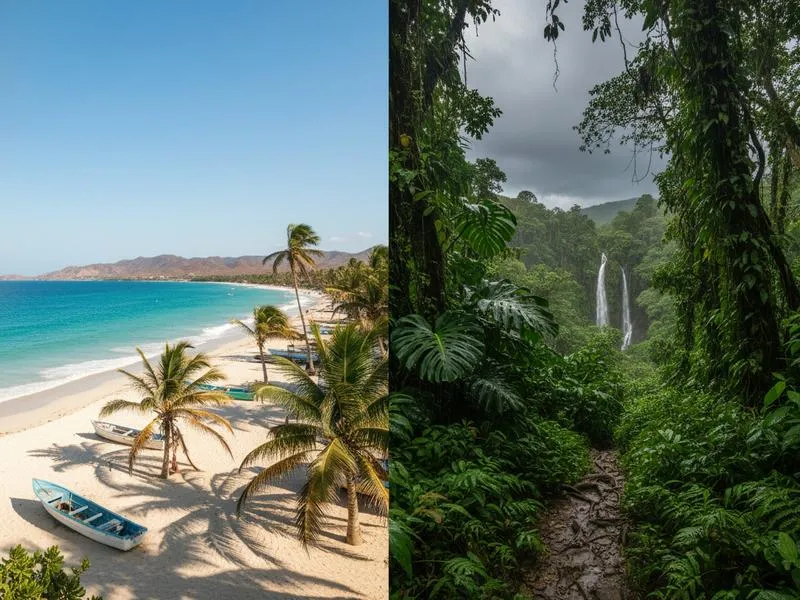
Best, Cheapest, and Worst Month to Visit Mexico
If you only need the shortest possible answer, use this table:
| Question | Best month | Why |
|---|---|---|
| Best month to visit Mexico overall | November | Dry season begins, prices have not fully peaked, and both cities and beaches work well |
| Cheapest month to visit Mexico | September | Deep hotel discounts and fewer crowds, especially if you focus on inland destinations |
| Best month for a beach trip | February | Dry weather, warm water, and lower sargassum risk on the Caribbean coast |
| Best month for Mexico City, Oaxaca, and inland cities | October | Cooler days, greener landscapes, and a strong cultural calendar |
| Worst month for a first-time Riviera Maya trip | September | Peak hurricane risk, heavier rain, and rougher odds for picture-perfect beach days |
The short version: go in November for the best all-around trip, go in September only if budget matters more than beach certainty, and choose February if your trip rises or falls on beach weather.
Best Month to Visit Mexico by Trip Goal
If you are still deciding between a few dates, use this faster planner:
| If your top priority is… | Best month | Why it works |
|---|---|---|
| First trip to Mexico | November | Dry weather returning, lower prices than Christmas, strong fit for both cities and beaches |
| Lowest prices | September | Deep discounts nationwide, but best for inland cities more than the Caribbean coast |
| Best beaches | February | Dry, sunny, lower sargassum risk, and warm swimmable water |
| Best cities | October | Cooler walking weather, greener scenery, and a strong cultural calendar |
| Whale watching | February | Peak gray whale season in Baja plus humpbacks on the Pacific coast |
| Day of the Dead | Early November | Best cultural window in Oaxaca, Pátzcuaro, and central Mexico |
| Surfing Puerto Escondido | July | Peak swell season on the Oaxacan coast |
| Avoid crowds but keep good weather | Late January | Holiday peak is over, dry season is still excellent |
| No sargassum worries | January | Caribbean risk is lowest, and the Pacific stays clear year-round |
Understanding Mexico’s Two Seasons
Unlike the four-season pattern of the US and Europe, Mexico operates on two main seasons:
Dry Season (November–April): Clear skies, warm days, cool nights in the highlands, and comfortable temperatures on the coasts. This is peak tourist season, especially December through March. Prices are highest, attractions are busiest, but the weather is predictably excellent.
Rainy Season (May–October): Afternoon thunderstorms, lush green landscapes, and dramatically fewer tourists. Here’s what most guides won’t tell you: the rain is almost always a 30–90 minute afternoon downpour, followed by sunshine. Mornings are typically clear and gorgeous. The trade-off is lower prices, emptier beaches, and landscapes that are actually more beautiful — waterfalls are thundering, jungles are electric green, and cenotes are at their fullest.
Regional Climate Differences
Mexico’s climate varies dramatically by region and altitude:
| Region | Dry Season | Rainy Season | Hurricane Risk | Altitude Effect |
|---|---|---|---|---|
| Yucatán Peninsula (Cancún, Tulum, Mérida) | Nov–Apr | May–Oct (heaviest Sep–Oct) | Jun–Nov (peaks Sep) | Sea level — hot and humid year-round |
| Pacific Coast (Puerto Vallarta, Huatulco, Mazatlán) | Nov–May | Jun–Oct | Jun–Nov (peaks Sep) | Sea level — tropical heat |
| Baja Peninsula (Los Cabos, La Paz, Ensenada) | Year-round dry (desert) | Brief rains Aug–Oct | Aug–Oct (southern tip only) | Desert — hot days, cool nights |
| Central Highlands (Mexico City, Guanajuato, Oaxaca) | Nov–Apr | May–Oct (afternoon storms) | None | 1,500–2,200m — spring-like year-round |
| Chiapas Highlands (San Cristóbal) | Nov–Apr | May–Oct | None | 2,200m — cool year-round, cold nights |
| Northern Desert (Monterrey, Chihuahua) | Year-round dry | Brief summer monsoon Jul–Sep | None | Variable — extreme heat in summer |
| Gulf Coast (Veracruz, Villahermosa) | Mar–May | Jun–Feb (wettest region) | Jun–Nov | Sea level — humid and tropical |
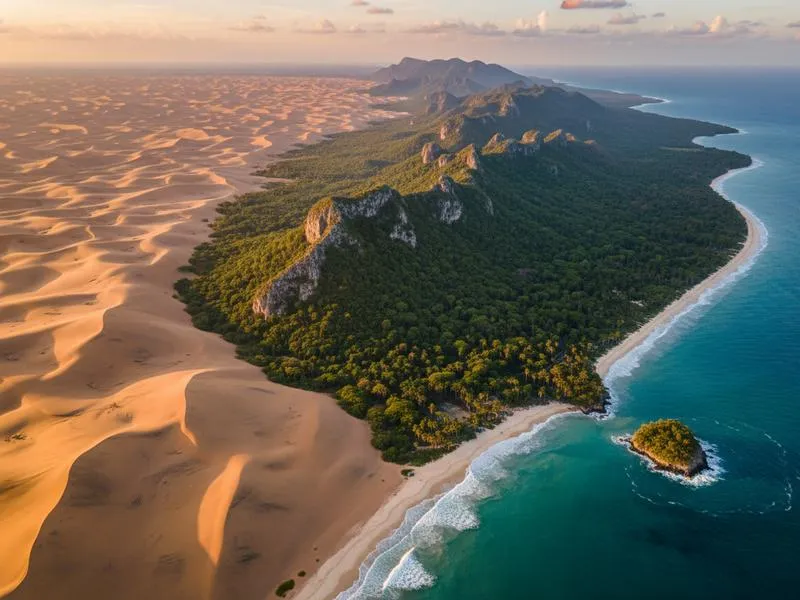
Best Time to Visit Mexico by Travel Style
If you do not want to read 12 months of detail, use this shortcut:
- Best overall weather: November to March
- Cheapest time to visit Mexico: May, June, September, and October
- Best time for Mexico beaches: December to April
- Best time for whale watching: January to March in Baja California Sur
- Best time for festivals: late October through November, plus July for Oaxaca’s Guelaguetza
- Best time to avoid crowds: May, June, late August, September, and October
- Best time for surfing: May to October on the Pacific coast
- Best time for Mexico City and the highlands: October to April, plus late spring if you do not mind some heat
Best Time to Visit Mexico by Region
| Region | Best Months | Why |
|---|---|---|
| Cancún, Tulum, Riviera Maya | Dec-Apr | Drier weather, calmer beach days, lower hurricane risk |
| Puerto Vallarta, Sayulita, Pacific coast | Nov-Apr | Sunny weather, lower humidity, better general beach conditions |
| Baja California Sur | Jan-Mar | Peak whale watching, warm sunny days, cool desert nights |
| Mexico City & central highlands | Oct-Apr | Mild temperatures, lower rain risk, best walking weather |
| Oaxaca | Oct-Nov, Feb-Apr, Jul for festivals | Day of the Dead, dry hiking season, or Guelaguetza depending on intent |
| Copper Canyon & north | Mar-May, Oct-Nov | Pleasant temperatures for train rides, hiking, and road trips |
When Not to Visit Mexico
There is no single month you must avoid everywhere, but these are the biggest timing traps:
- Mid-March spring break if you want quiet beaches in Cancún, Cabo, or Puerto Vallarta
- Semana Santa / Easter week if you hate crowds, sold-out hotels, and price spikes for domestic travel
- September on the Caribbean and Gulf coasts if you are nervous about tropical storms and heavy rain
- Late April and May in Yucatán inland cities if you struggle with intense dry heat
That said, these same periods can still be great if your goal is different. September is excellent for hotel deals, and Semana Santa is incredible if you want to experience Mexican religious traditions rather than avoid crowds.
Month-by-Month Guide
January: Peak Season, Perfect Weather
Weather: Dry and comfortable nationwide. Mexico City 12–22°C (54–72°F). Cancún 23–29°C (73–84°F). Oaxaca 10–28°C (50–82°F). San Cristóbal 5–20°C (41–68°F) — pack a jacket.
Why visit: This is prime Mexico weather. Skies are clear, humidity is low, and the entire country is in post-holiday recovery mode (quieter after January 6 Día de Reyes). Whale watching season is in full swing off Baja California — gray whales arrive in Laguna San Ignacio and Ojo de Liebre, and humpbacks gather in Bahía de Banderas near Puerto Vallarta. Monarch butterflies blanket the forests of Michoacán.
What to do:
- Whale watching in Baja California Sur and La Paz
- Monarch butterfly sanctuaries in Angangueo, Michoacán — base yourself in Morelia for the full Michoacán experience
- Hiking the Pueblos Mancomunados in Oaxaca’s Sierra Norte (perfect weather)
- Mexico City museums and neighborhoods without summer crowds
- Beach time in Huatulco, Holbox, or Bacalar
Crowds & costs: High season. Flights from the US average $350–$600 round-trip. Hotels are at peak rates (30–50% higher than low season). Book 2–3 months ahead for popular destinations. After January 6, crowds thin noticeably — mid-to-late January is actually one of the smartest times to visit (peak weather, declining crowds, prices starting to stabilize).
Budget tip: Fly on Tuesday or Wednesday for the cheapest fares. Look at Mazatlán and Guanajuato — popular with Mexicans but underpriced compared to Cancún.
February: Carnaval, Whales, and Romance
Weather: Similar to January — dry, comfortable, slightly warming. Coastal temperatures begin creeping up. This is statistically the driest month in most of Mexico.
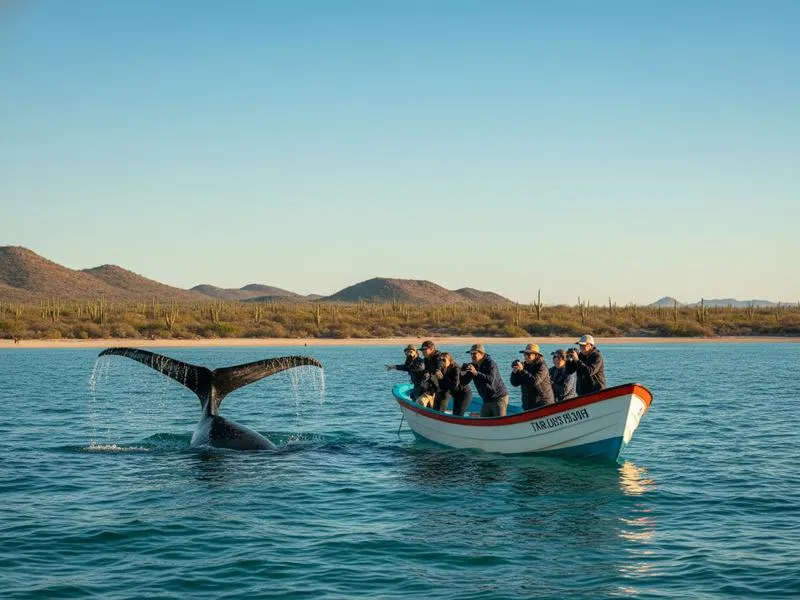
Why visit: February is Mexico’s most underrated month. Carnaval erupts in Mazatlán (the third-largest celebration in the world after Rio and New Orleans), Veracruz, and Campeche. Whale watching peaks — this is THE month for gray whales in Baja. Valentine’s Day in San Miguel de Allende or colonial Guanajuato is unforgettable.
What to do:
- Carnaval in Mazatlán (week-long party, parades, music)
- Peak whale watching — gray whales let you touch them in Baja’s lagoons
- Copper Canyon train ride (El Chepe) in perfect weather
- Wine tasting in Valle de Guadalupe — vines are pruned, tastings are uncrowded
- Hot springs in Hidalgo and Michoacán (cool mornings, warm water)
Crowds & costs: Still high season, especially around Carnaval (Mazatlán hotels triple in price that week). Otherwise, February is a “shoulder” within peak season — less crowded than December and March. US spring break hasn’t started yet.
Budget tip: Skip Carnaval week and visit Mazatlán the week before or after — same great weather, normal prices. Campeche’s Carnaval is equally spectacular but a fraction of the cost.
March: Spring Break and the Equinox
Weather: Warming up. Coastal areas hit 30–33°C (86–91°F). Inland highlands remain pleasant at 22–28°C (72–82°F). Very dry — some of the lowest rainfall of the year.
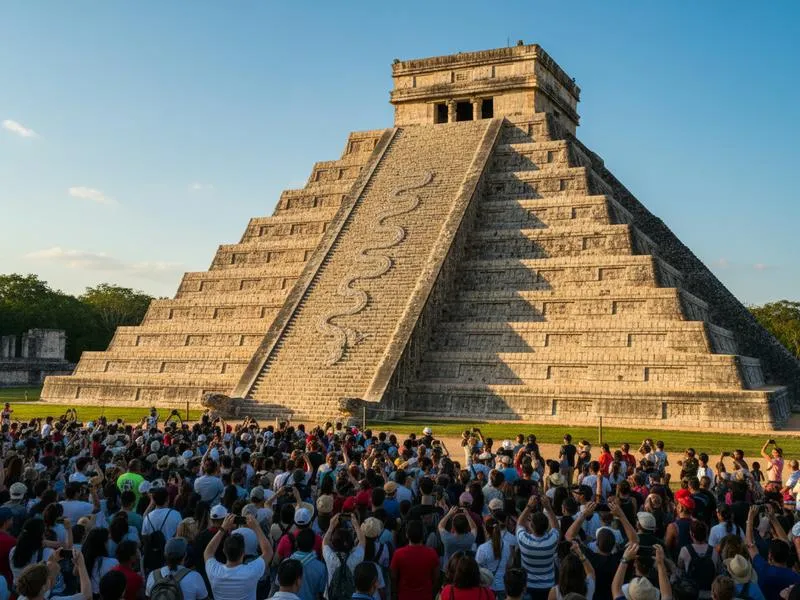
Why visit: The Spring Equinox at Chichén Itzá creates the famous serpent shadow on El Castillo pyramid (March 20). If you time it right, it’s one of Mexico’s most magical experiences. The entire country is warm, dry, and alive with energy.
What to do:
- Spring Equinox at Chichén Itzá — arrive early, it gets packed
- Spring break destinations beyond Cancún — Sayulita, Puerto Escondido, Bacalar
- Spring break on a budget — $40/day is realistic
- Day trips from Mexico City in perfect weather
- Cenote hopping in the Yucatán
Crowds & costs: 🔴 This is the most expensive month in Mexico’s Caribbean. US spring break floods Cancún, Playa del Carmen, and Tulum with college students. Prices spike 50–100% on the Riviera Maya. BUT — Pacific coast, Oaxaca, and central Mexico are much less affected. Spring break Mexico guide has the full breakdown.
Budget tip: Go to Oaxaca, Guanajuato, or the Pacific coast instead of the Riviera Maya. Same great weather, a fraction of the price and crowds.
April: Semana Santa and the Last Dry Days
Weather: The hottest dry month. Coastal areas 32–35°C (90–95°F). Mérida and Yucatán get oppressively hot (38°C+). Highlands are perfect — warm days, cool evenings.
Why visit: Semana Santa (Holy Week) transforms Mexico. This is the country’s most important holiday — bigger than Christmas for many families. Processions in Taxco, passion plays in Iztapalapa (Mexico City), and elaborate celebrations in San Miguel de Allende, Pátzcuaro, and Oaxaca. It’s also the last month of guaranteed dry weather before the rainy season starts.
What to do:
- Semana Santa celebrations in Taxco, San Miguel, Pátzcuaro, Oaxaca
- Last chance for optimal camping weather before rains
- Archaeological sites — Teotihuacán, Monte Albán, Calakmul
- Swimming in cenotes — temperatures make it perfect
- Mezcal distillery tours in Oaxaca (harvest season)
Crowds & costs: 🔴 Semana Santa is Mexico’s busiest travel week — for DOMESTIC tourists. Hotels at Mexican beach resorts sell out months ahead. Prices double or triple. Ley Seca (alcohol sales ban) applies in some regions on Good Friday. After Easter, crowds vanish almost overnight — late April is a hidden gem for smart travelers.
Budget tip: Visit the week AFTER Easter. Prices crash back to normal, weather is still excellent, and you’ll have places nearly to yourself. See the complete Mexico in April guide for a full breakdown of Semana Santa vs late April by destination.
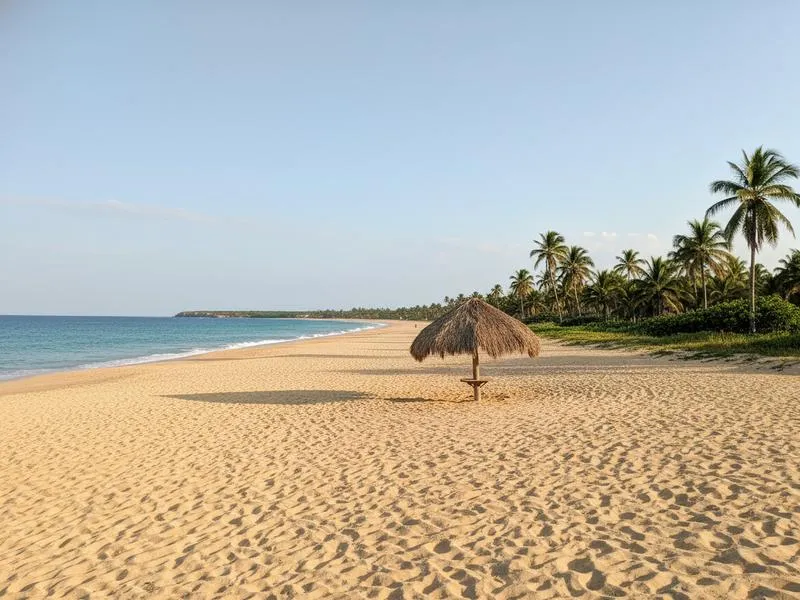
May: The Secret Best Month
Weather: Warming transition. First scattered rains begin (light, mostly southern regions). Inland cities reach annual temperature peaks — Mérida 36°C (97°F), Guadalajara 33°C (91°F), Mexico City 27°C (81°F). Coasts are hot but dry.
Why visit: May is my personal favorite month to recommend. Tourist season is completely over — prices plummet, crowds evaporate, but the rainy season hasn’t truly started yet. You get dry-season weather at low-season prices. Cinco de Mayo in Puebla is the real deal (not the American version). The Yucatán is hot but empty.
What to do:
- Cinco de Mayo in Puebla — reenactments, parades, traditional food
- Empty beaches in Huatulco, Sayulita, Mazatlán
- Whale sharks arrive on the Caribbean coast (season: May–September)
- Mexico City exploring without the crowds
- Hot springs and spa retreats at discount prices
Crowds & costs: ✅ Lowest of the year alongside June. Flights from the US drop to $200–$400 round-trip. Hotels offer 20–40% discounts. Popular restaurants have tables available without reservations. This is the month to splurge on a nicer hotel — you’ll get luxury-tier for mid-range prices.
Budget tip: Book a boutique hotel in Oaxaca or San Miguel de Allende for half what it costs in December. Mexico travel cost guide has the full breakdown. See the complete Mexico in May 2026 guide for the full breakdown of where to go, what wildlife to expect, and how to time the Cinco de Mayo visit.
June: Low Season Begins (and That’s a Good Thing)
Weather: Rainy season starts in earnest, especially in southern Mexico. Expect afternoon thunderstorms (usually 1–2 hours) with sunny mornings. Humidity rises. Hurricane season officially begins June 1, though June hurricanes are rare.
Why visit: If you’re flexible with afternoon plans, June offers absurd value. The rain makes the landscape impossibly green — waterfalls are at their most powerful, rivers are running, and the countryside is lush. Surf season kicks off on the Pacific coast with the first big swells.
What to do:
- Surfing in Puerto Escondido (Mexican Pipeline starts pumping)
- Whale shark swimming off Isla Holbox and Cancún (season peak: Jun–Aug)
- Mexico City museums and food scene (rain is lighter here due to altitude)
- Mole Poblano festival in Puebla (Festival del Mole)
- Ecotourism — jungles are electric green
Crowds & costs: ✅ Rock-bottom prices. This is tied with May and September for the cheapest month. Some beach hotels drop rates by 40–50%. Domestic tourism is low (Mexican kids are still in school until early July).
Budget tip: This is when to book all-inclusive resorts if that’s your thing. A resort in Cancún that’s $400/night in January can be $180–$220 in June. See the complete Mexico in June 2026 guide for whale shark logistics, Pacific coast conditions, and the Oaxaca Guelaguetza lead-up.
July: Festival Season and Summer Heat
Weather: Hot and humid everywhere. Coastal areas are steamy (33–35°C/91–95°F with high humidity). Afternoon rains are more consistent. Mexico City sees daily thunderstorms but mornings are glorious.
Why visit: July belongs to La Guelaguetza — Oaxaca’s spectacular indigenous dance festival on the last two Mondays of July. It’s one of Mexico’s most incredible cultural experiences and draws visitors from around the world. Summer vacation also means Mexican families are traveling — the energy is infectious.
What to do:
- La Guelaguetza in Oaxaca — indigenous dance, mezcal, food, color
- Whale shark swimming off Isla Holbox and Isla Contoy
- Surfing the Pacific coast — consistent summer swells
- River rafting and waterfall chasing (rivers at peak flow)
- Huasteca Potosina — Cascadas de Tamul and Micos are thundering
Crowds & costs: 🟡 Mixed. Prices rise slightly as Mexican families take summer vacation. Beach resorts see domestic tourism surge. But international tourists are fewer, so popular “gringo” destinations (San Miguel, Tulum) are manageable. Oaxaca hotels sell out for Guelaguetza — book 2–3 months ahead.
Budget tip: Visit Oaxaca the week BEFORE Guelaguetza for normal prices, then stay for the festival. Or catch the free Guelaguetza events (not just the ticketed stadium show).
August: Green Season Peak
Weather: Peak rainfall in most regions. Mexico City averages rain 25+ days this month. Coastal areas are hot, humid, and rainy. Hurricane probability increases. But mornings are often clear and spectacular.
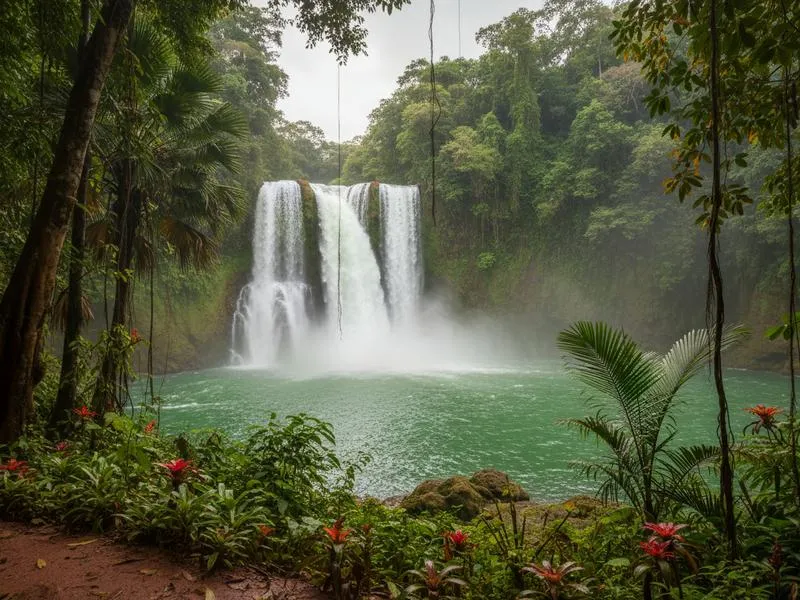
Why visit: August is the greenest Mexico gets — if you’re a photographer or nature lover, the landscapes are extraordinary. Waterfalls are at maximum flow, rivers are running, and the countryside looks like a postcard. The International Mariachi Festival in Guadalajara is a cultural highlight.
What to do:
- Mariachi Festival in Guadalajara
- Chiapas waterfalls at peak flow (Agua Azul is thundering)
- Nanciyaga Ecological Reserve in Los Tuxtlas — rainforest at its lushest
- Indoor activities: cooking classes, mezcal tastings, museum hopping
- Glamping — rain on the tent roof is magical
Crowds & costs: 🟡 Domestic high season (Mexican summer holidays through mid-August) but international low season. After August 15 when Mexican schools start, crowds drop dramatically. Late August = excellent deals everywhere.
Budget tip: Fly into Mexico August 16–31. Prices crash as Mexican summer ends but before US labor Day travel. Some of the year’s best hotel deals.
For the complete guide: Mexico in August 2026 — whale shark peak season, bioluminescence guide, sea turtle arrivals, and Fiestas Patrias prep.
September: Hurricane Peak, Budget Paradise
Weather: Peak hurricane season. This is statistically the wettest month in Mexico, especially on the Caribbean coast and Gulf. Inland areas get heavy afternoon storms. BUT — hurricanes are still rare events, and most days between storms are perfectly fine.
Why visit: September is Mexico’s cheapest month, period. If you’re budget-conscious and flexible, you can travel in genuine luxury for mid-range prices. Mexican Independence Day (September 15–16) brings incredible celebrations nationwide — the Grito de Independencia in every town square is an electric experience.
What to do:
- Independence Day (Sep 15–16) — watch the Grito ceremony in any town plaza
- Mexico City independence celebrations (massive, spectacular)
- Oaxaca at its greenest (independence celebrations + empty of tourists)
- Autumn equinox at Chichén Itzá (September 22 — serpent shadow returns)
- Guadalajara food scene without the crowds
Crowds & costs: ✅ Absolute lowest prices of the year. Some hotels offer 50% off peak rates. Flights can be found for $150–$300 round-trip from the US. The catch is rain and hurricane risk — travel insurance is essential this month.
Budget tip: Stick to inland destinations (Mexico City, Oaxaca, Guanajuato, San Miguel) to minimize hurricane risk while maximizing savings. These cities get rain but are completely hurricane-safe. For the full breakdown: Mexico in September 2026 — El Grito guide, sea turtle peak season, chiles en nogada, and where to go.
October: Day of the Dead Preparations and Transition
Weather: Rains begin to taper. The first half of October is still wet; the second half sees clearing skies, especially in central and northern Mexico. Hurricane risk remains through November but decreases. Temperatures start cooling — perfect sleeping weather.
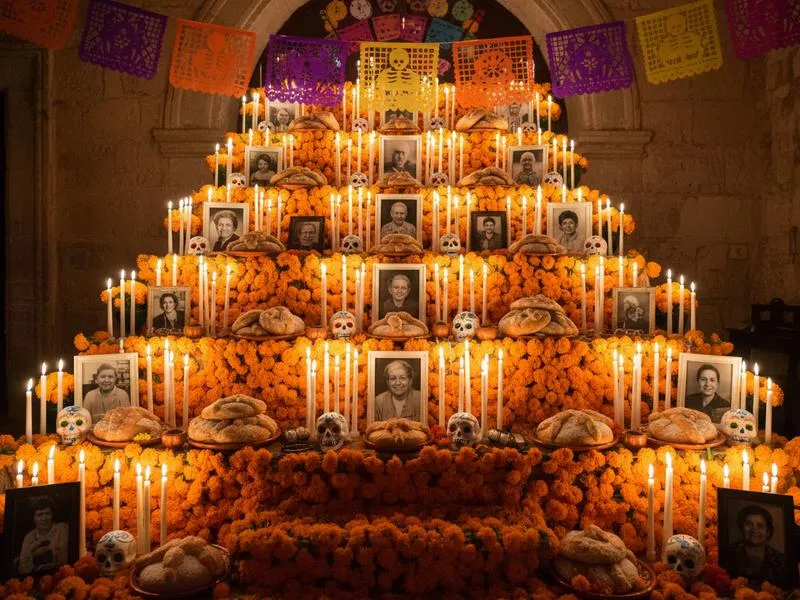
Why visit: The buildup to Day of the Dead begins in late October. Markets fill with cempasúchil (marigolds), sugar skulls, pan de muerto, and elaborate ofrendas. Oaxaca, Pátzcuaro, and Mexico City transform weeks before November 1–2. You can experience the preparation atmosphere without the peak crowds of November itself.
What to do:
- Pre-Day of the Dead shopping and ofrenda-building in Oaxaca and Pátzcuaro
- Morelia Film Festival 2026 from October 16–25 for screenings, premieres, and a culture-focused Michoacán city break
- Monarch butterflies begin arriving in Michoacán (late October)
- Baja wine harvest — Fiesta de la Vendimia in Valle de Guadalupe
- Surf season winding down on the Pacific (still good waves)
- Late October cenote visits — water levels are highest, crystal-clear after settling
Crowds & costs: 🟡 Transition month. Early October is still low season with great deals. Prices begin climbing after October 20 for Day of the Dead (Oaxaca hotels can double). Book Oaxaca and Pátzcuaro accommodations well in advance if planning a late October / Day of the Dead trip.
Budget tip: Arrive in Oaxaca by October 25 and stay through November 2. You’ll see the full preparation and celebration while avoiding the absolute peak November 1 crowd surge.
For the full October breakdown: Mexico in October 2026 — Cervantino Festival, whale sharks in La Paz, monarch butterfly timing, Day of the Dead booking guide, and regional weather table.
November: The Best Overall Month
Weather: Dry season begins. Rain stops in most regions. Temperatures are comfortable — not too hot, not too cold. Mexico City 8–22°C (46–72°F). Cancún 24–30°C (75–86°F). Oaxaca 12–28°C (54–82°F). Humidity drops. Skies clear. This is Mexico at its meteorological best.
Why visit: November combines everything: Day of the Dead (November 1–2) is Mexico’s most profound cultural celebration. The dry season has just started, so landscapes are still green from the rains but the skies are clear. Prices haven’t hit peak season yet. Monarch butterflies are settling in. Whale watching season begins. It’s warm enough for the beach, cool enough for comfortable exploring.
What to do:
- Day of the Dead in Oaxaca, Pátzcuaro, Mixquic, or Mexico City
- Corona Capital 2026 in Mexico City (November 20–22)
- Monarch butterfly sanctuaries in Michoacán (open mid-November)
- First whale sightings off Baja California
- Hiking in perfect weather (Sierra Norte, Copper Canyon)
- Beach season returns — Caribbean beaches are warm and calm
Crowds & costs: 🟡 The sweet spot. November 1–3 is busy in Day of the Dead destinations (Oaxaca, Pátzcuaro), but the rest of the month is blissfully uncrowded with near-low-season prices. After Day of the Dead, prices stay moderate until mid-December. This is when experienced Mexico travelers visit.
Budget tip: Visit Day of the Dead in Mexico City instead of Oaxaca — equally spectacular celebrations in Coyoacán, Mixquic, and the Zócalo, but easier to find affordable accommodation.
For the full breakdown, use our Mexico in November 2026 guide for Día de los Muertos destinations, monarch butterfly timing, the start of gray whale season, Caribbean coast conditions, and a practical budget guide. If the festival is your reason for visiting the capital, compare where to stay for Corona Capital before booking; the neighborhoods most visitors enjoy are not the closest to the Autódromo venue.
December: Holiday Magic and Peak Prices
Weather: Dry and cool. Perfect beach weather on both coasts. Highland cities are crisp — Mexico City mornings can be 5–8°C (41–46°F), warming to 20–22°C (68–72°F) by afternoon. Pack layers for inland, swimsuits for the coast.
Why visit: Mexico does Christmas differently — and beautifully. Posadas (candlelight processions) happen nightly December 16–24. Pastorelas (nativity plays) fill town squares. Tamales are everywhere. New Year’s Eve in Mexico City’s Zócalo is an unforgettable experience. The weather is impeccable.
What to do:
- Posadas and pastorelas in San Miguel de Allende, Oaxaca, Pátzcuaro
- New Year’s Eve in Mexico City (Zócalo countdown)
- Whale watching season begins in earnest off Baja
- Beach vacation in Cancún, Puerto Vallarta, or Huatulco
- Christmas tamale culture — every family has their recipe, markets overflow with options
- Grutas de Tolantongo hot springs under cold December skies
Crowds & costs: 🔴 Peak of peak season. December 20–January 6 is the busiest, most expensive period in all of Mexico. Flights spike 50–100%. Beach resort hotels double or triple. Cancún and Riviera Maya are at maximum capacity. Book 3–4 months ahead minimum. BUT — early December (1–15) is a hidden gem: dry-season weather, holiday atmosphere starting, but prices haven’t peaked yet.
Budget tip: Travel December 1–15. You get holiday vibes (Guadalupe celebrations on December 12), perfect weather, and pre-peak prices. Or skip the coasts entirely — Guanajuato, Puebla, and Querétaro offer Christmas magic at half the beach-resort cost. See the complete Mexico in December 2026 guide for Las Posadas, whale watching, and NYE planning.
Best Time to Visit by Destination
Every region has its own sweet spot. Here’s the specific timing for Mexico’s most popular destinations:
Beach Destinations
| Destination | Best Months | Avoid | Notes |
|---|---|---|---|
| Cancún & Riviera Maya | Nov–Apr | Sep (hurricane peak) | Most expensive Dec–Mar; consider May for value |
| Puerto Vallarta | Nov–May | Sep–Oct (heavy rain) | Whale watching Jan–Mar; surf Jun–Oct |
| Los Cabos | Oct–May | Aug–Sep (hurricanes) | Year-round dry; coolest Dec–Feb. Baja planning guide |
| Huatulco | Nov–May | Sep–Oct | Less crowded than Caribbean year-round |
| Mazatlán | Nov–May | Sep | Carnaval in Feb is spectacular |
| Sayulita | Nov–Apr | Sep–Oct | Surf year-round; beginners Nov–Apr |
| Holbox | Nov–Apr (beach), Jun–Sep (whale sharks) | Sep–Oct | Two distinct “best” seasons |
| Bacalar | Nov–May | Sep–Oct | Fewer crowds year-round; lagoon is calmest mornings |
| Puerto Escondido | Nov–Apr (beach), May–Sep (surf) | Sep | Mexican Pipeline peaks May–Aug |
Cultural & Colonial Cities
| Destination | Best Months | Peak Events | Notes |
|---|---|---|---|
| Mexico City | Feb–May, Oct–Nov | Day of the Dead, Independence | Year-round destination; avoid Jul–Aug if you hate rain |
| Oaxaca City | Oct–Nov, Feb–Apr | Guelaguetza (Jul), Day of the Dead (Nov) | Nov is perfect; Jul for Guelaguetza |
| San Miguel de Allende | Oct–Apr | Day of the Dead, Semana Santa | Year-round pleasant; summer rains brief |
| Guanajuato | Oct–May | Cervantino Festival (Oct) | Cool nights year-round at altitude |
| Mérida | Nov–Feb | Carnaval (Feb) | Avoid Apr–Aug (brutal heat, 38°C+) |
| Puebla | Oct–Apr | Cinco de Mayo, Semana Santa | Mole de caderas Oct–Nov is worth a special trip |
| San Cristóbal de las Casas | Nov–Mar | — | Cold at altitude; pack warm layers |
| Querétaro | Oct–Apr | Wine harvest (Aug–Sep) | Year-round mild; wine country nearby |
Nature & Adventure
| Experience | Best Months | Where | Notes |
|---|---|---|---|
| Whale watching | Jan–Mar | Baja California, Puerto Vallarta | Gray whales in Baja, humpbacks in Banderas Bay |
| Monarch butterflies | Nov–Mar | Michoacán sanctuaries | Peak: late Nov–Feb; arrive by late morning |
| Whale sharks | Jun–Sep | Holbox, Isla Mujeres, Cancún | Peak: Jul–Aug |
| Sea turtle nesting | Jun–Nov | Pacific coast, Riviera Maya | Releases: Aug–Dec |
| Hiking | Nov–Feb | Sierra Norte, Copper Canyon, highlands | Cool, dry, clear visibility |
| Surfing (beginner) | Nov–Apr | Sayulita, Mazatlán | Smaller, gentler waves |
| Surfing (advanced) | May–Oct | Puerto Escondido, Barra de Nexpa | Hurricane swells = massive waves |
| Cenote swimming | Year-round | Yucatán cenotes | Warmest water: Apr–Oct; clearest: Nov–Feb |
| Waterfall season | Jul–Oct | Chiapas, Huasteca Potosina | Peak flow; most spectacular |
| Bird watching | Nov–Mar | Yucatán, Chiapas, Oaxaca | Migratory species + flamingos |
Mexico’s Major Festivals and Events Calendar
Plan your trip around these unforgettable celebrations:
| Month | Festival | Where | Why Go |
|---|---|---|---|
| Jan 6 | Día de Reyes | Nationwide | Rosca de Reyes cake, gifts for children |
| Feb | Carnaval | Mazatlán, Veracruz, Campeche | Week-long party, parades, music |
| Feb 2 | Día de la Candelaria | Nationwide | Tamales tradition (whoever got the figurine in the Rosca pays) |
| Mar 20 | Spring Equinox | Chichén Itzá, Teotihuacán | Serpent shadow on pyramid |
| Mar/Apr | Semana Santa | Taxco, Iztapalapa, San Miguel | Most important holiday for Mexicans |
| May 5 | Cinco de Mayo | Puebla | The REAL celebration (not the US version) |
| Jun | Festival del Mole | Puebla | Mole competition and tastings |
| Jul | La Guelaguetza | Oaxaca | Indigenous dance festival (last 2 Mondays) |
| Aug | Mariachi Festival | Guadalajara | International mariachi celebration |
| Sep 15–16 | Independence Day | Nationwide | Grito ceremony in every town square |
| Oct | Festival Cervantino | Guanajuato | Performing arts, music, theater |
| Nov 1–2 | Day of the Dead | Oaxaca, Pátzcuaro, Mixquic | Mexico’s most iconic celebration |
| Dec 12 | Día de la Virgen de Guadalupe | Mexico City (Basilica), nationwide | Massive pilgrimage |
| Dec 16–24 | Las Posadas | Nationwide | Nightly candlelight processions |
Seasonal Pricing Guide
Here’s what to expect for costs by season:
| Category | Peak (Dec–Mar) | Shoulder (Apr, Jul–Aug, Nov) | Low (May–Jun, Sep–Oct) |
|---|---|---|---|
| Round-trip flights (US) | $350–$600 | $250–$450 | $150–$350 |
| Beach hotel (per night) | $120–$300+ | $70–$180 | $50–$120 |
| Colonial city hotel | $60–$150 | $40–$100 | $30–$70 |
| All-inclusive resort | $250–$500+ | $150–$300 | $100–$200 |
| Rental car (per day) | $35–$60 | $25–$45 | $15–$30 |
| Tour/activity | Full price | 10–20% off | 20–40% off |
For a complete cost breakdown, see our Mexico travel cost guide.
Hurricane Season: What You Actually Need to Know
Hurricane season runs June 1 through November 30, peaking in September. Here’s the reality most guides exaggerate:
The Pacific coast (Puerto Vallarta, Mazatlán, Huatulco) faces hurricane risk from the Eastern Pacific basin. Hurricanes occasionally hit — Patricia (2015), Otis (2023) — but most storms stay offshore.
The Caribbean coast (Cancún, Riviera Maya, Cozumel) faces Atlantic hurricanes. The Yucatán Peninsula has been hit harder in recent decades (Wilma 2005, Delta 2020).
Inland Mexico (Mexico City, Oaxaca, Guanajuato, San Miguel de Allende, Puebla, Querétaro) is completely safe from hurricanes. These destinations get rain during rainy season but zero hurricane risk.
What to do during hurricane season:
- Monitor weather 7–10 days before your trip
- Choose inland destinations to eliminate hurricane risk entirely
- Know that most “hurricane season” days are perfectly normal — sunny mornings with possible afternoon rain
- Hotels and airlines offer free cancellation/rebooking during active storms
My Honest Recommendation
If you’re planning your first trip to Mexico and want the safest bet: go in November. The weather is perfect, the cultural calendar is extraordinary, prices haven’t peaked, and the country is at its most beautiful, green from the rains but mostly dry overhead.
If you want the best value: May or early June for most of the country, or September and October if you are happy to prioritize inland cities over hurricane-prone beaches. That is usually the cheapest smart-traveler window.
If you want a specific experience: time it around what matters to you, like whale watching (Jan–Mar), Guelaguetza (Jul), Day of the Dead (Nov), surfing in Puerto Escondido (May–Oct), or spring break (Mar).
And if you’re asking a Mexican? We travel during Semana Santa and summer break — because for us, the experience matters more than the weather report. Mexico is worth visiting any month of the year. The “wrong” time to come is the time you don’t come at all.
Plan Your Trip
Ready to start planning? These guides will help:
Seasonal and destination timing guides:
- Best Time to Visit Tulum — sargassum by month, cenote clarity, wildlife calendar
- Mexico in September — Independence Day, rainy-season tradeoffs, and where September still works
- Cancun in September — hurricane risk, sargassum reality, prices, and whale shark timing
- Cozumel in September — diving, ferry timing, storm-season planning, and west-coast beach strategy
- Playa del Carmen in September — sargassum workarounds, Cozumel escapes, and low-season costs
- Puebla in September — Independence Month, food season, rain patterns, and day-trip planning
- Real del Monte in October — fall weather, pastes, mountain fog, and Hidalgo weekend timing
Trip planning:
- Mexico Travel Advisory 2026 — State-by-state safety context before booking
- Yucatan Peninsula Guide — Cancun, Tulum, Merida, Valladolid, beaches, ruins, and cenotes
- Baja California Travel Guide — Tijuana to Cabo route planning, stops, and road-trip timing
- Merida Mexico Things to Do — Safe 3-day city plan with day trips and food stops