Best Time to Visit Tulum in 2026: Month-by-Month Guide + Sargassum
Tulum is a town of 50,000 people on the Riviera Maya, 130 km south of Cancún, built around a UNESCO-protected Mayan clifftop ruin and one of the world’s most photographed stretches of Caribbean coast. It receives over 3 million annual visitors and sits on a southeast-facing coastline — which means it absorbs more sargassum seaweed than almost any other destination in Mexico.
The short answer: January through March is the best time to visit Tulum for most travelers, while November and early December are the best value months. If your trip is mainly about beach time, avoid June through September, when sargassum risk, humidity, and storm disruption are highest.
This guide gives you the real picture, month by month.
30-Second Answer
- Best overall months: January, February, and early March for dry weather, lower seaweed risk, and swimmable beaches.
- Best value months: November and early December for cleaner beaches, lower prices, and lighter crowds.
- Best months for cenotes and ruins: November to April, though cenotes stay excellent all year.
- Best budget window: October to early December, if you’re flexible and watching weather.
- Worst months for a beach-first trip: June to September because of heavier sargassum, humidity, and hurricane-season risk.
Best Month to Visit Tulum by Trip Goal
| If you want… | Best month | Why |
|---|---|---|
| The best beach weather | February | Dry, warm, lower seaweed risk, and lighter crowds than spring break |
| The cheapest decent trip | November | Dry season starts, prices stay below winter peak, beaches usually improve fast |
| Cenotes and ruins | January | Coolest mornings, clear light, and easier early starts |
| Whale sharks + Tulum base | July | Best wildlife timing, even if beaches are weaker |
| Turtle nesting / hatching | August or October | Strong turtle season, fewer crowds, better hotel rates |
| Parties and nightlife | March | Peak social scene, but also peak prices and crowds |
April 2026: Where Tulum Stands Right Now
It’s April 1, 2026. Here’s what’s happening in real time:
- Semana Santa (Holy Week) just ended March 29–April 5. Crowds are now thinning rapidly.
- Sargassum is beginning to build. April is the transitional month — some days clear, some with seaweed. Check hotel Instagram before booking. Note: 2026 is forecast as a potential record sargassum year — see the full 2026 sargassum guide.
- Cenotes are at their best — dry season has kept the jungle greenery, and underground water is always clear.
- Prices are dropping post-Semana Santa. April 6–May is a brief window of reasonable rates before summer demand kicks in.
- Book November–January if you want the next guaranteed clear-beach window.
If you’re researching right now for an April trip: cenotes and ruins are excellent. Beach? Check current photos (use Tulum beach zone Instagram tags).
At-a-Glance: Tulum by Month
| Month | Weather | Sargassum | Crowds | Prices | Wildlife / Events | Rating |
|---|---|---|---|---|---|---|
| January | ☀️ 28°C, dry | ⬜ Minimal | Medium (post-holiday) | Medium | — | ⭐⭐⭐⭐ |
| February | ☀️ 28°C, dry | ⬜ Minimal | Medium | Medium | — | ⭐⭐⭐⭐⭐ |
| March | ☀️ 29°C, dry | 🟡 Starting | HIGH (Spring Break) | Very High | — | ⭐⭐⭐ (weather ⭐⭐⭐⭐⭐) |
| April | ☀️ 30°C | 🟠 Building | High (Semana Santa) | High | Sea turtles start | ⭐⭐⭐ |
| May | 🌦️ 31°C | 🔴 Heavy | Low | Lower | Whale sharks (Holbox) | ⭐⭐⭐ |
| June | 🌧️ 31°C | 🔴 Heaviest | Low | Low | Whale sharks peak, Bioluminescence | ⭐⭐⭐ |
| July | 🌧️ 31°C | 🔴 Very Heavy | Low–Medium | Low | Whale sharks, Turtles | ⭐⭐⭐ |
| August | 🌧️ 31°C | 🔴 Heavy | Low–Medium | Low | Turtle nesting peak | ⭐⭐⭐ |
| September | ⚠️ Hurricane risk | 🟠 Easing | Very Low | Lowest | Turtles hatching | ⭐⭐ |
| October | ⚠️ Hurricane risk | 🟡 Easing | Low | Lowest–Low | Turtles hatching | ⭐⭐⭐ |
| November | ☀️ 27°C | 🟡 Minimal | Low–Medium | Medium | Turtle season ends | ⭐⭐⭐⭐ |
| December | ☀️ 26–27°C | ⬜ Minimal | High (late Dec) | High (late Dec) | — | ⭐⭐⭐⭐ (avoid Dec 24–Jan 2) |
The Sargassum Problem (Read Before You Book)
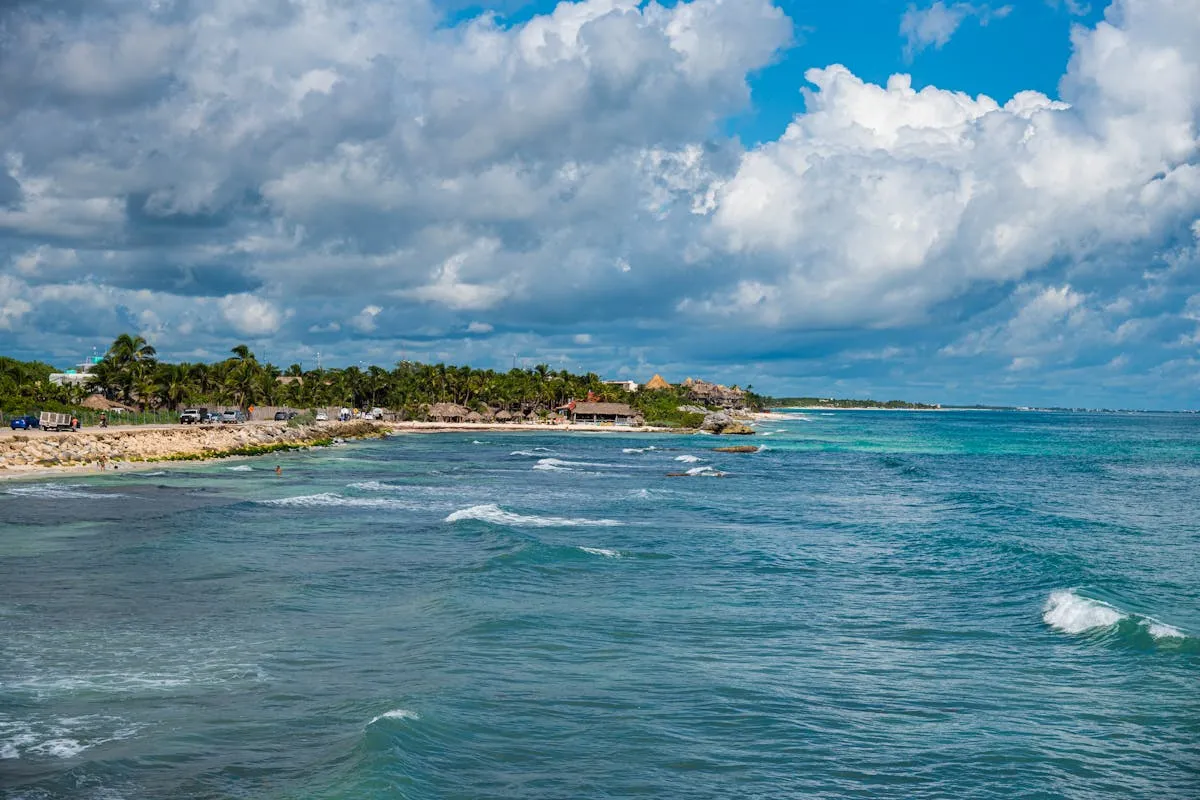
No conversation about Tulum timing is complete without this: Tulum’s beaches are among the most affected by sargassum seaweed in all of Mexico.
Sargassum is brown, rubbery seaweed that drifts in from the Atlantic’s Sargasso Sea. It has been a significant issue along the Mexican Caribbean since 2014. When it piles on beaches, it smells strongly of hydrogen sulfide, turns the water brown near shore, and makes swimming unpleasant.
Why Tulum is hit harder than Cancún:
- Cancún’s Hotel Zone faces northwest — currents push much of the sargassum south before it arrives
- Tulum’s beach zone faces southeast, directly in the path of the Atlantic drift
- Playa del Carmen faces east — also affected, but less than Tulum
- Cozumel’s main hotel strip faces west — largely protected
The honest sargassum calendar for Tulum:
- December–March: Minimal to none. This is your window.
- April–May: Sargassum starts building. Some beaches clean, some not. Check hotel photos from the week before you arrive (Instagram is best).
- June–August: Historically the worst months. This doesn’t mean every day is bad — beach clubs remove seaweed constantly — but the baseline risk is highest.
- September–October: Easing, but hurricane risk adds another layer of complexity.
- November: Usually clean by mid-November. The sweet spot if you want low prices without sargassum.
The practical implication: If you’re booking Tulum specifically for beach time in May–October, check recent guest photos before finalizing. Hotel and beach club photos are always taken on their best days. Instagram tagged with the beach name shows real-time reality.
No other single piece of information matters more to Tulum trip planning than this.
Dry Season (December–April): The Classic Choice
December (excluding Christmas week): The dry season arrives and sargassum disappears. Temperatures cool to a comfortable 26–27°C, humidity drops noticeably, and the sea achieves its most photographed turquoise. Early and mid-December are genuinely excellent — manageable crowds, good prices compared to what’s coming, and Tulum town is alive with travelers who aren’t spring breakers. Avoid December 20–January 2: Tulum becomes impossibly crowded and expensive. Beach club day passes for two people can exceed $500 USD. Hotels triple in price. Traffic on the one road between town and beach zone backs up for hours.
January (post-January 5): After the holiday crowd clears, Tulum settles into its calmest dry-season window. Prices drop 20–30% from their Christmas peak. Weather is perfect: dry, 28°C, low humidity. This is the best month for cenote diving — water temperature is comfortable, visibility is excellent, and the crowds at popular spots like Gran Cenote and Dos Ojos are smaller on weekday mornings. Ruins at 8 AM are genuinely peaceful. This is also peak season for nurse shark sightings while snorkeling off the Tulum coast.
February: The best month for most travelers. Dry weather, minimal sargassum, post-holiday pricing, and pre-spring break crowd levels. You get the most Tulum for the least money in February. Book accommodations 4–6 weeks ahead for the best options.
March: Spring break arrives in the second half of March, and Tulum transforms. If you like that energy, March is fine — the weather is stunning (29°C, zero rain). If you don’t, the first week of March is your last window before prices surge. Semana Santa (Holy Week) falls around March 29–April 5 in 2026, which creates a second massive crowd wave. Early March is one of the last quiet-and-dry combinations before the crowds take over completely.
April: Semana Santa dominates. Mexican school holidays fill every beach club and cenote. Sargassum begins appearing. Prices are high. If Semana Santa timing aligns with your dates and you enjoy the festive atmosphere, April can be fun — just book everything in advance and set your expectations for crowds.
Wet Season (May–October): The Trade-Off Season
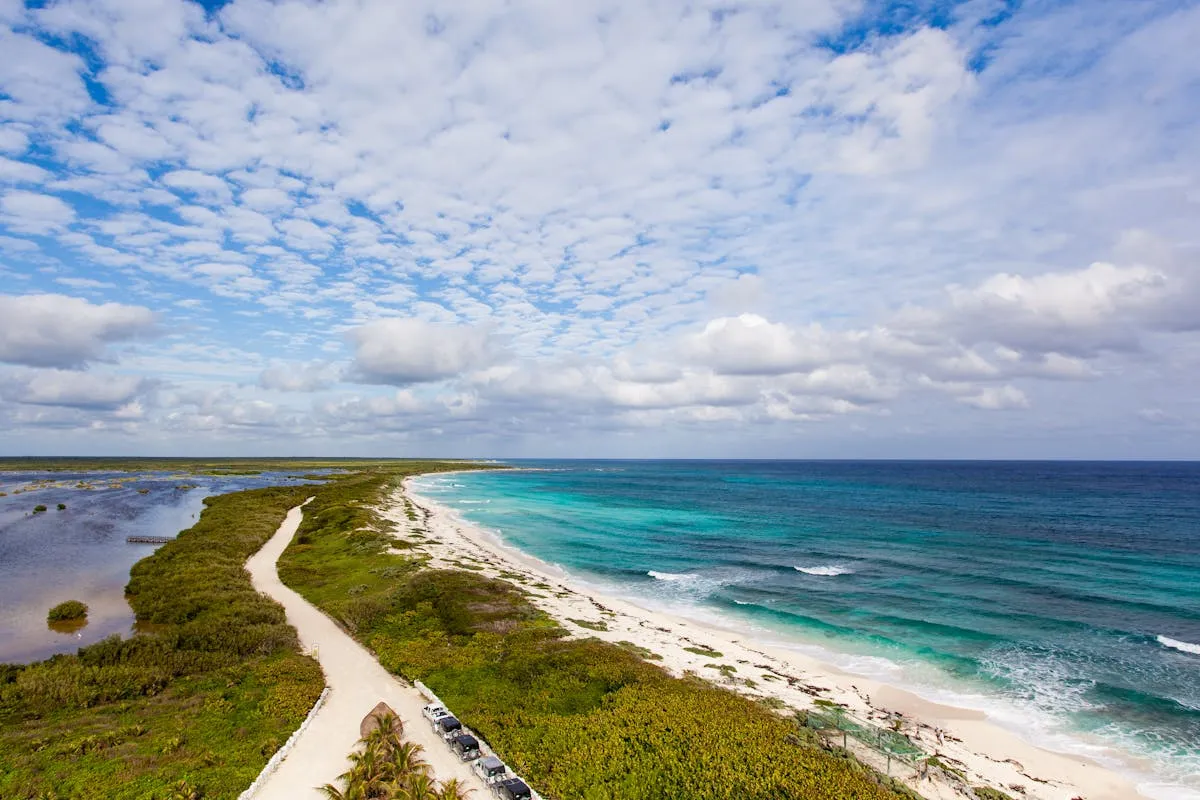
May: The sargassum arrives in earnest for most years. The upside: prices drop 25–40% from spring break peaks, crowds thin dramatically, and the humidity is still tolerable compared to July–August. The ruins are cooler in the mornings. Whale shark season begins at Holbox and Isla Mujeres, making a day trip from Tulum meaningful (2–2.5 hours each way). May can work well for travelers who prioritize cenotes (underground water is sheltered from weather) and ruins over beach time.
June–August: The core rainy season. In Tulum, this means afternoon showers almost every day, often heavy, with mornings frequently sunny. Sargassum is at its worst for most years. That said, several things peak: bioluminescence appears in the lagoons near Akumal and in Sian Ka’an (the dinoflagellate plankton peak is July–August), whale sharks are at peak near Holbox and Isla Mujeres (Holbox 45 min, Isla Mujeres 2 hrs from Tulum), and sea turtle nesting is active on beaches south of the ruins. If you have a specific cenote itinerary, the rain doesn’t matter — Dos Ojos, Gran Cenote, and Cenote Angelita are underground or freshwater-fed and excellent year-round.
September–October: Hurricane season peaks. September is genuinely risky for a Caribbean trip — not that a hurricane will hit Tulum specifically, but tropical storms can bring days of rain, rough seas, and closure of water activities. October is better: risk is lower, sargassum eases, and prices are at their annual floor. October is actually underrated for budget travelers willing to monitor weather forecasts. A flexible October trip can be excellent if no storm develops.
Cenote Water Clarity by Season
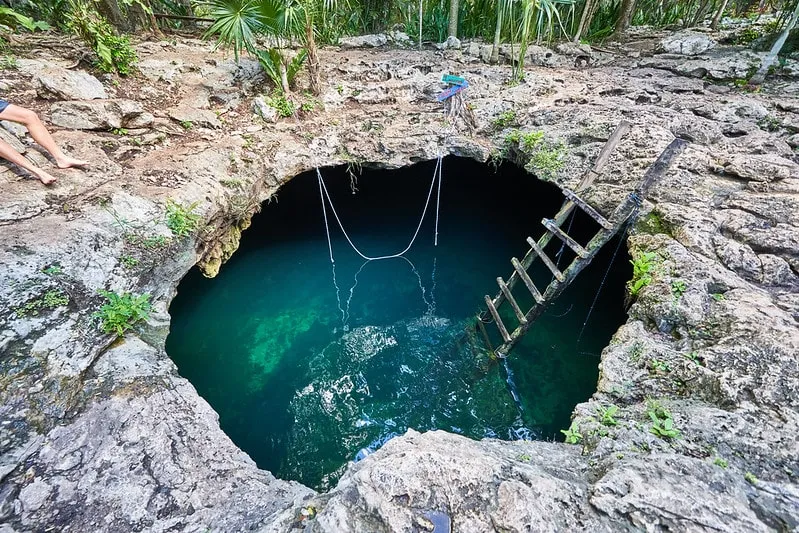
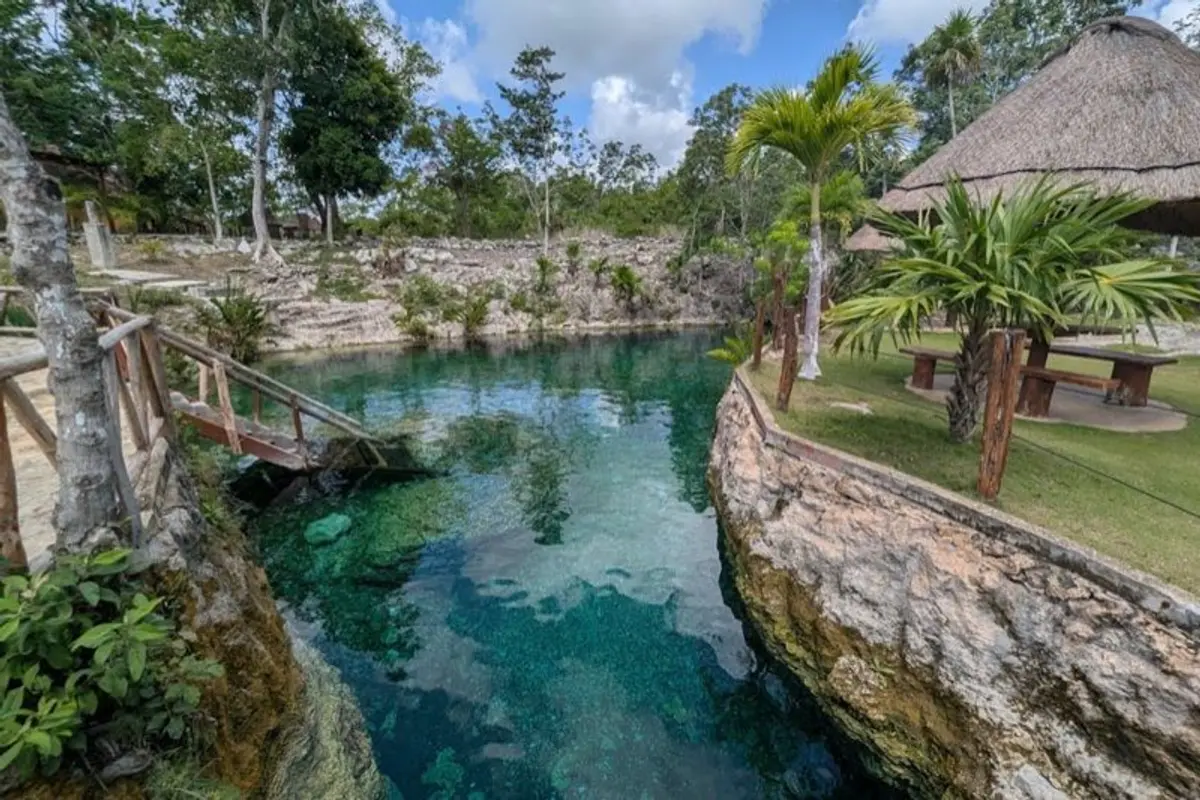
Unlike the beach (which is heavily affected by sargassum season), cenotes maintain excellent visibility year-round — they’re fed by the freshwater Yucatán aquifer, not the sea. The main seasonal variations:
| Season | Water Temp | Visibility | Crowds at Gran Cenote | Notes |
|---|---|---|---|---|
| Nov–Feb (dry) | 24°C (75°F) | Crystal clear | Low–Medium | Best for photography (stalactite light) |
| Mar–Apr (dry end) | 25°C (77°F) | Excellent | HIGH | Spring break = morning queues at 8 AM |
| May–Jun | 26°C (79°F) | Excellent | Low | Rain above, visibility perfect below |
| Jul–Oct (wet) | 26–27°C | Excellent | Low | Warmest water, fewest crowds, still beautiful |
Key cenote tips regardless of season:
- Gran Cenote: arrive before 9 AM or after 2 PM (tour buses arrive 9–11 AM)
- Dos Ojos: the best dive site in the area — stalactite cavern, snorkeling available too
- Cenote Angelita: hydrogen sulfide cloud at 30m depth creates a false “river” — only for certified divers
- All cenotes require reef-safe, biodegradable sunscreen — this is Quintana Roo state law, enforced at the entrance
Wildlife Calendar
| Species | When | Where to See |
|---|---|---|
| Sea turtles nesting | May–October | Tulum beach zone (south end), Akumal |
| Sea turtles hatching | Aug–November | Same beaches, guided night tours |
| Whale sharks | June–September | Holbox (45 min), Isla Mujeres (2 hrs) |
| Bioluminescence | June–October | Laguna Kaan Luum, Sian Ka’an lagoons |
| Nurse sharks / stingrays | Year-round | Snorkeling off Tulum beach (better Nov–Mar) |
| Flamingos | Year-round | Celestún (3 hrs), Rio Lagartos (2.5 hrs) |
| Manatees | Year-round | Sian Ka’an biosphere (best visibility Nov–Apr) |
| Jaguars | Year-round | Sian Ka’an (rarely seen, but largest jaguar corridor in Mexico) |
The Ruins: Best Time to Visit
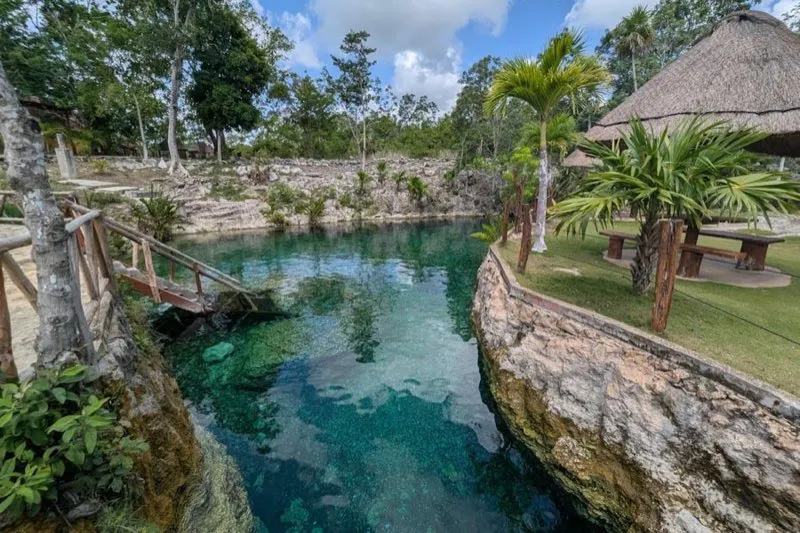
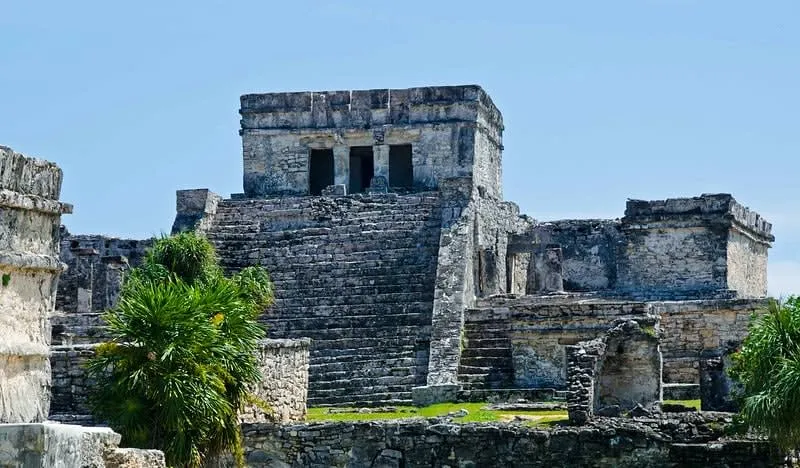
The Tulum ruins are the only Mayan site built directly on the Caribbean coast, which makes them the most visually dramatic in Mexico. They’re also one of the smallest — you can see the whole site in 45–60 minutes. This creates a specific timing problem: tour buses arrive from Cancún around 9–10 AM and the site becomes genuinely unpleasant by 10:30.
The non-negotiable rule: Arrive when the ruins open at 8 AM. In the first hour, you have the coastal views to yourself. By 9 AM, it starts filling. By 11 AM, selfie sticks and tour guides compete for every angle.
This applies in every season. The ruins don’t have a good time of year — they have a good time of day. An 8 AM visit in August is better than a 10 AM visit in February.
Entry fee: 95 MXN (under $5 USD) at the site gate. No timed entry reservation needed — just arrive early. The site is open daily 8 AM–5 PM.
Weather at the ruins: The site is open-air with minimal shade. In summer, 8 AM temperatures are already 28–29°C with high humidity. Bring water, sunscreen, and a hat. In December–February, 8 AM is genuinely pleasant at 24–25°C.
Sian Ka’an Biosphere Reserve by Season
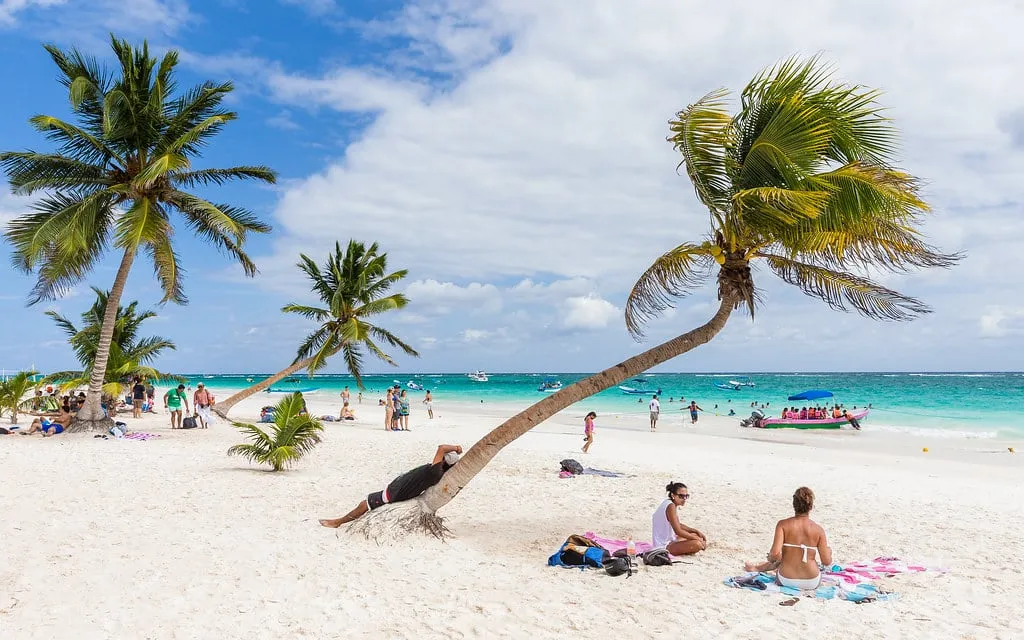
Sian Ka’an UNESCO Biosphere Reserve sits 10 km south of the Tulum ruins — 1.3 million acres of tropical forest, mangroves, coastal lagoons, and the largest barrier reef in the Western Hemisphere. It’s one of the most biologically diverse ecosystems in North America.
Best season: November–May (dry season). The main channel floating tour (lying on your back in the current) is available year-round, but the lagoon visibility is best in the dry season when rain isn’t clouding the freshwater channels. Wildlife activity peaks in dry season mornings.
Rainy season (June–October): Tours still operate, but afternoon rain is common and the channels can look muddy after heavy rain. The upside: bird activity is extraordinary in the wet season, and the crocodiles and coatis are more active around the lagoon edges. Mosquitoes are intense — long sleeves essential.
Access: Only possible by organized tour or private 4WD vehicle (road south of ruins is unpaved and floods). Tours typically run 6–9 AM, starting before the heat builds. Book the day before at minimum; in high season (Dec–Apr), book 2–3 days ahead.
Cobá: Best Time to Visit (Still Climbable)
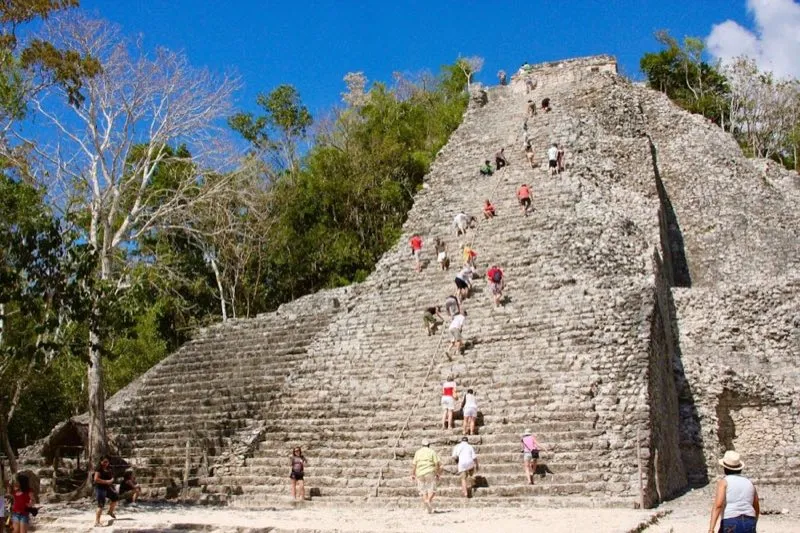
Cobá is 45 km from Tulum — the only major Mayan pyramid in the Yucatán that still permits climbing. At 42 meters, Nohoch Mul offers views over an unbroken jungle canopy. It’s worth the trip from Tulum regardless of season, but timing matters.
Best months: November–April. The jungle is cooler and less humid. Rain is rare. Visibility from the top is clear.
Rainy season (June–October): Steps can be slippery. Early morning starts essential — afternoon storms make the descent treacherous.
Year-round rule: Arrive before 8:30 AM or after 3 PM. Midday heat at Cobá is extreme even in winter months, and tour buses from Cancún and Playa del Carmen arrive 9–11 AM.
Tulum vs Cancún vs Playa del Carmen: Which Is Best When?
| Timing | Best Choice | Why |
|---|---|---|
| December–February | Any of the three | All good; Tulum most atmospheric, Cancún most active, PDC best balance |
| Spring break (Mar–Apr) | Cancún (if you want it) or skip all | Tulum spring break is expensive, crowded, and pretentious |
| May–June | Cancún or Cozumel | Sargassum hits Tulum hardest; Cancún’s northwest beaches fare better; Cozumel is mostly protected |
| July–August (wildlife) | Holbox for whale sharks, then anywhere | Base from Playa del Carmen for easiest access to multiple sites |
| September | Consider postponing | Hurricane risk across all three; PDC has slightly better infrastructure for storms |
| October | Cancún or Tulum (budget pick) | Prices low, sargassum easing; Tulum in October offers best price-to-experience ratio |
| November | Tulum | Prices drop before US Thanksgiving surge; sargassum gone, dry season starting |
Festivals & Events in Tulum
| Date | Event | What to Know |
|---|---|---|
| March (week varies) | Spring Break Tulum | Unofficial; not a festival. Means full beach clubs, DJs, luxury crowd. |
| March 29–April 5, 2026 | Semana Santa | Mexican families fill town. Book 3+ months ahead. |
| June (date varies) | World Environment Day events | Tulum has eco-focused events around this period |
| October 31–November 2 | Día de los Muertos | Small observances in town; Cemetario Municipal has altar displays. Nothing like Oaxaca or Pátzcuaro. |
| December 16–24 | Las Posadas | Nightly processions in Tulum pueblo (the town center, not the beach zone) |
Note: Tulum doesn’t have major homegrown festivals the way Oaxaca or San Miguel de Allende do. The events calendar is driven by DJ sets, wellness retreats, and tourist-facing experiences rather than Mexican cultural traditions. For authentic Mexican festival experiences, head inland to Valladolid or Mérida.
Tulum Weather and Seaweed Month by Month
If you’re comparing months quickly, this is the decision logic that matters most:
- January to March: best beach months, driest weather, easiest first trip.
- April to May: still good for ruins and cenotes, but seaweed risk starts rising fast.
- June to September: come for wildlife, lower prices, and cenotes, not for perfect beach days.
- October to November: best shoulder-season value if you’re okay monitoring weather.
- December: excellent first half, overpriced and crowded in the Christmas rush.
Prices by Season
Tulum is the most expensive destination on the Riviera Maya. Beach zone hotels now average $200–600/night USD, and beach club day passes for two people regularly hit $200–500 during high season. Prices shift significantly by month:
| Period | Hotel Premium | Beach Club | Cenotes | Overall |
|---|---|---|---|---|
| Late Dec–early Jan | +200–400% | $300–600/couple | Standard | Peak of peak |
| Feb–mid March | +40–80% (baseline) | $150–300/couple | Standard | High season “normal” |
| Late March–April | +60–120% | $200–400/couple | +30% | Spring break surge |
| May–June | -30–40% | $80–150/couple | Standard | Low season starts |
| July–August | -40–50% | $60–120/couple | Standard | Lowest beach zone prices |
| September–October | -50–60% | $40–80/couple | Standard | Cheapest of year |
| November | -20–30% (from baseline) | $80–120/couple | Standard | Best value / dry season opening |
The budget workaround: Stay in Tulum Pueblo (the town center, 10–15 min from beach), not the beach zone. Town hotels run $30–80/night USD versus $200+ on the beach. Take a colectivo (shared van, 30 MXN) or rent a bike to reach the beach. This is how locals and experienced travelers keep Tulum costs manageable.
Best Time by Travel Style
| If you’re… | Best Time | Why |
|---|---|---|
| Beach-first traveler | December–February | Sargassum absent, clear water, dry |
| Cenote diver | Any month (Nov–Mar ideal) | Cenotes year-round excellent; dry season = fewer crowds |
| Ruins + culture | November–February | 8 AM visits before heat, lowest crowds on site |
| Wildlife (turtles) | June–October | Nesting season; guided night tours available |
| Wildlife (whale sharks) | June–September | Day trip to Holbox or Isla Mujeres |
| Budget traveler | September–October, or November | Lowest prices; Nov is better value-to-experience ratio |
| Families | December–February | Calm sea, no jellyfish, cenotes accessible, all activities open |
| Yoga / wellness retreat | March–November | Studios fully programmed; some close Dec–Feb for high season chaos |
| Digital nomad | May–October | Lowest prices, town is quieter, reliable WiFi in town (not beach zone) |
What to Skip (and When)
| Skip This | Reason |
|---|---|
| Beach clubs June–August | Sargassum risk makes expensive day passes genuinely bad value |
| Tulum Ruins at 10 AM+ | Unbearable crowds and heat regardless of month |
| Tulum in late December | $500+ beach clubs, traffic jams, prices 3x baseline |
| Road trip to Tulum in September | Hurricane season peak; 1 in 10 chance of weather event affecting your trip |
| Sian Ka’an in the afternoon (any season) | Heat, mosquitoes, afternoon rain; always book AM tours |
| Bacalar as a day trip | It’s 2.5–3 hours from Tulum. Worth an overnight. A day trip wastes 5+ hours of travel. |
Getting the Most Out of Tulum Regardless of Season
Transport: Tulum has no Uber. Colectivos (shared vans) run the main highway for 30–40 MXN. Taxis are fixed-price — agree before getting in (200–300 MXN from town to beach zone typical). Bike rental (150–200 MXN/day) is the best option for the 10km beach zone road in dry season.
Accommodations: The beach zone is aspirational. The pueblo (town center) is practical. The beach zone road floods in heavy rain (wet season), which can make beachfront hotels inaccessible. Town stays are immune to this.
Food: The town center has excellent, affordable restaurants — tacos, ceviche, regional Yucatecan dishes for 60–120 MXN. The beach zone has Instagram-aesthetic restaurants charging $30–80 USD per person. The food in the town is frequently better.
5 FAQs
When is the best time to visit Tulum to avoid sargassum? December through March offers the lowest sargassum risk at Tulum. Because Tulum’s beach faces southeast, it receives more Atlantic sargassum drift than Cancún or Cozumel. From April onward, sargassum begins building, with June–August typically the worst months. If you must travel May–October, check Instagram tagged photos at your specific hotel beach 3–5 days before departure to see the current situation.
How crowded does Tulum get? Very. The ruins attract 2,000+ visitors per day in high season. Beach club capacity is capped but prices keep demand high. The trick is timing within the day, not just the season: ruins at 8 AM are magical; at 11 AM they’re shoulder-to-shoulder. For beach clubs, book weekday visits when possible — weekends draw day-trippers from Playa del Carmen and Cancún. Low season (September–October) is genuinely uncrowded, but weather trade-offs apply.
Is Tulum worth it in the rainy season? For cenote trips: absolutely. The underground cave systems are weather-proof, crowd-free in low season, and equally beautiful in any month. For beach time: it’s risky (sargassum + afternoon rain). For ruins and culture: the ruins are always worth an early morning visit, and the surrounding Cobá and Sian Ka’an experiences work year-round. Budget travelers who accept the sargassum risk and don’t need pristine beach days can get excellent value from May, June, or October trips.
When do jellyfish appear in Tulum? Moon jellyfish are most common June–September, especially after heavy rains dilute salinity near shore. They’re generally not dangerous — a mild sting at most. Box jellyfish (genuinely dangerous) appear occasionally on the Yucatán Caribbean coast August–November. If jellyfish are present, beach club staff will typically inform guests, and many have vinegar stations available.
Is November a good time to visit Tulum? November is underrated. By mid-November, sargassum has typically cleared, dry season conditions return, and prices are 20–30% lower than February before US Thanksgiving brings a short crowd surge (last week of November). Early November offers the best price-to-experience ratio of any dry-season month. Weather is warm (27–28°C), seas are calming after hurricane season, and the ruins and cenotes are uncrowded on weekday mornings.
Plan Your Tulum Trip
- Tulum Travel Guide 2026 — complete Tulum overview, transport, accommodation, budget
- Things to Do in Tulum — 25 best activities ranked
- Gran Cenote Tulum — turtle snorkeling, entry fees, and best arrival time
- Cancun in September — if you’re comparing Caribbean rainy-season trade-offs
- Best Time to Visit Mexico — broader month-by-month planning across the country
- Sargassum Mexico 2026 — current seaweed outlook across Caribbean destinations
- Yucatan Peninsula Itinerary — Cancun, Tulum, Bacalar, Campeche, Merida, and Valladolid loop
- Playa del Carmen in September — nearby rainy-season beach base comparison