18 Best Beaches in Mexico for 2026: Caribbean, Pacific, Baja, and No-Sargassum Picks
The best beach in Mexico for most travelers is Playa Norte on Isla Mujeres, Balandra near La Paz is the best calm-water beach in Baja, and Huatulco’s bays are the safest Pacific pick for swimmers. If you only want the fastest answer to “what are the best beaches in Mexico?” start with those three, then decide whether you care most about Caribbean color, Pacific surf, or avoiding sargassum altogether.
Mexico has 11,122km of coastline across the Caribbean Sea, Pacific Ocean, Gulf of Mexico, and Sea of Cortez, so the real decision is not just which beach is prettiest but which coast fits your trip. If you want zero sargassum, stay on the Pacific or in Baja. If you want the brightest Caribbean water, pick Isla Mujeres or Cozumel. If you want surf, go to Puerto Escondido or Sayulita, not Tulum.
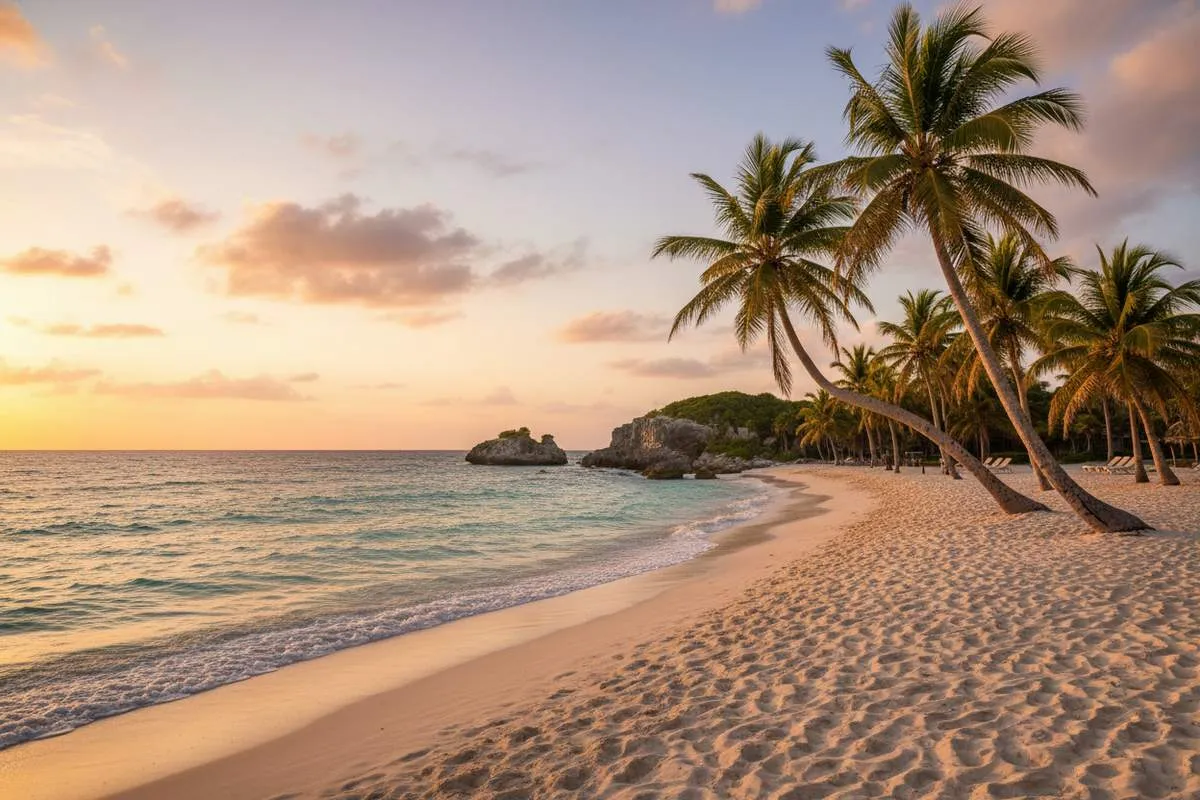
This guide ranks 18 standout beaches across all four coasts, honest about crowds and sargassum, and matched to what travelers actually mean when they search for the best beaches in Mexico.
Best Beaches in Mexico in 30 Seconds
| If you want… | Best beach in Mexico | Why it wins |
|---|---|---|
| The best beach in Mexico overall | Playa Norte, Isla Mujeres | Calm water, white sand, easy day-trip access, and usually cleaner than mainland Riviera Maya beaches |
| The prettiest calm-water beach | Balandra, La Paz | Protected lagoon, zero sargassum, shallow turquoise water, and no resort-strip feel |
| The best snorkeling beach | Playa Palancar, Cozumel | Easy reef access, clearer water than most mainland Riviera Maya beaches, and strong year-round reliability |
| The best family beach | Playa Norte or Balandra | Gentle entry, swimmable water, and low-stress conditions for kids |
| The best surf beach | Zicatela, Puerto Escondido | Mexico’s most iconic surf break, but only if you are there to surf, not to swim |
| The best no-sargassum beach trip | Any Baja or Pacific beach, especially Balandra or Huatulco | No Caribbean seaweed problem at all |
| The best Caribbean beach during sargassum season | Playa Norte or Cozumel’s west coast | Better orientation and cleaner water than Tulum or Playa del Carmen |
| The best budget beach base | Progreso or Mazunte | Much lower daily costs than Tulum, Cabo, or Punta Mita |
Quick Answer: Which Mexico beach should you pick?
- Best beach in Mexico overall: Playa Norte, Isla Mujeres
- Best beach in Baja: Balandra, La Paz
- Best Mexico beach for snorkeling: Playa Palancar, Cozumel or Cabo Pulmo
- Best Mexico beach with no sargassum: Any Pacific or Baja beach, plus Playa Norte and Cozumel’s west coast
- Best Mexico beach for families: Playa Norte, Balandra, Akumal, and Huatulco’s bays
- Best Mexico beach for surfing: Zicatela if you already surf, Sayulita if you’re learning
Best Beach in Mexico by Coast
| Coast | Best first pick | Why it wins |
|---|---|---|
| Caribbean | Playa Norte, Isla Mujeres | The easiest white-sand, calm-water win without the worst Riviera Maya sargassum risk |
| Baja California Sur | Balandra, La Paz | Protected lagoon, shallow turquoise water, and zero seaweed worries |
| Pacific | Huatulco bays or Zicatela | Huatulco if you want safe swimming, Zicatela if you are picking your beach for surf |
| Gulf of Mexico | Holbox or Progreso | Holbox for beauty and wildlife, Progreso for easy access and lower costs |
Quick-Pick: Best Beach by Travel Style
| You want… | Best pick | Sargassum risk |
|---|---|---|
| Best Caribbean beach overall | Playa Norte, Isla Mujeres | None |
| Best free beach | Balandra, La Paz | None |
| Best for snorkeling / diving | Cozumel west coast (Palancar) | None |
| Zero sargassum guarantee | Any Pacific, Baja, or Gulf beach | None |
| Whale sharks | Holbox (Jun–Sep), La Paz (Oct–May) | None |
| Best surf beach | Zicatela, Puerto Escondido | None |
| Best for families | Akumal (sea turtles), Playa Norte | Low |
| Most underrated | Bahía Concepción, Baja | None |
| Best luxury scene | Tulum Beach Zone, Punta Mita | High (Apr–Oct) |
| Budget-friendly | Progreso (Mérida day trip), Mazunte | None |
How to Use This Guide
| You want… | Go to… |
|---|---|
| Best Caribbean water clarity | Cozumel west coast, Playa Norte (Isla Mujeres) |
| No sargassum guarantee | Any Pacific or Baja beach; Cozumel west coast; Playa Norte |
| World-class snorkeling/diving | Cozumel, Cabo Pulmo, Puerto Morelos reef |
| Best surf in Mexico | Zicatela (Puerto Escondido), Sayulita |
| Remote, few tourists | Holbox, Chemuyil, Bahía Concepción (Baja), Mazunte |
| Best with kids | Playa Norte (Isla Mujeres), Balandra, Akumal — full ranked list |
| Best luxury beach scene | Tulum Beach Zone, Cabo’s Medano Beach, Punta Mita |
| Budget beach access | Progreso (Mérida day trip), Pie de la Cuesta, Sisal |
Best Beaches in Mexico by Season and Swimming Conditions
| Need | Best picks | Why |
|---|---|---|
| Best beaches in winter (Nov-Apr) | Playa Norte, Balandra, Huatulco, Tulum | Drier weather, calmer Caribbean, lower hurricane risk |
| Best beaches in summer (May-Sep) | Balandra, Cabo Pulmo, Mazunte, Zicatela, Sayulita | Pacific and Baja stay seaweed-free, surf improves, whale-shark season starts |
| Best beaches during sargassum season | Playa Norte, Cozumel west coast, Holbox, all Pacific beaches | Sheltered orientation or non-Caribbean coast |
| Best Mexico beaches for calm swimming | Playa Norte, Balandra, Akumal, Huatulco bays, Medano Beach | Protected bays or gentler water entry |
| Beaches to avoid if you only want to swim | Zicatela, exposed Pacific beaches in Cabo, Tulum during heavy sargassum events | Strong surf, shore break, or poor seaweed conditions |
A quick rule that saves a lot of disappointment: if your trip is June through October and you care more about clean swimmable water than nightlife, favor Baja, the Pacific coast, Isla Mujeres, or Cozumel over mainland Riviera Maya beaches.
Best Beach in Mexico by Trip Window
| Trip window | Best Mexico beach picks | Why |
|---|---|---|
| December to April | Playa Norte, Balandra, Huatulco, Akumal | Dry-season beach weather, calmer water, and fewer seaweed headaches |
| May to July | Balandra, Cabo Pulmo, Sayulita, Zicatela | Pacific and Baja shine while Caribbean seaweed risk rises |
| August to October | Isla Mujeres, Cozumel west coast, Huatulco, Bahía Concepción | Better odds of clean water than mainland Riviera Maya, plus warm water everywhere |
| Whale-shark season | Holbox or La Paz | Strong wildlife angle without giving up the beach trip |
| Best first Mexico beach trip | Playa Norte, Balandra, Huatulco bays | Easiest wins for calm water and low-regret expectations |
Caribbean Coast: The Riviera Maya and Beyond
Mexico’s Caribbean coast runs from Cancun south to Belize — the eastern face of the Yucatan Peninsula backed by the Mesoamerican Barrier Reef. The water is warm (27–29°C year-round), calm inside the reef, and the famously turquoise color comes from the white limestone seafloor visible through clear water.
The sargassum reality: East-facing beaches (most of the Riviera Maya) receive brown seaweed April–October carried by Atlantic currents. This ranges from a thin line easily cleaned by hotel staff to chest-deep accumulations that smell of sulfur. 2026 is forecast as a potential record year for sargassum — see our full 2026 sargassum guide for which beaches are clear and which to avoid. The beaches ranked below have workarounds.
1. Playa Norte, Isla Mujeres — Best Caribbean Beach in Mexico
The case: Faces north into the Gulf of Mexico rather than east toward the open Atlantic. This means two things: no sargassum from Atlantic currents, and no east swells. The bay is almost always flat calm — you can wade 60m offshore in knee-deep water. The sand is a fine powder that stays cool despite the sun. Hammocks in the water. Colorful beach bars. 15-minute ferry from Cancun.
Reality check: Gets crowded by 11 AM, especially on weekends. Go early or on a weekday. The beach is 600m long — the ends are quieter than the center.
Getting there: Ferry from Cancun’s Gran Puerto terminal (every 30 minutes, 90–200 MXN). Full Isla Mujeres guide.
Sargassum risk: Very low year-round (faces north, not east).
2. Playa Palancar, Cozumel — Best for Snorkeling
Cozumel’s west coast faces the sheltered channel between the island and the mainland — protected from open Atlantic currents and therefore essentially sargassum-free year-round. The Palancar Reef system (part of the Mesoamerican Barrier Reef) sits 200–800m offshore and hosts some of the Caribbean’s clearest water.
Playa Palancar is a beach club with decent food and direct access to the reef for snorkeling. The coral begins in 1–2m of water. Fish density is extraordinary — parrotfish, queen angelfish, trumpetfish, spotted eagle rays.
Getting there: Ferry from Playa del Carmen (30 minutes, 200–260 MXN), then taxi south (25 MXN) or rental bike. Full Cozumel guide.
Sargassum risk: Very low year-round (sheltered west coast).
3. Holbox Island — The Untouched Gulf Beach
Holbox sits at the northwestern tip of the Yucatan Peninsula, facing the Gulf of Mexico rather than the Caribbean. The beach is long (25km of uninterrupted shoreline), flat (very gradual slope, shallow for 100m+), and still relatively undeveloped despite growing popularity.
What makes it unique: the water here is a mix of Gulf and Caribbean, creating an unusual blue-green color. No motorized vehicles on the island. In summer (June–September), whale sharks feed in the waters off Holbox — the world’s largest fish, snorkelable. Flamingos inhabit the western lagoon.
The honest part: Getting to Holbox is a project — bus to Chiquila (2.5 hours from Cancun) + ferry (25 minutes). The beach is beautiful but the water quality is occasionally murky (Gulf mixing zone). July–September is the best time: whale sharks + calm conditions.
Sargassum risk: Low (Gulf-facing, not Atlantic).
4. Chemuyil — The Calm Bay You’ve Never Heard Of
Between Akumal and Tulum, Chemuyil is a protected bay with almost no current, crystal water, and very few visitors. A halocline (freshwater-saltwater mixing zone) is visible while snorkeling — the water shimmers in distinct layers. No beach clubs. Local family restaurants.
Getting there: Highway 307 colectivo from Playa del Carmen (30 MXN), walk 10 minutes to beach. Or rental car.
Sargassum risk: Moderate (east-facing) but bay protection reduces impact significantly.
5. Tulum Beach Zone — The Instagram Reality
Tulum beach is one of Mexico’s most photographed coastlines: long, white-sand, backed by jungle, with ruined Mayan walls on the clifftop visible from the water. Beach clubs with day beds, fire performers, and DJs until 5 AM.
The honest assessment: Southeast-facing = among the worst sargassum on the coast (April–October). Beach club day beds cost $100–200 USD. The “eco-chic” vibes are mostly marketing. The ruined lighthouse backdrop IS genuinely spectacular, especially at sunrise.
When to go: November–March, arrive early before beach clubs are set up (6–9 AM). That’s when you get the postcard — before the day-bed crowd arrives.
Sargassum risk: High (SE-facing, worst on the Riviera Maya).
6. Akumal — Sea Turtles in the Bay
Akumal bay has hawksbill and loggerhead sea turtles feeding in the seagrass year-round, 50m from shore. No boat required. Snorkel rental: 120 MXN. The bay is protected and calm with good visibility.
The honest assessment: Akumal has gotten crowded — hundreds of snorkelers in the main bay on busy days. The turtle encounters still happen but feel more managed than wild. Go early (7–8 AM) before tour groups arrive.
Sargassum risk: Moderate (protected bay helps).
7. Puerto Morelos Reef — Best Reef for Snorkeling Without a Dive Boat
The reef at Puerto Morelos sits 500m offshore, protected as a national marine park. It’s one of the healthiest sections of the Mesoamerican Barrier Reef — accessible by snorkel tour from the pier for 300–450 MXN. The village of Puerto Morelos is one of the least touristy spots between Cancun and PDC.
Sargassum risk: Low–moderate (often cleaner than Cancun and PDC).
Pacific Coast: Oaxaca, Jalisco, and Nayarit
Mexico’s Pacific beaches are fundamentally different from the Caribbean: larger swells, stronger currents, warmer sand, more powerful waves, better surfing, zero sargassum. The water is bluer (deep Pacific navy vs. Caribbean turquoise) and typically 3–5°C cooler (24–26°C).
8. Zicatela, Puerto Escondido — Mexico’s Best Surf Beach
The Mexican Pipeline. Zicatela’s shore break is world-famous for producing 3–6m hollow waves that barrel close to shore — this is professional surf territory. Spectators watch from the restaurants and bars lining the beach. Swimmers and casual visitors enjoy the safer end of Zicatela (near La Punta) where the wave is less powerful.
Getting there: Puerto Escondido airport (PXM) has direct flights from Mexico City, Guadalajara, and some US cities. Bus from Oaxaca City (8 hours) or Huatulco (2 hours).
Best for: Experienced surfers (May–September for biggest swells), surf spectators, party scene.
Not for: Families with young children, or anyone who wants calm swimming. Zicatela is just one of many world-class breaks along Mexico’s coastline — our surfing in Mexico guide ranks the best surf spots from Baja to Oaxaca.
9. Mazunte and Zipolite — Oaxaca’s Bohemian Coast
An hour west of Puerto Escondido on the Oaxaca coast, the villages of Mazunte and Zipolite offer a different Pacific experience: low-key, affordable, beautiful in the rougher Pacific way. Zipolite is Mexico’s only official nudist beach. Mazunte has a sea turtle sanctuary and artisan shops.
The Oaxacan coast in general: Smaller waves than Zicatela, more accessible for swimming in protected coves. The road connecting these villages is spectacular — cliffs, ocean views, palm forest.
Getting there: Colectivos from Puerto Escondido or Huatulco. Rental car recommended for flexibility.
10. Sayulita, Nayarit — The Pacific Beach Town
45 minutes north of Puerto Vallarta, Sayulita is Mexico’s best-known surf town — a small village that’s grown into a boutique beach destination with excellent restaurants, surf schools, and a lively main square.
The beach itself is a curved bay with consistent small-to-medium waves — ideal for learning to surf. The water is warm and cleaner than PV’s main beach. The town has character without being as commercial as Playa del Carmen.
Getting there: Bus from Puerto Vallarta (45 minutes, 40 MXN) or taxi (350 MXN). Puerto Vallarta guide for context.
11. Yelapa, Jalisco — No Roads
Accessible only by boat from Puerto Vallarta (45 minutes, 250 MXN), Yelapa has no roads connecting it to the outside world. A waterfall runs year-round behind the village. The beach is a curved bay with local fishing boats and restaurants. It remains genuinely isolated by Mexican beach standards.
Best for: Escaping the tourist circuit, day trip from PV, photography.
12. Huatulco’s Nine Bays — Best Pacific Swimming
Huatulco is a planned resort area on the Oaxacan coast with nine protected bays — most accessible only by boat. The water is calmer than most Pacific beaches (bays reduce swell energy), warm, and clear. It’s one of the best places in Mexico for swimming on the Pacific side without worrying about dangerous currents.
Best bays: Bahía Cacaluta (most remote, sea turtle nesting), Bahía Maguey (good snorkeling), Bahía Santa Cruz (main hub, restaurants).
Getting there: Huatulco airport (HUX) with direct flights from Mexico City and some US cities.
Baja California: The Sea of Cortez and Pacific Peninsula
Baja California is Mexico’s longest peninsula — 1,247km from Tijuana to Cabo San Lucas. The Sea of Cortez (east side) has calm, warm water, dramatic desert-meets-sea scenery, and world-class marine life. The Pacific (west side) is dramatic, cold (18–22°C in winter), and powerful.
13. Balandra, La Paz — Mexico’s Most Perfectly Formed Beach
Protected as a national marine park, Balandra is the standard against which other Mexican beaches are measured. A 200m wide lagoon is protected from open Gulf by a natural reef — the water is a gradient from pale turquoise in the shallows to deep blue in the channel. A mushroom-shaped rock formation emerges from the water. No waves. No sargassum. No vendors (protected area).
Getting there: Rental car from La Paz (22km, 30 minutes) or taxi (250 MXN) — no public transport goes directly. Small entry fee (50 MXN on weekends). Bring everything you need — no facilities beyond a small snack stand.
Best for: Photography, snorkeling, calm swimming, picnics. Genuinely one of the most beautiful beaches in North America.
14. Cabo Pulmo — The Best Snorkeling in Baja
A UNESCO Marine Biosphere Reserve on Baja’s East Cape, Cabo Pulmo contains the only living coral reef in the Sea of Cortez. After strict protections were implemented in 1995, the biomass increased by 463% in 10 years. Diving here means seeing enormous schools of jacks, rays, turtles, and frequent shark sightings.
Getting there: 100km north of Cabo San Lucas (2 hours by car). Rental car required — no public transport. The road was recently paved.
Best for: Snorkeling, diving, marine conservation tourism. The village is tiny — 80 residents, no nightlife.
15. Bahía Concepción, Baja — Remote Turquoise Perfection
Halfway down the Baja Peninsula on the Sea of Cortez side, Bahía Concepción is a 30km-long sheltered bay with multiple beaches accessible from the Transpeninsular Highway. Camping is possible on most beaches. The water is warm (28–30°C in summer), calm, and a remarkable transparent blue.
Playa Santispac, Playa El Coyote, Playa El Requeson — each has distinct character. El Requeson has a sandbar extending into the bay that disappears at high tide. Almost no development.
Getting there: Drive the Baja Peninsula. Flying to Loreto (LTO) and renting a car is the most accessible route.
16. Medano Beach, Cabo San Lucas — Best Beach in Cabo
Medano Beach is the main swimming beach in Cabo — 2km of calm water protected by the arch at Land’s End. El Médano is the place for banana boats, beach bars, and nightlife. The Pacific-facing beaches in Cabo (near the arch) are for photography only — the currents are lethal for swimming.
Getting there: Central Cabo San Lucas, walkable from most hotels.
Gulf of Mexico: The Overlooked Coast
Mexico’s Gulf coast is often overlooked but has a different character — warmer water, calmer conditions (no Atlantic swells), and beaches used primarily by Mexican families rather than international tourists.
17. Veracruz Area Beaches — Colonial + Coastal
The beaches near Veracruz city (Boca del Río, Villa del Mar) are grey-sand Gulf beaches — different from the Caribbean’s white sand but popular with Veracruz residents. The city itself is one of Mexico’s most interesting — see the Veracruz guide.
Better option nearby: Isla de Sacrificios — a small island with clearer water, accessible by boat from the Veracruz malecón.
18. Progreso — Day Trip from Mérida
The Gulf coast at Progreso, 30km north of Mérida, gives Meridanos their beach fix without air travel. The beach is flat, calm, and long — good for walking and casual swimming. Water visibility isn’t Caribbean-level but it’s warm and pleasant. A huge pier extends 6.5km into the Gulf (world’s longest at one point).
Getting there: Bus from Mérida’s central bus terminal (45 minutes, 40 MXN). Good option if you’re based in Mérida and want a beach day.
Beaches Most Travelers Should Skip for Swimming
These are still worthwhile beaches, but not for the wrong expectation:
- Zicatela, Puerto Escondido: incredible to watch, bad choice for casual swimmers because of the heavy shore break.
- Pacific-facing Cabo beaches near the arch: dramatic and photogenic, but many are unsafe for swimming outside protected pockets like Medano.
- Tulum during peak sargassum months: still beautiful at sunrise, but not the reliable turquoise-swim day many first-timers expect.
- Open Gulf beaches near cities like Veracruz and Progreso: better for an easy beach day than for crystal-clear snorkeling.
Ranking Summary: Top 10 Overall
| Rank | Beach | Coast | Best For | Sargassum Risk |
|---|---|---|---|---|
| 1 | Playa Norte, Isla Mujeres | Caribbean | Everything — calm, clear, no sargassum | Very Low |
| 2 | Balandra, La Paz | Sea of Cortez | Perfection in a lagoon, photography | None |
| 3 | Playa Palancar, Cozumel | Caribbean | Snorkeling, reef access | Very Low |
| 4 | Cabo Pulmo | Sea of Cortez | Marine life, diving, UNESCO reserve | None |
| 5 | Zicatela, Puerto Escondido | Pacific | Surfing, surf culture | None |
| 6 | Holbox | Gulf/Caribbean | Undeveloped, whale sharks (Jun–Sep) | Low |
| 7 | Huatulco bays | Pacific | Best Pacific swimming, calm bays | None |
| 8 | Sayulita | Pacific | Surf town atmosphere, learning to surf | None |
| 9 | Bahía Concepción | Sea of Cortez | Remote beauty, camping | None |
| 10 | Chemuyil | Caribbean | Calm bay, sea turtles, no crowds | Moderate |
Best Beach in Mexico by Traveler Type
| Traveler type | Best pick | Better than… |
|---|---|---|
| First-time Mexico beach trip | Playa Norte | More reliable swimming than Tulum, easier than Holbox |
| Wants the prettiest water photos | Balandra | Less crowded and more naturally dramatic than Cabo’s main beaches |
| Wants reef snorkeling without a dive trip | Playa Palancar | Better reef access than most Cancun or Tulum beaches |
| Wants a beach town, not just a beach | Sayulita | More character than a resort strip, easier for beginners than Zicatela |
| Wants a calm Pacific swim | Huatulco bays | Safer for casual swimmers than Puerto Escondido or most Cabo Pacific beaches |
| Wants low prices and easy logistics | Progreso | Simpler and cheaper than flying to a resort coast |
| Wants an off-radar beach | Bahía Concepción | More remote and less built-up than Riviera Maya picks |
Related Beach Guides
- Riviera Maya Travel Guide — sargassum by zone, Cancun to Tulum
- Cozumel Travel Guide — reef diving, west coast beaches
- Isla Mujeres Travel Guide — Playa Norte logistics
- Holbox Island Guide — whale sharks, flamingos, how to get there
- Puerto Vallarta Travel Guide — Los Muertos, Marietas Islands, Sayulita
- Oaxaca Travel Guide — Puerto Escondido, Mazunte, coast access
- Los Cabos Guide — Medano beach, Land’s End arch, which beaches are swimmable
- Best Beaches in Campeche — Gulf coast beach breakdown
- Best Time to Visit Mexico — seasonal beach conditions by coast
- Best Time to Visit Puerto Escondido — surf season vs calm-water months
- Best Time to Visit Tulum — sargassum and crowds by season
- Sargassum Mexico 2026 — best clean-water alternatives right now
- Is Mexico Safe? — beach safety context, riptide warnings
- Mexico Travel Cost — budget planning for beach destinations