Mexico in March 2026: Weather, Crowds & Where to Go
Mexico in March is one of Mexico’s best weather months, but it is not a simple low-crowd month. Go early for dry ruins, Baja gray whales, monarch butterflies, and calmer city trips. Expect spring break pressure in the middle of the month, Chichen Itza equinox crowds around March 21, and expensive Semana Santa travel at the end of March.
Mexico in March in 30 Seconds
- Yes, March is a good time to visit Mexico if you want dry-season weather and are willing to plan around crowds.
- Best for beaches: Los Cabos, Cabo San Lucas, San Jose del Cabo, Todos Santos, Puerto Vallarta, Punta Mita, Sayulita, San Pancho, Zihuatanejo, Ixtapa, Manzanillo, Puerto Escondido, Mazunte, Zipolite, and Huatulco for Pacific Coast sun, with Isla Mujeres for a calmer Cancun-area beach, Holbox for a slower island escape, Tampico for a Gulf Coast food-and-beach route stop, and Bacalar if you want lagoon water instead of ocean beach clubs.
- Best for culture: Oaxaca City, Mexico City, Puebla, Cholula for the Great Pyramid and Puebla Valley day trips, Val’Quirico for dry-weather restaurants and photo-friendly Tlaxcala streets, Atlixco for flowers and volcano views, Zacatlán for cider, cabins, and a cool Sierra Norte side trip, Tepoztlán for a warm CDMX mountain escape, Cuernavaca for garden hotels and Xochicalco, Valle de Bravo for lake views, boutique hotels, and a cool CDMX weekend, Morelia, Campeche, Querétaro for wine country and Bernal, Bernal for Peña de Bernal views and a compact Pueblo Mágico stay, Tequisquiapan for balloons, cheese routes, and a slower Querétaro countryside weekend, San Cristóbal de las Casas, Guadalajara for Jalisco food, Colima for Comala, coffee, tuba, and volcano views, Tlaquepaque for galleries and mariachi, Tequila day trips, and Ajijic for Lake Chapala weather, Cuetzalan for a misty Puebla mountain-market trip, Xalapa for coffee, museums, and cool Veracruz highland weather, Coatepec for a slower coffee-town stay, Xico for mole, waterfalls, and a quiet Veracruz highland stop, Orizaba for Pico views, the cable car, and a Puebla-Veracruz route stop, Papantla for El Tajín, Voladores, vanilla, and warm northern Veracruz culture, San Miguel de Allende, Dolores Hidalgo for independence history, ceramics, and dry Guanajuato wine-country routing, Zacatecas for pink-stone streets, mines, museums, and cable-car views, San Luis Potosi for a dry highland museum-and-road-trip base, Xilitla for Las Pozas and a warm Sierra Gorda Huasteca detour, Huasteca Potosina for dry-season waterfalls, Ciudad Valles for the practical waterfall base, and late-month Semana Santa pressure, Real de Catorce for dry high-desert streets, Ogarrio Tunnel logistics, and a spring-break-free Pueblo Magico overnight, Aguascalientes for an easy pre-fair city break with museums, wine-country options, and calmer hotels, Leon for leather shopping, BJX airport access, and practical Bajio routing, Monterrey for northern food, Fundidora, and mountain-view city planning, Saltillo for sarapes, museums, and practical Coahuila route logic, Torreón for Cristo de las Noas, La Laguna route planning, and dry spring desert weather, Gómez Palacio for Durango-side La Laguna logistics, Monclova for Cuatro Cienegas access and practical central Coahuila routing, and Taxco late in the month.
- Best for wildlife: La Paz and Baja California Sur for whale sharks, Balandra, and the final gray-whale window, Loreto for a quieter Sea of Cortez base with islands, kayaking, and whale-season route potential, plus Morelia for early-March monarch butterfly departure trips, Valle de Bravo for a lake weekend with possible Estado de México monarch routing, and Copper Canyon for dry-season El Chepe views.
- Best for wine-country weekends: Valle de Guadalupe in March for mild Baja wine weather, winery lunches, Ensenada logistics, spring-break border buffers, and a calmer northern Baja trip than the beach corridors.
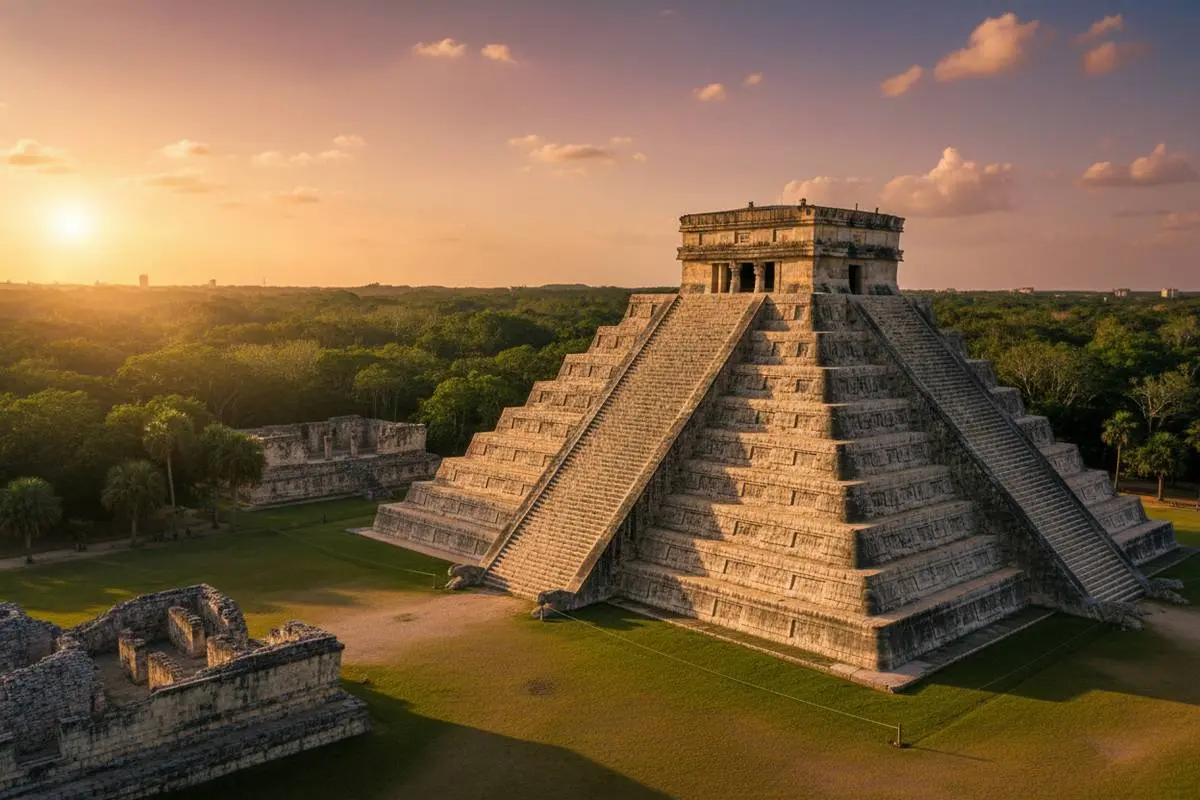
- Best for ruins: Mérida or Valladolid for Chichén Itzá, Uxmal/Ek Balam, and cenotes in early March before the equinox rush peaks.
- Avoid if you hate crowds: Cancún and Playa del Carmen from roughly March 14 onward, and most of Mexico during Semana Santa.
- Useful Gulf-to-Chiapas and Tabasco route stops: Coatzacoalcos in March for Gulf seafood, the malecon, Las Barrillas, and southern Veracruz coastal routing, Minatitlan in March for airport logistics, Coatzacoalcos access, and southern Veracruz road planning, Tuxtla Gutierrez in March for Sumidero Canyon, Chiapa de Corzo, and Chiapas airport logistics, Villahermosa in March for La Venta Museum Park, cacao country, Comalcalco, and Gulf-to-Chiapas routing when you want culture more than beach time, Palenque in March for dry-season Maya ruins, waterfalls, and Chiapas-to-Yucatan overland routing, plus Paraíso in March for oysters, Mecoacán Lagoon, Puerto Ceiba, and a warm coast stop near Comalcalco.
- Useful Sierra Gorda route stop: Jalpan de Serra in March for dry mission-route roads, Tancama, caves, dam views, and a quieter inland base before late-month Semana Santa pressure.
For a quieter Jalisco-Bajio dry-season route stop, use Lagos de Moreno in March for colonial streets, cool evenings, hotel-base decisions, and late-month Semana Santa timing between Guadalajara, Leon, Aguascalientes, Guanajuato, Zacatecas, and San Luis Potosi.
For a practical Guanajuato-state base with strawberries, dry Bajio roads, hotel value, and easy routes to Guanajuato, Leon, Dolores Hidalgo, Salamanca, and San Miguel de Allende, use Irapuato in March.
For a smaller Salamanca-focused route stop with dry Bajio roads, baroque churches, practical hotels, and late-month Semana Santa timing between Irapuato, Guanajuato, Leon, Queretaro, San Miguel de Allende, and Michoacan, use Salamanca in March.
For a purposeful Tamaulipas border trip with mild-to-warm weather, spring-break bridge buffers, McAllen logistics, practical hotels, and safety-first route planning, use Reynosa in March.
For a smaller Nuevo Leon route stop with dry spring weather, glorias, regional food, and practical positioning south of Monterrey, use Linares in March.
For a practical Sonora city base with dry spring weather, food, airport access, and Bahia de Kino route options, use Hermosillo in March. For a warmer coast pause with San Carlos beaches, Sea of Cortez scenery, seafood, and spring-break buffers away from Mexico’s bigger resort corridors, use Guaymas in March.
March at a Glance
| Factor | Early March (1–14) | Mid-March (15–21) | Late March (22–31) |
|---|---|---|---|
| Crowds | Moderate — building | Spring break PEAK + equinox | Semana Santa arriving |
| Prices | Moderate | High (beach zones) | Very high (Holy Week) |
| Chichen Itza | Manageable | Equinox = 50,000 visitors Mar 21 | Post-equinox quieter |
| Beach Destinations | Good | Spring break chaos (Cancún) | Semana Santa surge begins |
| Gray Whales (Baja) | Last good window | Final weeks of season | Season ending |
| Monarch Butterflies | Migration departure begins | Butterflies flying north | Most colonies dispersed |
| CDMX Jacarandas | Trees budding | Late-March bloom begins | PEAK bloom |
| Semana Santa | Book hotels NOW | Still time to book | Arrives Mar 29 |
| Weather | Dry season peak | Dry season peak | Dry season peak |
| Book Ahead? | Semana Santa: 3–6 months | Yes, especially beaches | Too late for peak Semana Santa |
The Spring Equinox at Chichen Itza (March 21)
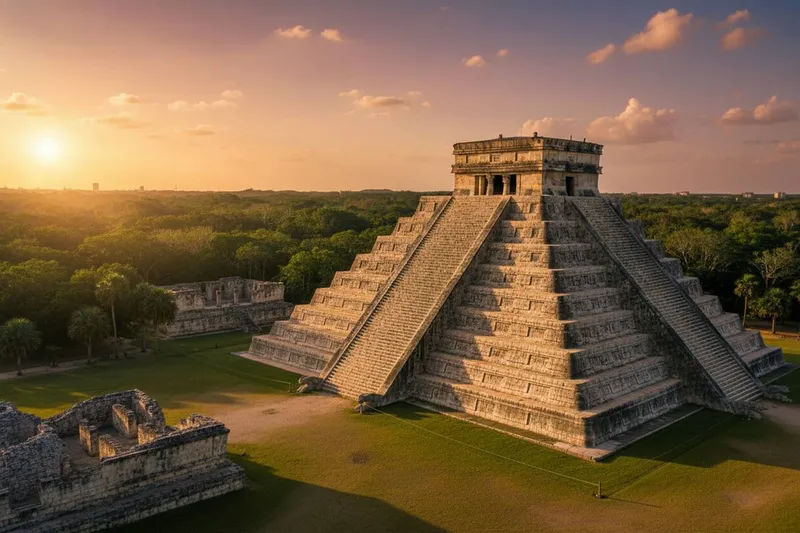
On the spring equinox — March 21, 2026 — the setting sun creates a shadow along El Castillo’s northwestern staircase that resembles a serpent slithering down the pyramid. This is the famous Kukulcán serpent phenomenon, and the Maya architects engineered it intentionally. Seven triangles of light and shadow form the body; the carved serpent head at the base completes it.
The crowd problem — and the workaround:
Approximately 50,000 people descend on Chichen Itza for the equinox. The phenomenon is visible for a 2–3 week window on either side of March 21 with nearly identical visual effect but a fraction of the crowds.
Equinox timing strategy:
| Window | Crowd Level | Shadow Quality | Verdict |
|---|---|---|---|
| March 7–14 | Light | Excellent — nearly identical | Best window for the effect without chaos |
| March 15–20 | Building | Excellent | Good if you arrive at 8 AM |
| March 21 (equinox) | 50,000+ people | Perfect | Only worth it if experiencing the crowd IS the event |
| March 22–28 | Falling fast | Excellent | Good alternative window |
Practical equinox visit tips:
- Arrive at 7:30 AM when the gates open — even on March 21, the morning is manageable. Crowds peak between 10 AM and 2 PM.
- The shadow effect actually builds from 3–5 PM — afternoon is when you want to be there for the serpent, but crowds are also at maximum then
- Valladolid (43km away) is the best base — hotels are 40–60% cheaper than Cancún packages and you can drive/taxi to the ruins in 45 minutes
- Skip the “official” equinox package tours from Cancún — they arrive with 200+ people and occupy identical viewpoints
- Entry fees: 571 MXN (state) + 75 MXN (INAH federal) = 646 MXN total (~$32 USD). Pre-purchase online saves queue time.
Semana Santa (March 29 – April 6, 2026)
Semana Santa 2026 runs March 29 (Palm Sunday) through April 5 (Easter Sunday). This is Mexico’s largest national holiday — nearly every Mexican travels somewhere, schools close for two weeks, and iconic Semana Santa destinations become both spectacular and logistically brutal.
The 2026 Semana Santa Calendar
| Day | Date | What Happens |
|---|---|---|
| Domingo de Ramos (Palm Sunday) | March 29 | Processions with palm fronds; Taxco’s famous debut |
| Lunes Santo | March 30 | Mass, processions continue |
| Martes Santo | March 31 | Penitent processions begin in Taxco |
| Miércoles Santo | April 1 | Processions intensify |
| Jueves Santo (Holy Thursday) | April 2 | Last Supper reenactments; Lenten food peaks |
| Viernes Santo (Good Friday) | April 3 | Ley Seca (alcohol banned in many states); Iztapalapa Passion Play (2 million spectators) |
| Sábado de Gloria | April 4 | Quema de Judas (burning Judas effigies) |
| Domingo de Resurrección (Easter) | April 5 | Easter Sunday — many businesses reopen |
The Ley Seca (Dry Law) on Good Friday: In most Mexican states, alcohol sales are prohibited on Good Friday (April 3). Some states extend it through Saturday. If you’re at a beach resort, the bar is shut — hotels in tourist zones often get exemptions, but street vendors, restaurants, and liquor stores close.
Best Places for Semana Santa 2026
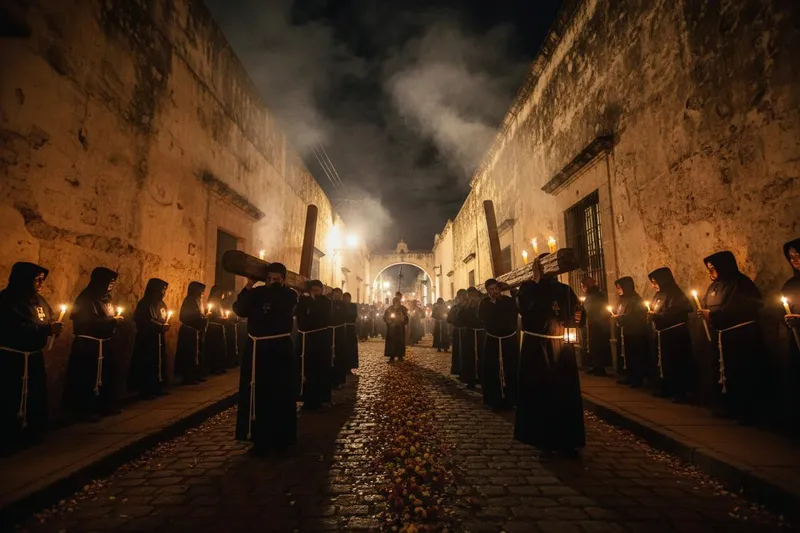
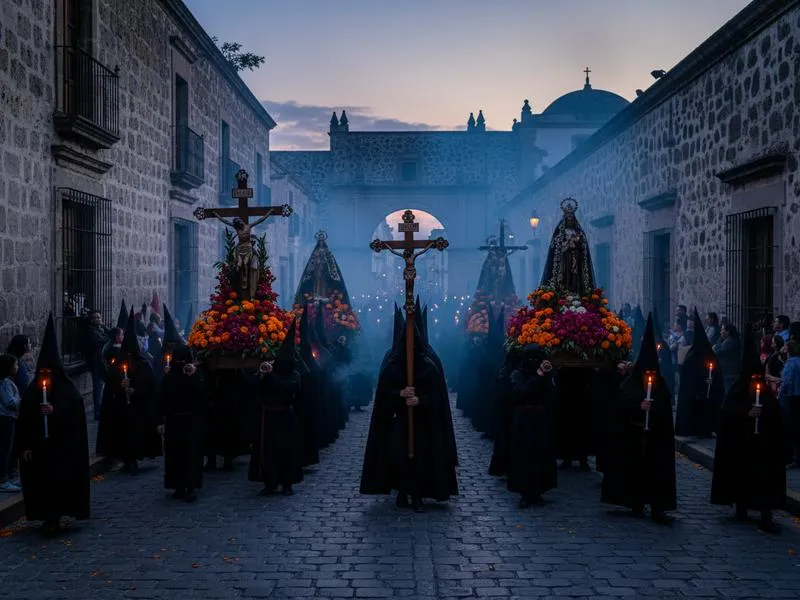
Taxco, Guerrero — The national Semana Santa capital. Penitents in purple robes carry heavy wooden crosses through the colonial silver city’s steep cobblestone streets in near-silence, lit only by candles. The Good Friday procession in Taxco is unlike anything else in Mexico. Taxco in March → | Complete Taxco travel guide →
Iztapalapa, Mexico City — The Passion Play of Iztapalapa on Good Friday draws 2 million spectators — making it one of the largest theatrical events on Earth. Actors crucify the actor playing Jesus on a hill. Free to attend. Metro accessible from CDMX.
Taxco penitent procession is the most dramatic. Oaxaca is the most atmospheric and photogenic. San Miguel de Allende is the most international. Pátzcuaro is the most traditionally indigenous.
| City | What Makes It Special | Book Ahead By | Crowd Level |
|---|---|---|---|
| Taxco | Penitents, silence, silver city — most dramatic in Mexico | 3–4 months | Very high |
| Oaxaca | Alfombras (flower carpets), silent processions, mezcal during | 4–6 months | Extreme |
| San Miguel de Allende | International crowd, Parroquia backdrop, cultural mix | 3–4 months | Very high |
| Pátzcuaro | Purépecha indigenous traditions, candlelight at Janitzio Island | 2–3 months | High |
| San Cristóbal de las Casas | Tzotzil Maya traditions, Chamula — most unique in Mexico | 2 months | Moderate |
| Mérida | Elegant processions in colonial center | 1–2 months | Moderate |
Spring Break in March
The main US/Canadian spring break window runs approximately March 7–28 (varies by school district, peaks around March 14–22). Mexican beach towns absorb millions of visitors during this period.
What this means for travelers:
- Cancún Hotel Zone: packed, parties until 4 AM, drinks expensive, beach chairs reserved from 7 AM. Use the dedicated Cancun in March guide if you are trying to time spring break, sargassum risk, hotel zones, and day trips.
- Playa del Carmen 5th Avenue: very crowded March 15–25, prices elevated. Use Playa del Carmen in March if you want a walkable Riviera Maya base with Cozumel ferries, cenotes, and less spring-break intensity than Cancun.
- Cozumel: better for reef trips and calmer nights than the mainland, but ferries and dive boats still feel spring-break pressure. Use Cozumel in March if diving, snorkeling, and lower sargassum exposure matter most.
- Akumal: calmer than the major spring-break bases, but beach access, parking, and turtle-snorkel slots still tighten. Use Akumal in March if you want turtles, cenotes, and a quieter bay between Tulum and Playa del Carmen.
- Puerto Vallarta: less chaotic than Cancún but noticeably busy; use Puerto Vallarta in March if you want warm Pacific water, late whales, walkable dinners, and a spring-break plan without Caribbean seaweed stress. For a smaller Oaxaca Coast version, compare Mazunte in March for Punta Cometa sunsets and Zipolite in March for clothing-optional beach culture, no sargassum, strong surf, and simpler beach-town pacing.
- Punta Mita: quieter and more polished than the spring-break beach towns, but expensive; use Punta Mita in March if you want dry-season resort weather, golf, Marietas tours, and privacy near Puerto Vallarta airport.
- Sayulita: dry, social, and surf-friendly, but rooms and beach space tighten quickly. Use Sayulita in March if you want a Riviera Nayarit surf-town base with nightlife and surf lessons, or San Pancho in March if you want a calmer nearby beach town with Sayulita as an add-on.
- Isla Mujeres: calmer than the Cancun Hotel Zone at night, but ferries and Playa Norte still get busy. Use Isla Mujeres in March if you want a compact island base, Cancun access, and a more manageable spring-break beach plan.
- Tulum: still relatively relaxed compared to Cancún; cenotes get crowded afternoons. Use Tulum in March if you want ruins, cenotes, beach clubs, boutique hotels, and a clear plan for rising sargassum risk.
If you want to avoid spring break entirely: The first week of March (1–7) is typically calm. So is the first half of April (after Semana Santa passes, April 6–20 is Mexico’s quietest period).
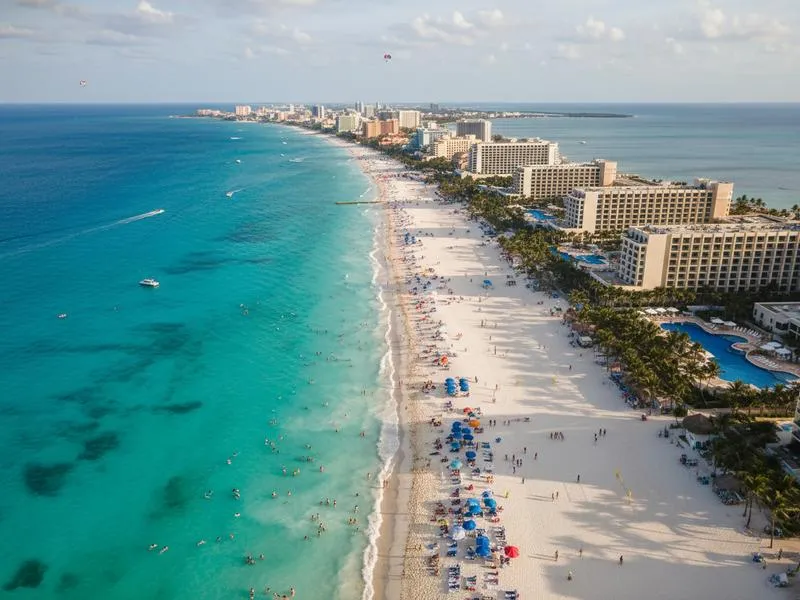
Spring break destinations that actually work:
- Isla Mujeres — Only golf carts allowed; no nightclub chaos. Still crowded but peaceful by comparison. March guide → | Full guide →
- Puerto Morelos — Reef snorkeling, a small-town plaza, and Cancun Airport convenience without sleeping in the Hotel Zone. March guide → | Full guide →
- Bacalar — No nightlife, blue lagoon mornings, stromatolites, and no sargassum decision. March guide → | Full guide →
- Mérida — Yucatán food, cenotes, Uxmal, and a calmer city base for Chichén Itzá equinox planning. March guide → | Full guide →
- Valladolid — Smaller Yucatán base for early Chichén Itzá starts, Ek Balam, cenotes, and less resort noise than the coast. March guide → | Chichén Itzá route →
- Izamal — A compact yellow-city stop with the San Antonio convent, Kinich Kakmó, Yucatecan lunch, and easier March pacing than Chichén Itzá. March guide → | Full guide →
- Oaxaca City — Culture, food, mezcal, and dry walking weather. Beach crowds do not touch it. March guide → | Oaxaca travel guide →
- Mazunte — Small Oaxaca Coast beach days, Punta Cometa sunsets, San Agustinillo/Zipolite add-ons, and no sargassum, with late-March Semana Santa booking pressure. March guide → | Full guide →
- Zipolite — Hot dry-season beach days, Mexico’s best-known clothing-optional beach, no sargassum, strong Pacific surf, and easy Mazunte/San Agustinillo pairings. March guide → | Full guide →
- Guanajuato — Colorful streets, viewpoints, museums, and a dry highland city break with fewer spring-break distractions than the coast. March guide → | Guanajuato city guide →
- Cuernavaca — Warm garden hotels, Xochicalco mornings, pool time, and an easy Mexico City escape before late-March Semana Santa pressure. March guide → | Full guide →
- Valle de Bravo — Lake views, cool evenings, boutique hotels, and a possible early-March monarch side trip without committing to a full Michoacán route. March guide → | Full guide →
- Zacatecas — Pink-stone architecture, El Edén mine, cable-car views, museums, and cool dry highland evenings, with late-March Semana Santa booking caveats. March guide → | Full guide →
- Durango — Dry northern highland weather, western film sets, colonial streets, sotol, and Sierra Madre or Mazatlán route planning without beach spring-break pressure. March guide →
- Chihuahua — Dry spring weather, Pancho Villa history, northern food, and practical El Chepe or Copper Canyon route planning before late-month holiday pressure. March guide → | City guide →
- Hermosillo — Dry Sonora spring weather, carne asada, airport logistics, Highway 15 routing, and Bahia de Kino day-trip options before the extreme heat season. March guide → | Full guide →
- Querétaro — A practical colonial-heartland base for wine country, Peña de Bernal, the aqueduct, and calmer March logistics than San Miguel. March guide → | City guide →
- Tlaxcala — Dry highland weather, Cacaxtla, pulque, smaller streets, and an easy Puebla add-on before late-month Semana Santa pressure. March guide →
- Bernal — Peña de Bernal mornings, gorditas, wine-country side trips, and a compact Pueblo Mágico stay with late-March booking pressure. March guide → | Full guide →
- Tequisquiapan — The slower wine-country version of a Querétaro trip, with balloon mornings, cheese routes, spa hotels, and easy Peña de Bernal access. March guide → | Full guide →
- Guadalajara — A bigger Jalisco city base for dry-season food trips, Tlaquepaque galleries and mariachi, Tequila day trips, and Ajijic lake escapes without beach spring-break pressure. March guide → | City guide →
- Copper Canyon — The opposite of every spring break cliché: El Chepe, Creel, Divisadero, and dry mountain views. March guide → | Complete guide →
- San Luis Potosi — Dry highland weather, museums, enchiladas potosinas, Tangamanga Park, and practical routes toward Real de Catorce, Zacatecas, or Huasteca Potosina. March guide → | Full guide →
- Xilitla — Warm Sierra Gorda weather, Las Pozas, damp-path planning, and a slower Huasteca/Pueblo Mágico overnight before late-month Semana Santa pressure. March guide → | Full guide →
- Huasteca Potosina — Clearer dry-season waterfalls, warm Ciudad Valles tour days, Xilitla add-ons, and late-March Semana Santa booking pressure. March guide → | Full guide →
- Real de Catorce — Dry high-desert streets, cool nights, Ogarrio Tunnel logistics, and a Pueblo Magico overnight that feels far removed from beach spring break. March guide → | Full guide →
- Matehuala — Practical dry-season hotels, highway access, and Real de Catorce staging without beach spring-break crowds. March guide →
- Aguascalientes — Dry spring weather, museums, San Marcos pre-fair calm, wine-country side trips, and easy central-Mexico road-trip logistics. March guide → | Full guide →
- León — Dry Bajio weather, leather shopping, Forum Cultural Guanajuato, BJX airport access, and practical routing between Guanajuato, Aguascalientes, San Luis Potosi, and Guadalajara. March guide → | Full guide →
Gray Whale Season: The Final Window (March)
March is the last reliable month to see gray whales in Baja California. The season runs December through April, but by mid-April the whales are swimming north toward Alaska and encounter time drops sharply.
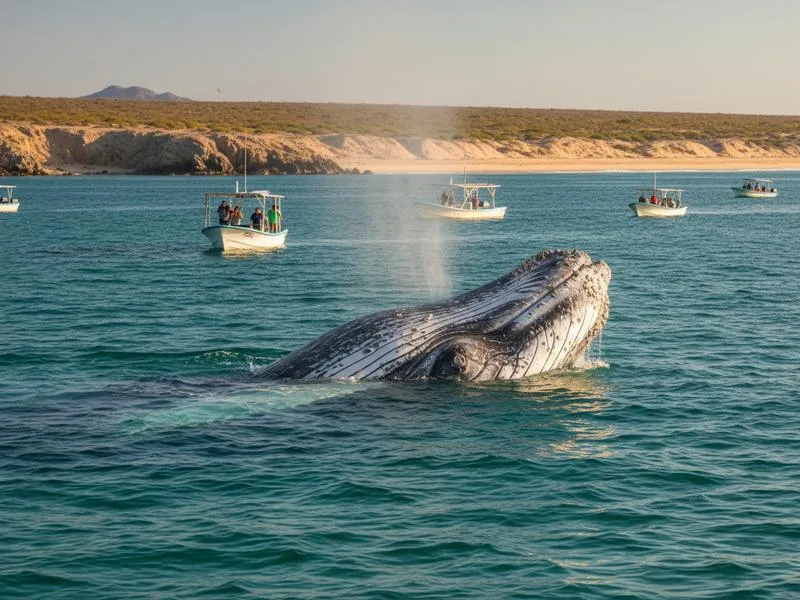
March whale watching reality:
| Lagoon | March Window | Calf Activity | Distance from Major City |
|---|---|---|---|
| Laguna San Ignacio (best for proximity) | Full month | Calves still bold | 8hr drive from San Diego, 12hr from La Paz |
| Guerrero Negro | Full month | High calf activity | Access point from Tijuana (12hr) |
| Bahía Magdalena | Full month — best for convenience | Excellent | 3hr from La Paz |
Bahía Magdalena (near López Mateos) is the easiest access point from La Paz. The friendly whale behavior — where gray whale mothers push their calves toward boats to be touched — peaks December through February, but March still produces extraordinary encounters. If you want a quieter Sea of Cortez base around the same Baja wildlife season, compare Loreto in March for island boat days, kayaking, and realistic whale-route expectations.
Book March whale tours now: Most reputable operators in López Mateos and Laguna San Ignacio are booking out 2–4 weeks in advance for March.
Monarch Butterfly Departure: March’s Unique Angle
The monarch butterfly colonies in Michoacán are at their most dramatic in January and February. By March, the monarchs begin their northward migration — so what you see in March is different, but arguably more magical.
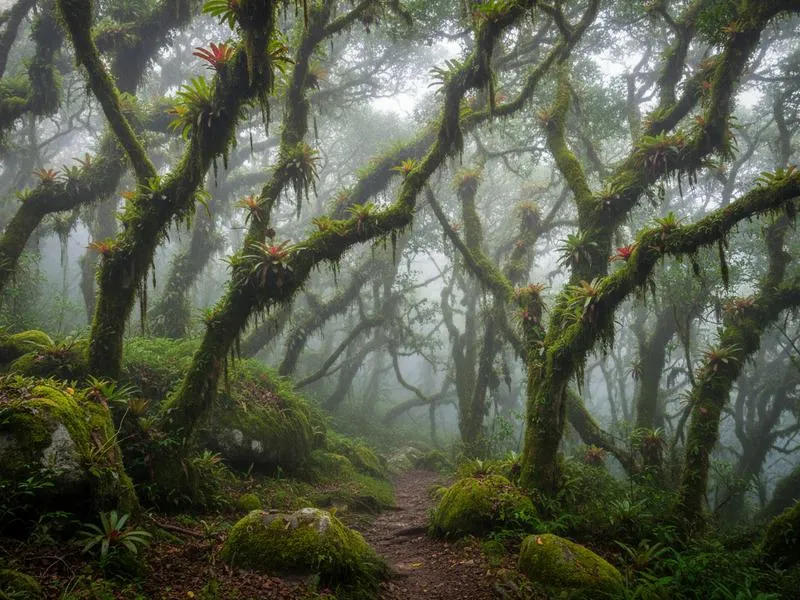
March vs January/February at the sanctuaries:
| Factor | January–February | March |
|---|---|---|
| Colony density | Maximum — trees orange with millions | Thinning as migration begins |
| Butterfly behavior | Clusters in trees, warming in sun | Active flight — butterflies moving |
| Photography | Dense “orange tree” shots | Flying clouds of orange against blue sky |
| Crowds | Peak tourist season | Lower tourist numbers |
| What you’ll actually see | A tree covered in butterflies | Butterflies in motion, departing clouds |
March is actually spectacular for a different reason: when a cloud of monarchs takes flight during warm midday hours, you’re inside what looks like a living orange snowstorm. Early March is the transition point — trees still have millions, but they’re increasingly active.
Best sanctuaries in March: El Rosario and Sierra Chincua (Michoacán). Entry: 60–75 MXN. Guides are mandatory (hire at the entrance). Walk to the colonies takes 20–40 minutes uphill at 3,000m — bring water and go slow. Use Morelia in March if you want a comfortable city base for the final monarch window, food, hotels, and Michoacán day-trip planning.
Mexico City Jacaranda Bloom: Late March Peak
The jacaranda trees of Mexico City reach their peak bloom in late March through early April. Use the dedicated Mexico City in March guide for jacaranda timing, weather, neighborhoods, festivals, and booking advice. While the blooms can appear as early as February, the full purple carpet covering parks and streets typically peaks around March 20–April 10.
Best jacaranda spots in CDMX:
- Viveros de Coyoacán — The epicenter. Dozens of mature jacaranda trees around the vivero nursery. Free to enter.
- Roma Norte streets — Álvaro Obregón and surrounding streets become purple-canopied tunnels. Great for photography.
- UNAM campus — One of the best jacaranda concentrations in the city, spread across the huge campus grounds.
- Bosque de Chapultepec — Several large trees near the lake area.
- Xochimilco — Canals lined with jacarandas in peak March-April.
Practical tip: The jacarandas are most photogenic 7–9 AM on still mornings before wind knocks the petals down. Late March is typically the most reliable window.
March Weather by Region
| Region | Avg High | Rain Days | Sea Temp | Summary |
|---|---|---|---|---|
| Cancún / Yucatán | 31°C / 88°F | 3–4 | 27°C | Peak dry season — use Mérida in March for ruins, cenotes, and city-base planning |
| Mexico City | 24°C / 75°F | 4–6 | — | Warm days, cool nights (12°C), first rains late month |
| Oaxaca City | 29°C / 84°F | 3–4 | — | Ideal. Hierve el Agua OPEN. Dry and warm |
| Puerto Vallarta | 27°C / 81°F | 1–2 | 26°C | Dry season final month — best Pacific beach conditions |
| Los Cabos | 26°C / 79°F | 1–2 | 22°C | Excellent — whale season active, Pacific calm, with Cabo San Lucas for marina nightlife and boat tours or San Jose del Cabo for art, restaurants, and calmer evenings |
| La Paz / Baja Sur | 25°C / 77°F | 2–3 | 22°C | Whale sharks mid-season, gray whale final window, and Loreto for quieter island/kayak planning |
| Chiapas (San Cristóbal) | 22°C / 72°F | 5–6 | — | Cool nights (8–10°C), clear days — ideal for village visits and Chiapas day trips |
| Copper Canyon | 20–25°C | 3–4 | — | Dry mountain weather, El Chepe views, Creel, and Divisadero planning |
| Pachuca | 24°C / 75°F | 3–4 | — | Dry Hidalgo highland weather, pastes, Real del Monte, Huasca, and easy Mexico City access |
| Mazatlán | 27°C / 81°F | 2–3 | 23°C | Warm, dry, post-Carnival calm |
March is dry season peak for the majority of Mexico. The Pacific coast and highlands won’t see significant rain until May or June. Caribbean coast has a brief dry window before sargassum builds April–May.
March Wildlife Calendar
| Wildlife | Location | Status in March |
|---|---|---|
| Gray whales | Baja California (Guerrero Negro, San Ignacio, Magdalena Bay) | Last reliable month — season ends April/May |
| Monarch butterflies | Michoacán (El Rosario, Sierra Chincua) | Departure migration — active flight clouds |
| Whale sharks | La Paz, Baja California Sur | Active season continues (Oct–May) |
| Humpback whales | Puerto Vallarta / Pacific coast | Final month — heading north April |
| Sea turtles (leatherback) | Pacific coast (Baja, Jalisco) | Nesting season |
| Flamingos | Celestún, Yucatán | Year-round, dry season best visibility |
| Manatees | Laguna de Términos, Campeche | Year-round |
| Bull sharks | Cozumel / Playa del Carmen area | November–March dive season (FINAL MONTH); see Cozumel in March for reef-first island planning |
Note on Holbox/Isla Mujeres whale sharks: The main season officially starts June. In March the water is still cool for this species at those latitudes. La Paz (Baja Sur) is the only reliable whale shark location in March.
March Festivals & Events 2026
| Event | Date | Location | What It Is |
|---|---|---|---|
| Chichen Itza Spring Equinox | March 21 | Chichen Itza, Yucatán | Shadow serpent descends El Castillo — 50K visitors |
| Vive Latino | March 21–22 | Mexico City (Foro Sol) | Largest rock/alternative festival in Latin America |
| Domingo de Ramos (Palm Sunday) | March 29 | Nationwide | Official start of Semana Santa |
| Feria Internacional del Libro Monterrey | March 20–29 | Monterrey, Nuevo León | Major book fair (second largest in Mexico after Guadalajara’s FIL) |
| Jacaranda Festival | Late March | Mexico City | Informal but Instagram-famous peak bloom window |
| Festival de la Guelaguetza Preview Events | Late March | Oaxaca City | Pre-Guelaguetza community events (main festival is July) |
| Spring Break | March 7–28 | Cancún, PV, Cabo, PDC | US/Canada colleges; peak Cancún chaos March 14–22 |
Vive Latino (March 21–22, CDMX): This coincides exactly with the equinox. If you’re in Mexico City for jacarandas, Vive Latino tickets are worth it — it’s the Coachella equivalent of Latin rock, held at Foro Sol. 2026 lineup TBC but historically 200+ acts over two days.
March’s Best Destinations
Best Overall: Oaxaca City
March is arguably Oaxaca’s best month. Dry season (29°C days, cool nights), Semana Santa processions if you arrive late March, and Hierve el Agua fully open. Book accommodation 6+ months ahead for March 29–April 5. Oaxaca in March → | Oaxaca Travel Guide →
Best Beach: Puerto Vallarta or Los Cabos
Pacific Coast reaches its best beach conditions in March, with warm water, almost no rain, and none of the Caribbean sargassum stress that starts building later in spring. Puerto Vallarta is better if you want walkable nightlife and easier flights; Punta Mita in March is better if you want a polished resort base with golf, Marietas access, and quieter evenings; Sayulita is better if you want a smaller Riviera Nayarit surf-town base with beach bars and beginner lessons, while San Pancho in March is better if you want a calmer nearby beach town with Sayulita/Punta de Mita add-ons; use the dedicated Puerto Vallarta in March guide for weather, whales, crowds, and where to stay. Zihuatanejo is better if you want La Ropa, seafood, no sargassum, and a calmer spring-break alternative; use Zihuatanejo in March for beach timing, Ixtapa comparisons, and where to stay. Ixtapa in March is better if you want the resort-hotel version of that same Guerrero coast trip: Playa El Palmar, pools, golf, family logistics, and easy Zihuatanejo day trips. Manzanillo in March is better if you want a quieter Colima coast base with dry weather, seafood, sailfish culture, and no sargassum, but with more route awareness than the major resort zones. Puerto Escondido is better if you want a smaller Oaxaca coast base with surf, coves, sunsets, and a less resort-heavy feel; use Puerto Escondido in March for beach safety, spring-break timing, surf, and where to stay. Zipolite in March is better if you want clothing-optional beach culture, no sargassum, warm Pacific water, and a slower Oaxaca Coast base where strong surf is part of the planning. Huatulco is better if you want calmer protected bays, resort comfort, snorkeling, and an easier family beach base; use Huatulco in March for bay, hotel, and Oaxaca coast comparisons. Los Cabos is better if you want a polished resort trip, whale season overlap, and a drier desert feel; use the dedicated Los Cabos in March guide for the region, or Cabo San Lucas in March if your trip is built around the marina, Medano Beach, boat tours, and nightlife. Todos Santos in March is better if you want art, food, boutique hotels, Pacific sunsets, and a quieter Baja base near Los Cabos without treating swimming as the whole trip. Avoid these only if you want very low prices or empty beaches. Puerto Vallarta Guide → | Sayulita beach guide → | Puerto Escondido Guide → | Los Cabos Guide →
Best Wildlife: Baja California Sur
March combines gray whale final season (Bahía Magdalena, San Ignacio), whale sharks in La Paz mid-season, sea lions at Los Islotes, and calm desert weather. Use the dedicated La Paz in March guide if you want the practical call on Balandra, whale shark buffers, gray whale side trips, and La Paz vs Los Cabos. For a northern Baja version with seafood, La Bufadora, Valle de Guadalupe, and a final whale-season shot from the border route, use Ensenada in March. A Baja loop — La Paz to Loreto to Mulegé — is spectacular in March. La Paz Guide →
Best Culture: Taxco, Oaxaca City, or Guanajuato
If you want the most dramatic March cultural trip, choose Taxco for Semana Santa or Oaxaca City for a more balanced mix of food, walking, markets, and Holy Week atmosphere. Puebla is the easier food-and-architecture add-on from Mexico City if mole, Talavera, Cholula, and churches matter more than a full standalone culture trip. Cholula is the compact pyramid-and-churches day if you want the Puebla Valley without committing to another full city itinerary. Atlixco is the softer Puebla Valley day if flower nurseries, warm weather, and Popocatépetl views sound better than another museum block. Tepoztlán is the easier Mexico City escape if El Tepozteco, market food, and warm dry-season cliffs matter more than a full colonial-city itinerary. Cuernavaca is the softer Morelos base if garden hotels, Xochicalco, pool afternoons, and easier parking matter more than mountain-town energy. Valle de Bravo is the cooler lake-and-hotel escape if you want dry-season mountain air, a CDMX weekend reset, and possible early-March monarch routing. Cuetzalan is the slower Puebla mountain option if Sunday market culture, coffee, waterfalls, and misty Sierra Norte weather sound better than a city-only itinerary. Guanajuato is the colorful-highland alternative if you want viewpoints, museums, plazas, and a compact city break without beach crowds. Zacatecas is the quieter northern-highland choice if pink quarry streets, mines, cable-car views, museums, and regional food sound better than spring-break beaches. Guadalajara is the stronger Jalisco option if food, Tlaquepaque galleries, Tequila, and a larger city base matter more than a small colonial core. Querétaro is the easier wine-country and Bernal base if you want lower-pressure logistics between Mexico City, San Miguel, and Guanajuato, Bernal is the sharper Peña de Bernal choice if you want a compact rock-view Pueblo Mágico stay, while Tequisquiapan is the slower Pueblo Mágico choice if balloons, cheese routes, spa hotels, and plaza evenings matter more than city logistics. San Cristóbal de las Casas is the cooler Chiapas highland choice if textiles, Tzotzil villages, coffee, and mountain day trips matter more than beach weather. Taxco is the bigger spectacle. Oaxaca is the stronger food trip. Guanajuato is the better-value colonial-city option. Taxco in March → | Semana Santa in Taxco → | Oaxaca in March → | Guanajuato in March → | Zacatecas in March → | Cuetzalan in March → | Xalapa in March → | Coatepec in March → | Xico in March → | Orizaba in March → | Papantla in March → | Tlaquepaque in March → | Tequila in March → | Semana Santa in Oaxaca →
Best Ruins: Yucatán or Palenque (Early March)
Before the spring break and equinox crowds arrive, early March is ideal for Chichen Itza, Uxmal, Ek Balam, Tulum, and Palenque. Mérida in March is the most useful city-base guide if you want Uxmal, cenotes, food, and a longer Yucatán stay. Valladolid in March is the sharper pick if your priority is reaching Chichén Itzá before the biggest coastal day-trip crowds. Palenque is better if you want jungle ruins, waterfalls, and a Chiapas-to-Yucatan overland route instead of a coastal day trip. Arrive at 8 AM, beat the heat and tour buses, have structures to yourself by 7:30. Chichen Itza Guide → | Yucatán Itinerary →
Where March Works Best by Trip Style
| Trip Style | Best Pick | Why It Works in March |
|---|---|---|
| First trip to Mexico | Oaxaca City | Great weather, food, culture, and manageable logistics |
| Resort or calmer beach trip | Los Cabos, Cabo San Lucas, San Jose del Cabo, Todos Santos, Puerto Vallarta, Punta Mita, Sayulita, San Pancho, Zihuatanejo, Ixtapa, or Puerto Morelos | Dry Baja resorts, marina nightlife and boat tours, a calmer Los Cabos art-and-restaurant base, a quieter Baja art-and-sunset town, a walkable Pacific beach city, polished Riviera Nayarit resort stays, a surf town, a calmer Nayarit beach base, a quieter Guerrero bay town, a resort-forward Guerrero beach base, or a reef town near Cancun Airport |
| Smaller Oaxaca coast beach trip | Puerto Escondido, Zipolite, or Huatulco | Puerto Escondido for surf and nightlife; Zipolite for clothing-optional beach culture and no sargassum; Huatulco for protected bays, snorkeling, resorts, and easier family swimming |
| Wildlife or scenic rail trip | La Paz / Baja Sur, Morelia, Valle de Bravo, or Copper Canyon | Whale sharks and late gray whales in Baja, early-March monarch departure flights in Michoacán, a lake weekend with possible Estado de México monarch routing, or dry-season El Chepe and canyon views |
| Ruins-focused trip | Mérida, Valladolid, or Palenque | Easy access to Chichén Itzá, Uxmal/Ek Balam, cenotes, or Chiapas jungle ruins before late-month chaos |
| Big-city spring trip | Mexico City | Jacarandas, festivals, and warm daytime weather |
| Colonial-city, mountain-market, or route break | Guanajuato, Leon, Querétaro, Bernal, Tequisquiapan, Guadalajara, Tlaquepaque, Tequila, Zacatecas, Pachuca, Puebla, Cholula, Atlixco, Tepoztlán, Cuernavaca, Valle de Bravo, Cuetzalan, Xilitla, Huasteca Potosina, Tuxtla Gutierrez, or Campeche | Dry highland weather in Guanajuato, leather shopping and BJX logistics in Leon, wine country and Bernal from Querétaro, Peña de Bernal views and gorditas in Bernal, a slower balloon-and-cheese-route weekend in Tequisquiapan, Jalisco food from Guadalajara, galleries and mariachi in Tlaquepaque, agave fields and distilleries in Tequila, mines and cable-car views in Zacatecas, pastes and Hidalgo mountain towns from Pachuca, food/churches in Puebla, pyramid views and cafes in Cholula, flower nurseries and volcano views in Atlixco, El Tepozteco and market food in Tepoztlán, garden hotels and Xochicalco from Cuernavaca, lake views and cool boutique-hotel evenings in Valle de Bravo, misty Sierra Norte market culture in Cuetzalan, Las Pozas and warm Sierra Gorda/Huasteca logistics in Xilitla, clear-water dry-season waterfall planning in Huasteca Potosina, Sumidero Canyon and Chiapas airport logistics from Tuxtla, a warmer Gulf walled-city base with seafood and Edzná from Campeche, or a lively port-city food break in Veracruz, or a cooler coffee-and-museum base in Xalapa, a mole-and-waterfall stop in Xico, a mountain-view cable-car stop in Orizaba, or a warm El Tajín-and-vanilla stop in Papantla |
| Holy Week trip | Taxco, Oaxaca, or San Cristóbal | Strongest late-March cultural atmosphere, with San Cristóbal as the cooler Chiapas highland option |
What to Skip in March
| Don’t Do This | Why | Alternative |
|---|---|---|
| Chichen Itza on March 21 | 50,000 people, standing-room only | Go March 14–20 or March 22–27 |
| Cancún spring break (March 14–22) | Chaos, noise, overpriced | Isla Mujeres, Bacalar, or Holbox |
| Semana Santa beach trips without booking ahead | Every beach hotel in Mexico is full | Book Semana Santa by October at the latest, or compare Mérida for a city-based Yucatán plan |
| Monarch butterflies in late March expecting peak | Colonies thinning rapidly | Go January–February for maximum density |
| Hierve el Agua on weekends | Crowded but still beautiful | Weekday morning visits, preferably before 10 AM |
| CDMX on Good Friday (April 3) | 2M people converging on Iztapalapa, transport disrupted | Great if you want the Passion Play; chaotic otherwise |
March Travel Budget
| Budget Level | Daily Cost | What You Get |
|---|---|---|
| Budget | $35–55 USD | Hostel dorm (Oaxaca/CDMX), street food, colectivos, free sites |
| Mid-Range | $80–130 USD | Private hotel room, sit-down meals, Uber, paid attractions |
| Comfort | $150–250 USD | Boutique hotel in colonial city or beach resort room, tours |
| Semana Santa premium | +30–50% | Hotels add peak supplements for March 29–April 5 |
Booking windows for March:
- Semana Santa accommodation (March 29+): Should have been booked October–December. If you haven’t yet, look at secondary cities — Mérida, Morelia, and Mazatlán may still have availability vs. Oaxaca and Taxco.
- Equinox Chichen Itza tours (March 21): Book 3–4 weeks in advance
- Gray whale tours (Baja): 2–4 weeks advance booking for March
- Regular March travel (outside peak windows): Usually fine booking 1–2 weeks ahead
March vs Other Months
| Factor | March | February | April |
|---|---|---|---|
| Weather | ✅ Peak dry season | ✅ Peak dry season | ✅ Excellent |
| Events | ✅✅ Equinox + Semana Santa | ✅ Carnival | ✅ Post-Semana Santa quiet |
| Crowds | ❌ Spring break + Semana Santa | Moderate | ✅ Very low post-Easter |
| Prices | ❌ High (Semana Santa) | Moderate | ✅ Low (best value) |
| Wildlife | Gray whales last window | ✅ Gray whale peak | ❌ Most wildlife declining |
| Best for | Culture, ruins, Baja | Carnival, wildlife | Budget travelers, beaches |
Best value in this period: April (April 6–20) — after Semana Santa, prices drop immediately, beaches empty out, weather stays perfect, and everything is open. If you can only choose one: early March or mid-April are both better value than late March (Semana Santa premium week).
Frequently Asked Questions
Is March a good time to visit Mexico?
Yes — March is excellent across most destinations. The dry season is at its peak from Yucatán to Baja, temperatures are warm without extreme humidity, and major events include the Chichen Itza equinox (March 21) and the start of Semana Santa (March 29). The main challenge is crowds during US spring break (March 14–22) and Semana Santa (March 29–April 5), plus correspondingly high prices during those windows.
What is the weather like in Mexico in March?
March is peak dry season across most of Mexico. Typical temperatures: Cancún 28–31°C, Mexico City 20–24°C, Oaxaca 25–29°C, Puerto Vallarta 27–29°C. Rainfall is minimal — expect 2–6 rain days maximum in most regions. The Caribbean sees its clearest water of the year. The Pacific coast is warm and calm. Mexico City starts its first brief afternoon rain showers in late March as the rainy season approaches.
What happens at Chichen Itza on the spring equinox?
On March 21, the angle of the setting sun creates seven triangles of light and shadow on El Castillo’s northwestern staircase, forming the silhouette of a serpent slithering downward. The carved stone serpent head at the pyramid’s base completes the effect. The phenomenon was intentionally engineered by Maya astronomers. Around 50,000 visitors attend the actual equinox day — the same visual effect occurs with far smaller crowds during the week before or after March 21.
When does Semana Santa start in 2026?
Semana Santa 2026 runs March 29 (Palm Sunday) through April 5 (Easter Sunday). The most dramatic events are Holy Thursday (April 2) and Good Friday (April 3). Good Friday is a national alcohol-restricted day (Ley Seca) in most Mexican states — bars, restaurants, and liquor stores cannot sell alcohol. Beach resort hotels usually have exemptions, but don’t count on it outside tourist zones.
Should I visit Mexico during spring break?
If you’re going to a beach destination — particularly Cancún — expect significant crowds and higher prices March 14–22. If you love the party atmosphere, Cancún during spring break is exactly what it sounds like. If you want a quieter Mexico, visit the first week of March, or choose non-beach destinations: Oaxaca, Mexico City, colonial highlands, and Baja stay relatively calm during spring break. Alternatively, April 6–20 is Mexico’s quietest and often cheapest period.
Plan Your March Trip
- Cancun in March: Weather, Spring Break & Tips →
- Playa del Carmen in March: Weather & Tips →
- Tulum in March: Weather, Sargassum & Tips →
- Akumal in March: Weather, Turtles & Tips →
- Cozumel in March: Weather, Diving & Tips →
- Isla Mujeres in March: Weather, Spring Break & Sargassum →
- Bacalar in March: Weather, Lagoon Tips & Spring Break →
- Holbox in March: Weather, Beaches & Crowds →
- Mérida in March: Weather, Ruins & Semana Santa →
- Valladolid in March: Weather, Cenotes & Equinox Tips →
- Puerto Vallarta in March: Weather, Whales & Tips →
- Punta Mita in March: Weather, Resorts & Tips →
- San Pancho in March: Weather, Beach & Tips →
- Manzanillo in March: Weather & Travel Tips →
- Colima in March: Weather & Travel Tips →
- Puerto Escondido in March: Weather, Surf & Tips →
- Zipolite in March: Weather, Surf & Nude Beach Tips →
- Huatulco in March: Weather, Bays & Travel Tips →
- Zihuatanejo in March: Weather, Beaches & Spring Break Tips →
- Ixtapa in March: Weather, Beaches & Resort Tips →
- Mexico City in March: Weather, Jacarandas & Tips →
- La Paz in March: Whale Sharks, Balandra & Baja Tips →
- Ensenada in March: Weather, Whales & Wine →
- Todos Santos in March: Weather, Beaches, Art & Trip Tips →
- Morelia in March: Weather, Monarchs & Semana Santa →
- Pátzcuaro in March: Weather & Semana Santa Tips →
- Mazatlán in March: Weather, Beaches & Crowds →
- Guaymas in March: Weather & Travel Tips →
- Ciudad Obregón in March: Weather & Tips →
- Culiacan in March: Weather & Tips →
- Campeche in March: Weather, Ruins & Tips →
- Palenque in March: Weather, Ruins & Tips →
- Veracruz in March: Weather, Carnival Timing & Gulf Coast Tips →
- Coatzacoalcos in March: Weather & Tips →
- Minatitlan in March: Weather & Tips →
- Orizaba in March: Weather, Pico Views & Tips →
- Papantla in March: Weather, El Tajín & Festival Tips →
- Puebla in March: Weather, Food & Travel Tips →
- Cholula in March: Weather, Pyramid & Puebla Tips →
- Huamantla in March: Weather & Tips →
- Atlixco in March: Weather, Flowers & Puebla Tips →
- Tepoztlán in March: Weather & Travel Tips →
- Cuernavaca in March: Weather, Gardens & CDMX Escape Tips →
- Valle de Bravo in March: Weather, Lake & Monarch Tips →
- Toluca in March: Weather, Nevado & Travel Tips →
- Cuetzalan in March: Weather, Market & Tips →
- Xalapa in March: Weather, Coffee & Travel Tips →
- Coatepec in March: Coffee, Weather & Tips →
- Xico in March: Weather & Travel Tips →
- Xilitla in March: Weather, Las Pozas & Route Tips →
- Leon in March: Weather, Leather Shopping & Travel Tips →
- Torreón in March: Weather & Travel Tips →
- Guadalajara in March: Weather, Food & Travel Tips →
- Tlaquepaque in March: Weather, Art & Travel Tips →
- Tequila in March: Weather, Distilleries & Travel Tips →
- Querétaro in March: Weather, Wine Country & Travel Tips →
- Tequisquiapan in March: Weather, Wine Country & Tips →
- Bernal in March: Weather, Peña & Wine Country Tips →
- San Cristóbal de las Casas in March: Weather & Semana Santa Tips →
- Chihuahua in March: Weather, El Chepe & Tips →
- Copper Canyon in March: Weather, El Chepe & Travel Tips →
- Spring Break Mexico: 15 Best Destinations →
- Semana Santa in Mexico: Complete 2026 Guide →
- Chichen Itza Guide: What Nobody Tells You →
- Best Time to Visit Mexico: Month-by-Month →
- Mexico in April: What Happens After the Crowds Leave →
- Mexico in February: Carnival & Gray Whales →
- Oaxaca in March →
- Oaxaca Travel Guide →
- Puerto Vallarta Travel Guide →
- La Paz Travel Guide: Baja’s Wildlife Capital →
- Mexico Travel Tips: 25 Things First-Timers Need to Know →