Mexico Rainy Season 2026: Best & Worst Months
What Rainy Season Actually Looks Like in Mexico
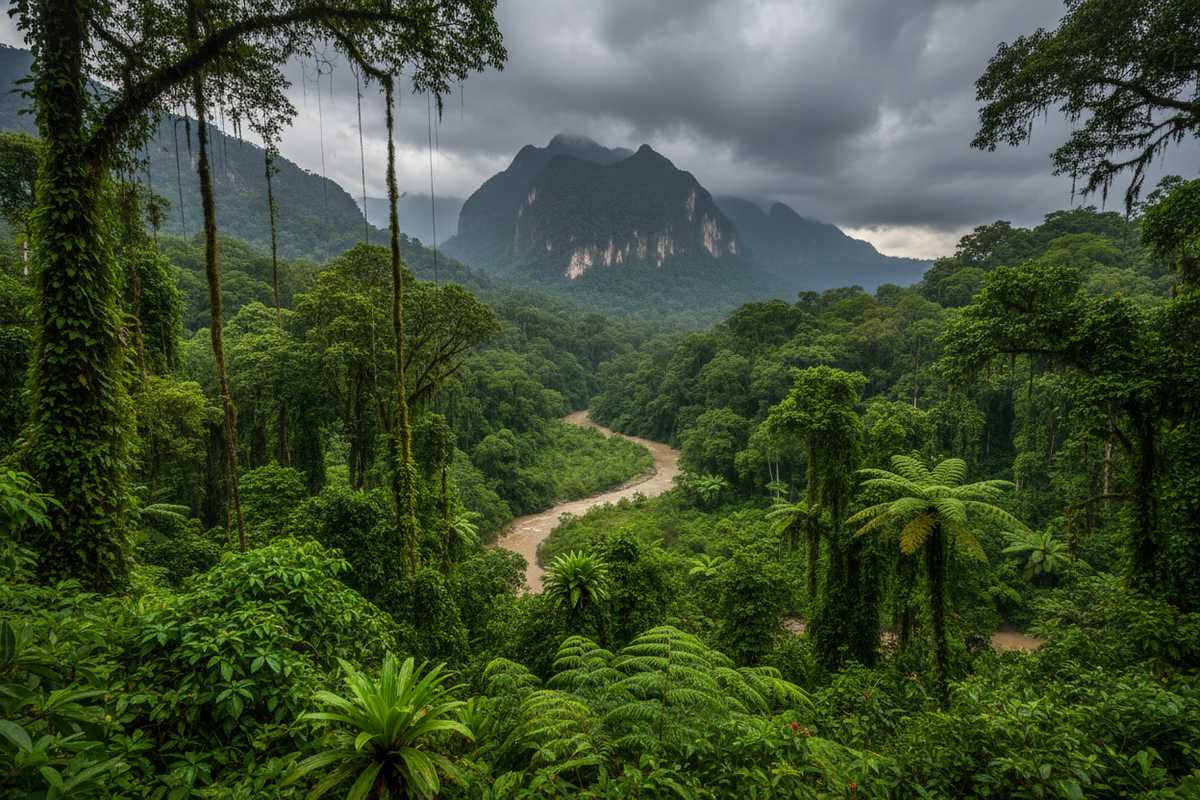
Mexico rainy season runs May to October, with the wettest stretch usually landing from June through September. The best rainy-season month for most travelers is June; the riskiest Caribbean months are September and October because rain overlaps with hurricane season.
That quick answer still needs regional context, because rainy season in Oaxaca does not feel like rainy season in Cancún, Chiapas, Baja, or Mexico City. Mexico is still worth visiting in rainy season if you pick the right region and month. June and July usually work well for Oaxaca, Mexico City, Guanajuato, and much of the Pacific coast. September is where the Caribbean gets riskier, especially if you care about hurricane disruption, beach conditions, or predictable sunshine.
I grew up in Mexico, and the number one thing most travel guides get wrong is this: Mexico’s rainy season is usually not a nonstop washout. In most destinations, you get a bright morning, clouds building through the afternoon, and then a hard downpour for 30 minutes to two hours before a clearer evening.
Mexico still follows two broad weather seasons, the dry season (November to April) and the rainy season (May to October), but those labels flatten a country with very different climates. Northern Baja gets almost no summer rain. The Yucatán gets regular afternoon showers plus late-season hurricane risk. Chiapas gets proper heavy rain. Oaxaca’s mountains get much wetter than its coast.
This guide is the practical version: best place, best month, worst month, cheapest month, and which region still works well during rainy season. If you are comparing this with broader timing questions, pair it with best time to visit Mexico, Mexico hurricane season, and destination timing notes for Cancún, Oaxaca, and Puerto Escondido.
Mexico Rainy Season in 30 Seconds
If you just want the short answer, here it is:
- Rainy season in Mexico usually runs from May to October, but the exact wettest months vary by region.
- June to September is the main rainy-season window for most of the country.
- September is usually the riskiest month for the Caribbean coast because it combines heavy rain with peak hurricane risk.
- June and July are often the smartest rainy-season months because prices are lower, landscapes are green, and the worst storm risk usually has not arrived yet.
- Best rainy-season picks: Oaxaca, Mexico City, Guanajuato, Querétaro, Puerto Vallarta, and Holbox in June to July.
- Most weather-sensitive picks: Cancún, Tulum, Cozumel, and much of the Riviera Maya in September to October.
- Best backup if Caribbean weather looks bad: pivot to Puerto Vallarta, Mexico City, Guanajuato City, or Oaxaca instead of forcing a Riviera Maya trip.
If you’re deciding between specific months, compare this guide with our best time to visit Mexico breakdown and destination-specific timing notes for Cancún, Oaxaca, Puerto Escondido, and Holbox.
Best Mexico Rainy-Season Pick by Trip Goal
| If your priority is… | Best pick | Why |
|---|---|---|
| Lower prices without the worst weather risk | Oaxaca in June or July | Green landscapes, softer hotel rates, and rain that usually stays in the afternoon. |
| Beach time with fewer Caribbean weather problems | Puerto Vallarta in June | Better summer beach odds than the Riviera Maya and no sargassum problem. |
| Summer wildlife | Holbox or Isla Mujeres in July | Whale shark season peaks even though you need to accept some afternoon rain. |
| Culture trip during the wet season | Oaxaca in July | Guelaguetza and a greener city make this one of Mexico’s best rainy-season trips. |
| Lowest prices overall | Central Mexico in September | Big discounts without the same hurricane risk you get on the Caribbean coast. |
| Desert sun with minimal rainy-season impact | Baja California | Summer storms are possible, but Baja does not have a classic rainy season. |
Best, Cheapest, and Riskiest Rainy-Season Month in Mexico
| Question | Best Answer | Why |
|---|---|---|
| Best overall rainy-season month | June | Landscapes turn green, prices soften, and hurricane risk is still lower than September or October. |
| Cheapest rainy-season month | September | Hotels and flights often hit their lowest prices, especially outside long weekends. |
| Riskiest rainy-season month for the Caribbean | September | It is usually the wettest month and sits inside peak Atlantic hurricane season. |
| Best rainy-season month for culture trips | July | Oaxaca’s Guelaguetza, greener colonial cities, and strong market season. |
| Best rainy-season month for beach trips | June | Better odds before late-summer storms build, especially on the Pacific side. |
Mexico Rainy Season by Region in 30 Seconds
| Region | Typical Rainy Season Window | Best Bet | Biggest Watch-Out |
|---|---|---|---|
| Yucatán Peninsula | June to October | June to July | September to October hurricane risk |
| Oaxaca | June to September | July to August | Sierra rain is much heavier than coast rain |
| Chiapas | May to October | May to June | Brown waterfalls and rougher road conditions in peak rain |
| Pacific Coast | July to October | June to July | Heavier late-summer storms in Puerto Escondido |
| Baja California | Minimal summer rain | Nearly any month | Occasional late-summer tropical storm |
| Central Mexico | June to September | June to August | Afternoon downpours, not all-day washouts |
This is the main planning takeaway: Mexico rainy season by region matters more than the countrywide label. A July trip that works beautifully in Oaxaca or Mexico City can feel far less appealing on the Riviera Maya in late September.
Mexico Rainy Season by Region
Yucatán Peninsula (Cancún, Tulum, Mérida, Holbox)
Rainy season intensity: Moderate
The Yucatán gets its rain in short, reliable afternoon bursts from June through October. Hurricane risk exists — primarily September and October for serious storms — but the Caribbean coast has survived named storms about one or twice per decade, not annually.
What rainy season actually means here:
- June to August: Warm, partly cloudy, afternoon showers 30–60 min. Whale shark season peaks. Sargassum seaweed also peaks. Budget travelers do very well.
- September to October: Highest hurricane probability. Watch forecasts. Not the best time for Caribbean coast travel.
- Cenotes: Rainy season raises water levels and increases flow — some cenotes look spectacular. The underground rivers are consistently cool (24°C/75°F) year-round regardless of surface rain.
Verdict: June and July are genuinely good. Use Holbox activity planning, Cancún travel basics, and Cancún timing notes if you’re weighing whale sharks against sargassum and storm risk.
Oaxaca (City, Valleys, Coast)
Rainy season intensity: Moderate to heavy (mountains) / Mild (coast)
Oaxaca City gets reliable afternoon rains from June through September. The Sierra Norte mountains — where villages like Cuajimoloyas and Pueblos Mancomunados sit — get heavier, more sustained rainfall. The Oaxacan coast (Puerto Escondido, Huatulco) has a shorter, more intense wet spell in August–September.
What rainy season means here:
- June–August: Oaxaca’s valleys turn deep green. Mezcal production uses this moisture. Markets overflow with seasonal produce. This is prime time for black clay pottery workshops and weaving villages — artisans are all home (not at markets).
- August–October: The cloud forest above Oaxaca is at maximum lushness. Monarch butterflies are still months away (they arrive November), but birding is exceptional.
- Guelaguetza Festival: Late July, every year. This is during rainy season and it is spectacular — book hotels 3–6 months early.
Verdict: One of Mexico’s best rainy-season destinations. Oaxaca works year-round, but in summer, add mezcal palenques and the Sierra Norte cloud forest to your itinerary, then pair it with Oaxaca timing notes and Oaxaca City planning for month-by-month decisions.
Chiapas (San Cristóbal, Palenque, Agua Azul)
Rainy season intensity: Heavy
Chiapas receives more rainfall than almost anywhere else in Mexico. San Cristóbal de las Casas sits at 2,200m, which means afternoon showers are cold and fast. Palenque’s jungle gets soaked June through October. Agua Azul waterfalls turn brown in peak rain months (July–September) as sediment muddies the water — they’re most photogenic from November through April (turquoise) or May–June (still clear-ish, before peak flow).
What rainy season means here:
- May–June: Still passable — waterfalls start building volume, Sumidero Canyon is dramatic, but roads are intact.
- July–September: Heavy jungle rain. Some hiking trails become difficult. The Mayan ruins at Palenque are genuinely atmospheric in light rain (mist rising from the jungle). Misol-Ha waterfall is at full force.
- San Cristóbal: Altitude keeps it cool (8–18°C), rain makes evenings chilly. Bring a real jacket.
Verdict: Use rainy season for the archaeological sites and avoid the waterfalls in August–September if you want turquoise water. Review Chiapas route safety and San Cristóbal travel planning before committing to a summer route.
Pacific Coast (Puerto Vallarta, Mazatlán, Puerto Escondido)
Rainy season intensity: Moderate
Mexico’s Pacific coast follows a different pattern than the Caribbean. PVR and Mazatlán get August–September rain, but no hurricane-level storms. Puerto Escondido has a compressed rainy season (August–October) — before and after, the Pacific coast is largely dry.
No sargassum on the Pacific coast. This is a major advantage over Cancún/Tulum in summer. Compare Puerto Vallarta and Puerto Escondido if you’re looking for summer beach weather without the Riviera Maya tradeoffs.
Baja California
Rainy season intensity: Minimal
Baja is a desert peninsula. Los Cabos averages 20 days of measurable rainfall per year total. The “chubascos” (late-summer tropical storms) can bring 2–3 days of rain in August or September, but prolonged wet weather is rare. La Paz is drier still. For travelers who want summer sun with no rain risk, Baja is the answer.
Central Mexico (Mexico City, Guanajuato, San Miguel de Allende, Querétaro)
Rainy season intensity: Moderate
Central Mexico’s highlands rain predictably from June through September — typically afternoon showers lasting 30–60 minutes. Mexico City gets its famous contingencias ambientales (air quality alerts) in spring, which actually improve during rainy season as rain clears the smog. The colonial cities of Guanajuato, Querétaro, and San Miguel shine in summer when their flowering trees are in full bloom.
The June jacaranda replacement: Spring gets all the jacaranda credit, but summer brings bougainvillea, flamboyán (royal poinciana), and tropical orchids to central Mexico’s gardens. Viveros de Coyoacán in CDMX is stunning. For city-specific timing, compare Mexico City and Guanajuato month-by-month conditions.
| Region | Rainy Season Intensity | Best Rainy-Season Month | Avoid |
|---|---|---|---|
| Yucatán Caribbean | Moderate | June–July | Sept–Oct (hurricane) |
| Oaxaca City & Valleys | Moderate | July–August | — |
| Chiapas Lowlands | Heavy | May–June | July–Sept (roads) |
| Pacific Coast | Mild–Moderate | July | Sept (PEsco) |
| Baja California | Minimal | Any month | — |
| Central Highlands | Moderate | June–September | — |
| Northern Mexico | Light | Any month | — |
What Rainy Season Costs: Budget Breakdown
This is the real reason to consider rainy season travel: pricing.
| Expense | Peak Season (Dec–Jan) | Shoulder (Apr–May) | Rainy Season (Jun–Sep) | Low (Oct) |
|---|---|---|---|---|
| Cancún Hotel (3-star) | $120–200/night | $80–130/night | $60–100/night | $50–80/night |
| Tulum Hotel (boutique) | $200–400/night | $150–250/night | $100–180/night | $80–120/night |
| Puerto Vallarta (4-star) | $180–300/night | $120–180/night | $80–140/night | $70–100/night |
| Oaxaca (boutique guesthouse) | $90–160/night | $70–110/night | $55–90/night | $45–70/night |
| Flight from NYC to CUN | $350–600 | $250–400 | $200–350 | $180–280 |
Prices are approximate USD; actual rates vary by booking lead time and property.
The Whale Shark Factor: Why Summer Is Peak Season for Some Activities
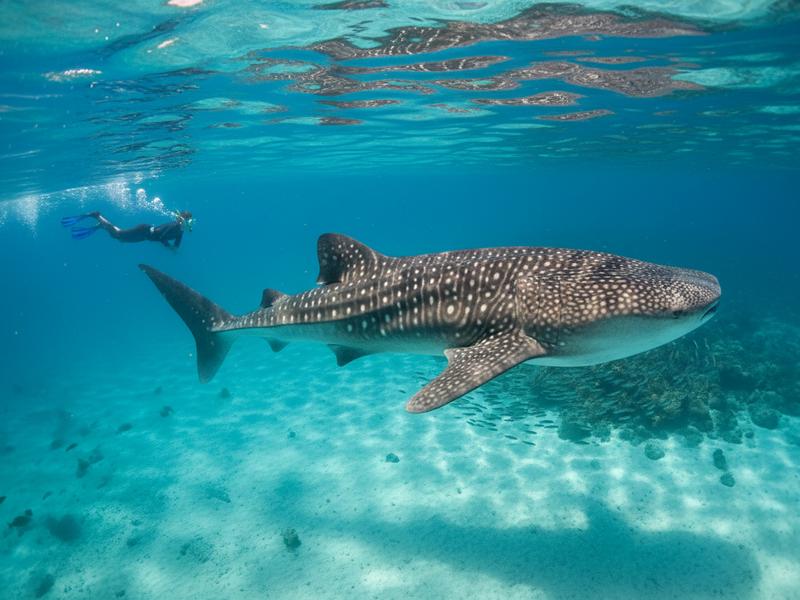
Here’s what changes the rainy season calculation for many travelers: Mexico’s most extraordinary marine wildlife experience peaks in summer.
- Whale sharks at Holbox and Isla Mujeres: June through September, with July–August at peak. Up to 400–800 whale sharks aggregate in the waters off Yucatán’s northern coast. This doesn’t happen in December.
- Whale sharks at La Paz: October through May (opposite season) — if you’re planning Baja, this is the right time.
- Sea turtles: Nesting begins May–June on Pacific beaches (Mazunte, Playa Escobilla mass arrivals). By July–August, you can watch hatchlings scramble to sea.
- Bioluminescence: Manialtepec Lagoon near Puerto Escondido peaks July–October with dinoflagellate activity.
- Humpback whales at Puerto Vallarta: Late October through March — arriving just as southern Mexico’s rainy season ends.
Whale shark planning should cover all three Mexican whale shark locations: Holbox, Isla Mujeres, and La Paz, each with different seasons, booking rules, costs, and regulations.
Rainy Season Benefits: 5 Reasons to Come in Summer
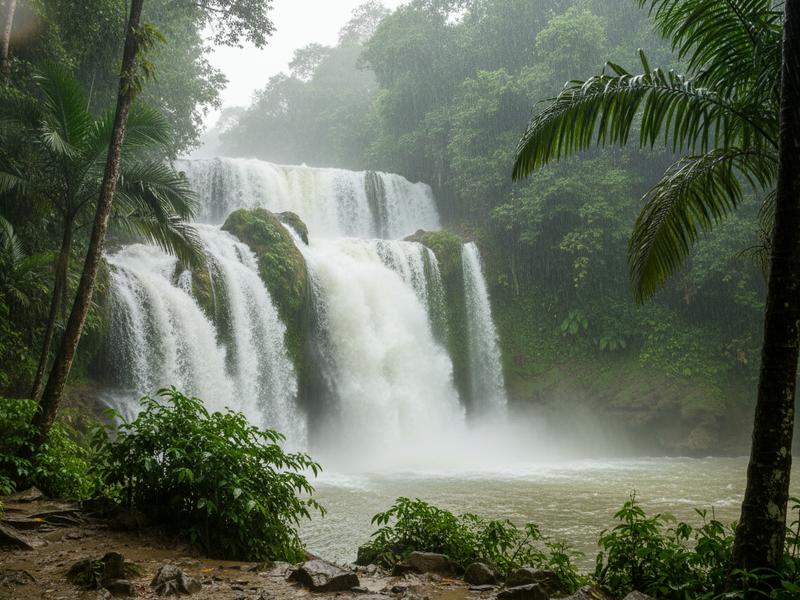
1. Waterfalls at Full Power
Mexico’s waterfall season is summer. Tamul in Huasteca Potosina, Cascada de Basaseachi in Chihuahua, El Chiflon in Chiapas — they all peak June through October. Some barely exist in the dry season. A Mexico waterfalls route should account for peak flow, road conditions, and whether each waterfall stays blue or turns brown after heavy rain.
2. Extreme Lushness
Mexico in December looks brown and dry in many regions. Mexico in August looks like a completely different country — deep green everywhere, flowering trees, rivers running full, and air that smells clean after rain.
3. Half the Tourists, Full Experiences
Chichen Itza in December: 10,000 visitors per day. Chichen Itza in a July weekday: 3,000–4,000. The ruins are still there. The cenotes are still there. But you can actually hear the birds.
4. Guelaguetza, the World’s Best Dance Festival
Oaxaca’s Guelaguetza festival runs the third Monday of July and the following Monday. This is during rainy season. It’s also one of the most extraordinary cultural events in the Americas — 16 indigenous groups, traditional dances, food, textiles. You can’t see this any other time of year.
5. Agricultural Mexico
June through September is the growing season. Markets in Oaxaca, Chiapas, and central Mexico overflow with produce that doesn’t exist in dry season: huitlacoche (corn mushroom, known as the “Mexican truffle”), chiles en nogada ingredients, rainy-season mushrooms from cloud forests, and regional fruit you’ve never seen.
Rainy Season Drawbacks: Honest Warnings
Not everything is better in the rain. Here’s what to account for:
Hurricane Risk (Caribbean coast): September and October carry genuine risk. The Caribbean (Cancún, Cozumel, Tulum) is the highest-risk zone. The Pacific coast gets tropical storms but rarely category 3+ hurricanes. Central Mexico and Baja are not hurricane zones. Check NOAA’s hurricane tracker 48–72 hours before any Caribbean coast trip in September–October.
Muddy Water: Chiapas waterfalls (Agua Azul, Misol-Ha) run brown from suspended sediment in July–September. Agua Azul is famous for turquoise water — that color requires dry season conditions.
Road Conditions: Remote dirt roads in Chiapas, Oaxaca’s Sierra Norte, and Copper Canyon can wash out in heavy rain. Check conditions locally before heading into mountain areas.
Mosquitoes: More rain = more standing water = more mosquitoes. Use repellent with DEET. Dengue is present in tropical lowland Mexico — this is not a reason to avoid travel but it is a reason to protect yourself.
Jellyfish: Holbox gets jellyfish in June–September (the same months as whale sharks). Rash guards are smart.
Month-by-Month Rainy Season Guide
| Month | Best Destinations | Key Events | Avoid |
|---|---|---|---|
| May | Baja, Guanajuato, Querétaro | Labor Day (May 1), Mother’s Day (May 10) | Cancún sargassum starting |
| June | Holbox (whale sharks), Oaxaca City, CDMX | Whale shark season opens | Pacific coast intensifying |
| July | Holbox + Isla Mujeres (whale sharks), Oaxaca (Guelaguetza) | Guelaguetza (3rd Monday), Day of the Cave (Jul 31 Guanajuato) | Chiapas (heavy rain) |
| August | Isla Mujeres (whale sharks), PV (turtles, humpbacks arriving) | Founding of CDMX (Aug 13), Assumption Day (Aug 15) | Agua Azul (brown water) |
| September | Oaxaca (cheaper prices), Guanajuato (Cervantino prep) | Independence Day (Sep 15–16), Querétaro historical significance | Caribbean coast (hurricane) |
| October | Oaxaca (Día de Muertos prep), CDMX (F1 Grand Prix), La Paz (whale sharks start) | F1 Grand Prix CDMX, Cervantino (Guanajuato) | Caribbean coast (hurricane ending) |
What to Pack for Rainy Season Mexico
A few items make the difference between enjoying the rain and suffering through it:
- Lightweight rain jacket or poncho — Mexico’s afternoon rains are warm and short. A packable jacket is enough; a heavy raincoat is overkill.
- Waterproof sandals or shoes — Streets flood quickly. Don’t ruin your only shoes on day one.
- DEET repellent — Not optional in tropical lowlands (Chiapas, Veracruz, Tabasco, coastal Oaxaca)
- Dry bag — Protect your camera and phone during sudden downpours
- Layers for mountain destinations — San Cristóbal (2,200m) and Oaxaca’s Sierra Norte get cold at night in the rain
Use a destination-specific packing list for shoes, layers, sun protection, and mosquito protection if your route combines beaches, highlands, and jungle areas.
Best Rainy Season Destinations in Mexico: Quick Reference
For budget travelers: September in Oaxaca — rock-bottom prices, lush valleys, empty archaeological sites, and Día de Muertos preparation already beginning.
For wildlife: June–July at Holbox or Isla Mujeres — whale sharks, flamingos, sea turtles, bioluminescence.
For waterfalls: July in Huasteca Potosina — Tamul at full volume, turquoise rivers, rope bridges over gorges.
For culture: Late July in Oaxaca — Guelaguetza festival, huitlacoche season, mezcal harvest beginning.
For colonial cities: Any rainy-season month in Guanajuato, Querétaro, or San Miguel de Allende — flowering trees, vibrant markets, 30–40% fewer tourists.
For beaches without the fuss: June in Puerto Vallarta or Mazatlán — warm Pacific water, no sargassum, morning sun before afternoon clouds.
Mexico in the rainy season is not a compromise — for the right traveler, it’s the best time to come. Book a Viator tour at your chosen destination and take advantage of smaller group sizes: Browse Mexico rainy-season experiences.
For the full picture of when to visit by destination, see our Best Time to Visit Mexico guide. For summer-specific destination picks, compare Mexico summer planning and Mexico in August if you’re planning the wettest stretch of the season.