Mexico in Summer 2026: Best Places to Visit (and What to Skip)
Why Summer Is an Underrated Time to Visit Mexico
Every travel guide tells you the best time to visit Mexico is November through March. They’re not wrong — the weather is reliably dry, temperatures are mild, and hurricane risk is zero. But that advice comes with consequences: prices at peak, crowds at every ruin, and beaches packed with spring breakers and Christmas vacationers.
Here’s the thing those guides miss: Mexico in summer is a different country, and for certain travelers, it’s better.
Lower prices. Fewer tourists. Wildlife that only appears in summer (whale sharks, sea turtles, bioluminescence). Festivals that can’t happen in December. Landscapes that are impossibly green. Waterfalls running at full power. And the same extraordinary food, architecture, and culture.
This guide is about matching the right destination to summer travel — and being honest about where summer genuinely doesn’t work.
Best Destinations for Mexico in Summer
1. Oaxaca City and the Valleys
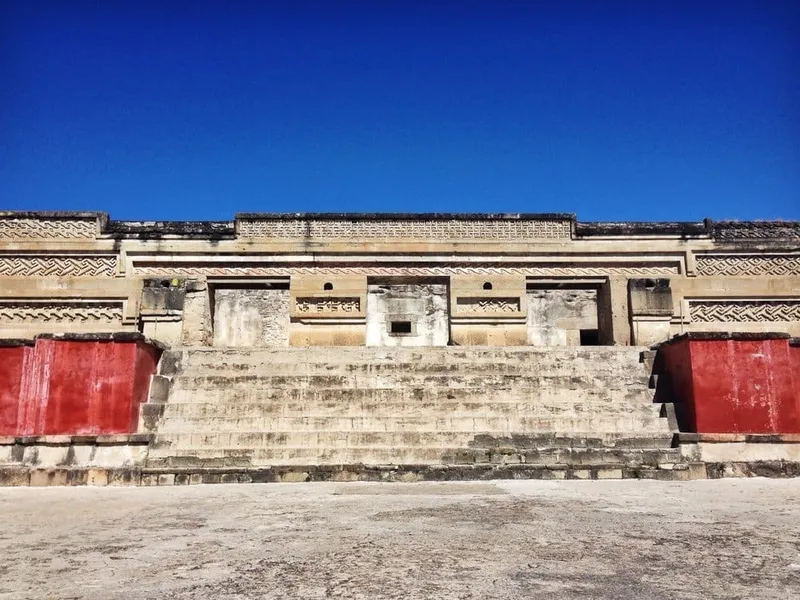
Why go in summer: Oaxaca City in July is one of Mexico’s best experiences. The valleys are green, the markets overflow with seasonal produce (huitlacoche, summer mushrooms, chiles en nogada ingredients arriving in August), and the Guelaguetza festival transforms the city.
Guelaguetza — the third and fourth Monday of July — brings 16 indigenous communities to the outdoor Guelaguetza Amphitheater for traditional dance, music, and offerings. Dress circle tickets: 300–500 MXN. Upper gallery: free. Book accommodation 3–6 months ahead for July.
The craft villages around Oaxaca City (Teotitlán del Valle for rugs, San Bartolo Coyotepec for black pottery, Atzompa for green ceramics) operate on agricultural rhythms — artisans are home in summer, workshops are active, and the full diversity of production is visible in a way it isn’t when craft fair season concentrates everything in December.
What to expect: Morning sun, clouds building by noon, afternoon showers 3–6 PM lasting 30–90 minutes, clear evenings. Oaxaca City’s streets drain well. See our Oaxaca travel guide for logistics.
Best months: July (Guelaguetza) and August. September drops prices further but harvest festivals begin.
2. Holbox and the Yucatán’s Northern Coast
Why go in summer: Whale shark season. This is not a minor attraction — it’s one of the most extraordinary wildlife encounters in the Americas, happening exclusively June through September. See the full breakdown in our whale shark swimming guide.
Beyond whale sharks: bioluminescence peaks in Holbox’s mangrove lagoons June through October. Flamingos at Punta Mosquito are visible year-round but easiest to photograph in summer (breeding season). Sea turtle nesting on nearby beaches runs May through October.
What to expect: Warm, choppy water. Occasional afternoon rain. Jellyfish present June–September (rash guard recommended). No cars on the island — weather doesn’t affect mobility much. See our Holbox travel guide.
3. Baja California (La Paz, Todos Santos, Cabo Pulmo)
Why go in summer: Baja is Mexico’s best-kept summer secret. The desert peninsula gets minimal summer rain (chubascos are short squalls, not extended rainy seasons), the Sea of Cortez is warm enough for swimming (26–30°C), and prices drop substantially from the December–April high season.
La Paz in summer: whale sharks have moved on (they’re in Yucatán), but the city’s beaches are calm and uncrowded, manta rays are present, and the Espíritu Santo archipelago is spectacular for camping and snorkeling. See our La Paz guide.
Cabo Pulmo National Marine Park — the UNESCO-protected reef 2 hours from Los Cabos — has its highest marine biodiversity in summer. Bull sharks (November–May) are gone, but the reef fish, rays, and sea turtles are spectacular. Water visibility peaks in summer.
Todos Santos: The Pacific-side town (Hotel California myth fully debunked) has a gallery circuit, excellent seafood, and surf at Playa Cerritos. Summer crowds are minimal.
4. Copper Canyon, Chihuahua
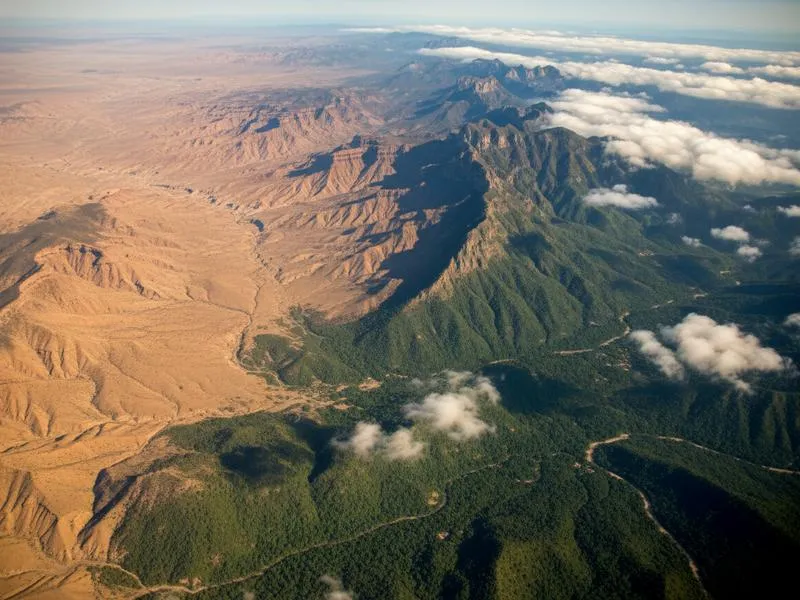
Why go in summer: The Copper Canyon system — six canyons covering 65,000 km², four times the area of the Grand Canyon — transforms in summer. The canyon walls, brown and dry in winter, fill with pine-oak forest and seasonal waterfalls from July through October. Cascada de Basaseachi, Mexico’s highest waterfall (246 meters), exists in full power only in rainy season.
The El Chepe train (Chihuahua–El Fuerte) runs year-round, but summer canyons are the most visually dramatic. Rarámuri (Tarahumara) communities are most active during growing season.
See our Copper Canyon guide for train logistics and what to expect from the 6-hour journey.
5. Huasteca Potosina, San Luis Potosí
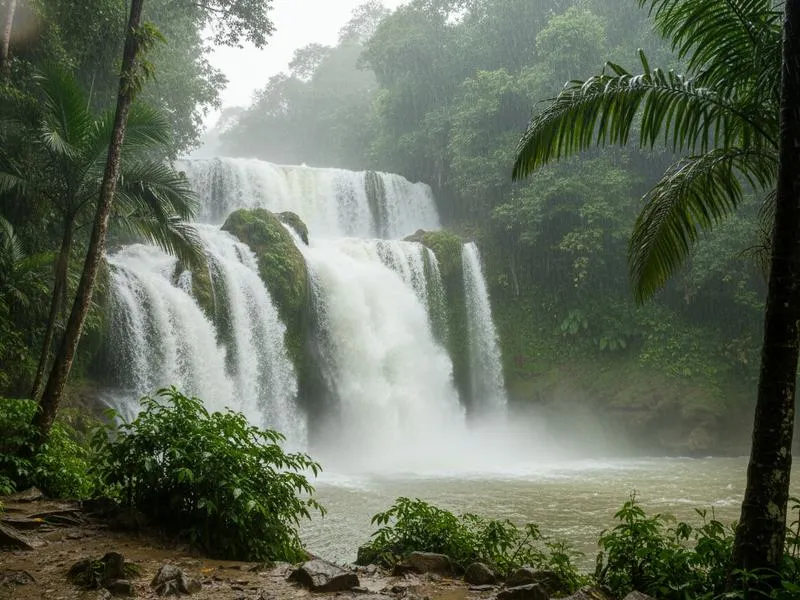
Why go in summer: Huasteca Potosina’s rivers and waterfalls depend on summer rainfall. The Tamul Waterfall — 105 meters wide, dropping into the Río Santa María — only reaches its famous full spread July through October. In dry season, it’s a fraction of its power.
The region’s turquoise rivers (Río Tampaón, Río Micos) are at maximum flow, and the canoe tour to Tamul — paddling through jungle canyon — is one of Mexico’s best outdoor experiences, enhanced dramatically by summer’s full water levels.
What to expect: Heat and humidity in Ciudad Valles and the lowlands. Bring repellent. Rain falls in the evenings, rarely affecting daytime activities.
6. Mexico City and the Central Highlands
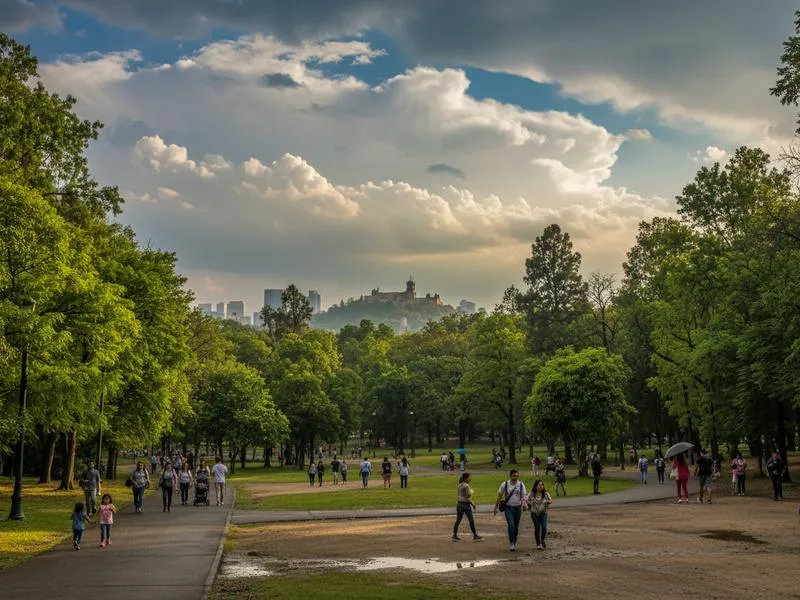
Why go in summer: Mexico City’s air quality is worst in winter (thermal inversions trap smog). Summer rain clears the atmosphere. The city is less crowded in June–August than at Christmas. June and July are some of the best months to be in CDMX — temperatures are moderate, jacarandas have given way to flamboyán and bougainvillea, and the cultural calendar continues: Vive Latino (April), Feria del Libro in the Zócalo (summer months).
Colonial cities of Guanajuato, Querétaro, and San Miguel de Allende all work beautifully in summer. The Cervantino festival in Guanajuato runs late October — summer visitors who stay into fall get one of Mexico’s great cultural events.
See our Querétaro travel guide and Guanajuato guide for logistics.
Where Summer Doesn’t Work As Well
Caribbean Coast (September–October): Cancún, Tulum, Cozumel, and Playa del Carmen carry hurricane risk September–October. June and July are perfectly fine (whale shark season helps). September and October are not ideal.
Chiapas waterfalls in August–September: Agua Azul and Misol-Ha run brown with suspended sediment in peak rainy season. The turquoise color that makes them photogenic requires dry conditions (November–April or May).
Acapulco: Avoid. This isn’t about weather.
Beach resorts focused on sunbathing: If all you want is guaranteed sun, dry season (November–April) delivers more reliably. Rainy season can interrupt beach plans 3–5 afternoons per week even in Baja.
Summer Festival Calendar
| Date | Festival | Location | What It Is |
|---|---|---|---|
| Late June | Día de San Juan | National (rivers) | River swimming tradition, markets |
| 3rd Monday of July | Guelaguetza | Oaxaca City | Mexico’s premier indigenous dance festival |
| 4th Monday of July | Guelaguetza | Oaxaca City | Second performance weekend |
| July 31 | Día de la Cueva | Guanajuato | Medieval Festival + Day of the Cave |
| Aug 13 | Founding of CDMX | Mexico City | Aztec-colonial commemorations |
| Sep 15–16 | Independence Day | All cities | Grito de Independencia, fireworks nationwide |
| Oct (3 weeks) | Festival Cervantino | Guanajuato | International arts festival, 120+ countries |
| Late October | F1 Grand Prix | Mexico City | Formula 1 at Autodromo Hermanos Rodríguez |
Summer Budget: What to Expect
Summer savings are real. Here’s a quick comparison for Oaxaca City — a destination that genuinely shines in summer:
| Expense | July 2026 | December 2026 |
|---|---|---|
| Mid-range hotel (per night) | $55–80 | $90–140 |
| Flight from NYC to OAX | $280–400 | $450–700 |
| Tours and activities | 10–20% cheaper (fewer bookings) | Full price |
| Restaurants | Same (Oaxacan food is seasonally better in summer) | Same |
For full budget planning, see our Mexico travel cost guide.
Summer is also the right season to invest in travel insurance — not because Mexico is dangerous, but because weather-related cancellations (ferry closures, tour delays, flight disruptions) are more likely. travel insurance covers trip interruptions and medical emergencies at around $12–15/week for most travelers.
For destination-specific seasonal advice, see the Best Time to Visit Mexico guide. For month-by-month planning, see our dedicated guides: Mexico in June (whale shark season opens, sargassum peaks) and Mexico in July (Guelaguetza festival, peak whale sharks, greenest landscapes). For the complete breakdown of what rainy season means by region, read the Mexico Rainy Season guide.