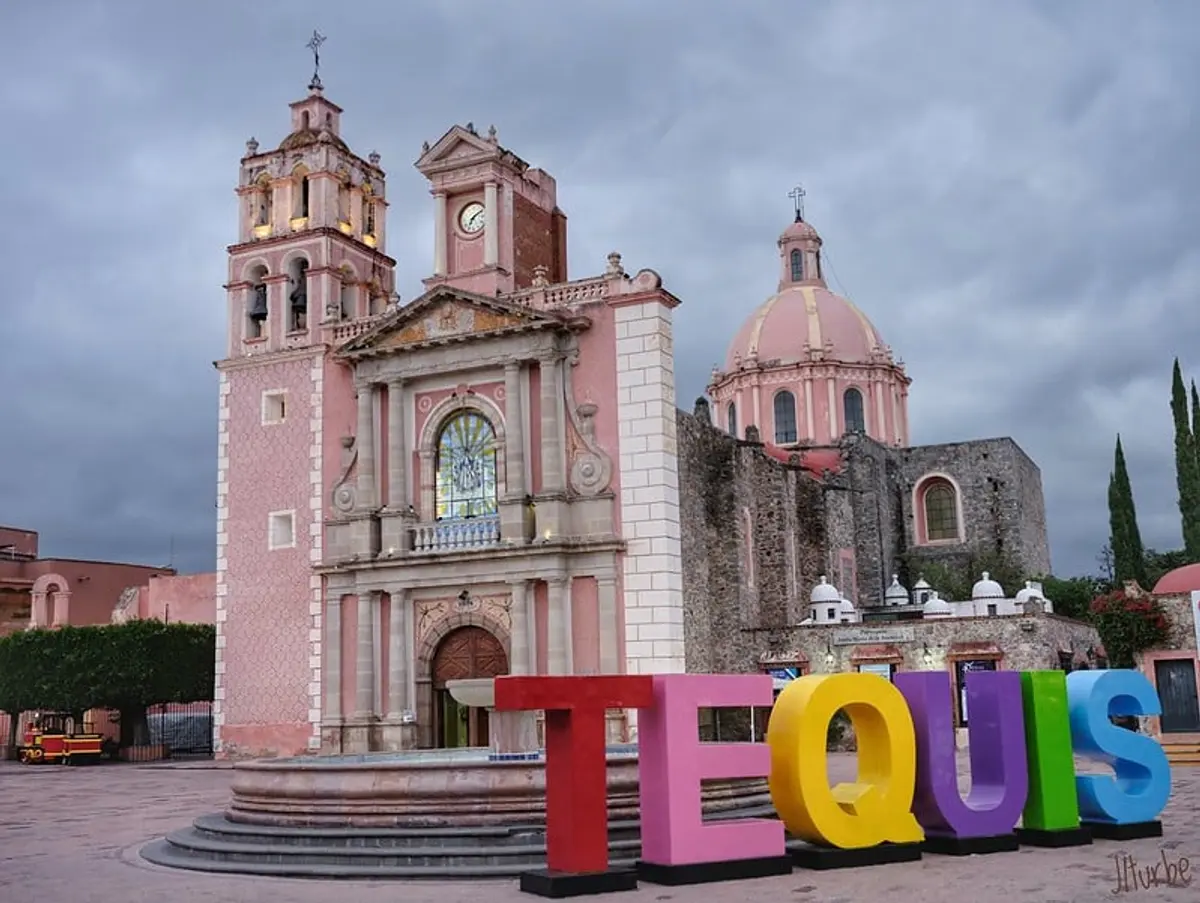
Querétaro Mexico Travel Guide 2026: Colonial City Worth the Stop
Querétaro is a UNESCO World Heritage colonial city of one million people, 215 km northeast of Mexico City — industrious, well-preserved, and almost entirely skipped by international tourists who speed past it on the way to San Miguel de Allende. That oversight is their loss and your gain: the historic center is beautiful, the food is excellent, and you’ll share it mostly with Mexican families, not tour groups.
| Quick Facts | Details |
|---|---|
| State | Querétaro |
| Distance from CDMX | 215 km (2.5–3 hrs by bus) |
| Altitude | 1,820 m (5,970 ft) |
| Population | ~1 million (city) |
| UNESCO | Historic Monuments Zone, inscribed 1996 |
| Best Time | October–April (dry season) |
| Safety | US Level 2 — historic center very safe |
| Daily Budget | $20–$35 USD (budget) / $50–$100 USD (mid) |
| Airport | QRO — domestic flights to GDL, MTY, CUN, TIJ |
| Language | Spanish (English limited outside hotels) |
Why Visit Querétaro (and Why Most People Don’t)
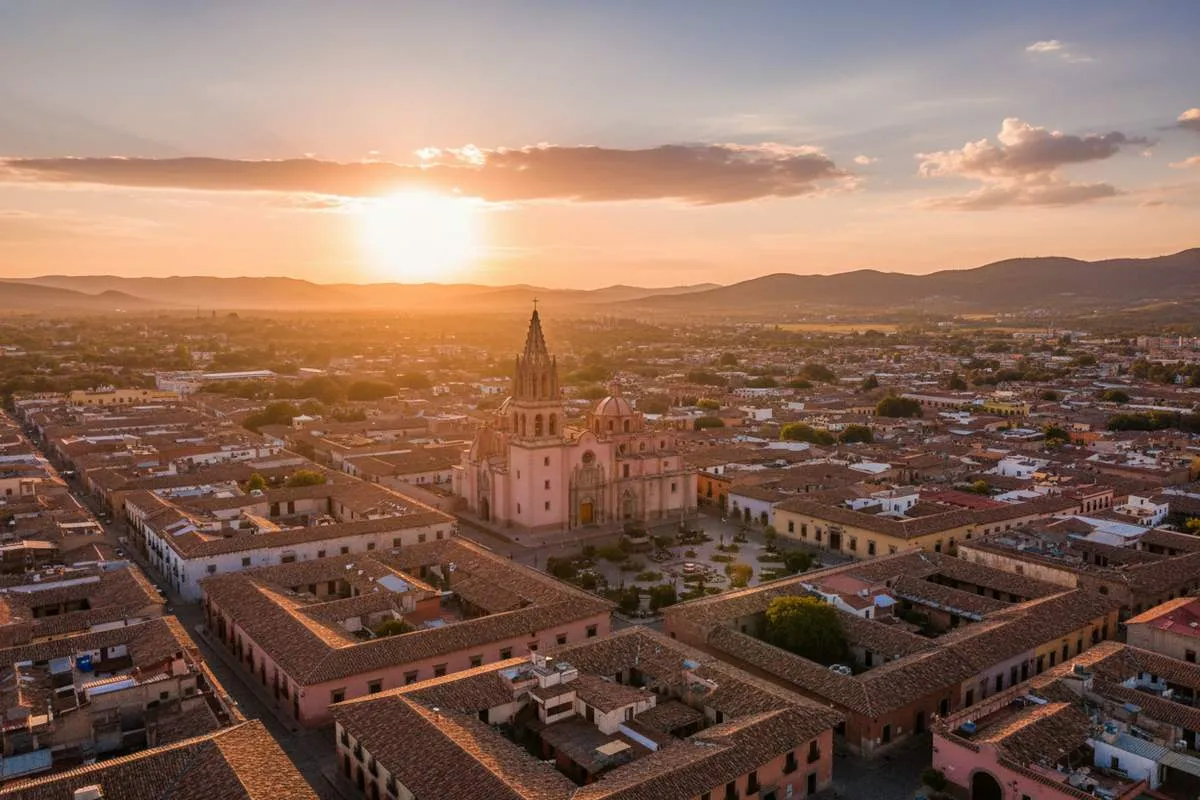
Most visitors to the Colonial Heartland route (Mexico City → Guanajuato → San Miguel → Oaxaca) skip Querétaro entirely. They’re wrong to do so.
The city has everything that makes colonial Mexico worth visiting: baroque churches with ornate facades, leafy plazas where locals spend their evenings, a market with regional food you won’t find anywhere else, and a history dense enough to fill three days of exploration. What it doesn’t have is the crowds, the performative tourism infrastructure, or the price tags that come with being “discovered.”
The honest comparison: San Miguel de Allende (90 km away) is more photogenic and more expat-friendly. Querétaro is cheaper by 30–60%, more authentically Mexican, and holds its own on UNESCO credentials. Many travelers do both — they’re a natural pair on a colonial Mexico road trip.
The Aqueduct: Querétaro’s Signature
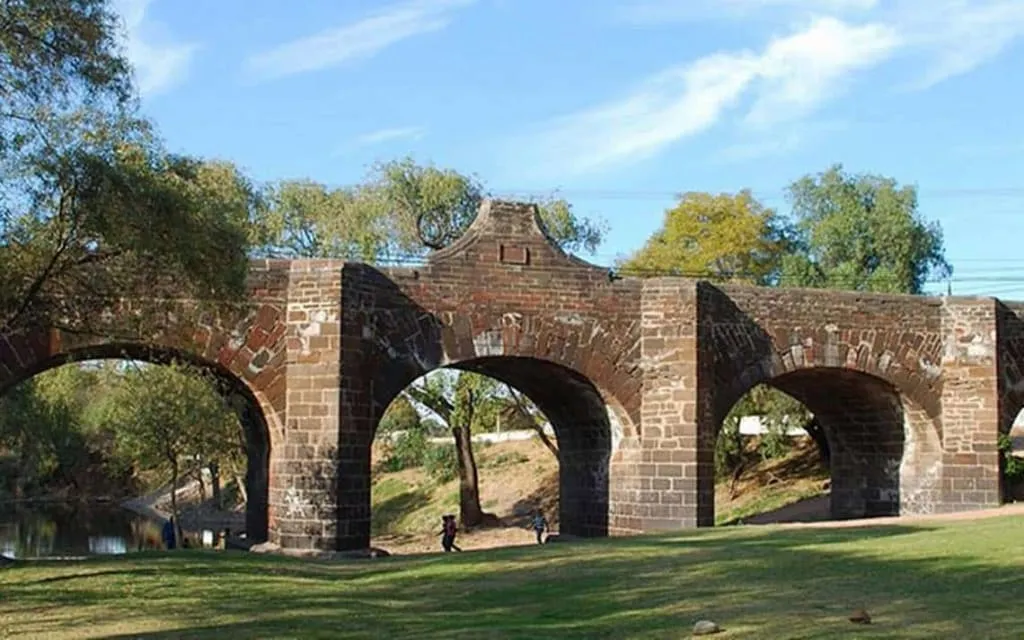
Querétaro’s most recognizable landmark needs no ticket and no tour guide. The Acueducto de Querétaro, built between 1726 and 1738, stretches 1.3 km with 74 arches reaching up to 23 meters high. It was the longest aqueduct in the Americas when completed, carrying water from springs 5 km away to the city’s fountains.
Walk along Boulevard Bernardo Quintana at sunset (5–7 PM) for the best light on the stone arches. The aqueduct is free, always open, and looks best photographed from the small plaza at its northern end where all 74 arches frame together.
Top Attractions
For detailed activity guides with hours, entry fees, and tips for each attraction, see our companion 25 things to do in Querétaro page. Here’s the essentials overview:
Historic Center (Centro Histórico): The UNESCO zone is compact and walkable — you can cross it in 20 minutes. Plaza de Armas (the main square), Jardín Zenea (the pedestrianized heart), and the maze of callejones (alleys) between them are the core. Plan 3–4 hours to explore properly, with stops for coffee and people-watching.
Cerro de las Campanas: The hill where Emperor Maximilian I was executed by firing squad on June 19, 1867. There’s a large chapel built by the Austrian government as restitution, a museum with period artifacts, and a statue of Benito Juárez overseeing the hill from above. Free entry. The French painter Édouard Manet turned the event into one of his major works — look it up before visiting for context.
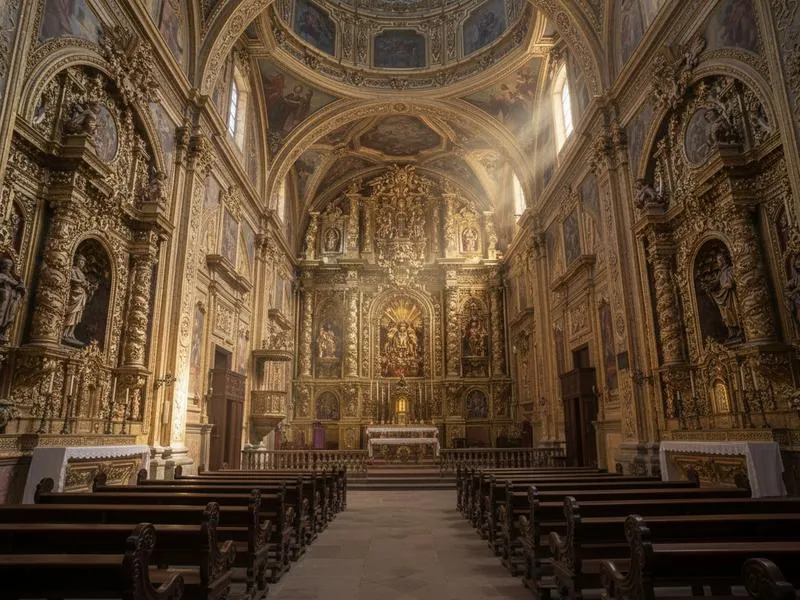
Templo de Santa Rosa de Viterbo: The most elaborate baroque church in the city, with unusual external flying buttresses and a clock mechanism that some historians date to the 14th century. The interior gilded altarpiece rivals anything in Guanajuato.
Convento de la Santa Cruz: The convent built on the site of the 1531 battle between Spanish and Chichimec forces. Its famous legend involves a cactus that grows spines in the shape of crosses — a biological curiosity (the result of genetic mutation in Selaginella lepidophylla) that the church presents as miracle. Free guided tours run daily (in Spanish).
Josefa Ortiz de Domínguez House: Mexico’s Independence was partly triggered from this house. “La Corregidora” — Josefa Ortiz, wife of Querétaro’s governor — secretly sent warning to Miguel Hidalgo in 1810 that the conspiracy had been discovered. The message launched the Independence movement. The house is now part of the city government building; ask to see her cell.
| Attraction | Entry | Time Needed | Notes |
|---|---|---|---|
| Acueducto | Free | 30 min | Best at sunset |
| Cerro de las Campanas | Free | 45 min | Chapel + museum + views |
| Templo Santa Rosa | Free | 20 min | Flying buttresses outside |
| Convento Santa Cruz | Free | 45 min | Spanish tour only |
| Museo Regional | 75 MXN | 1.5 hrs | Pre-Hispanic + colonial history |
| Hot air balloon ride | 1,600–2,800 MXN | 2 hrs | Book 1–2 days ahead |
| Sierra Gorda missions | Tour or car | Full day | 150 km, UNESCO 2003 |
Neighborhoods
Centro Histórico: Where you’ll spend most of your time. Plazas, churches, museums, and restaurants within a 1 km radius. Most hotels in this zone are converted colonial mansions.
Barrio de la Cruz: Immediately east of the historic center, the oldest neighborhood in the city. Quieter, more residential, home to the Convento de la Santa Cruz. Good for an evening walk.
Alameda Hidalgo: A long tree-lined boulevard west of the historic center, good for morning walks. The Museo Regional de Querétaro sits on its edge.
Jurica: An upscale residential suburb 10 km from the center, near the airport. Several hacienda hotels here if you want space and a pool.
Nota bene on Uber: Uber works reliably in Querétaro (unlike Tulum or San Cristóbal). Use it for trips between neighborhoods and to/from the bus station.
Food & Drink
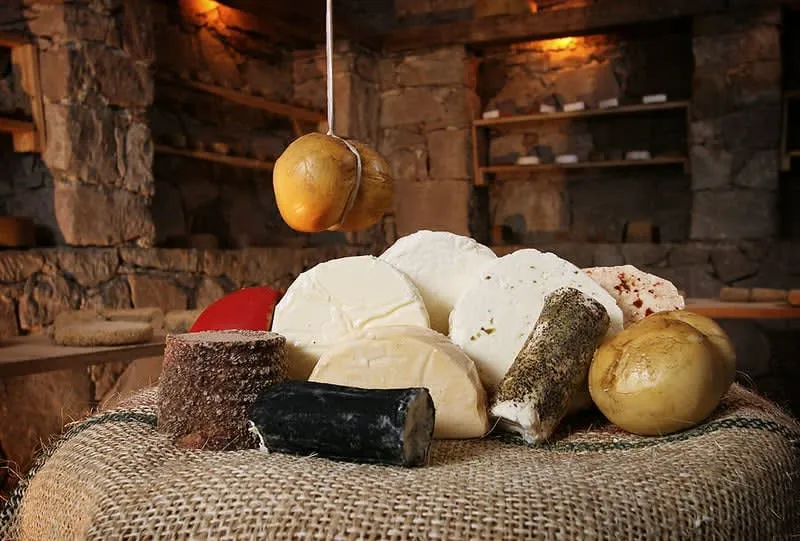
Querétaro’s food scene flies under the radar but rewards the curious.
Enchiladas queretanas: The city’s signature dish is genuinely different from enchiladas anywhere else in Mexico. The topping includes carrot strips, potato slices, and chorizo pieces alongside the chile sauce — a combination rooted in the city’s mestizo food heritage. Order them at Restaurante Josecho (Jardín Zenea) or the Mercado La Cruz for the most traditional version.
Barbacoa de borrego: On Sunday mornings (7–10 AM, they sell out), vendors near the historic center set up lamb wrapped in agave maguey leaves slow-cooked underground overnight. Find the street stalls around Jardín Zenea or ask your hotel the night before where the best Sunday barbacoa is. This is Mexico’s best hangover cure.
Nogada season: Chiles en nogada usually appear from late July through September, with August and early September the most reliable window. Querétaro has its own tradition — closer to Puebla’s version than Mexico City’s, with walnut cream sauce, pomegranate, and parsley. Outside Puebla, availability varies by restaurant, so confirm before building a trip around the dish; our chiles en nogada season guide explains the timing and planning tradeoffs.
Querétaro wine: The state (not just the city) has become Mexico’s fastest-growing wine region. Freixenet México — yes, the Spanish sparkling wine company — operates a facility in Tequisquiapan (70 km away, easy day trip). In the city, look for local wines at restaurants and the Mercado La Cruz.
Where to eat:
| Restaurant | Type | Price Range | Specialty |
|---|---|---|---|
| Restaurante Josecho | Traditional | 80–150 MXN/plate | Enchiladas queretanas |
| El Portal | Market stall | 40–80 MXN | Barbacoa + consomé Sundays |
| La Mariposa | Café | 60–120 MXN | Breakfast, pastries, local institution |
| Antojitos el Asador | Street food | 30–60 MXN | Gorditas, tacos árabes |
| El Arcángel | Mid-range | 150–280 MXN | Regional cuisine + local wine list |
Markets: Mercado La Cruz (daily, near the Convento) is the main food market — raw ingredients, prepared food stalls, regional cheeses from across Querétaro state. Mercado Escobedo (slightly further east) for cheaper street food.
Where to Stay
Querétaro’s accommodation is excellent value compared to San Miguel de Allende. A quality boutique hotel in the historic center runs $50–100 USD/night versus $100–200 USD in San Miguel for equivalent quality.
| Budget Level | Price/Night (USD) | What to Expect |
|---|---|---|
| Budget | $15–$30 | Hostels + simple guesthouses in Centro |
| Mid-range | $50–$100 | Boutique hotels in converted colonial buildings |
| Comfortable | $100–$180 | Hacienda hotels, restored mansions with patios |
| Luxury | $180–$350 | Full hacienda properties, spa, pool |
Best areas: Stay in the Centro Histórico for walking access to everything. Hotels on or near Calle Independencia and Jardín Zenea are ideal. Hacienda hotels in Jurica suit families and those with cars.
Booking tip: Querétaro fills during Mexican long weekends (puentes), the Independence Day celebrations (September 15–16, especially significant here given the city’s history), and Semana Santa. Book at least 2 weeks ahead for those dates.
Getting There
From Mexico City: Bus is the most practical option. ETN, Primera Plus, and Omnibus de México all serve the Querétaro–CDMX route from Terminal Norte (Metro Autobuses del Norte, Line 5) — not TAPO, which handles east/southeast routes. Journey time: 2.5–3.5 hours. Tickets: 200–500 MXN depending on class. Buses run every 30–60 minutes. See the full Mexico City to Querétaro guide for prices and the Querétaro to Mexico City guide for the return journey.
By car: 215 km via Highway 57 (cuota/toll road). Drive time 2–2.5 hours depending on Mexico City traffic — leave before 7 AM or after 8 PM to avoid congestion. Tolls run approximately 200–250 MXN each way. Parking in the historic center is limited; use guarded parking garages (estacionamientos).
From Guanajuato: Approximately 1.5 hours by bus or car. Primera Plus and ETN serve this route. Many travelers do Guanajuato → Querétaro → Mexico City as a logical corridor.
From San Miguel de Allende: 1 hour by bus (Flecha Amarilla from San Miguel’s bus station) or 75 minutes by car via SMA-QRO highway. Easy day trip in either direction — many visitors use both cities as bases.
QRO Airport: Querétaro International Airport (QRO) handles domestic connections to Guadalajara, Monterrey, Tijuana, and Cancún. Uber from QRO airport to the historic center runs 120–180 MXN (15–20 minutes).
Getting Around
Querétaro’s historic center is entirely walkable — the main sights fit within a 1.5 km radius. You don’t need a car or organized transport to see the city.
Uber: Works reliably. Use it to reach the bus station (Central de Autobuses is 2 km south of the center), the aqueduct viewpoints, or suburban neighborhoods.
Local buses: Extensive network, 9–12 MXN per ride. Not necessary for the historic center but useful for reaching the bus terminal.
Taxis: Available but agree on price before getting in. Uber is usually cheaper and safer.
Renting a car: Only needed for day trips to Bernal, Tequisquiapan, or the Sierra Gorda missions. The city itself doesn’t require a car.
Day Trips from Querétaro
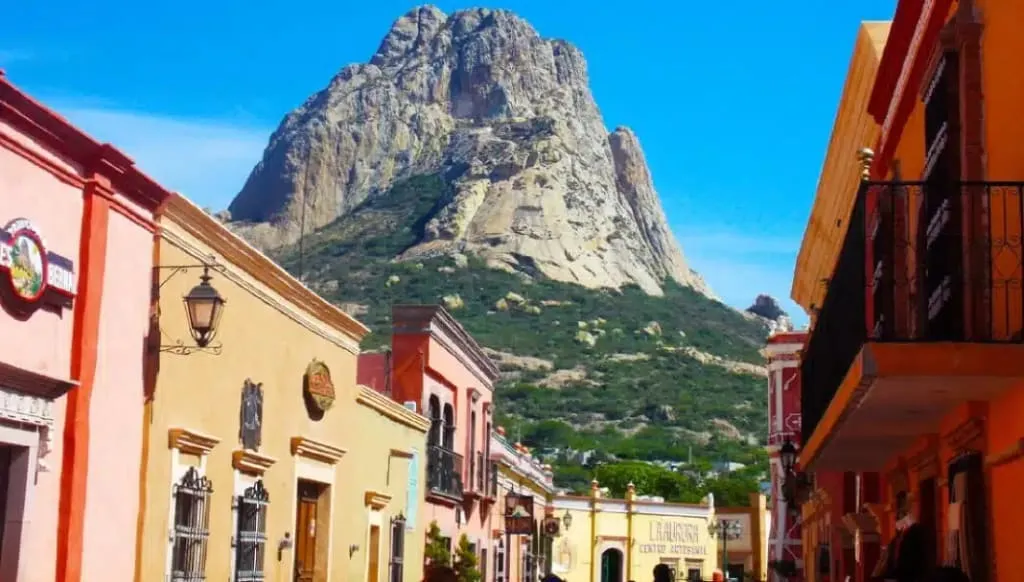
Querétaro’s location puts several excellent day trips within reach:
Peña de Bernal (43 km, 45 min): A 433-meter monolith — the world’s third-largest — rising above a Pueblo Mágico village known for its local wine and gorditas de maíz quebrado. Hike to the saddle point for valley views; dedicated climbers can summit with a guide. Half-day trip easily done.
Tequisquiapan (70 km, 1 hr): The state’s wine and cheese hub, with weekly artisan markets, the Freixenet sparkling wine facility, temazcal experiences, and an extremely pleasant colonial town center. Popular for weekend Mexican tourists; quieter midweek.
San Juan del Río (50 km, 45 min): Mexico’s opal and agate capital, where 90% of the country’s fire opals come from the surrounding mines. The gem market on Calle Juárez has raw stones and cut pieces. Also a wine corridor — several small wineries just outside town.
San Miguel de Allende (75 km, 1 hr): The famous expat colonial city. Easier as a day trip from Querétaro than many people realize — bus takes 1 hour from Querétaro’s bus station.
Sierra Gorda UNESCO Missions (150 km, 2.5–3 hrs): Five 18th-century Franciscan missions with extraordinary Baroque facades that blend indigenous iconography (suns, corn, peyote cactus symbols) with Catholic iconography. UNESCO 2003. Requires a car or full-day tour from Querétaro.
Las Grutas de Tolantongo (via Hidalgo, 3 hrs): Mexico’s most spectacular hot springs, technically in Hidalgo state but commonly accessed from Querétaro. Natural pools, a river canyon, and thermal waterfalls. Reserve in advance (especially weekends).
For the full day-trip breakdown with transport options, combination routes, and the Sierra Gorda mission circuit, see the Day Trips from Querétaro guide.
Best Time to Visit
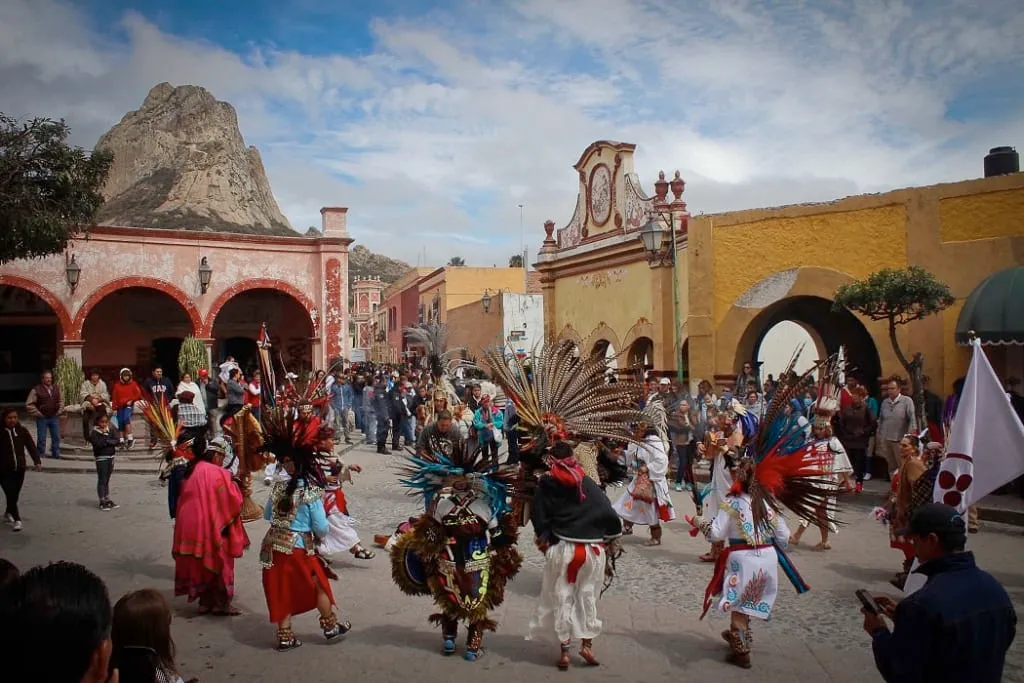
Querétaro sits at 1,820 meters, which moderates the heat significantly. It’s comfortable year-round, unlike Cancún or the Pacific Coast.
| Season | Weather | Crowd Level | Notes |
|---|---|---|---|
| Oct–Dec | 15–25°C, dry | Low–Medium | Best weather, harvest season in wine country |
| Jan–Mar | 12–22°C, dry | Low | Coolest nights, fewer tourists, best deals |
| Apr–May | 18–28°C, dry | Low | Warm days before rains, clear skies |
| Jun–Sep | 18–26°C, afternoon rain | Medium | Lush greenery, gardens beautiful after rain |
Peak dates to avoid (or book early):
- September 15–16: Independence Day. Querétaro’s celebration is unusually significant here — the city played a central role in Independence — massive crowds, beautiful fireworks, fully booked hotels.
- Semana Santa (Holy Week): April 2026. Historic center fills with domestic tourists.
- Mexican long weekends (puentes): Hotels fill fast and prices rise 30–50%.
Querétaro vs. San Miguel de Allende: Which Should You Visit?
This is the most common question. Both are UNESCO colonial cities about 1 hour apart. Here’s the honest breakdown:
| Factor | Querétaro | San Miguel de Allende |
|---|---|---|
| Price | 30–60% cheaper | Premium-priced |
| Authenticity | High — mostly local visitors | Lower — expat-heavy |
| Visual Impact | Strong (aqueduct, plazas, alleys) | Exceptional (pink Parroquia) |
| English spoken | Limited | Widely |
| Nightlife | Local bars + Barrio de la Cruz | Restaurants + expat scene |
| Art galleries | Few | Many (world-class) |
| Best for | Budget travelers, history buffs | Honeymooners, expats, Instagram |
| Day trips | Bernal, Tequisquiapan, SJR | Hot springs, Dolores Hidalgo, Guanajuato |
Honest recommendation: If you have 4+ days in the Colonial Heartland, do both — bus between them takes 1 hour. If you have 2 days total, choose based on your budget and priorities. See our things to do in San Miguel de Allende guide for the full breakdown.
Safety
Querétaro state is Level 2 (Exercise Increased Caution) on the US State Department scale — the same rating as France, Germany, and the UK. The historic center is actively policed, well-lit, and safe for evening strolls.
Practical precautions:
- Use Uber at night (not street taxis)
- Keep phones out of obvious sight in crowded markets
- The historic center and tourist areas have no meaningful safety concerns
- Avoid unfamiliar residential neighborhoods after midnight
For broader Mexico safety context: Is Mexico Safe? A Mexican’s Honest Guide.
Budget Guide
Querétaro is excellent value. Budget travelers spending nights in hostels and eating at markets can do $20–$25 USD/day. Comfortable mid-range travel with a boutique hotel and sit-down restaurant meals runs $60–$90 USD/day.
| Budget Level | Daily Cost (USD) | Includes |
|---|---|---|
| Backpacker | $18–$25 | Dorm bed, market meals, free attractions |
| Budget traveler | $35–$55 | Private guesthouse, cheap restaurants, Uber |
| Mid-range | $60–$100 | Boutique hotel, restaurants, occasional tours |
| Comfortable | $100–$180 | Hacienda hotel, wine dinners, private day trips |
Free in Querétaro: The aqueduct, Cerro de las Campanas (chapel + grounds), Jardín Zenea, most churches, evening concerts in the plazas, and strolling the callejones.
For a full Mexico travel cost breakdown, see our budget pillar.
How Many Days in Querétaro?
1 day: Enough for the historic center essentials — the aqueduct, Cerro de las Campanas, Jardín Zenea, lunch at the market, and an evening in the callejones. This is realistic as a day trip from Mexico City or as a brief stop between destinations.
2 days: The ideal length for first-time visitors. Day 1 covers the historic center thoroughly (all the major churches, museums, market). Day 2 adds a day trip to Bernal or Tequisquiapan, or goes deeper into the city’s less-visited neighborhoods and food scenes.
3 days: Allows for both Bernal and Tequisquiapan day trips, plus a morning at the Sierra Gorda missions (long day, worth it). Also enough time to fit hot air ballooning, which requires a 6 AM start.
Suggested 2-Day Itinerary:
Day 1 — Historic Center
- 8 AM: Barbacoa at a Sunday market (if weekend) or breakfast at La Mariposa café
- 9 AM: Convento de la Santa Cruz (guided tour in Spanish, free)
- 10:30 AM: Josefa Ortiz de Domínguez house and Cerro de las Campanas
- 12:30 PM: Lunch — enchiladas queretanas at Restaurante Josecho or market stalls
- 2 PM: Templo Santa Rosa de Viterbo + Templo de San Francisco
- 4 PM: Aqueduct sunset walk (Boulevard Bernardo Quintana)
- 7 PM: Jardín Zenea evening — locals, balloon sellers, elotes carts
- 8 PM: Dinner in Centro + mezcal bar in Barrio de la Cruz
Day 2 — Bernal Day Trip
- 8 AM: Bus or Uber to Bernal (43 km, 45 min)
- 9 AM: Hike to the saddle of the Peña (45 min, moderate)
- 11 AM: Back to village — gorditas, local cheese, opal crafts
- 1 PM: Lunch in Bernal plaza
- 3 PM: Return to Querétaro
- 5 PM: Mercado La Cruz for regional cheeses and last-minute shopping
- 7 PM: Rooftop bar with aqueduct views for farewell sunset
Practical Information
Getting around: Uber works throughout the city (unlike Tulum or San Cristóbal). No need for a rental car within the city.
ATMs: Use major bank ATMs (BBVA, Citibanamex) inside supermarkets or bank branches. Avoid standalone ATMs in tourist areas. Decline “DCC” (Dynamic Currency Conversion) if your card’s bank offers it.
Language: Spanish is essential here — English proficiency is low outside upscale hotels. Learn a few phrases: ¿Cuánto cuesta? (How much?), La cuenta, por favor (The check, please), ¿Dónde está…? (Where is…?).
Currency: Pesos (MXN). As of early 2026, approximately 17–18 MXN to 1 USD. Most mid-range restaurants and hotels accept cards; street food and markets are cash-only.
Entry requirements: US and Canadian citizens need only a valid passport (no visa). For complete entry requirements: Mexico Entry Requirements for US Citizens.
Travel insurance: Recommended for medical costs and emergency evacuation. Compare policies before you go.
Querétaro is the Colonial Heartland city that most travelers discover too late — usually on their third or fourth trip to Mexico. If you’re reading this before your first, you’re ahead of the curve.