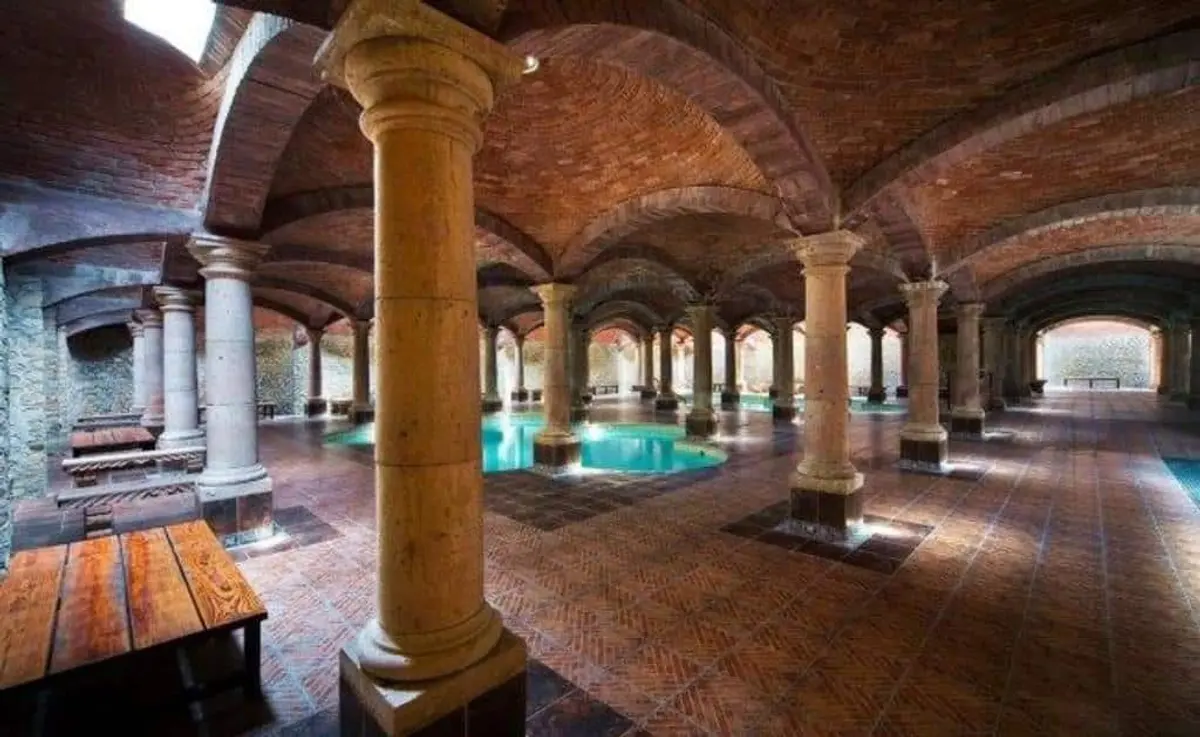
15 Best Hot Springs in Mexico 2026: Tolantongo, Ixtapan & Beyond
Mexico sits on the Trans-Mexican Volcanic Belt — 4,000 km of geothermal activity that produces more hot springs per square kilometer than almost anywhere in the world. From Hidalgo’s canyon thermal rivers to Baja California’s desert oasis pools, these are the 15 best.
Quick Comparison: Mexico’s Top Hot Springs
| Hot Spring | State | Temp | Entry Fee | Distance from CDMX | Best For |
|---|---|---|---|---|---|
| Las Grutas de Tolantongo | Hidalgo | 35–40°C | ~350 MXN | 3 hr | Most spectacular overall |
| Los Azufres | Michoacán | 28–45°C | Varies by resort | 3.5 hr | Full spa + camping |
| Agua Hedionda | Morelos | 27–30°C | ~200 MXN | 1.5 hr | Easiest day trip from CDMX |
| Ixtapan de la Sal | Mexico State | 30–40°C | ~700 MXN | 1.5 hr | Developed spa park, families |
| Mayan Baths | Guanajuato | 40°C | ~400 MXN | 3 hr (via SMA) | Unique underground tunnels |
| Tecozautla | Hidalgo | 32–38°C | 150–300 MXN | 2.5 hr (from Qro) | 20+ spas to choose from |
| Chignahuapan | Puebla | 25–38°C | ~250 MXN | 2 hr (from Puebla) | Pueblo Mágico setting |
| El Carrizal | Veracruz | 42°C | ~200 MXN | 4 hr (from CDMX) | Most mineral-rich |
| Lourdes Water Park | San Luis Potosí | 32°C | ~300 MXN | 5 hr | Historic hotel-spa |
| Ojocaliente | Aguascalientes | 32–38°C | ~150 MXN | 5 hr | Historic 19th-century baths |
| Guadalupe Canyon | Baja California | 36–40°C | ~200 USD | 2 hr (from Mexicali) | Desert oasis, camping |
| Huichapan | Hidalgo | 28–35°C | ~120 MXN | 2.5 hr | Pueblo Mágico + springs |
| Santa Gertrudis | Coahuila | 35–42°C | ~100 MXN | 8 hr | Remote, sulfur-rich |
| Tlacotlapilco | Hidalgo | 35–45°C | ~150 MXN | 2 hr | Close to CDMX |
| Paraíso Aventura Las Huertas | Morelos | 28–30°C | ~150 MXN | 2 hr | Family water park |
1. Las Grutas de Tolantongo — Mexico’s Most Famous Hot Springs
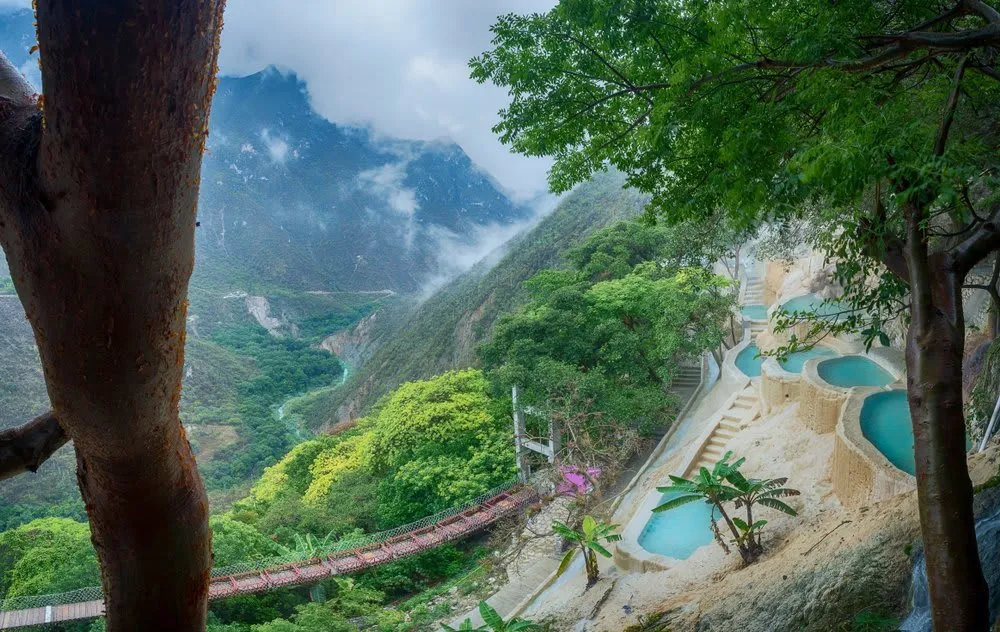
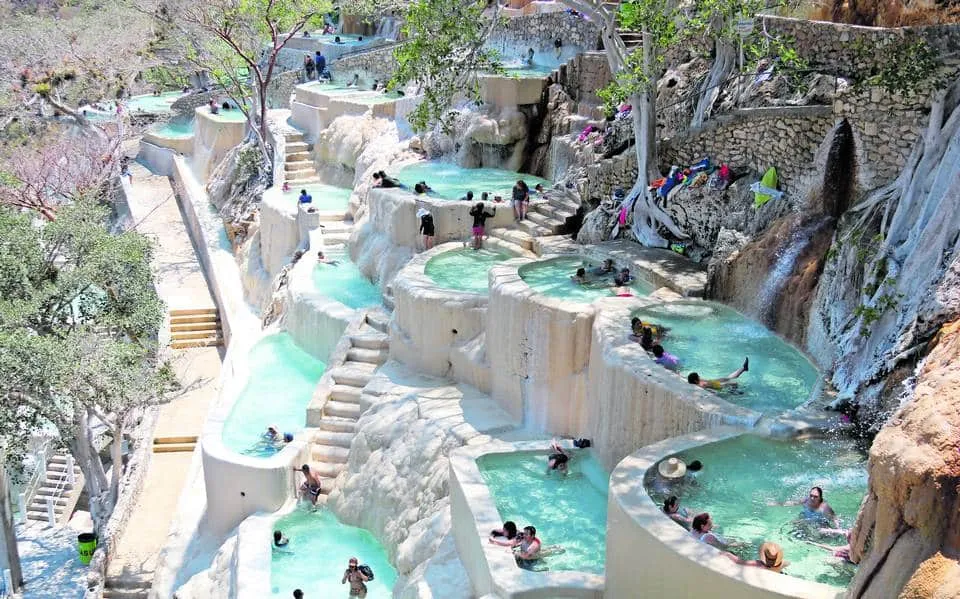
Grutas de Tolantongo in Cardonal, Hidalgo is the most visited hot springs in Mexico — and justifiably so. A canyon fed by a thermal river, with a cave system you can walk through, terraced pools built into cliff faces, waterfalls, and a swimming tunnel at 36–40°C.
What makes it unique: The setup is spectacular — pools are built INTO the canyon walls at different heights, each fed by the hot river. The cave is 15 meters long and functions as a natural steam room. A hanging bridge spans the canyon above. The sheer scale (multiple pools, the cave, the river, the waterfalls) makes this unlike any other hot springs in Mexico.
Practical details:
- Entry:
350 MXN per person per day ($21 USD) - Getting there: 3 hours from Mexico City via highway 85D toward Ixmiquilpan, then Cardonal
- Reservation: Required. Book online 2–3 weeks in advance for weekends, 1 week for weekdays. Walk-ins are routinely turned away.
- Stay: Multiple accommodation options — cabins, camping. If you camp, you can access the main pool at dawn before day visitors arrive.
- Best time: Arrive at opening (7 AM) — by 10 AM the canyon fills with visitors
We have a full guide to Grutas de Tolantongo hotels and planning with all the details.
2. Los Azufres, Michoacán — Volcanic Spa Resort Zone
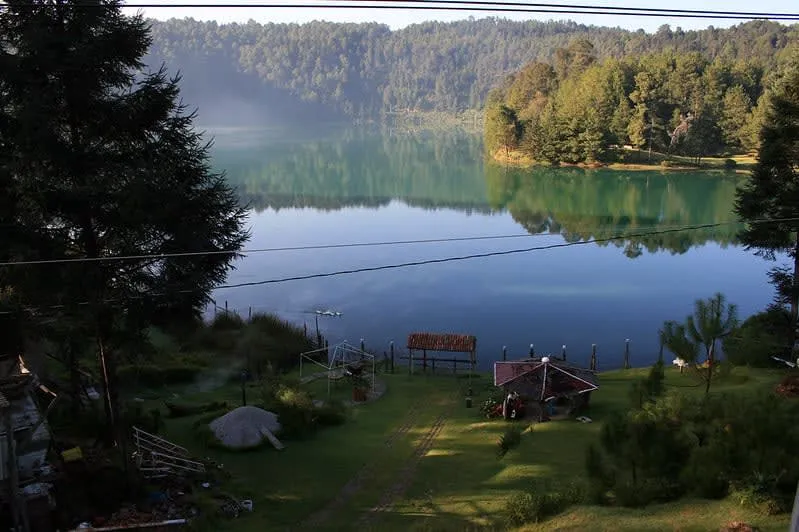
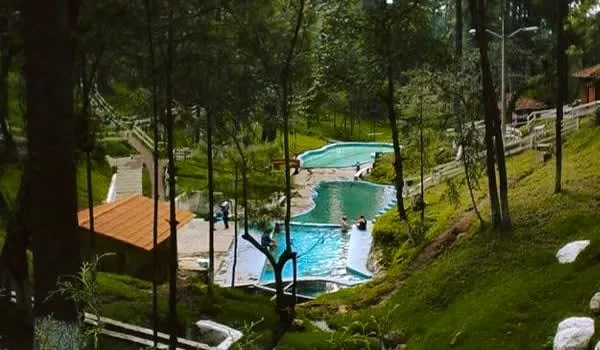
Los Azufres is a volcanic zone in the mountains of Michoacán — not a single hot springs but an entire zone with multiple spas, resorts, and thermal facilities in a pine forest at 2,800m altitude.
The geothermal activity here is visible: you see steam vents (fumaroles) rising from the forest floor. The water ranges from 28°C in outdoor pools to 45°C in hot tubs. Services at the main resort include hot spring pools, thermal mud treatments, steam rooms, and professional massages.
Practical details:
- Getting there: 3.5 hours from Mexico City; 1 hour from Morelia, Michoacán
- Entry: Varies by facility — basic entrance around 200 MXN, full spa packages up to 1,200 MXN
- Stay: The zone has cabins and camping spots managed by local cooperatives
- Best combo: Pair with Pátzcuaro or Morelia for a 2–3 day Michoacán trip
3. Agua Hedionda, Morelos — Best Hot Springs Near Mexico City
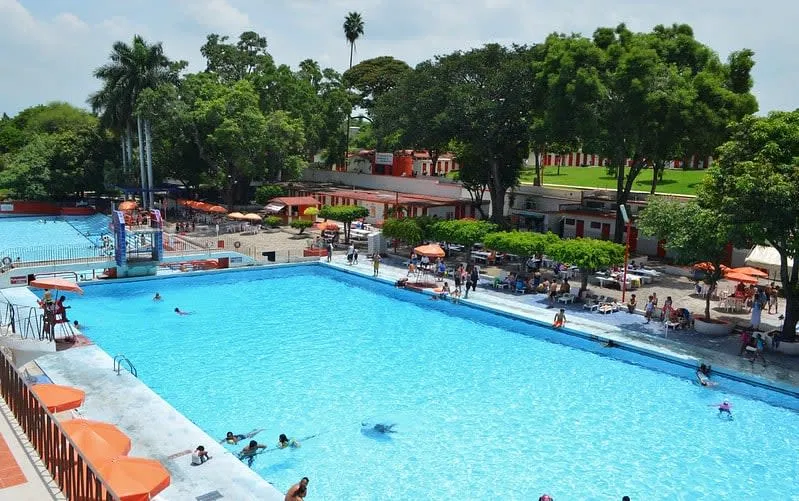
Agua Hedionda (“stinking water” — for its sulfur content) is 100 km from Mexico City in Cuautla, Morelos — the easiest hot springs day trip from the capital.
The main pool is enormous: 1,600 m² fed by a natural sulfur spring, replenished daily, maintained at 27°C. Eight private pools (10–15 person capacity each) can be rented. The park also has water slides, a diving platform, a spa with steam and sauna, and an outdoor gym.
Practical details:
- Entry:
150–200 MXN per person ($9–$12 USD); private pools extra - Getting there: 1.5 hours from CDMX via the Cuautla autopista — excellent for a day trip
- Best time: Weekday mornings (it’s popular with Mexico City families on weekends)
4. Mayan Baths, San Miguel de Allende
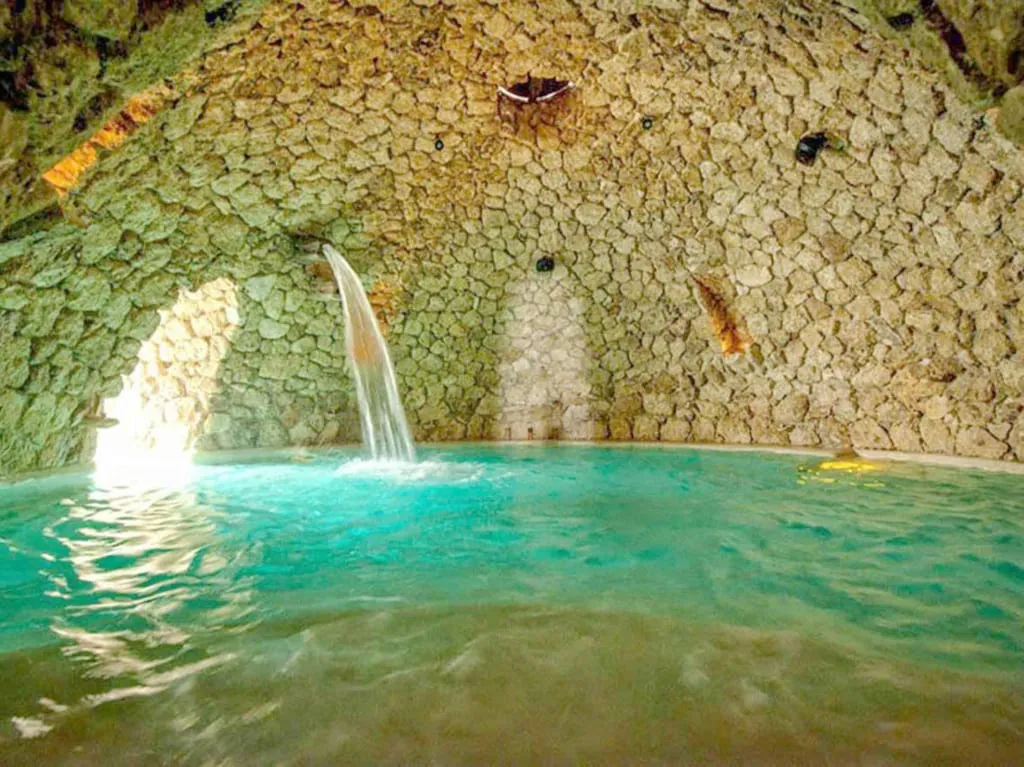
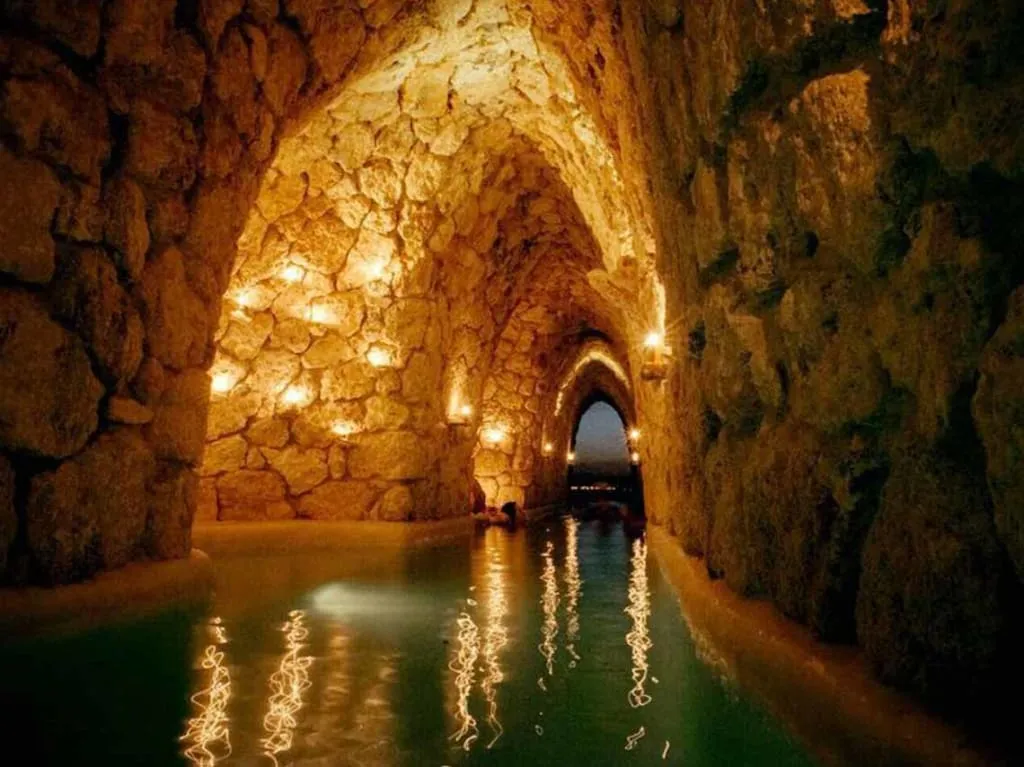
The Mayan Baths in San Miguel de Allende are unlike any other hot springs in Mexico — an underground spa carved from quartz stone and crystal, with vaulted tunnels connecting pools at 40°C (104°F), lit entirely by candles.
Access is limited to 45 people maximum at any time — keeping the experience private and serene. On the winter solstice (December 20–23), the setting sun illuminates the longest passage in orange and reddish tones through a precisely aligned opening.
Practical details:
- Entry: ~400 MXN — reservation required (book by phone or at the spa)
- Getting there: San Miguel de Allende is 3 hours from Mexico City; the Mayan Baths are accessible from the centro
- Best for: Couples, romantic getaways, anyone visiting San Miguel de Allende anyway
5. Tecozautla, Hidalgo — Mexico’s Hot Springs Town
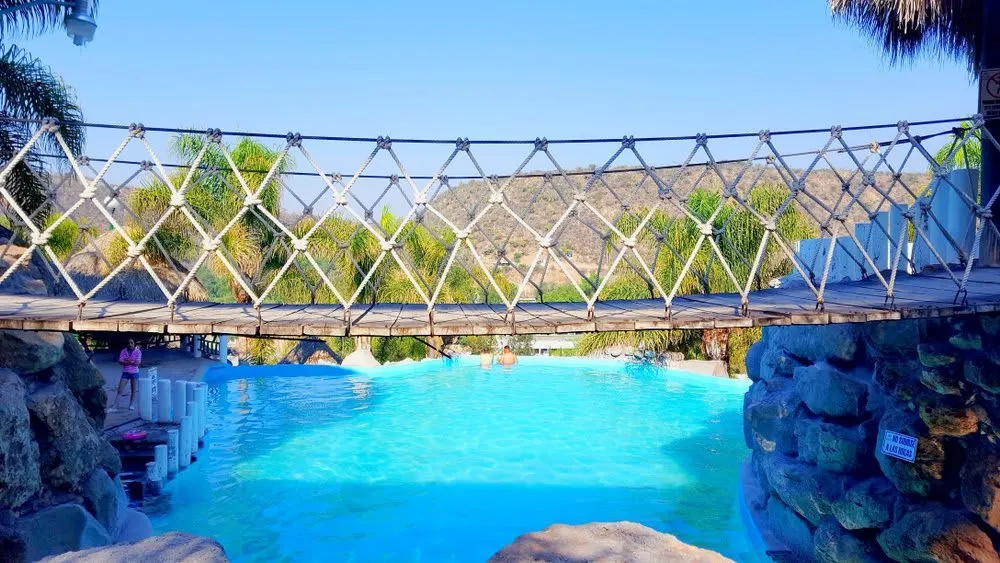
Tecozautla is a Pueblo Mágico 100 km from Querétaro with 20+ different spas and balnearios — more hot springs venues per capita than almost any town in Mexico. This variety means you can compare options and find one that suits your budget and vibe.
The standout is El Géiser, where a natural hot spring shoots water almost 100 meters high at 43°C. You can soak in pools fed by this geyser and take a zip line ride over the thermal waters.
After soaking, visit the Pahñu Archaeological Site — Otomí pyramids dedicated to the Sun and the rain god Tláloc, an unusual day-trip combination.
Practical details:
- Entry: 150–300 MXN depending on the spa (~$9–$18 USD)
- Getting there: 2.5 hours from Querétaro; 3.5 hours from CDMX
6. Ixtapan de la Sal, Mexico State — Best Developed Hot Springs Park
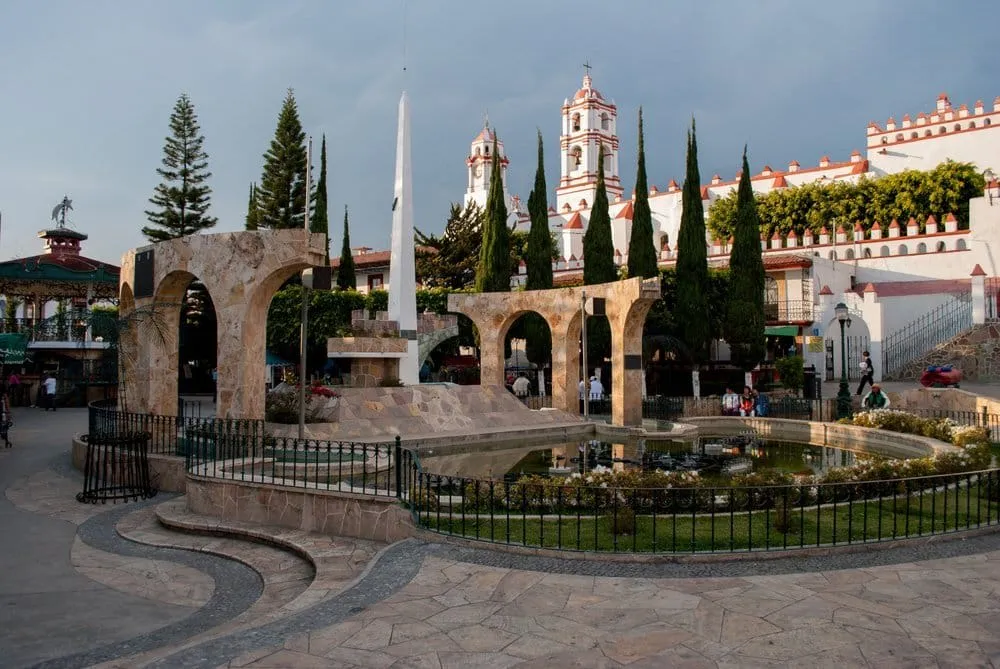
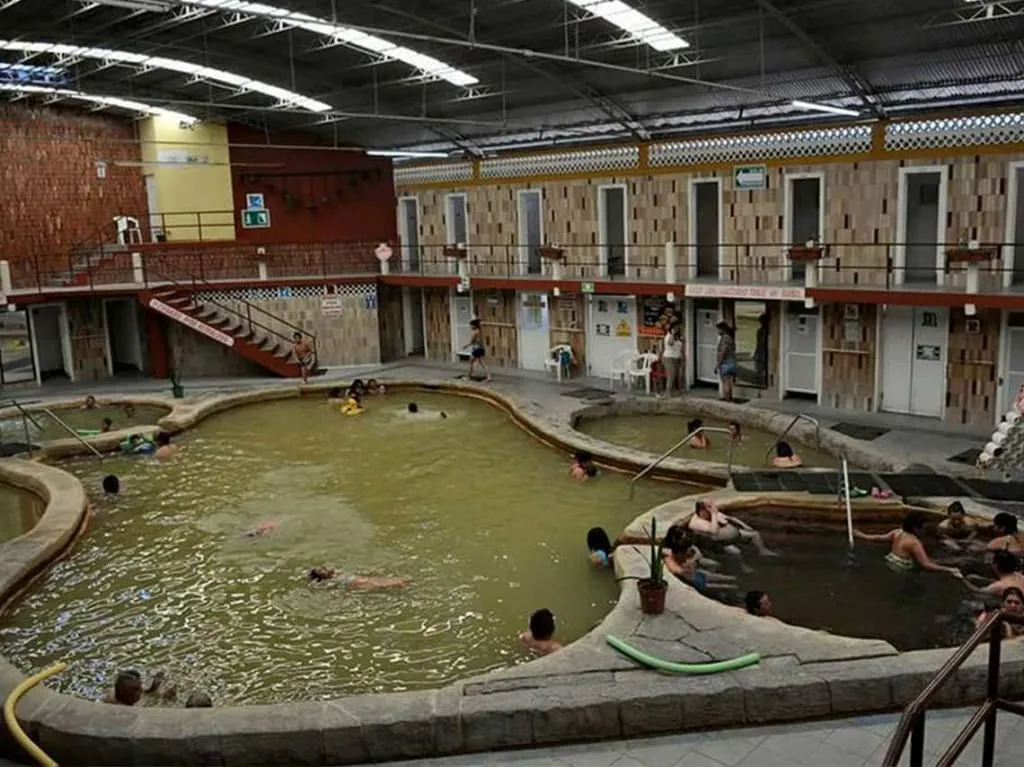
Ixtapan de la Sal in Mexico State is the most developed hot springs destination in central Mexico — a full resort town built around its mineral waters. The main attraction is the Ixtapan Water Park Spa, with thermal pools, water slides, a thermal mud pool, and jacuzzis.
The original El Bañito municipal spa is the authentic experience: hydromassage pools with powerful hot spring jets, a thermal mud pool where you apply clay directly to your skin, and a large central pool of warm mineral water. Smaller circular pools with even warmer water offer a more intimate experience.
Practical details:
- Entry: El Bañito ~200 MXN; full Ixtapan Water Park ~700–900 MXN
- Getting there: 1.5 hours southwest of Mexico City — popular weekend destination; book hotel early
- Stay: Ixtapan has multiple hotels and resorts built around the thermal waters
7. El Carrizal, Veracruz — Highest Temperature, Most Mineral-Rich
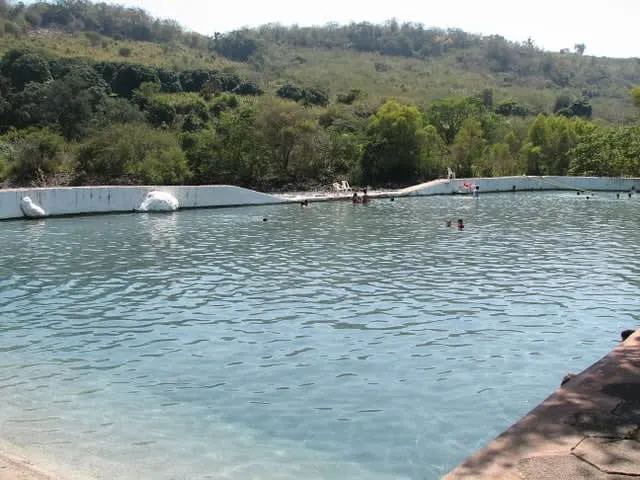
El Carrizal is 60 km from Xalapa in Veracruz — a thermal complex on the banks of the Pescados-Antigua River. The spring emits 1,000 liters of water per second at 42°C, channeled into a 70-meter pool shaded by enormous huanacaxtle trees.
What makes El Carrizal unique chemically: the waters contain calcium sulfate, hydrogen sulfide, and trace lithium — the combination stimulates the cardiovascular system and has traditional medicinal uses for intestinal and nervous conditions. The sandy-bottom pool next to the rushing river creates a surprisingly wild, natural setting.
Practical details:
- Entry:
200 MXN ($12 USD) - Getting there: 4 hours from CDMX, 45 minutes from Xalapa — best combined with a Veracruz trip or as a stop on the way to the Gulf Coast
8. Chignahuapan, Puebla — Pueblo Mágico Hot Springs
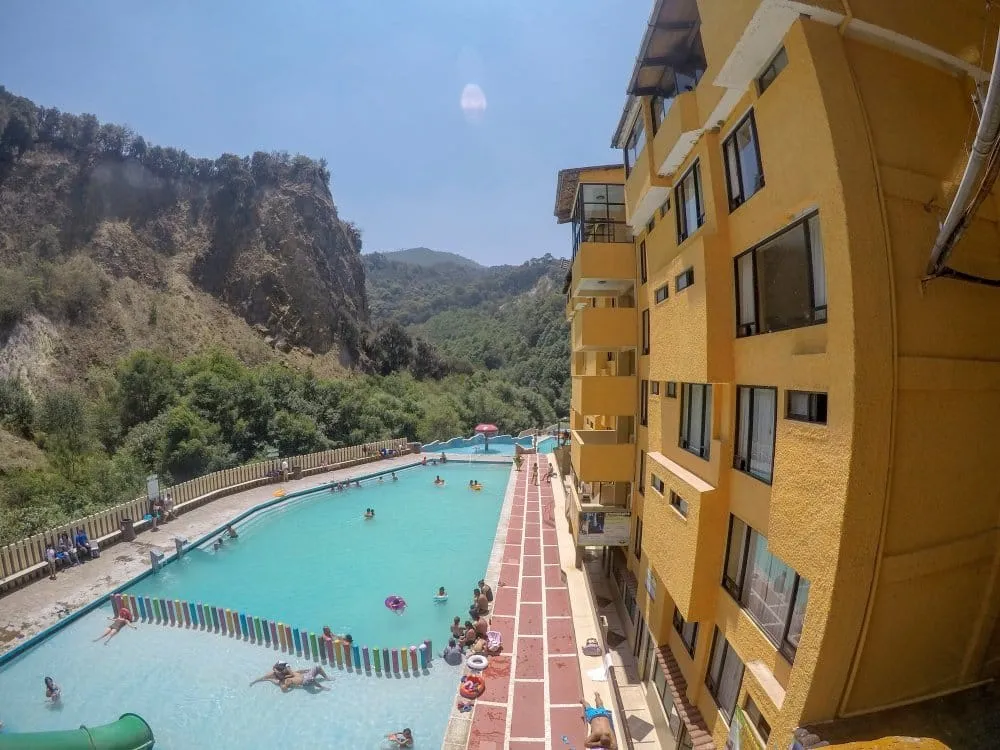
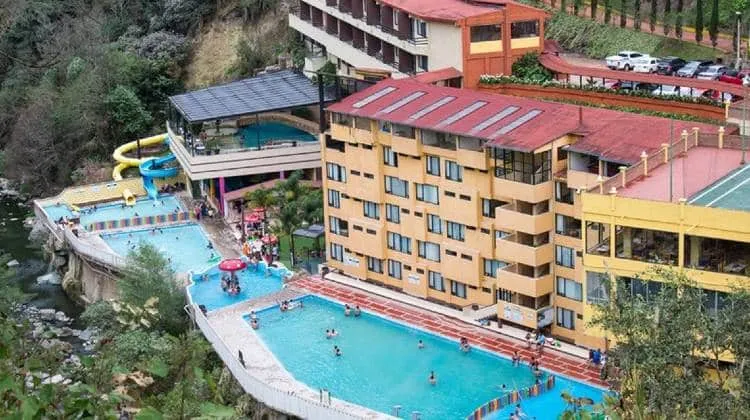
Chignahuapan means “over the nine waters” in Nahuatl — the name tells you everything. This Sierra Norte Pueblo Mágico in Puebla has been famous for its hot springs for centuries. The main spring in Barrio de Tenextla gushes at 51°C and is cooled to a comfortable 25–38°C in the pools.
Chignahuapan is also famous for handmade Christmas ornaments (the largest producer in Mexico) and the Basilica of the Immaculate Conception. The town is worth exploring before or after soaking.
Practical details:
- Entry:
250 MXN ($15 USD) - Getting there: 2 hours from Puebla city; 3 hours from Mexico City via Highway 119
- Best season: November–February when the cooler Sierra Norte air makes 38°C water feel perfect
9. Huichapan, Hidalgo — Aqueduct, Murals, and Thermal Pools
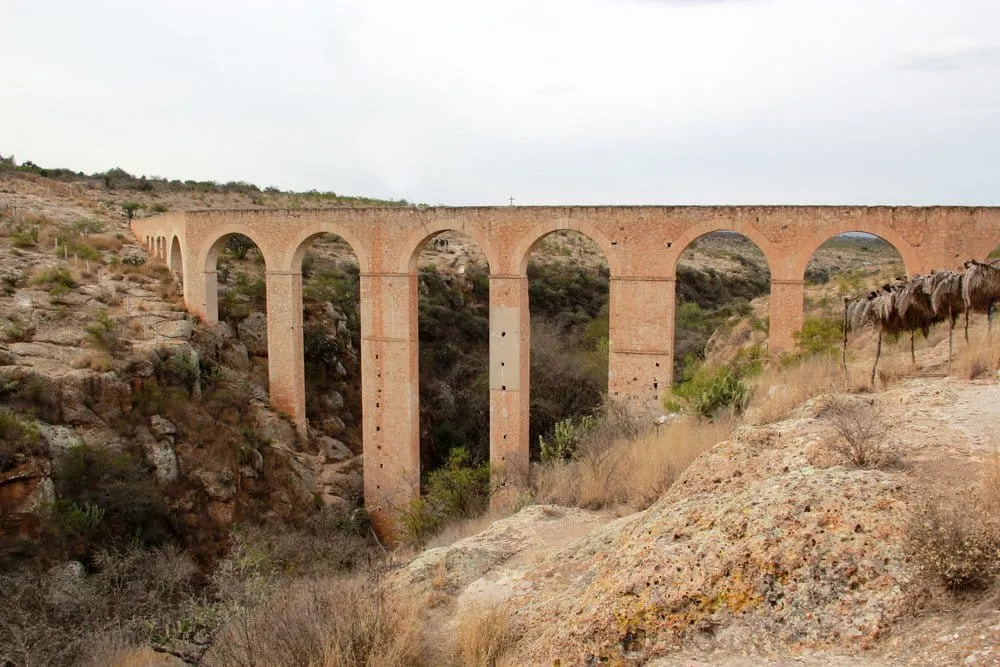
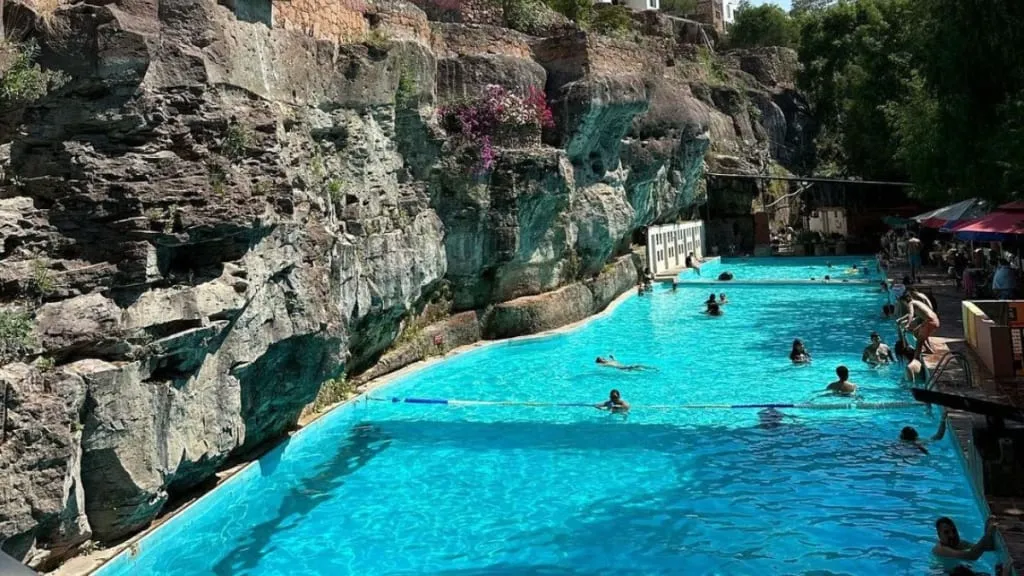
Huichapan is a Pueblo Mágico with the El Saucillo Aqueduct (18th century), prehistoric cave paintings, and two hot springs complexes. Balneario Chichimequillas has pools in natural greenery with a river and hiking trails nearby.
5 km from the town is Los Sabinos Ecological Park, with hot springs under enormous ahuehuetes (“old men of the water” in Nahuatl) — ancient bald cypress trees that have grown in and around the thermal pools for centuries, creating an otherworldly atmosphere.
Practical details:
- Entry:
120 MXN ($7 USD) - Getting there: 2.5 hours from Mexico City via Highway 57D; 1.5 hours from Querétaro
10. Lourdes Water Park, San Luis Potosí — The Medicinal Hotel
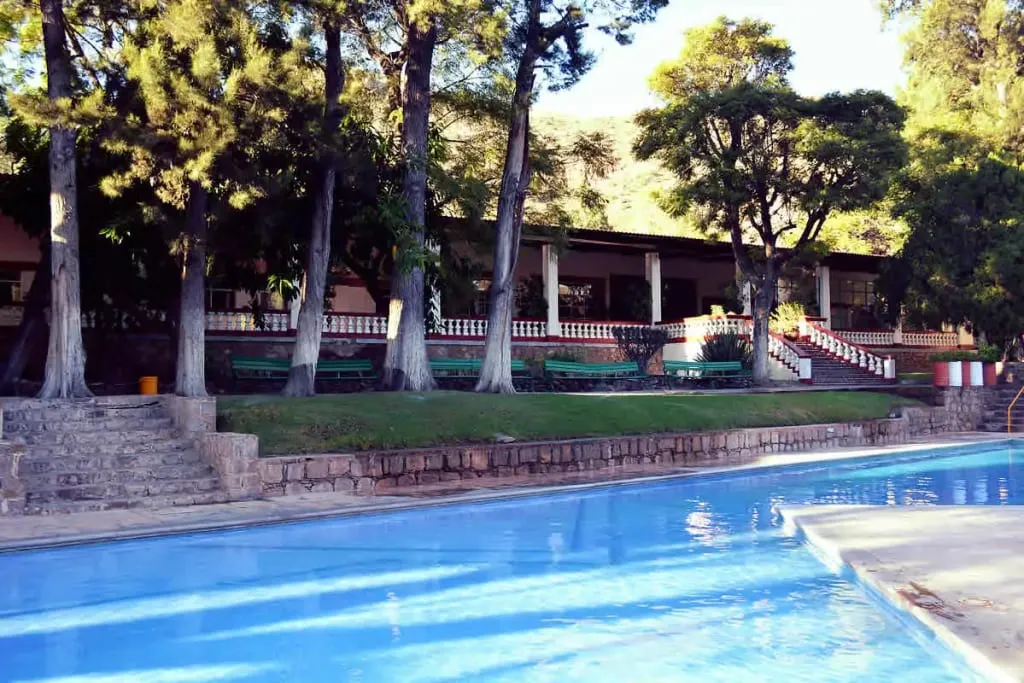
The Hotel de Lourdes between the municipalities of Santa María del Río and Tierra Nueva has been treating visitors with its alkaline thermal waters since the early 20th century. The spring water (32°C, alkaline, with trace radioactivity) has a long traditional use for kidney and liver conditions.
The hotel is a stately early-20th-century building preserved in its original form, with elegant furnishings and spring-fed pools. The same spring system supplies the Agua Mineral de Lourdes bottling plant — you can buy a bottle of the thermal water at the hotel.
Practical details:
- Entry: ~300 MXN for day visitors
- Getting there: 5 hours from Mexico City, 1 hour from San Luis Potosí city
- Best for: Combining with Xilitla and Las Pozas for a multi-day San Luis Potosí route
11. Santa Gertrudis, Coahuila — Desert Sulfur Springs
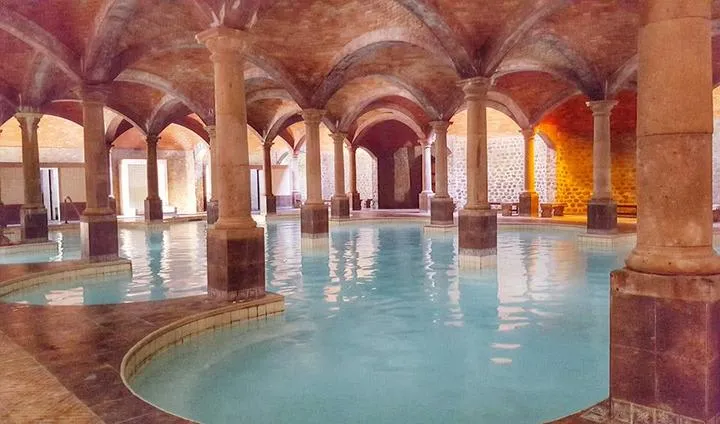
The semi-desert of Coahuila hides La Azufrosa — one of Mexico’s most mineral-rich hot springs. The sulfur content is exceptionally high (2.5 mg/liter), giving the water its characteristic smell. Since colonial times, the springs have been visited for treating rheumatism, arthritis, skin conditions, and respiratory ailments.
Practical details:
- Entry: ~100 MXN
- Getting there: 8 hours from Mexico City; 1 hour from San Buenaventura, Coahuila — best reached with a car rental
- Note: Check travel advisories for Coahuila before visiting. La Azufrosa is in a rural area; travel during daylight and with a local contact if possible.
12. Tlacotlapilco, Hidalgo — Closest to Mexico City
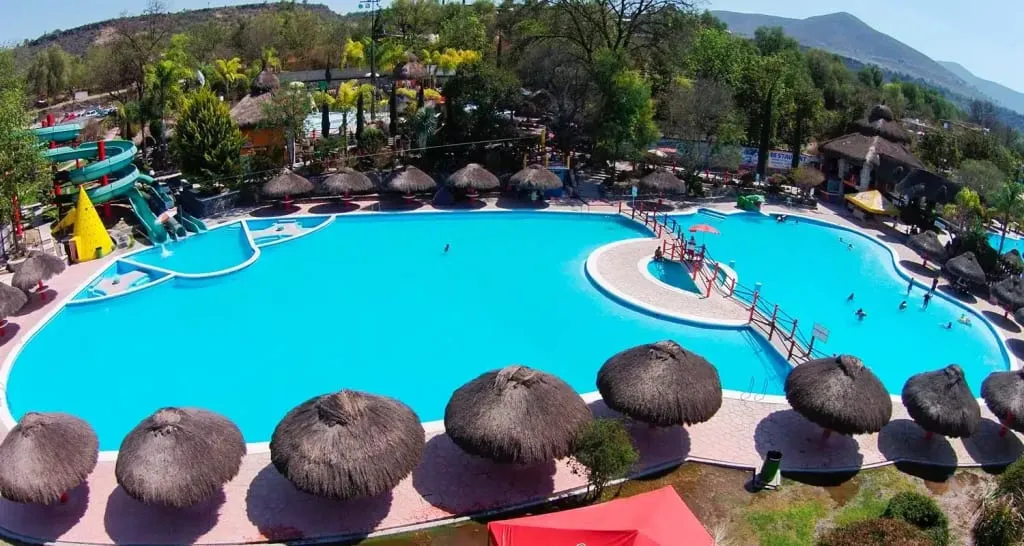
Tlacotlapilco in the Mezquital Valley is one of the closest hot springs to Mexico City with genuinely interesting thermal infrastructure. The Tlaco Ecological Water Park has a thermal pool at 35–40°C with a “rain tree” feature providing a natural hydromassage effect.
Also at the park: caves with jacuzzi pools at 45°C, a children’s pool with slides, body treatments, and a zip line. The setting on the edge of the Mezquital Valley (one of Mexico’s most culturally interesting regions) makes this a worthwhile stop.
Practical details:
- Entry:
150 MXN ($9 USD) - Getting there: About 2 hours from CDMX via Pachuca, Hidalgo
13. Paraíso Aventura Las Huertas, Morelos — Family River Springs
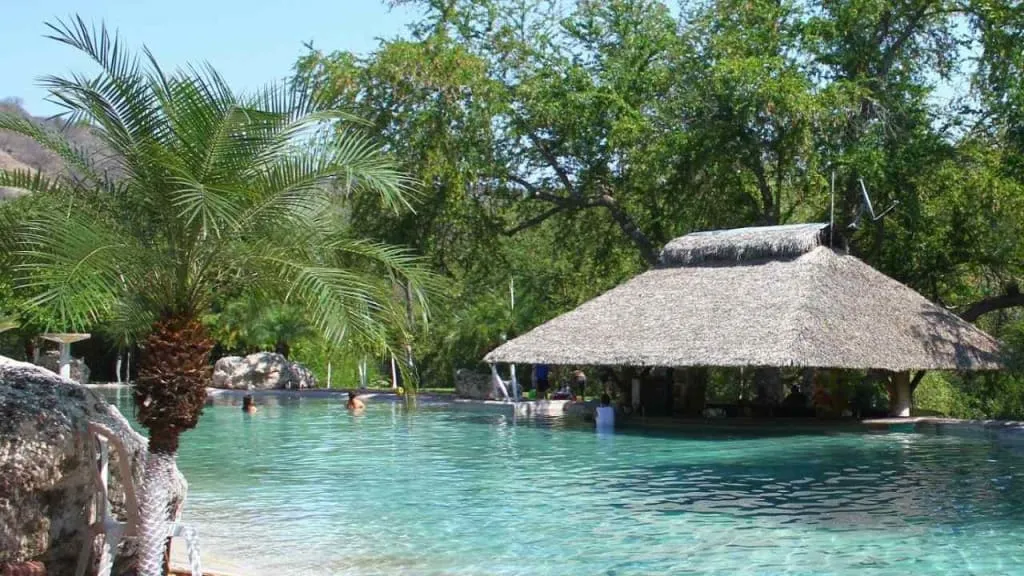
On the Mexico–Acapulco highway (km 149) in Tlaquiltenango, Morelos, Paraíso Aventura Las Huertas is fed by a spring producing an extraordinary 1,300 liters per second. The result is two enormous natural pools with waterfalls that function as natural hydromassage stations.
The family-friendly setup includes cabin rentals, bungalows, camping, a restaurant, and grills for self-catering. The 24-hour security and free parking make it a comfortable base.
Practical details:
- Entry:
150 MXN ($9 USD) - Getting there: 2 hours from CDMX on the Cuernavaca–Acapulco highway
14. Ojocaliente, Aguascalientes — The 19th-Century Thermal Heritage Baths
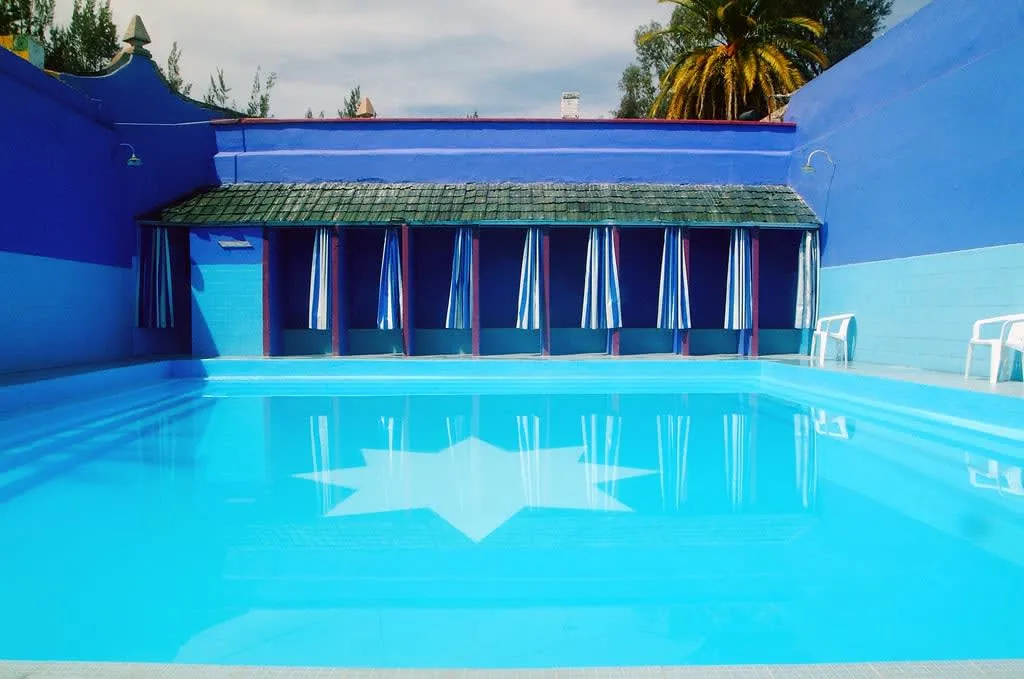
The state of Aguascalientes is literally named “hot waters” — the Spanish were so surprised by the thermal springs here that the name stuck. Ojocaliente (“hot eye”) in the city center dates from the 1800s, when Colonel José María Rincón built the first spa with neoclassical French-influenced architecture.
The historic building has preserved its original hydraulic systems from its 19th-century inauguration. The waters at 32–38°C are alkaline and traditionally recommended for rheumatism, arthritis, and rehabilitation.
Practical details:
- Entry:
150 MXN ($9 USD) - Getting there: 5 hours from CDMX; Aguascalientes has direct flights from Mexico City (1 hour)
15. Guadalupe Canyon, Baja California — Desert Oasis Hot Springs
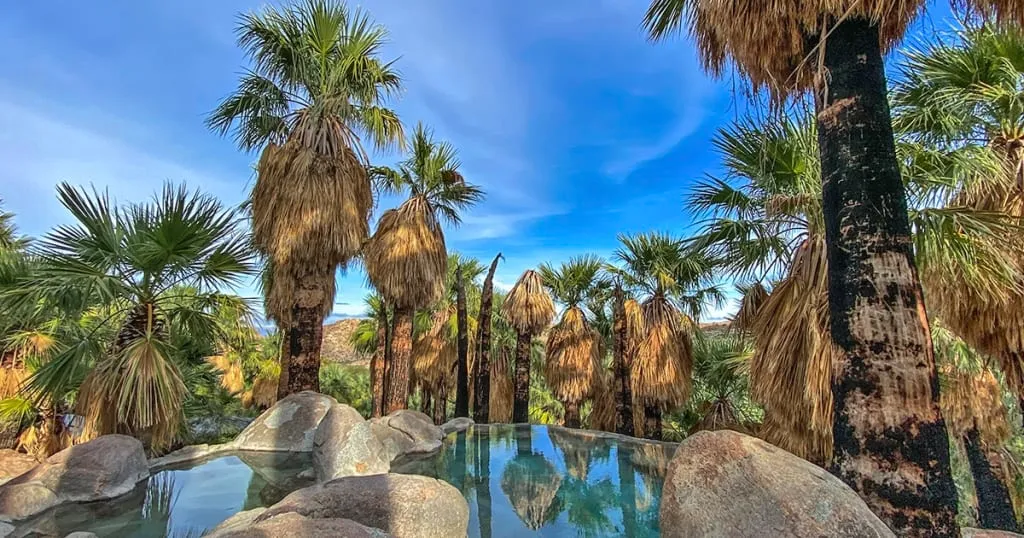
Guadalupe Canyon in the Sierra de Cucapah is 60 km from the Mexicali–Tijuana highway — a remote desert canyon where multiple hot springs form pools at different temperatures, including cold water pools to contrast with the heat.
The canyon has cave paintings and dramatic rock formations, making it one of the most scenic hot springs destinations in Mexico. It is also the most rustic — access via a steep unpaved road that may require a 4WD in rainy season.
Practical details:
- Entry: ~$20–$30 USD (campsite with pool access — the destination is set up for overnight camping)
- Getting there: 2 hours from Mexicali; accessible from San Diego (4 hours via the border crossing at Mexicali)
- Best for: Adventure travelers, road trippers combining with Baja California beach stops
Planning Your Hot Springs Trip
Best Time to Visit
October–April (dry season) gives the most comfortable experience — cool air temperatures make hot pools feel luxurious rather than suffocating. Christmas week and Semana Santa (March–April 2026: March 29 is Easter Sunday) are the most crowded periods. Avoid these unless you book months ahead.
Day Trip vs. Overnight
From Mexico City, Agua Hedionda (1.5 hr) and Ixtapan de la Sal (1.5 hr) are easy day trips. Tolantongo (3 hr) is better as an overnight — arrive at opening to beat crowds, stay for the sunset over the canyon, then enjoy the empty pools at dawn.
What to Bring
- Cash — most balnearios are cash only
- Towels and sandals — not all venues provide them
- Reef-safe biodegradable sunscreen — conventional sunscreen damages mineral pools
- Water — soaking dehydrates you; drink 2L minimum during a hot springs day
- Layers — many hot springs are at altitude (Los Azufres is 2,800m, Chignahuapan 2,200m), and evenings get cold
Related Guides
- Grutas de Tolantongo Complete Guide — Planning, reservations, hotels, and day-trip logistics
- Ixtapan de la Sal Guide — Full resort town guide with spa options and hotels
- Chignahuapan Puebla Guide — Christmas ornament capital + hot springs + Sierra Norte
- Things to Do in San Miguel de Allende — Mayan Baths + colonial city guide
- Pátzcuaro Michoacán Guide — Near Los Azufres for a combined Michoacán trip
- Mexico Packing List 2026 — What to bring for hot springs visits
- Best Time to Visit Mexico — Seasonal guide for planning
- Spring Break in Mexico 2026 — Peak crowds at hot springs — plan ahead
- Mexico Travel Cost Guide — Budget breakdown for day trips and overnight stays
- 7 Days in Mexico Itinerary — How to incorporate hot springs into a central Mexico route
- Veracruz Mexico Guide — For El Carrizal on a Gulf Coast trip
- Can You Drink Tap Water in Mexico? — Water safety at springs and balnearios