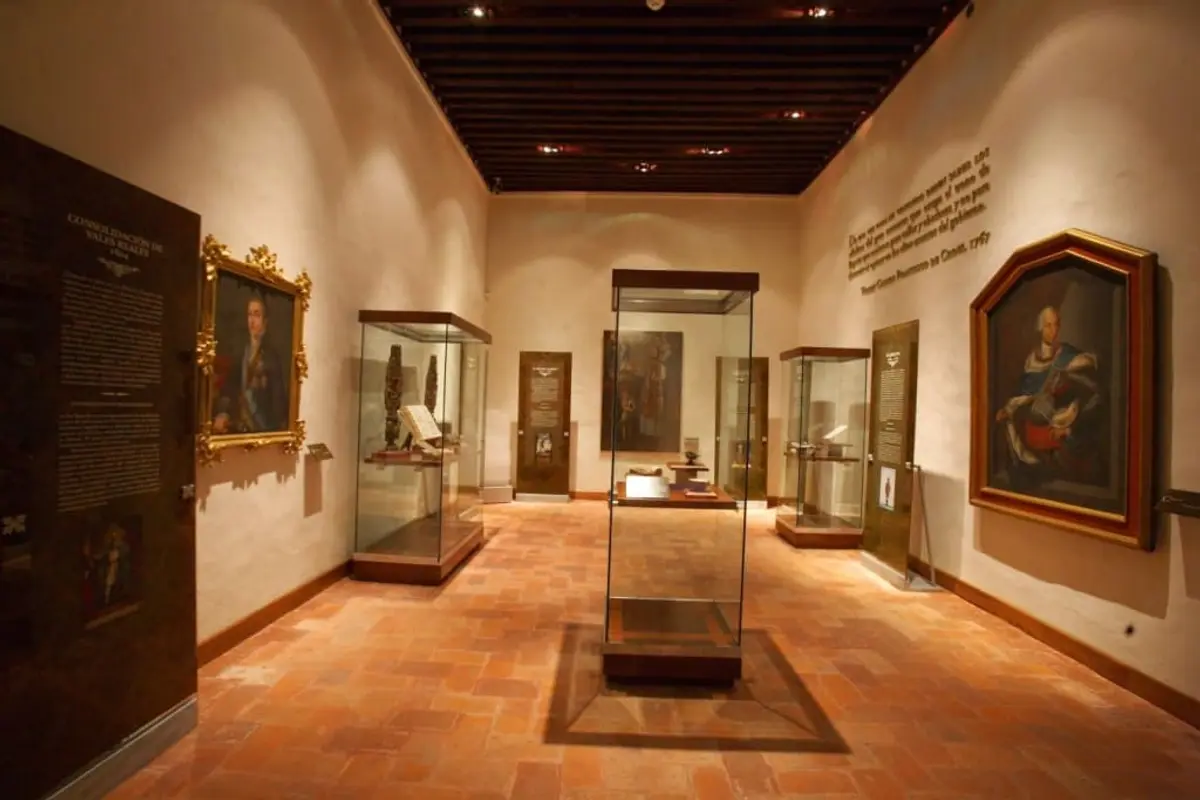
Things to Do in San Miguel de Allende 2026: 25 Best Activities & Day Trips
San Miguel de Allende is a UNESCO World Heritage city in Guanajuato state, central Mexico, at 1,870 meters elevation — 275 km northwest of Mexico City with 170,000 residents and approximately 30,000 permanent North American and European expats.
Named the world’s best small city by Condé Nast Traveler multiple times, SMdA punches far above its size: a colonial center frozen architecturally in the 18th century, an art scene with 150+ galleries, three geothermal hot springs within 30 km, UNESCO sites in two directions, and a food culture shaped by 30 years of international residents demanding quality. Most travelers come for a weekend. Most wish they’d stayed a week.
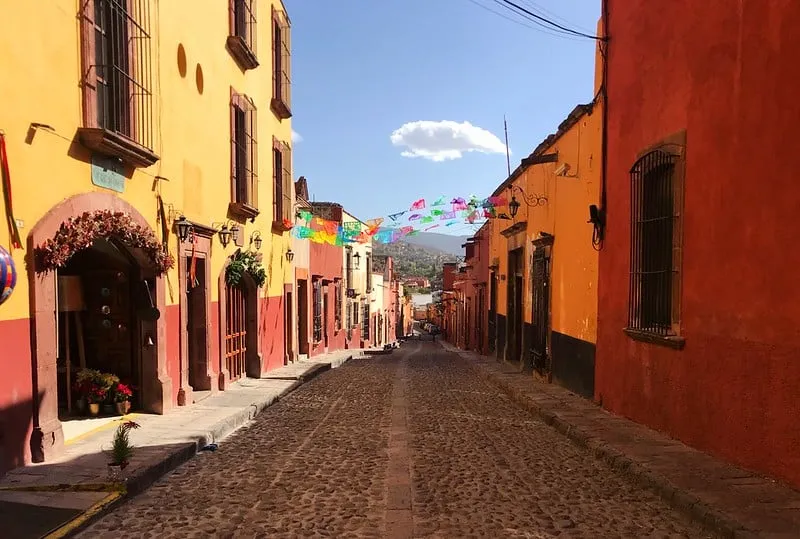
This guide covers 25 things to do in San Miguel de Allende — organized by category with real costs, honest assessments, and the details most guides miss. Planning resources: San Miguel de Allende Travel Guide | Guanajuato City Guide | Dolores Hidalgo Guide | Colonial Mexico Guide
25 Things to Do: Quick Overview
| # | Activity | Category | Cost | Time |
|---|---|---|---|---|
| 1 | La Parroquia & El Jardín | Landmark | Free | 1–2 hrs |
| 2 | Historic Center Walking Tour | Architecture | Free | 2–3 hrs |
| 3 | Oratorio de San Felipe Neri | Church | Free | 45 min |
| 4 | Ignacio Allende House Museum | Museum | Free | 1 hr |
| 5 | Centro Cultural El Nigromante | Art/Murals | Free–50 MXN | 1–2 hrs |
| 6 | Instituto Allende | Art | Free | 1 hr |
| 7 | Fábrica La Aurora | Galleries | Free | 2 hrs |
| 8 | Thursday Gallery Walk | Art/Social | Free | 2–3 hrs |
| 9 | Cooking Class | Culinary | 600–1,500 MXN | Half day |
| 10 | Mezcal Tasting | Culinary | 200–500 MXN | 1–2 hrs |
| 11 | Mercado Ignacio Ramírez | Food/Market | Free entry | 1–2 hrs |
| 12 | El Charco del Ingenio | Nature | 100 MXN | 2–3 hrs |
| 13 | Hot Air Balloon | Adventure | $200–280 USD | Half day |
| 14 | La Gruta Hot Springs | Thermal | 250–350 MXN | Half day |
| 15 | Escondido Place Hot Springs | Thermal | 350–450 MXN | Half day |
| 16 | Taboada Hot Springs | Thermal | 200 MXN | Half day |
| 17 | Sanctuary of Atotonilco | UNESCO Site | 30 MXN | Half day |
| 18 | Charro Rodeo | Culture | 100–200 MXN | 2–3 hrs |
| 19 | Independence Day (Sept 15–16) | Festival | Free | 2 days |
| 20 | Jazz & Blues Festival (Nov) | Festival | Free–500 MXN | 4 days |
| 21 | Semana Santa Processions (Apr) | Festival | Free | 3–5 days |
| 22 | Día de Muertos Altars (Nov 1–2) | Festival | Free | 1–2 days |
| 23 | Day Trip: Dolores Hidalgo | Day Trip | 80–100 MXN bus | Full day |
| 24 | Day Trip: Guanajuato City | Day Trip | 120–180 MXN bus | Full day |
| 25 | Day Trip: Querétaro | Day Trip | 150–200 MXN bus | Full day |
Historic Sites & Architecture
1. La Parroquia de San Miguel Arcángel & El Jardín
Every guide opens here because every photo of San Miguel opens here. La Parroquia is the city — a neo-Gothic marvel in pink quartzite stone, designed not by an architect but by a self-taught local builder named Zeferino Gutiérrez, who reportedly sketched the design after studying postcards of European cathedrals in the late 1800s. The result, improvised and executed in local stone, became one of the most photographed buildings in Mexico.
The interior has important colonial paintings and the Santo Entierro chapel. The original church dates to 1683; Gutiérrez’s facade was added 1880–1920.
El Jardín — the main plaza in front — is the city’s living room. Laurel trees trimmed into spheres, wrought iron benches, marimba players some evenings, shoe-shine stands, and everyone from families to foreign retirees. This is where you sit and understand SMdA.
- Best photos: Sunrise (pink facade glows amber) and golden hour before sunset
- Evening concerts: Several nights per week in El Jardín — free
- Cost: Free. Interior open to visitors.
2. Historic Center Walking Tour
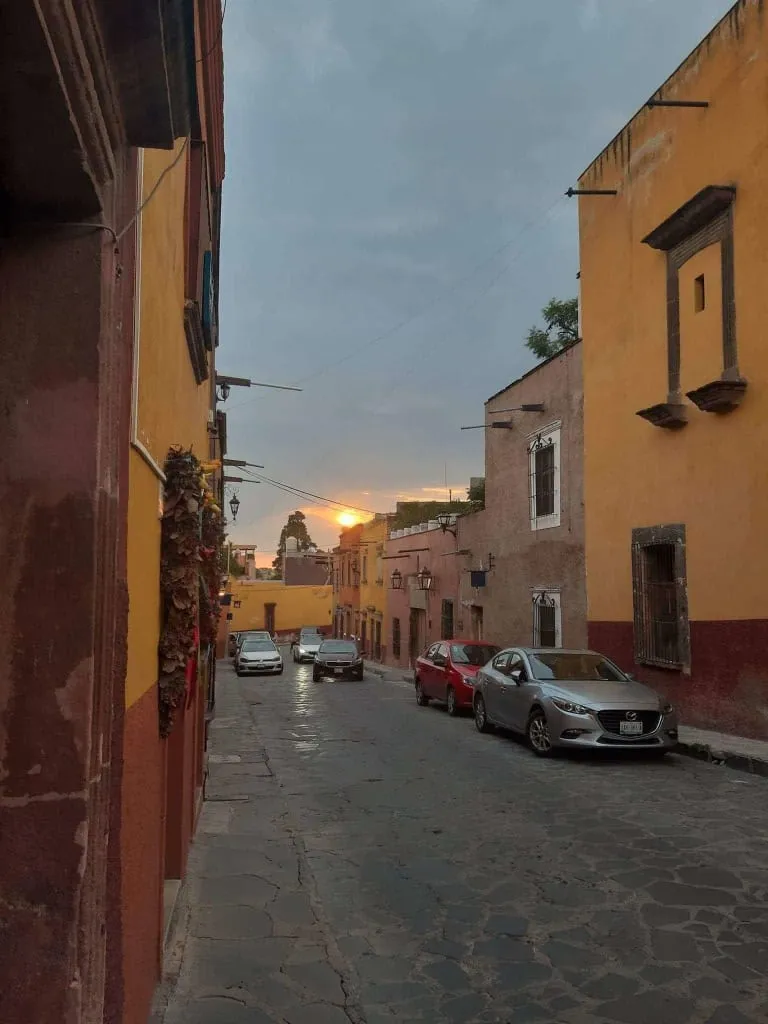
The UNESCO-inscribed centro histórico is best understood on foot — no map required, just choose a direction from El Jardín and walk. Key routes:
Calle Reloj / Mesones: Walking east from El Jardín, these residential streets show the real fabric of the city — massive wooden doors set into stone facades, rooftop terraces, interior courtyards glimpsed through open gates.
Calzada de la Luz: Walk north toward Fábrica La Aurora along this colonial street for the transition from tourist center to working-class SMdA.
Municipal Palace (Presidencia Municipal): On the north side of El Jardín. Pablo O’Higgins mural inside depicting regional history. Free.
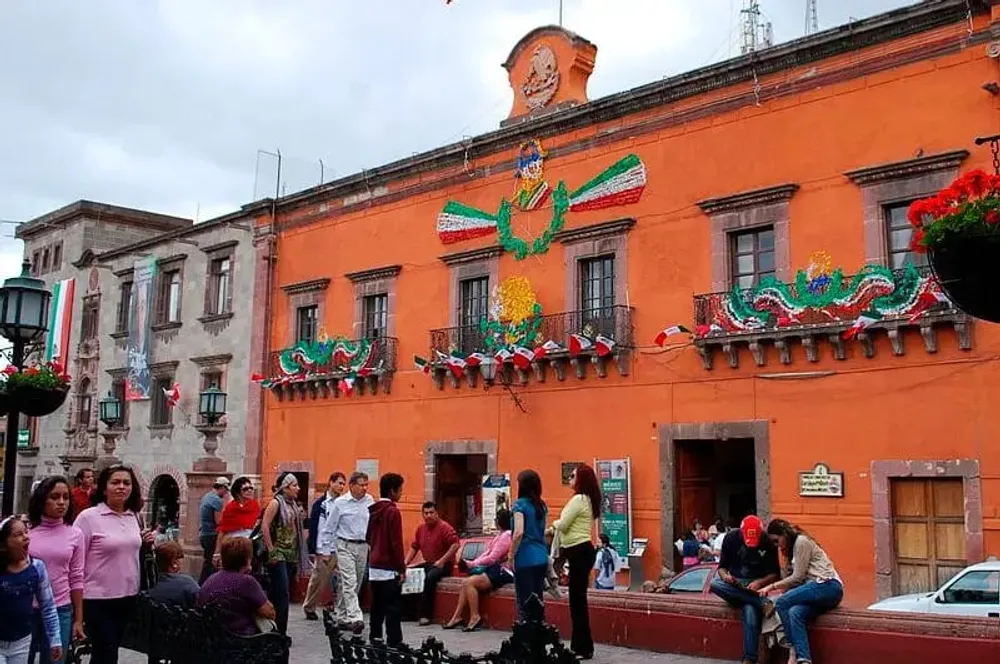
Templo de San Francisco: One block west of El Jardín. Neo-classical facade with an extraordinary baroque bell tower. Houses a full-scale replica of Michelangelo’s Pietà brought from Rome by a colonial merchant.
- Time: 2–3 hours for a thorough walk; longer if you stop everywhere
- Cost: Free
- Tip: Wear comfortable shoes — cobblestones are uneven
3. Oratorio de San Felipe Neri & Santa Casa de Loreto
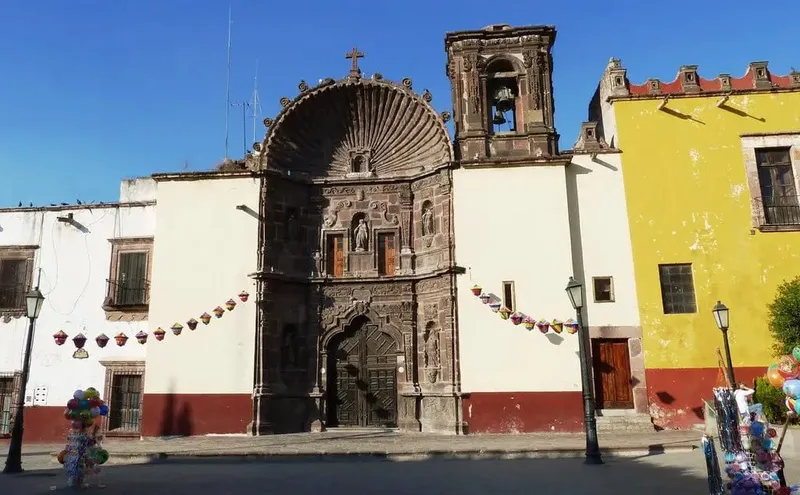
One block east of La Parroquia, the Oratorio de San Felipe Neri is the city’s most underrated religious building. The Churrigueresque baroque facade (17th century) is extraordinary in its own right, but the real discovery is inside: a side entrance leads to the Santa Casa de Loreto chapel, an ornate golden interior built to replicate the original Holy House of Loreto in Italy — polychrome tiles, gilded altarpieces, and baroque excess in a small room that most visitors walk past without noticing.
- Cost: Free
- Best time: Weekday mornings — almost no crowds, quiet enough to absorb it
4. Ignacio Allende House Museum
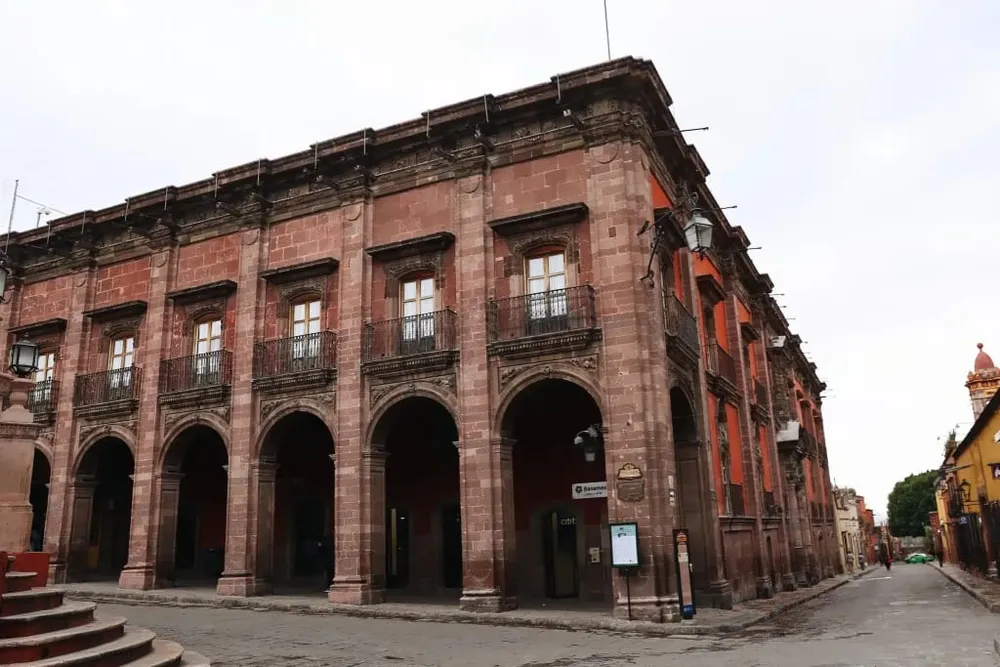
Ignacio Allende (1769–1811) was born in this house. A military captain from SMdA, Allende became one of the key conspirators and fighters in Mexico’s War of Independence — alongside Miguel Hidalgo and other leaders who organized the 1810 uprising from this very region. The Spanish colonial government executed him in 1811. The city was renamed “San Miguel de Allende” in his honor after independence.
The house is now the Museo Histórico de San Miguel de Allende — well-organized exhibits (Spanish and English) on the colonial period, the conspiracy that launched Mexican independence, and the life of Allende himself.
- Cost: Free
- Time: 1 hour
5. Centro Cultural El Nigromante (Bellas Artes)
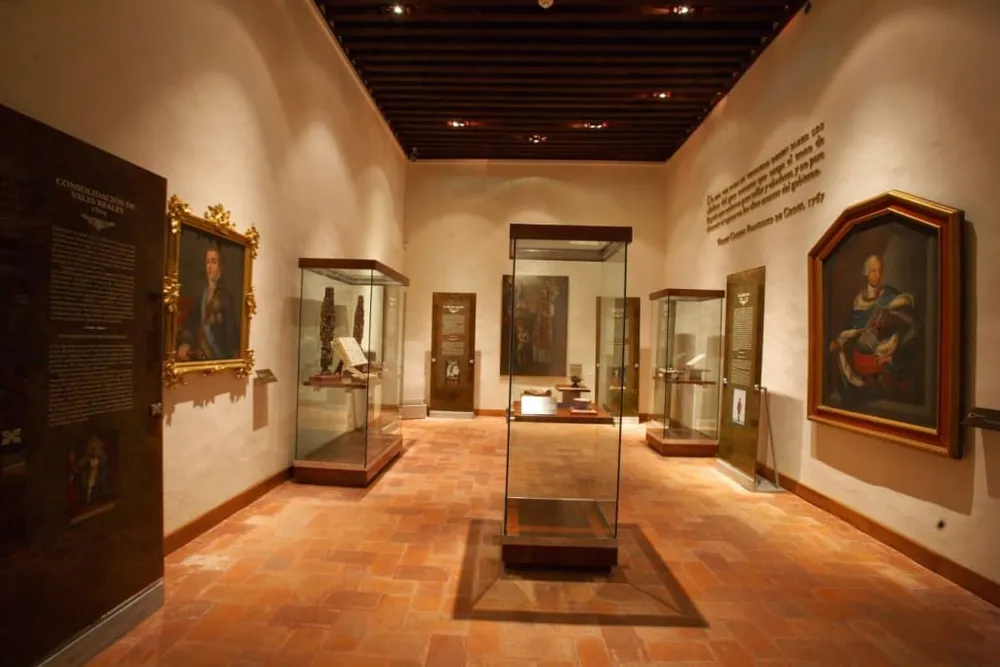
A former convent converted into a cultural center, El Nigromante houses one of the most important murals in central Mexico — a large unfinished work by David Alfaro Siqueiros in the main stairwell. Siqueiros began it in 1948 and never completed it, leaving the scaffolding composition visible. The center also hosts changing exhibitions, live music events, dance performances, and art workshops. The interior courtyard is one of the most beautiful in the city.
- Cost: Free to enter; some events ticketed (50–200 MXN)
- Check schedule at the door for current programming
Art, Culture & Galleries
6. Instituto Allende
Founded in 1951 inside the former hacienda of the Count of Canal, Instituto Allende is one of the most influential art schools in Mexico — and the seed of San Miguel’s current art scene. In the 1950s and 60s, US and Canadian veterans used GI Bill benefits to study here, making SMdA the only Mexican city where a significant permanent foreign artist community took root.
Neal Cassady spent his final years here. John Denver studied at the Instituto. Dozens of painters, sculptors, and writers came and stayed.
The grounds — open to visitors — include active studios, galleries, and gardens. The school still offers fine arts programs and Spanish language courses. The legacy: over 150 galleries currently operating in SMdA.
- Cost: Free to walk the grounds
- Gallery hours: Generally 10 AM–2 PM and 4–7 PM
7. Fábrica La Aurora Gallery Complex
A former cotton factory built in 1902, Fábrica La Aurora was converted in the early 2000s into the city’s primary gallery complex. It now houses 40+ studios and galleries, plus restaurants, design shops, and craft workshops — all operating in the original industrial building with high brick ceilings and natural light through factory windows.
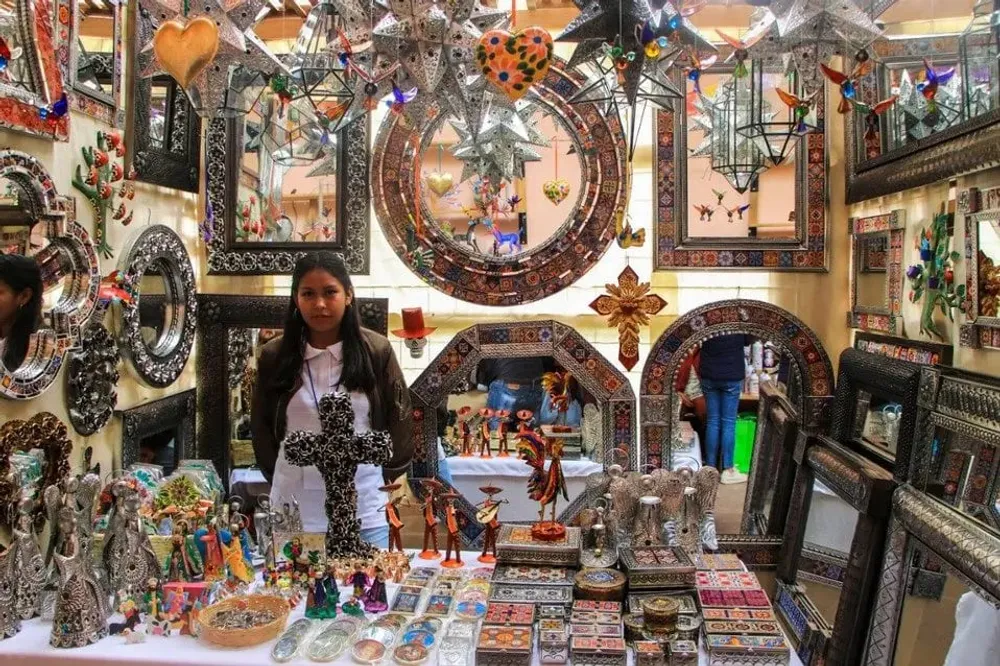
Artists working in every medium — painting, sculpture, ceramics, photography, weaving, glass — with work from both Mexican and international artists. Quality ranges from souvenir-tier to serious fine art. No pressure, just browsing.
- Location: Calzada de la Aurora s/n — 15–20 min walk north from El Jardín, or 70 MXN taxi
- Hours: Tue–Sun 10 AM–6 PM
- Cost: Free entry
8. Thursday Gallery Walk
Every Thursday evening from approximately 5–9 PM, galleries throughout the city hold openings: new exhibitions, champagne receptions, and the most interesting cross-section of people in SMdA — Mexican artists, expat collectors, visiting journalists, art school students. Most openings are free.
This is the social event of the week. No special ticket or invitation required — walk in, look at the art, drink the champagne, talk to whoever’s there.
Best concentration of galleries: Fábrica La Aurora, Calle Zacateros (Galería Atotonilco Real, Galería San Miguel), around Calle San Francisco and near El Jardín.
- Cost: Free
- Pro tip: Start at Fábrica La Aurora, work your way back toward El Jardín — the later galleries tend to be livelier
9. Cooking Class
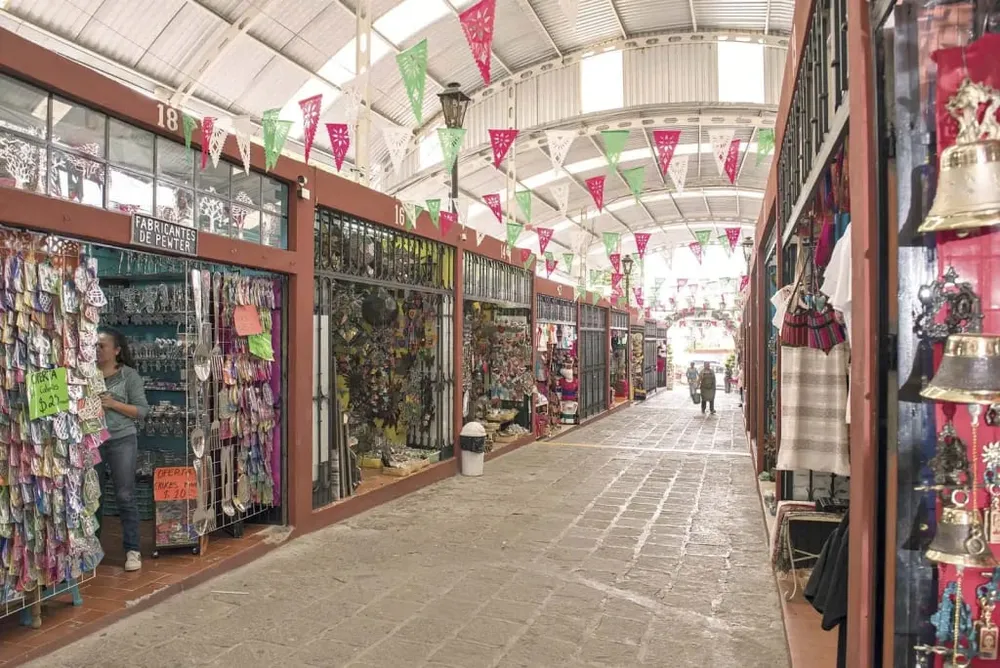
San Miguel de Allende has some of the best cooking schools in Mexico — a direct result of the large international food-interested community. Classes typically start with a market tour of Mercado Ignacio Ramírez, then move to a kitchen to prepare 3–5 dishes: mole sauces, tamales, pozole, enchiladas mineras (the Guanajuato regional version), and chiles en nogada when late-summer ingredients are available. If that dish matters to your class, check the current chiles en nogada season guide and confirm the menu before booking.
Good operators include: Sazón Cooking School, La Cocina de la Señora Green, and several boutique hotel programs. Most classes run 4–5 hours and include a full meal of what you made.
- Cost: 600–1,500 MXN ($30–75 USD) per person depending on class size and menu
- Book 1–2 days in advance — good classes fill up
- Book a cooking class on Viator
10. Mezcal Tasting
SMdA is not a mezcal-producing city — the agave heartlands are Oaxaca and Durango — but it has excellent mezcal bars stocked with a wider range of producers than most tourists encounter. Several bars offer structured mezcal flights with tasting notes and production context.
La Mezcalería (Calle Mesones) is the local institution: a knowledgeable staff, 80+ labels, and a food menu that pairs well. Expect to spend 200–400 MXN for a 3–4 mezcal flight with snacks.
For broader context on Mexican spirits: tuba drink — the Filipino-Mexican spirit, tequila vs mezcal explained.
- Cost: 200–500 MXN for a tasting session
Nature & Outdoor
11. El Charco del Ingenio Botanical Garden
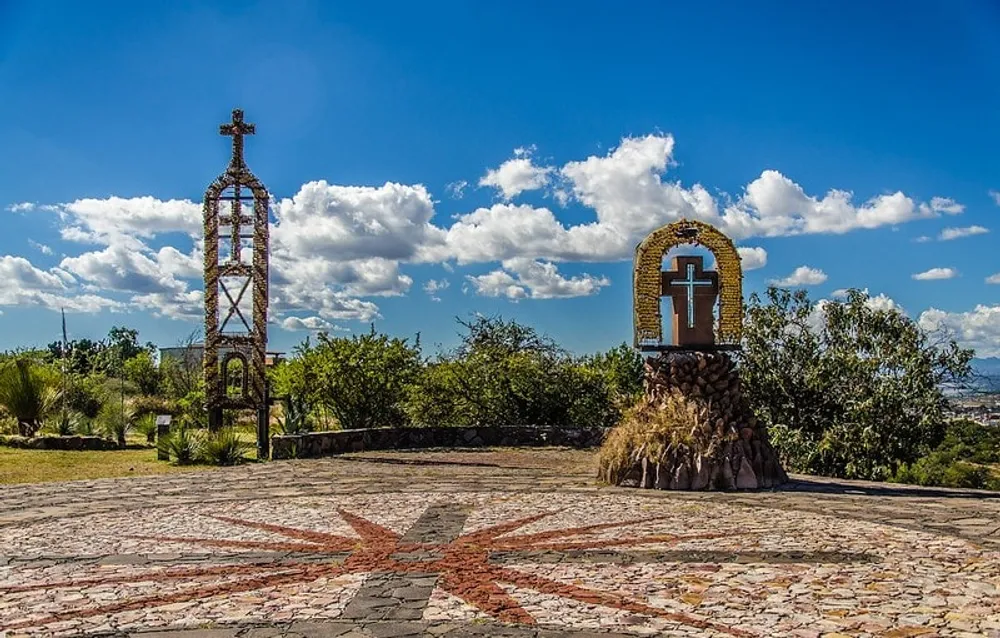
A 70-hectare botanical garden and ecological reserve on the northern edge of the city, El Charco del Ingenio is the best non-architectural attraction in SMdA. It contains:
- Mexico’s largest collection of endangered cacti — 2,500+ specimens from 600+ species, including many found nowhere else outside this garden
- A reservoir and wetland habitat — 150+ bird species recorded, including raptors, herons, and migratory species in winter
- Labyrinth, meditation terraces, and meditation spaces used for yoga retreats and quiet mornings
- Guided tours on weekends with botanists explaining the cactus collection and endemic plant species
This is where to go for an early morning before the city gets busy. Bring binoculars if you’re a birder.
- Entry: 100 MXN ($5 USD)
- Hours: 9 AM–5 PM daily
- Getting there: 20–25 min walk north from El Jardín, or 70 MXN by taxi
12. Horseback Riding in the Surrounding Sierra
The highlands around San Miguel offer excellent horseback riding through dry scrubland, agave fields, and small villages — a way to see the landscape that surrounds the city without a car. Several stables north of the city offer 2–4 hour rides suitable for beginners. Some include a stop at a working agave field or a small mezcal operation.
- Cost: 600–1,200 MXN ($30–60 USD) for a 2–3 hour ride
- Operators: Check with your hotel; most can arrange through local stables
- Find horseback riding tours on Viator
13. Hot Air Balloon Over the Colonial City
Watching the sun rise over La Parroquia from a balloon is one of the most spectacular things you can do in central Mexico. Flights launch at 6–7 AM from fields north of the city, drift over the colonial rooftops, and offer views the city never shows from ground level — the full geometry of the historic center, the surrounding semi-arid highlands, Cerro El Cubilete in the distance.
Most operators include a champagne breakfast on landing, usually at a hacienda or private ranch. Flights run 60–90 minutes.
- Cost: $200–280 USD per person
- Book: At least 2–3 days ahead; cancellations happen in bad weather
- Operators: Globos de Colores, Viajes Carabela, and several others
- Book a balloon flight on Viator
Hot Springs
14. La Gruta Hot Springs (Best Overall)
La Gruta (“The Grotto”) is the most famous of the three hot springs near SMdA, and for good reason. A 20-meter cave tunnel — carved through volcanic rock — leads to natural thermal pools at 37–40°C. You float in darkness through the tunnel into the main outdoor pool. There’s something genuinely otherworldly about it.
Multiple pools at different temperatures. Open-air restaurant. Mineral-rich water that turns skin noticeably smooth.
- Distance: 20 km north of SMdA (25 min by car)
- Cost: 250 MXN weekdays / 350 MXN weekends and holidays
- Best time: Tuesday–Thursday mornings — significantly less crowded than weekends
- Getting there: Taxi (200–250 MXN each way), or rent a car for flexibility
15. Escondido Place Hot Springs (Best for Couples/Quiet)
More upscale and consistently less crowded than La Gruta. Multiple pools graduated by temperature, from body-temperature warm to properly hot. The grounds are landscaped and maintained. Better service than La Gruta.
- Distance: 25 km north
- Cost: 350–450 MXN
- Best for: Couples, anyone who wants La Gruta’s experience without the weekend crowds
16. Taboada Hot Springs (Best Value)
The oldest thermal resort in the region (operating since the 1940s), Taboada is 12 km from the city — the closest of the three. The main feature is an Olympic-size thermal pool maintained at 38°C, plus smaller pools. Considerably cheaper than the other two and popular with local families.
- Distance: 12 km from SMdA
- Cost: 200 MXN
- Vibe: Local families, low-key, no tourists-in-paradise atmosphere
- Best for: Budget travelers, those wanting the authentic local experience
See hot springs in Mexico guide for comparison across all Mexican destinations.
UNESCO & Cultural Heritage
17. Sanctuary of Atotonilco
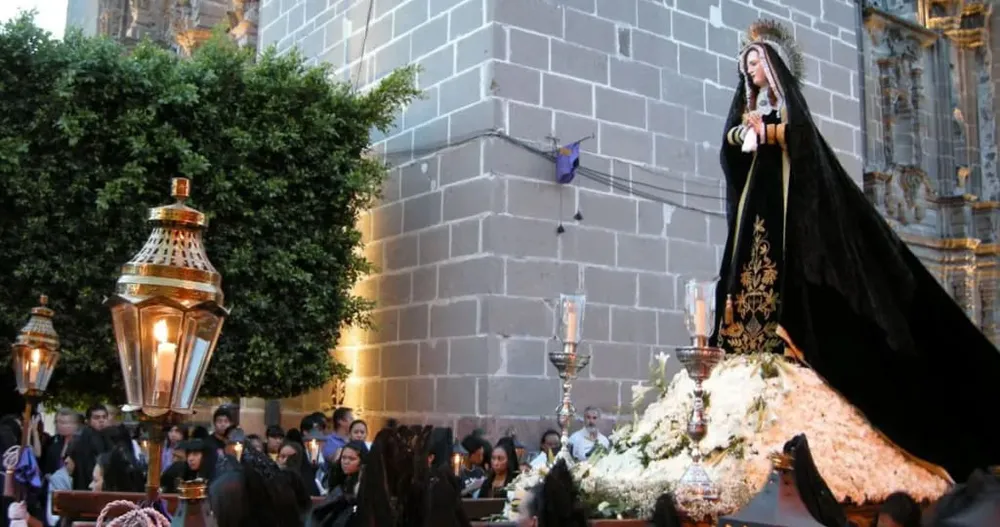
Fifteen kilometers north of SMdA on the road to Dolores Hidalgo, the Sanctuary of Atotonilco is one of the most important religious buildings in Mexico — and most visitors never make the trip.
Built as a Jesuit spiritual retreat starting in 1748, the sanctuary’s six chapels are covered floor-to-ceiling with murals in a vernacular style: naive by classical standards, extraordinary by any other. Father Juan Antonio de Lorenzana began the murals in 1740 and continued painting for 30 years, covering every surface with dense biblical narrative and imagery. UNESCO inscribed it alongside SMdA’s historic center in 2008 specifically because the two are inseparable.
The independence connection: In 1810, Miguel Hidalgo came here to pray before marching to Dolores Hidalgo to deliver the Grito de Independencia. He took the banner of the Virgin of Guadalupe from this sanctuary — it became the first flag of Mexican independence.
The village around the sanctuary has good birria restaurants. Modest dress required inside.
- Distance: 15 km — taxi 120–150 MXN each way
- Entry: 30 MXN
- Time: Allow 1–2 hours including transport
- Don’t miss: The Chapel of Loreto inside and the sacristy murals — often missed even by visitors who do make the trip
18. Charro Rodeo (Charreada)
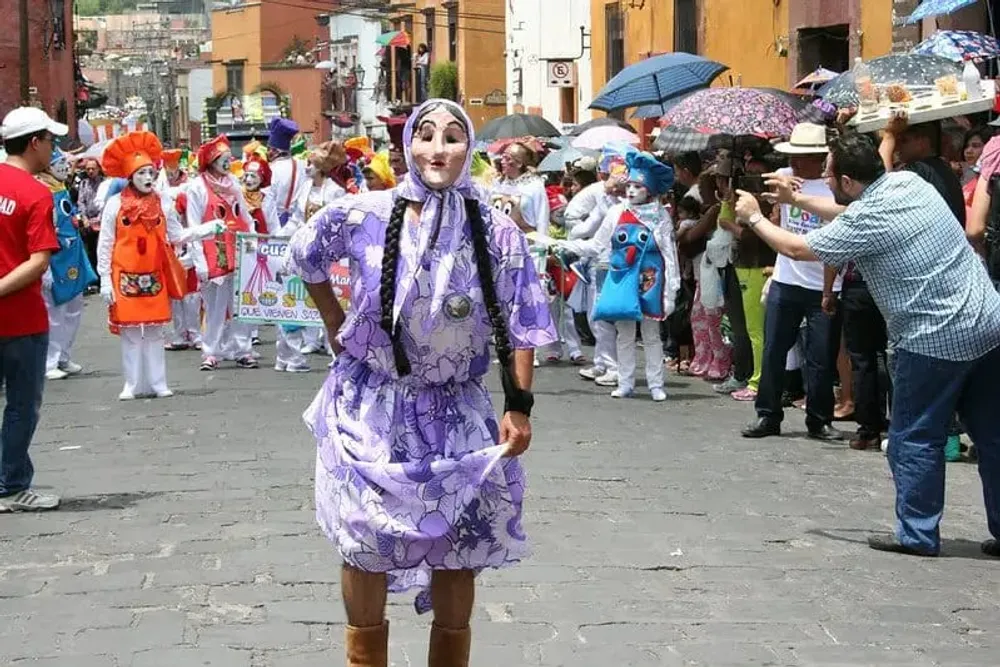
Charreada is Mexico’s national sport — traditional equestrian performance that gave the world “rodeo” (the word and many of the events). San Miguel has an active charro association with regular competitions at the local lienzo charro (arena).
Watching a charreada is nothing like watching a US rodeo. The events include cala de caballo (precision reining), piales en el lienzo (horse lasso from horseback), coleadero (bull-tailing), and escaramuza charra (women riders performing synchronized formation riding in traditional costumes). The sport is simultaneously athletic, ceremonial, and deeply Mexican.
- When: Weekend afternoons, most Saturdays October–April
- Cost: 100–200 MXN entry
- Finding events: Ask at your hotel or check local bulletin boards — no central ticket system
Festivals & Events
19. Independence Day (September 15–16) ★
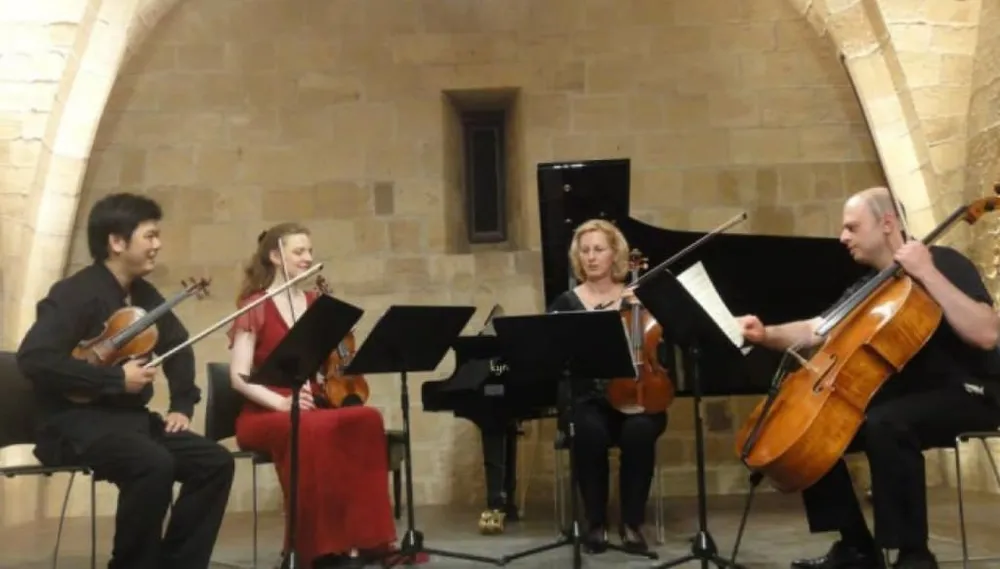
The most emotionally charged night in San Miguel’s calendar. September 15 at midnight, the mayor of SMdA delivers the Grito de Independencia from the Municipal Palace balcony to a crowd filling every inch of El Jardín. The ritual references Hidalgo’s original cry in nearby Dolores Hidalgo (50 km away) in 1810. In SMdA — where Ignacio Allende was born — this is not just a national celebration. It’s personal.
The celebrations run through September 16: military parade in the morning, cultural events, music throughout the day. Hotels fill up — book at least 2 months ahead for this weekend.
- Cost: Free
- Book accommodation: 2–3 months in advance minimum
20. International Jazz & Blues Festival (November)
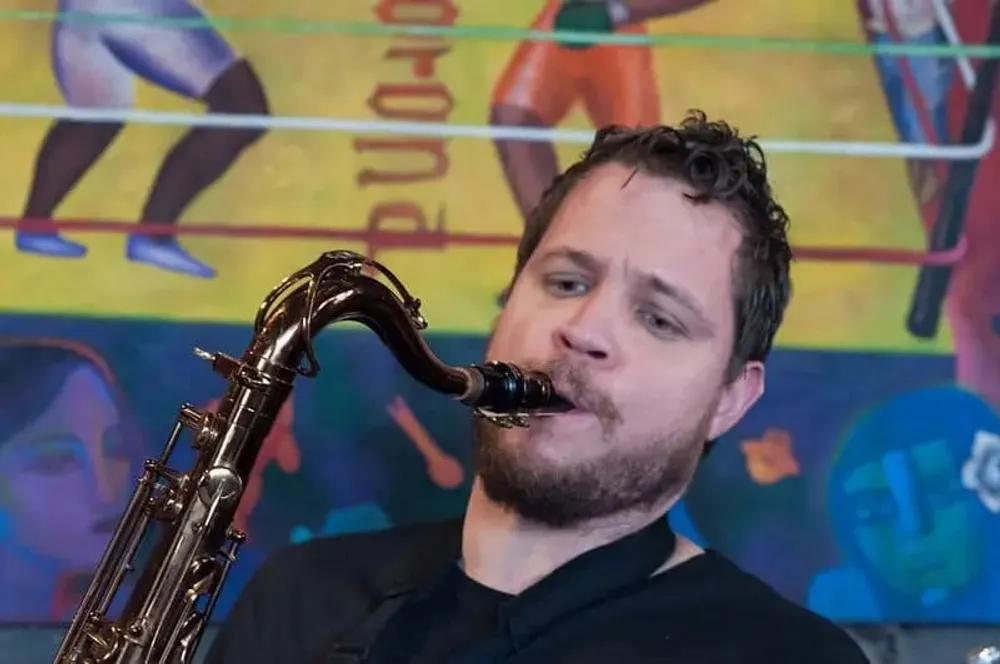
Four days of concerts across the city, including a free outdoor stage in El Jardín and paid indoor concerts at venues throughout the centro. International performers alongside Mexican jazz and blues acts. One of the best music festivals in central Mexico.
- When: Typically the second or third week of November
- Cost: Free outdoor concerts; indoor shows 200–500 MXN
- Book ahead: Hotels fill up fast during festival week
21. Semana Santa Processions (March/April)
San Miguel de Allende’s Holy Week processions are among the most elaborate in Mexico — rivaling Taxco and Oaxaca City for intensity and scale. The flagship event is the Procession of Silence on Good Friday: thousands of residents walk in silence through the streets, carrying religious figures, wearing traditional white tunics. No speaking, no photography allowed in the procession.
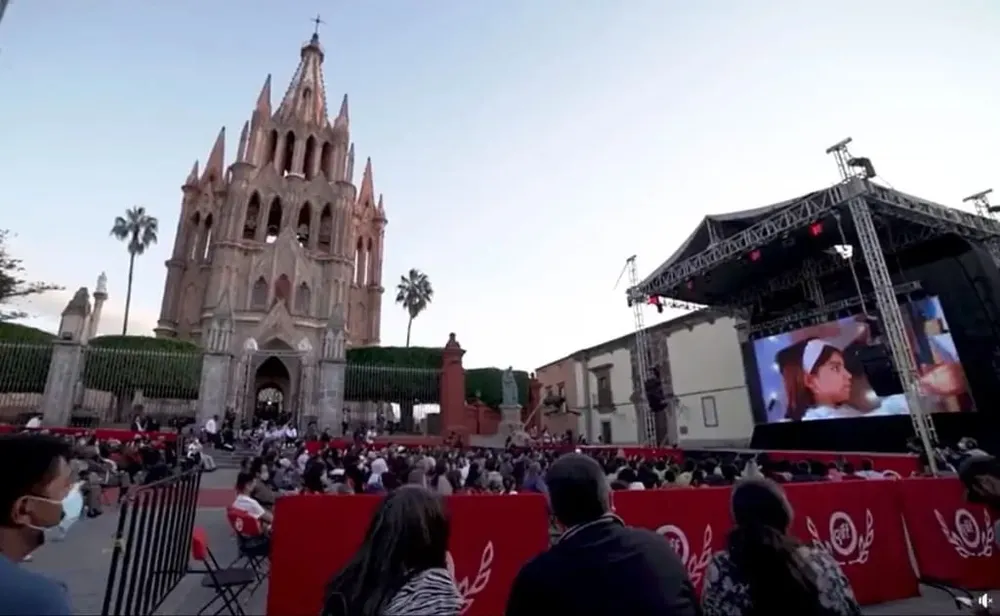
Flower carpets, outdoor altars, and elaborate church decorations throughout the week. Hotels book out 4–6 months in advance and prices triple. If you can plan that far ahead, it’s worth it.
- Cost: Free (observing)
- Book accommodation: 4–6 months in advance
22. Día de Muertos Altars (November 1–2)
Less famous than Pátzcuaro or Oaxaca City for Day of the Dead, but SMdA’s celebrations are genuine and worth experiencing if you’re in the region. The Municipal Cemetery holds a candlelit vigil on the night of November 1–2. El Jardín fills with elaborate community altars (ofrendas) and marigold arrangements. The cultural events (art shows, film screenings, theatrical productions) reflect the city’s large creative community.
- Cost: Free
- See also: Best Time to Visit Mexico — Day of the Dead section
Day Trips from San Miguel de Allende
23. Dolores Hidalgo (50 km, 1 hour)
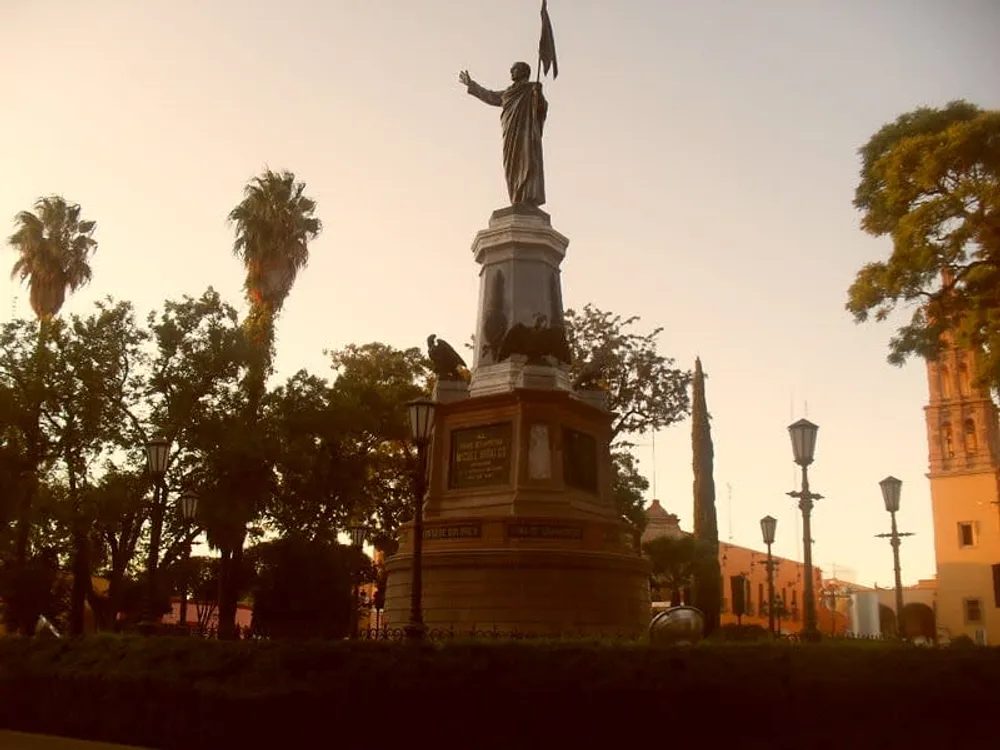
Where Mexican independence began. At dawn on September 16, 1810, Father Miguel Hidalgo rang the bell of the parish church here and delivered the Grito de Independencia — launching the war against Spain. The church, the bell (original), and Hidalgo’s former home are still here.
The ice cream: Dolores Hidalgo is famous throughout Mexico for extreme ice cream flavors from carts on the main plaza. Flavors include mole negro, beer, shrimp, avocado, rose petal, cheese, tequila, and dozens more. A 2-scoop cone costs 25–40 MXN. This is genuinely fun and a legitimate reason to make the trip.
See full Dolores Hidalgo guide.
- Getting there: ETN buses from SMdA bus station, hourly, 80–100 MXN / 45 min
- By car: Easy 45-minute drive on paved highway
24. Guanajuato City (100 km, 1.5 hours)
One of Mexico’s most architecturally distinctive cities — built in a narrow valley with buildings climbing every hillside, connected by a network of underground streets (former flood-control tunnels now used as roads) and exterior callejones (narrow alleys). The whole thing shouldn’t work and yet does spectacularly.
Don’t miss: The underground tunnel walk, Callejón del Beso (the famous Alley of the Kiss where balconies nearly touch), callejoneada evening tours with student musicians, the Mummy Museum (111 naturally mummified bodies from a 19th-century cemetery), and the Diego Rivera birthplace museum.
See full Things to Do in Guanajuato City.
- Getting there: Bus from SMdA, 1.5 hours, 120–180 MXN
- By car: 1.5 hours on well-maintained highway
25. Querétaro City (100 km, 1 hour)
Querétaro is often overlooked next to Guanajuato and San Miguel, but it has a compelling UNESCO historic center, a 74-arch aqueduct (built 1726–1735) that’s still standing at 23 meters height, excellent restaurants, and a wine region (Cava Freixenet operates here) accessible by day trip.
What to do: Walk the aqueduct boulevard, visit the Cerro de las Campanas (where Emperor Maximilian was executed in 1867), explore the Barrio Entero neighborhood art scene, and eat at Mercado Escobedo. Santiago de Querétaro also has excellent shopping for opals — the state is one of the world’s largest opal producers.
- Getting there: Bus from SMdA, 1–1.5 hours, 150–200 MXN
- By car: 1 hour on Highway 57D
Free Things to Do
| Activity | Notes |
|---|---|
| El Jardín (main plaza) | Sit, watch, absorb — the center of everything |
| La Parroquia interior | Open to visitors, no charge |
| Historic center walk | Best free activity in the city |
| Ignacio Allende House Museum | Free entry always |
| Thursday gallery walk | Most galleries free; champagne included at openings |
| Fábrica La Aurora | Free to walk; galleries free |
| Instituto Allende grounds | Free to explore |
| Municipal Palace | O’Higgins mural, free |
| Evening concerts at El Jardín | Several nights per week |
| Mercado Ignacio Ramírez | Free to browse; eat for 60–80 MXN |
Seasonal Activity Calendar
| Month | Best Activities | Notes |
|---|---|---|
| Jan–Feb | Gallery walks, cooking classes, hot springs, historic center | Quiet season — best availability, cold nights (5–8°C) |
| Mar | Semana Santa processions (varies) | Book 4–6 months ahead if Holy Week falls in March |
| Apr | Semana Santa (most years), El Charco del Ingenio | Spring wildflowers; hot days |
| May–Jun | Hot air balloons, horseback riding, outdoor dining | Hottest months (26–30°C days) |
| Jul–Sep | El Charco del Ingenio (green season), hot springs, Independence Day Sept 15–16 | Afternoon rains; lush green surroundings; Independence Day essential |
| Oct | All activities; galleries (October openings); Cervantino Festival spillover (Guanajuato) | Best crowds/price balance |
| Nov | Jazz Festival, Día de Muertos, cooking classes, all activities | One of the best months overall |
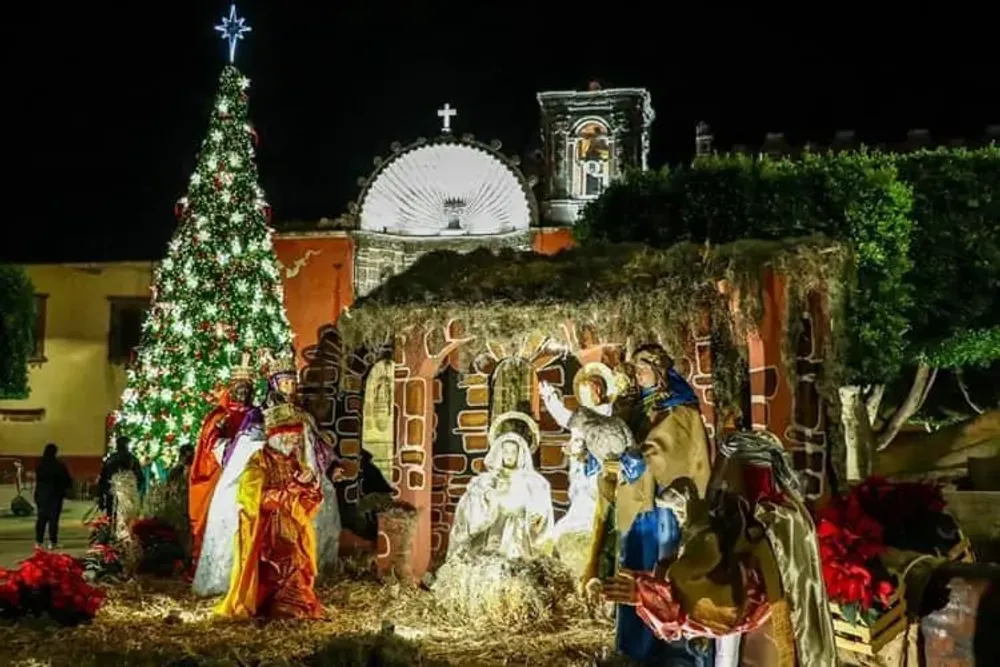
| Dec | Christmas Posadas (Dec 16–24), New Year, La Parroquia candlelit | Holiday season; festive but more expensive |
Budget Guide
| Style | Daily budget | Includes |
|---|---|---|
| Budget | $50–75 USD | Hostel or budget guesthouse, market lunches, taco dinners, walking the city (mostly free) |
| Mid-range | $100–160 USD | Boutique B&B ($70–100), restaurant meals ($20–40/day), guided tour or cooking class |
| Comfortable | $180–280 USD | Quality boutique hotel ($120–180), fine dining ($50–80/day), hot springs, hot air balloon |
| Luxury | $350–800+ USD | Rosewood or equivalent, tasting menus, spa, curated experiences |
Getting There & Around
Bus from Mexico City: ETN or Primera Plus from Terminal Norte (NOT TAPO — that’s Oaxaca/Veracruz). 3.5–4 hours, 320–650 MXN. Full Mexico City to San Miguel transport guide →
By air: Fly to GTO (Bajío International Airport, León) — direct flights from Houston, Dallas-Fort Worth, Los Angeles. Shuttle to SMdA: 90–120 min, 700–1,200 MXN for the vehicle. Best option for US visitors. Compare car rentals at GTO.
By car from CDMX: 275 km via Highway 57D. ~3 hours normal traffic, 4+ hours with CDMX exit traffic.
In-city: The historic center is 100% walkable. No Uber — use official taxis (negotiate fare first, typically 60–80 MXN in-town) or InDriver.
For hot springs and day trips: Taxi or rental car gives far more flexibility than organized tours.
More San Miguel de Allende & Colonial Mexico Guides
- Semana Santa in San Miguel de Allende 2026 — day-by-day Holy Week guide: Procession of Silence, mojigangas, Quema de Judas, no Ley Seca
- Best Time to Visit San Miguel de Allende 2026 — Semana Santa, Patron Saint Fiestas, Day of the Dead timing + month-by-month guide
- Day Trips from San Miguel de Allende 2026 — 10 excursions ranked: Atotonilco, Dolores Hidalgo, Guanajuato, Querétaro, Mineral de Pozos
- Guanajuato vs San Miguel de Allende — honest comparison of the two colonial cities
- Rooftop bars in San Miguel de Allende — best sunset views in the city
- Things to Do in Guanajuato City — tunnels, mummies, callejoneadas
- Dolores Hidalgo — extreme ice cream + independence history
- Hot springs in Mexico — full guide with prices
- Colonial Mexico Travel Guide
- Things to Do in Puebla — 2 hours from CDMX
- Morelia Travel Guide — Monarch butterflies + Michoacán food
- Mexico Travel Cost guide
- Is Mexico safe?
- Mexico Entry Requirements for US Citizens