10 Best Day Trips from San Miguel de Allende, Mexico (2026)
The best day trip from San Miguel de Allende is Guanajuato City if you want one big full-day outing, Dolores Hidalgo if you want an easy history-and-food stop, and Atotonilco if you only have half a day. For hot springs, ghost towns, wine country, and smaller artisan towns, San Miguel is one of the best bases in central Mexico.
This guide ranks the best day trips from San Miguel de Allende by travel time, bus practicality, and what each place is actually best for, so you can pick the right excursion instead of just the closest one.
San Miguel de Allende Day Trips in 30 Seconds
| If you want… | Go here |
|---|---|
| The best overall full-day trip | Guanajuato City |
| The easiest half-day trip | Atotonilco Sanctuary |
| History + famous ice cream | Dolores Hidalgo |
| Hot springs | La Gruta / Escondido Place |
| Wine + cheese | Tequisquiapan |
| A dramatic small-town landscape | Bernal |
| An offbeat ghost-town stop | Mineral de Pozos |
| The least touristy local town | Comonfort |
Day Trips at a Glance
| Destination | Distance | Drive | Bus | Entry | Best For |
|---|---|---|---|---|---|
| Atotonilco Sanctuary | 15 km | 20 min | No direct | Free | UNESCO, history |
| Hot Springs | 16–30 km | 25–45 min | Taxi only | 140–1,200 MXN | Relaxation |
| Comonfort | 30 km | 35 min | Limited | Free | Artisans, local life |
| Dolores Hidalgo | 50 km | 50 min | ✅ Frequent | Free | Independence, ice cream |
| Mineral de Pozos | 75 km | 1.5 hr | ❌ Car only | Free | Ghost town, art |
| Querétaro City | 75 km | 1 hr | ✅ Frequent | Free | UNESCO, aqueduct |
| Bernal | 85 km | 1.5 hr | ✅ Via Querétaro | Free | Monolith, gorditas |
| Tequisquiapan | 90 km | 1.5 hr | ✅ Via Querétaro | Free | Wine, cheese, temazcal |
| Guanajuato City | 90 km | 1.5 hr | ✅ Direct | 111 MXN museum | Full-day UNESCO experience |
| León | 130 km | 2 hr | ✅ Via Silao | Free | Leather shopping |
Getting Around from San Miguel
Car rental: The most flexible option. BJX (Guanajuato/Silao International Airport) is 70 km away and has better rates than SMA itself. Renting at the airport and driving to SMA for your first night saves 20–30%.
Bus terminal: SMA’s Central de Autobuses (Carretera 51, 10 min from Jardín Principal) runs ETN, Primera Plus, and Flecha Amarilla. Most connections to Querétaro, Guanajuato, and Dolores Hidalgo are direct. Buy tickets at the counter on the day (advance booking rarely needed except long weekends).
Taxis: Fixed-rate taxis from SMA. Standard rates: Atotonilco 120–150 MXN one-way, hot springs 150–250 MXN one-way (negotiate return pickup). Apps: Uber sometimes works in SMA but is less reliable outside city limits.
Tours: Half-day and full-day tours from SMA hotels cover Dolores Hidalgo, Guanajuato, and the hot springs. Convenient if you don’t want to drive, but you move at the group’s pace.
1. Atotonilco Sanctuary — Mexico’s Sistine Chapel (15 km)
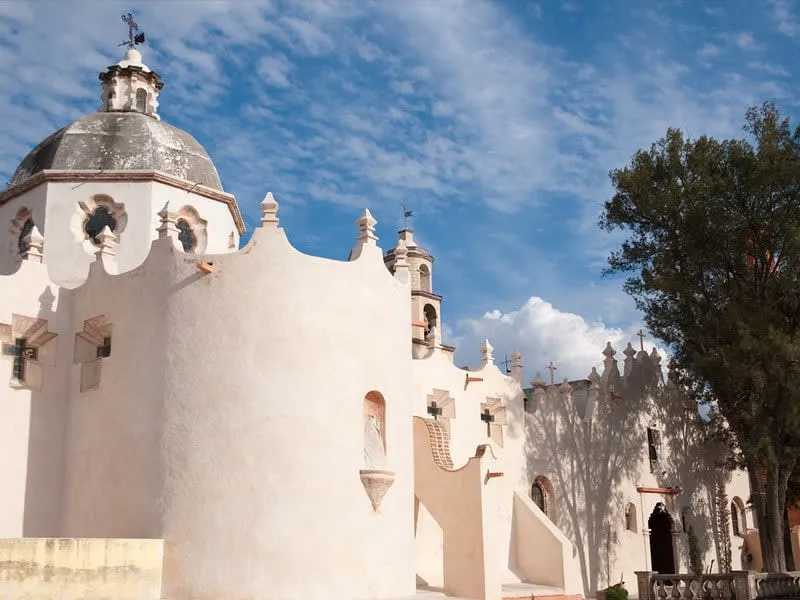
Distance: 15 km | Drive: 20 min | Entry: Free (30–50 MXN donation box) | Time needed: 45–90 min
The Sanctuary of Jesús Nazareno de Atotonilco is one of the most important religious sites in Mexico and a UNESCO World Heritage Site — part of the same 2008 inscription that covers San Miguel de Allende itself.
Built between 1740 and 1776 under Jesuit priest Father Luis Felipe Neri de Alfaro, the sanctuary’s six chapels are covered floor-to-ceiling in 18th-century baroque murals: painted scripture, images of Christ, and scenes from Mexican religious history, all created by local indigenous artists with no formal training. The effect is overwhelming and genuinely astonishing.
The Independence connection: Father Miguel Hidalgo stopped here on September 16, 1810, at the start of his march to Dolores Hidalgo. He took a banner of the Virgin of Guadalupe from the sanctuary and carried it as the flag of the Independence movement. The banner — Mexico’s first national flag of sorts — was eventually captured by royalists in 1811, but the sanctuary’s role in Mexican history is permanently cemented.
Pilgrimage site: Thousands of Mexican pilgrims walk the 15 km from SMA to Atotonilco on their knees as an act of penance, particularly during Holy Week (Semana Santa). If you’re in SMA in late March/early April, this is worth witnessing.
Practical tips:
- Arrive on a weekday morning for the best light and fewest people
- Photography inside is generally permitted (no flash)
- The small village has a few taco stands and one restaurant — bring snacks or eat in SMA first
- Easily combined with Dolores Hidalgo (continue 35 km north after your visit)
2. Hot Springs Circuit (16–30 km)
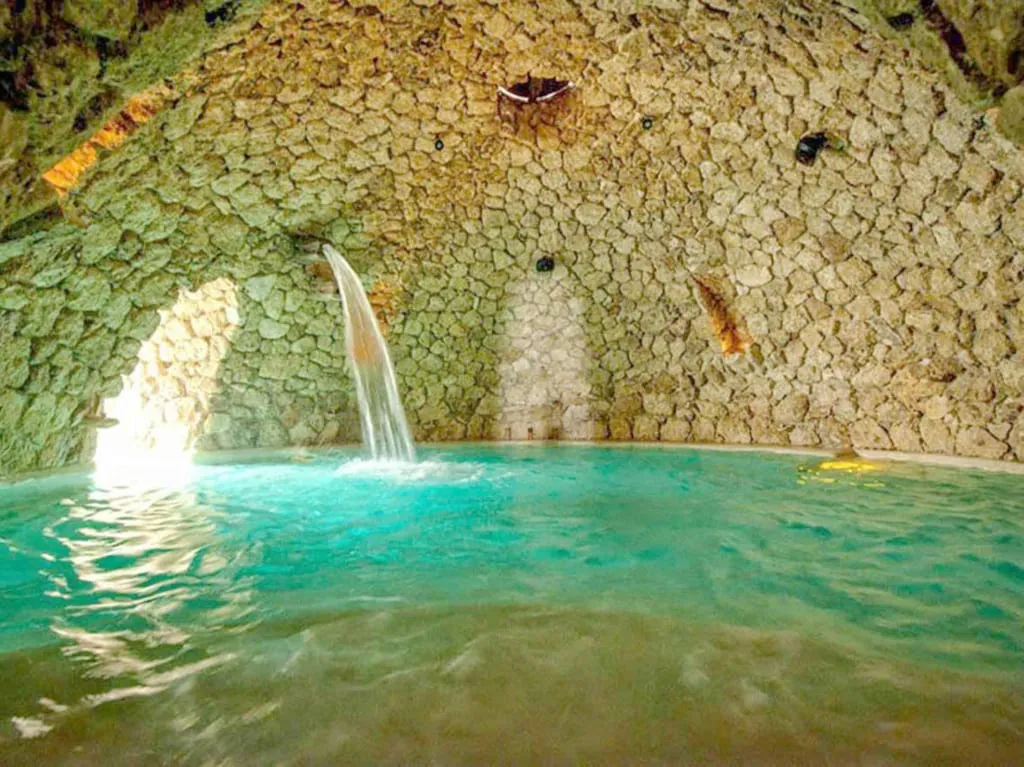
Distance: 16–30 km | Drive: 25–45 min | Entry: 140–1,200 MXN | Time needed: Half day
The hills around SMA sit on geothermal activity, feeding several hot spring complexes within 30 minutes of the city center.
La Gruta (16 km, 140 MXN): The most famous option. A natural cave opens into an underground domed pool filled with 34°C thermal water — moody, atmospheric, genuinely beautiful. Open Monday–Friday 8 AM to 5:30 PM, weekends 8 AM to 5 PM. Critical tip: Do NOT visit on Saturday or Sunday. It becomes impossibly crowded. Monday–Thursday is ideal; Friday is acceptable.
Escondido Place (25 km, 700–1,200 MXN): Upscale resort with multiple pools, swim-up bar, and restaurant. Better facilities than La Gruta, but the price reflects it. Strictly reservation-only on weekends. Midweek it’s genuinely pleasant. The highest pool has panoramic valley views.
Taboada (30 km, 600–900 MXN): Family-oriented complex with Olympic-size thermal pools and waterslides. Busiest of the three on weekends and during school holidays. Quieter in the mornings (open from 8 AM).
Mayan Baths (Baños Aztecas): A budget alternative near El Charco del Ingenio, basic and local, 100–150 MXN. Bare-bones but the water is genuinely thermal.
How to get there: No direct bus service runs to any of the hot springs. Options: (1) rent a car; (2) take a fixed-rate taxi from SMA and arrange return pickup at a specific time; (3) book a half-day tour from your hotel. Taxis without a return arrangement are hard to find at the springs themselves.
3. Comonfort — Artisan Town Off the Tourist Trail (30 km)
Distance: 30 km | Drive: 35 min | Entry: Free | Time needed: 2–3 hours
Most SMA visitors never go to Comonfort, which is exactly why it’s worth going.
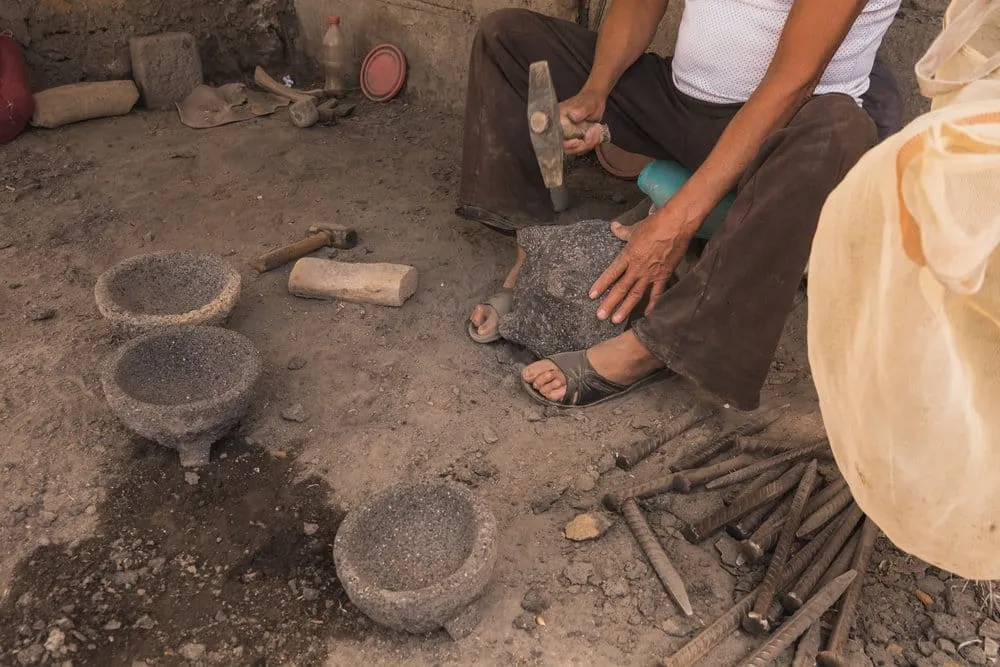
This quiet colonial town 30 km south of SMA has been a ceramics and crafts center for centuries. The local specialty is Talavera-style pottery and intricately carved onyx stone pieces — the same crafts you’ll find in SMA boutiques at 3× the price. Buying directly from the workshops on the road into town (Carretera 51 on the north side) is the way to go.
Tlapacoya archaeological zone: 3 km outside Comonfort, this pre-Purépecha site has remains from cultures predating the Aztec Empire. Small, quiet, and rarely visited — you’ll likely have it to yourself. Entry free, caretaker on site most mornings.
El Cerrito: A small hill at the edge of town with a simple chapel at the top, worth the 10-minute walk for the view over the valley.
Local food: Eat at the market on the main square — enchiladas mineras (Guanajuato style: red salsa, potato, carrot, cheese) for 30–50 MXN. Nothing fancy, entirely authentic.
How to get there: Car recommended (Highway 51 south). Limited local bus service runs from SMA’s central bus terminal via the Celaya route — ask the driver for “Comonfort pueblo” stop (not the highway bypass). Service is irregular; car gives more flexibility.
4. Dolores Hidalgo — Where Mexican Independence Began (50 km)
Distance: 50 km | Drive: 50 min | Bus: 60–90 MXN, ~1 hr | Entry: Free | Time needed: 3–5 hours
Dolores Hidalgo is the town where Father Miguel Hidalgo rang his church bell at 2 AM on September 16, 1810, summoning his parishioners and launching the Mexican War of Independence. That moment — the Grito de Dolores — is re-enacted every September 15 by the President of Mexico in the Zócalo in Mexico City, and by the town’s mayor here.
Key sights:
- Parroquia de Nuestra Señora de los Dolores: The church where Hidalgo rang the bell. The original bell hangs in the National Palace in Mexico City; a replica hangs here. Churrigueresque baroque facade, free entry.
- Museo Casa Hidalgo: Hidalgo’s actual house and birthplace, now a museum. Letters, documents, and period furnishings. 55 MXN entry, closed Mondays.
- Main plaza (Jardín Principal): Statue of Hidalgo plus the famous ice cream vendors — the real reason half the visitors come here.
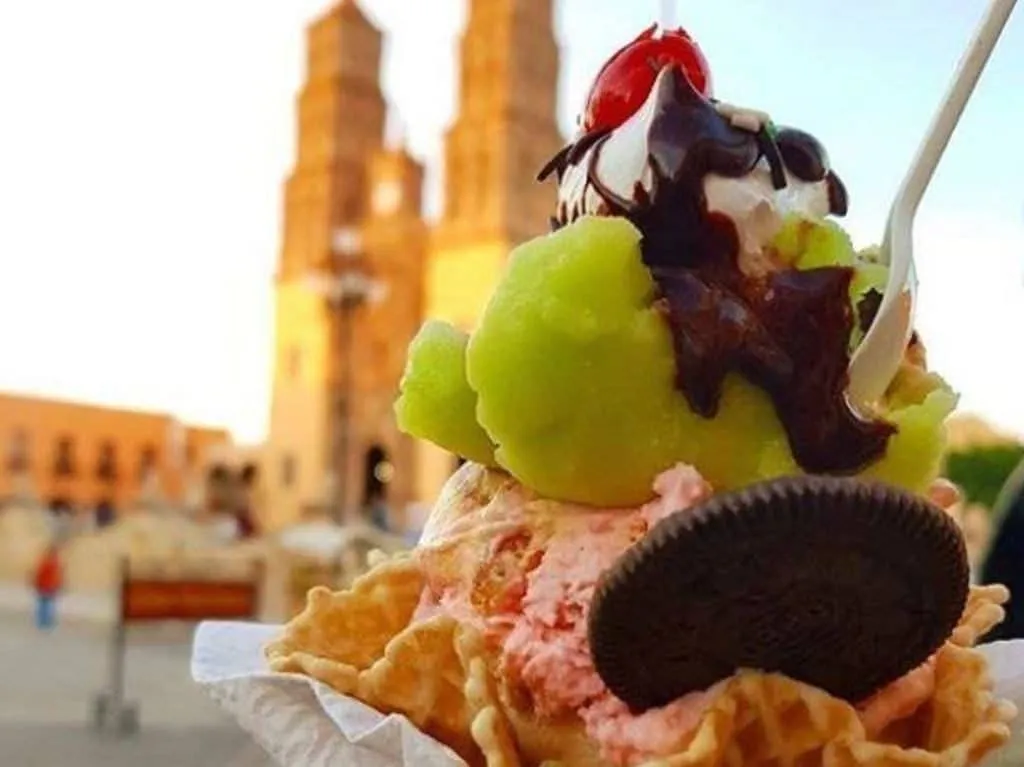
The ice cream: Dolores Hidalgo is celebrated across Mexico for its wild ice cream flavors: avocado (aguacate), shrimp (camarón), beer (cerveza), mole, tequila, chile, even grasshopper (chapulín). The vendors on the main plaza (and around the perimeter) all serve these. A scoop runs 20–35 MXN. Get the avocado — it’s actually excellent.
Talavera tile shopping: The road leading north out of the main plaza has Talavera workshops (talleres) where you can buy directly from producers. Prices are roughly 30–50% below what you’d pay in SMA boutiques. The quality varies — look for pieces with the “CATAY” official Talavera certification seal.
Camino Real wine route: The Camino Real winery and others operate 10–15 km outside Dolores Hidalgo toward Guanajuato. Tour and tasting visits run 200–400 MXN.
How to get there: Flecha Amarilla and Primera Plus buses from SMA’s bus terminal, departing every 30–45 minutes between 6 AM and 9 PM. Journey: ~1 hour, 60–90 MXN. Return buses run until 8–9 PM. Taxis cost 400–500 MXN one-way (not worth it solo, fine split between 2–3 people). Car: 50 min via Highway 51 north.
Combine with: Atotonilco (15 km south of Dolores Hidalgo, stop on the way back to SMA) or Mineral de Pozos (25 km northeast, add-on for a full-day excursion).
5. Mineral de Pozos — The Ghost Town Art Colony (75 km)
Distance: 75 km | Drive: 1.5 hr via Dolores Hidalgo | Entry: Free | Time needed: 3–4 hours
Mineral de Pozos is the best-kept secret within a two-hour radius of San Miguel de Allende.
In the 18th century this was one of the wealthiest mining towns in New Spain, with over 70,000 residents extracting silver and copper from dozens of shafts. A combination of Independence War disruption, flooding, and silver price collapse gutted the town by the late 1800s. Today fewer than 5,000 people live here.
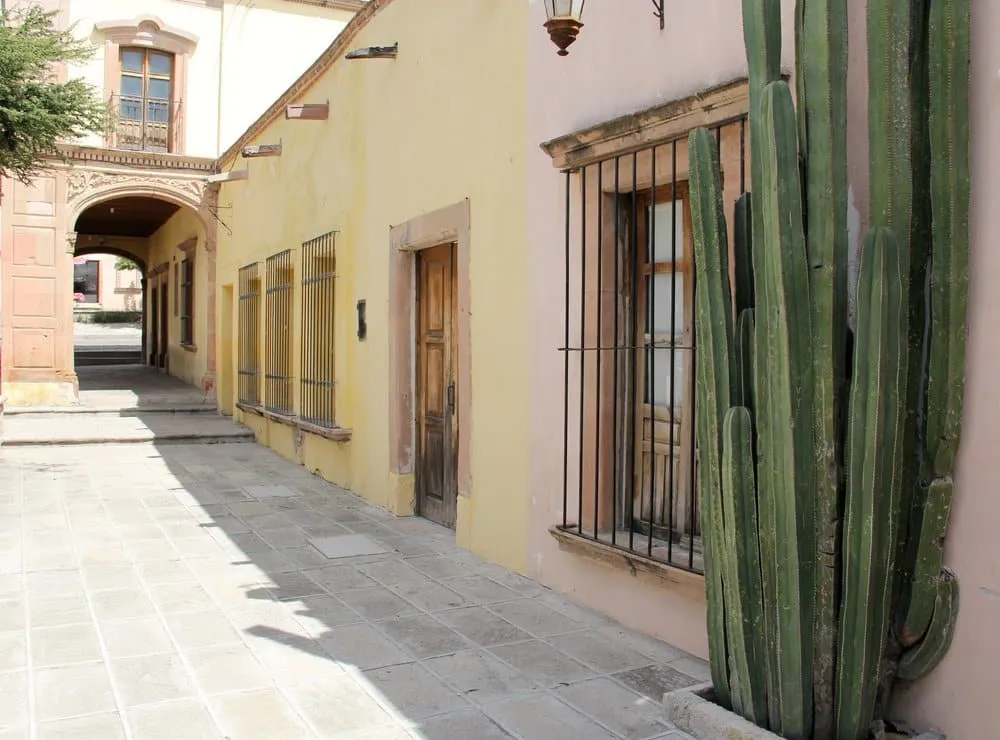
What happened next is what makes Pozos interesting: from the 1990s onward, artists and craftspeople from Mexico City began moving into the ruins, turning abandoned haciendas into studios and galleries. The result is a strange and compelling place — crumbling colonial grandeur, desert scrubland, and genuine artistic community.
What to do:
- Mine ruins: The La Progresista shaft complex and La Compañía ruins are the most photogenic — rusted iron machinery, eroded stone walls, desert silence. Walk-in access, no fee.
- Pre-Hispanic instrument workshops: Several artisans in Pozos specialize in recreating pre-Hispanic musical instruments: huehuetl drums, omichicahuaztli bone rasps, clay ocarinas, conch shell horns. They sell direct from the workshop — expect 200–1,500 MXN depending on size and complexity. Ask at the main plaza for directions.
- Art galleries: 8–10 small galleries operate in restored ruins around the main square. Quality varies; some are serious, some are trinkets.
- Mezcal: A few small-batch mezcal producers have set up in Pozos. Try before you buy — quality is inconsistent but the best bottles are excellent and priced far below SMA bars.
When to go: Weekends (Saturday especially) see the small market and most workshops open. Weekdays are quieter but some galleries close. Day of the Dead (Oct 31–Nov 2) is atmospheric here in a way few places match.
How to get there: Car only. Route: SMA → Dolores Hidalgo (50 km north, ~50 min) → Mineral de Pozos (25 km east, ~30 min via San Luis de la Paz road). No direct bus service. Combine naturally with Dolores Hidalgo on the same day — stop there first, then continue to Pozos.
6. Querétaro City — UNESCO Aqueduct & Wine Country (75 km)
Distance: 75 km | Drive: 1 hr | Bus: 120–180 MXN, ~1.5 hr | Entry: Free (historic center) | Time needed: 4–6 hours
Querétaro is the most underrated UNESCO city in central Mexico. Most visitors rush through on the way to SMA or Guanajuato, but the historic center — 1996 UNESCO listing — rewards a proper half-day.
Key sights:
- Los Arcos Aqueduct: 74 arches, 1,280 meters long, built between 1726 and 1738. Still perfectly preserved and most beautiful at dusk when the arches are lit. Located at the edge of the historic center, free to see.
- Cerro de las Campanas: The hill where Emperor Maximilian of Habsburg was executed by firing squad in 1867 — ending the French Intervention in Mexico. A simple park now with a large Maximilian statue (donated by Austria) and views over the city. Free entry.
- Andador Libertad: The pedestrian historic center street, lined with 18th-century baroque churches, art galleries, and street food. The best chilaquiles in the city are served at the small fondas opening from 7 AM.
- Palacio de Gobierno murals: A student of Diego Rivera painted the state history murals in the central courtyard — significantly less crowded than anything in Mexico City, equally impressive.
Wine route: Querétaro state is Mexico’s third-largest wine region. Freixenet Mexico (yes, the Spanish cava brand) has its Mexican winery 45 km north in Ezequiel Montes — tours and tastings run 150–300 MXN, available by reservation. Several other wineries cluster in the same area. This can be combined with Bernal (30 km away) on the same day.
How to get there: ETN and Primera Plus buses from SMA run frequently (every 30–60 min), journey ~1.5 hours, 120–180 MXN. Car: 1 hour via Highway 57. Querétaro’s historic center is best explored on foot; the bus terminal is a short taxi ride from the center.
Full guide: Things to Do in Querétaro City →
7. Bernal — The Giant Monolith (85 km)
Distance: 85 km | Drive: 1.5 hr | Bus: Via Querétaro + connection | Entry: Free | Time needed: 3–4 hours
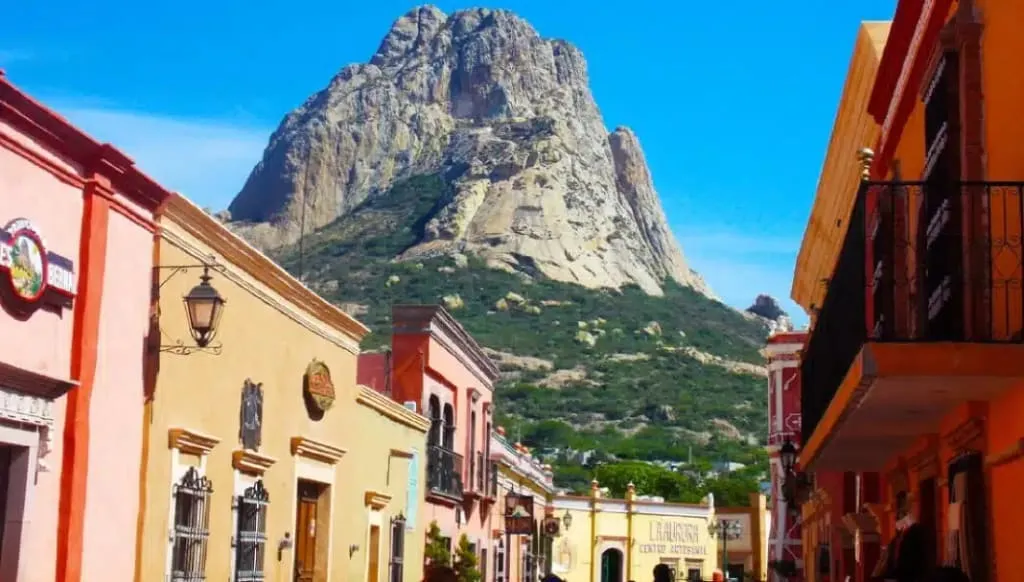
Bernal is a small Magic Town (Pueblo Mágico) of around 5,000 residents dominated by the Peña de Bernal — the third-largest monolith in the world at 433 meters. The other two are Devils Tower (USA) and Sugar Loaf (Brazil).
The peña sits immediately above the town’s main square with almost no buffer — you park, look up, and it’s just there. The effect is genuinely dramatic.
Hiking: The Loma de las Brujas trail climbs the accessible lower section of the peña — a moderate 2-hour round trip with panoramic views of the Querétaro valley. Wear good shoes; the path is rocky. The full summit is only permitted on the spring equinox (March 21) when thousands of people in white climb to “absorb the energy.”
The food: Gorditas de maíz quebrado — hand-patted corn cakes stuffed with cheese (queso), black beans (frijoles), or chicken tinga — are the defining Bernal food. The stalls at the base of the peña serve them fresh from the comal for 30–50 MXN each. Don’t leave without eating at least two.
Crafts: Bernal is in the center of Querétaro’s opal mining area. Small stones and simple jewelry sell for very reasonable prices from street vendors. Larger, better-quality pieces are in the tiendas on the main street.
Combine with: Tequisquiapan is 30 km from Bernal — an easy and very rewarding combination on the same day (wine tasting in Tequisquiapan, monolith hike in Bernal).
How to get there: Car is easiest (1.5 hr from SMA via Querétaro bypass). By bus: take a bus to Querétaro (1.5 hr, 120–180 MXN), then a local Flecha Amarilla service to Bernal (45 min, ~40 MXN). The logistics are doable but add 2+ hours of transit.
8. Tequisquiapan — Wine, Cheese & Temazcal (90 km)
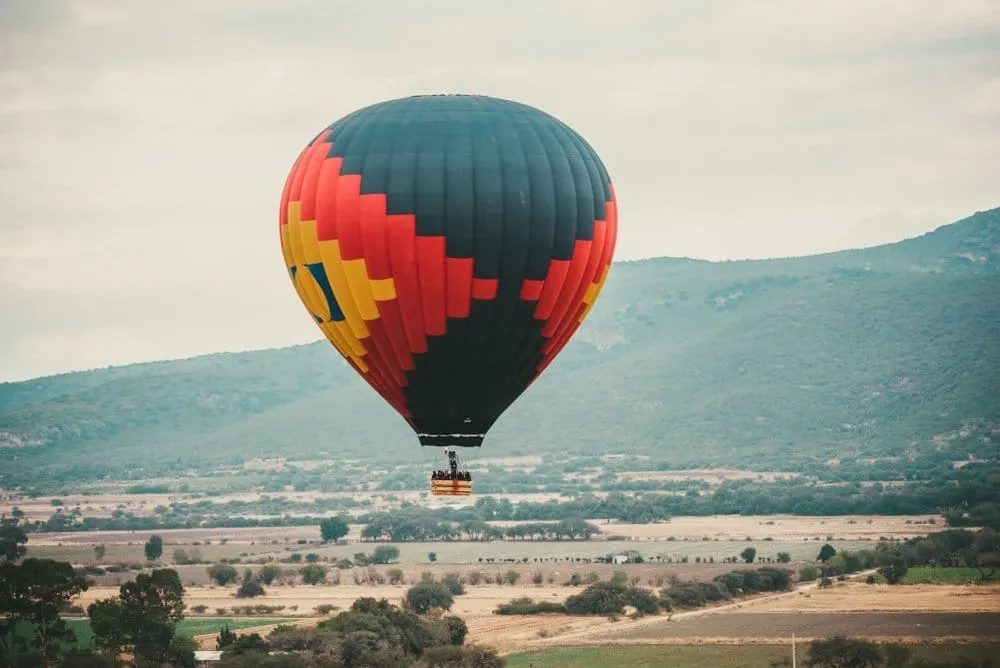
Distance: 90 km | Drive: 1.5 hr | Bus: Via Querétaro + connection | Entry: Free | Time needed: 3–5 hours
Tequisquiapan (“Tequis” to locals) is the wine and cheese capital of Querétaro state — a small Magic Town that most international visitors miss entirely.
Wine: The Valle de Tequisquiapan has been producing wine since the 17th century. Notable wineries within 10 km of town: La Redonda (the most established, excellent Tempranillo), Viñas del Marqués (boutique, good Cabernet Sauvignon), and Freixenet Mexico in nearby Ezequiel Montes (30 km) — the Mexican operation of the famous Spanish cava producer. Tours and tastings run 150–350 MXN per person; most require advance booking for weekends.
Cheese: The Querétaro valley is one of Mexico’s best cheese-producing regions. The covered mercado municipal in Tequisquiapan has artisan producers selling queso panela, queso de bola, manchego, and smoked varieties. Prices are dramatically lower than in tourist markets. Pair with local wine for an excellent picnic.
Temazcal: Several hotels and spas in Tequisquiapan offer traditional temazcal (pre-Hispanic steam bath) sessions — typically 2 hours, 400–800 MXN per person, includes medicinal herbs and a curandero (healer) leading the ceremony. This is the real indigenous practice, not a tourist-resort approximation.
Main square: Small, quiet, and lined with craft shops selling opal jewelry (Querétaro state provides most of Mexico’s opals), wicker baskets, and local honey. Good for a slow afternoon walk.
How to get there: Car (1.5 hr via Querétaro bypass) is most comfortable. By bus: Querétaro city → Tequisquiapan local service (40 min, ~35 MXN); add the 1.5 hr from SMA to Querétaro. Combine with Bernal on the same day — they’re 30 km apart.
9. Guanajuato City — The Full-Day UNESCO Experience (90 km)
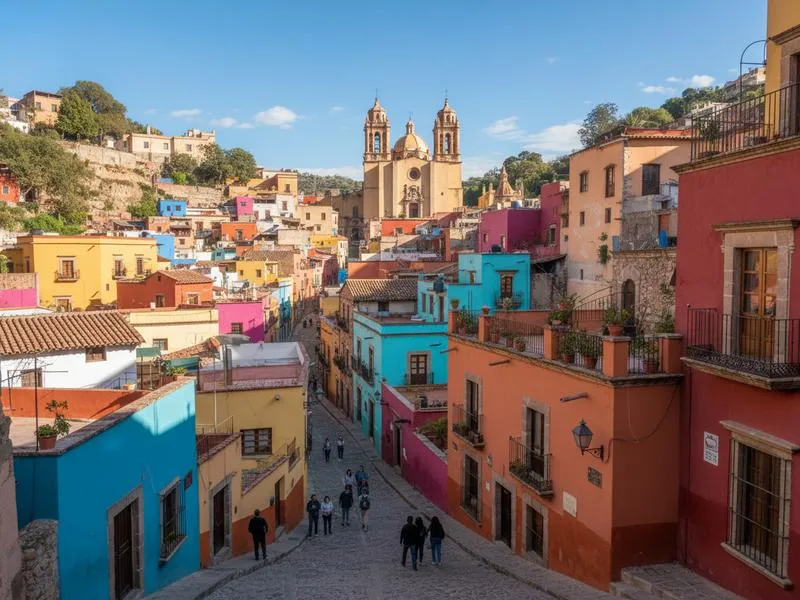
Distance: 90 km | Drive: 1.5 hr | Bus: 130–180 MXN, ~1.5–2 hr | Entry: 111 MXN (Mummy Museum) | Time needed: Full day (8 AM–9 PM)
Guanajuato City is the best day trip from SMA if you can do only one. It’s a UNESCO World Heritage city (1988) — a former silver mining capital whose colonial architecture is some of the finest in the Americas, and whose layout defies normal logic.
Don’t miss:
- Underground tunnels: The city’s flood canals were converted to roads in the 1960s — you drive beneath the city through baroque arched tunnels. Walking through them as a pedestrian (there are gaps and openings) is disorienting and wonderful.
- Alley of the Kiss (Callejón del Beso): Two balconies 69 cm apart across a narrow alley. Legend: couples who kiss there on the third step are guaranteed 7 years of happiness. Touristy? Yes. Charming? Also yes.
- Callejoneada: Student minstrel groups in period costume (callejones = alleys) lead singing, drinking processions through the city’s narrow streets. Departures from Jardín Unión at 6 PM, 8 PM, and 10 PM. 150–200 MXN to join. This is the best single activity in Guanajuato and the reason to stay into the evening.
- Alhóndiga de Granaditas: The granary where royalist forces barricaded themselves in 1810. Hidalgo’s forces broke in by fire — the rampaging miner El Pípila strapped a stone slab to his back and crawled through gunfire to light the doors. Now a museum of Guanajuato history. 60 MXN.
- Mummy Museum (Museo de las Momias): 111 naturally mummified bodies from the 1833 cholera epidemic — exhumed when families couldn’t pay the crypt tax. Morbid and genuinely fascinating. Lines get long; arrive before 10 AM.
- Mercado Hidalgo: Iron market structure from 1910, selling food, crafts, and silver jewelry. Enchiladas mineras (Guanajuato style: in red salsa with potato and carrot) are the thing to eat here.
How to get there: Primera Plus runs several direct buses daily from SMA’s central terminal (1.5–2 hrs, 130–180 MXN). Alternatively, take a bus via Dolores Hidalgo (more scenic road). Car: 1.5 hrs via the SMA → Dolores Hidalgo → Guanajuato route (Highway 51 north then connecting road) or faster via Silao and Highway 45 (1 hr 20 min, less scenic).
Important: Leave SMA by 8–9 AM. Aim to catch the 8 PM callejoneada. Return buses run until 10–11 PM from Guanajuato’s Central de Autobuses.
10. León — Mexico’s Leather Capital (130 km)
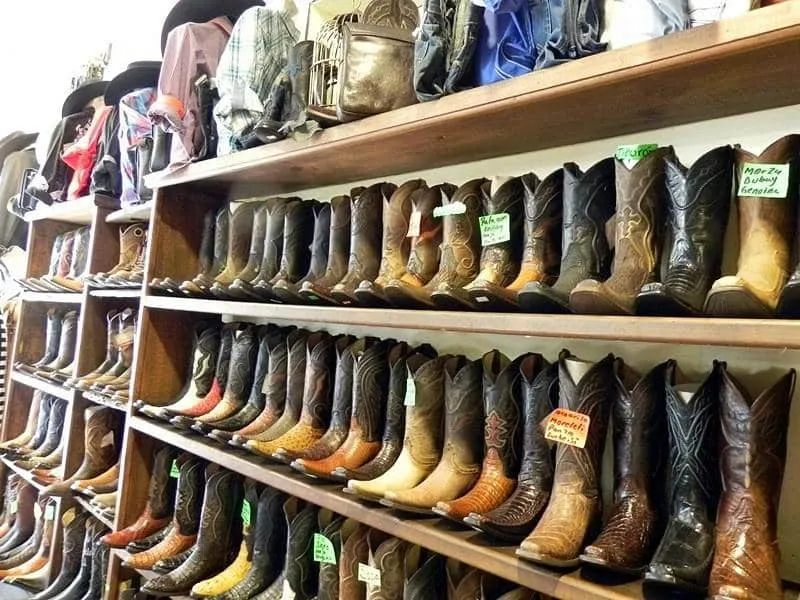
Distance: 130 km | Drive: 2 hr | Bus: Via Silao, ~2 hr | Entry: Free | Time needed: 4–6 hours
León is the largest city in Guanajuato state (1.6 million residents) and handles 70% of Mexico’s leather goods production. If you need boots, bags, belts, or any leather goods, nowhere in Mexico beats León for quality, variety, and price.
Where to shop:
- Zona Piel (Blvd. Adolfo López Mateos): The main leather district — dozens of factory showrooms and retail stores. Best for mid-range and wholesale prices.
- Plaza Mayor del Calzado: Shopping mall format, air-conditioned, mostly footwear. Good for comparison shopping.
- Barrio de San Miguel: Boutique leather workshops and ateliers in a colonial neighborhood near the historic center. Higher quality, higher prices, but genuinely artisan production. Some makers do custom work.
Beyond shopping:
- Expiatory Temple (Templo Expiatorio): A neo-Gothic cathedral modeled on Cologne Cathedral — the interior has stunning stained glass windows and intricate stone carvings. Free entry.
- Fórum Cultural Guanajuato: Free contemporary arts and culture center with permanent collection and rotating exhibitions. Architecture alone is worth seeing.
- Food: Try guacamaya (León’s iconic street sandwich: chicharrón, pickled vegetables, and chile in a round roll) from street stalls near Mercado Hidalgo for 35–60 MXN.
How to get there: Direct buses from SMA via Silao (2 hours, 150–220 MXN) with ETN or Primera Plus. Car: 2 hours via Highway 45 through Silao. León’s Bajío International Airport (BJX) handles direct US flights if you’re planning to fly in separately for a shopping trip.
Best Combination Routes
Route 1: The UNESCO Heritage Trail (2 days, best with car)
Day 1: Atotonilco Sanctuary → Dolores Hidalgo (ice cream + museum) → Mineral de Pozos (ruins + instruments)
Day 2: Guanajuato City (full day, callejoneada at 8 PM)
Total driving: ~200 km
Route 2: Independence Circuit (1 long day)
SMA → Atotonilco (20 min, 1 hr visit) → Dolores Hidalgo (50 min, 3 hrs) → return to SMA
By car or bus, fully doable. ~120 km total round trip.
Route 3: Wine & Monolith Loop (1 day, car recommended)
SMA → Querétaro City (1 hr, 2 hrs) → Bernal (45 min, 2 hrs hike + gorditas) → Tequisquiapan (30 min, wine tasting + cheese market) → SMA (1.5 hr return)
~220 km total. Start by 8 AM.
Route 4: Hot Springs + Ghost Town
SMA → La Gruta hot springs (20 min, 3 hrs) → Comonfort (40 min, 2 hrs, lunch) → SMA
Easy half-day or full day. Car needed for hot springs portion.
Seasonal Calendar
| Month | Best Day Trips | What’s On |
|---|---|---|
| Jan–Feb | Querétaro, Guanajuato City | Off-peak, smaller crowds everywhere |
| Mar | All options open | Spring equinox at Bernal (Mar 21): thousands climb the peña in white |
| Apr | Dolores Hidalgo, Atotonilco | Semana Santa (Holy Week): processions in Dolores Hidalgo + pilgrims walking to Atotonilco |
| May | Hot springs (weekdays only), Bernal | Bernal’s festival de la Santa Cruz (May 3) |
| Jun–Aug | Tequisquiapan wine route | Guanajuato’s Festival Internacional Cervantino (Oct) — book ahead |
| Sep | Dolores Hidalgo | Sep 15–16: Independence celebration at Dolores Hidalgo main plaza — massive, worth planning around |
| Oct | Mineral de Pozos, Querétaro | Pozos Day of the Dead (Oct 31–Nov 2): most atmospheric in the region |
| Nov | Guanajuato City, Querétaro | Día de Muertos processions |
| Dec | All except Mineral de Pozos (some workshops close) | Christmas markets in Guanajuato City |
Budget Guide
| Trip Type | Budget | Mid-Range | Splurge |
|---|---|---|---|
| Atotonilco + Dolores Hidalgo | $12–18/person (bus + food + ice cream) | $25–40 (car rental split 2) | — |
| Hot Springs (La Gruta) | $10–15 MXN 140 entry + taxi | $55–80 Escondido Place + car | $100+ Escondido + lunch |
| Guanajuato City full day | $25–35 (bus + museum + food + callejoneada) | $45–65 (car + extras) | $80+ (car + nicer dinner) |
| Querétaro + Bernal + Tequisquiapan | $20–30 (bus + wine tasting) | $60–90 (car + two tastings + lunch) | $120+ with spa temazcal |
| Mineral de Pozos | $15–20 (car split + food) | $30–40 | — |
| León leather shopping | $30–50 (bus + inevitable purchases) | $100–200 (car + shopping budget) | Unlimited |
Common Mistakes to Avoid
- Choosing Guanajuato City for a lazy half day. It deserves a full day, ideally with enough time for an evening callejoneada.
- Trying to do the hot springs without arranging your return. Getting out there is easy, getting back can be annoying if you do not pre-book a taxi or rent a car.
- Assuming Bernal and Tequisquiapan are easy by direct bus. They are doable, but the connection through Querétaro adds time. A car makes that combo much smoother.
- Going to La Gruta on a weekend. Saturday and Sunday crowds change the experience completely.
- Cramming Dolores Hidalgo, Pozos, and Guanajuato City into one day. Pick two, or you will spend more time in transit than enjoying the stops.
Practical Tips
Car rental: Pick up at Bajío International Airport (BJX) in Silao rather than SMA itself — 20–30% cheaper and more vehicle selection. A car unlocks Mineral de Pozos, the hot springs, and the Querétaro wine route.
Bus terminal: SMA’s Central de Autobuses (Carretera 51, 10–15 min taxi from Jardín Principal) runs all intercity buses. Buy tickets at the counter on the day — advance booking rarely needed except during Semana Santa, long weekends, and the Cervantino Festival (October).
Safety: All destinations listed here are safe for tourists. The colonial Bajío circuit (SMA, Guanajuato, Querétaro, Dolores Hidalgo) carries no meaningful elevated risk. Guanajuato state’s US Level 3 advisory reflects activity in industrial zones (Celaya, Salamanca) and does not apply to the tourist corridor. See our Mexico travel advisory guide for state-by-state detail.
Getting back late: Guanajuato City buses run until 10–11 PM from both SMA and Guanajuato. If you join the 10 PM callejoneada, you’ll be back in SMA by midnight — plan accommodation accordingly if you’re cutting it close.
Best season for day trips: March through May (mild, dry, pre-summer) and October through November (Cervantino, Day of the Dead, pleasant temperatures). Avoid the hot springs on weekends year-round.
Related Reading
- Best Time to Visit San Miguel de Allende 2026 — complete month-by-month guide including Semana Santa, patron saint fiestas, and festival timing
- Things to Do in San Miguel de Allende 2026 — 25 activities ranked including Atotonilco, hot springs, and El Charco del Ingenio
- Guanajuato City Travel Guide 2026 — underground tunnels, Mummy Museum, silver mining history
- Things to Do in Guanajuato City — 25 activities ranked
- Day Trips from Guanajuato 2026 — 10 excursions from Guanajuato City
- Mineral de Pozos Guanajuato — ghost town, mining ruins, pre-Hispanic instruments
- Dolores Hidalgo Guanajuato — full guide to the birthplace of Mexican Independence
- Best Hot Springs in Mexico — La Gruta, Escondido Place, Taboada and 12 more
- Mexico City to San Miguel de Allende — bus from Terminal Norte (not TAPO), driving via Querétaro, real prices
- Colonial Mexico Travel Guide — the full Silver Route through the Bajío
- Mexico Travel Advisory 2026 — all 32 states ranked for tourists