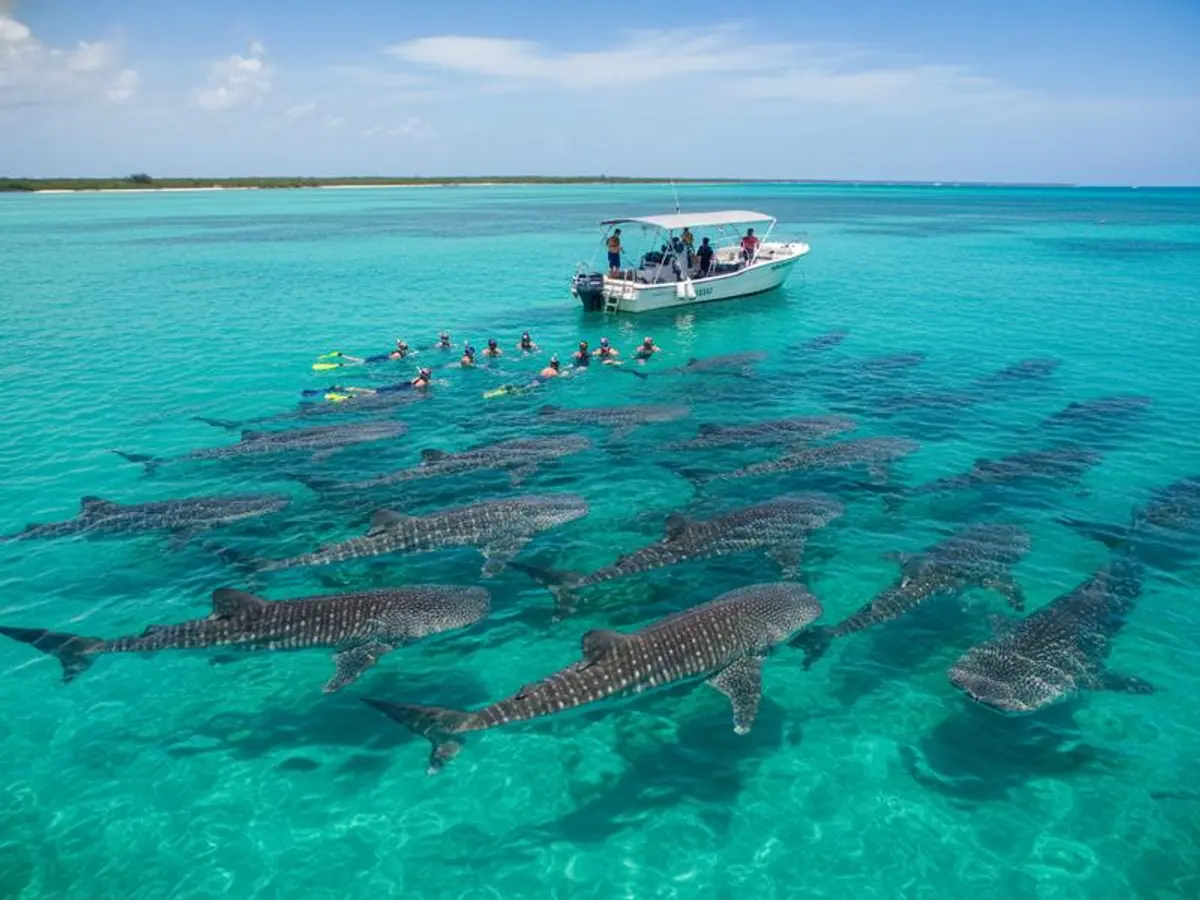
Swim With Whale Sharks in Mexico: Holbox vs Isla Mujeres vs La Paz (2026)
Swim With Whale Sharks in Mexico in 30 Seconds
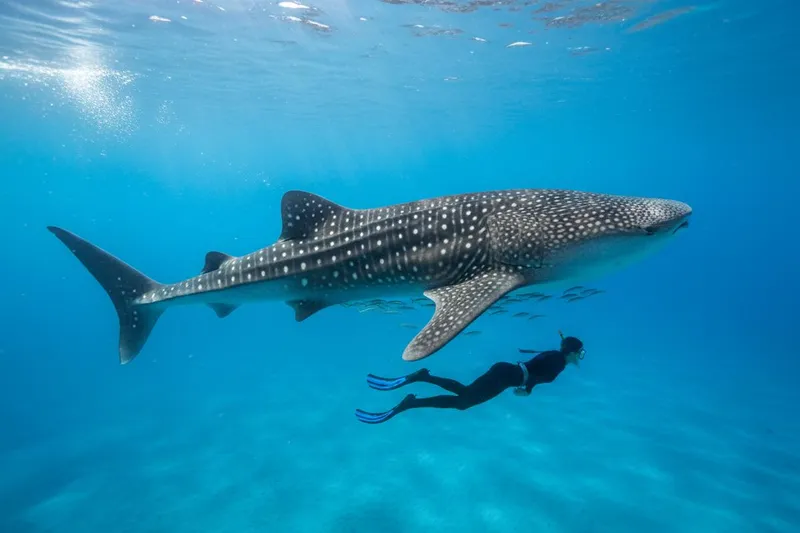
Yes, you can swim with whale sharks in Mexico, and the best place depends on when you are traveling.
Isla Mujeres is the easiest pick from Cancún and usually has the highest shark numbers in June through September. Holbox is better if you want a wilder island trip and do not mind longer logistics. La Paz is the best off-season option, with whale shark encounters running October through May at lower prices and with fewer boats.
| If you want… | Best pick | Why |
|---|---|---|
| The easiest whale shark trip from Cancún | Isla Mujeres | Shortest logistics, lots of operators, strongest June to August shark density |
| A quieter, more remote-feeling experience | Holbox | Better if whale sharks are part of a slower island stay, not just a day trip |
| Whale sharks outside summer | La Paz | October to May season, lower prices, and easier half-day logistics |
| The best value | La Paz | Usually the cheapest tours in Mexico |
| The most famous Mexico whale shark season | Isla Mujeres or Holbox | Peak July to August in the Mexican Caribbean |
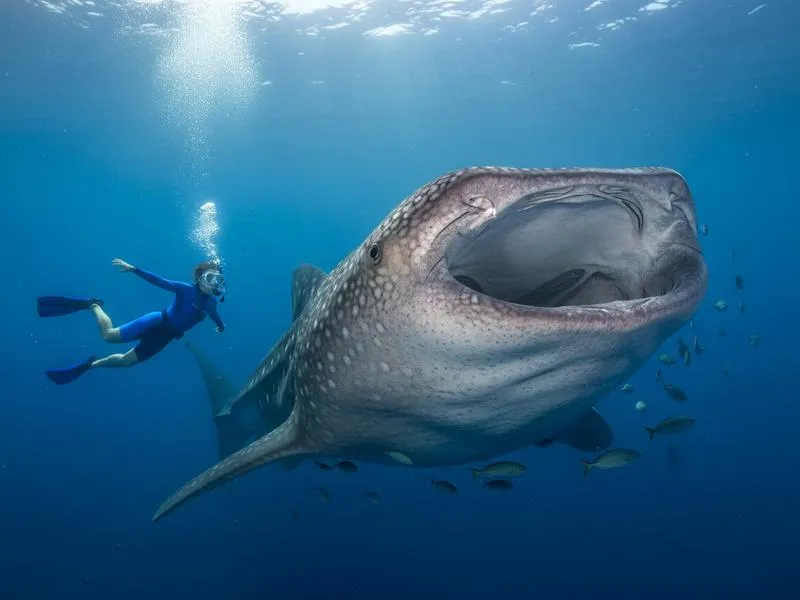
A whale shark is not a whale. It is the largest fish on Earth, a gentle filter feeder that can reach around 12 meters (40 feet). Swimming beside one feels surreal, but the real planning question is simpler: Mexican Caribbean in summer, or La Paz outside summer.
This guide compares Holbox, Isla Mujeres, and La Paz by season, price, logistics, regulations, and what each trip feels like in real life.
Best Place to Swim With Whale Sharks in Mexico by Trip Style
- Staying in Cancún or Isla Mujeres: Book Isla Mujeres. It is the most convenient, and the operator choice is much better. Pair it with our Isla Mujeres travel guide.
- Already planning a Holbox stay: Do Holbox. The whale shark tour makes the most sense when you are already committing to the island, and our Holbox travel guide helps with the ferry and overnight logistics.
- Traveling in winter or spring: Go to La Paz. The Yucatán season will be closed, so start with our La Paz travel guide.
- Prone to seasickness: La Paz is usually the safer bet because the ride is shorter and often calmer.
- Want whale sharks plus sea lions or Espíritu Santo: La Paz wins easily.
Holbox: Remote, Wild, Harder to Reach
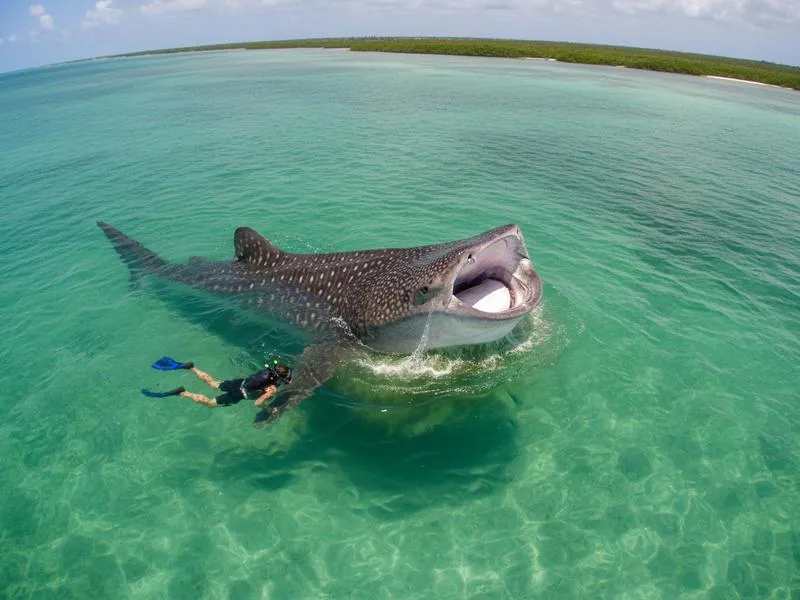
Season: Mid-June through mid-September. Peak: July–August.
Holbox sits at the northwestern tip of the Yucatán Peninsula where the Gulf of Mexico meets the Caribbean. The warm, nutrient-rich water creates conditions where whale sharks aggregate to feed on fish spawn — specifically, the mass spawning of little tunny (a type of tuna) that happens in summer.
Getting there:
Cancún → Chiquila (2.5 hrs by car or bus) → Holbox ferry (20–30 min). Total: 3–4 hours from Cancún. See our full Holbox travel guide for island logistics.
Tour details:
- Duration: Full day (8 AM departure, return ~4 PM)
- Cost: 2,500–3,000 MXN ($125–150 USD) per person
- Included: Boat, snorkel gear, life jacket, lunch, fishing off the boat
- Group size: 6–12 people per boat, max 2 swimmers per shark
- Departure point: Holbox island marina
Honest assessment: Holbox tours cover more open water before finding sharks — you might spend 90 minutes at sea getting to the aggregation zone. When you find the sharks, the experience is spectacular. The island itself (no cars, hammocks in the sea, bioluminescence) makes the journey worthwhile.
Book through: Holbox tour operators directly on the island, or search Viator for Holbox whale shark tours.
Isla Mujeres: The World’s Best Whale Shark Access
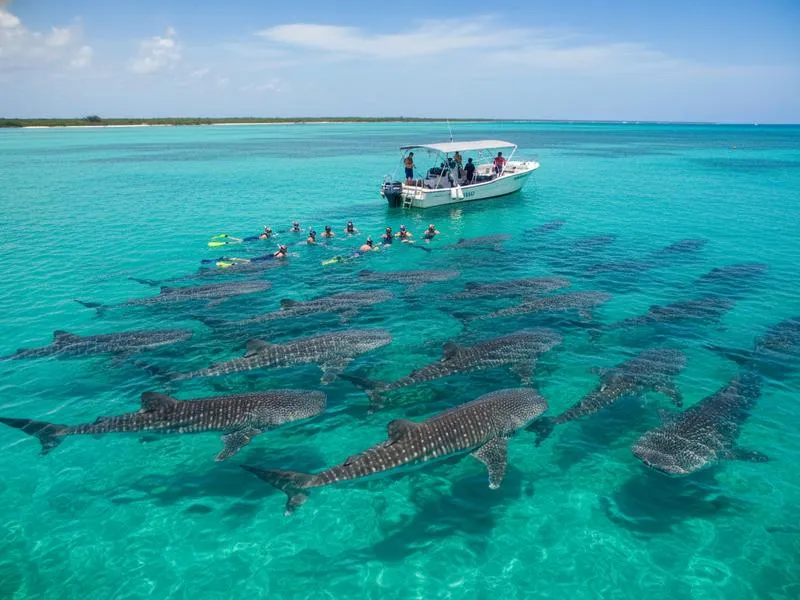
Season: June through September. Peak: July–August (up to 800 animals).
The waters between Isla Mujeres, Isla Contoy, and Holbox form what researchers call “Afuera” — an open ocean aggregation zone where whale sharks gather to feed on fish spawn and zooplankton in extraordinary numbers. In peak season, there are more whale sharks here than anywhere else on Earth.
Getting there:
Cancún → Isla Mujeres ferry (15–25 min, 90–200 MXN). Most tours depart from Isla Mujeres or directly from Cancún’s Puerto Juárez. See our Isla Mujeres travel guide.
Tour details:
- Duration: Full day (6:30 AM departure from Cancún, return ~4 PM)
- Cost: $100–150 USD from Cancún; $80–120 from Isla Mujeres
- Included: Boat, snorkel gear, life jacket, breakfast, lunch, sometimes Isla Contoy visit
- Group size: 6–15 per boat; strict 2 swimmers + 1 guide per shark rotation
- Departure: Puerto Juárez (Cancún) or Isla Mujeres marina
Mexican regulations at the Afuera zone:
- Snorkel only — no scuba
- Maximum 2 swimmers per shark at a time, rotating in groups
- Boats maintain 30-meter minimum distance from animals
- No touching the sharks (fin-grabbing is illegal and gets guides banned)
- Flash photography banned
- Certified operators only — check the official list at SEMARNAT
Peak day logistics: July and August weekends can have 100+ boats in the aggregation zone. Early-week departures are noticeably calmer. Budget travelers booking from hostels in Cancún can find good deals through hostel operators — often 15–20% cheaper than online booking.
Book through: Viator Isla Mujeres whale shark tours, or walk the ferry dock at Isla Mujeres and compare operators directly.
La Paz, Baja California: The Off-Season Alternative
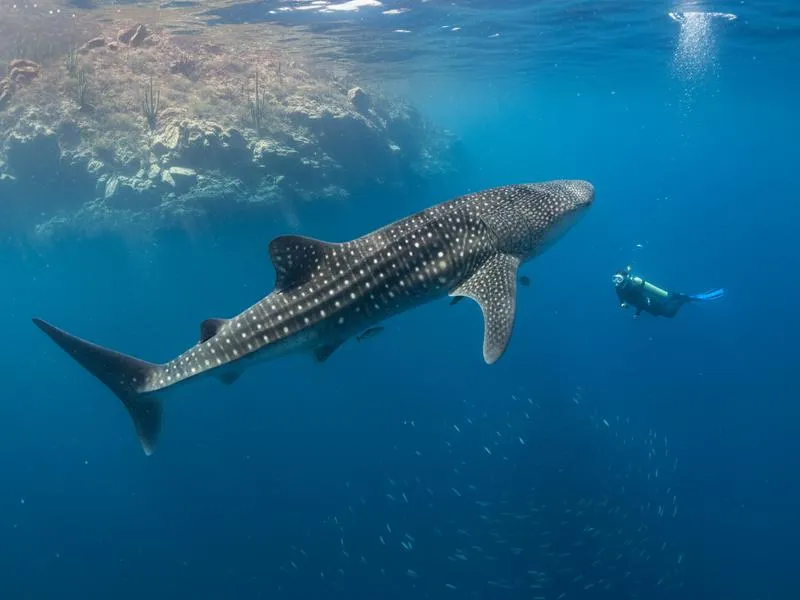
Season: October through May. Peak: December–February.
La Paz’s whale sharks are a different population from the Yucatán animals. They aggregate in the waters north of the city — particularly between Isla Partida and the open water south of Espíritu Santo — drawn by the cold, plankton-rich upwelling of the Sea of Cortez. This is the most accessible whale shark encounter in the world: the animals feed 15–20 minutes from La Paz marina, and 90% of tours find sharks within the first 30 minutes.
Getting there:
La Paz is 3 hours by car from Los Cabos Airport (SJD) or 30 minutes by plane from Guadalajara, CDMX. See our full La Paz travel guide.
Tour details:
- Duration: Half day (4–5 hours)
- Cost: $60–90 USD per person (cheapest whale shark encounter in Mexico)
- Included: Boat, snorkel gear, guide, light snacks
- Bonus: Most tours combine whale sharks with sea lions at Los Islotes colony (500 animals)
- Group size: 6–10 per boat
What makes La Paz different:
- Snorkeling in the Sea of Cortez with whale sharks, then immediately swimming with sea lion pups who genuinely want to play with you
- Can be combined with Espíritu Santo Island kayaking and beach camping
- December–February: whale sharks AND gray whale watching tours available from nearby Magdalena Bay
Book through: Viator La Paz whale shark tours, or walk the Malecón waterfront and book directly — local operators here are excellent.
Three-Way Comparison Table
| Factor | Holbox | Isla Mujeres | La Paz |
|---|---|---|---|
| Season | Jun–Sep | Jun–Sep | Oct–May |
| Peak months | Jul–Aug | Jul–Aug | Dec–Feb |
| Shark numbers | Dozens | Hundreds | Dozens |
| Travel time | 3–4 hrs from Cancún | 45 min from Cancún | 30 min from La Paz marina |
| Cost per person | $125–150 USD | $100–150 USD | $60–90 USD |
| Crowds (boats) | Moderate | High in peak season | Low |
| Commercial atmosphere | Low | Moderate–High | Low |
| Combined with | Island beach, bioluminescence | Isla Contoy, Playa Norte | Sea lions, Espíritu Santo |
| Best for | Adventure travelers | Convenience seekers | Baja travelers, best value |
Essential Tips for the Experience
Seasickness: Both Holbox and Isla Mujeres tours involve open ocean crossings in sometimes-choppy water. Take Dramamine or Bonine the night before and morning of if you’re prone to motion sickness. La Paz is usually calmer.
Sunscreen rules: Only reef-safe, mineral sunscreen is permitted. Oxybenzone-based sunscreens are illegal in Mexican protected marine areas and genuinely damage coral. Wear a full rash guard instead — it’s more effective anyway.
What to bring: Rash guard (jellyfish in Holbox June–September), waterproof camera or GoPro, cash in MXN (many operators don’t take cards), motion sickness medication, reef-safe sunscreen.
Photography: GoPro on a short pole mount works best — you’ll want both hands free for swimming, and you won’t have time to fuss with settings. Bring a float for your camera.
If it rains: Tours run in light rain. After rain, whale sharks often dive deeper to avoid freshwater (rainwater sits on the salt water surface). Choppy post-storm seas can make finding sharks harder. This is unavoidable in rainy season — most operators won’t refund for natural conditions, but some will offer rebook credits.
For the full picture of Mexico’s marine wildlife calendar — including humpback whales, sea turtles, and flamingos — see our Mexico rainy season guide and the whale watching Mexico guide. For the best-value whale shark experience at season opening, see Cancun in May 2026 — small groups, low prices, first arrivals mid-May. Planning a Cancun trip around peak season? See our Cancun in July guide for whale shark tours, World Cup atmosphere, and the best sargassum-free beaches. For August — when whale shark numbers peak alongside sea turtle nesting season — see our Cancun in August guide. For the final weeks of the season at the year’s lowest prices, see Cancun in September — early September still has 50-200 sharks, with Independence Day as a bonus.
For complete August planning — bioluminescence, sea turtles, Fiestas Patrias, and Copper Canyon waterfalls alongside whale sharks — see our Mexico in August 2026 guide.
Travel insurance that covers emergency medical care and weather-related interruption is smart for any marine wildlife tour.