Best Time to Visit Puebla 2026: Chiles en Nogada, Cinco de Mayo & Month-by-Month Guide
Puebla is a UNESCO World Heritage city of 3.2 million people in central Mexico, sitting at 2,162 meters altitude on a high plateau between Mexico City and the Gulf Coast. Its temperate highland climate means mild temperatures year-round, no extreme heat, and afternoon rains from June to September. The city has one of Mexico’s most distinctive food identities — mole poblano and chiles en nogada were both born here — and two events that place it on the national calendar: the country’s most important Cinco de Mayo celebration and the best chiles en nogada season in the world.
Best and Worst Months at a Glance
| Month | Weather | Rain | Key Events | Crowds | Prices | Rating |
|---|---|---|---|---|---|---|
| Jan | ⭐⭐⭐⭐ Mild 21°C | None | Quiet month | Very low | Low ✅ | ⭐⭐⭐⭐ |
| Feb | ⭐⭐⭐⭐ Mild 22°C | None | Carnaval (Huejotzingo!) | Low | Low ✅ | ⭐⭐⭐⭐⭐ |
| Mar | ⭐⭐⭐⭐⭐ Warm 24°C | None | Semana Santa (Mar 29) | Building | High | ⭐⭐⭐⭐ |
| Apr | ⭐⭐⭐⭐⭐ Warm 26°C | Trace | Easter (Apr 5) | Peak 🔴 | Peak 🔴 | ⭐⭐⭐ |
| May | ⭐⭐⭐ Warm 27°C | Starting | Cinco de Mayo (May 5) | Moderate | Moderate | ⭐⭐⭐⭐ |
| Jun | ⭐⭐⭐ Warm 25°C | Daily PM | — | Low | Low ✅ | ⭐⭐⭐ |
| Jul | ⭐⭐⭐ Warm 24°C | Daily PM | Huey Atlixcáyotl | Low | Low ✅ | ⭐⭐⭐ |
| Aug | ⭐⭐⭐ Warm 24°C | Daily PM | Chiles en nogada opens | Moderate | Low-Mod | ⭐⭐⭐⭐ |
| Sep | ⭐⭐⭐ Warm 23°C | Frequent | Chiles en nogada peak | Moderate | Moderate | ⭐⭐⭐⭐ |
| Oct | ⭐⭐⭐⭐⭐ Perfect 22°C | Light | Day of the Dead preparations | Moderate | Moderate | ⭐⭐⭐⭐⭐ |
| Nov | ⭐⭐⭐⭐⭐ Perfect 21°C | None | Day of the Dead (Nov 1–2) | Low | Low ✅ | ⭐⭐⭐⭐⭐ |
| Dec | ⭐⭐⭐⭐ Mild 20°C | None | Christmas Posadas | Peak 🔴 | Peak 🔴 | ⭐⭐⭐ |
Best months overall: October, November, February
Worst months: December 20–January 5 (Christmas peak), Semana Santa week, first days of May (if you dislike crowds)
🌶️ Chiles en Nogada Season: Late July–September
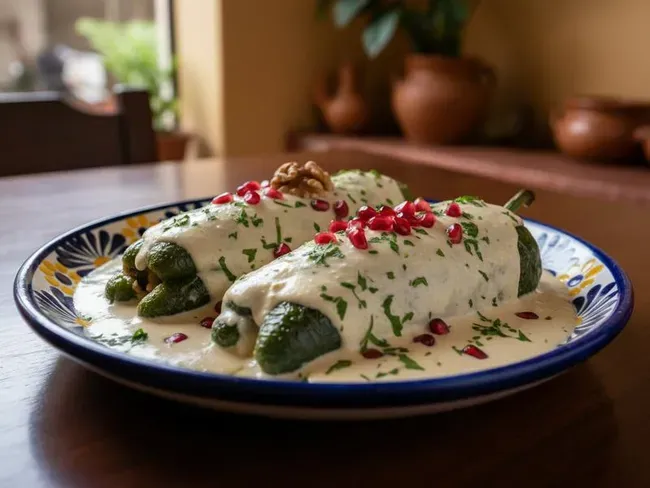
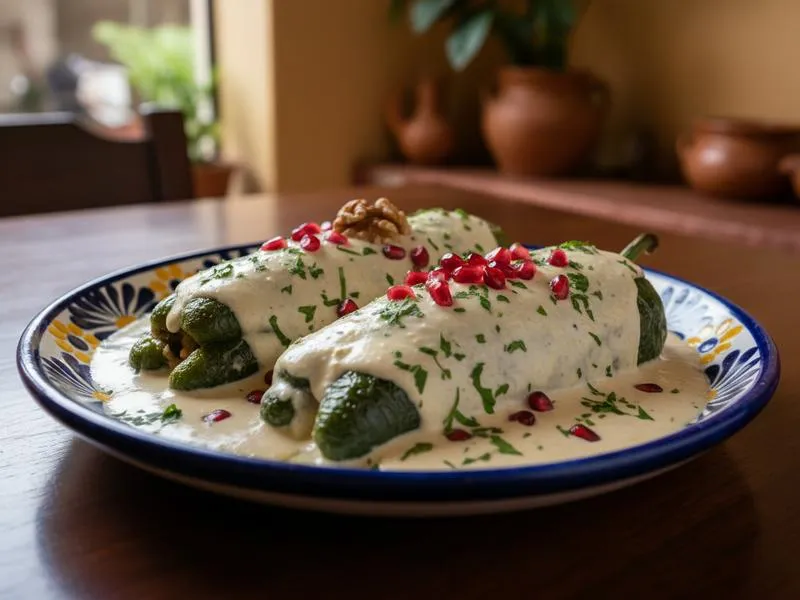
Chiles en nogada is arguably the most technically demanding dish in Mexican cuisine, and Puebla is the only place to eat it properly. The chile poblano is stuffed with a picadillo of fruits, nuts, and pork, covered in cold walnut cream (nogada), and finished with pomegranate seeds and fresh parsley — the red, white, and green of the Mexican flag.
The practical season is short because fresh walnuts of Castile (nueces de Castilla), pomegranates, poblano peppers, and orchard fruit need to overlap. Restaurant dates vary, so use this planning rule:
| Period | Authenticity | What You’ll Get |
|---|---|---|
| Before late July | ❌ Usually unavailable | Choose mole poblano instead |
| Late July | 🟡 Early season | Confirm the restaurant has launched its menu |
| August–early September | ✅ Peak travel window | Broad menu availability and strong ingredient timing |
| Late September | 🟡 Variable | Confirm availability before booking |
| October–June | ❌ Outside the classic season | Do not plan a trip around the dish |
Restaurant opening dates shift each year. For the safest plan, target August or early September and confirm the menu before making a nonrefundable booking. Use the chiles en nogada season guide for a current booking window, then compare restaurants in the Puebla chiles en nogada guide.
A proper plate runs 200–450 MXN ($10–22 USD) depending on venue. Anyone charging under 150 MXN is cutting corners.
If tasting chiles en nogada is your primary reason to visit Puebla, book for September. Weather has stabilized from early-season rains, walnuts are at peak freshness, and the city leans into the tradition — menus everywhere celebrate it.
🎖️ Cinco de Mayo: May 5
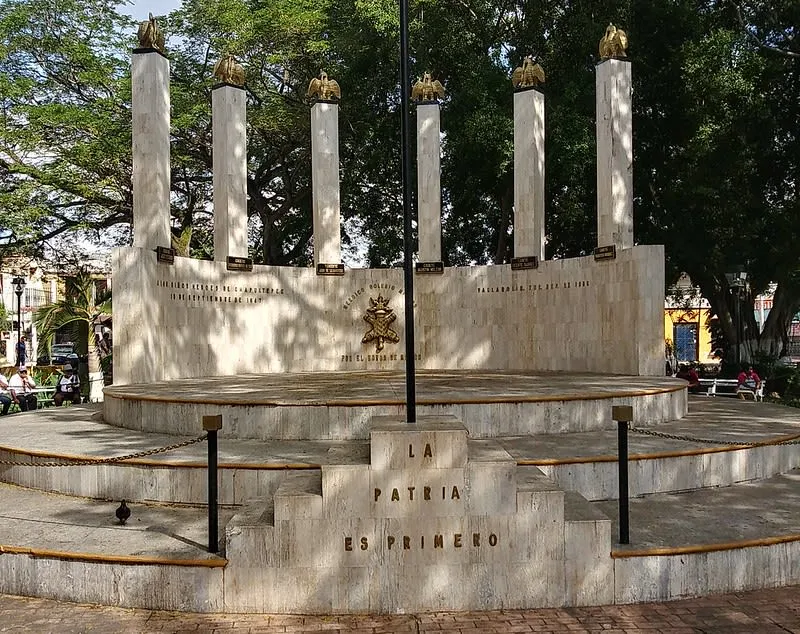
The Battle of Puebla happened here on May 5, 1862, when a smaller, under-equipped Mexican army defeated the French imperial forces under General Lorencez — a French army that hadn’t lost a major battle in 50 years. It’s not Mexico’s Independence Day (that’s September 16) and it’s barely celebrated elsewhere in Mexico. But in Puebla, it’s a genuine civic holiday.
The celebration: The Forts of Loreto and Guadalupe on Cerro de Guadalupe host a full battle reenactment with period costumes, cannon fire, and military formations. State ceremonies follow. Schoolchildren march. It’s patriotic and authentic — nothing like the US bar holiday it became after Mexican workers in California started celebrating it in the 1860s.
Practical notes:
- The reenactment runs from approximately 9 AM to noon on May 5
- Take Uber to the forts (Cerro de Guadalupe, 10 minutes from the historic center)
- Entry to the Forts of Loreto museum is 85 MXN, but the outdoor reenactment space is free
- May 5, 2026 falls on a Tuesday — expect strong turnout of Mexican families
- Book hotels 3–4 weeks ahead for May 3–6
If you can’t make May 5, visit the Forts of Loreto y Guadalupe any other day — the museum covering the battle is excellent (80 MXN), the views of Puebla and Popocatépetl are unmatched, and you’ll have the place nearly to yourself.
🌿 Semana Santa 2026: March 29–April 5
Puebla’s Holy Week is one of the most beautiful in Mexico — more colonial architecture per block than nearly anywhere else means candlelit processions hit differently here.
| Date | Event |
|---|---|
| Mar 29 | Palm Sunday — cathedral procession, street vendors selling palm fronds |
| Mar 30 | Holy Monday — stations of the cross begin |
| Apr 2 | Holy Thursday — washing of feet ceremony at the cathedral |
| Apr 3 | Good Friday — Via Crucis procession at 3 PM through Historic Center. Ley Seca: no alcohol sold |
| Apr 4 | Holy Saturday — Easter Vigil Mass |
| Apr 5 | Easter Sunday — cathedral Mass, families celebrate, city quiets |
Good Friday (April 3) is the main event: the Via Crucis procession carries a life-size figure of Christ through the colonial streets at 3 PM, drawing tens of thousands. The atmosphere is genuinely moving. Ley Seca applies from midnight Thursday through midnight Friday — bars, cantinas, and most restaurants won’t serve alcohol.
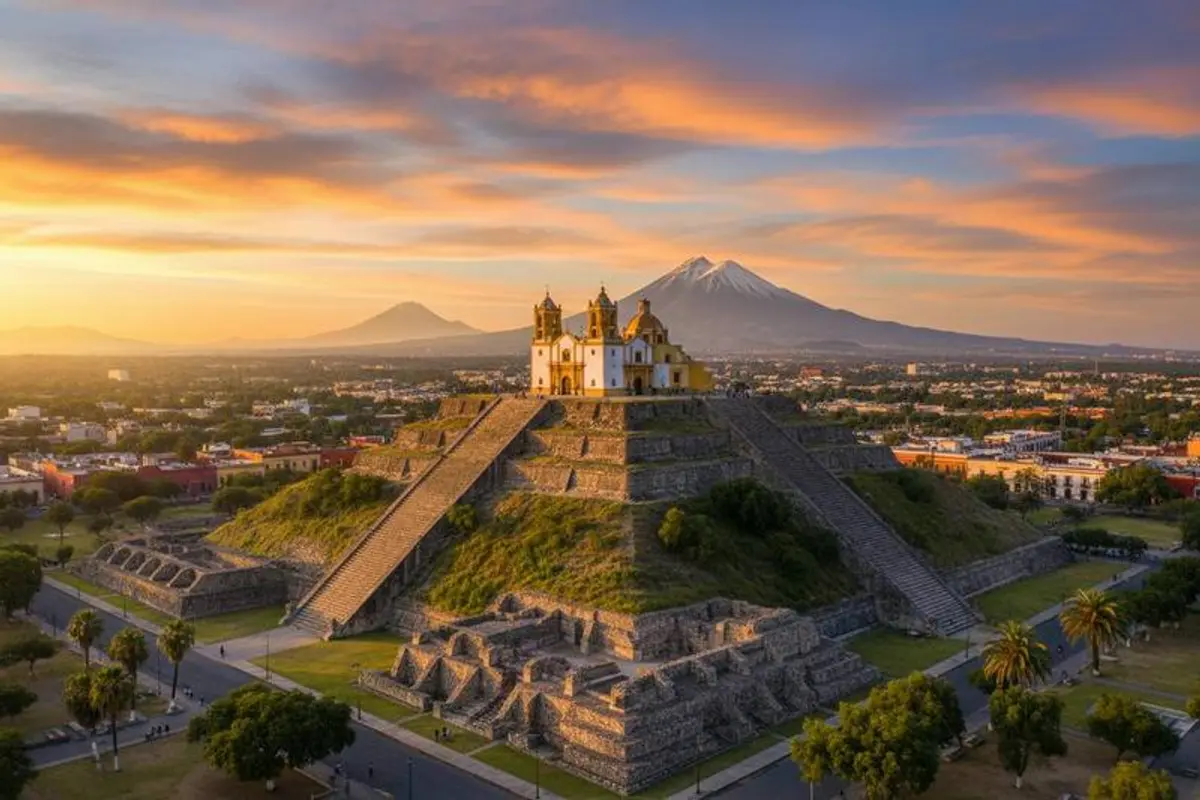
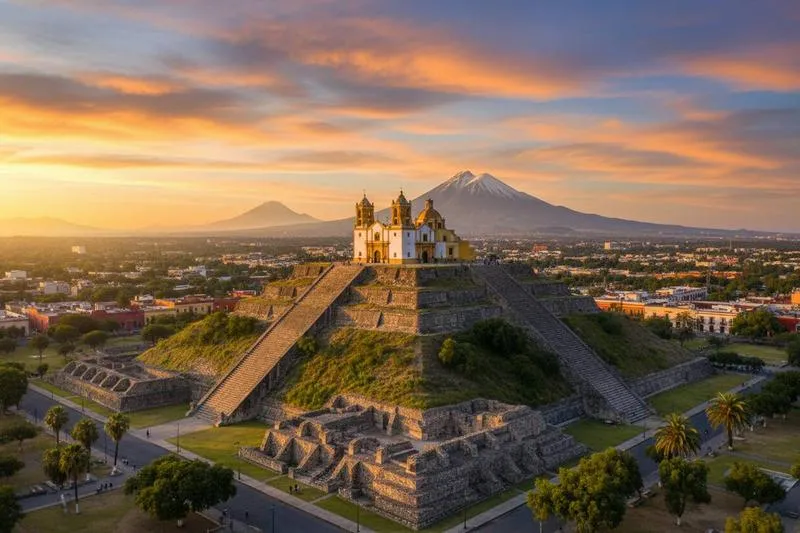
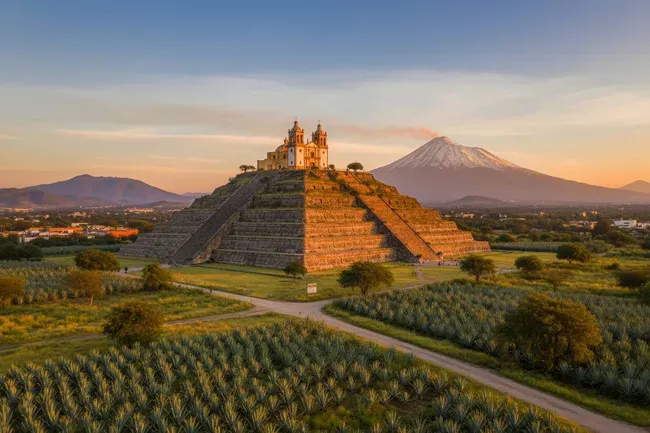
Cholula during Semana Santa: The Pyramid of Cholula (actually a hill with a Spanish colonial church on top) draws enormous Palm Sunday crowds. If you want the pyramid tunnels without queuing, go Tuesday or Wednesday of Holy Week — many day-trippers are already gone.
For a complete day-by-day guide to Holy Week in Puebla, see our dedicated Semana Santa in Puebla 2026 guide — covers Cholula processions, Huejotzingo Franciscan convent, the Zócalo schedule, Ley Seca rules, and the full Semana Santa food guide.
Hotels: Book now if you want Semana Santa 2026. The historic center fills 6–10 weeks ahead.
Dry Season: November–May
The dry season is Puebla’s most visitor-friendly window. Zero rain, mild temperatures, and clear skies that show Popocatépetl and Iztaccíhuatl in full profile from the city.
November (best value month): The overlap of dry weather, no major events, and post-Halloween pricing makes this Puebla’s sweet spot. Day of the Dead celebrations (November 1–2) are smaller and more intimate than Oaxaca — visit the Panteón Municipal for cemetery vigils without the selfie crowds. The main chiles en nogada season has ended, so restaurants pivot back to mole poblano and cemitas.
December: Christmas Posadas (December 16–24) fill the historic center with candlelit processions between neighbors’ houses. Atmospheric, but prices spike December 20–January 5 and streets become impassable on peak shopping days.
January–February: Puebla’s most authentic window. The city runs at its own pace without tourists. February has Carnaval at Huejotzingo — a nearby town’s battle reenactment carnaval is one of Mexico’s most unique (mock battle between Zacapoaxtla Indigenous fighters and French troops, held the four days before Ash Wednesday). Day trip from Puebla, 30 minutes.
March–April: See Semana Santa section above. Pre-Easter (March 1–28) is underrated — warm dry weather, relatively few tourists, full restaurant capacity.
May: Cinco de Mayo aside, May is transitional. Temperatures peak at 27°C and the first rains begin building from mid-May. If you’re not here for May 5, consider visiting April or June instead.
Rainy Season: June–October
Puebla’s rainy season is afternoon-only — mornings are consistently sunny. Thunderstorms typically arrive between 3–6 PM, sometimes dramatic but short. This makes Puebla’s rainy season entirely manageable: schedule outdoor activities (Cholula, Forts of Loreto, rooftop restaurants) before noon or after 7 PM.
The real reason to visit June–October: lower prices and fewer tourists. Hotels run 25–40% below peak rates. The historic center breathes.
Late July–September overlap: The rainy season and chiles en nogada season run simultaneously, which surprises first-time visitors. August or early September is the best window if your goal is chiles en nogada, lower prices, and manageable weather. Mornings are usually the easiest time for outdoor sightseeing.
What changes during rainy season:
- Popocatépetl views: reduced — fog and clouds obscure the volcano afternoon and evening
- Cholula rooftop bars: close early on rainy evenings
- Street food: moves under portales (arcades) along the zócalo — still fully operating
- Huey Atlixcáyotl Festival (last Sunday of September): indigenous dance festival in Atlixco, 25km from Puebla — one of the most spectacular folkloric events in Mexico
Weather by Month
| Month | Avg High | Avg Low | Rain Days | Humidity | Popo Visibility |
|---|---|---|---|---|---|
| January | 21°C / 70°F | 7°C / 45°F | 2 | Low | ✅ Excellent |
| February | 22°C / 72°F | 8°C / 46°F | 3 | Low | ✅ Excellent |
| March | 24°C / 75°F | 10°C / 50°F | 4 | Low | ✅ Good |
| April | 26°C / 79°F | 12°C / 54°F | 6 | Low-Mod | 🟡 Occasional haze |
| May | 27°C / 81°F | 14°C / 57°F | 10 | Moderate | 🟡 Building clouds |
| June | 25°C / 77°F | 14°C / 57°F | 18 | Moderate | 🔴 Often obscured |
| July | 24°C / 75°F | 13°C / 55°F | 20 | Moderate | 🔴 Often obscured |
| August | 24°C / 75°F | 13°C / 55°F | 20 | Moderate | 🔴 Afternoon fog |
| September | 23°C / 73°F | 13°C / 55°F | 20 | High | 🔴 Often obscured |
| October | 22°C / 72°F | 11°C / 52°F | 10 | Low-Mod | ✅ Returning |
| November | 21°C / 70°F | 8°C / 46°F | 4 | Low | ✅ Excellent |
| December | 20°C / 68°F | 7°C / 45°F | 3 | Low | ✅ Excellent |
Altitude note: At 2,162 meters, Puebla can feel cold after sunset even in summer. Always pack a jacket for evenings. Altitude sickness is rare (it’s lower than Mexico City and Oaxaca), but allow 24 hours to acclimatize if coming from sea level.
Prices by Season
| Period | Hotel Range (Historic Center) | Notes |
|---|---|---|
| Jan 7–Feb 15 | $35–110 USD/night | Best value of the year |
| Feb 16–Mar 28 | $40–130 USD/night | Carnaval (Huejotzingo) adds regional demand |
| Mar 29–Apr 5 | $70–250 USD/night | Semana Santa peak — book 6+ weeks ahead |
| Apr 6–Apr 30 | $40–120 USD/night | Post-Easter normality |
| May 1–10 | $55–160 USD/night | Cinco de Mayo bump (May 3–6 most affected) |
| May 11–Jul 31 | $35–110 USD/night | Rainy season low — best deals |
| Late Jul–Sep 30 | $45–130 USD/night | Chiles en nogada season + light demand |
| Nov 1–Dec 15 | $40–120 USD/night | Excellent value with perfect weather |
| Dec 16–Jan 6 | $75–280 USD/night | Christmas/New Year peak — book 8+ weeks ahead |
Budget guide: A comfortable 2-night Puebla weekend costs:
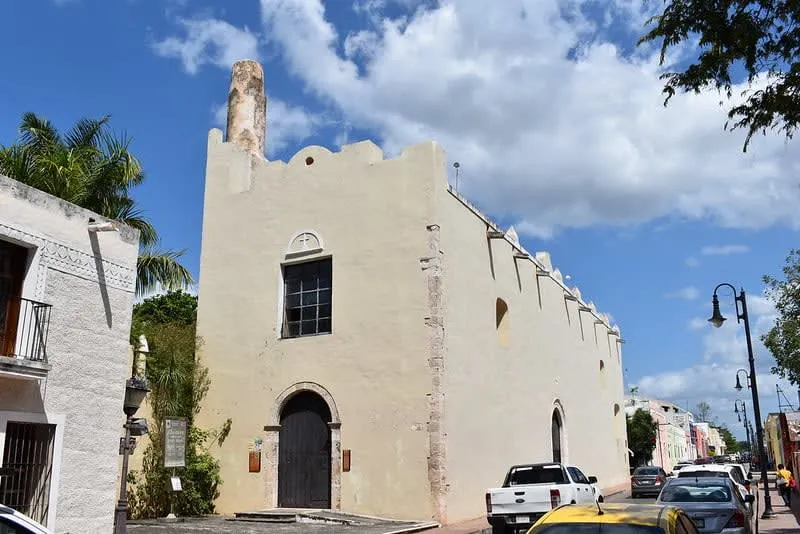
- Budget: $80–120 USD (hostel or budget hotel, cemitas + market food, Cholula, Capilla del Rosario all free or under $5)
- Mid-range: $180–300 USD (boutique hotel near zócalo, restaurant meals, Cholula + Uriarte Talavera factory)
- Upscale: $350–700 USD (historic hacienda hotel, tasting menu at El Mural de los Poblanos, private pottery class)
Puebla vs. Mexico City: Which, When, and Why
| Factor | Puebla | Mexico City |
|---|---|---|
| Best food event | Chiles en nogada (late Jul–Sep) | Year-round |
| Semana Santa | Beautiful — manageable | Large but spread across the city |
| Altitude | 2,162m (mild) | 2,240m (similar) |
| Cinco de Mayo | ✅ Real battle site | Parade only |
| Day trips | Cholula, Tehuacán, Tlaxcala | Teotihuacán, Taxco, Puebla |
| Crowds | Far smaller | Much larger city |
| Prices | 30–40% cheaper than CDMX | Higher across the board |
| Travel time from CDMX | 2 hours (ADO bus) | n/a |
The case for combining both: Puebla is a natural extension of Mexico City — just 2 hours by ADO bus. Most visitors do 2 nights in Puebla as part of a CDMX trip rather than a standalone destination.
Best Time by Activity
| Activity | Best Season | Notes |
|---|---|---|
| Chiles en nogada | Late Jul–Sep | August and early September are the safest dates |
| Mole poblano | Year-round | Available always; best in Nov–Apr when restaurants less crowded |
| Cholula pyramid tunnels | Oct–May | Dry season; less muddy paths |
| Capilla del Rosario | Year-round | Interior unaffected by weather |
| Cinco de Mayo reenactment | May 5 only | Annual battle reenactment at Forts of Loreto |
| Semana Santa processions | Mar/Apr | 2026: March 29–April 5 |
| Talavera pottery workshops | Mon–Fri year-round | Uriarte factory closes weekends and holidays |
| Popocatépetl volcano view | Nov–Apr | Dry season clears the sky |
| Barrio de los Sapos Sunday market | Year-round | Every Sunday; best Nov–May (dry sidewalks) |
| Huejotzingo Carnaval | Feb (Sat before Ash Wed) | 2026: February 14 — day trip from Puebla |
| Huey Atlixcáyotl festival | Last Sunday Sep | Indigenous dance festival in Atlixco, 25km |
Best Time by Travel Style
| You Are | Best Time |
|---|---|
| Food obsessive | August–early September (most reliable chiles en nogada window) |
| History buff | May 5 (Cinco de Mayo) or any dry season month |
| Budget traveler | June–July or November (low season prices, full service) |
| Architecture/art | Any dry season month (Nov–Apr) |
| Photographer | October (afternoon golden light + dry weather + Popo visible) |
| Festival seeker | Semana Santa (Mar/Apr) or Carnaval at Huejotzingo (February) |
| Foodie on a budget | August–September (chiles en nogada prices, rainy season hotel rates) |
| Day tripper from CDMX | Any dry-season weekday — avoid holiday weekends |
| First-time Mexico visitor | November or February — mild, uncrowded, full city access |
| Ceramics/craft buyer | Mon–Fri any dry season — factory workshops open |
What to Skip (and When to Avoid)
| Situation | Verdict |
|---|---|
| Christmas week (Dec 20–Jan 5) | ❌ Peak prices, packed streets, nothing special you won’t see elsewhere |
| Semana Santa if you hate crowds | ❌ Skip unless the processions are your reason to go |
| Chiles en nogada outside late Jul–Sep | ❌ Do not plan around unconfirmed off-season versions; get mole instead |
| July–August for Popocatépetl views | ❌ Afternoon clouds obscure the volcano all season |
| May if not here for May 5 | 🟡 Transitional month — decent but not the best |
| Rainy season for outdoor day trips | 🟡 Fine in mornings; plan Cholula, forts, and market visits before noon |
Getting There and Around
From Mexico City: ADO first-class bus from TAPO (Terminal del Oriente) departs every 15–30 minutes, 5 AM–midnight. Journey: 2 hours, 240–280 MXN ($12–14 USD). Estrella Roja runs direct from CDMX Airport (Terminals 1 and 2) to Puebla’s CAPU terminal — useful if you’re flying into Mexico City and heading straight to Puebla.
By car: México-Puebla toll highway (México 190D), 2 hours, tolls ~200 MXN each way.
Getting around Puebla: The historic center is walkable. Cholula is 20 minutes by Uber (70–100 MXN). For the Forts of Loreto (Cinco de Mayo), take Uber — about 50–70 MXN from the zócalo. The RUTA bus network covers the whole city for 8 MXN per ride, but Uber is more practical for tourists.
Frequently Asked Questions
Is September the best month to visit Puebla?
For most travelers, yes. September lines up chiles en nogada season, greener landscapes, and fewer crowds than December or Semana Santa. You still get some afternoon rain, but mornings are usually usable for walking the historic center and visiting Cholula.
When should I avoid Puebla?
Avoid Semana Santa and the Christmas to New Year stretch if you dislike crowds and elevated hotel prices. June through August can also feel frustrating if you want long dry sightseeing days, since rain is more frequent and afternoons are less predictable.
Is Puebla good in winter?
Yes. November through February is Puebla’s driest, crispest stretch, and it works especially well for food trips, architecture, museums, and nearby towns like Cholula and Atlixco. Evenings can get chilly, so pack a light jacket.
When is chiles en nogada season in Puebla?
The classic season runs from roughly July through September, with August and September being the sweet spot. If that dish is a major reason for your trip, aim for late summer rather than winter or spring.
How many days do you need in Puebla?
Two to three days is enough for most travelers. That gives you time for the historic center, food markets, museums, Cholula, and one slower meal-focused day without turning the trip into a rushed checklist.
Plan Your Puebla Trip
Puebla rewards visitors who time it right. September hits the perfect intersection of chiles en nogada at peak, dry mornings that clear after afternoon rains, and prices well below Christmas or Semana Santa levels. November is the value winner: dry weather, no crowds, excellent mole, and the kind of uncrowded colonial streets that make Puebla feel like a discovery rather than a checklist item.
For the full experience, see the Puebla Mexico Travel Guide 2026, Things to Do in Puebla, What to Eat in Puebla — mole, chiles en nogada season, cemitas — and Day Trips from Puebla.
For context on national safety, read Is Mexico Safe in 2026? and Mexico Travel Advisory 2026.
Book Puebla tours and experiences: Viator Puebla
Travel insurance for Mexico: choose a policy with emergency medical and evacuation coverage.