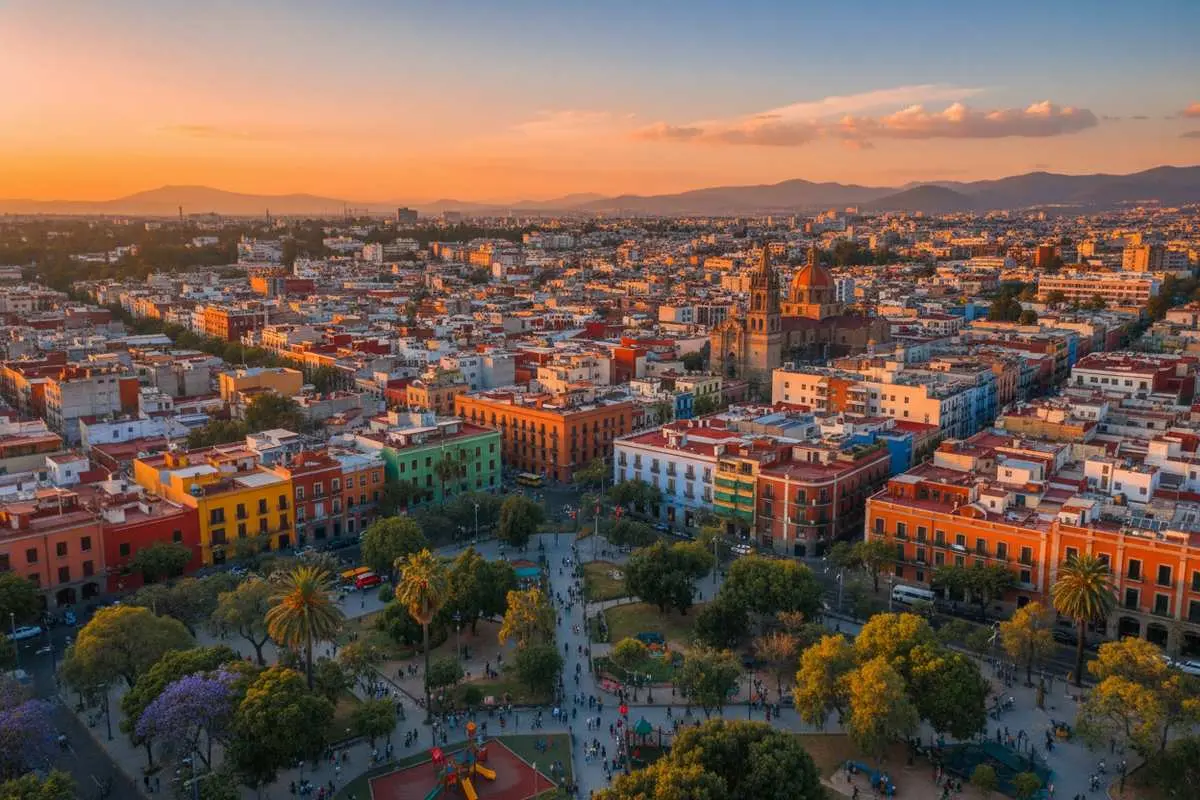
Best Mexico City Neighborhoods to Stay in 2026
The best Mexico City neighborhoods to stay in for most first trips are Roma Norte and Condesa, with Polanco, Centro Histórico, and Coyoacán making sense for more specific travel styles. Stay in Roma Norte if you want the best all-around first-timer base, Condesa if you want parks and calmer nights, Polanco for luxury and business travel, Centro Histórico for history and lower hotel prices, and Coyoacán only if you have extra days and want a slower local feel.
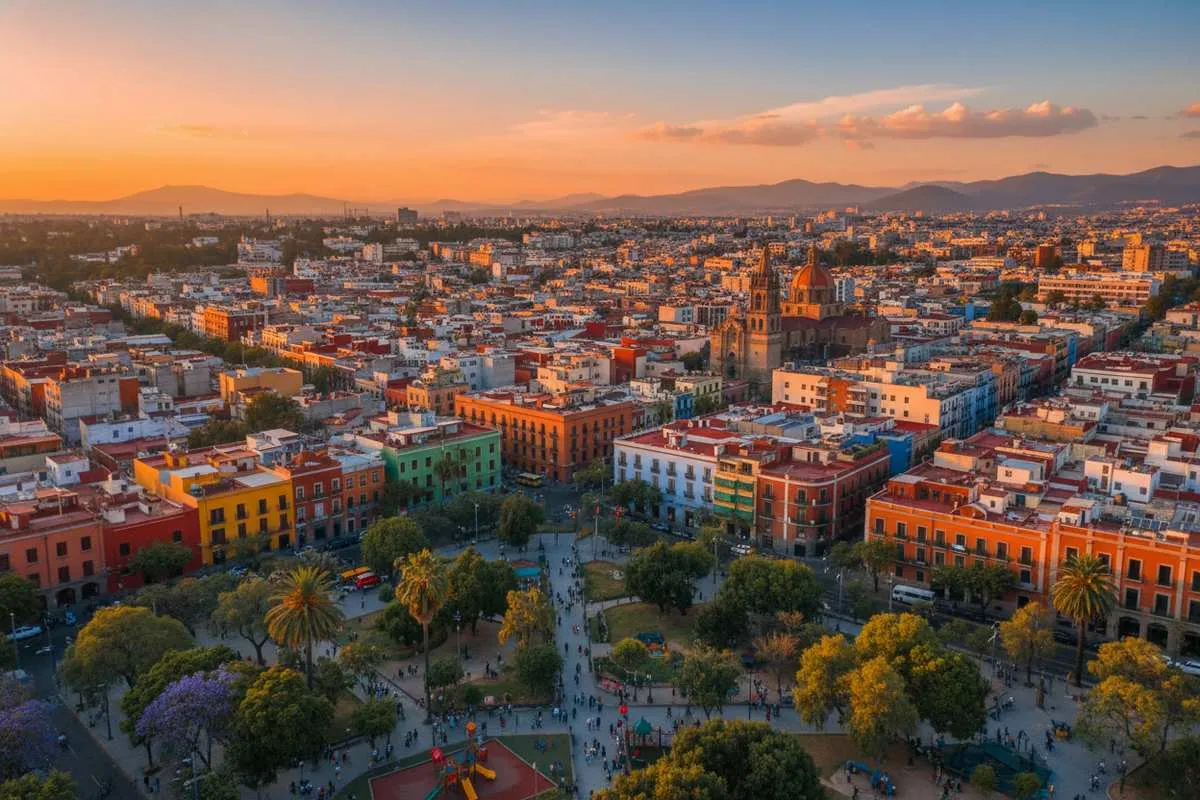
If you want the short answer, Roma Norte and Condesa are the easiest safe areas to stay in Mexico City for a first trip. Polanco is the safest-feeling high-end option, Centro is the best-value historic base if you stay near Bellas Artes or the Zócalo, and Coyoacán is better as a slower 5-day-plus base than a rushed weekend choice.
Mexico City (CDMX) has 9.2 million residents in the city and 21.7 million in the metro area, divided into 16 alcaldías (boroughs) and hundreds of colonias (neighborhoods). For visitors, the relevant areas cluster in a relatively compact central zone, so your main decision is not which neighborhood exists, but which neighborhood is safest and most useful for your trip style.
This guide covers the six main neighborhoods visitors actually compare in 2026, with faster safety, vibe, and hotel-base decisions than the usual generic neighborhood roundups. For broader trip logistics, pair it with our Mexico City Travel Guide 2026, is Mexico City safe?, Mexico City airport transportation guide, and Mexico City nightlife guide.
If your trip is built around the November festival, use the dedicated Corona Capital accommodation guide before booking: the best general sightseeing neighborhood is not always the easiest base for getting to and from the Autódromo each night.
Mexico City Neighborhoods in 30 Seconds
| If you want… | Stay in… | Why |
|---|---|---|
| The easiest safe first trip | Roma Norte | Best balance of walkability, food, nightlife, and central location |
| Parks and calmer nights | Condesa | More residential feel, greener streets, still close to Roma |
| The safest-feeling luxury base | Polanco | Upscale stays, top restaurants, museum access, stronger security presence |
| History and lower hotel prices | Centro Histórico | Fast access to major sights if you stay near Bellas Artes or the Zócalo |
| A quieter, village-like stay | Coyoacán | Colonial atmosphere, plazas, Frida Kahlo access |
| Best day visit, not necessarily a base | San Ángel | Lovely on Saturdays for the art market, limited reason to stay otherwise |
My Quick Recommendation
- First trip to CDMX: Roma Norte
- Couples or families who want quieter nights: Condesa
- Luxury or business trip: Polanco
- Budget trip with history first: Centro Histórico
- 5+ day trip and you want a slower pace: Coyoacán
Quick Comparison: Which Neighborhood Is Right for You?
| Neighborhood | Best For | Safety feel for visitors | Vibe | Daily Budget |
|---|---|---|---|---|
| Roma Norte | First-timers, food lovers, everyone | High in the core restaurant streets | Artsy, walkable, lively | $60–150 |
| Condesa | Couples, families, quiet pace | High and calmer at night than Roma | Elegant, parky, residential | $70–180 |
| Polanco | Luxury travel, fine dining | Highest, with stronger security presence | Upscale, cosmopolitan | $200–600+ |
| Centro Histórico | History buffs, budget travelers | Good in the main tourist core, weaker once you drift too far out | Historic, intense, authentic | $25–100 |
| Coyoacán | Extended stays, local feel, Frida Kahlo | Good, but less central for a short trip | Colonial village, cultural | $40–130 |
| San Ángel | Weekend visits, Saturday market | Good, but limited as a base | Quiet, cobblestones, upscale | $80–200 |
What Most Travelers Get Wrong
- Booking Centro Histórico just because it is cheap. It works for some travelers, but it is not the easiest base at night.
- Assuming Roma and Condesa are interchangeable. They are close, but Roma is livelier and more restaurant-heavy, while Condesa is calmer and greener.
- Staying in Coyoacán on a short trip. It is lovely, but you give up time in transit if this is your first visit.
- Paying Polanco prices without planning a Polanco-style trip. If you are not doing luxury hotels, top-end dining, or long museum days, Roma often gives better value.
Roma Norte — The Best All-Around Base
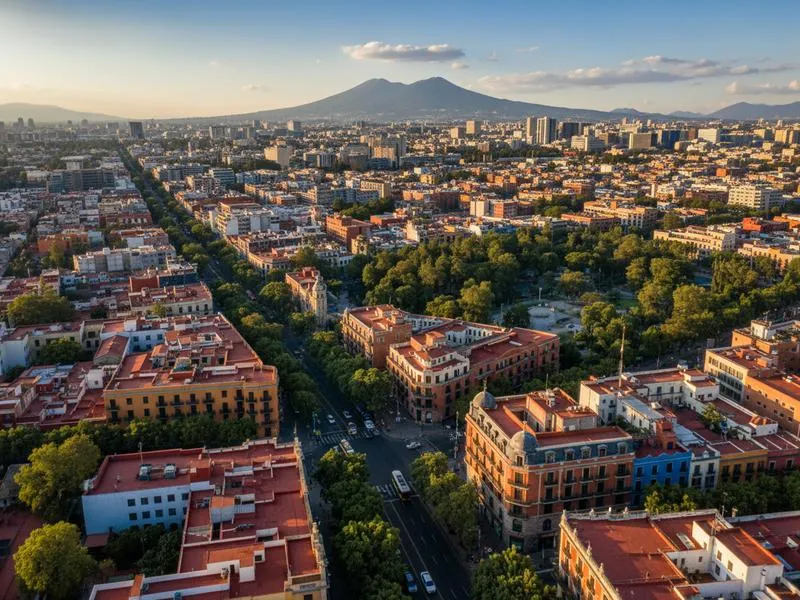
Roma Norte is where most informed Mexico City visitors end up staying — and for good reason. Originally developed in the early 1900s as an upscale residential neighborhood, it was heavily damaged in the 1985 earthquake. The rebuilding attracted artists, young professionals, and entrepreneurs who transformed abandoned mansions into galleries, restaurants, and boutique hotels. The result: an urban neighborhood with genuine character, excellent walkability, and the highest concentration of good restaurants in the city.
The architecture ranges from French-influenced Porfirian mansions to Art Deco apartment buildings with elaborate ironwork. Street art fills gaps between buildings. The streets are flat, lined with mature trees, and well-lit at night.
The Highlights
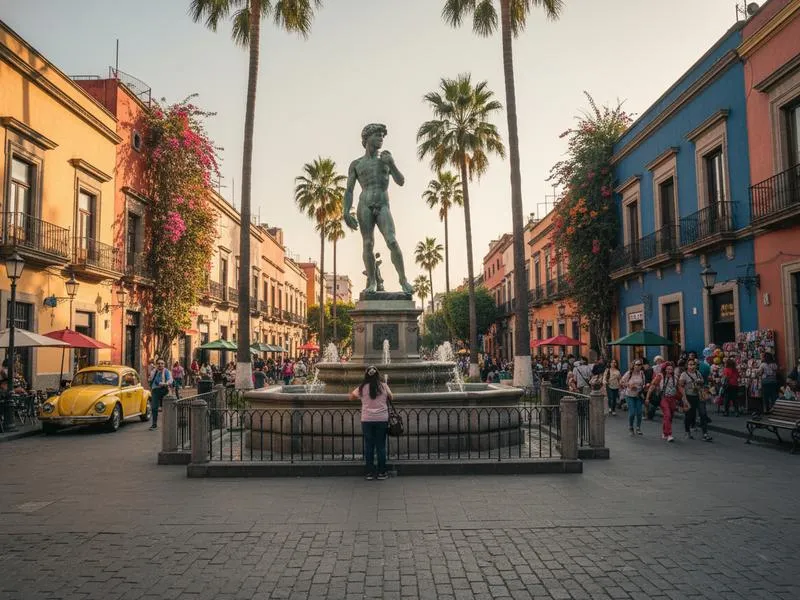
Plaza Rio de Janeiro: The neighborhood’s central plaza — a copy of Michelangelo’s David in a fountain, surrounded by excellent buildings and outdoor cafes. One of the city’s best afternoon sitting spots.
Álvaro Obregón Boulevard: The main commercial strip, pedestrian-friendly median, lined with restaurants and bars. Best time: weekend evenings when it fills with families and couples.
Orizaba Street: Instagram-famous for its colorful facades and cafes. Buna coffee and Almanegra are both here.
Restaurant density: Walk any block and find 2–4 options — Contramar (seafood, legendary), Lardo (Mediterranean), Rosetta (Italian-Mexican, excellent bakery), Guzina Oaxaqueña (tlayudas, mezcal). For full guide see Mexico City Food Guide.
Who Should Stay Here
First-time visitors who want the best food access, solo travelers, couples, digital nomads. Also: anyone whose budget is mid-range ($60–150/night for accommodation). Not ideal if you need 5-star luxury (use Polanco) or maximum proximity to historical sites (use Centro).
Best streets to target: around Plaza Río de Janeiro, Álvaro Obregón, Orizaba, and the northern half of Roma Norte. These areas feel the most walkable and put you close to the restaurant core.
Condesa — Green Parks and Quiet Elegance
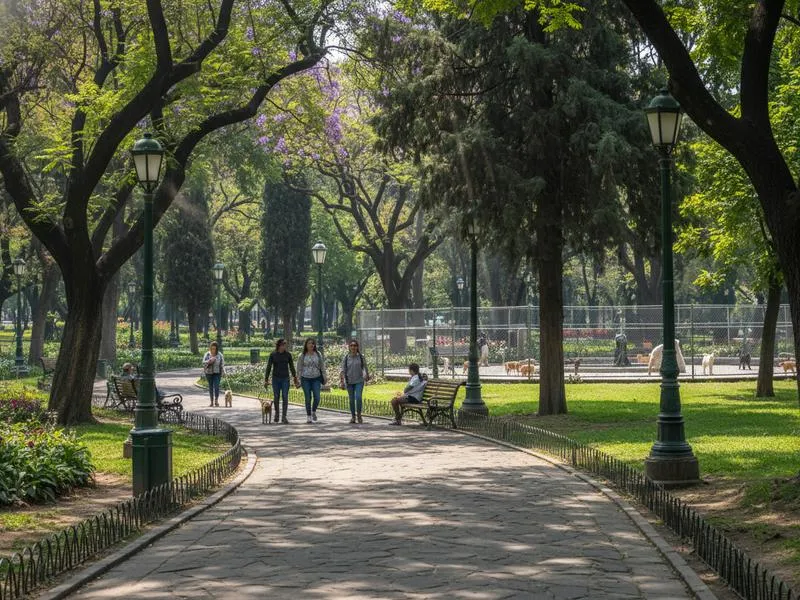
Adjacent to Roma and often mentioned in the same breath, Condesa has its own distinct character. Developed in the 1920s on grounds of a former horse racing track, the neighborhood was designed around two parks: Parque México and Parque España. Streets curve gracefully around these green spaces, creating a more open, residential atmosphere than Roma.
The architecture showcases some of the finest Art Deco buildings in Mexico City — European-trained architects designed many of these buildings with graceful curves and decorative facades that have aged beautifully. The neighborhood weathered the 1985 earthquake better than Roma, preserving more of its original character.
What Condesa Is Like
Life in Condesa revolves around the parks. At any hour: runners on jogging paths, families with strollers, dog walkers with their charges (Condesa is famously dog-friendly — the most dog-friendly neighborhood in any Mexican city), friends sharing coffee on park benches.
Avenida Amsterdam circles Parque México in an oval — one of the best walking loops in Mexico City. The oval follows the original racing track geometry, and the benches every 50m were placed for watching races. Now they’re for watching people.
Tamaulipas and Michoacán streets are the main restaurant strips. Azul Condesa for elevated traditional Mexican (200–350 MXN), Taquería Orinoco for excellent sit-down tacos, Nevería Roxy (since 1946) for mamey or guanábana ice cream.
Who Should Stay Here
Couples, families with children, travelers who value peace over nightlife. Condesa is quiet by 11 PM and genuinely relaxing. The best choice if you want Roma Norte’s food access (15 minutes’ walk) with a calmer base.
Best area to book: near Parque México or along Avenida Amsterdam. If you stay too far east toward Avenida Chapultepec, the neighborhood loses some of the calm that makes Condesa worth choosing.
Polanco — Upscale Sophistication
Polanco is Mexico City’s most affluent neighborhood — home to luxury hotels (Four Seasons, St. Regis, W Hotel, Las Alcobas), international embassies, designer boutiques along Avenida Presidente Masaryk (called “the Mexican Champs-Élysées” or “Rodeo Drive de México”), and the city’s finest restaurants.
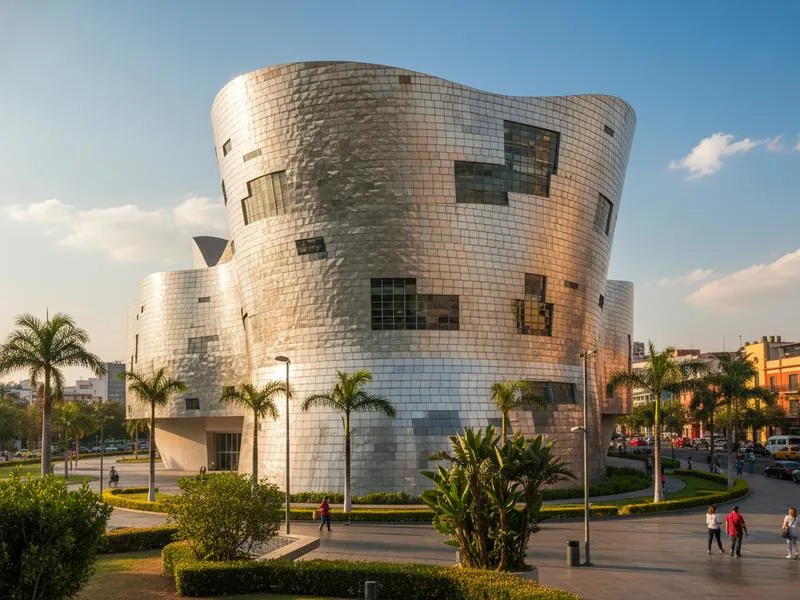
For most travelers, Polanco is somewhere to visit rather than base: Pujol and Quintonil are here, the Museo Soumaya (Carlos Slim’s private collection, completely free) is here, and the walk between Soumaya and the nearby Museo Nacional de Antropología (MNA) in Chapultepec is pleasant. But sleeping in Polanco is expensive.
The Non-Negotiable: Museo Soumaya
Entry: completely free. Carlos Slim’s private collection in a striking silver building designed by Fernando Romero: 66,000 pieces spanning 3,000 years. Highlights: the largest collection of Rodin sculptures outside Paris (380 pieces), European masters, 3,000 years of coins, Mexican muralists. The building exterior is worth seeing regardless of the collection.
Open daily 10:30 AM–7 PM. No reservation needed.
Fine Dining
Both Pujol and Quintonil are walkable from Parque Lincoln (the neighborhood’s central park). Book both 4–6 weeks ahead. After dinner, the nearby taquerías serve the other side of Polanco’s food scene — late-night al pastor while wearing nice clothes.
Who Should Stay Here
Business travelers, luxury travelers, honeymoon couples, anyone for whom budget is not a constraint and who wants to eat at Pujol without a taxi ride. Midrange travelers: stay in Roma, visit Polanco.
Best area to book: around Parque Lincoln and the streets west of Masaryk if you want a pleasant walking base. Some parts of Nuevo Polanco are newer and convenient for museums, but they feel less charming on foot.
Centro Histórico — Living Aztec and Colonial History
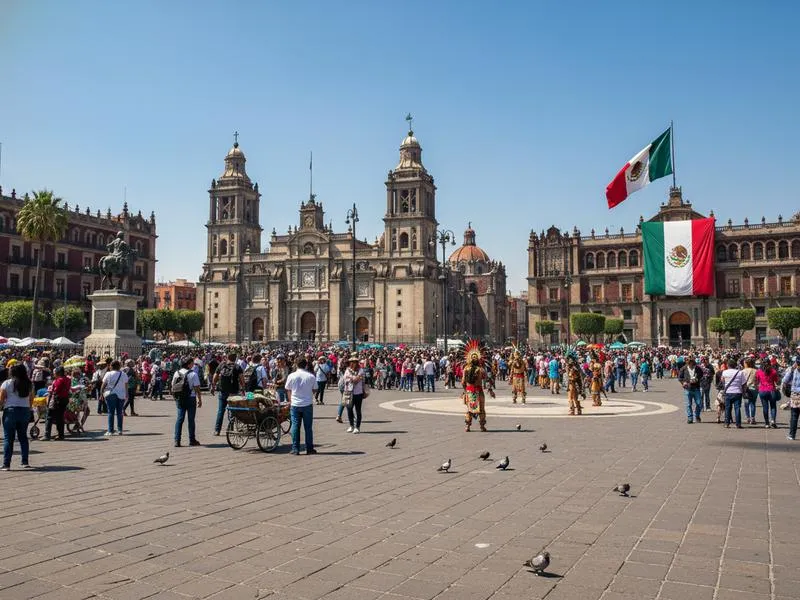
The Centro Histórico is where Mexico City began and still its symbolic heart. The giant Zócalo (second-largest plaza in the world after Tiananmen) is flanked by the Metropolitan Cathedral (under construction since 1573 — the longest construction project in the Americas) and the National Palace, where Diego Rivera’s murals tell Mexico’s entire history on one staircase wall.
Beneath the plaza: the excavated ruins of the Templo Mayor, the Aztec capital’s main ceremonial site, discovered in 1978. The juxtaposition is stunning — you can stand at the Zócalo and look at 15th-century Aztec ruins alongside 16th-century Spanish colonial architecture alongside 21st-century government offices. Three civilizations in one view.
What to Do
- Templo Mayor: 85 MXN, open Tue–Sun 9 AM–5 PM. Go at opening for minimal crowds.
- Palacio Nacional murals: Free, weekdays 9 AM–5 PM. Diego Rivera’s masterpiece.
- Metropolitan Cathedral: Free, daily 7 AM–8 PM. 240-year construction, leaning towers.
- Palacio de Bellas Artes: Lobby free, upper floors 85 MXN. Murals by Rivera, Siqueiros, Tamayo.
- Mercado de San Juan: 15 minutes’ walk, gourmet market for lunch.
- Street food: The Centro has the best street food concentration in the city — tacos de canasta, tlayudas, tortas on every corner.
The Honest Assessment
Centro Histórico is intense. Crowds, noise, hustle — the full energy of a 21-million-person city concentrated in a few square kilometers. It’s also genuinely one of the most fascinating urban areas in the world. Best for travelers who have been to Mexico City before, or who want the historical proximity at the cost of the cosmopolitan comfort of Roma/Condesa.
Budget accommodation: The Centro has the city’s most affordable options — hostels from $20/night, good guesthouses from $40. Budget travelers who want to maximize historical site time should base here.
Best area to book: as close to Bellas Artes, Alameda Central, or the Zócalo as possible. The farther north and east you drift, the less beginner-friendly it feels after dark.
Coyoacán — Colonial Village Within the City
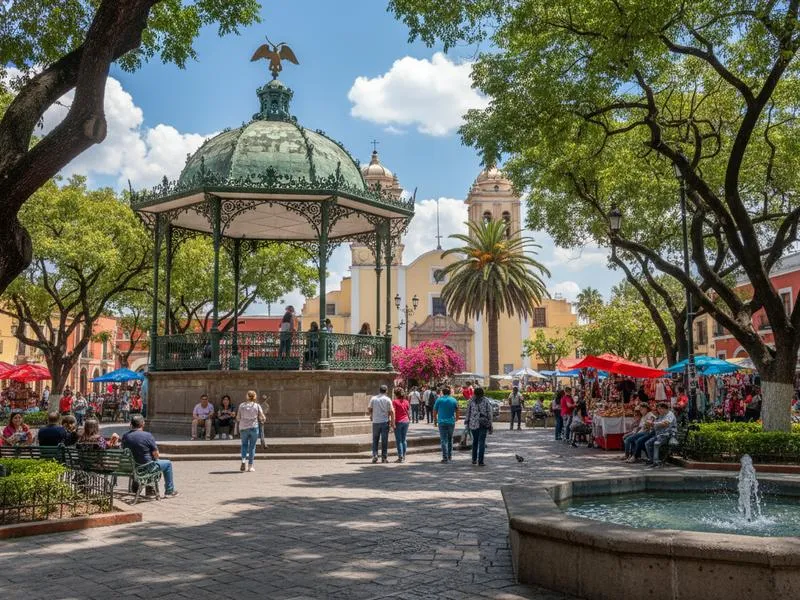
Coyoacán is a colonial-era village that became part of Mexico City as the city grew southward — but it retained its identity as a separate place. Cobblestone streets, 16th-century buildings, plazas with muralists and performers, and a market selling regional foods give it a completely different character from Roma or Polanco.
This is where Frida Kahlo was born, lived, and died. This is where León Trotsky lived in exile and was assassinated in 1940. The contrast — revolutionary political exile and Mexico’s most celebrated artist — captures something essential about Coyoacán’s intellectual history.
Key Experiences
Casa Azul (Museo Frida Kahlo): Entry 270 MXN. The most visited museum in CDMX. Book 2–4 weeks ahead at museofridakahlo.org.mx — walk-in tickets sell out every single day by 9 AM. The house is preserved as Frida left it: her bedroom, her studio, her kitchen, her garden.
Mercado de Coyoacán: Traditional market famous for tostadas (crispy tortillas with ceviche, chicken, pata de puerco). Tostadas Coyoacán stalls are the benchmark. Come for lunch (noon–3 PM best).
Plaza Hidalgo and Jardín Centenario: Two adjacent colonial plazas that fill with families, musicians, artists, and street performers on weekends. The best people-watching in the southern city.
Churros: The churro stands in the plazas are iconic and excellent. 30–50 MXN for a bag.
Getting There
Coyoacán is 10km south of Roma. Metro Line 3 to Coyoacán station (10–12 minutes from downtown). Uber: 80–120 MXN from Roma/Condesa.
Who Should Stay Here
Travelers with 5+ days who want a quieter, residential base. First-timers might find it too far from the Centro and Chapultepec clusters. Best for those who already know the city and want a different rhythm.
Best area to book: near Plaza Hidalgo, Jardín Centenario, or the Frida Kahlo museum zone. That gives you the walkable heart of Coyoacán instead of a generic southern residential area.
Which Mexico City Neighborhood Should You Actually Book?
If you only want the short version, use this:
- Book Roma Norte if this is your first trip and you want the safest all-around recommendation.
- Book Condesa if you want Roma’s location but better sleep and more green space.
- Book Polanco if hotel quality matters more than budget.
- Book Centro Histórico if your priority is history and price, and you are comfortable with a more intense street environment.
- Book Coyoacán if you already know CDMX or you are staying long enough that a slower, more local base makes sense.
If you are still deciding between two areas, our guides to getting around Mexico City and Mexico City safety will help you choose based on transit and comfort level, not just aesthetics.
San Ángel — The Saturday Neighborhood
San Ángel, 3km west of Coyoacán, is a colonial neighborhood worth visiting primarily on Saturday for the Bazar del Sábado — one of Mexico City’s best craft and art markets, operating since 1960 in a 17th-century colonial mansion. Quality is genuine: painters, sculptors, jewelry makers, textile artists. The cobblestone streets and Jacaranda-lined Plaza del Carmen are among the city’s most photogenic settings.
On other days, San Ángel is a quiet upscale neighborhood with good restaurants but limited reasons to visit over Roma or Condesa.
Getting there: Metrobús Line 1 to Dr. Gálvez station. Uber: 100–150 MXN from Roma.
Chapultepec — Not a Neighborhood, But Essential
Technically a park (686 hectares — one of the largest urban parks in the world), Chapultepec isn’t a place to stay but is unmissable for a day. Within it:
- Museo Nacional de Antropología (MNA): One of the world’s great anthropological museums. Plan 3–5 hours, 85 MXN.
- Chapultepec Castle: Former imperial residence, National History Museum, panoramic city views.
- Museo Tamayo: World-class modern and contemporary art, 85 MXN.
- Zoo: Free. Pandas, gorillas, snow leopards.
Adjacent to Polanco on the north, 20–25 minutes’ walk from Condesa, or 2 metro stops (Line 1 to Chapultepec). Best to combine with Polanco in a single day.
Transport Between Neighborhoods
| Route | Metro | Uber | Walk |
|---|---|---|---|
| Roma → Condesa | N/A (adjacent) | 50 MXN | 12–15 min |
| Roma → Centro Histórico | Line 1, 2 stops (Insurgentes → Bellas Artes) | 60–80 MXN | 35 min |
| Roma → Coyoacán | Metro/Metrobus combo or Uber is easiest | 90–130 MXN | 50+ min |
| Condesa → Polanco | Line 1 (Chapultepec → Polanco, 2 stops) | 70–100 MXN | 30 min |
| Polanco → Chapultepec | Walk (10–15 min) | N/A | 10–15 min |
Metro fare: 6 MXN per ride (flat rate, entire system).
Related Mexico City Guides
- Mexico City Travel Guide 2026 — full planning guide with transport, budget, altitude tips
- Things to Do in Mexico City — 35 ranked experiences in all neighborhoods
- Mexico City Food Guide — where to eat by neighborhood, street food, markets, fine dining
- Day Trips from Mexico City — Teotihuacan, Puebla, Tepoztlán
- Best Time to Visit Mexico City — jacaranda season, festivals, month-by-month
- Corona Capital 2026 Guide — November dates, venue logistics, lineup, tickets, and planning
- Is Mexico City Safe? — neighborhood-by-neighborhood safety context for CDMX travelers
- Mexico Travel Cost — budget planning by neighborhood
Final Verdict
If you want the best Mexico City neighborhood for a first trip, book Roma Norte. If you want a more relaxed version of that same experience, book Condesa. Everything else is a more specialized choice: Polanco for luxury, Centro Histórico for history and price, Coyoacán for longer stays, and San Ángel mainly for a Saturday visit.
That is the simplest way to avoid a bad hotel-location decision in CDMX.