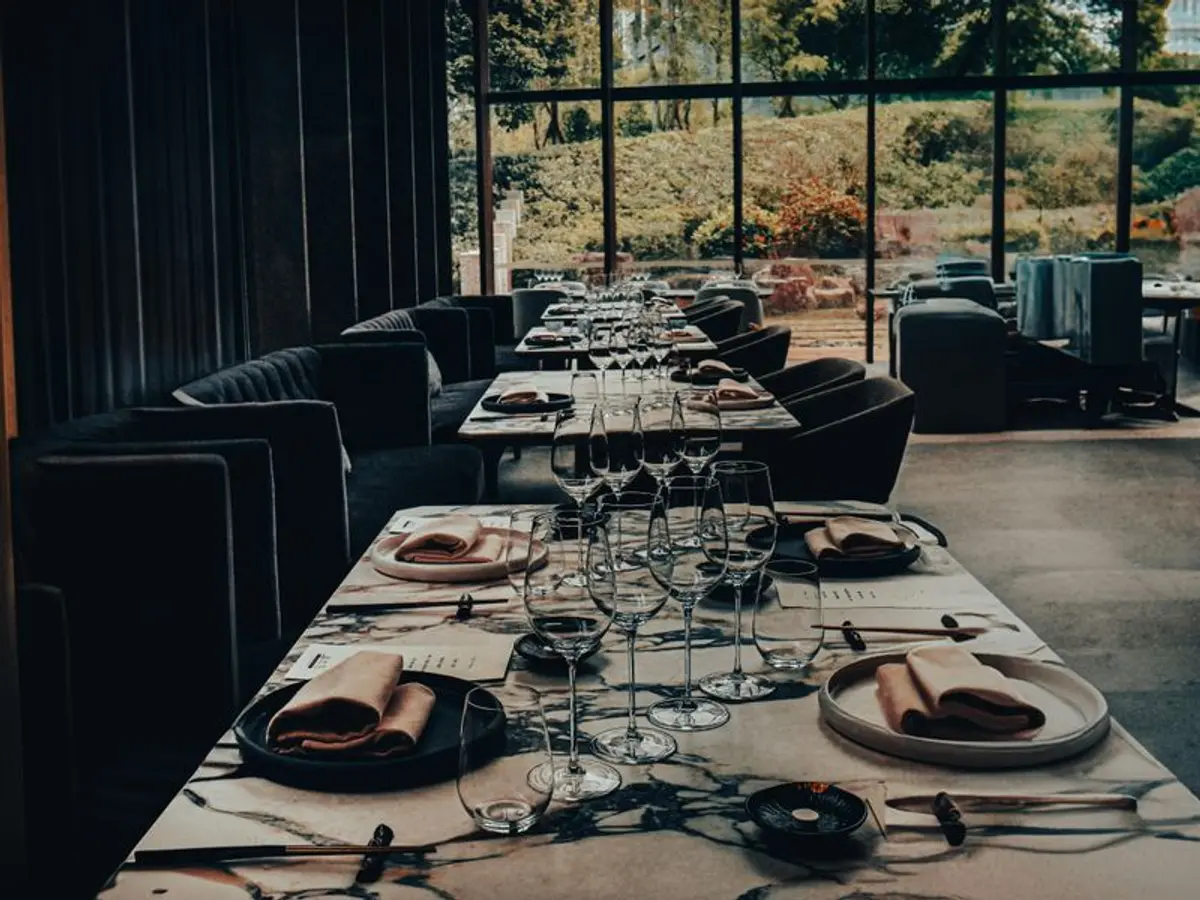
Mexico City Food Guide 2026: Best Food, Street Tacos, Markets & Restaurants
Mexico City is the best food city in Mexico for a first trip, but only if you split your eating plan the right way. Start with al pastor and suadero at night, do a market lunch in Coyoacán or San Juan, book Contramar or a Roma restaurant if you want one big sit-down meal, and leave Pujol or Quintonil for a special-occasion splurge.
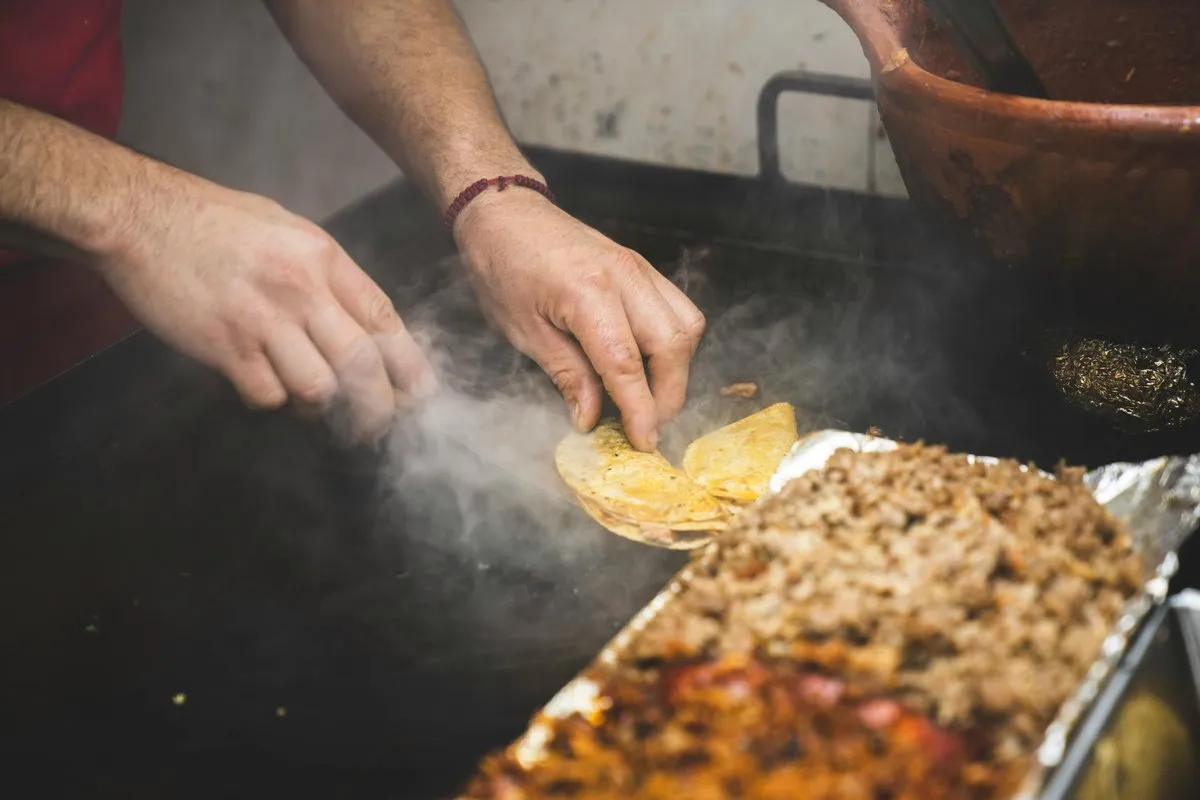
You can eat brilliantly here on 300 MXN a day if you stay street-food and market focused, or spend 2,000+ MXN on one destination meal. The key is not chasing a giant restaurant list. It is knowing what to eat first, which neighborhood fits your budget, and when a market or fonda is better than a reservation.
Mexico City Food Guide in 30 Seconds
| If you want… | Go here first | Order this | Real budget |
|---|---|---|---|
| The classic first bite of CDMX | El Huequito or El Vilsito | Tacos al pastor | 20 to 35 MXN per taco |
| A local lunch, not a tourist meal | Neighborhood fonda | Comida corrida | 80 to 150 MXN |
| A market-food day | Mercado de Coyoacán or Mercado San Juan | Tostadas or oysters + beer | 60 to 400 MXN |
| A trendy Roma or Condesa meal | Contramar, Lardo, Rosetta area | Tuna tostadas or a long lunch | 300 to 700 MXN |
| A serious splurge | Pujol or Quintonil | Tasting menu | 3,500 to 4,500 MXN |
Best first-timer strategy: eat street tacos the first night, do one market lunch, keep Roma Norte or Condesa for your nicest dinner, and do not waste a prime meal slot inside a random tourist-trap near the Zócalo.
For trip logistics, pair this with our Mexico City Travel Guide 2026, Mexico City Neighborhoods Guide, Getting Around Mexico City, and Mexico travel cost guide.
Coming for Corona Capital? Start with the Corona Capital 2026 guide, then choose a base with our where to stay for Corona Capital guide so late-night festival transport does not derail your food plans.
Best Mexico City Food Plan by Trip Style
- Here for 2 days: do al pastor, one breakfast with tamales or guajolotas, one market lunch, and one nicer Roma/Condesa dinner.
- Here for street food first: stay near Roma, Condesa, Narvarte, or Centro so you can reach strong taco zones easily at night.
- Here for markets and traditional food: prioritize Coyoacán, San Juan, Jamaica, and a proper fonda lunch instead of overbooking sit-down restaurants.
- Here for fine dining: book Pujol or Quintonil well ahead, then keep the rest of the trip casual so the expensive meal actually feels worth it.
- Here with a weak stomach on day 1: start with a busy taquería or fonda, not raw seafood in a market.
How Mexico City’s Food Culture Works
Mexico City’s food operates in layers that coexist and complement each other:
Street food is the foundation — vendors who specialize in a single preparation, positioned at specific corners at specific times. Morning brings basket taco cyclists. Midday sees guisado (stew) carts. Evenings and nights belong to the trompo (the al pastor spit) and suadero griddles. Learning this rhythm is how you eat like a local.
Market food is the next layer — permanent stalls inside the city’s hundreds of mercados. Prepared food, fresh ingredients, and the social fabric of neighborhood life all concentrated in one building.
Fondas and cocinas económicas — family-run spots, usually a woman’s kitchen, serving a daily-changing set menu (comida corrida) for 80–150 MXN. This is how working Mexico eats lunch.
Restaurants span from casual to globally ranked. CDMX’s fine dining scene has exploded in the past decade, drawing chefs from across Mexico and internationally.
The key insight: Don’t use price as a quality signal in Mexico City. Some of the best food comes from bicycles.
Essential Street Foods You Must Try
Tacos Al Pastor — The Non-Negotiable
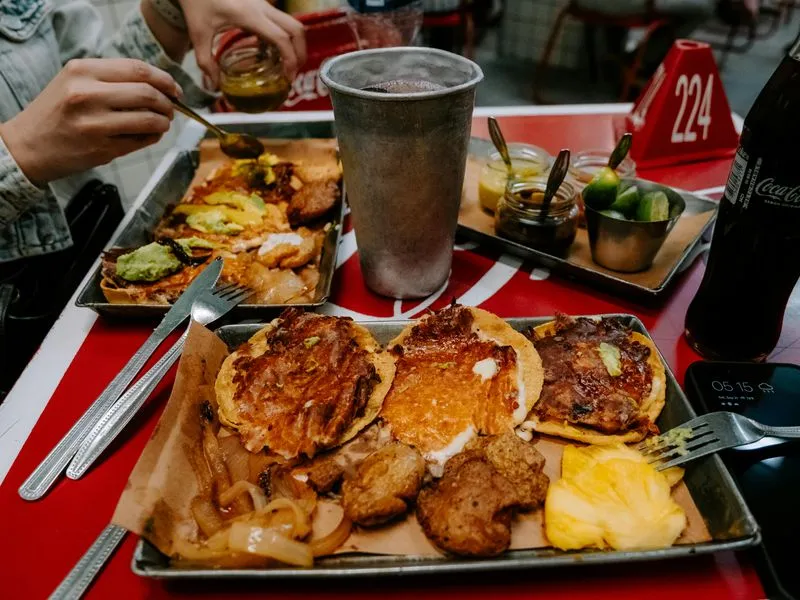
The signature taco of Mexico City. Lebanese immigrants brought the vertical spit (shawarma technique) in the mid-20th century. Mexican cooks adapted it with pork marinated in dried guajillo chiles, achiote, and citrus, loaded onto the trompo spit, slow-cooked, and carved thin with a slice of pineapple.
A great al pastor: caramelized edges, juicy interior, balanced sweet-heat from the pineapple and chile. 20–35 MXN per taco.
Where to go:
- El Huequito (Centro Histórico) — allegedly where al pastor was created; 1959. Two small locations. Perfection.
- El Vilsito (Narvarte) — operates from a mechanics shop at night. Long queues. Worth it.
- Taquería Orinoco (multiple locations) — sit-down version, excellent quality.
Tacos de Suadero — Mexico City’s Other Signature
Suadero is a cut from between the beef belly and leg, slowly rendered in fat until soft, then chopped and crisped on a flat griddle. Served on small corn tortillas with salsa verde or roja. The texture is unlike any other taco — silky from the fat, with crispy edges.
20–30 MXN per taco. Look for street vendors in the evening, particularly in Condesa and Doctores neighborhoods.
Tacos de Canasta — Breakfast on Two Wheels
Basket tacos are a morning food. Vendors cycle through neighborhoods with insulated baskets strapped to their bikes, inside which soft tacos filled with potato, chicharrón, beans, or mole steam together in accumulated heat. They are cheap (15–20 MXN each), filling, and perfect for breakfast while walking.
Find them: any major street corner in the Centro Histórico and working-class neighborhoods, 7–11 AM.
Quesadillas — Not What You Think
In Mexico City, quesadillas don’t automatically include cheese — you ask “con queso” if you want it added. Traditional fillings on a fresh comal: flor de calabaza (squash blossom, delicate and slightly sweet), huitlacoche (corn fungus — earthy, complex, entirely Mexican, called “the truffle of Mexico”), mushrooms with epazote, or chicharrón. 30–50 MXN each.
Tortas — Mexican Sandwiches Done Right
Sandwiches on telera bread stuffed with your choice of meat, avocado, beans, jalapeños, and whatever the vendor provides. The famous torta de tamal (called “guajolota”) is a tamal inside a bread roll — carb on carb, deeply satisfying, quintessentially chilango.
Tamales — Especially Before 10 AM
Corn masa stuffed with fillings, wrapped in corn husk or banana leaf, steamed. The city runs on tamales for breakfast. The best ones come from women with large pots set up outside metro stations and market entrances from 6–10 AM. Try rajas (chiles and cheese), mole negro, or pink sweet tamal (tamale de azúcar). 20–40 MXN each.
Market Food: CDMX’s Best Eating Halls
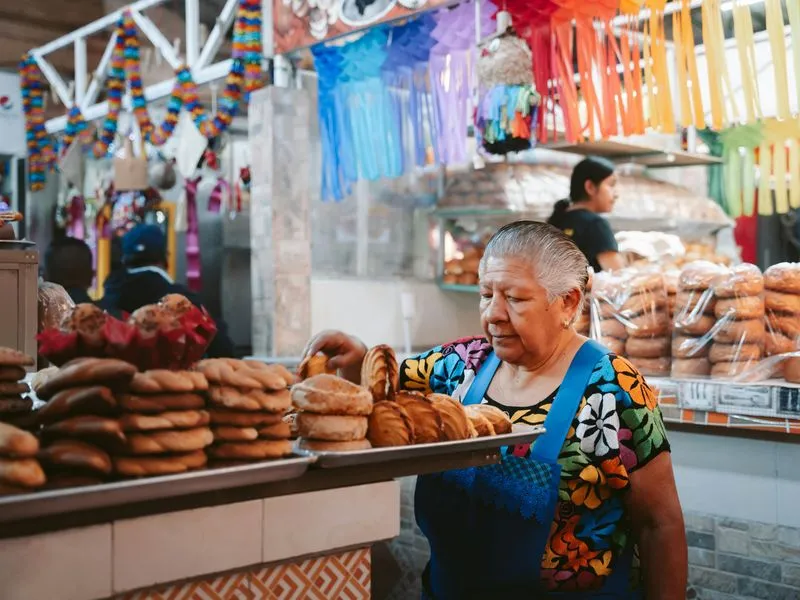
Mercado San Juan — The Gourmet Market
Near the Centro Histórico, Mercado San Juan is where CDMX restaurants buy imported ingredients. For visitors: stalls selling wagyu beef tacos, jamón ibérico, exotic meats (lion burger, crocodile, alligator gar), imported cheeses, and seafood. The oyster and cold beer lunch experience here is extraordinary. Mid-morning to early afternoon is best. Food: 150–400 MXN for a proper market meal.
Mercado Roma — Modern Food Hall
Curated food hall in Roma Norte designed for contemporary tastes: craft beer, artisanal salsas, Oaxacan mole, Thai bowls, and traditional Mexican. Excellent for groups with different preferences. Rooftop with terrace seating. Prices are higher than traditional markets. Meals: 80–200 MXN per person.
Mercado de Coyoacán — Famous for Tostadas
In the heart of Coyoacán: traditional market where Tostadas Coyoacán stalls serve crispy tortillas piled high with ceviche, pata (pig’s trotter), chicken with mole, or seafood tostadas. The market has excellent quesadillas and fresh aguas frescas. Lunch crowds arrive by 1 PM. Meals: 60–120 MXN.
Mercado de la Merced — The Overwhelming One
The largest traditional market in Mexico City — 50,000+ vendors across multiple buildings. This is where restaurants and vendors buy their supplies. Come for the experience, not convenience. Overwhelming, fascinating, and genuine. Excellent for dried chiles, spices, unusual produce, and seeing the scale of how the city feeds itself.
Mercado de Jamaica — Flowers + Food
The famous flower market of Mexico City also has excellent food stalls: gorditas (stuffed thick corn cakes), tlayudas, regional antojitos. The visual spectacle of thousands of flowers alongside the food makes it worth the trip to the southeast of the center.
Traditional Restaurants: Fondas, Cantinas, Regional
Fondas — Home Cooking at Its Best
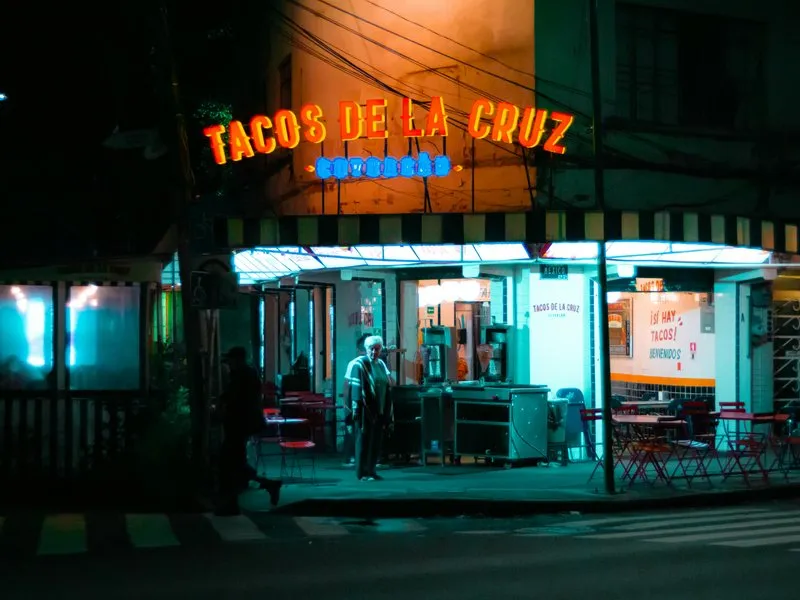
Every neighborhood has fondas — small family-run spots serving a daily changing comida corrida (set menu). Typically: sopa de pasta, arroz, main dish (guisado — a stew), frijoles, agua fresca, and sometimes dessert. 80–150 MXN and you’ll leave full.
Look for hand-written daily menus on chalkboards or laminated sheets in windows. Ask what the guisado is today — that’s the food. Mole, adobo, chicharrón en salsa verde, chicken in pipián — every day different.
Regional Mexican Restaurants
CDMX draws people from every Mexican state, and they bring their food. Best options:
| Restaurant | Cuisine | Location | Price |
|---|---|---|---|
| Guzina Oaxaqueña | Oaxacan (tlayudas, mole) | Roma Norte | 200–400 MXN |
| La Casa de Toño | Pozole (open 24hrs) | Multiple | 100–180 MXN |
| El Bajío | Traditional Mexican (carnitas) | Multiple | 200–350 MXN |
| El Cardenal | Classic CDMX breakfast | Centro/Polanco | 150–280 MXN |
| Café de Tacuba | Historic institution (since 1912) | Centro | 150–250 MXN |
Cantinas — Where CDMX Actually Drinks
Traditional cantinas serve botanas (free snacks) with drinks, provide a glimpse into Mexico City drinking culture, and are one of the genuinely unique social experiences in the city. La Ópera Bar (Centro, with bullet hole from Pancho Villa’s revolver), Salón Corona, and Tío Pepe are all worth visiting.
Fine Dining: The World-Class Tier
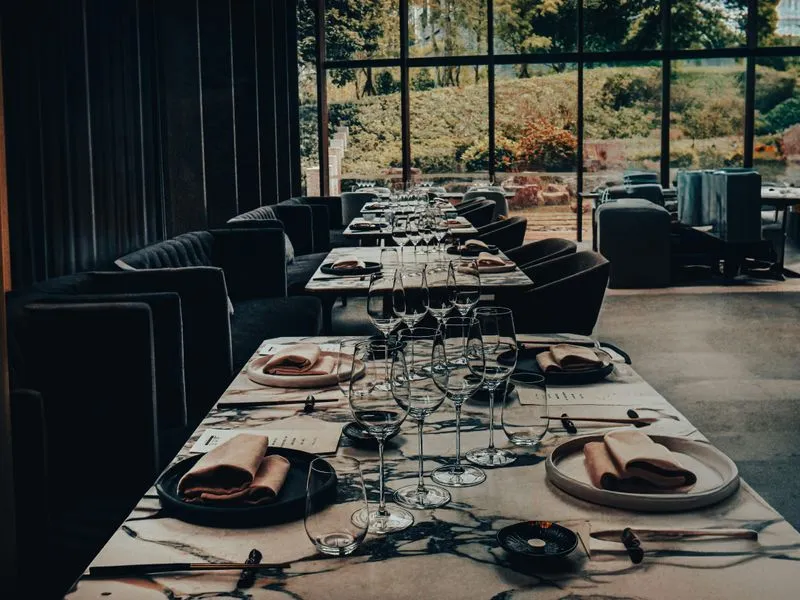
CDMX has earned global recognition for fine dining. Multiple restaurants appear on the World’s 50 Best list. The booking strategy matters as much as the restaurant choice.
The Top Tier
Pujol (Polanco) — Chef Enrique Olvera’s flagship; consistently ranked among the world’s top 20 restaurants. The “Mole Madre” dish layers mole aged 1,000+ days alongside a fresh mole. The contrast is the dish. Tasting menu: 4,500 MXN ($225 USD). Book 4–6 weeks ahead at pujol.com.mx.
Quintonil (Polanco) — Chef Jorge Vallejo, seasonal Mexican cuisine, foraged ingredients. Often considered Pujol’s equal. Tasting menu: 3,500 MXN ($175). Book 3–4 weeks ahead.
Contramar (Roma Norte) — The most beloved restaurant in the city. Excellent mariscos: tuna tostadas with two salsas, whole grilled fish painted half red (salsa roja) and half green (salsa verde). Strategy: Reservations only for early seating (1:15 PM). For later seatings, arrive 30 minutes before opening and put your name on the walk-in list. Budget 300–500 MXN per person.
Máximo Bistrot (Roma Norte) — Farm-to-table, French-Mexican techniques. Strong wine list. More accessible reservations (book 1–2 weeks ahead). 400–700 MXN per person.
Sud777 (Pedregal) — Chef Edgar Nuñez, creative modern Mexican in a beautiful south-city space. Less famous than Pujol but often described as equally rewarding. 2,500–3,500 MXN tasting menu.
Where to Eat by Neighborhood
Roma Norte
The densest concentration of excellent restaurants in CDMX. Every block has 2–3 options from casual to special occasion. Walk Álvaro Obregón, Orizaba, or Oaxaca streets. Key stops: Contramar (seafood), Lardo (Mediterranean-Mexican), Rosetta (Italian-Mexican, excellent bakery), and Mercado Roma for grazing.
Budget: Tacos at El Huequito satellite, quesadillas from street vendors outside the Mercado. Full meals from 80 MXN.
Condesa
Slightly more relaxed than Roma, strong brunch and cafe culture. Azul Condesa for upscale traditional Mexican, Taquería Orinoco for excellent tacos in a sit-down setting, Nevería Roxy for legendary ice cream since 1946 (try mamey or tequila flavors). Parque México is a perfect pre-meal walk.
Centro Histórico
Traditional and budget. El Cardenal for classic Mexican breakfast (hot chocolate, pan dulce, huevos). Street food abounds around pedestrian streets (Madero, República de Uruguay). El Cardenal is also the only restaurant in the city open for proper breakfast that’s simultaneously historic and excellent.
Polanco
Fine dining zone: Pujol and Quintonil are both here. Also has Biko (Basque-Mexican, excellent), Kura (Japanese with Mexican ingredients), and several outstanding taquerías that operate late-night when the fine dining crowd filters out.
Drinks: Mezcal, Pulque, Coffee
Mezcal — Mexico City has embraced mezcal more deeply than almost any city outside Oaxaca. Best bars: La Clandestina (Roma, huge selection, knowledgeable staff), Bozar (industrial setting, good prices), El Palenquito (standing room, traditional experience). A mezcal pour: 80–200 MXN depending on agave and age.
Pulque — The ancient fermented agave drink (the maguey sap, not cooked like mezcal) is experiencing a genuine revival. Traditional pulquerías in the Centro (La Nuclear, Pulquería Los Insurgentes) serve it plain or flavored (de guayaba, de piñón). 30–60 MXN per large glass.
Specialty Coffee — Excellent coffee has arrived: Almanegra (Roma), Buna (Roma), Chiquitito (Colonia Hipódromo). Mexican single-origin beans roasted well. Espresso: 40–70 MXN.
Practical Eating Tips for CDMX
- Eating schedule: Lunch (comida) is the main meal, typically 2–4 PM. Arriving at noon to popular spots means you’ll often be seated alone. By 2 PM, expect full restaurants and better atmosphere.
- The salsa test: At any taquería, taste the salsa before committing your entire taco. Some are mild; some are searingly hot. Ask “¿Pica mucho?” (Is it very spicy?) if unsure.
- Quesadillas: Always specify “con queso” if you want cheese. In many CDMX fondas and street stalls, quesadilla means just the folded masa — no cheese by default.
- Cash first: Street food and markets require cash. Restaurant tables accept cards but carry 200–500 MXN in pesos for market meals and street food.
- Water: Bottled or purified everywhere. Restaurant ice is generally fine (made with purified water). Street food vendor water: use bottled.
- Tipping: 10–15% in sit-down restaurants. Check your bill for “propina” before adding more — some add 10% automatically. Street food and markets: not expected, change appreciated.
Related Mexico City Guides
- Mexico City Travel Guide 2026 — full planning guide
- Things to Do in Mexico City — 35 ranked experiences including restaurants and markets
- Day Trips from Mexico City — Puebla (mole birthplace), Tepoztlán food market
- Mexico City Neighborhoods Guide — neighborhood-by-neighborhood breakdown
- Types of Tamales in Mexico — regional tamal varieties
- Mexican Drinks Guide — mezcal, pulque, agua fresca, and more
- Is Mexico Safe? — safety context for CDMX