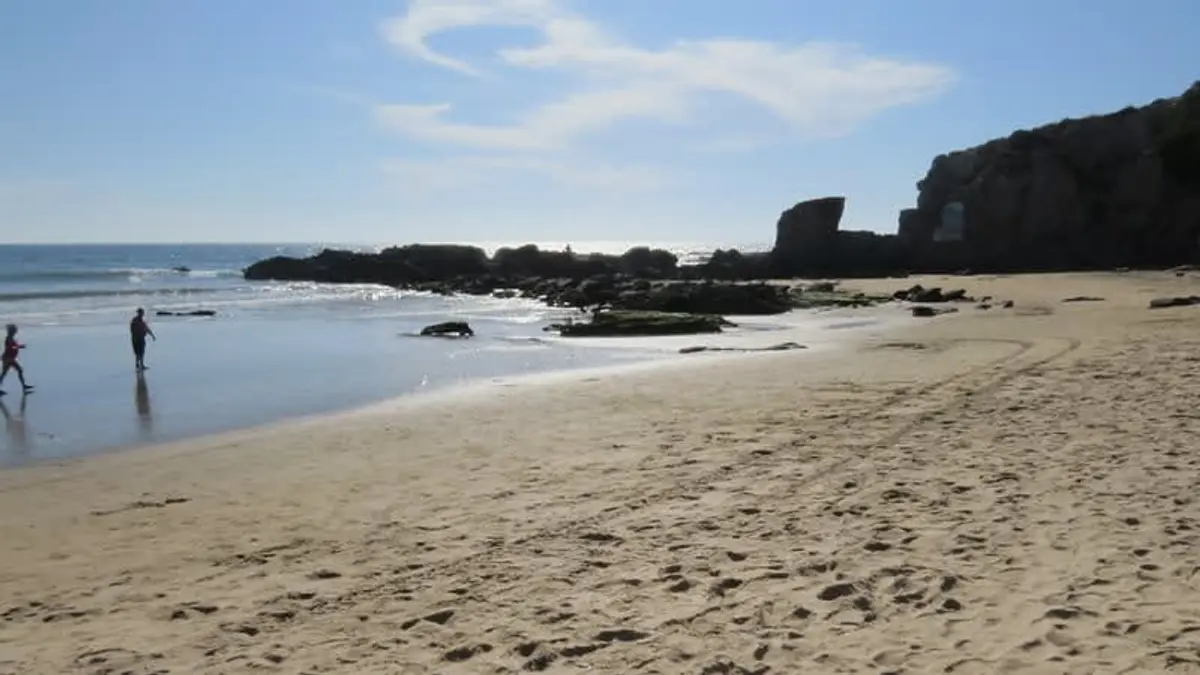
Best Time to Visit Mazatlán: Best, Cheapest, and Rainiest Months
The best time to visit Mazatlán is November to April, when days are dry, the city feels lively, and beach weather is still comfortable. If you want the smartest balance of weather, price, and crowd level, aim for November, January, or March. If you want the biggest cultural event in the city, go during Carnival in February. If you want the cheapest hotels, look at late October, May, or early June. Avoid September if you can because that is the wettest stretch with the highest hurricane risk.
Mazatlán is a Pacific coast city of about 600,000 people in Sinaloa, Mexico’s largest Pacific beach city north of Puerto Vallarta. It has the longest oceanfront promenade in the Americas, one of the best historic centers on Mexico’s Pacific coast, and the country’s biggest Carnival. Unlike the Caribbean coast, it has no sargassum. Unlike Los Cabos, it still feels like a real working Mexican city, and prices usually reflect that.
30-Second Answer
| If you want… | Go in… | Why |
|---|---|---|
| The best overall weather | January or March | Dry, sunny, warm, and less chaotic than Carnival week |
| Best value | November or late October | Rain is tapering off, prices are still low, crowds stay manageable |
| Carnival | February | Mazatlán’s biggest cultural event, but hotel prices jump hard |
| Cheapest hotels | May or early June | Before the heaviest summer rain, with lower rates |
| Whale sharks | March to May | Best chance for offshore tours |
| To avoid | September | Highest rain and real Pacific hurricane risk |
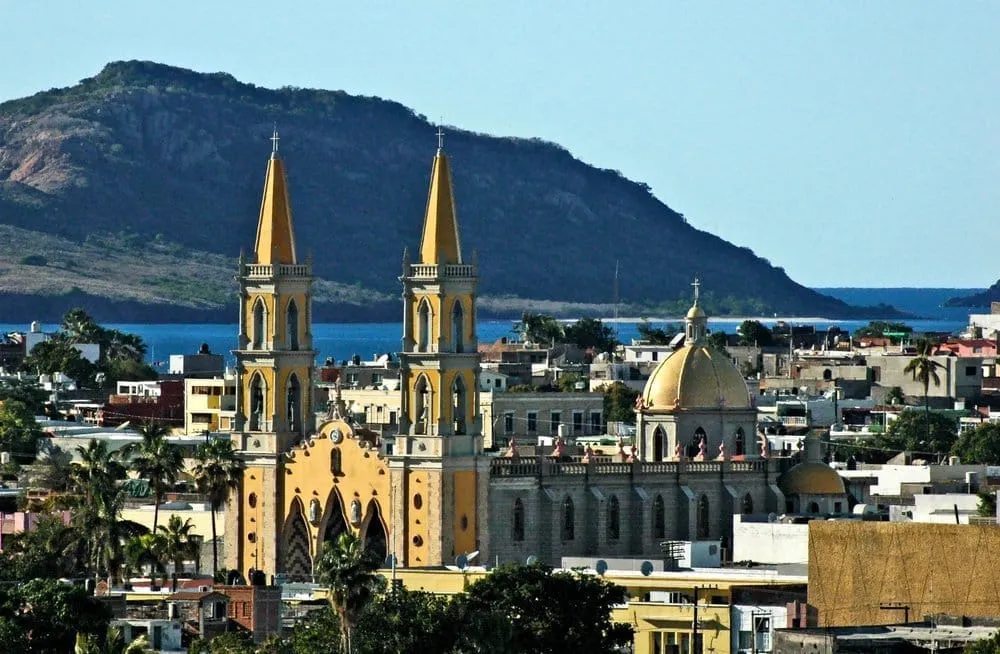
At a Glance: Best Month by Criteria
| Month | Weather | Crowds | Price | Key Events | Rating |
|---|---|---|---|---|---|
| January | ☀️ Dry, 24–28°C | Low | 💰 Low | Whale watching peak, Día de Reyes Jan 6 | ⭐⭐⭐⭐⭐ |
| February | ☀️ Dry, 24–28°C | Very High (Carnival) | 💰💰💰 High | Carnival 2026 Feb 12–17 | ⭐⭐⭐⭐ |
| March | ☀️ Dry, 26–30°C | Low | 💰 Low | Spring break, whale sharks beginning | ⭐⭐⭐⭐⭐ |
| April | ☀️ Dry/Hot, 28–32°C | Low | 💰 Low | Semana Santa (busy last week Apr) | ⭐⭐⭐⭐ |
| May | ⛅ Transition, 29–33°C | Very Low | 💰 Lowest | Whale sharks peak (May–Jun), heat rising | ⭐⭐⭐ |
| June | 🌧️ Rainy begins, 30–34°C | Very Low | 💰 Lowest | Rainy season starts, humid | ⭐⭐ |
| July | 🌧️ Rainy, 30–34°C | Low | 💰 Low | Mexican school holidays, brief busy stretch | ⭐⭐ |
| August | 🌧️ Rainy, 30–33°C | Low | 💰 Low | Heaviest rain month, sea turtles nesting | ⭐⭐ |
| September | 🌧️ Rain + hurricane risk, 29–33°C | Very Low | 💰 Lowest | Hurricane season peak, avoid | ⭐ |
| October | ⛅ Transition, 28–32°C | Low | 💰 Low | Rains tapering, prices low, Day of Dead prep | ⭐⭐⭐ |
| November | ☀️ Dry starts, 25–29°C | Low | 💰 Low | Día de Muertos Nov 1–2, first dry weather | ⭐⭐⭐⭐ |
| December | ☀️ Dry, 23–27°C | Medium | 💰💰 Medium | Christmas posadas, Las Fiestas Navideñas | ⭐⭐⭐⭐ |
Best months overall: November–April
Value sweet spot: November, January, March
Avoid: September (hurricane risk, lowest activity)
Book far ahead for: Carnival week in February (all hotels fill 3–6 months out)
Dry Season: November to April (Peak Season)
Mazatlán’s dry season runs from roughly November through May. Rain is minimal, temperatures are comfortable (22–32°C), and the Pacific breeze keeps things pleasant even when it’s warm.
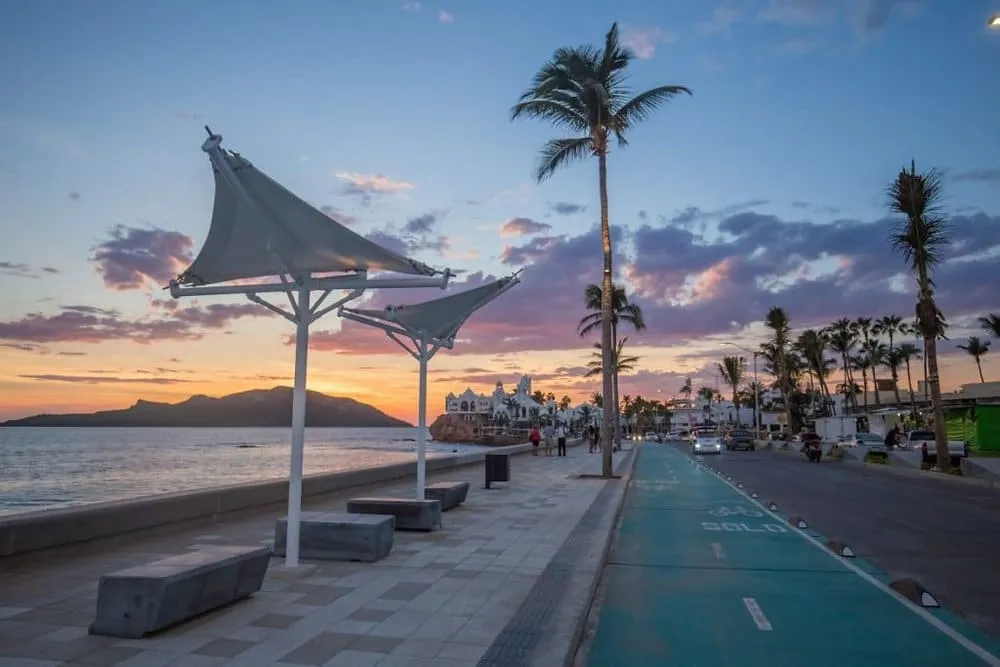
November: First Dry Weather + Día de Muertos
November is when Mazatlán pivots from rainy season to dry. The rains stop, humidity drops, and prices haven’t recovered yet — you’re getting peak-season weather at low-season prices.
Día de Muertos (Nov 1–2): Mazatlán’s cemeteries come alive. The main event is at the Jardín Rosales cemetery, with marigold altars, candles, and families visiting all night. Not a tourist show — an actual community observance. Compare this to Oaxaca’s more famous version: Mazatlán’s is quieter, more intimate, and free of tour groups.
Whale watching begins: Gray whales start their southbound migration from Alaska in November. They arrive in Baja’s breeding lagoons (Laguna Ojo de Liebre, San Ignacio, Magdalena Bay) by late November. Whale watching tours from Mazatlán don’t typically launch until December–January, but whale sharks (a separate species) are visible offshore October–May.
November temperatures: 25–29°C days, 18–22°C nights. A light layer for evenings. No rain.
December: Peak Dry Season + Christmas Posadas
December is consistently good weather, with cultural events and a festive atmosphere through the entire month.
Las Posadas (Dec 16–24): Neighborhood processions re-enacting Mary and Joseph seeking shelter. Mazatlán celebrates with posadas throughout the Old Quarter (Centro Histórico) — candlelit processions, piñatas, ponche (hot fruit punch). Families parade through the streets nightly for nine days.
Las Fiestas Navideñas: Christmas in Mazatlán extends from Dec 16 to Jan 6. Plaza Machado and the Malecón are decorated with lights. Hotel restaurants offer special holiday menus. The atmosphere is genuinely festive without being overwhelming for non-Mexican visitors.
Weather in December: 23–27°C days, 16–20°C nights. Zero rain. Ocean temperature 22–24°C — swimmable but cooler than summer.
Crowd level: Medium. Christmas week is busier (Mexican families + expats), but nothing like Carnival.
January: The Best Month Nobody Books
January is Mazatlán’s hidden gem timing. The Christmas crowds have gone, prices drop, Carnival is still a month away, and the weather is perfect.
Why January is underrated:
- Zero competition with Mexican school breaks
- Whale watching in full swing (Baja lagoon tours, whale sharks offshore)
- 24–28°C days, cool evenings — the most comfortable weather of the year
- Prices 25–40% lower than February Carnival week or Semana Santa
Día de Reyes (Jan 6): The Three Kings arrive by boat to Mazatlán’s port — a big local tradition with crowds on the Malecón. Children receive gifts. Rosca de Reyes (fruit cake with a plastic baby figurine inside) is shared throughout the city.
Whale sharks (Oct–May): Schools of whale sharks feed offshore Mazatlán from October through May. Snorkel tours from the harbor are significantly cheaper than the famous Holbox/Isla Mujeres whale shark tours — around 1,200–1,800 MXN per person versus 2,000–2,800 MXN.
February: Carnival (Mexico’s Biggest)
Mazatlán’s Carnival is the largest in Mexico and one of the top five in the world. The 2025 edition drew 700,000+ visitors over five days. Carnival 2026 falls February 12–17.
What Carnival involves:
- Five days of parades, live concerts, fireworks (every night)
- The Burning of Bad Humor (Quema del Mal Humor) kicks off festivities — a stuffed effigy is burned in the street
- Banda sinaloense (the loud brass-heavy music of Sinaloa) playing everywhere
- Float parades on the Malecón with carnival queens from each neighborhood
- Free concerts at the Malecón amphitheater — headliners play nightly
- Every bar and restaurant is open. The entire city functions as a street party.
Carnival vs. Rio or New Orleans: Mazatlán’s Carnival is less polished, less expensive, and more authentically Mexican. The music is banda (loud brass), not samba or jazz. The crowds are overwhelmingly Mexican (not predominantly foreign tourists). Cheaper, noisier, and more chaotic — which for many is the point.
Booking Carnival: Hotels near the Malecón and Old Quarter sell out 3–6 months ahead. Book January at the latest for February Carnival. Prices double or triple during Carnival week compared to the month before.
Weather in February: 24–28°C, zero rain. Outdoor conditions are ideal.
March–April: Spring + Semana Santa
March: Sweet Spot (Avoid Spring Break Crowds)
March is excellent — dry weather, warm ocean, and low hotel prices outside of spring break windows.
Spring break: US and Canadian universities break in late February through March. Mazatlán attracts some spring break traffic but far less than Cancún — which means lower prices and less noise for non-spring-break travelers.
Whale shark season continues: March–May is the peak offshore season. Day tours from Mazatlán run regularly.
Temperatures: 26–30°C days. Perfect beach weather.
April: Hot But Still Good (Watch for Semana Santa)
The last week of April (or late March) brings Semana Santa 2026 (March 29–April 5). Mazatlán is a major Semana Santa destination for Mexican families from Culiacán, Guadalajara, and Monterrey. Beaches fill up, hotel prices spike, and the city gets genuinely crowded.
Good Friday Ley Seca: Alcohol sales are prohibited on Good Friday (April 3, 2026). Plan accordingly.
Outside Semana Santa: April remains dry and warm. Quieter than Carnival or Semana Santa. Ocean temperature around 24–26°C — best swimming conditions before summer heat arrives.
Rainy Season: June to October
The Pacific rainy season brings daily showers from June to October. Rain typically falls in the afternoon and evening — mornings are often sunny. Humidity is high, temperatures peak at 30–34°C.
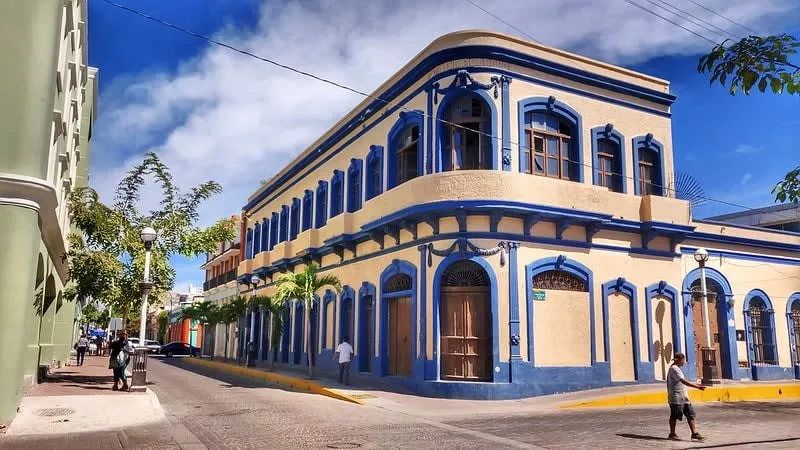
Rainy season reality: The rain doesn’t cancel beach days — it disrupts them. Morning beach time is usually fine. By 3–4 PM, afternoon storms roll in. For visitors who prioritize outdoor activities, this is limiting. For visitors focused on food, culture, and the Old Quarter, the rainy season is manageable.
Pros of rainy season: Lowest prices of the year. Almost no other tourists. Hotels at 30–50% of peak rates. The city operates normally.
September — avoid: This is hurricane season peak for the Pacific coast. Mazatlán has been hit by major hurricanes historically. While not annual, the risk is real and activity grinds down. Not worth the savings.
Mazatlán Weather by Month
| Month | Avg High | Avg Low | Rain Days | Ocean Temp | Humidity |
|---|---|---|---|---|---|
| January | 26°C (79°F) | 16°C (61°F) | 1 | 21°C (70°F) | Low |
| February | 27°C (81°F) | 17°C (63°F) | 1 | 21°C (70°F) | Low |
| March | 29°C (84°F) | 19°C (66°F) | 1 | 22°C (72°F) | Low |
| April | 31°C (88°F) | 21°C (70°F) | 1 | 23°C (73°F) | Low |
| May | 33°C (91°F) | 23°C (73°F) | 3 | 25°C (77°F) | Medium |
| June | 33°C (91°F) | 25°C (77°F) | 10 | 27°C (81°F) | High |
| July | 33°C (91°F) | 25°C (77°F) | 14 | 28°C (82°F) | High |
| August | 33°C (91°F) | 25°C (77°F) | 16 | 29°C (84°F) | Very High |
| September | 32°C (90°F) | 24°C (75°F) | 14 | 29°C (84°F) | Very High |
| October | 31°C (88°F) | 22°C (72°F) | 8 | 27°C (81°F) | High |
| November | 28°C (82°F) | 19°C (66°F) | 3 | 24°C (75°F) | Medium |
| December | 26°C (79°F) | 17°C (63°F) | 1 | 22°C (72°F) | Low |
Ocean temperatures: 21–22°C in winter (refreshing), 28–29°C at peak summer (bath-like). No sargassum at any time of year — this is structural, not seasonal.
Wildlife Calendar
| Species | Best Viewing Period | Notes |
|---|---|---|
| Whale sharks | October–May | Snorkel tours from Mazatlán harbor |
| Gray whales | December–April | Baja breeding lagoons 2–3 hrs north |
| Humpback whales | December–March | Offshore Mazatlán (rarer than PV) |
| Sea turtles (olive ridley) | July–November | Playa Teacapán nesting (90km south) |
| Birds (El Quelite/Los Flamingos lagoon) | November–April | Flamingos, herons, migrating species |
| Marine fish (sportfishing) | Year-round | Marlin peak spring–summer, dorado year-round |
Mazatlán Festivals & Events Calendar
| Date | Event | Notes |
|---|---|---|
| Jan 6 | Día de Reyes (Three Kings) | Kings arrive by boat — large street event on Malecón |
| Feb 12–17, 2026 | Carnival | Mexico’s largest — book 3–6 months ahead |
| Mar 29–Apr 5, 2026 | Semana Santa | Very busy, hotel prices peak |
| Mar–May | Whale shark season peak | Snorkel tours from harbor |
| May–Aug | Sportfishing season | Dorado, marlin, sailfish |
| Oct 31–Nov 2 | Día de Muertos | Jardín Rosales cemetery, community event |
| Dec 16–24 | Las Posadas | Nightly processions in Old Quarter |
| Dec 12 | Virgen de Guadalupe | National day — many businesses closed |
Mazatlán vs. Other Pacific Destinations
| Mazatlán | Puerto Vallarta | Los Cabos | |
|---|---|---|---|
| Best time | Nov–Apr | Oct–May | Oct–Jun |
| Sargassum | None | None | None |
| Price level | 💰 Budget | 💰💰 Mid | 💰💰💰 Premium |
| Authenticity | High (working city) | Medium (tourist zone) | Low (resort enclave) |
| Nightlife | Banda/Carnival | International | Upscale |
| Wildlife | Whale sharks + gray whales | Humpbacks + whale sharks | Whales + whale sharks |
| Getting there | MZT airport (direct from US/Mexico) | PVR airport (international hub) | SJD airport (international hub) |
| Unique feature | Carnival, pulmonia rides, historic center | Marietas Islands, Los Arcos | El Arco, Cabo Pulmo reef |
The case for Mazatlán over Puerto Vallarta: 30–50% cheaper for equivalent accommodation. More authentic working-city atmosphere. Carnival (February) has no equivalent in PV. The Old Quarter (Centro Histórico) is one of the best-preserved in Mexico.
The case for Mazatlán over Los Cabos: Half the price. Actual Mexican city vs. US-facing resort enclave. Better food (aguachile was invented here). The downsides: smaller international profile, less polished tourist infrastructure.
Mazatlán vs. Cancún and Caribbean Coast
Mazatlán is the main alternative for travelers who want beach + city + culture without Caribbean prices or sargassum risk.
| Mazatlán (Pacific) | Cancún (Caribbean) | |
|---|---|---|
| Sargassum | None (structural) | Moderate–High (Apr–Oct) |
| Price | 40–60% cheaper | Higher |
| Water color | Pacific blue-gray | Caribbean turquoise |
| City experience | Yes — authentic Mexican city | Hotel Zone = resort strip |
| Nightlife | Banda, authentic Mexican | International, more polished |
| History/culture | Colonial center, Carnival | None in Hotel Zone |
| Flight access | MZT (direct from LA, Phoenix, Chicago) | CUN (major international hub) |
Mazatlán’s water doesn’t have the turquoise color of the Caribbean — that’s the honest reality. If water color is your priority, go Caribbean. If you want Pacific beach + authentic city + the best Carnival in Mexico, Mazatlán is the better call.
Best Time by Travel Style
| Traveler Type | Best Time | Why |
|---|---|---|
| First-time visitor | January or March | Best weather, lower stress, easier hotel pricing than February |
| Carnival seeker | Feb 12–17, 2026 | Mexico’s biggest Carnival, but you need to book early |
| Budget beach vacation | November or late October | Better value before winter rates ramp up |
| Whale shark snorkeling | March–May | Peak season for offshore tours |
| Families with kids | December–January | Reliable weather and fewer big-party crowds than Carnival |
| Foodies | Any dry season | Aguachile, marlin tacos, and plaza dining work best in cooler evenings |
| Honeymooners | November–January | Quietest stretch with the nicest weather |
| History/culture | November–April | Best walking weather for Centro Histórico and the Malecón |
| Surfers | May–October | Summer swells are better, even if weather is stickier |
| Sportfishing | April–July | Dorado, marlin, and sailfish improve |
| Skip if you hate weather risk | September | Hurricane season peak, heavy rain, and fewer reasons to be here |
Common Mistakes When Choosing Your Dates
- Booking Carnival like a normal beach week. February is great only if you actively want parades, banda, fireworks, and surge pricing.
- Assuming summer rain means all-day washouts. In Mazatlán, storms usually hit later in the day, but humidity is the bigger issue.
- Chasing the absolute cheapest month without checking hurricane risk. September rates are low for a reason.
- Treating Mazatlán like Cancún. You do not need to plan around sargassum here, but you do need to plan around Carnival, Semana Santa, and Pacific rainy season.
Practical Notes
Getting there: Mazatlán (MZT) has direct flights from Los Angeles, Phoenix, Dallas, Chicago, Denver, and major Mexican cities. The airport is 25km south of the city. Uber runs from MZT to the hotel zone for 200–300 MXN.
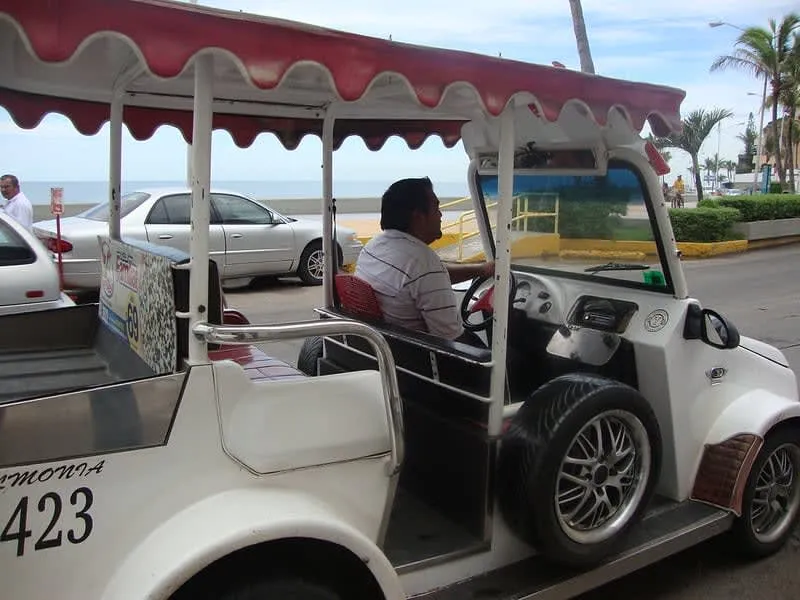
Getting around: Mazatlán invented the pulmonia — an open-air modified golf cart–style taxi unique to this city. No other city in Mexico has them. 50–150 MXN for most trips. Regular taxis are slightly cheaper. Uber works throughout the city.
Where to stay:
- Old Quarter (Centro Histórico): Colonial boutique hotels, walking distance to Plaza Machado, Angela Peralta Theater, best restaurants. Best for culture-focused travelers.
- Zona Dorada (Golden Zone): Mid-range hotels along the beach, 10 minutes north of the Old Quarter. Best for beach-first travelers.
- El Cid Resort Area: North of Zona Dorada — larger all-inclusive resorts.
Safety: Mazatlán is in Sinaloa, a Level 3 state. The city itself — the tourist areas, beaches, Old Quarter, Malecón, and Zona Dorada — has good safety. The advisory refers to Sinaloa state broadly, particularly rural routes and areas between cities. Exercise standard urban precautions. Mazatlán receives millions of Mexican and foreign tourists annually. See Mexico Travel Advisory 2026 for full context.

Frequently Asked Questions
What is the best month to visit Mazatlán?
November, January, and March offer the best combination of dry weather, low prices, and manageable crowds. February is spectacular if you’re there specifically for Carnival. Avoid September.
When is Carnival in Mazatlán 2026?
Carnival 2026 runs February 12–17. It’s Mexico’s largest Carnival and one of the top five in the world, with nightly parades, concerts, and fireworks. Book hotels 3–6 months ahead.
Does Mazatlán have sargassum seaweed?
No. Mazatlán is on the Pacific coast, not the Caribbean. Sargassum is a Caribbean phenomenon caused by Atlantic currents. The Pacific coastline is structurally free of sargassum year-round.
Is it too hot to visit Mazatlán in summer?
Summer (June–September) is hot (30–34°C), humid, and rainy. The rain typically comes in afternoon/evening storms. Mornings are usually fine. July and August work for visitors focused on indoor activities, food, and culture — but it’s not optimal beach weather. September has hurricane risk and is best avoided.
When is whale shark season in Mazatlán?
Whale sharks feed offshore Mazatlán from October through May. Peak viewing is March–May. Tours cost 1,200–1,800 MXN per person from the main harbor — cheaper than Holbox or Isla Mujeres for the same experience.
Plan Your Mazatlán Trip
- Mazatlán Travel Guide — full destination guide with beaches, food, and neighborhoods
- Things to Do in Mazatlán — 25 best activities ranked
- Day Trips from Mazatlán — El Quelite, Copala, Stone Island, and more
- Is Mazatlán Safe? — practical safety context for first-timers
- Best Time to Visit Puerto Vallarta — Pacific coast comparison
- Best Time to Visit Mexico — month-by-month overview for the whole country
- Mexico in February — Carnival context + what else is happening
- Mexico in March — one of the strongest shoulder-season windows nationwide